

Where Artificial Intelligence Still Falls Short
Artificial intelligence has made impressive strides in recent years, and it's easy to get swept up in the excitement of everything it can seemingly do. It can write essays, generate images, hold conversations, and even assist with complex coding tasks. But for all its capabilities, AI has some very real and very significant blind spots that are worth knowing about, given that it's still far from the all-knowing, all-capable tool it’s sometimes made out to be. While that doesn’t make AI useless, it does mean you should know where its limits are before trusting it too much. Here are 20 things AI is still terrible at, even when it sounds confident.
1. Getting Its Facts Straight
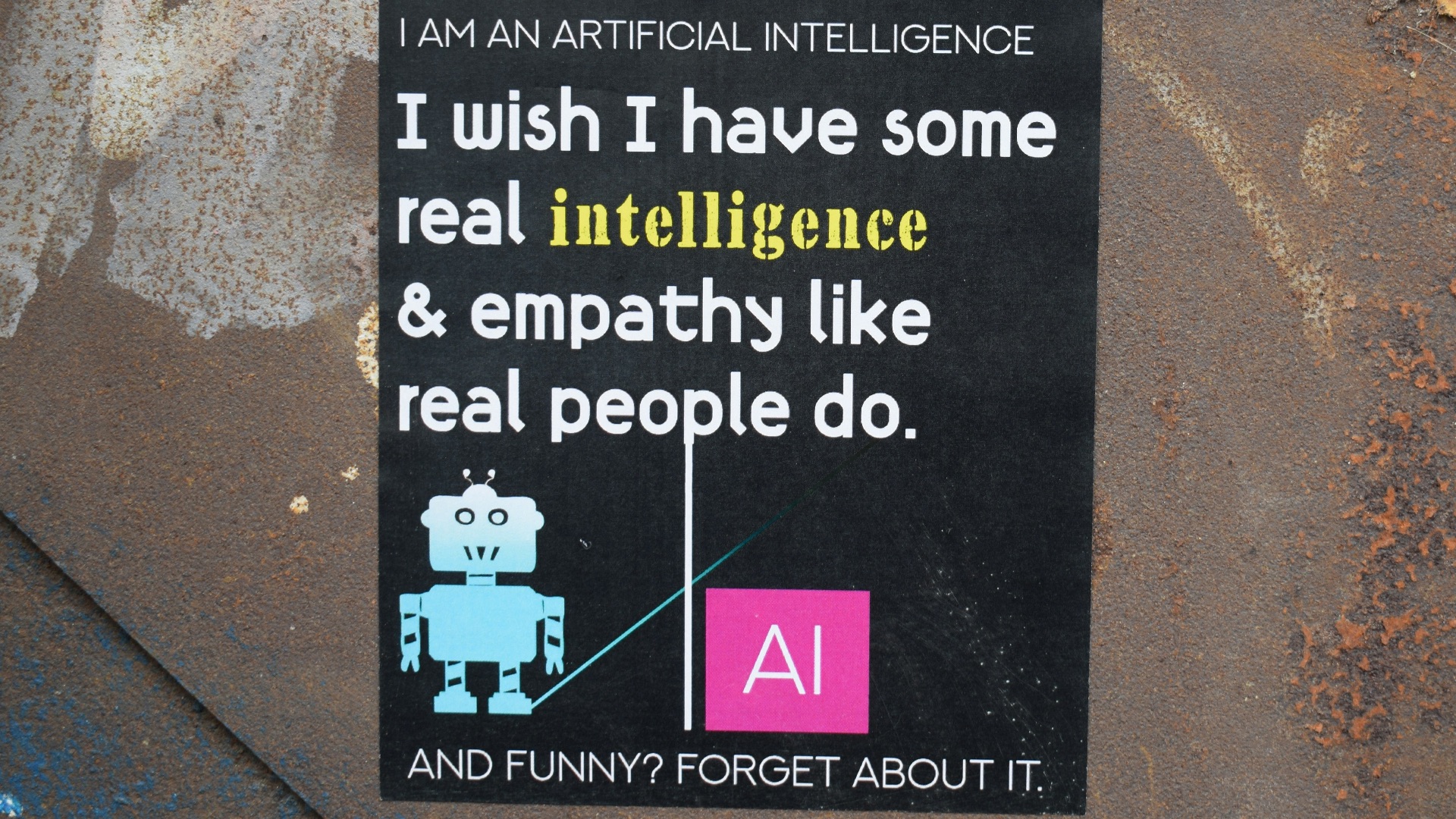
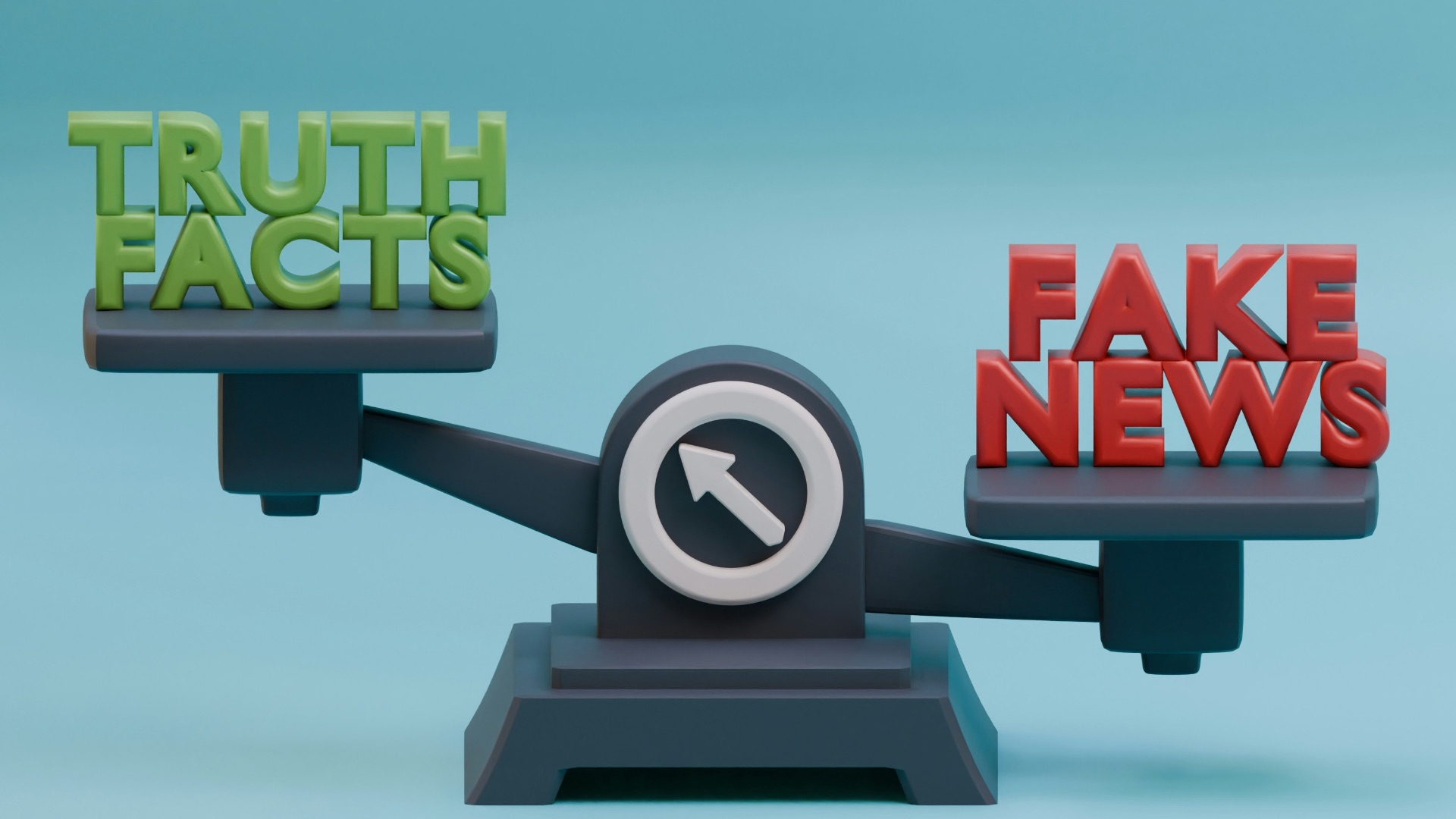
AI language models have a well-documented tendency to "hallucinate," which means they'll confidently state something completely false as if it were established truth. This happens because AI doesn't actually look things up; instead, it generates responses based on patterns in its training data, which means it can fabricate statistics, misattribute quotes, and invent sources out of thin air. If you're using AI for anything research-based, always verify the facts independently before trusting them.
 Hartono Creative Studio on Unsplash
2. Feeling True Empathy
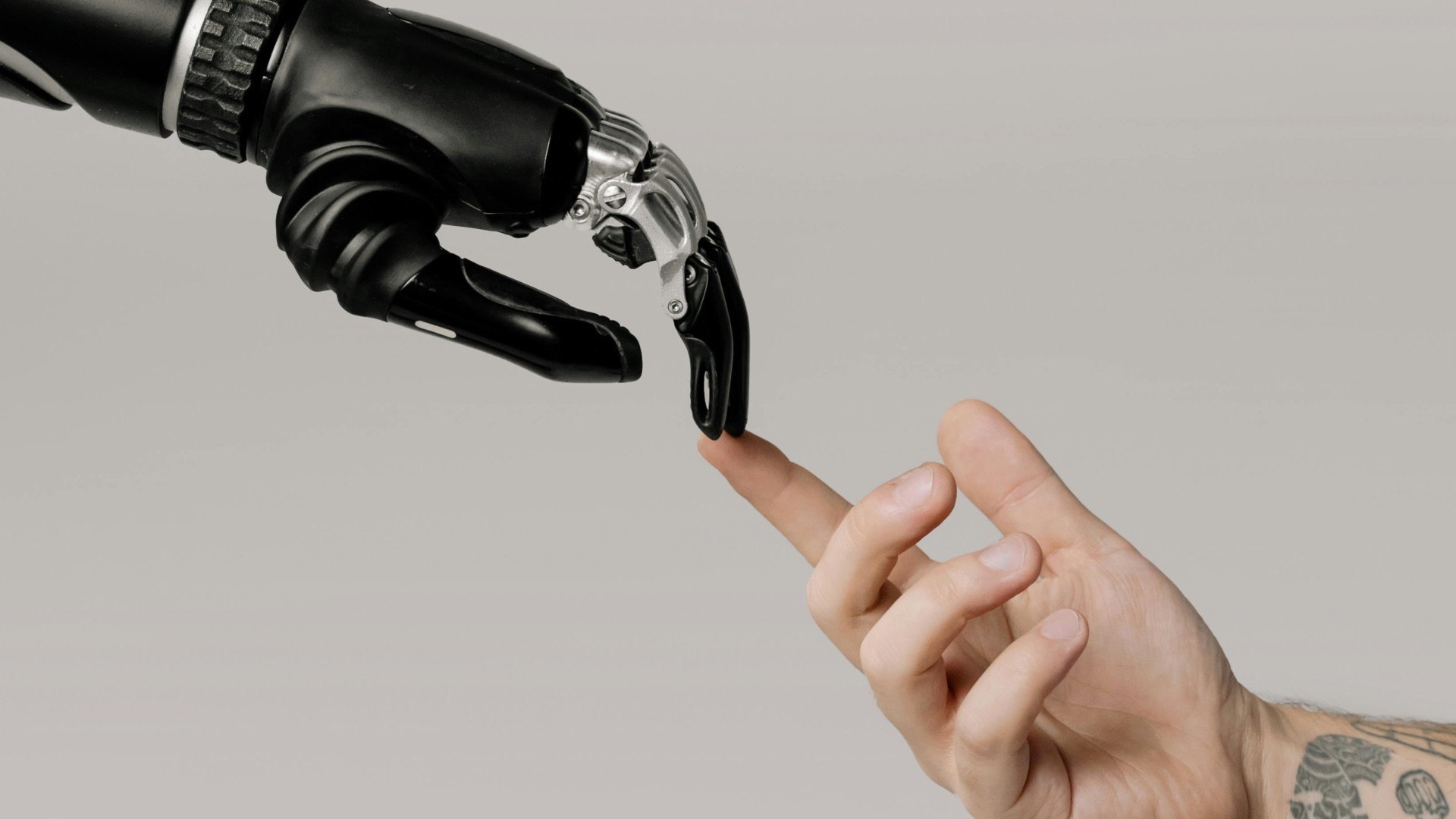
AI can recognize emotional cues and respond with language that sounds compassionate, but there's no actual understanding behind it. It doesn't feel anything, which means it can't truly sit with you in grief, fear, or uncertainty the way another human being can. The words might sound right, but the experience of being understood by a machine is fundamentally different from being understood by a person.
3. Forming Unbiased Opinions
AI systems are trained to be agreeable, which means they tend to tell you what they think you want to hear rather than what's objectively accurate or balanced. This people-pleasing tendency is a structural flaw, not a quirk; it means AI will often validate your existing viewpoint instead of challenging it. If you're looking for a truly critical perspective, you're better off consulting a person who isn't programmed to make you feel good.
4. Thinking Truly Originally
Everything an AI produces is ultimately a recombination of patterns from data it was trained on, which puts a hard ceiling on how original its output can be. It can remix, rephrase, and rearrange existing ideas in impressive ways, but it doesn't have the lived experience, emotional depth, or intellectual independence needed to generate a truly novel idea from scratch. The best human creativity draws on something AI simply doesn't have access to.
5. Navigating Niche Expertise
AI performs well in areas with abundant training data, but the moment you step into highly specialized professional territory, it starts to struggle. A veterinary cardiologist, a medieval manuscript conservator, or a forensic accountant each carries knowledge that's too narrow and too specialized for general AI models to replicate reliably. In fields where the details really matter, there's no substitute for a human expert with years of domain-specific experience.
 National Cancer Institute on Unsplash
6. Understanding Lived Experience
Knowing about something and having lived through it are two entirely different things, and AI only ever has access to the former. It can describe what grief, chronic illness, or systemic discrimination look like from the outside, but it has no personal frame of reference for what those experiences actually feel like. That gap matters enormously when you're seeking advice, support, or creative work that requires real emotional authenticity.

7. Keeping Up with Real-Time Information
Most AI models have a knowledge cutoff, meaning they have no awareness of anything that happened after a certain point in time. Even AI tools with web access can struggle to accurately synthesize breaking news or rapidly evolving situations. If you need up-to-the-minute information on current events, financial markets, or recent research, AI isn't your most reliable option.

8. Catching Its Own Mistakes
One of the more frustrating things about AI is that it's not very good at recognizing when it's wrong, and it often doubles down when corrected rather than actually reassessing. It lacks the kind of self-awareness that would allow it to identify a flawed assumption or a logical error before presenting you with a confident but incorrect answer. Without external fact-checking, errors can slip through completely undetected.
9. Producing Truly Consistent Long-Form Work
AI can produce impressive short-form content, but ask it to write something long and cohesive and cracks start to appear. Characters shift, arguments contradict themselves, and the overall structure often loses coherence the further in you go. Maintaining narrative or argumentative consistency across thousands of words requires a level of intentionality and big-picture thinking that AI currently can't sustain.

10. Reading a Room
AI has no real-time awareness of social dynamics, cultural context, or the unspoken rules that govern human interaction. It can't sense when humor would land badly, when a situation calls for silence rather than words, or when a technically correct response would be emotionally tone-deaf. Social intelligence is deeply situational, and AI is essentially operating without any of the contextual awareness that makes it work.

11. Performing Complex Moral Reasoning
Ethical decision-making involves weighing competing values, considering historical context, and making judgment calls that can't be reduced to a formula, and that's exactly where AI falls apart. It can summarize ethical frameworks and lay out the arguments on both sides, but it can't actually reason through a morally complex situation the way a thoughtful human can. Real ethical judgment requires wisdom, not just pattern recognition.

12. Handling High-Stakes Legal or Medical Advice
AI can provide general information about legal or medical topics, but applying that information accurately to a specific real-world situation is a different matter entirely. The details of your particular circumstances, jurisdiction, health history, and risk profile are exactly the kinds of nuances that licensed professionals are trained to account for. But using AI as a substitute for a lawyer or doctor isn't just unreliable; in some cases, it can be highly dangerous.
 National Cancer Institute on Unsplash
13. Maintaining a Coherent Long-Term Memory
Within a single conversation, AI can track what's been discussed, but it doesn't retain information between sessions unless it's been specifically built to do so. Every new conversation typically starts from scratch, meaning it has no memory of your preferences, your history, or the context you've previously shared. This makes it a poor fit for any relationship or workflow that benefits from continuity over time.

14. Doing Math Reliably
Despite being a computer, AI language models are surprisingly unreliable at arithmetic and mathematical reasoning. This is because they approach numbers the same way they approach words (through pattern matching rather than actual calculation), which means they can and do make arithmetic errors. For anything beyond the most basic calculations, you're better off using a dedicated calculator or computational tool, or doing it yourself.

15. Making Accurate Predictions
AI can identify trends and extrapolate from historical data, but it's nowhere near as good at predicting the future as its confident tone might suggest. Complex systems, whether financial markets, political outcomes, or human behavior, involve too many unpredictable variables for any model to account for reliably. Taking AI forecasts as anything more than rough estimates is a mistake worth avoiding.
16. Attributing Credit and Authorship Accurately
Because AI draws from vast amounts of training data without always being able to trace exactly where specific knowledge came from, it frequently misattributes ideas, quotes, and discoveries. It might credit the wrong person for a scientific breakthrough or misquote a well-known figure without any indication that something is off. This is a real problem in academic, journalistic, or professional contexts where attribution matters.
17. Adapting to Highly Regional or Cultural Nuance
AI models are predominantly trained on English-language data, which means they tend to reflect Western (and often specifically American) cultural assumptions. Idiomatic expressions, culturally specific humor, local customs, and regional sensitivities are frequently lost, misinterpreted, or flattened into something generic. If you're creating content for a specific cultural audience, human input is far more likely to get the tone right.

18. Exercising Genuine Restraint
AI will attempt to answer almost anything you ask it, even when the honest answer would be "I don't know" or "you should consult a professional." This overconfidence is a systemic issue; it's designed to be helpful, which sometimes means it provides an answer when no reliable answer is actually available. Knowing when not to speak is a form of judgment that AI hasn't quite mastered.
 Volodymyr Hryshchenko on Unsplash
19. Understanding the Full Scope of an Idea
When given a creative task, AI tends to interpret instructions literally and misses the broader intent behind them. It can follow the letter of a brief but struggle to understand the underlying goals, audience expectations, or the unspoken creative vision that a human collaborator would naturally pick up on. The more a project depends on intuition and contextual reading, the less reliably AI will deliver what you actually had in mind.

20. Taking Accountability
When AI gets something wrong—and it will—there's no one to hold responsible in the traditional sense. It won't apologize with any real meaning behind it, it won't learn from the mistake in real time, and it won't face consequences. The accountability gap is one of the most significant limitations of relying too heavily on AI, particularly in professional or high-stakes contexts where errors have real-world consequences.