The Wizarding World Is Full of Hidden Clues
One of the reasons the Harry Potter series remains so beloved is the incredible amount of detail J.K. Rowling packed into the books. Many seemingly small moments end up foreshadowing major events, while others quietly reveal something about the characters or magical world without drawing attention to themselves. Even longtime fans often discover new details every time they revisit the series. Here are 20 subtle touches that are easy to overlook.

1. Harry Inherits More Than Just Money From Sirius
When Sirius Black dies, Harry doesn't only inherit Grimmauld Place. He also inherits Kreacher, the house-elf who ultimately helps locate Salazar Slytherin's locket. That legal ownership becomes essential later in the hunt for Horcruxes.
2. The Vanishing Cabinet Appears Years Before It Matters
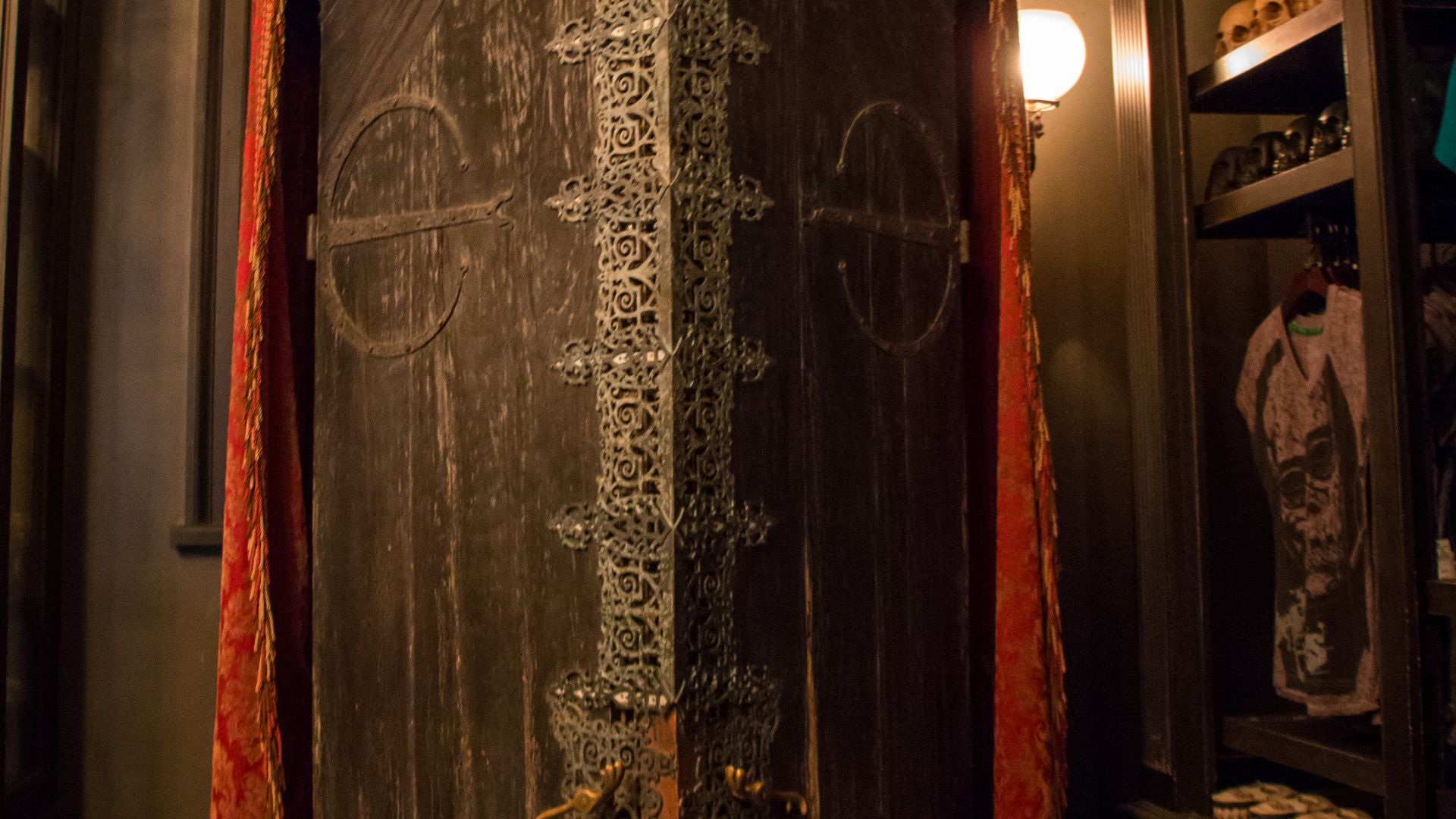
Most fans remember the Vanishing Cabinet from Half-Blood Prince, but it actually appears much earlier. Peeves smashes it in Chamber of Secrets after Nearly Headless Nick tricks Filch into looking elsewhere. That damaged cabinet is the very one Draco Malfoy later spends months repairing. Rowling planted the object several books before it became central to the story.
3. Neville Was Nearly the Chosen One
Professor Trelawney's prophecy could've referred to either Harry Potter or Neville Longbottom. Both boys were born at the end of July to parents who had defied Voldemort three times. Voldemort's decision to target Harry is what ultimately fulfilled the prophecy. Had he chosen differently, the entire series might have unfolded around Neville instead.

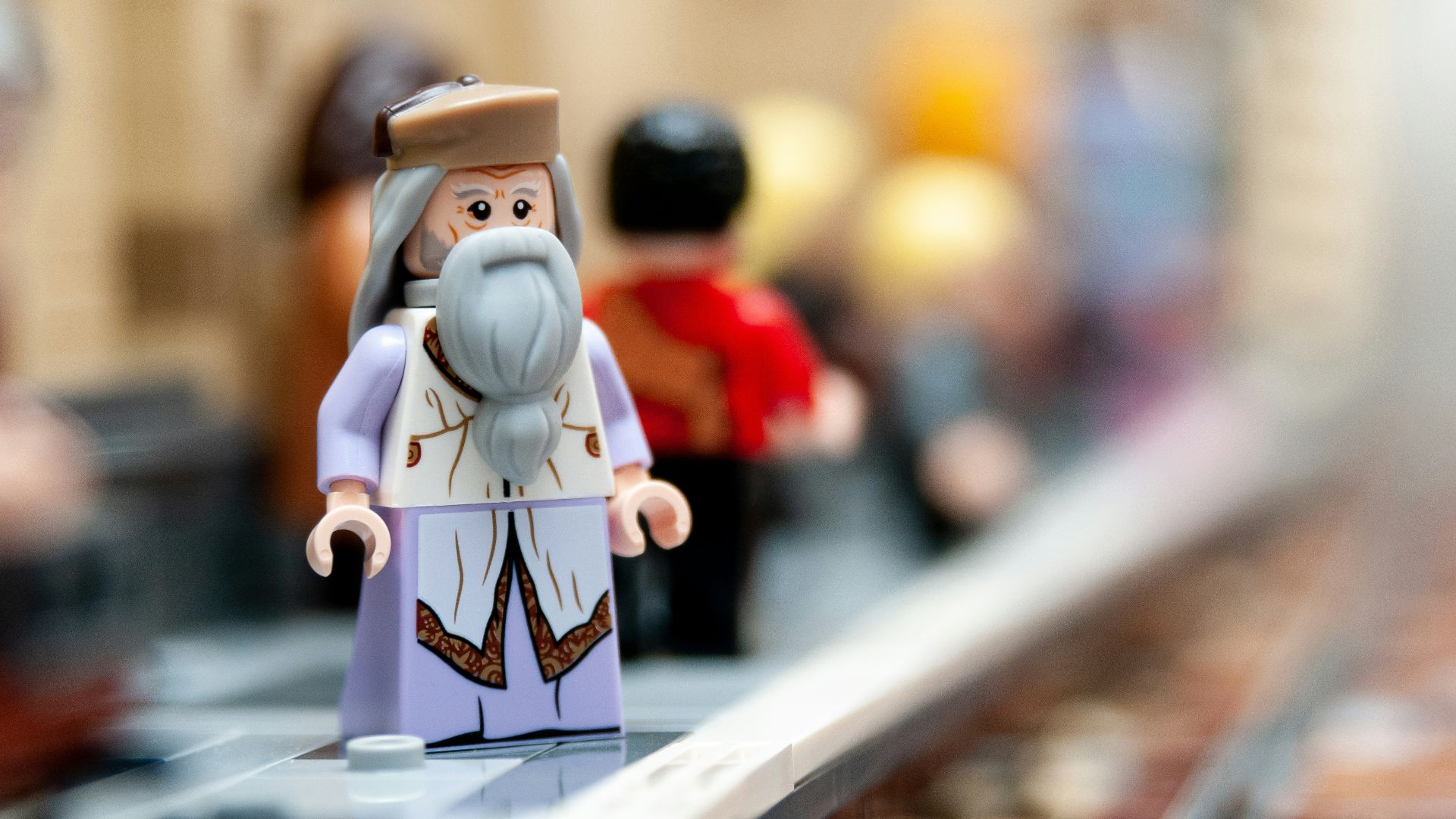
4. Dumbledore's Deluminator Does More Than Turn Off Lights
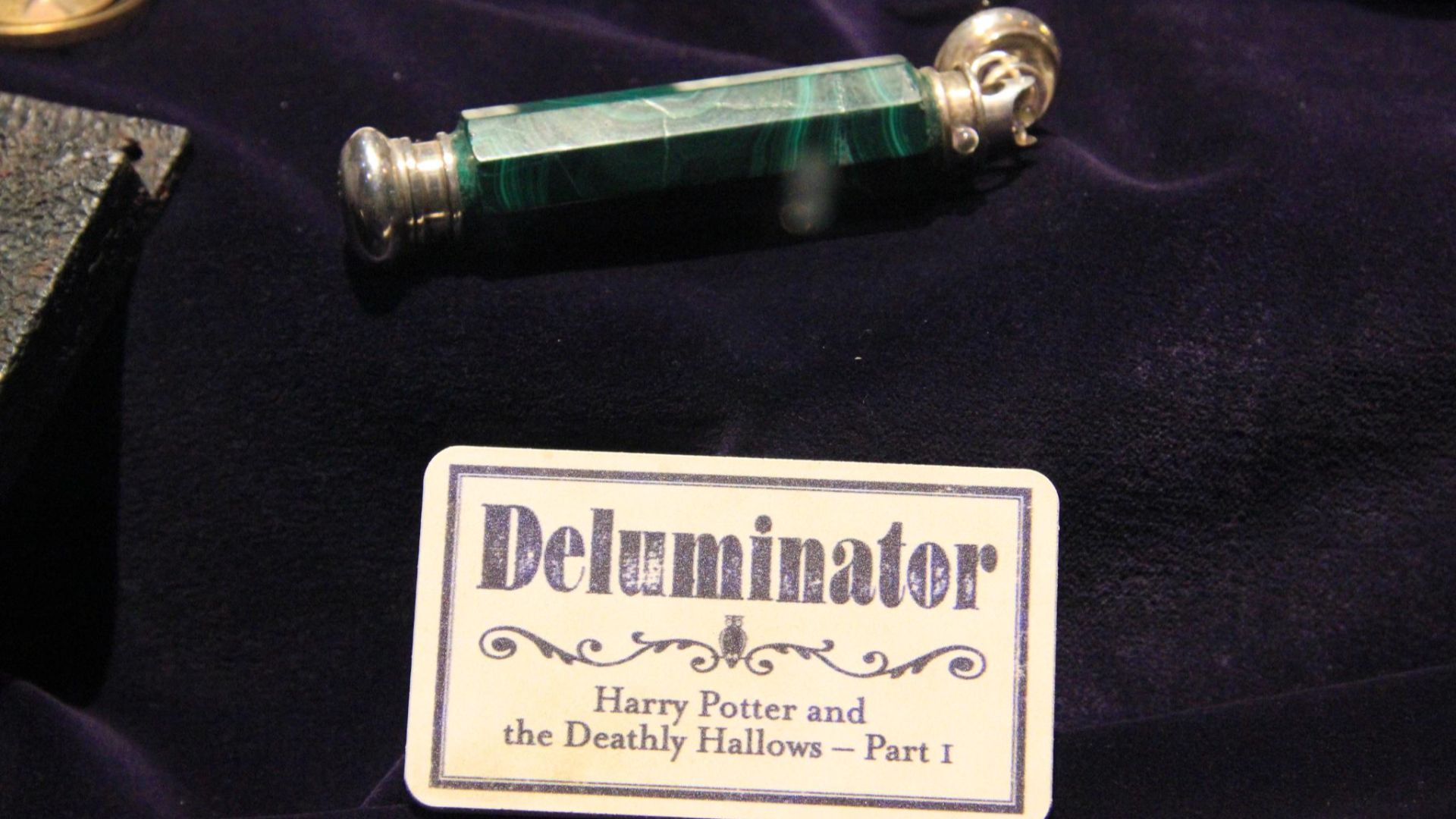
At first, the Deluminator seems like nothing more than a magical gadget that extinguishes streetlights. In Deathly Hallows, however, it reveals another ability by helping Ron find Harry and Hermione after leaving the group. Dumbledore anticipated Ron's doubts long before they happened.
5. The Fake Horcrux Is Introduced Before Its Story Is Explained
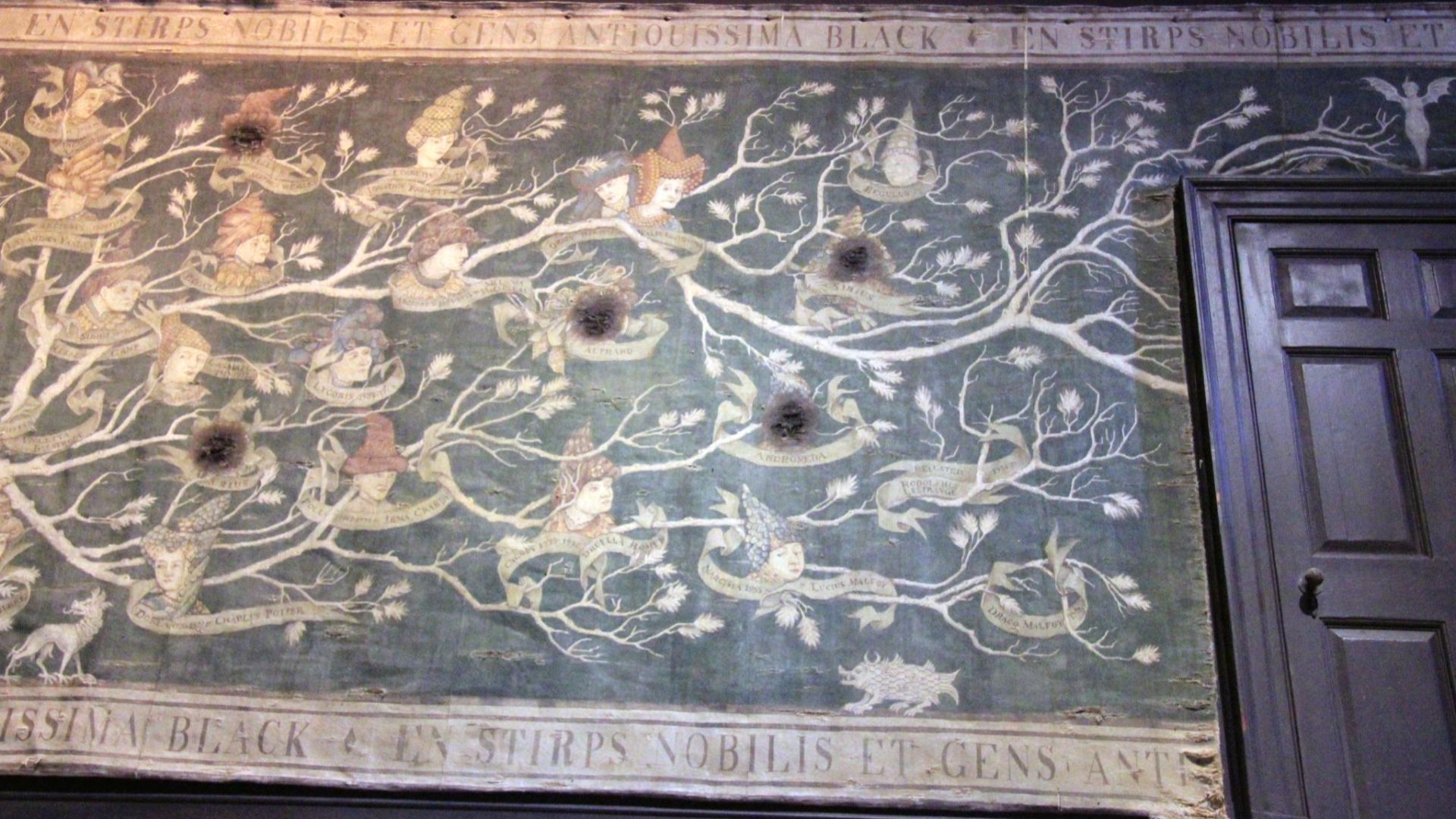
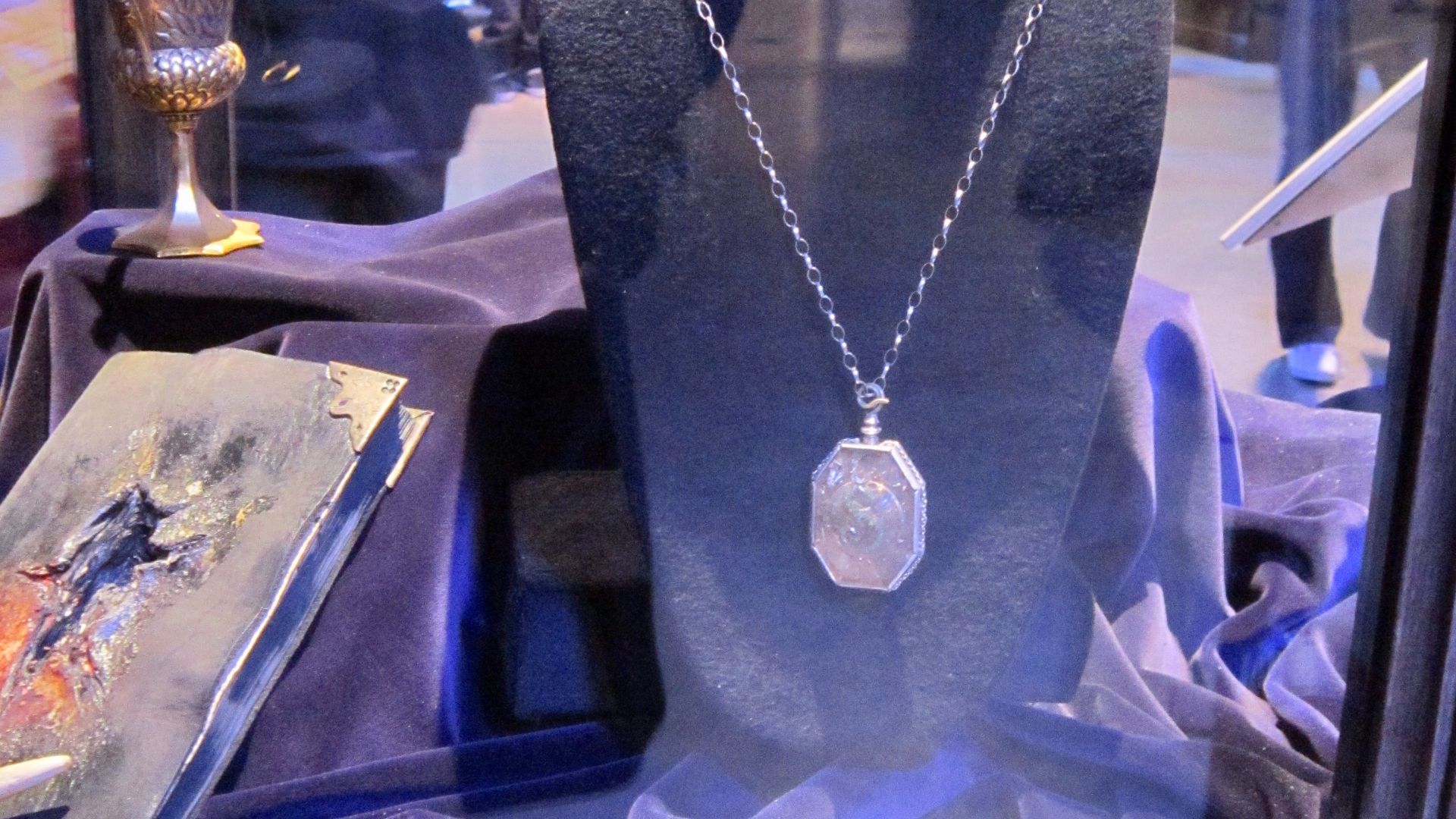
At the end of Half-Blood Prince, Harry and Dumbledore retrieve what they believe is one of Voldemort's Horcruxes from the cave, only to discover that someone has already stolen the real locket. Inside is a note signed "R.A.B.," but neither Harry nor the reader knows who those initials belong to. It's only in Deathly Hallows that the mystery is solved when Sirius's brother, Regulus Arcturus Black, is revealed to have stolen the Horcrux years earlier in an attempt to destroy it.
6. Ron Accidentally Predicts Future Events
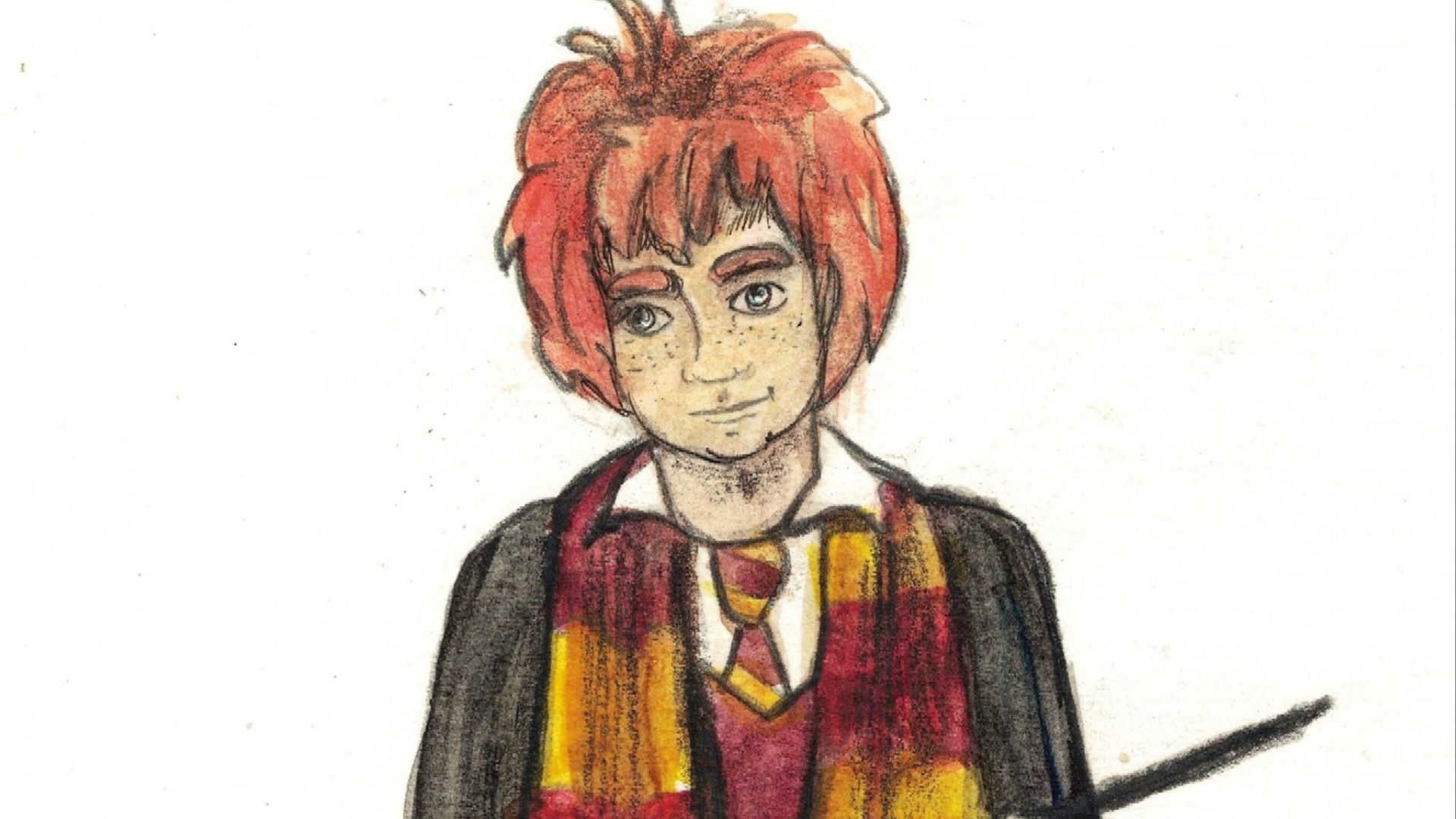
Ron often jokes about Divination, yet several of his offhand comments surprisingly come true. While making up homework in Prisoner of Azkaban, he unknowingly predicts dangers Harry later faces. Rowling quietly turns his fake predictions into genuine foreshadowing.
 Mademoiselle Ortie / Elodie Tihange on Wikimedia
7. Hedwig Represents Harry's Lost Innocence
Hedwig's death isn't simply meant to shock readers. Throughout the series, she represents Harry's connection to childhood, Hogwarts, and happier times. Her death during the escape from Privet Drive signals that the final adventure will be far darker than anything before it. From that point forward, Harry truly enters adulthood.
8. Petunia Already Knew What Dementors Were
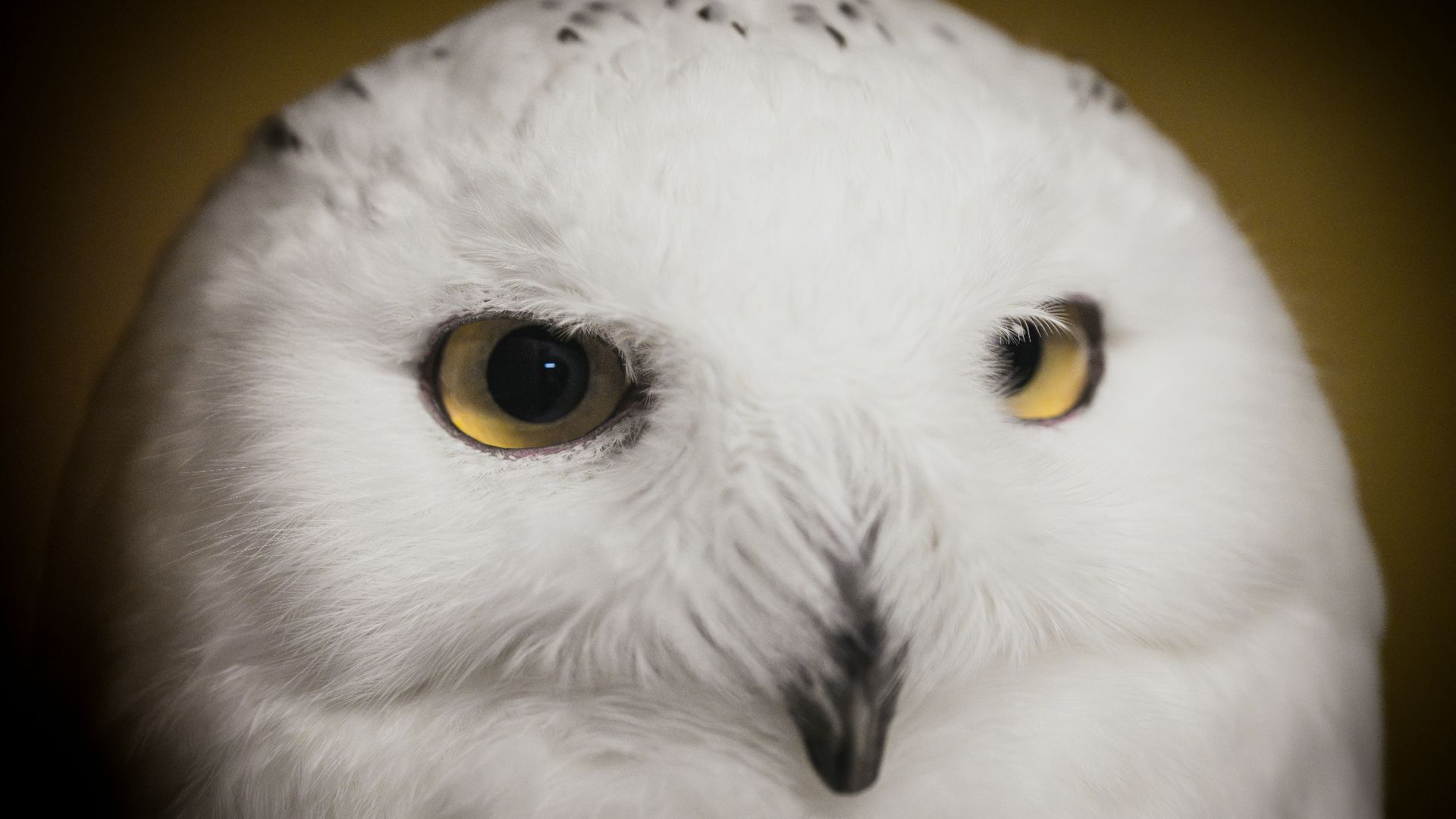
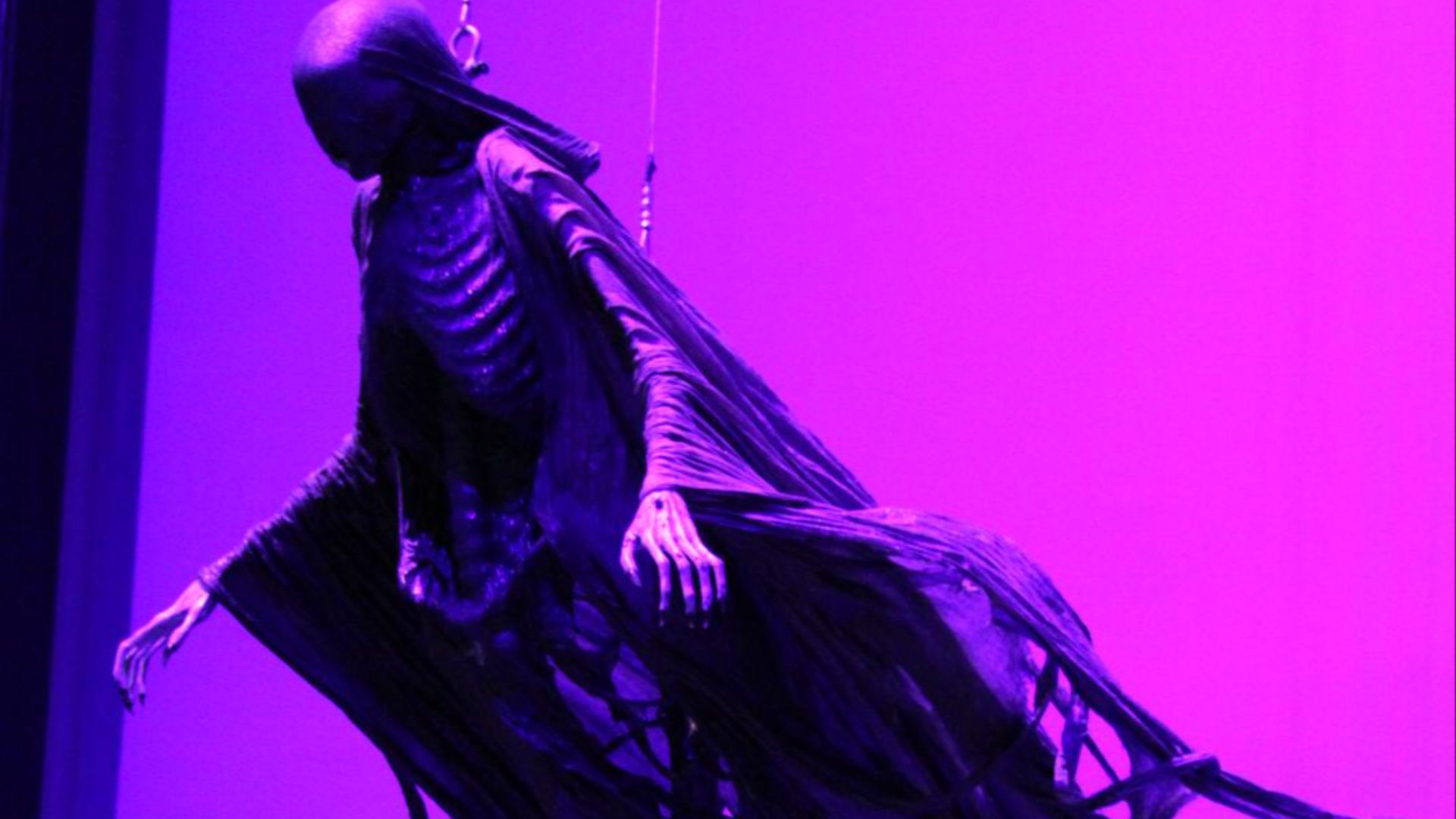
In Order of the Phoenix, Petunia shocks everyone by recognizing the word “Dementor” after Harry is attacked. She explains that she once heard “that awful boy” telling Lily about them, which Harry initially assumes means James. Much later, readers learn she was actually referring to Snape, who knew Lily before she ever met James.
9. Snape's First Potion Question Was Personal
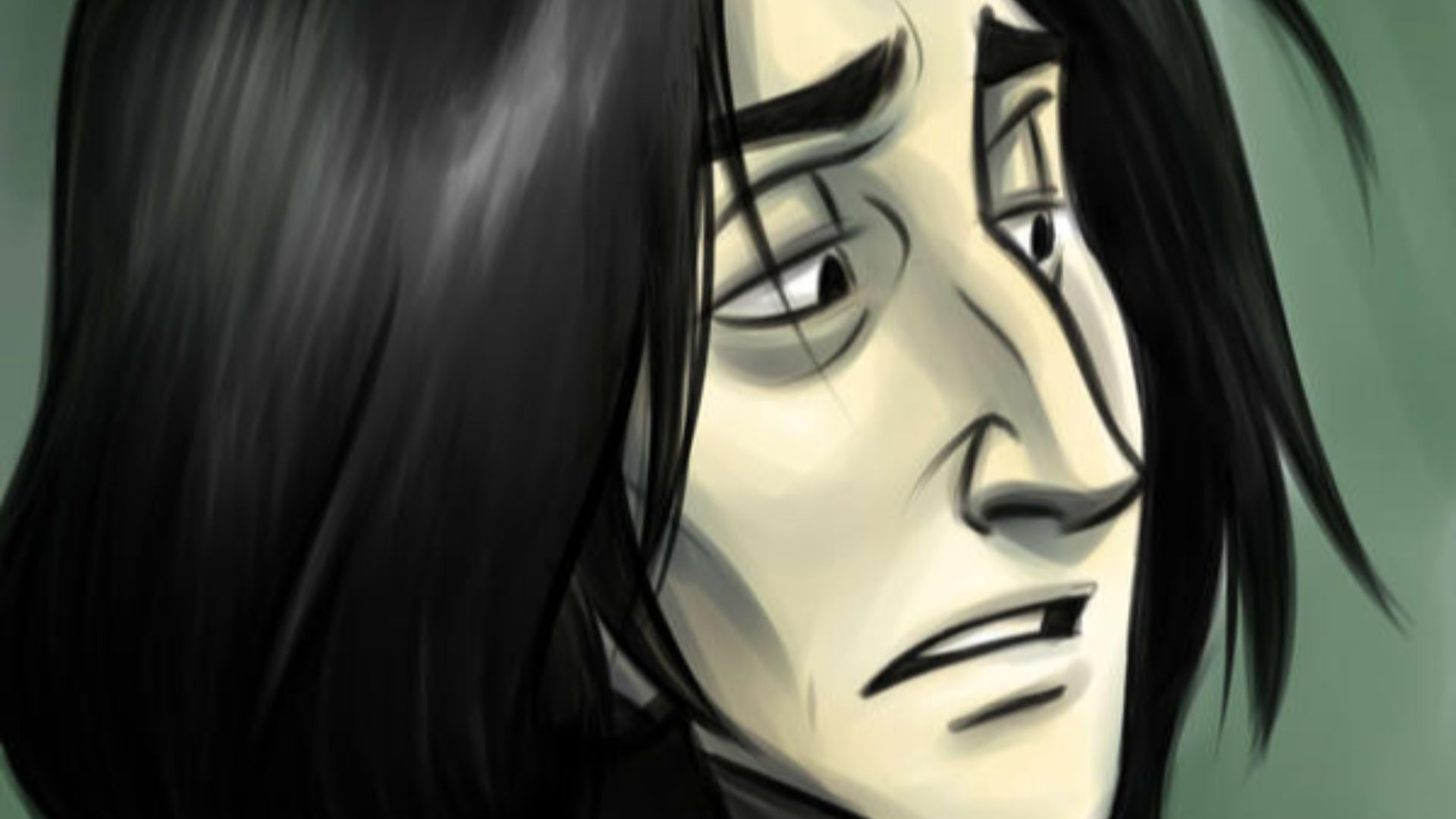
When Snape asks Harry what he'd get by adding powdered root of asphodel to an infusion of wormwood, it seems like an ordinary classroom question. Many readers later noticed that both plants carry symbolic meanings connected to grief and loss in Victorian flower language. Combined, they can be interpreted as expressing deep regret. While Rowling has never confirmed this was intentional, many fans see it as an early hint toward Snape's feelings for Lily.
10. Fawkes Saves Harry Twice
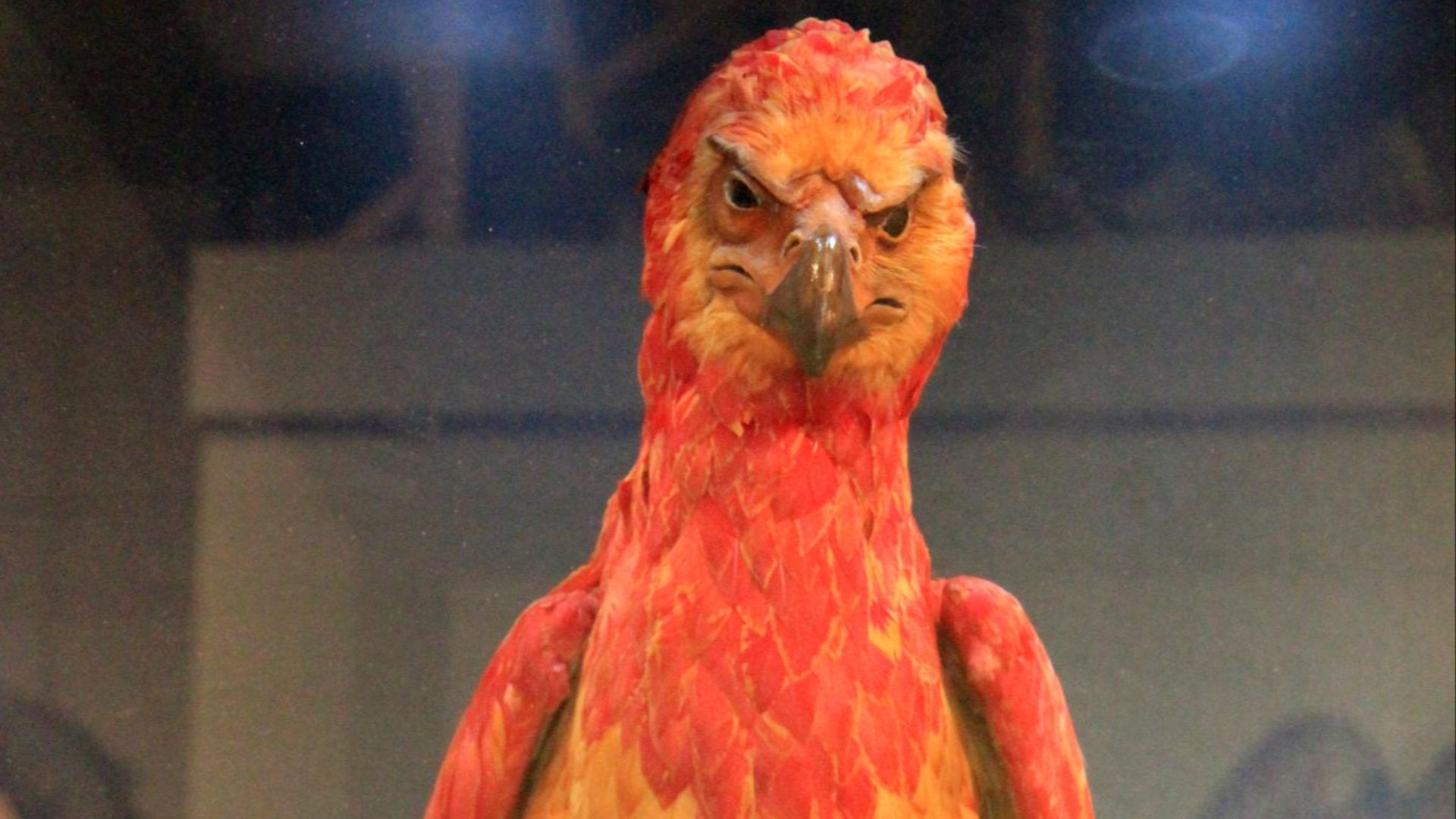
Most people remember Fawkes blinding the Basilisk in the Chamber of Secrets. It's easy to forget that the phoenix also delivers the Sorting Hat, allowing Harry to pull out Godric Gryffindor's sword. Without both interventions, Harry would've almost certainly died.
11. The Dursleys Are Influenced by a Horcrux
Living with the Dursleys would be unpleasant regardless, but Harry also carries part of Voldemort's soul throughout his childhood. Some fans believe this Horcrux may have amplified the negativity inside the household, much like Slytherin's locket affected those who wore it. Rowling never confirmed this as canon, but it's a popular theory that adds another layer to Harry's difficult upbringing.

12. Dumbledore Lets Harry Make Crucial Choices
To some, Dumbledore can seem too hands-off at times, but the fact that he rarely forces Harry down a specific path is crucial to the story. The fact that he presents information and allows Harry to decide what kind of person he wants to become mirrors one of the series' biggest themes: choices matter more than abilities.
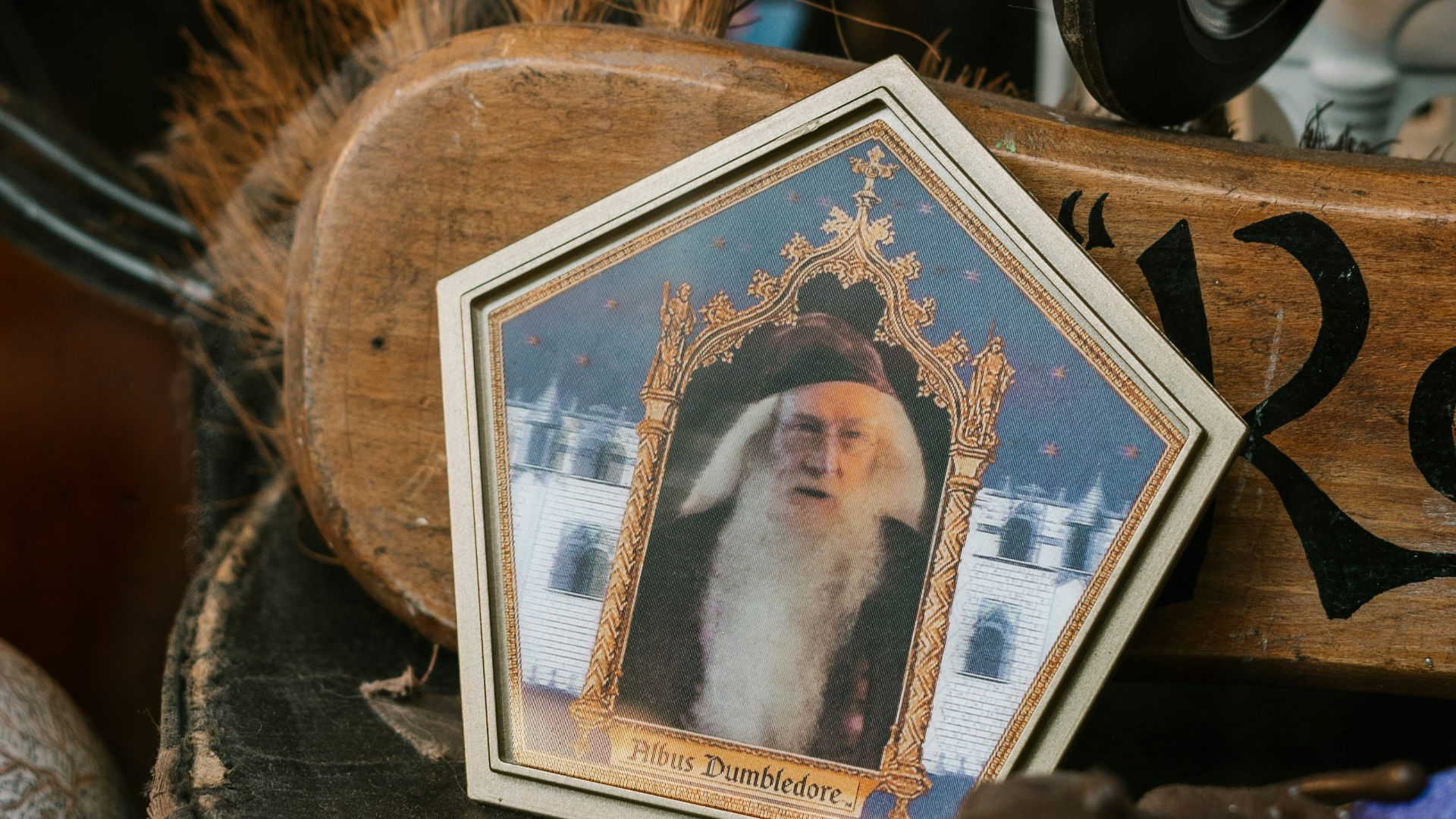
13. The Mirror of Erised Quietly Predicts Harry's Future
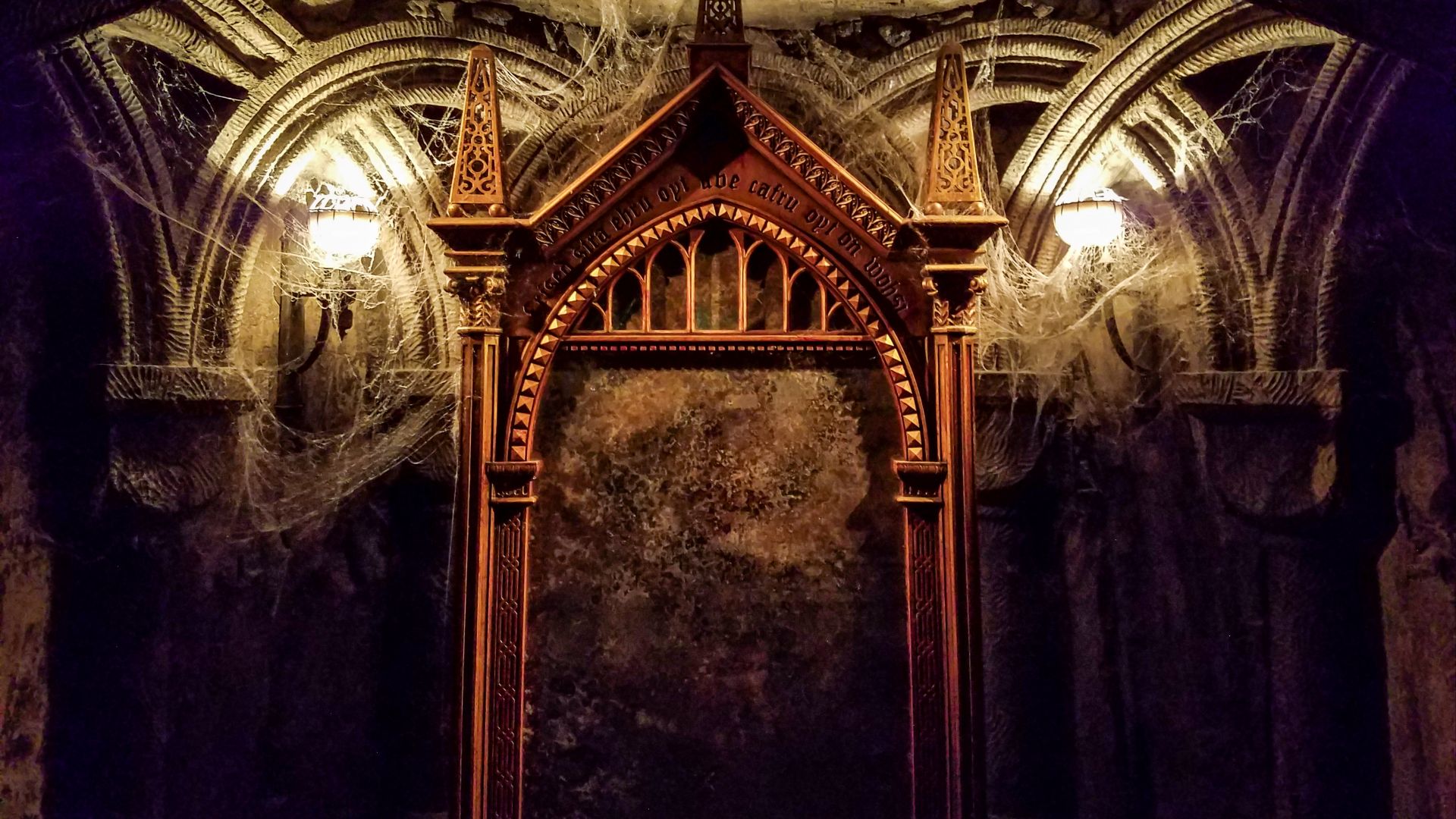
When Harry first looks into the Mirror of Erised, he sees himself surrounded by his parents and extended family. At the time, it simply reflects his deepest desire to know the relatives he never had. By the end of the series, though, Harry has become part of the Weasley family through his marriage to Ginny and has built the loving home he always longed for.
14. Harry's Wand & Voldemort's Wand Share a Core
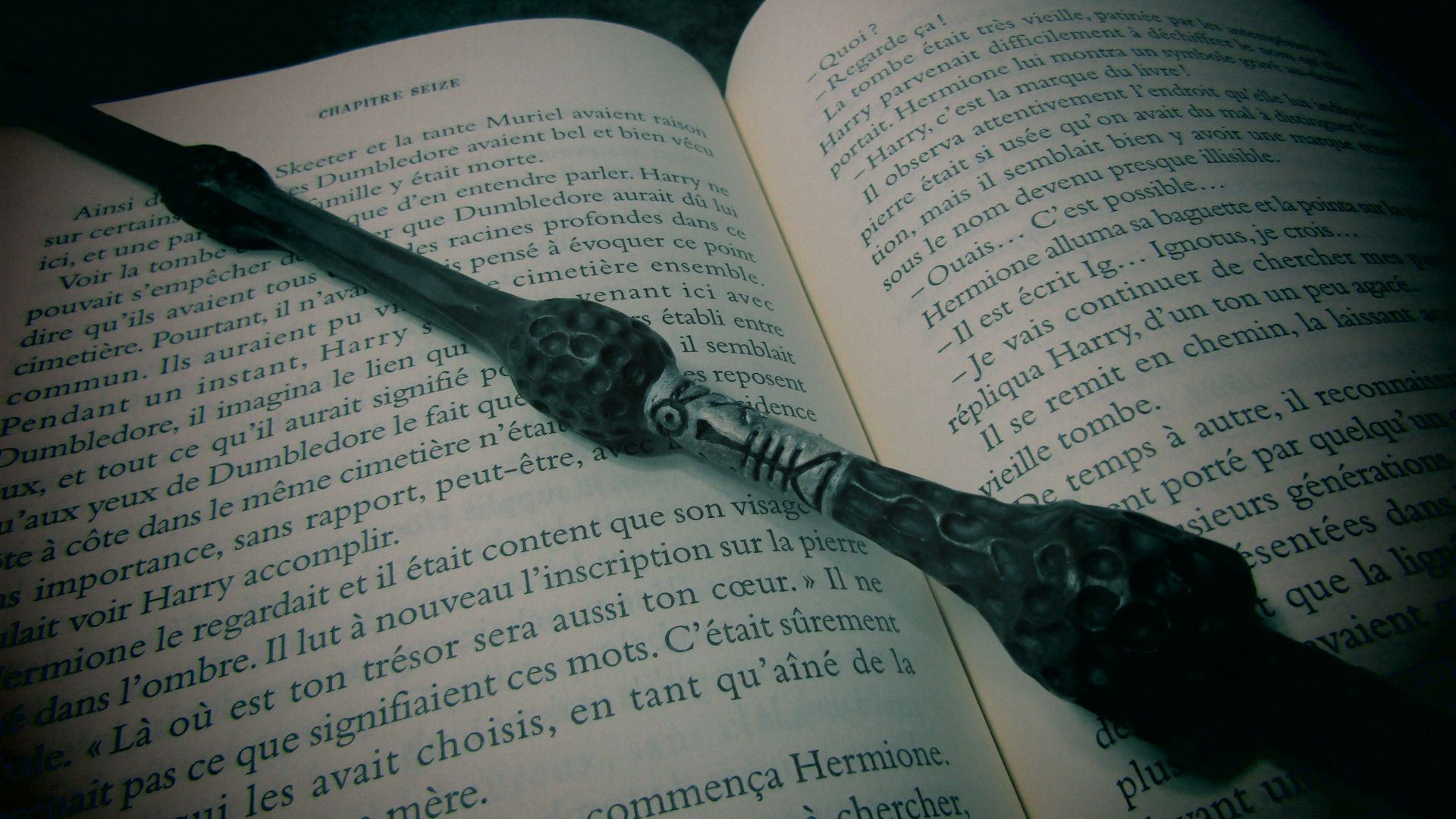
Fans know the twin cores create Priori Incantatem, but the shared phoenix feather has another effect. It means neither wand can easily defeat the other in direct combat. Ollivander explains this early, yet its full significance isn't realized until much later. That connection shapes several of the series' most important duels, including Harry's final one with Voldemort.
15. Kreacher Changes Once He's Shown Respect
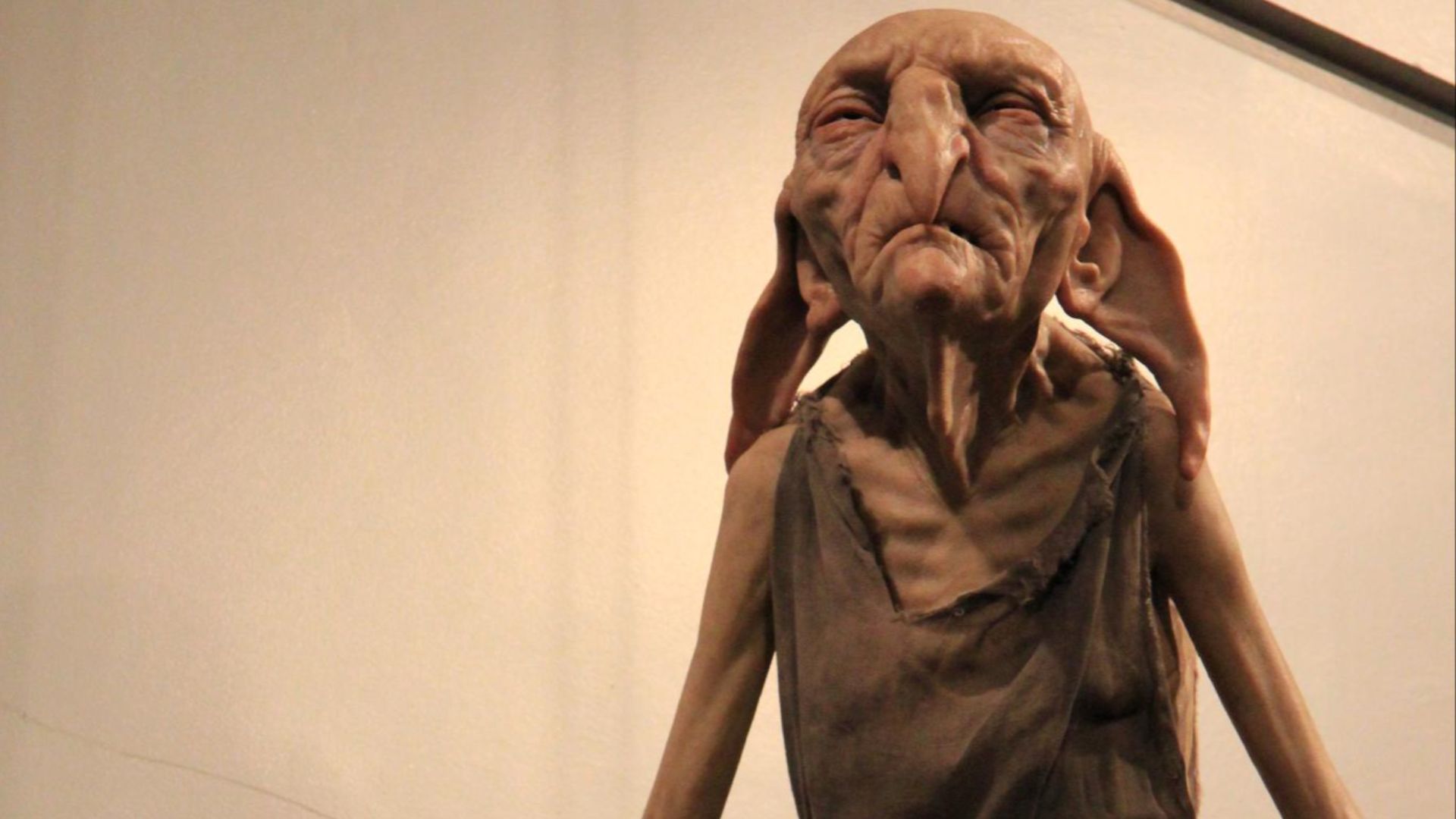
Kreacher begins as one of the least likable characters in the books. Everything changes after Harry treats him with kindness and gives him Regulus Black's locket. His loyalty shifts dramatically, and he becomes an enthusiastic ally. Rowling quietly reinforces the idea that compassion often transforms people.
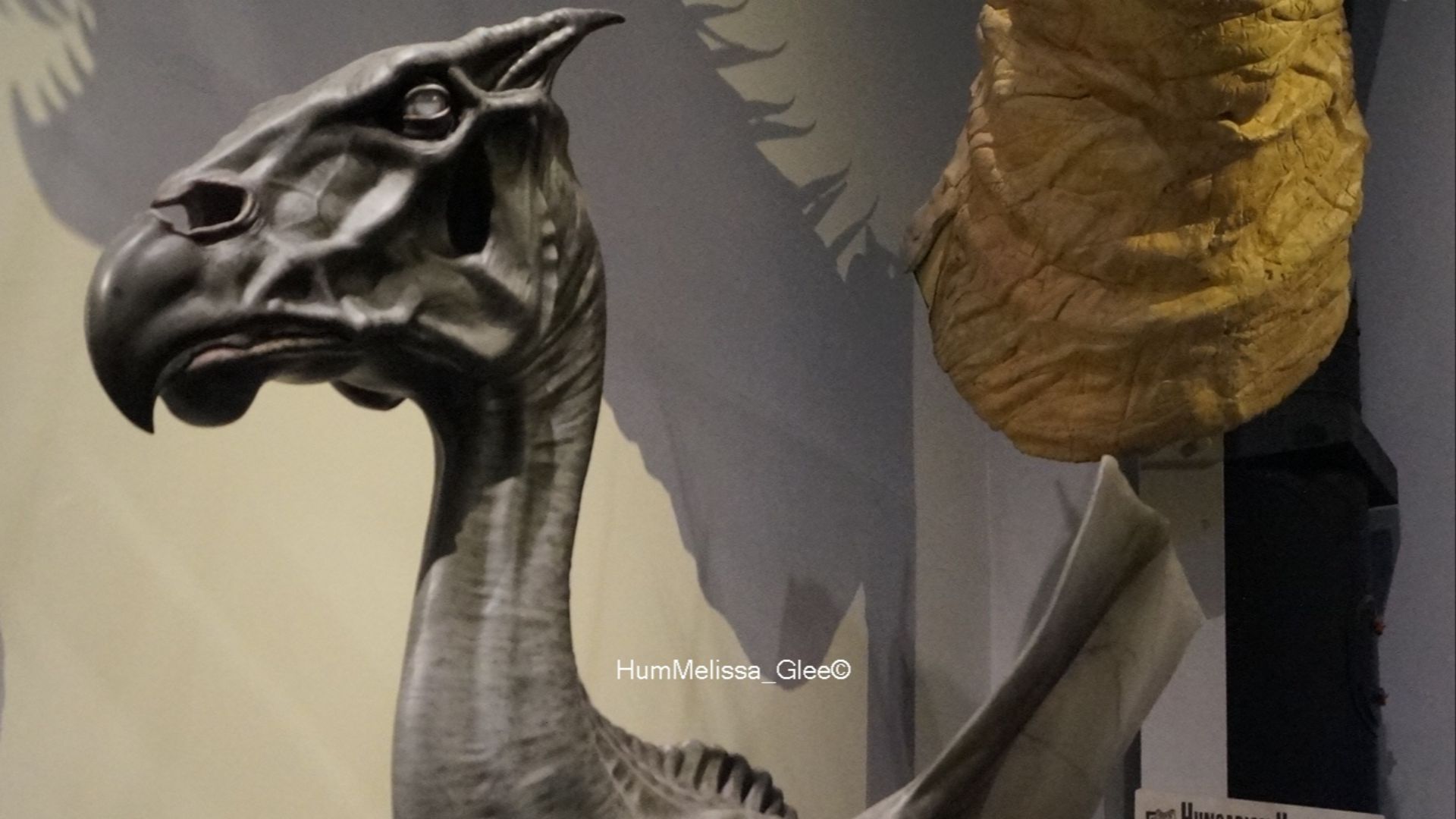
16. Harry Sees Thestrals Only After He Truly Processes Cedric's Death
Many fans wonder why Harry couldn't see the Thestrals at the end of Goblet of Fire after witnessing Cedric Diggory's murder. The reason is that simply seeing someone die isn't enough. Rowling explained that a person has to fully understand and emotionally process the loss before the magical creatures become visible. That's why Harry doesn't see them until he returns to Hogwarts in Order of the Phoenix, after he's had time to come to terms with what happened.
17. Sirius Black Is Mentioned in the Very First Chapter
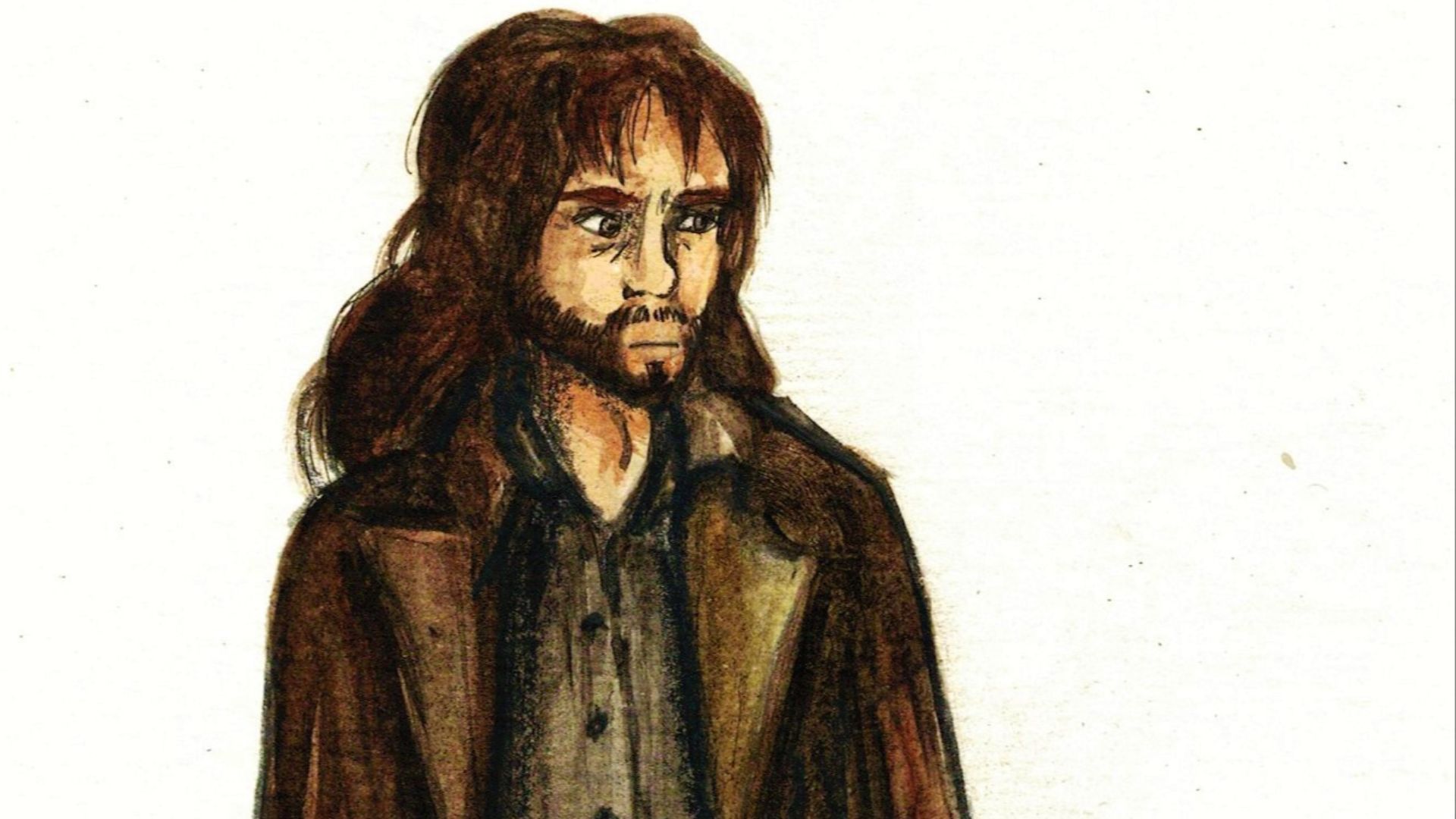
Long before Sirius Black becomes a central character, his name appears in the opening chapter of Harry Potter and the Philosopher's Stone. Hagrid tells Dumbledore that he borrowed Sirius's flying motorcycle to bring baby Harry to Privet Drive after James and Lily were killed. It's a clever piece of foreshadowing that introduces one of the series' most important characters nearly two full books before he actually appears.
 Mademoiselle Ortie / Elodie Tihange on Wikimedia
18. Harry Wins Because He Accepts Death
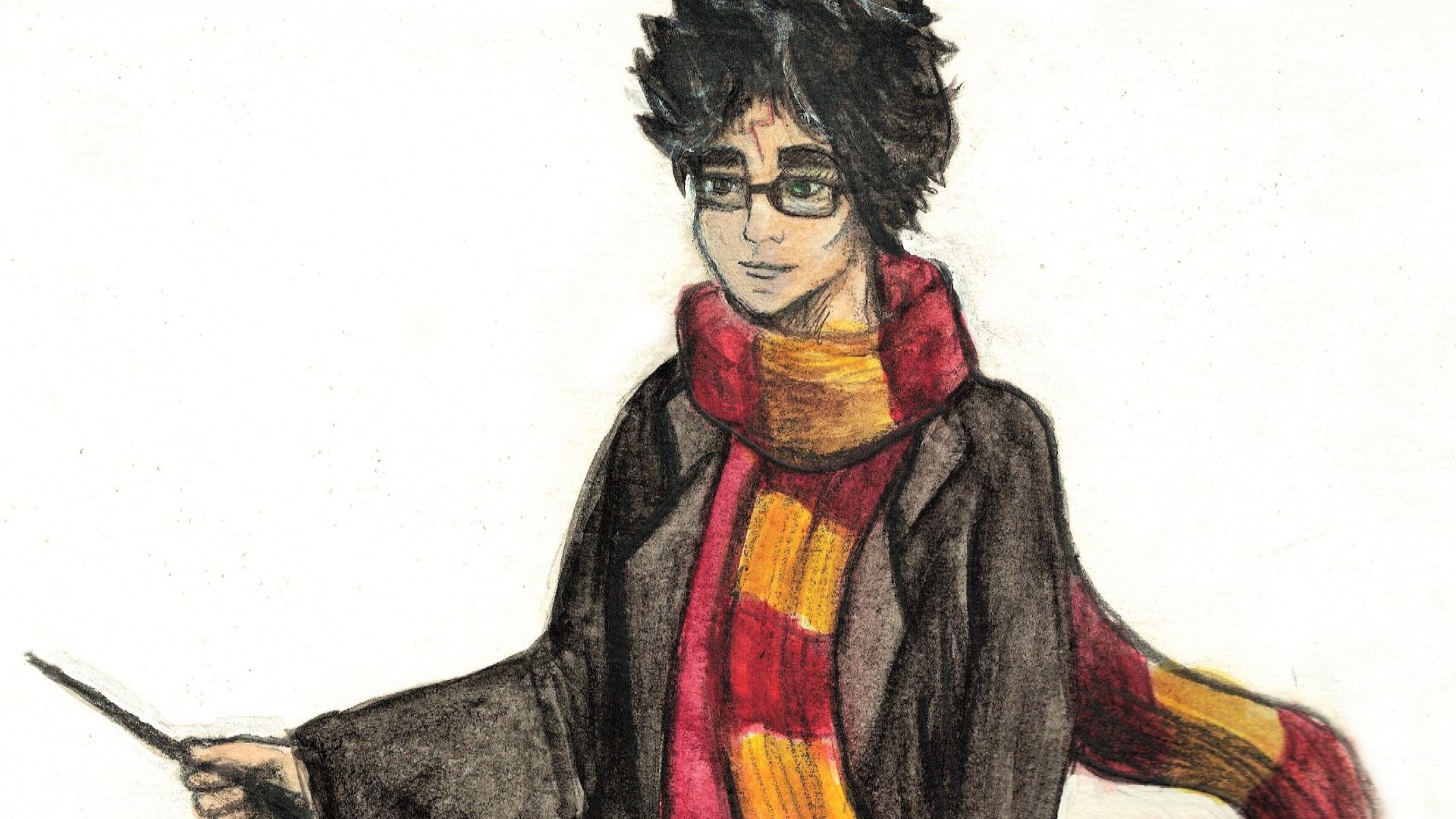
Many fantasy heroes survive because they're stronger than the villain. Harry succeeds because he's willing to sacrifice himself for others. Walking into the Forbidden Forest without fighting ultimately protects everyone at Hogwarts. It's one of the series's most powerful themes, but it's easy to focus on the duel instead.
 Mademoiselle Ortie / Elodie Tihange on Wikimedia
19. Harry Accidentally Saves Himself With Expelliarmus
Harry's signature spell isn't just a personal preference. Disarming Voldemort repeatedly becomes crucial because ownership of the Elder Wand changes through disarming rather than killing, a rule that many readers overlook until the finale.
20. Mrs. Figg Deliberately Made Harry Miserable
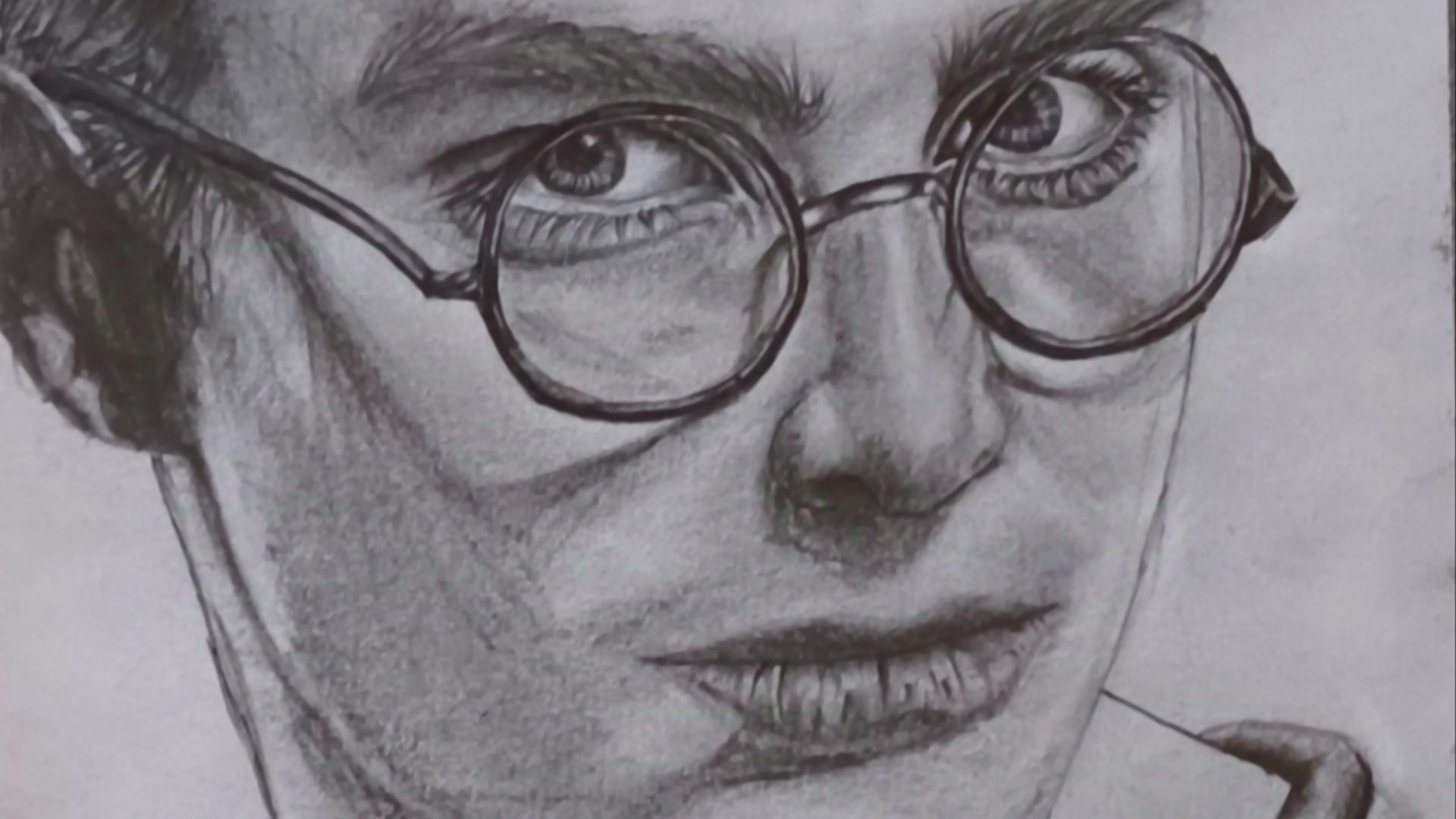
When Harry learns that Mrs. Figg was secretly part of the wizarding world, it completely changes the way readers see her. She later admits she intentionally made his visits to her house as dull as possible because if Harry actually enjoyed spending time there, the Dursleys would've stopped sending him. By acting like an eccentric old neighbor with nothing more exciting than cabbage-smelling rooms and photos of cats, she was able to keep watch over him on Dumbledore's behalf for years.