20 Things You Didn't Know About the History of Comic Books
Comic Book History Is Stranger Than It Looks
Comic books may seem like colorful entertainment built around superheroes, villains, capes, gadgets, and dramatic sound effects, but their history is much more than that. They grew out of newspaper strips, pulp magazines, political cartoons, cheap printing, teenage readers, wartime patriotism, moral panic, underground rebellion, and decades of reinvention. Some comics were made for children, some were definitely not, and many became more influential than anyone expected. Once you look past the covers, comic book history is packed with surprising turns, bold experiments, and a few industry decisions that still make fans argue today. Here are 20 things you didn't know about the history of comic books.
1. Comic Books Grew Out of Newspaper Comic Strips
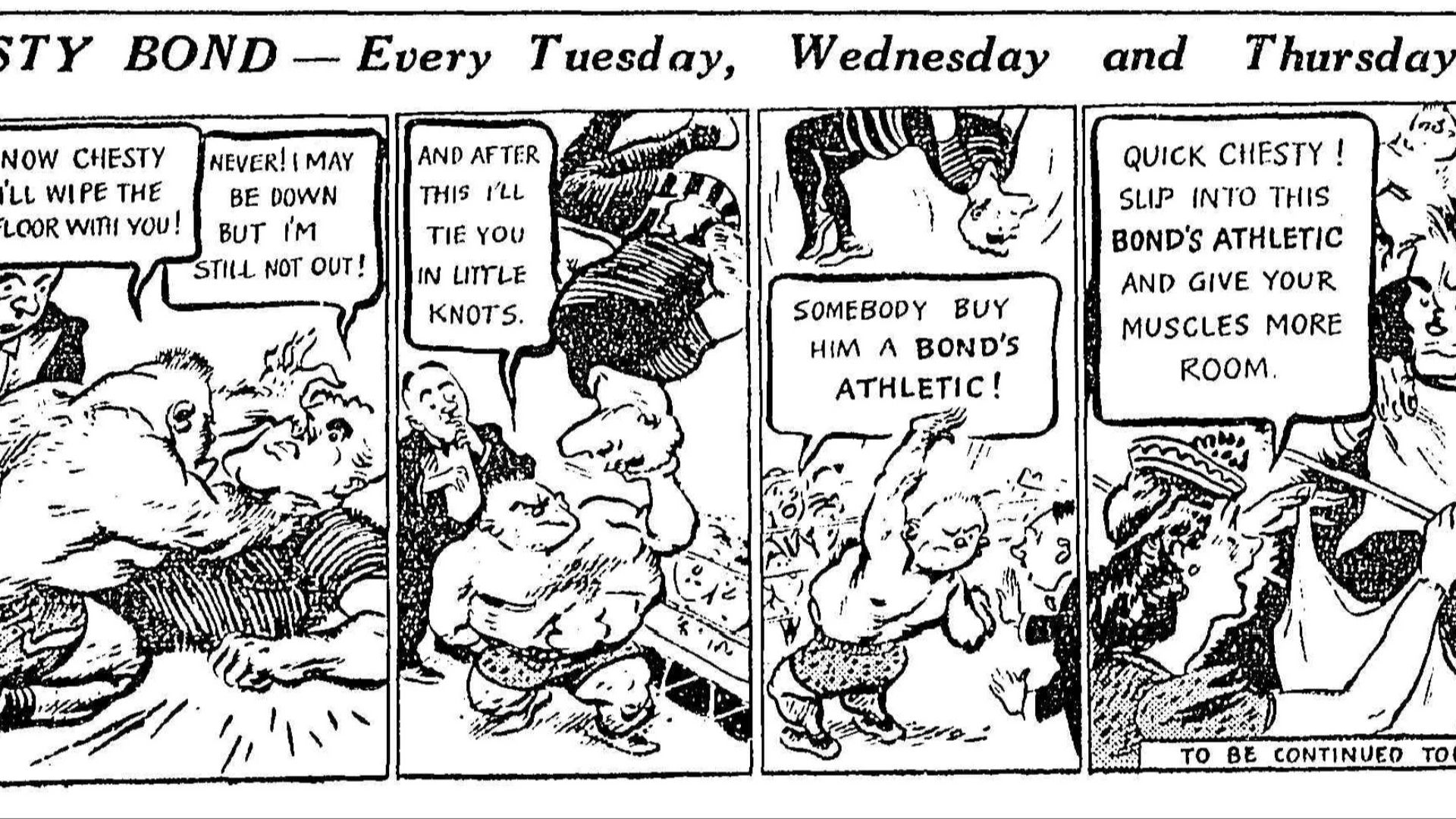
Before comic books became their own format, many early examples were collections of newspaper comic strips. Publishers realized readers liked seeing funny characters and serialized stories gathered together in one place. These early books were often reprinted from newspaper materials rather than brand-new adventures.
2. The First Modern Comic Books Were Cheap Entertainment
Early comic books were designed to be affordable, portable, and easy to sell. They were printed on inexpensive paper and often aimed at young readers looking for quick fun. The format worked because it offered a lot of story and artwork for a small price.
3. Superman Changed Everything in 1938
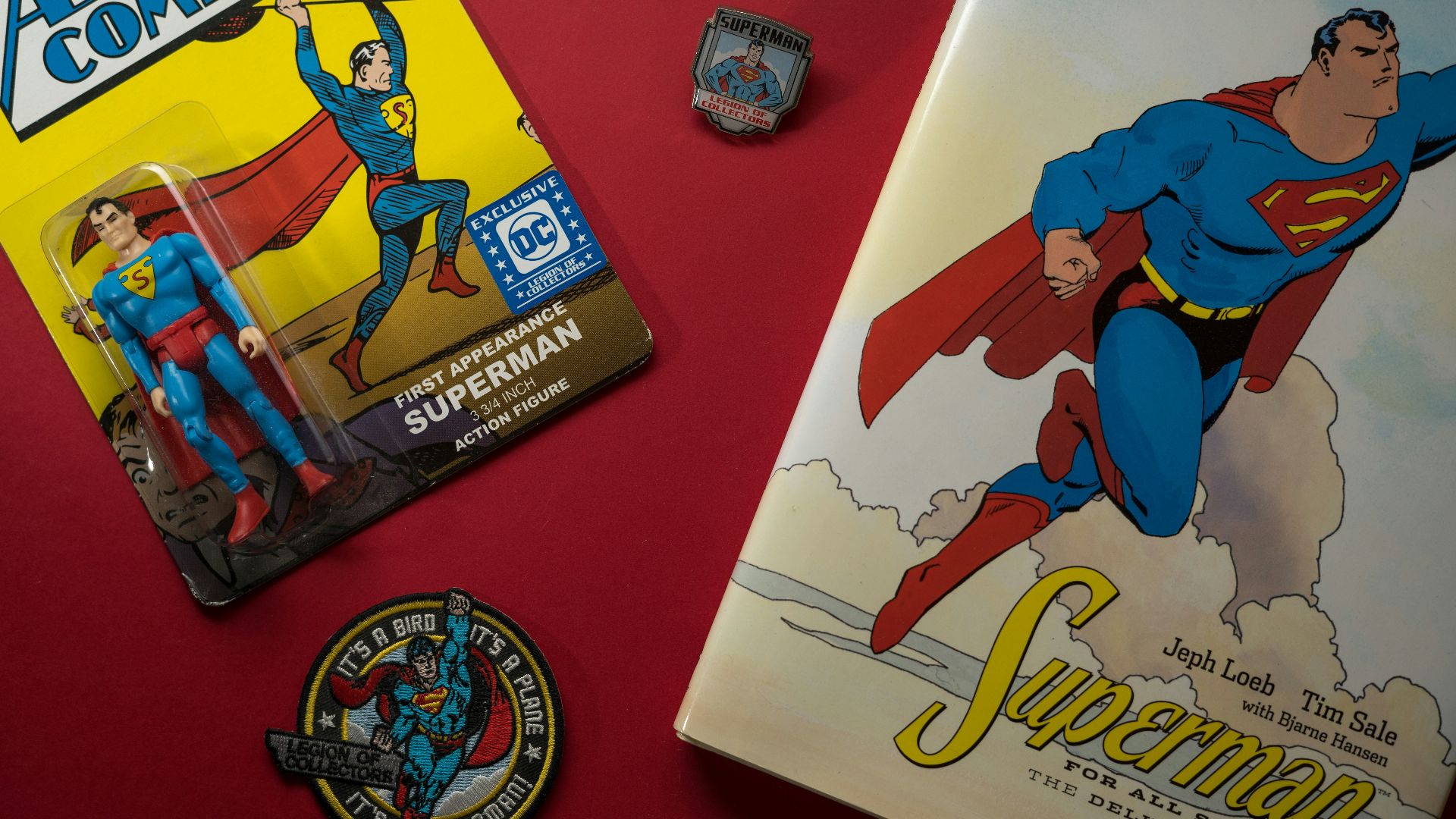
When Superman appeared in Action Comics #1 in 1938, the comic book industry suddenly had a new kind of star. He was not just a funny character or adventure hero; he was a superhero with powers, a costume, a secret identity, and a bold moral code. His success inspired a wave of costumed heroes almost immediately.
4. Batman Arrived Only One Year Later
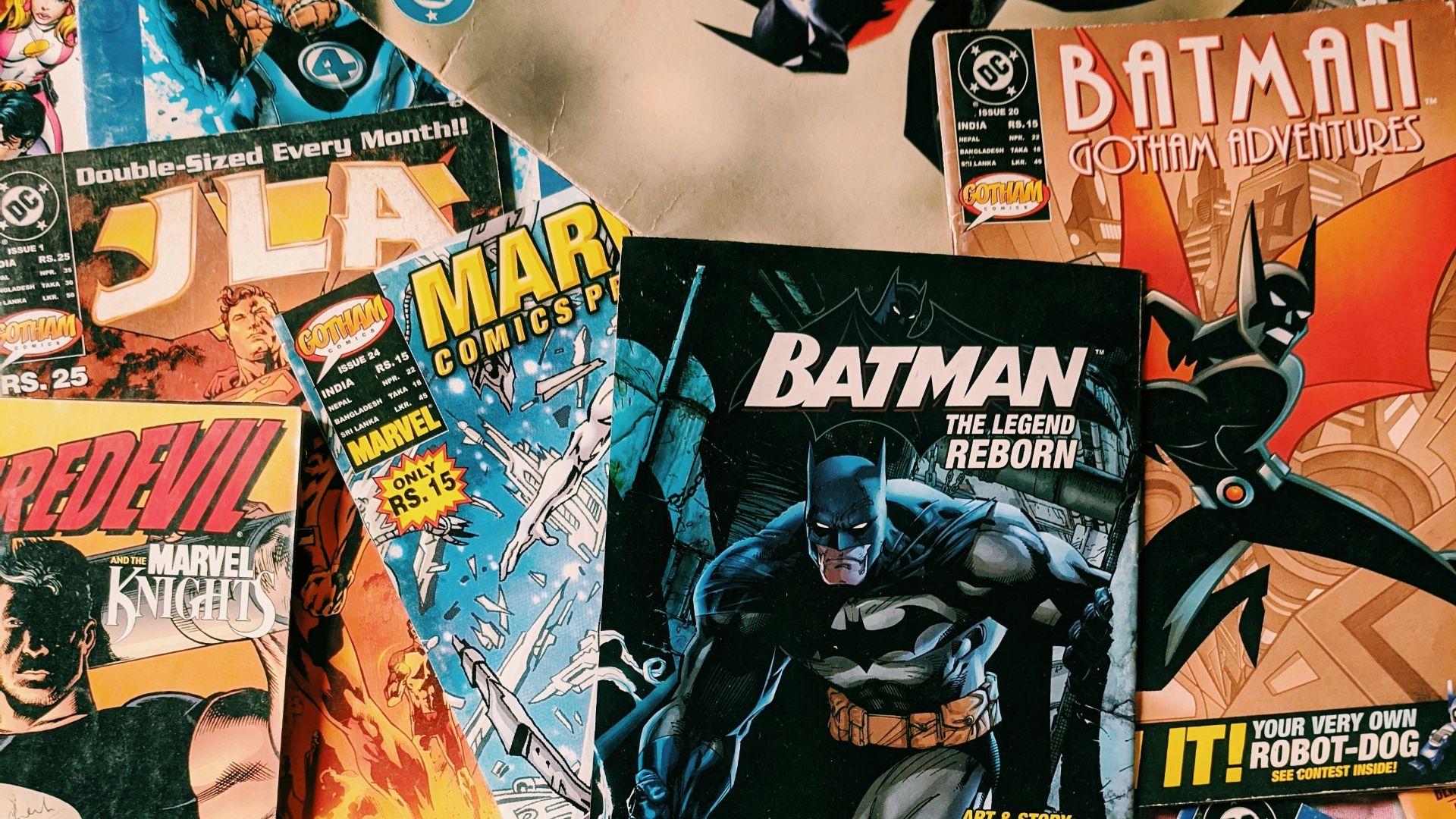
Batman made his debut in 1939 and gave readers a darker kind of hero. Unlike Superman, he had no superpowers, which made his intelligence, wealth, training, and dramatic style part of the appeal. Early Batman stories were more grim than many people realize, especially compared with later TV versions.
5. Wonder Woman Was Created With a Purpose
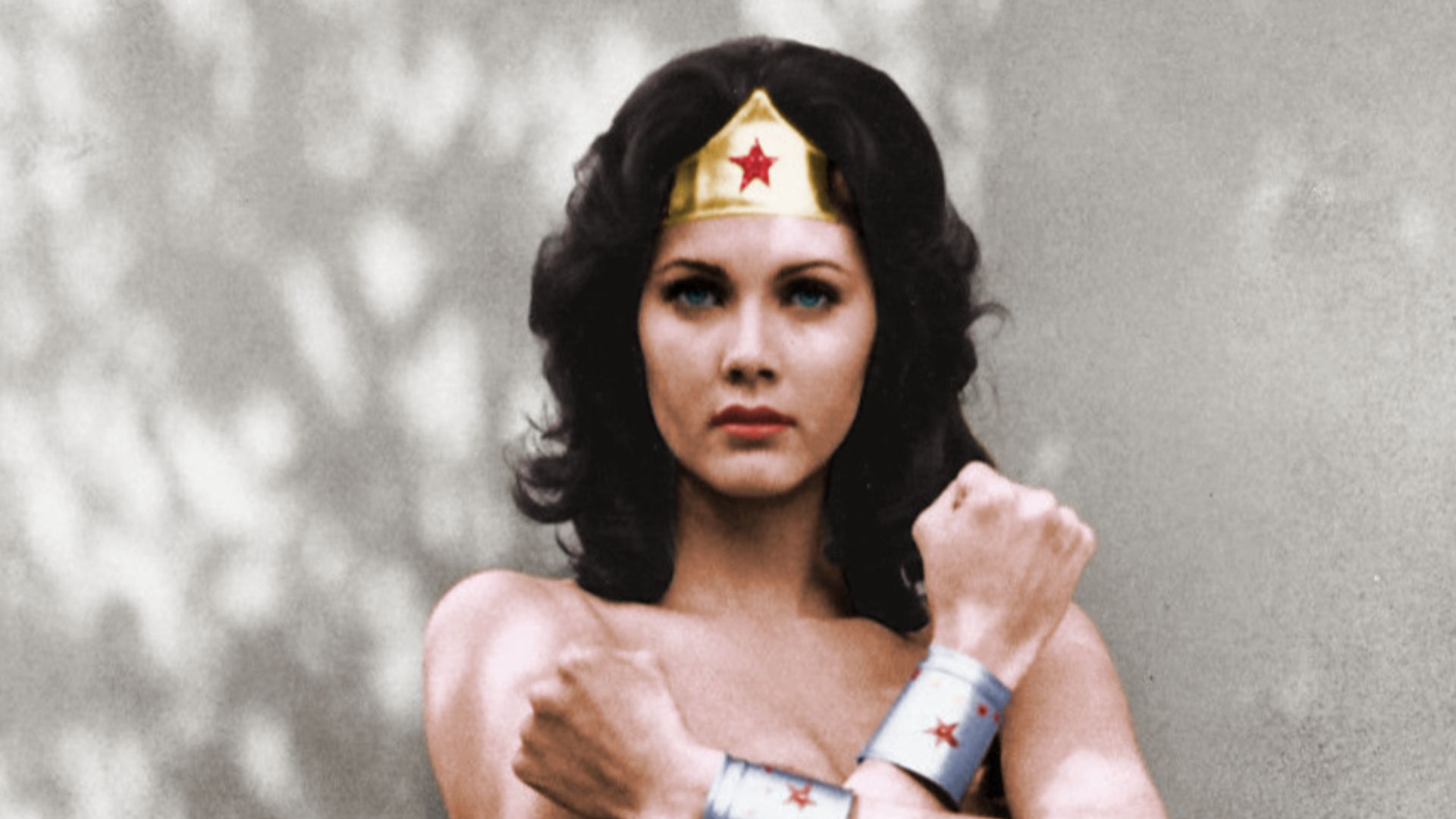
Wonder Woman first appeared in 1941, and she was created partly to offer a different kind of superhero. Psychologist William Moulton Marston wanted a character who combined strength, compassion, and progressive ideas about women. She became one of the most important female superheroes in comic history.
6. World War II Made Superheroes Even Bigger
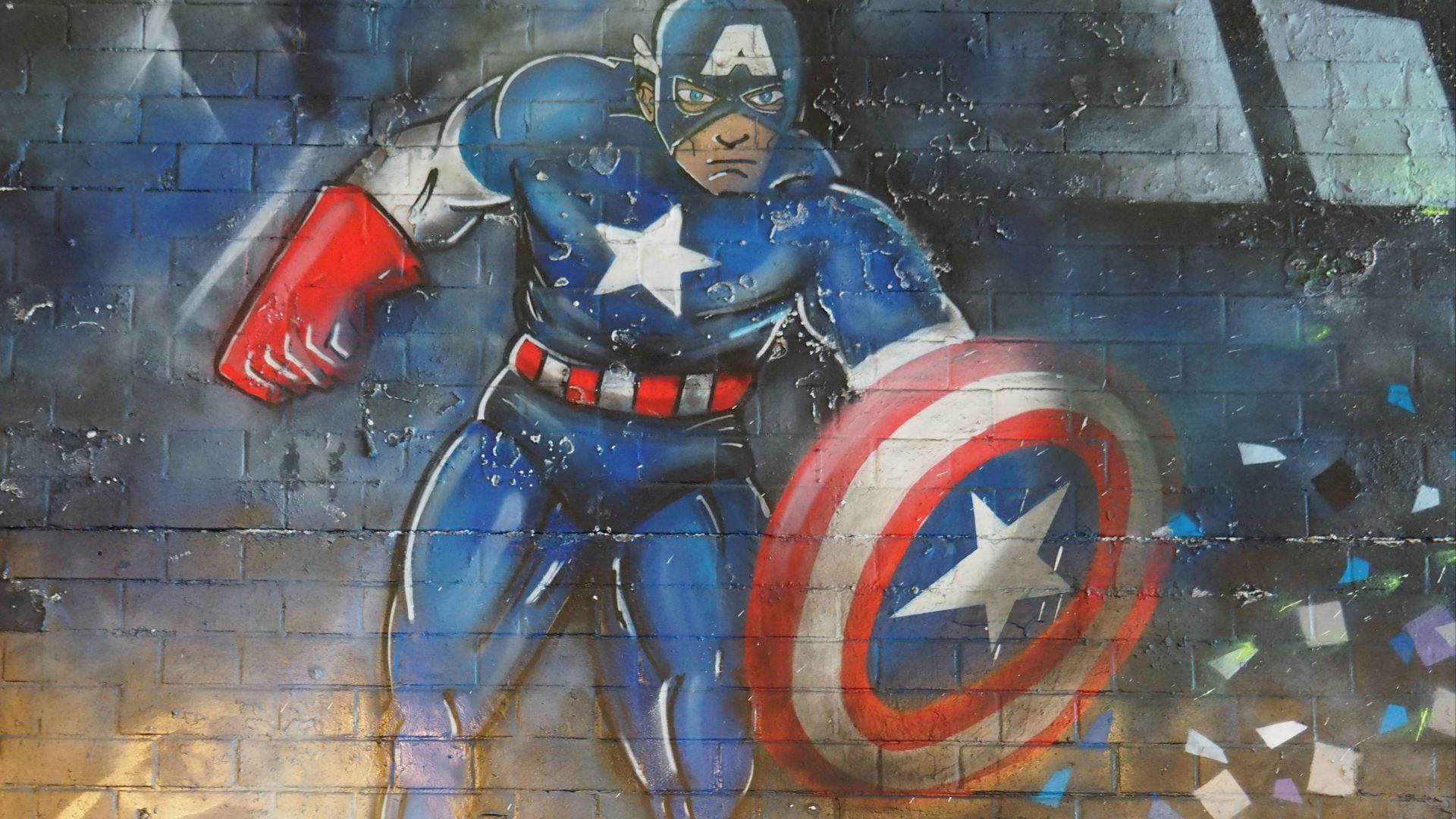
During World War II, comic books became a major part of American popular culture. Superheroes fought fictionalized enemies, sold patriotic messages, and boosted morale for readers at home and soldiers overseas. Captain America famously punched Hitler on a cover before the U.S. had even entered the war.
7. Comic Books Were Once Blamed for Juvenile Delinquency
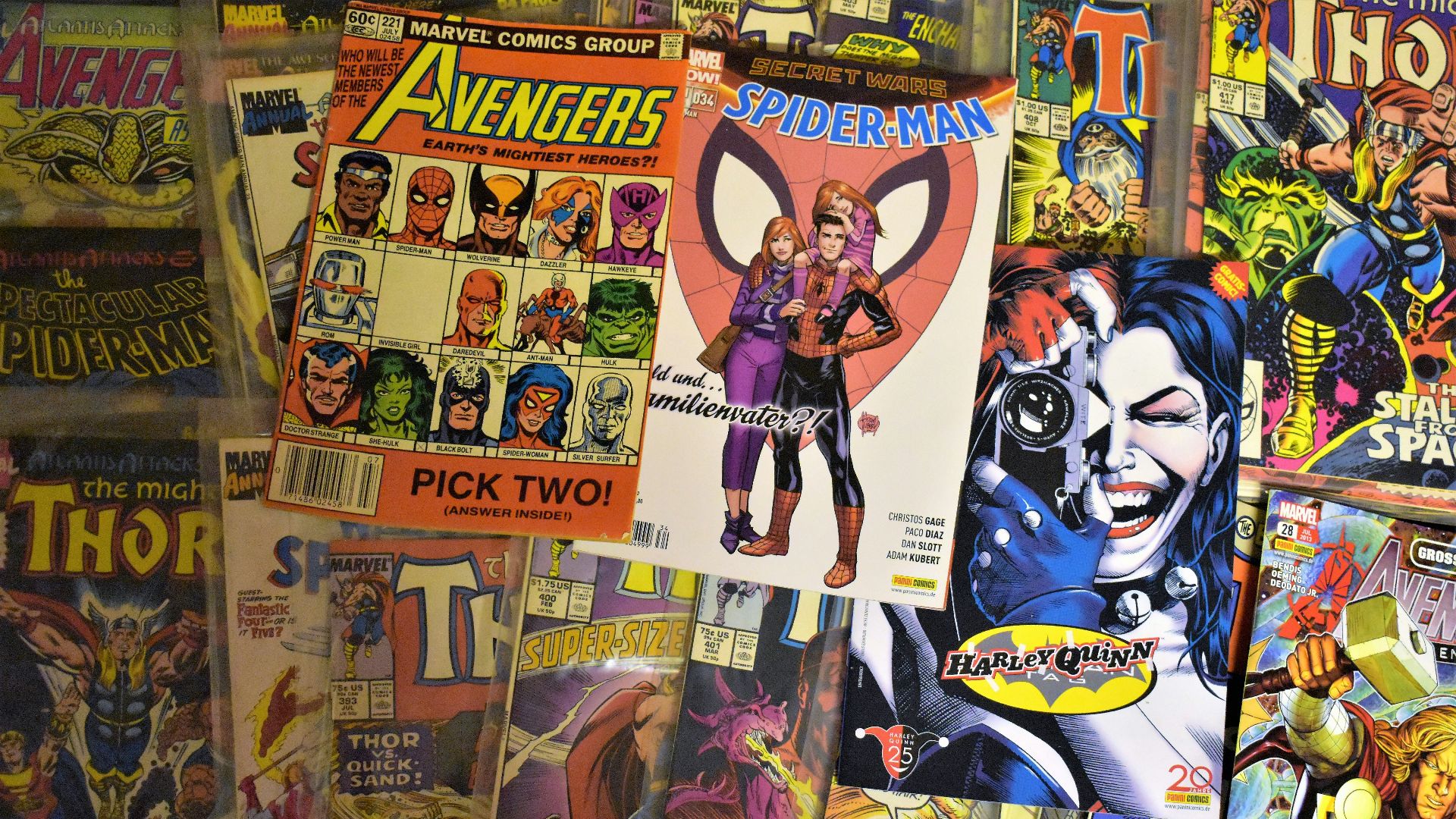
In the 1940s and 1950s, some adults became convinced that comic books were corrupting children. Crime, horror, and superhero comics were accused of encouraging bad behavior and weakening young minds. Psychiatrist Fredric Wertham’s book Seduction of the Innocent helped fuel the panic.
8. The Comics Code Changed the Industry
The Comics Code Authority was created in 1954 after public pressure and government attention. It placed strict limits on violence, horror, sexuality, crime, and even how authority figures could be shown. Many publishers struggled under the new rules, and some genres nearly vanished from mainstream shelves.
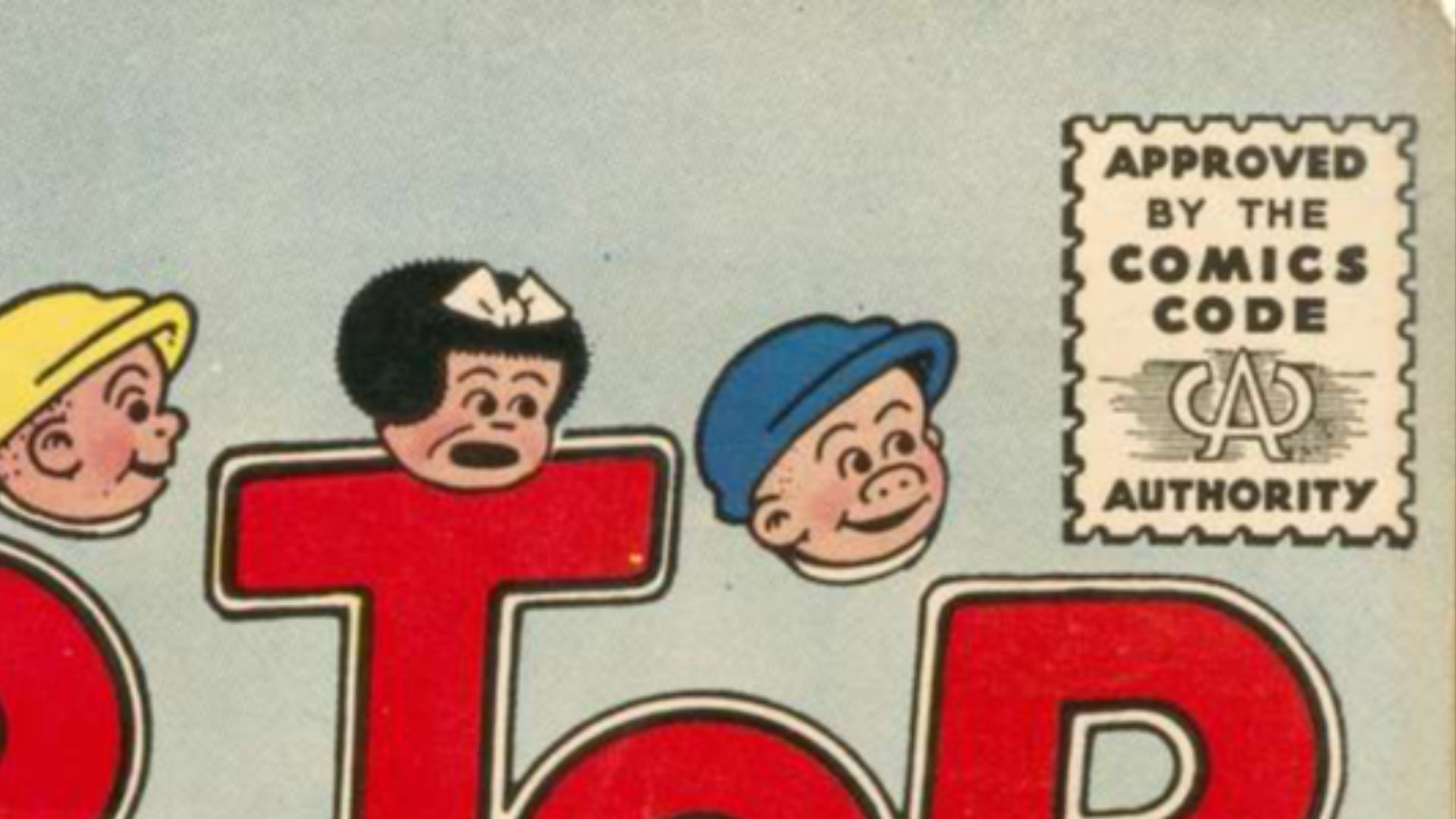 Tip Top Comics / St. John / Ernie Bushmiller on Wikimedia
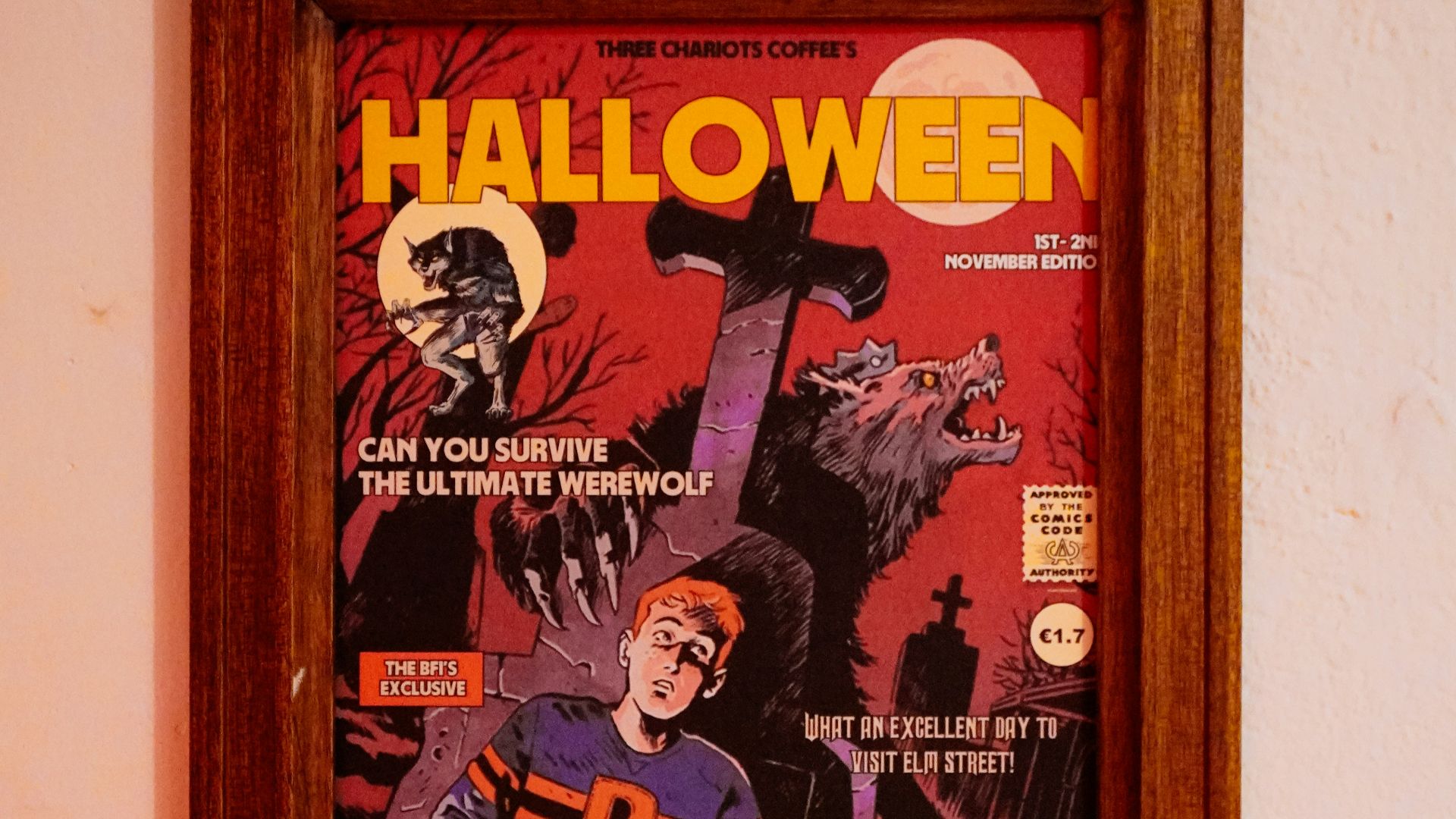
9. Horror Comics Were Huge Before the Code
Before the Comics Code, horror comics were incredibly popular. Publishers like EC Comics produced creepy, clever, and often shocking stories that attracted devoted readers. Titles such as Tales from the Crypt became famous for twist endings and gruesome artwork.
10. Marvel’s Heroes Felt Different in the 1960s
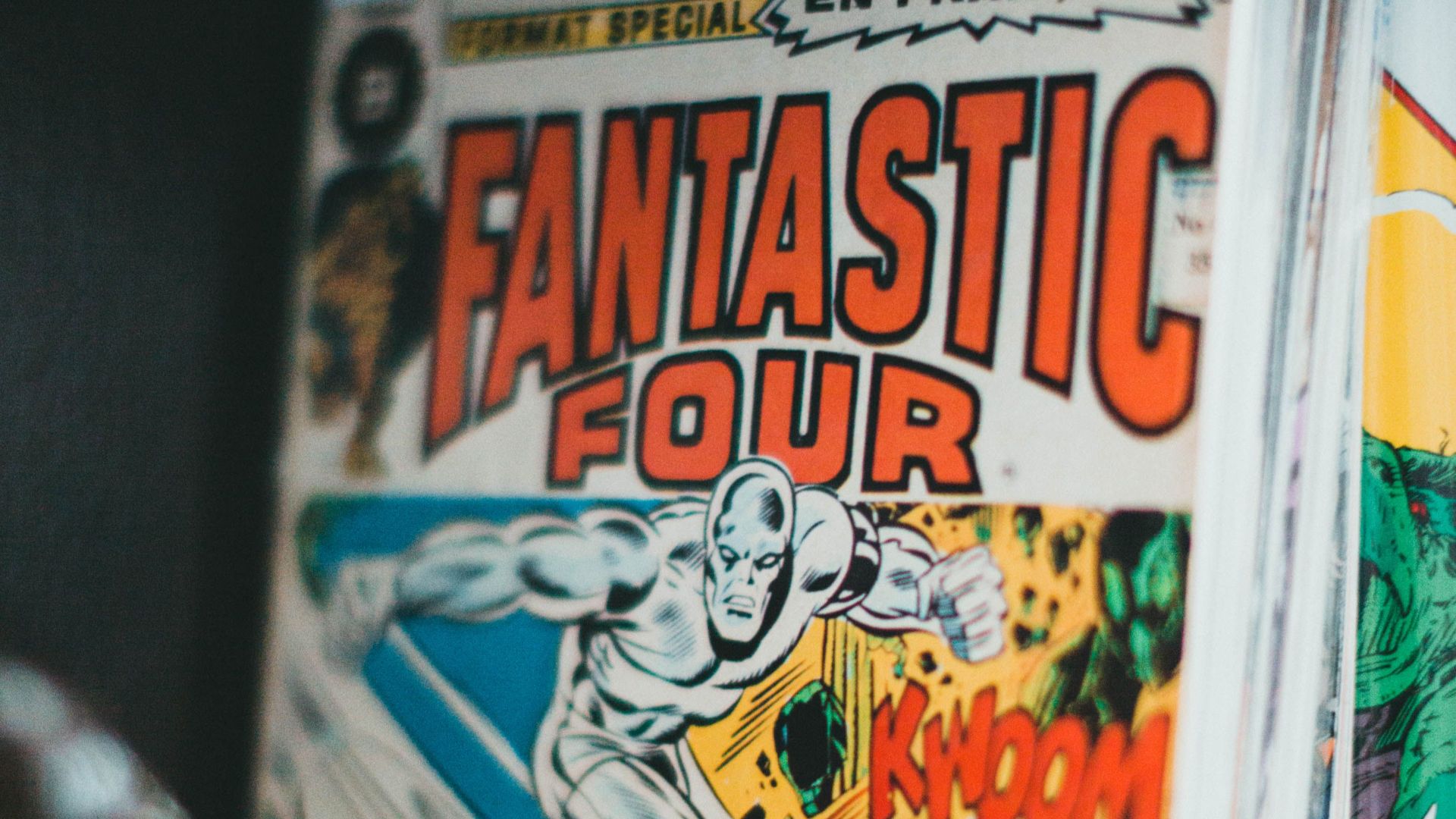
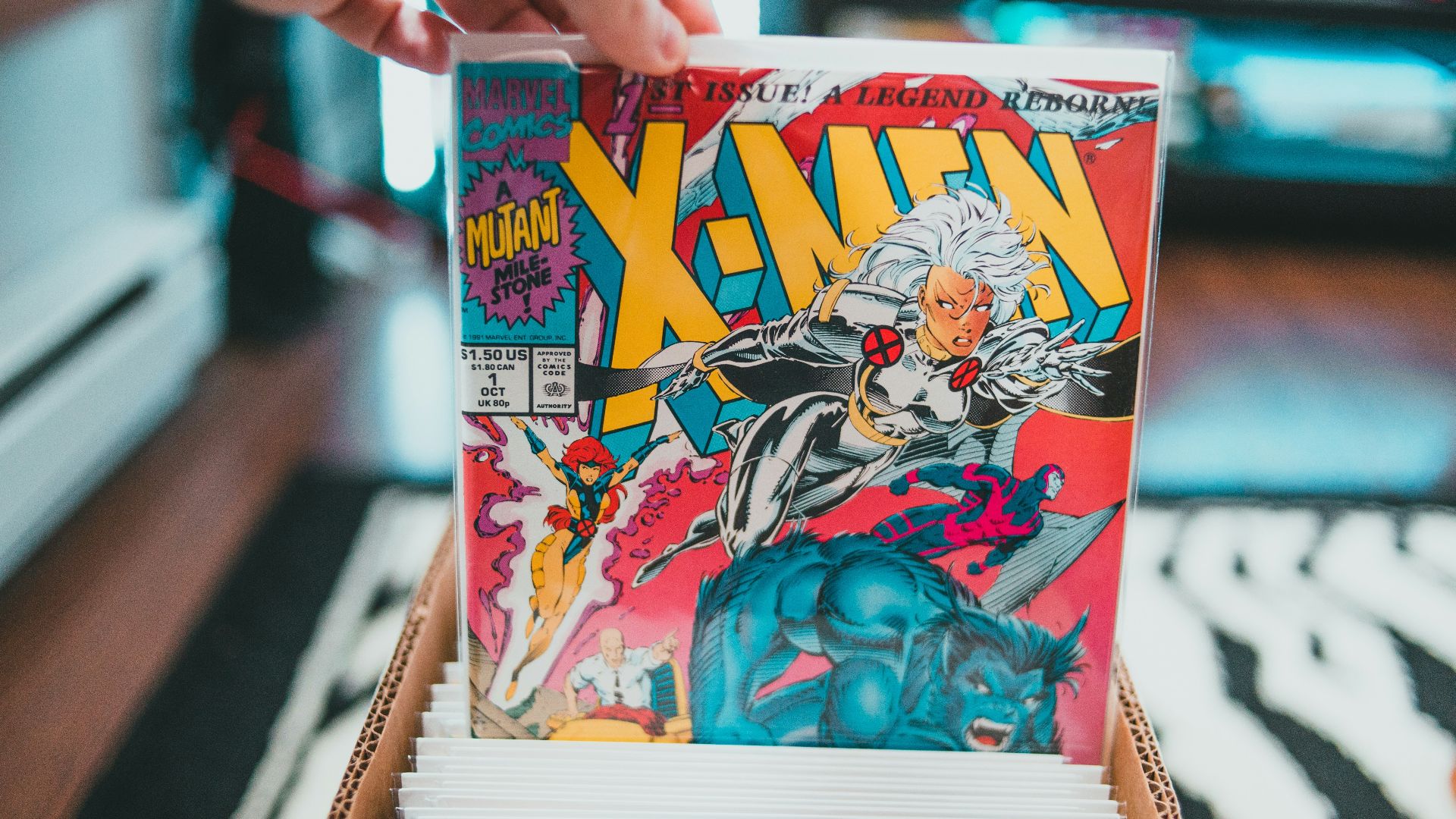
Marvel changed superhero comics in the 1960s by making heroes more flawed, anxious, and human. Spider-Man worried about money, school, and guilt, while the Fantastic Four argued like a family with too much stress in the room. These characters didn't always feel perfectly polished, which made them relatable.
11. Spider-Man Was Almost Rejected
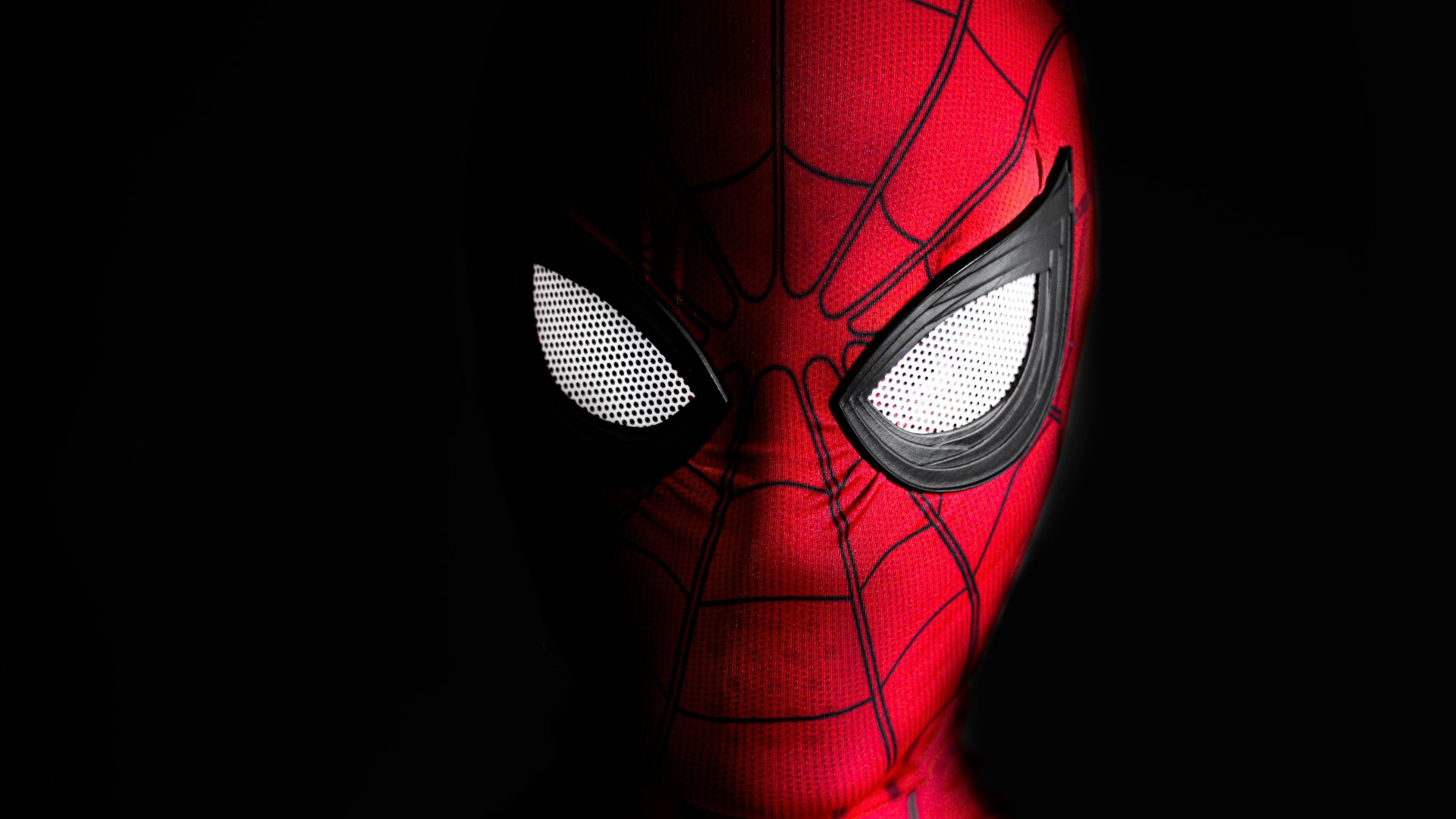
Spider-Man seemed like a risky idea when he was first proposed. A teenage hero who wasn't a sidekick, had spider-themed powers, and dealt with ordinary problems didn't sound like an obvious hit to everyone. His debut in Amazing Fantasy #15 proved that readers were more than ready for him.
12. Underground Comix Rebelled Against the Mainstream
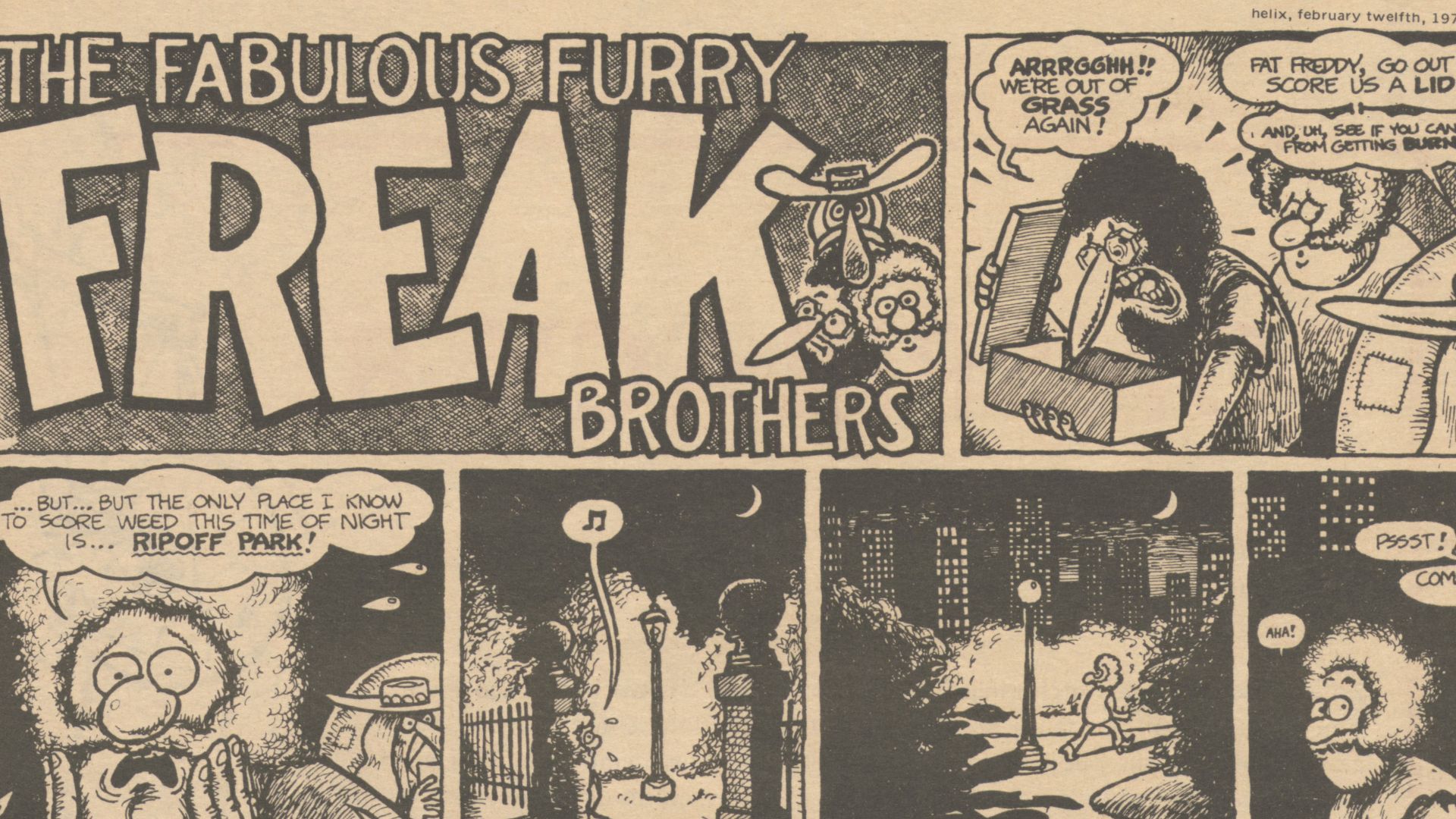
In the 1960s and 1970s, underground comix pushed back against the restrictions of mainstream publishing. These comics often featured adult humor, politics, counterculture themes, and deliberately provocative art. They were sold in alternative spaces rather than traditional newsstands.
13. Comic Book Shops Changed How Fans Bought Comics
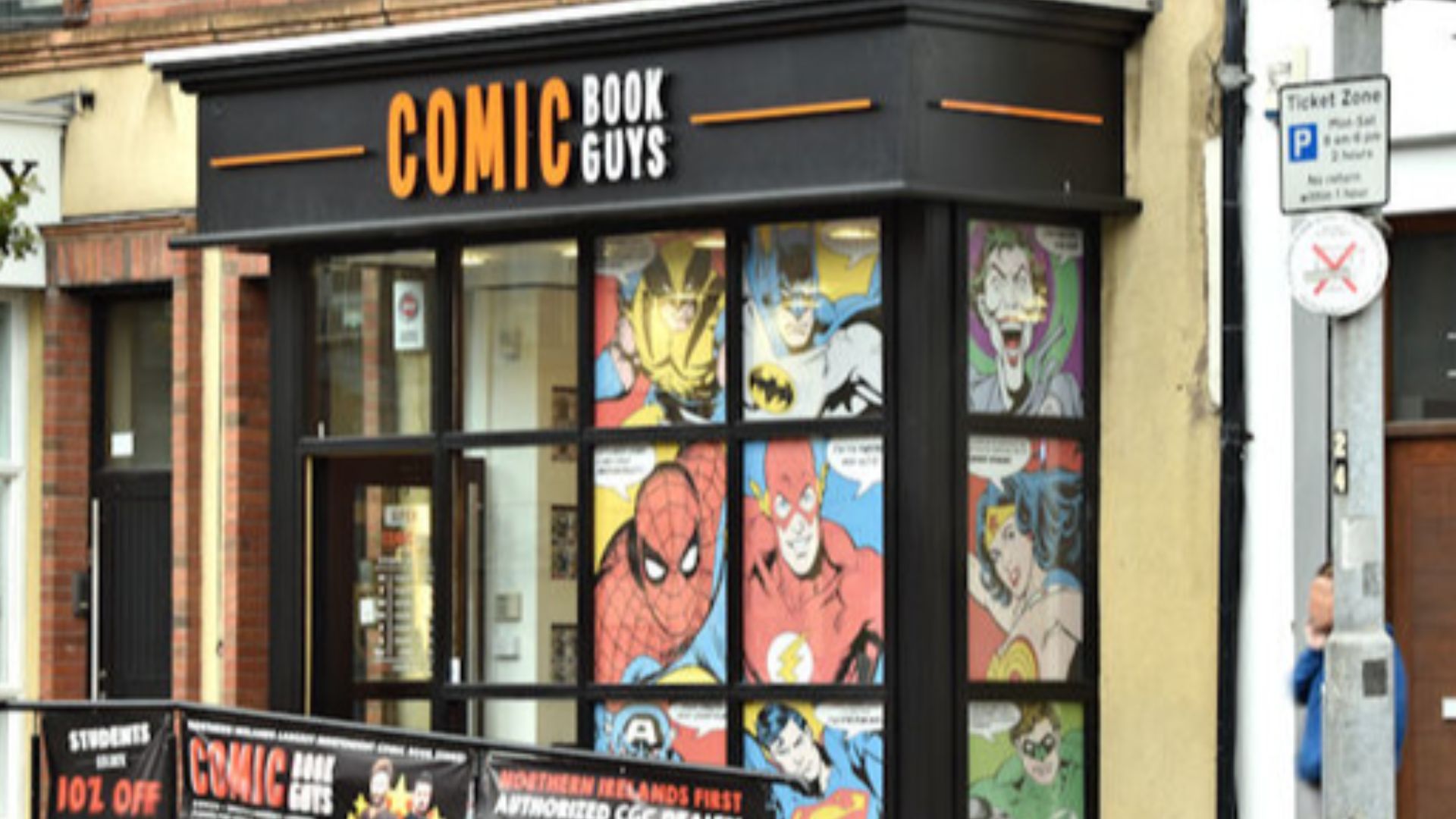
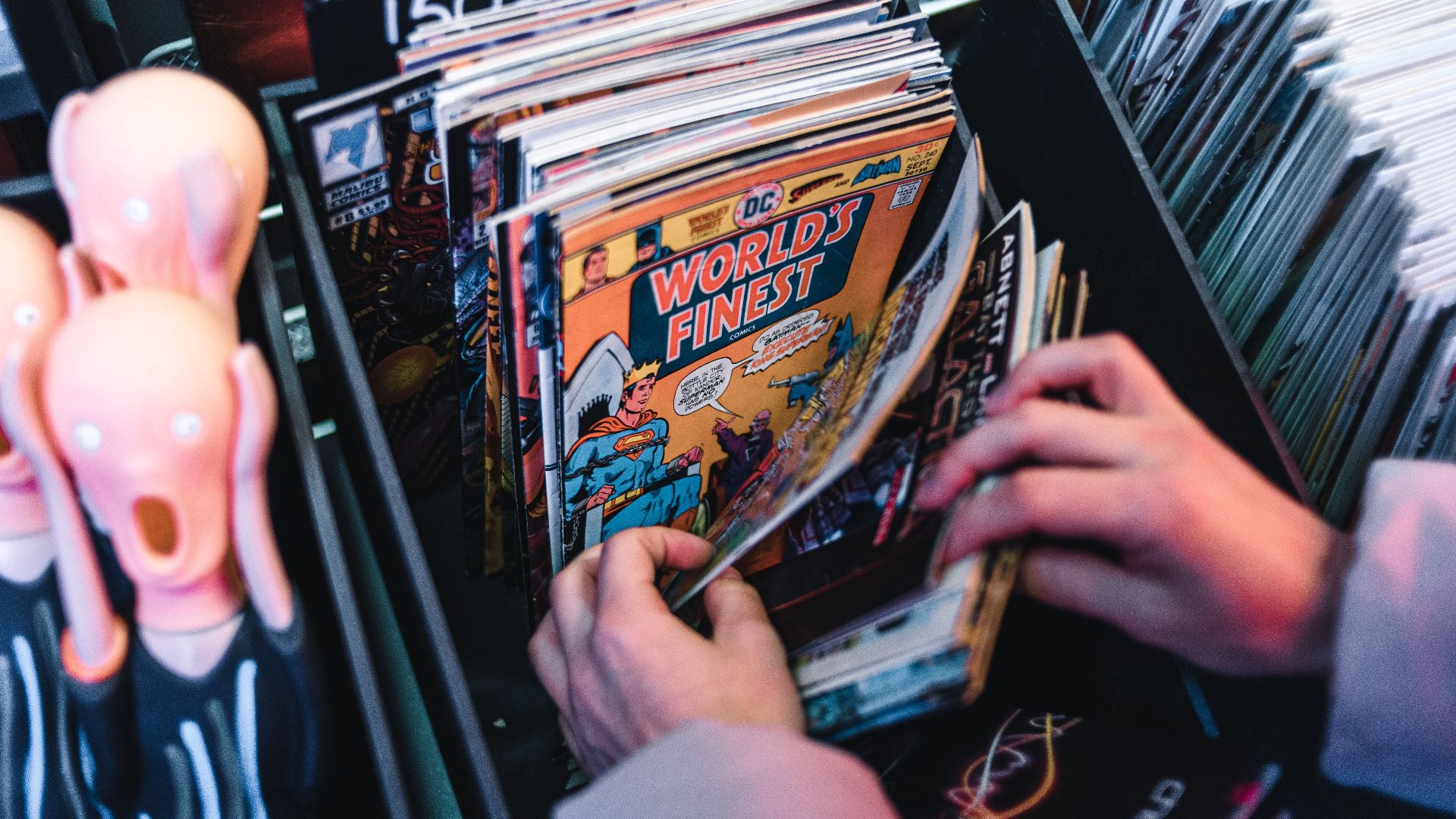
For decades, comic books were sold mostly at newsstands, drugstores, and convenience stores. The rise of specialty comic shops created a new kind of fan culture where readers could follow series more closely. Shops also helped support smaller publishers, back issues, and collector communities.
14. The Direct Market Helped Save & Complicate Comics
The direct market allowed publishers to sell comics directly to specialty shops, usually on a nonreturnable basis. This helped comic stores get a more reliable supply and allowed publishers to reach serious fans more efficiently. It also made the industry more dependent on a narrower audience.
15. Graphic Novels Helped Comics Gain Respect
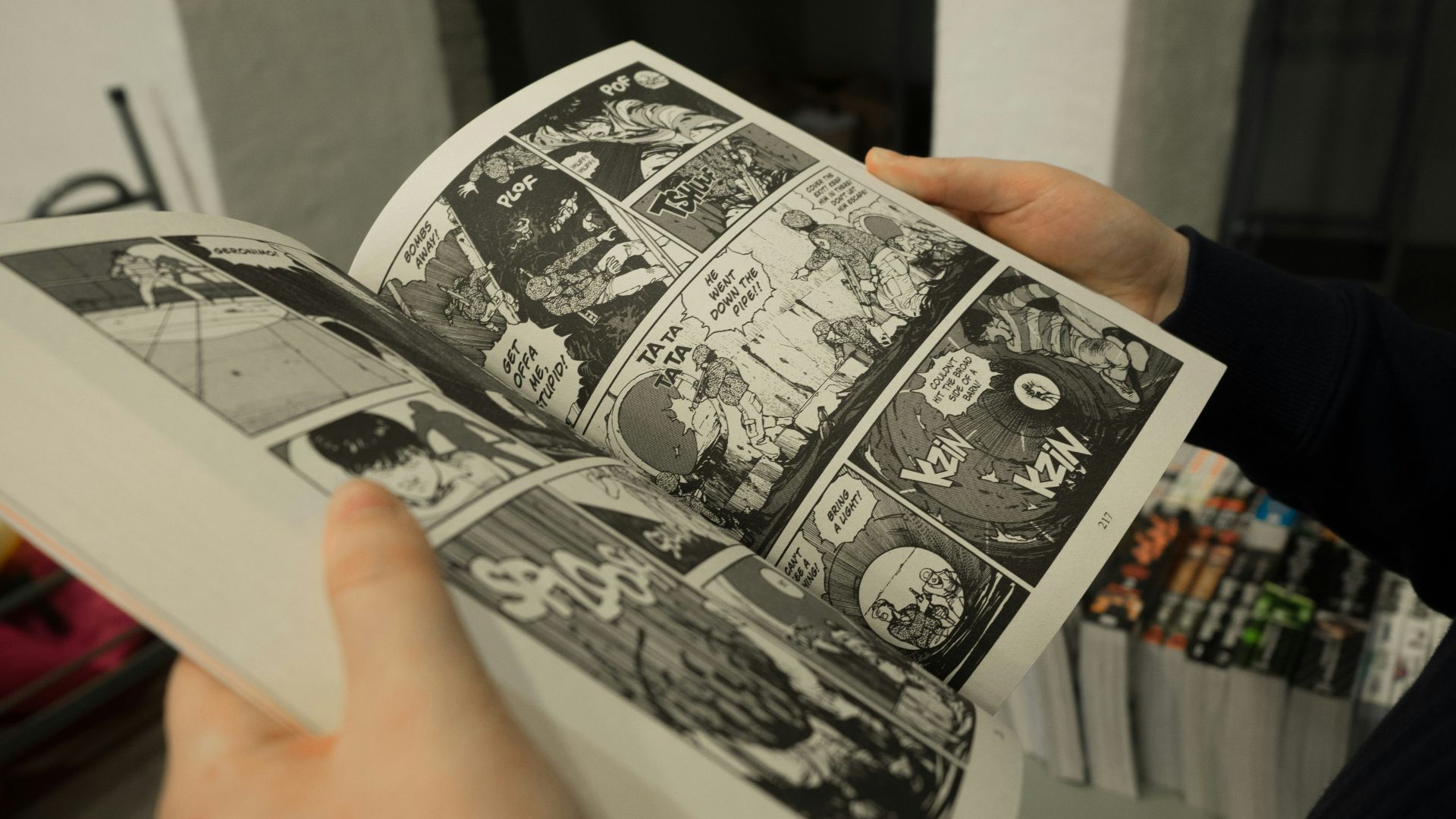
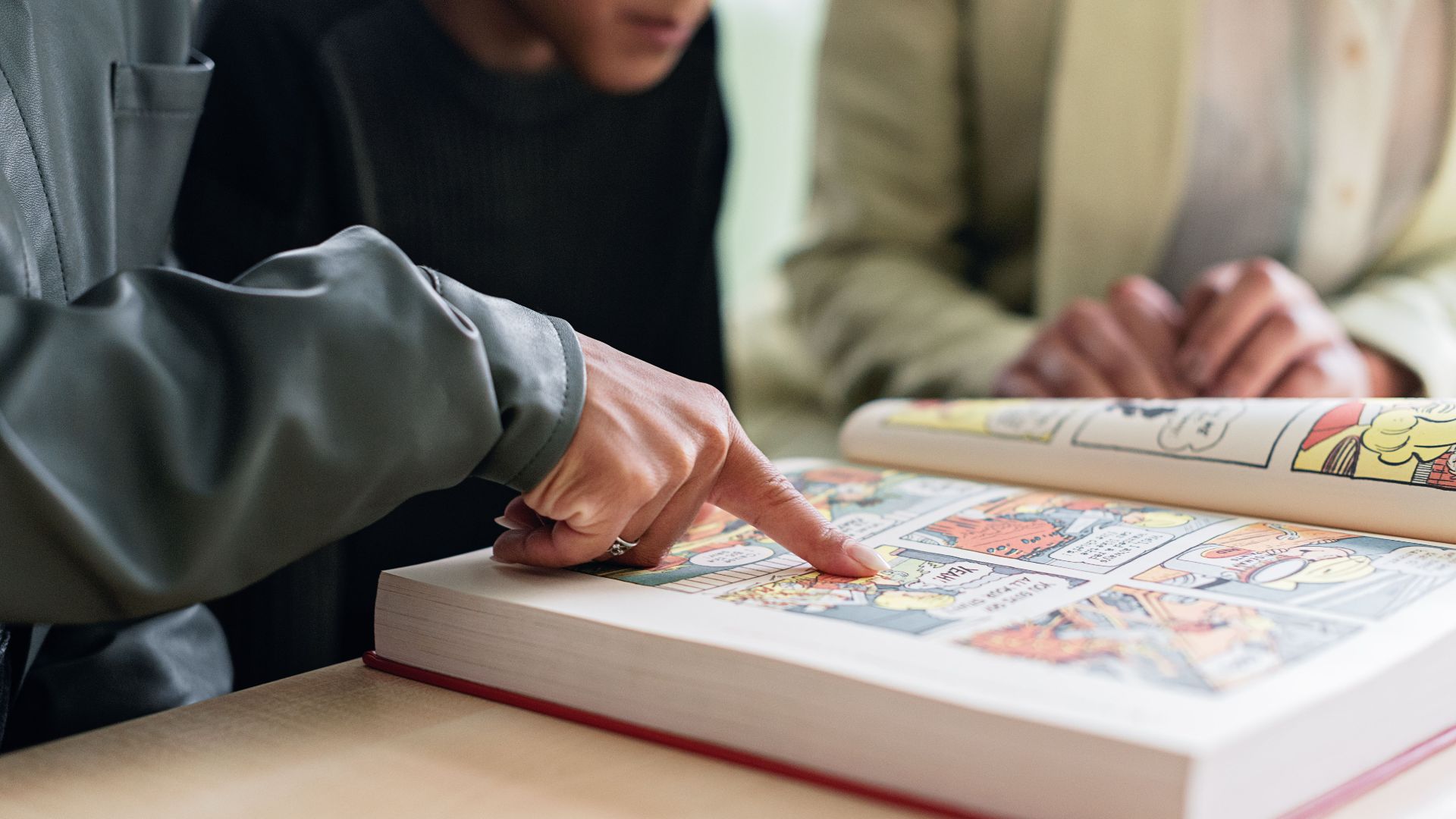
Graphic novels helped convince more people that comics could handle serious storytelling. Works like Maus, Watchmen, and The Dark Knight Returns showed that the medium could explore history, politics, trauma, morality, and aging heroes. The format gave comics a little more room to stretch and a lot more cultural credibility.
16. Maus Won a Pulitzer Prize
Art Spiegelman’s Maus told a Holocaust survivor’s story through the visual language of comics while also exploring memory, family, and inherited trauma. In 1992, it received a special Pulitzer Prize. That moment helped prove that comics could belong in serious literary conversations.
17. Manga Helped Reshape American Comic Reading
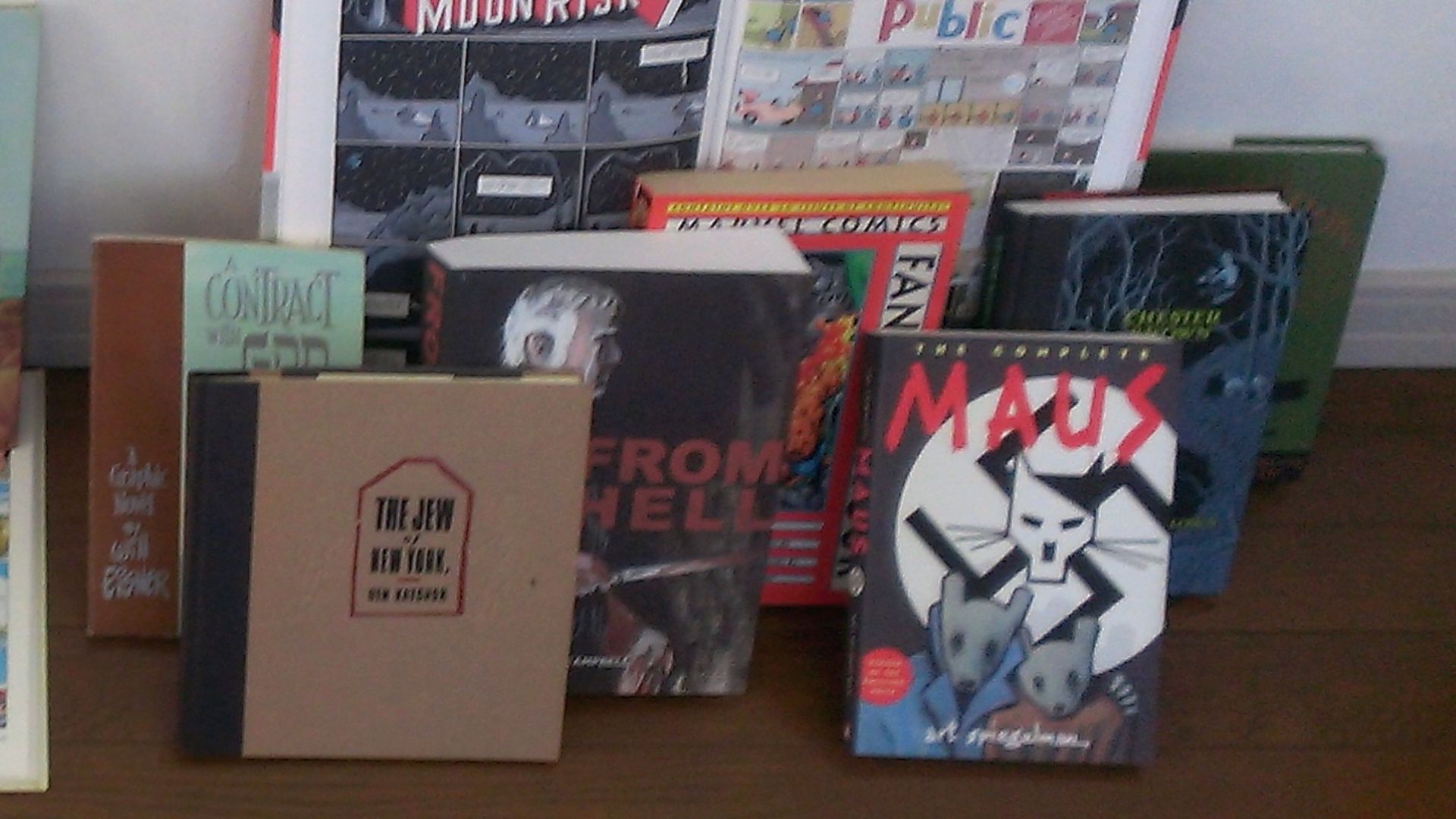
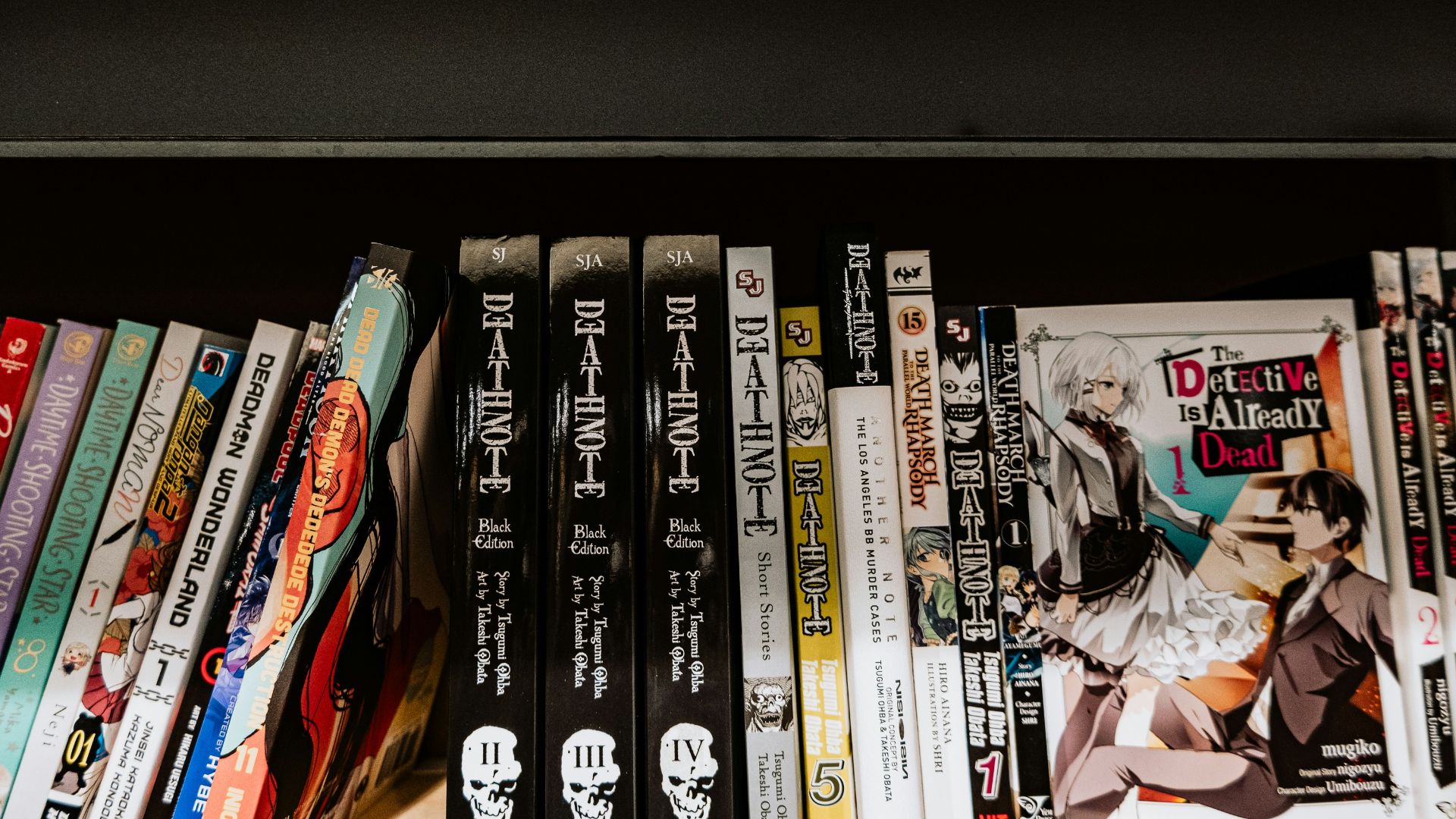
Japanese manga became a major force in American bookstores and comic shops. Its wide range of genres, long-running stories, and distinct visual language attracted readers who might not have cared about traditional superhero comics. Manga also brought in many younger readers and women who had often been underserved by mainstream American publishers.
 Samuel Regan-Asante on Unsplash
18. The 1990s Collector Boom Got Wild
In the 1990s, comic books became a major collector craze. Publishers released special covers, first issues, foil editions, and other gimmicks that made many buyers think they were investing in future treasures. The market eventually crashed when supply far exceeded real long-term demand.
 Stanislav Kondratiev on Pexels
19. Superhero Movies Changed Comic Book Fame
Comic book characters became globally famous in a new way once superhero movies took over the box office. Characters that were once mainly known by comic readers became household names. The films also sent new readers back toward the original stories, even if movie versions often changed plenty of details.
20. Digital Comics Made the Medium More Accessible
Digital comics changed how readers could discover old and new stories. You no longer needed to find a local shop, hunt through long boxes, or track down every issue in person. Print still has its charm, but digital access helped comics reach people who might never have started otherwise.