
The Wizarding World Deserved Better Leadership
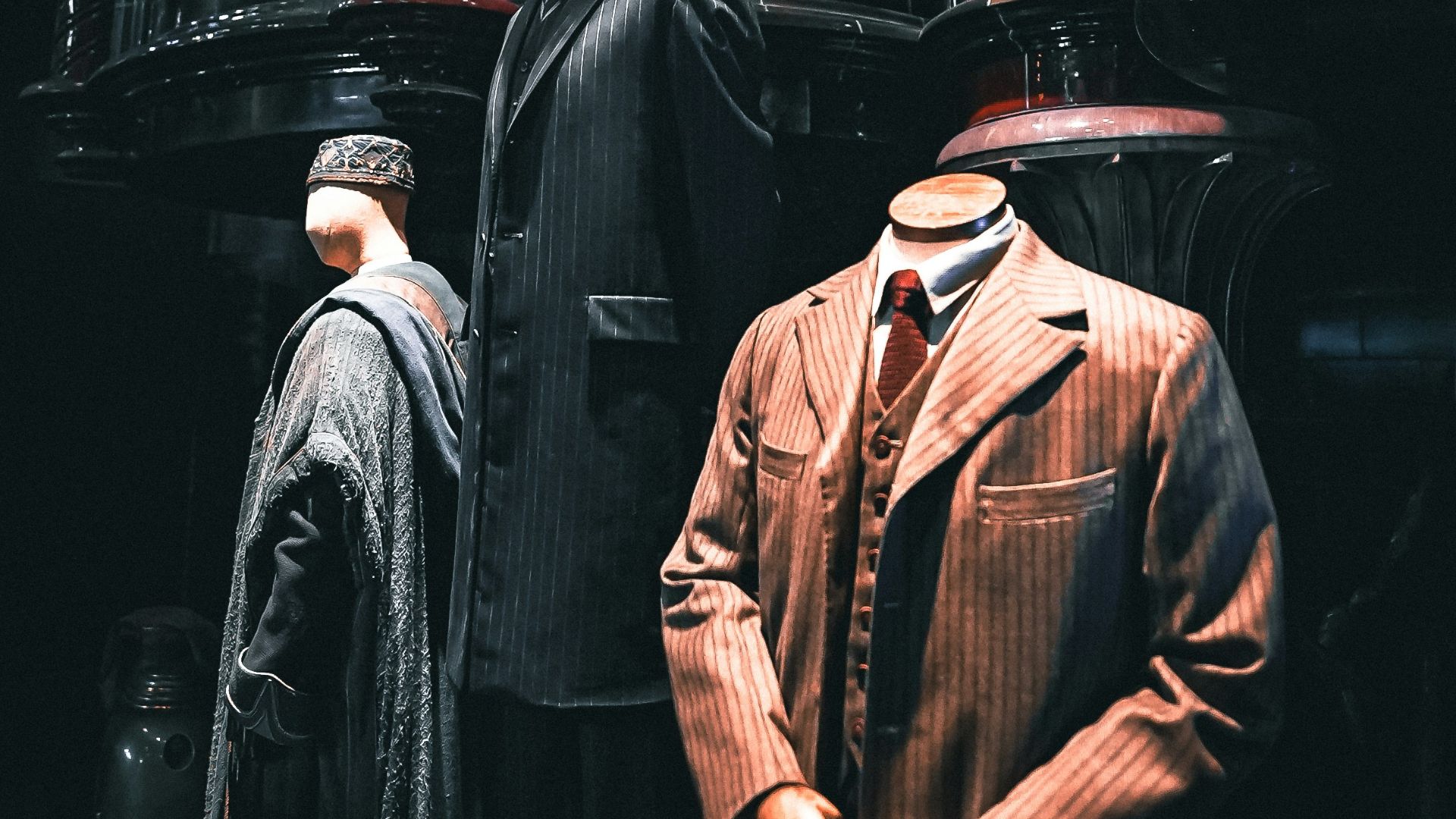
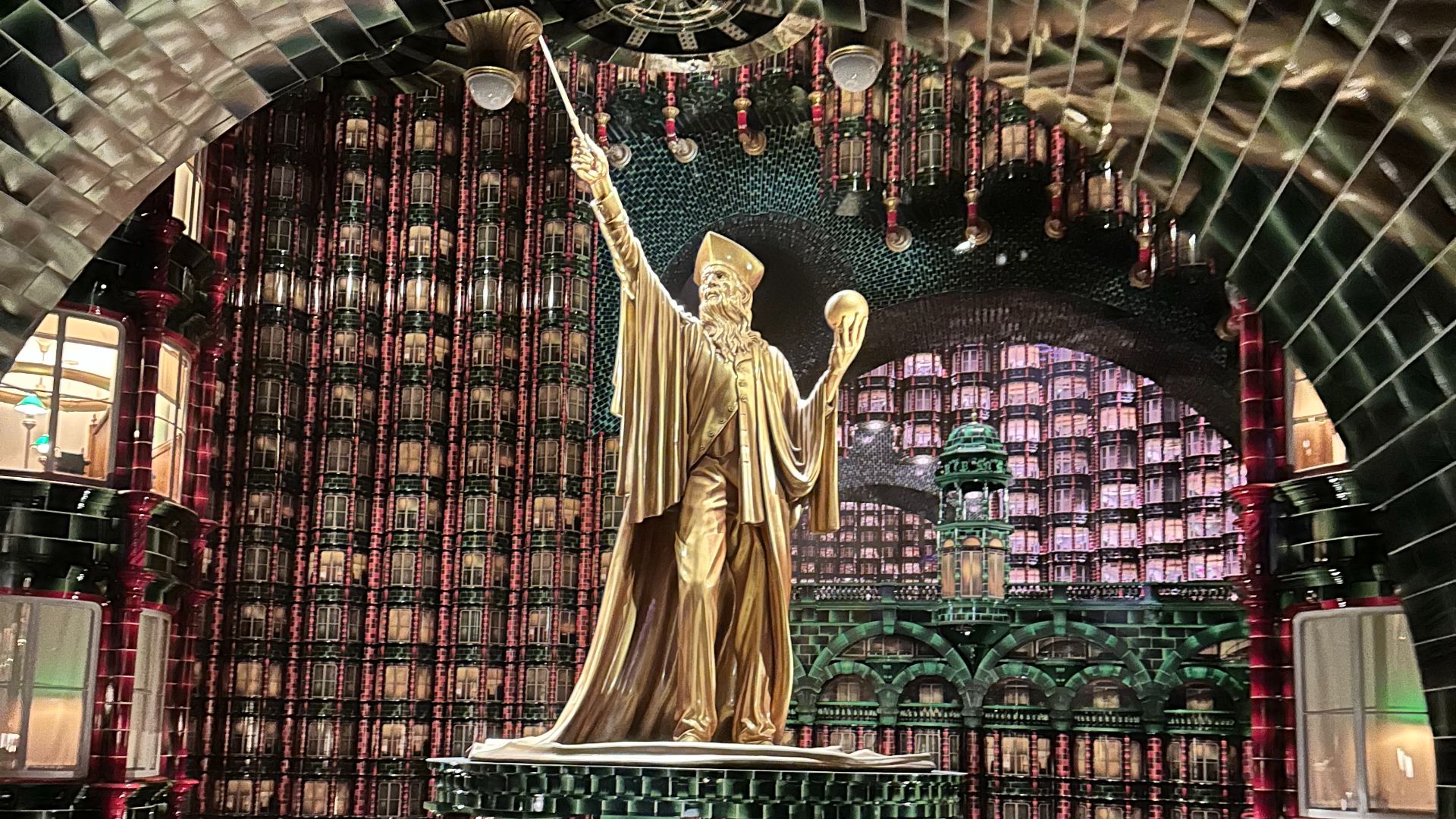
You'd think a government responsible for running an entire magical society would have some pretty impressive leadership, but the Ministry of Magic repeatedly proved otherwise. Throughout the Harry Potter books, its officials made terrible decisions, ignored obvious threats, and somehow managed to make already dangerous situations even worse. From locking up innocent people to refusing to acknowledge Voldemort's return, the Ministry had an annoying habit of getting things spectacularly wrong. Here are 20 of its most embarrassing failures that'll make you wonder how the wizarding world ever functioned.
1. Refusing to Believe Voldemort Had Returned
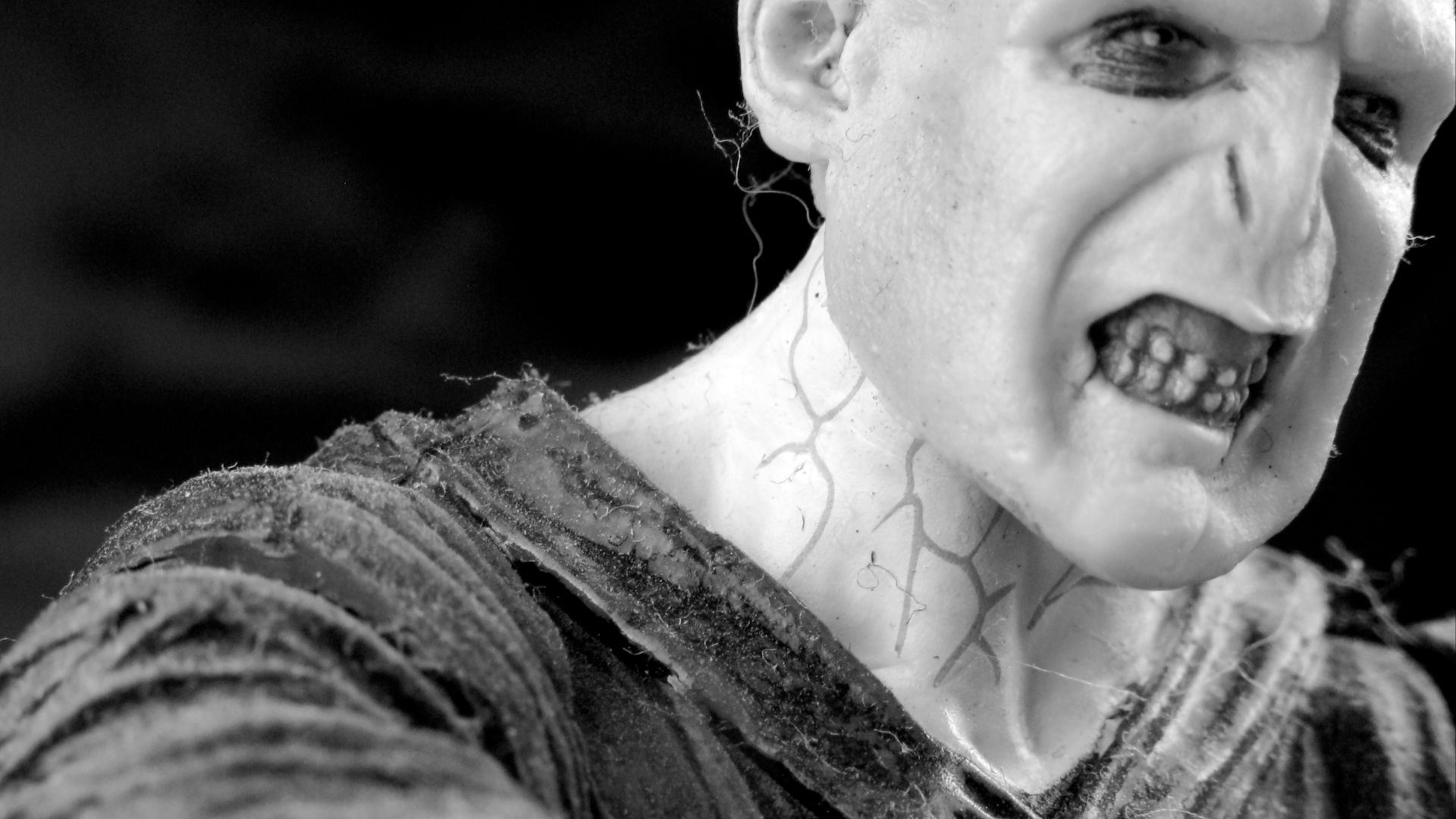
When Harry Potter witnessed Voldemort's return, Minister for Magic Cornelius Fudge decided that denying everything was preferable to facing the truth. Rather than taking Harry's claims seriously, he dismissed the teenager as an attention-seeker and accused Dumbledore of spreading lies. His refusal to act gave Voldemort an entire year to rebuild his forces while the Ministry actively discouraged people from preparing for his return.
2. Sending Dolores Umbridge to Hogwarts
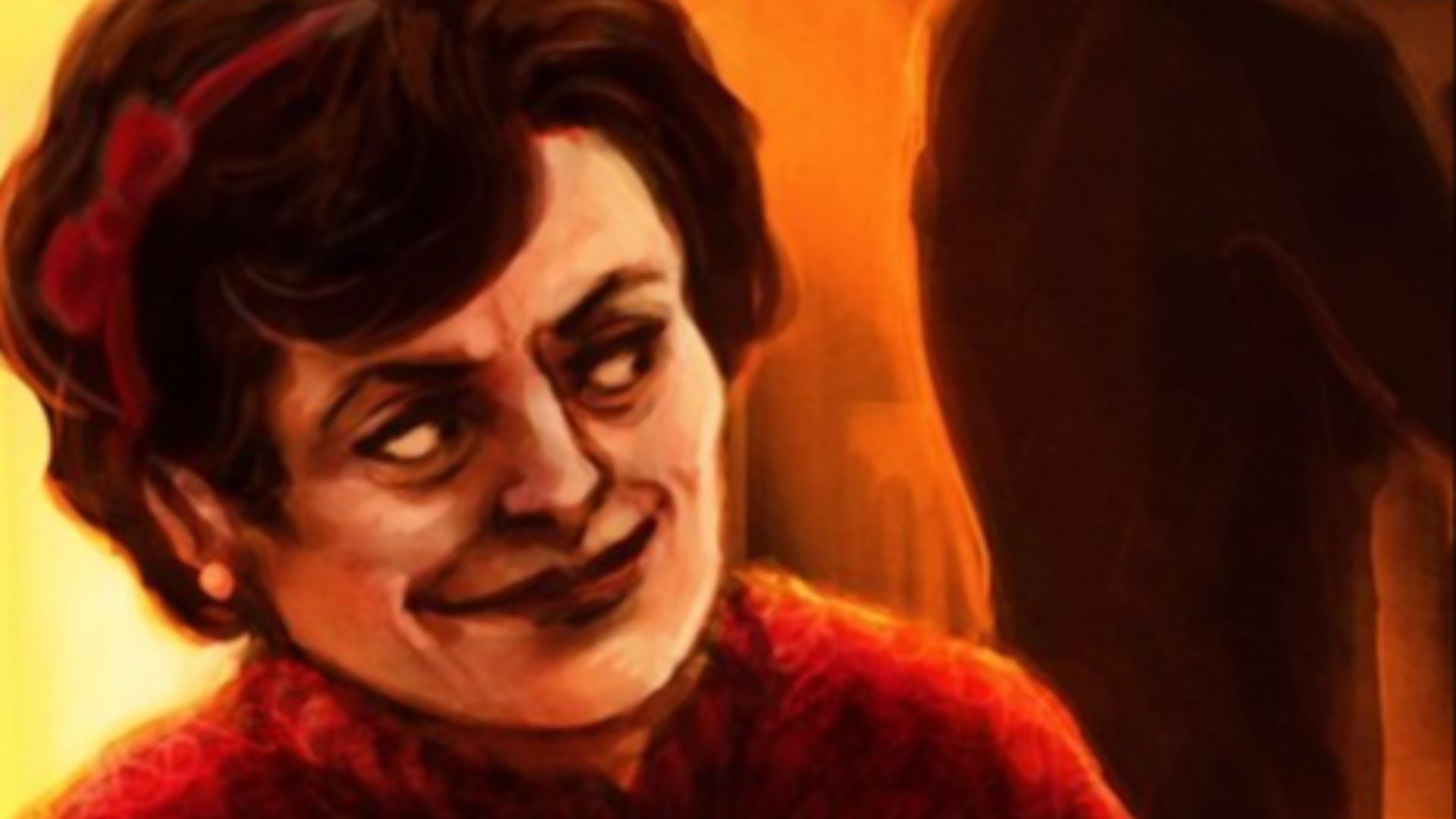
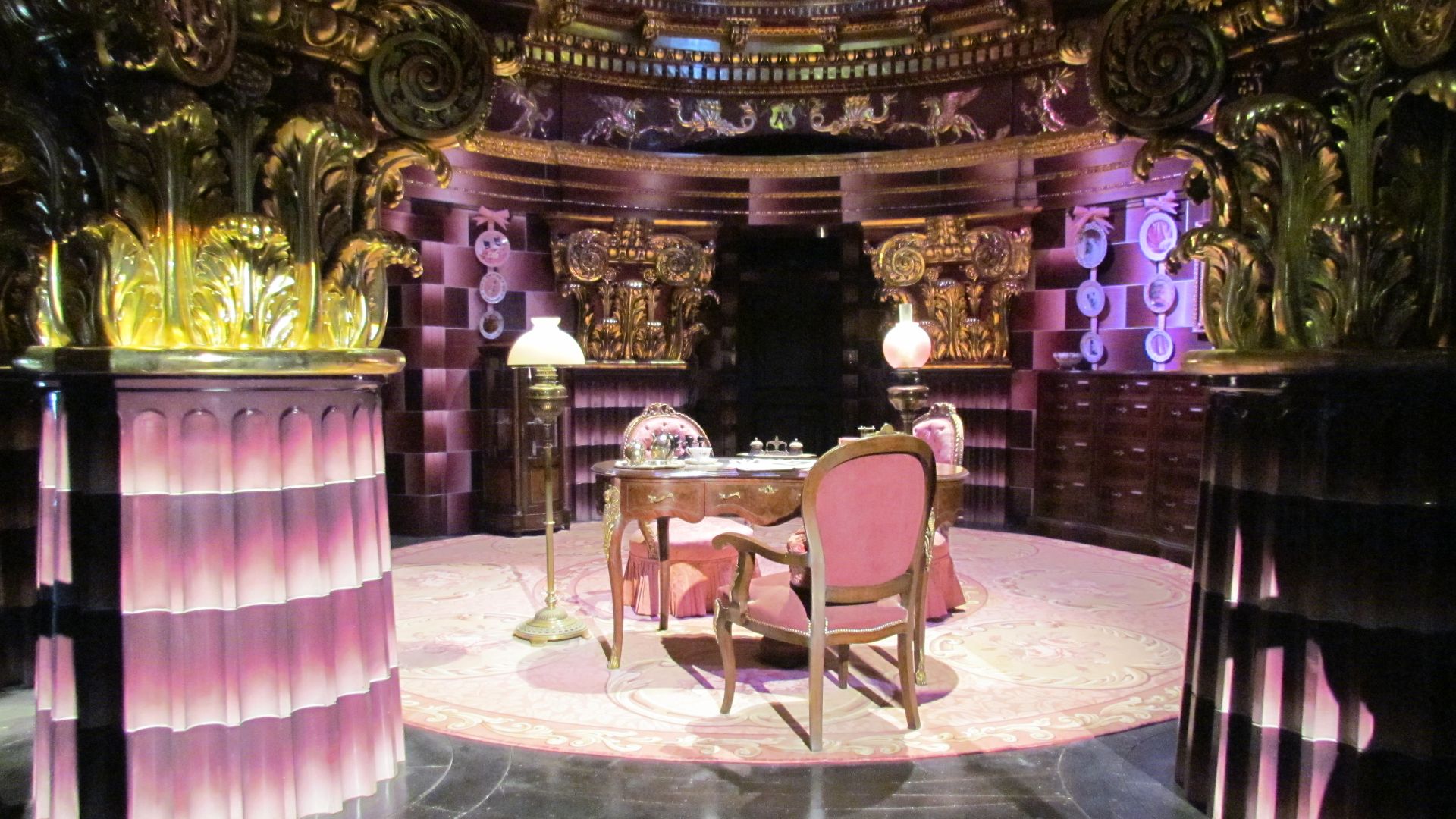
Of all the people the Ministry could've selected to oversee Hogwarts, Dolores Umbridge was a particularly disastrous choice. She banned practical Defense Against the Dark Arts lessons, punished students with a blood-writing quill, and eventually took control of the school as High Inquisitor and then Headmistress. Somehow, the Ministry cared more about her strict enforcement of its policies than the fact that children were being mistreated.
3. Imprisoning Sirius Black Without a Trial
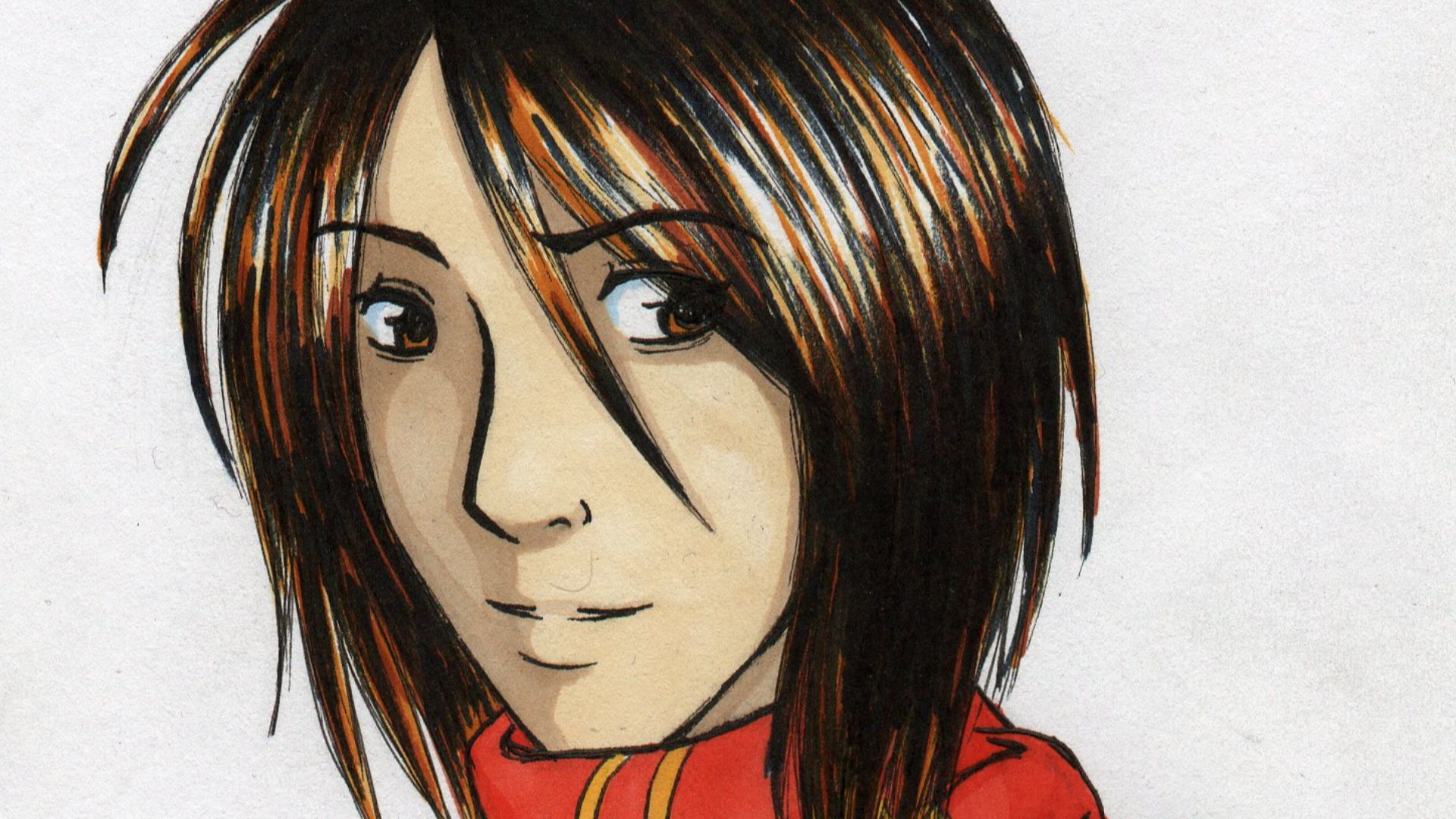
Sirius Black spent twelve years in Azkaban for betraying James and Lily Potter and murdering Peter Pettigrew, despite never receiving a proper trial. Under Barty Crouch Sr.'s harsh approach to wartime justice, Sirius was thrown into prison without any opportunity to defend himself. Had anyone bothered to conduct a thorough investigation, they might've discovered that Pettigrew was still alive and that Sirius was innocent of those crimes.
 Cor-Sa on DeviantArt on Wikimedia
4. Allowing Dementors to Guard Azkaban
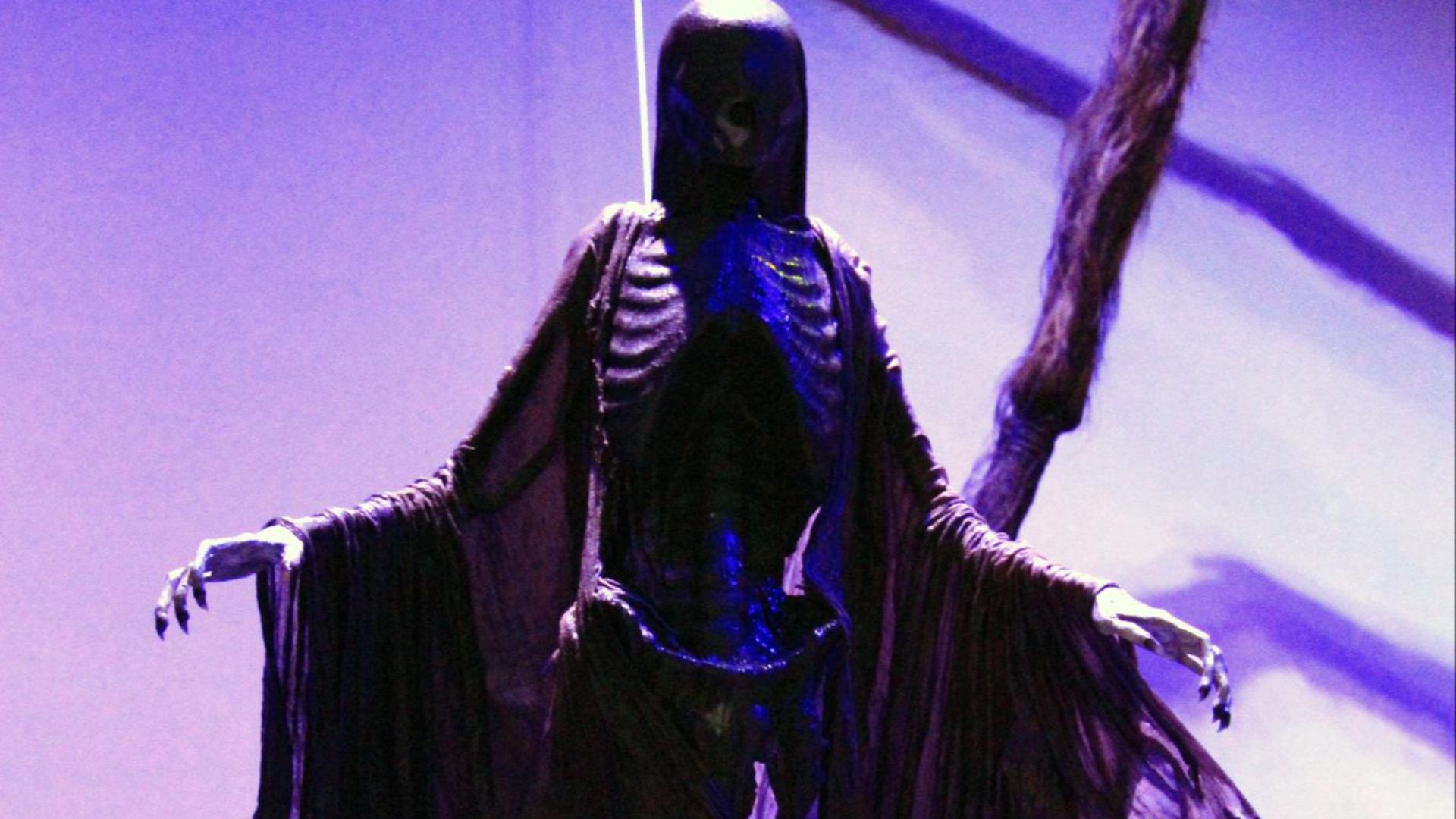
Whoever decided that soul-draining creatures should supervise prisoners clearly wasn't too concerned about humane treatment. Dementors subjected inmates to relentless despair, leaving many psychologically devastated. To make matters worse, the creatures eventually abandoned their posts and joined Voldemort, proving they weren't particularly reliable guards in the first place.
5. Trying to Expel Harry for Defending Himself
Harry nearly lost his place at Hogwarts after using a Patronus Charm to protect himself and Dudley from Dementors in Order of the Phoenix. Although underage magic was generally forbidden outside school, the law made exceptions for genuine emergencies. Instead of recognizing that Harry had acted in self-defense, the Ministry initially tried to expel him before dragging him into a disciplinary hearing.

6. Letting Lucius Malfoy Influence Its Decisions
Despite his connections to Voldemort's former followers, Lucius Malfoy enjoyed considerable influence within the Ministry thanks to his wealth and political relationships. He frequently interacted with senior officials and used his connections to further his own interests, including pressuring the Hogwarts Board of Governors. You'd think government leaders would be a little more suspicious of someone who'd previously claimed he only served Voldemort because he'd been bewitched.

7. Failing to Properly Investigate the Chamber of Secrets
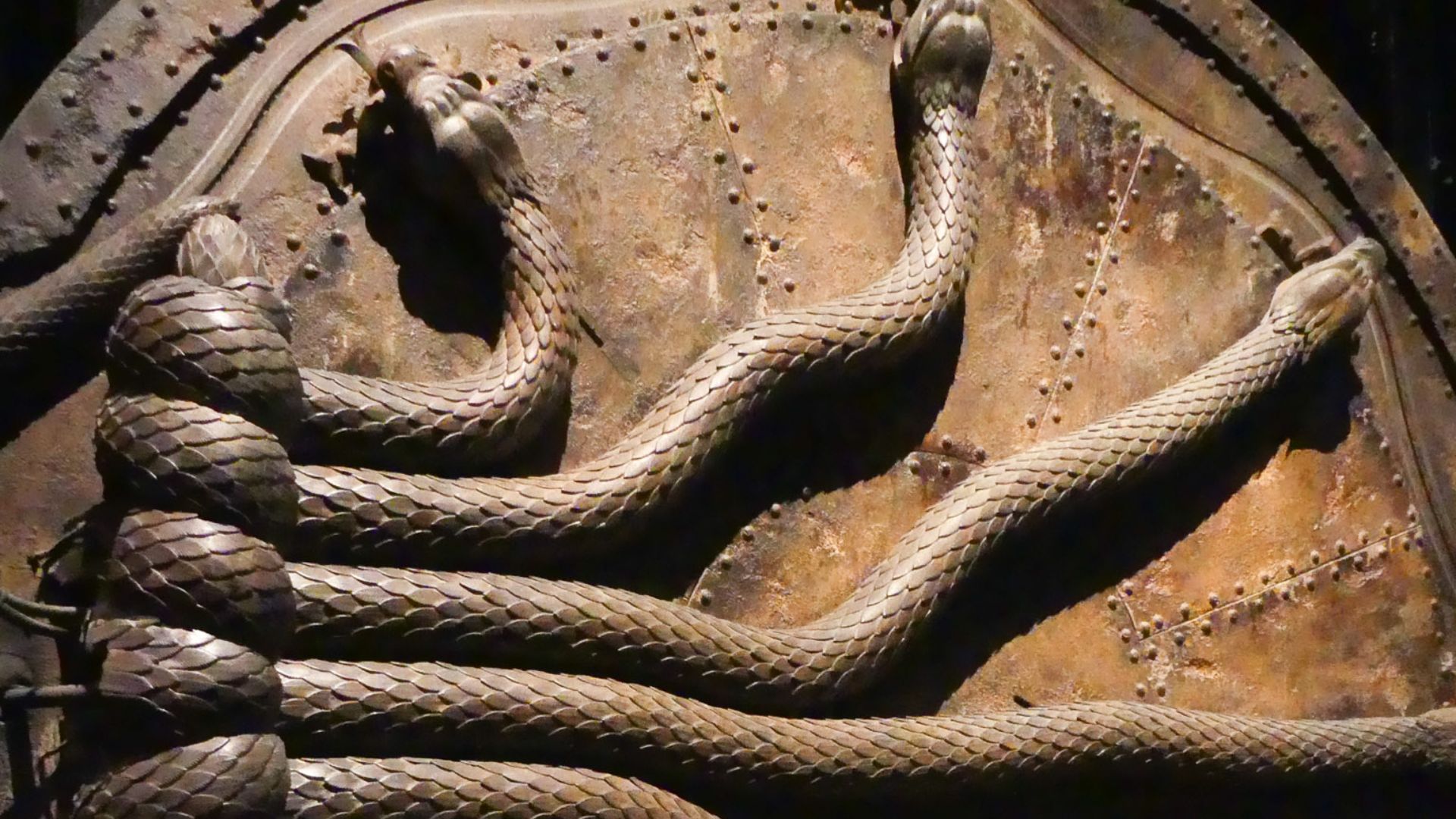
When students began turning up petrified at Hogwarts, the Ministry's response wasn't exactly an impressive display of detective work. Instead of identifying the creature responsible, officials arrested Hagrid and sent him to Azkaban without convincing evidence that he'd committed the attacks. Meanwhile, the real threat remained at large until Harry uncovered the basilisk hiding beneath the school.
 Mike Prince from Bangalore, India on Wikimedia
8. Treating House-Elves as Inferior Beings
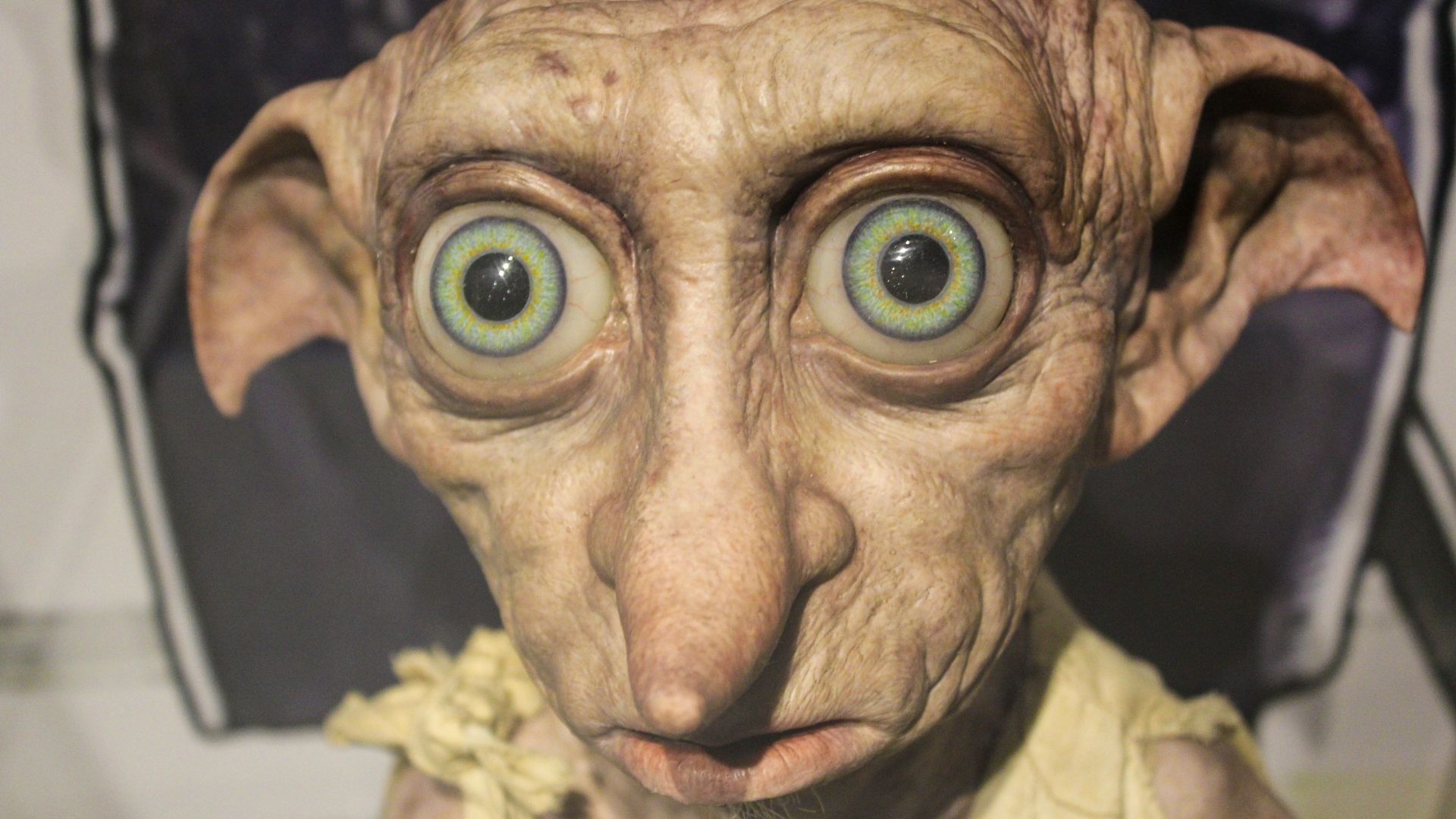
The Ministry upheld a system in which house-elves could be owned by wizarding families and denied basic freedoms. Even when Hermione founded S.P.E.W. to advocate for better treatment, her concerns were largely dismissed by the wider magical community. The treatment of house-elves showed just how comfortable wizarding institutions had become with practices that would be considered deeply unjust outside their society.
9. Allowing Barty Crouch Jr. to Escape Justice
Barty Crouch Jr. was convicted of participating in the torture of Frank and Alice Longbottom, but his father secretly arranged for him to escape from Azkaban. After years of being kept under his father's control, he eventually impersonated Alastor Moody and manipulated the Triwizard Tournament to deliver Harry to Voldemort. Things got even worse when a Dementor administered the Kiss to Crouch Jr. before he could provide crucial testimony about Voldemort's return.

10. Allowing the Triwizard Tournament to Become So Dangerous
The Triwizard Tournament returned to Hogwarts with supposedly better safety precautions, although its challenges still featured dragons, dangerous underwater creatures, and an enchanted maze. The situation became even more ridiculous when Harry's name emerged from the Goblet of Fire despite his being underage and never entering himself. Rather than figuring out how to remove him from the competition, officials insisted that the magical contract required his participation, without ever properly explaining the consequences of refusing.
11. Giving the Daily Prophet Too Much Influence
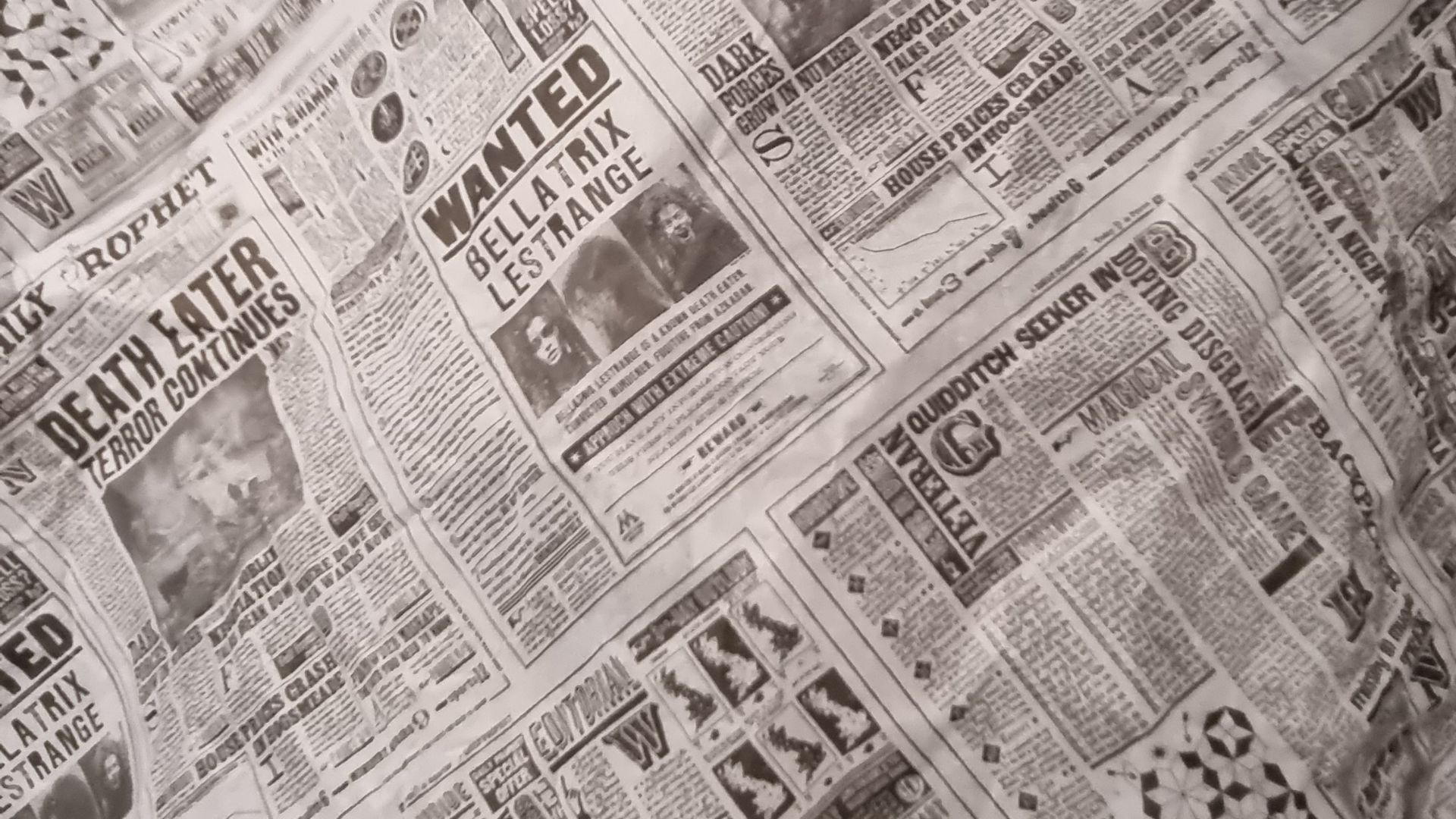
Rather than welcoming independent scrutiny, the Ministry took full advantage of the Daily Prophet's willingness to promote its preferred version of events. During Fudge's campaign against Harry and Dumbledore, the newspaper published damaging stories that undermined their credibility and discouraged readers from believing Voldemort had returned. By the time the truth became impossible to ignore, the Ministry had already spent months helping spread dangerous misinformation.
12. Ignoring the Threat of Death Eaters Within Its Ranks
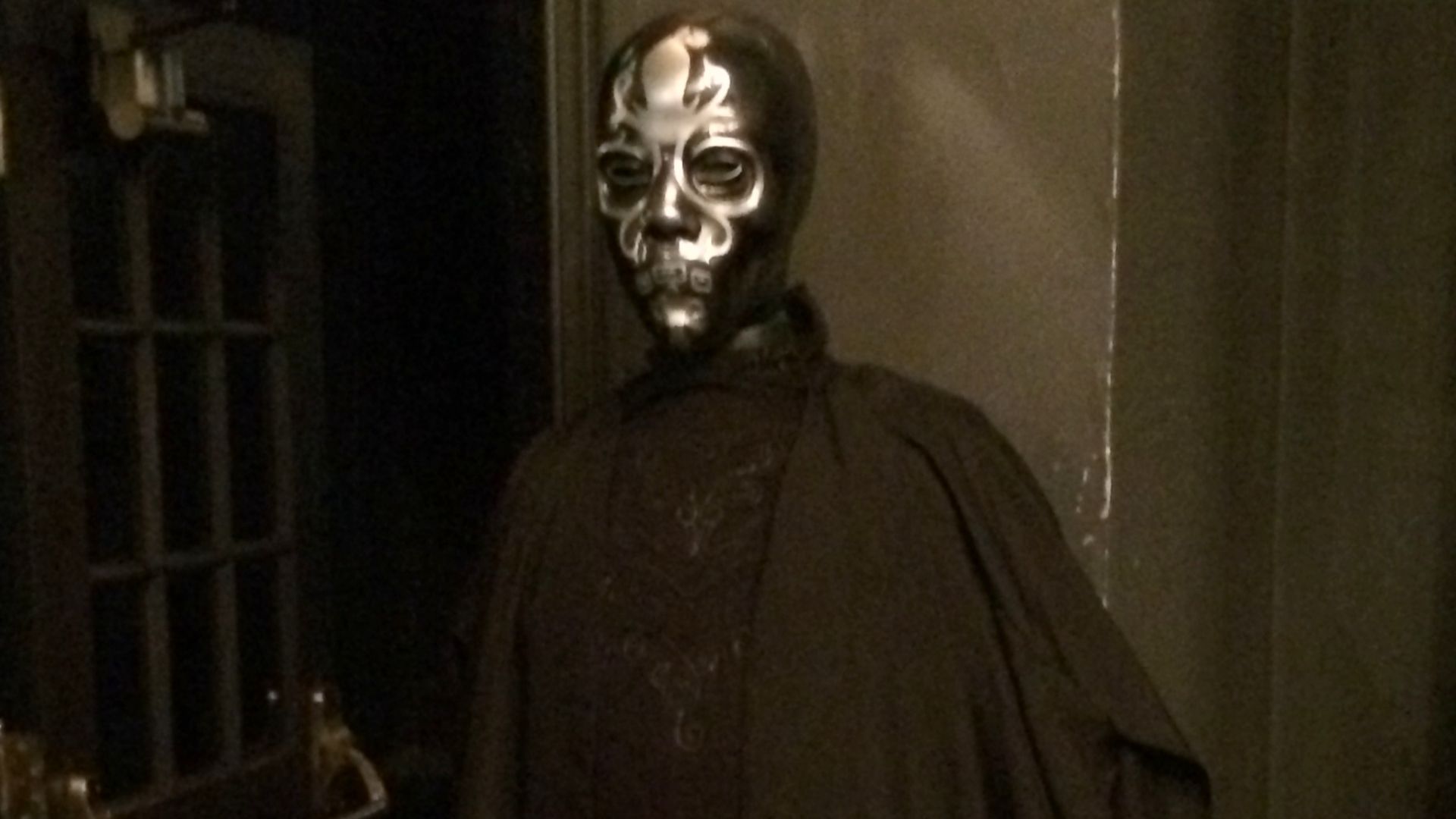
The Ministry had a troubling habit of overlooking people who secretly supported Voldemort, especially those who held respectable public positions. Officials like Augustus Rookwood had previously used their Ministry access to gather intelligence for the Death Eaters, while other sympathizers continued operating within wizarding society. Its failure to properly identify these threats became even more dangerous once Voldemort started rebuilding his network.
 Jared from Clermont on Wikimedia
13. Letting Stan Shunpike Become a Political Trophy
After Stan Shunpike was arrested on suspicion of involvement with Death Eaters, the Ministry seemed more concerned with showing results than establishing what had actually happened. Harry found it difficult to believe that the Knight Bus conductor was a dangerous terrorist, and even Arthur Weasley acknowledged that officials were desperate to appear successful. Although Stan's circumstances were never fully resolved in the books, his continued imprisonment raised serious concerns about the Ministry's standards of evidence.

14. Allowing Underage Magic Rules to Be Applied Unfairly
The Ministry's method of detecting underage magic was surprisingly flawed because the Trace identified magical activity around young witches and wizards rather than determining who'd actually performed it. Harry was blamed when Dobby used a Hover Charm at the Dursleys' house, even though he had absolutely nothing to do with the spell. Children raised in magical households, meanwhile, could be surrounded by spells without authorities knowing which family member had cast them.

15. Failing to Protect Its Own Department of Mysteries
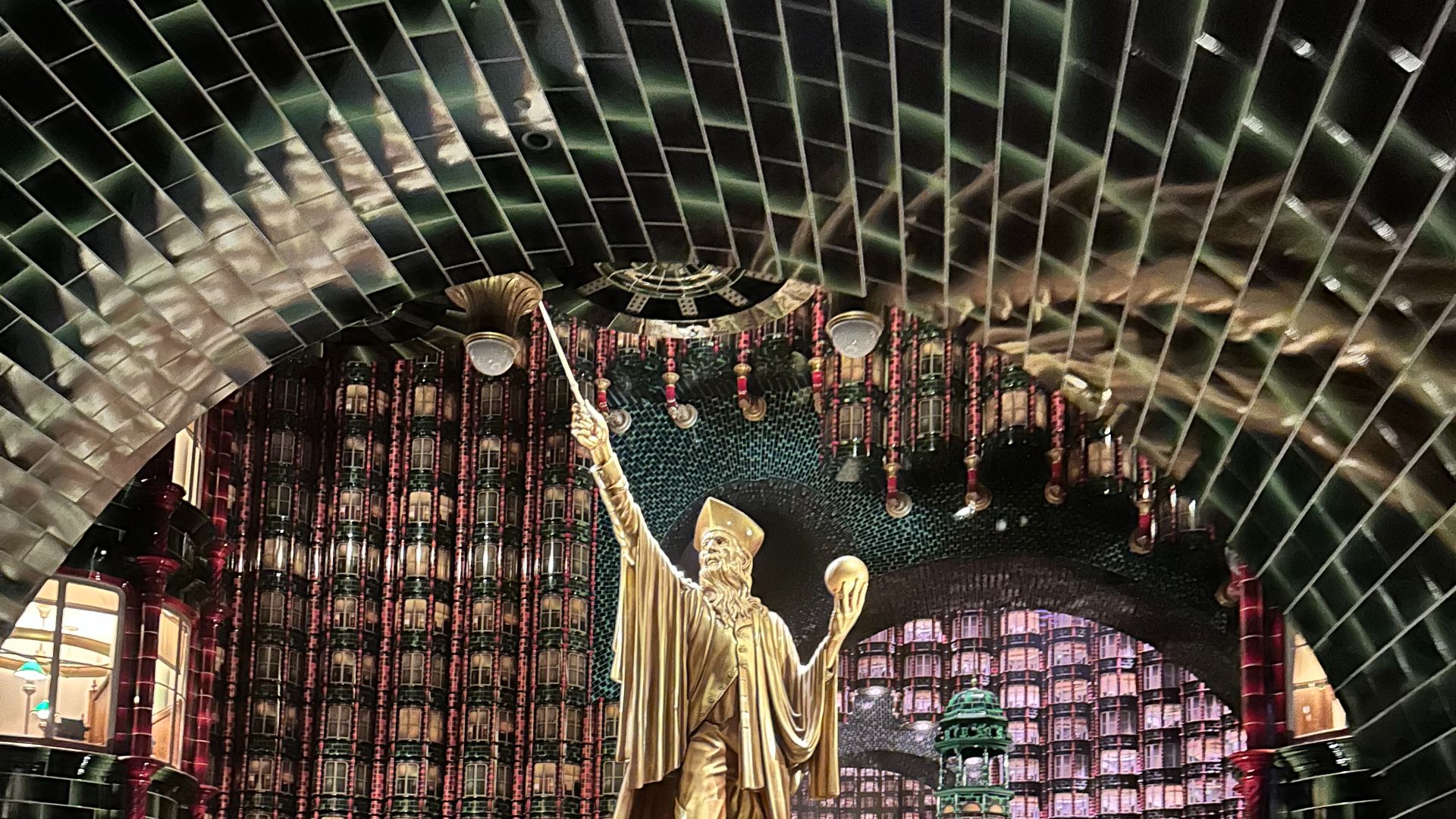
For a government department containing some of the wizarding world's most sensitive magical objects, the Department of Mysteries had some seriously questionable security. Voldemort managed to lure Harry and his friends into the building, where Death Eaters confronted them near the Hall of Prophecy. The battle that followed exposed just how vulnerable the Ministry's supposedly secure facilities were when determined intruders found their way inside.
16. Letting the Minister's Personal Pride Dictate Policy
Cornelius Fudge's growing paranoia that Dumbledore wanted his job had disastrous consequences for the wizarding community. He treated warnings about Voldemort as political maneuvering and became increasingly hostile toward anyone who dared question his judgment. Instead of focusing on public safety, he wasted valuable time protecting his reputation, eventually losing his position when the threat he'd spent so long denying became impossible to ignore.
17. Failing to Prevent Its Own Takeover
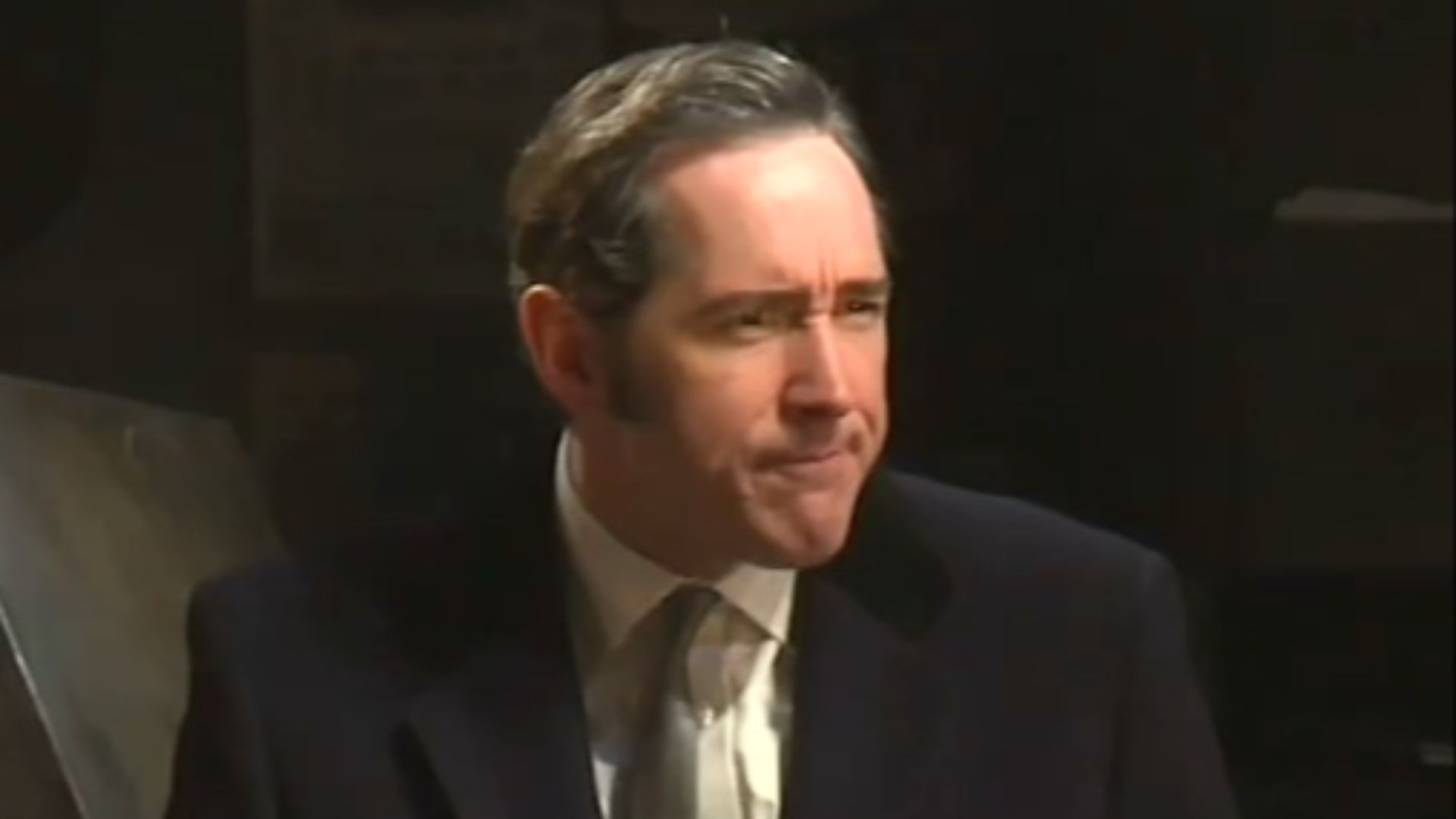
One of the Ministry's greatest humiliations occurred when Voldemort's followers successfully infiltrated the government during Deathly Hallows. After Minister Rufus Scrimgeour was murdered, Pius Thicknesse took over the position while under the Imperius Curse, allowing Death Eaters to control the institution. The takeover revealed just how easily the Ministry's authority could be used to persecute the very people it was supposed to protect.
 Looking Glass Films on Wikimedia
18. Creating the Muggle-Born Registration Commission
Under Voldemort's control, the Ministry established the Muggle-Born Registration Commission, which accused Muggle-born witches and wizards of stealing their magical abilities. Dolores Umbridge helped oversee hearings where innocent people faced interrogation, imprisonment, and the possibility of having their wands confiscated. The entire policy rested on a completely false claim about magical inheritance, but that certainly didn't stop officials from enforcing it.
19. Failing to Give Werewolves Fair Opportunities
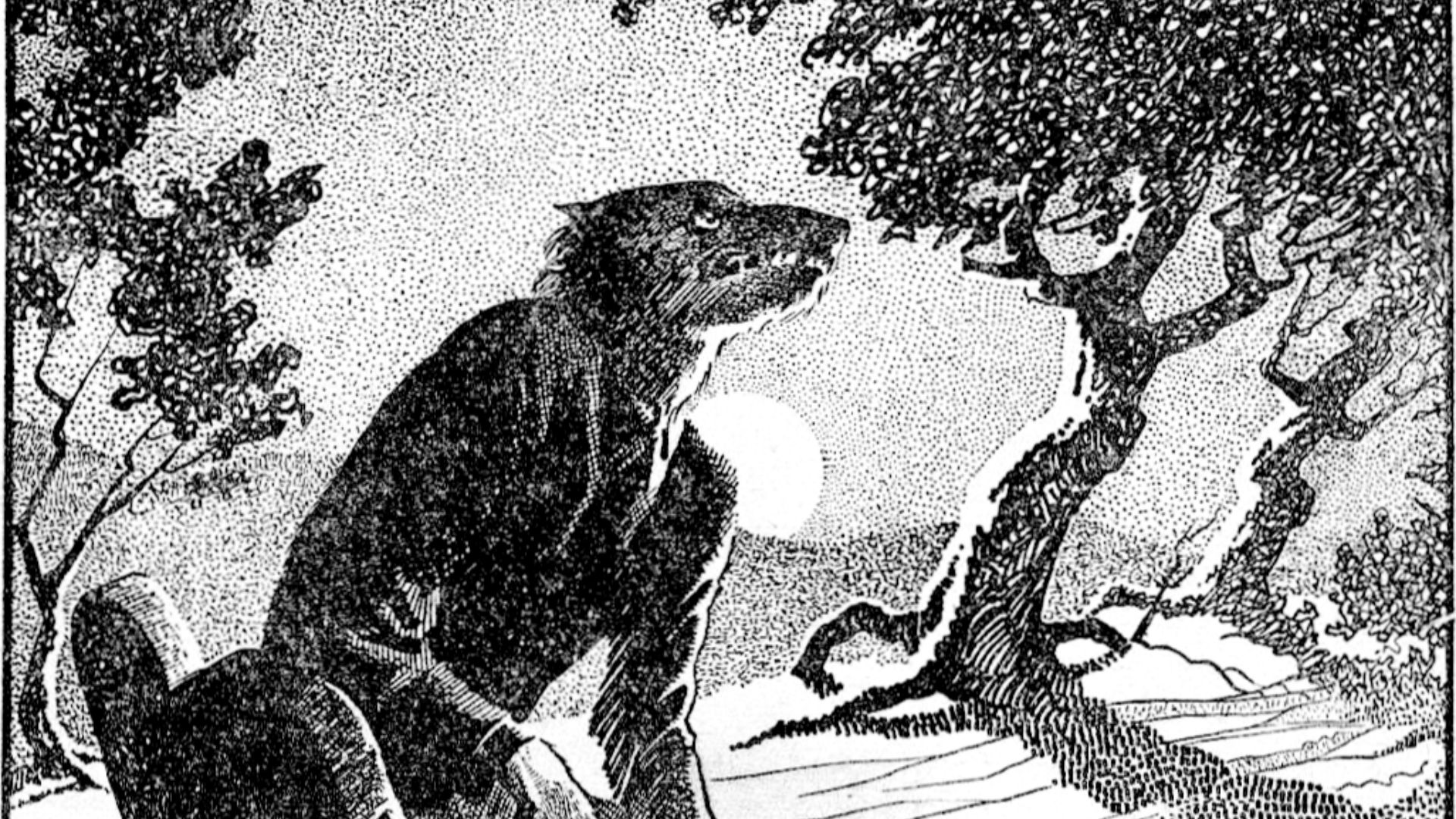
Werewolves faced widespread discrimination throughout wizarding society, and Ministry regulations did very little to make their lives easier. Remus Lupin struggled to find employment because of his condition, while Dolores Umbridge's anti-werewolf legislation made securing work even harder. By preventing people like Lupin from supporting themselves, the magical government helped fuel the resentment that Voldemort later exploited when recruiting werewolves.
20. Refusing to Learn From Its Own Mistakes
Perhaps the Ministry's most frustrating failure was its tendency to repeat the same harmful decisions over and over again. Officials routinely put their reputations, political convenience, and public appearances ahead of proper investigations and the safety of ordinary witches and wizards. From the wrongful imprisonment of Sirius Black to the persecution of Harry Potter, the Ministry repeatedly proved that having magical abilities didn't automatically make someone qualified to govern.