Journeying to a Galaxy Far, Far Away
Even if you've seen the movies a dozen times, the behind-the-scenes history of the Star Wars universe is filled with surprises that rarely make it into the main trilogies. From accidental casting choices to bizarre prop origins, George Lucas and his team had to be incredibly creative to bring this space opera to life on a limited budget. You might think you know everything there is to know about Jedi and Sith, but the production stories are often just as wild as the plots on screen. Let's take a look at twenty deep-cut facts that will make you the most knowledgeable fan at your next trivia night.
1. Yoda Was Almost a Real Monkey
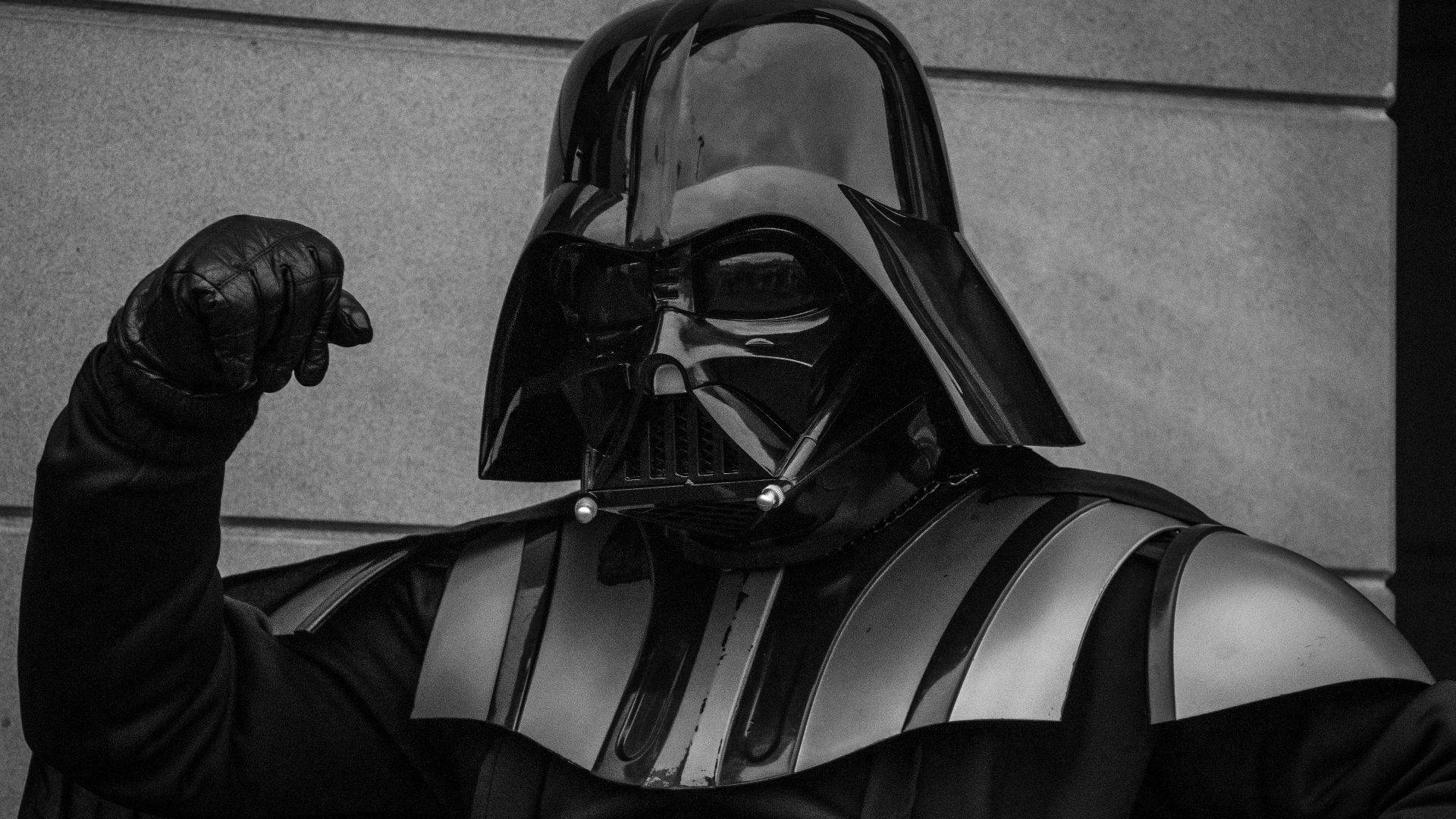
In the early planning stages for The Empire Strikes Back, the crew seriously considered dressing up a trained monkey in a mask and a tiny robe to play the Jedi Master. They eventually realized that a primate would likely spend the entire shoot pulling the mask off, which led them to hire Jim Henson's team instead. Frank Oz ended up bringing the iconic character to life through puppetry, saving the production from a lot of animal-related headaches.
2. The Sound of TIE Fighters is an Elephant
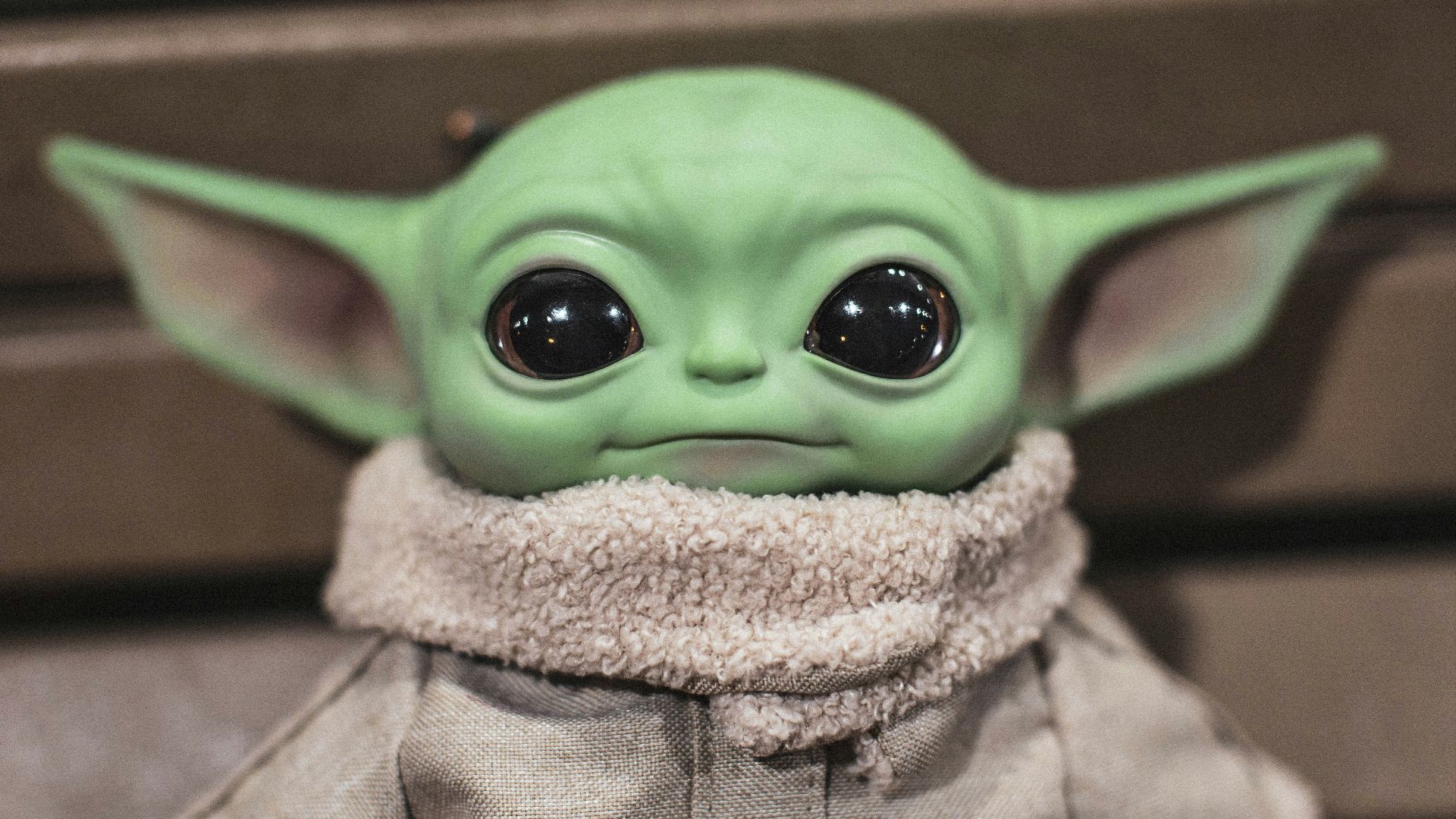
Sound designer Ben Burtt created the terrifying shriek of the Imperial TIE Fighter by combining an elephant's call with the sound of a car driving on wet pavement. He wanted something that sounded biological yet mechanical to reflect the cold efficiency of the Empire. You're actually hearing a distorted trumpet from a pachyderm every time a pilot zips across the screen during a dogfight.
3. Qui-Gon Jinn’s Communicator is a Razor
If you look closely at the device Liam Neeson uses to talk to his allies in The Phantom Menace, you might recognize it from your own bathroom. The prop was actually a resin cast of a Gillette Sensor Excel women's razor handle that had been slightly modified by the art department. It just goes to show that even a high-tech galactic civilization needs to repurpose everyday household items once in a while.
4. Darth Vader’s Breathing Was Recorded Inside a Scuba Tank
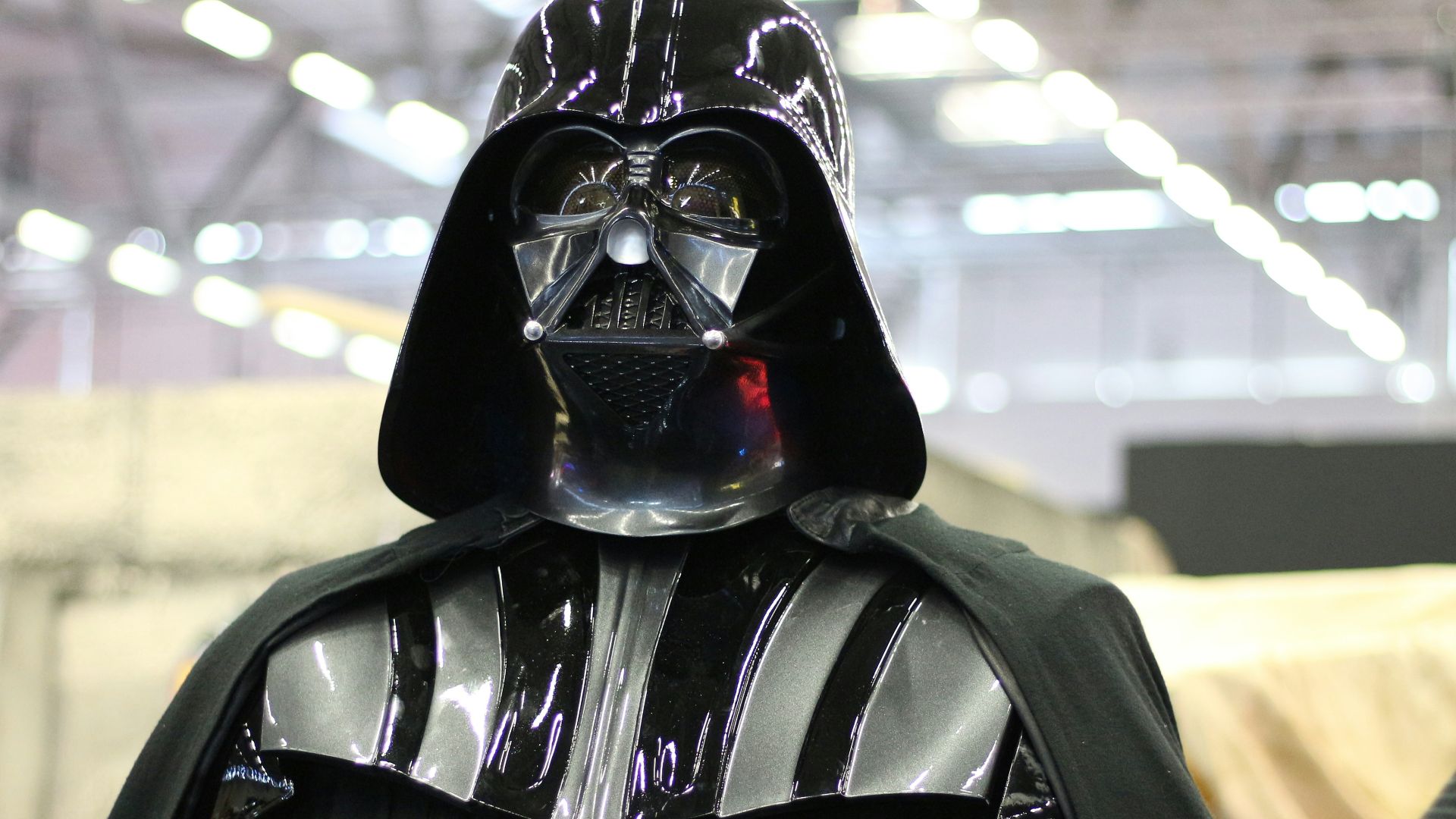
To get that chilling, rhythmic inhalation that defines the Dark Lord of the Sith, Burtt put a microphone inside a scuba regulator. He tried several different versions of the breathing before settling on the one that sounded the most claustrophobic and mechanical. This simple recording became one of the most recognizable sound effects in cinematic history without needing any digital manipulation.
5. Luke Skywalker Was Originally Luke Starkiller
George Lucas initially gave his protagonist a much more aggressive surname during the first few drafts of the original 1977 script. He eventually decided that "Starkiller" sounded a bit too violent for a farm boy hero and swapped it for "Skywalker" right before filming began. Some of the early promotional materials even had the original name printed on them before the last-minute change was made official.
6. The Ewok Language is a Global Mix
Ben Burtt didn't just make up gibberish for the furry inhabitants of Endor; he listened to several real-world languages for inspiration. He ended up basing the Ewok speech on a combination of Tibetan, Mongolian, and Kalmyk after hearing a documentary about the regions. The voice actors then mimicked the phonetic sounds to create a dialect that felt lived-in and authentic to the tiny warriors.
7. Han Solo Wasn't Always Human
In the very first rough draft of the Star Wars story, the lovable rogue was envisioned as a huge, green-skinned alien with gills and no nose. He was supposed to be a member of the Ureallian species and would have looked more like a monster than a leading man. Thankfully, Lucas pivoted to a human character, allowing Harrison Ford to eventually step into the vest and bring his signature charm to the role.
8. Chewbacca’s Voice is a Mini Zoo
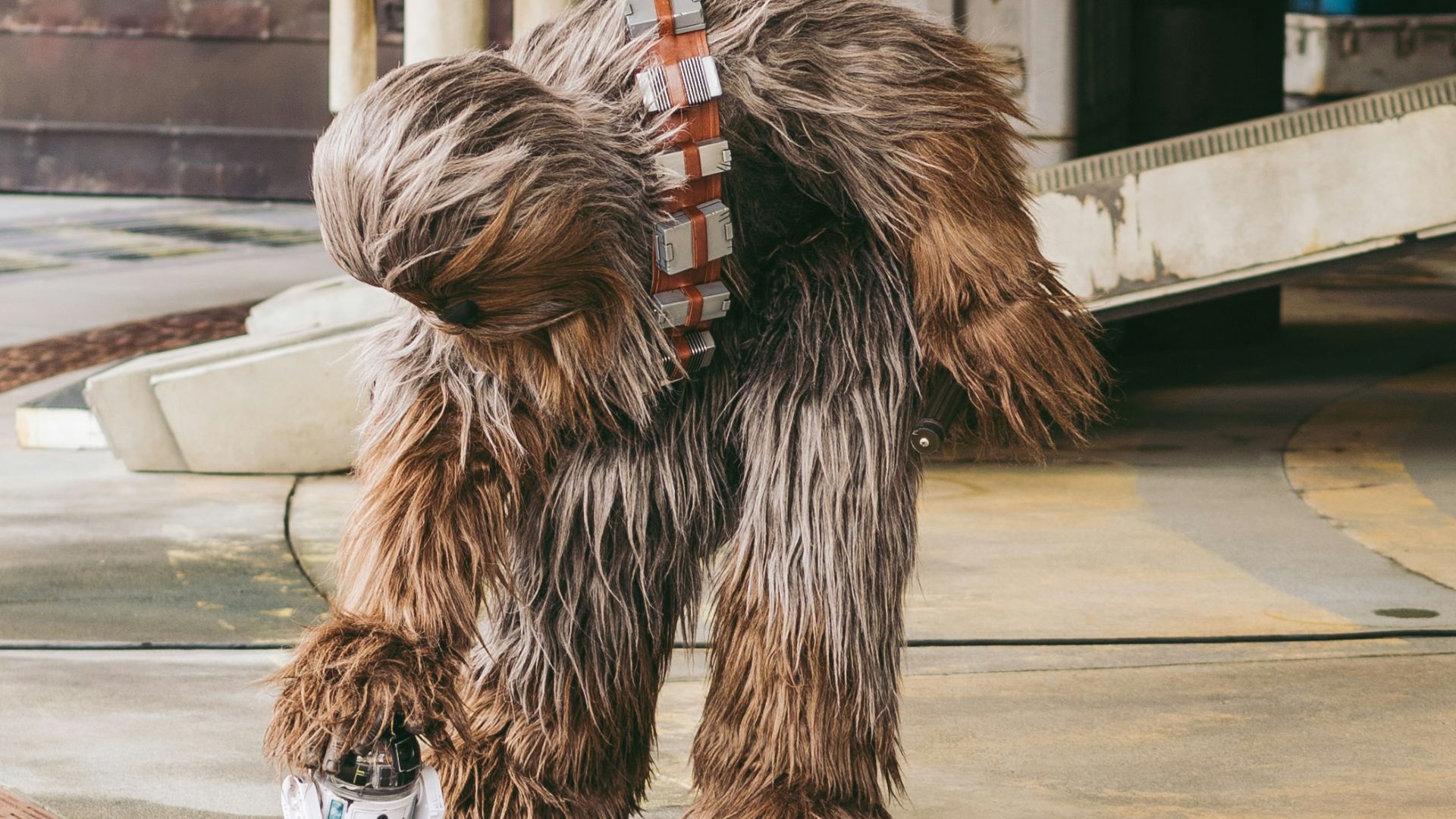
Since a Wookiee doesn't have human vocal cords, the sound team had to piece together his "Shyriiwook" language using a variety of animal growls. They mixed recordings of bears, walruses, lions, and even a sick badger to get the right emotional range for Chewie. Every time he moans or roars in frustration, you're hearing a symphony of various creatures from the natural world.
9. Samuel L. Jackson Picked His Own Lightsaber Color
Mace Windu is the only character in the films with a purple blade because the actor specifically asked George Lucas for one. Jackson wanted to be able to find himself easily during the massive battle scenes on Geonosis, so he requested a unique hue that would stand out among the sea of blue and green. Lucas initially hesitated but ultimately agreed, creating a piece of Star Wars lore that fans still obsess over today.
10. The Millennium Falcon Was Inspired by a Hamburger
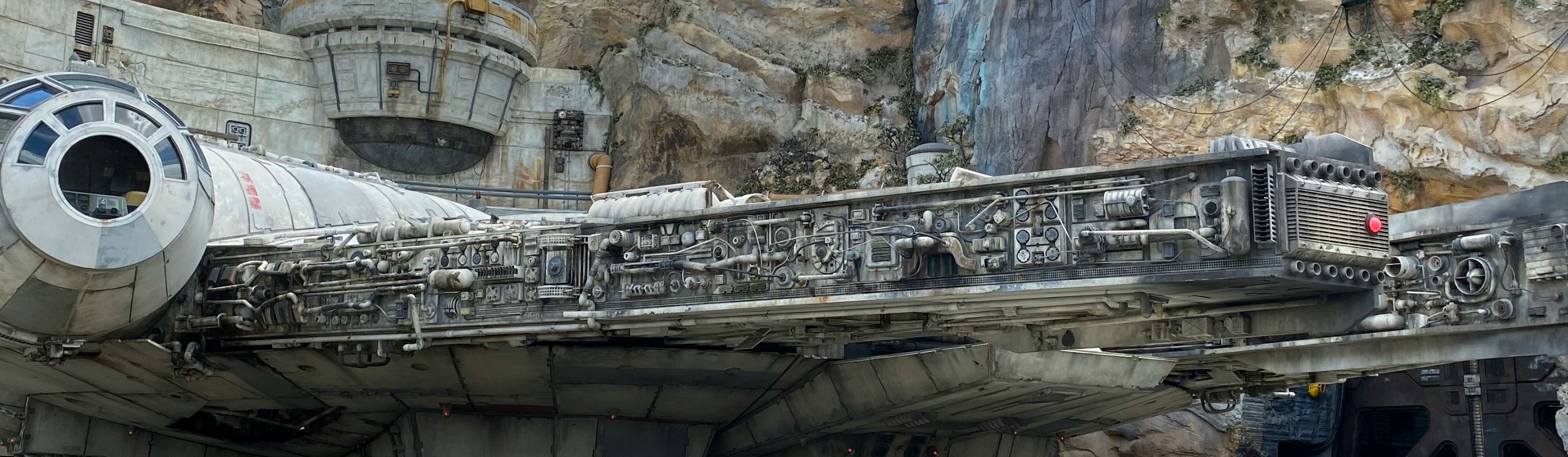
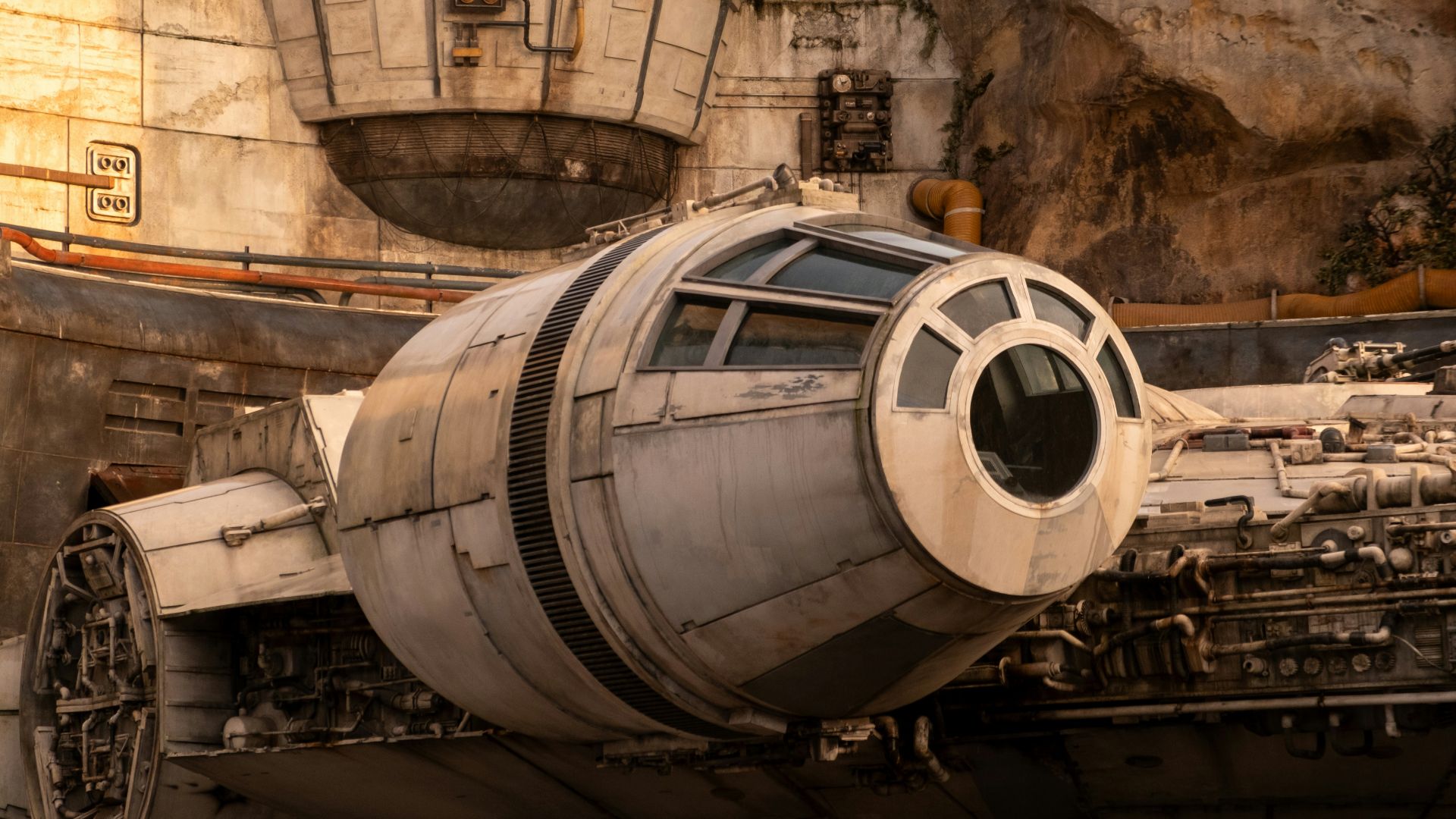
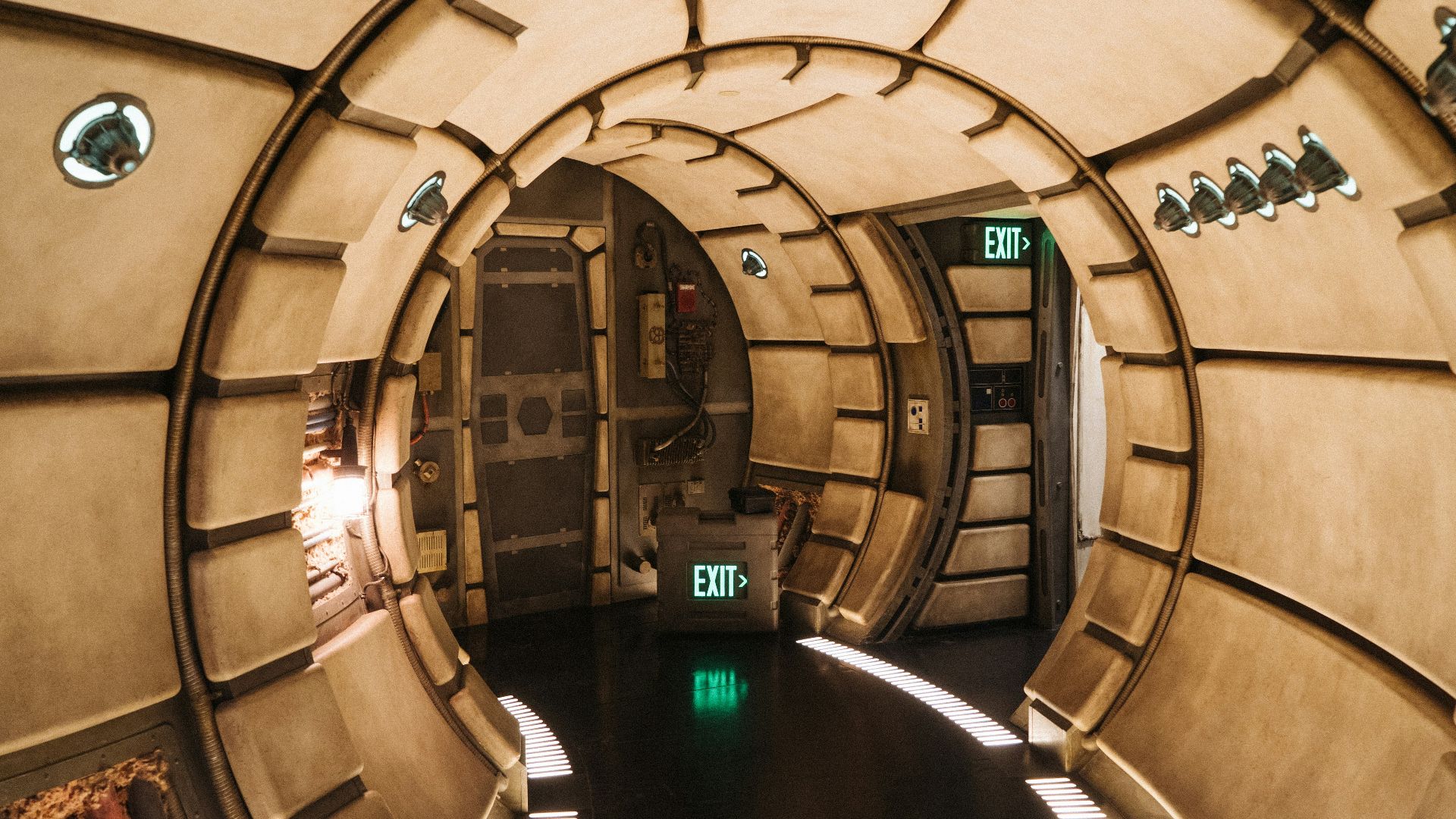
George Lucas allegedly came up with the shape of Han Solo's famous ship while he was eating a burger with an olive stuck on the side. He felt the original design for the Falcon looked too much like a ship from another sci-fi show, so he went for something radically different and "junkier." That circular shape with the side-mounted cockpit eventually became the most legendary silhouette in the entire galaxy.
11. Greedo’s Language is Based on Quechua
The dialogue spoken by the bounty hunter who confronts Han in the cantina isn't just random noise; it's a version of an indigenous language from the Andes. An linguistics student suggested using Quechua to give the scene an exotic feel that Western audiences wouldn't immediately recognize. This helped ground the alien encounter in a way that felt consistent with the "used future" aesthetic Lucas was aiming for.
12. Porgs Were a Solution to Real-Life Puffins
When the crew arrived on the island of Skellig Michael to film The Last Jedi, they found it was absolutely covered in protected puffins that couldn't be moved. Instead of spending millions of dollars to digitally remove every bird from the background of the shots, they decided to create a new alien species to cover them up. This led to the creation of Porgs, which ended up becoming a massive hit for the franchise's toy department.
 Lyman Hansel Gerona on Unsplash
13. Jabba the Hutt Required Seven Puppeteers
Bringing the massive crime lord to life in Return of the Jedi was a monumental physical feat that took a whole team of people working inside the suit. Three people were responsible for the head and torso, while others operated the tail, the eyes, and even the slime around his mouth. It was a hot, cramped environment that required perfect synchronization to make the giant slug look like a living, breathing menace.
14. An Actor Played Three Different Roles in One Movie
Warwick Davis is most famous for playing Wicket the Ewok, but he actually appears as two other characters in The Phantom Menace. You can spot him sitting next to Anakin’s friend Wald during the podrace and walking through the streets of Mos Espa as a citizen named Weazel. He’s become a staple of the franchise, popping up in almost every era of the Star Wars timeline in various disguises.
15. The "I Love You, I Know" Line Was Improvised
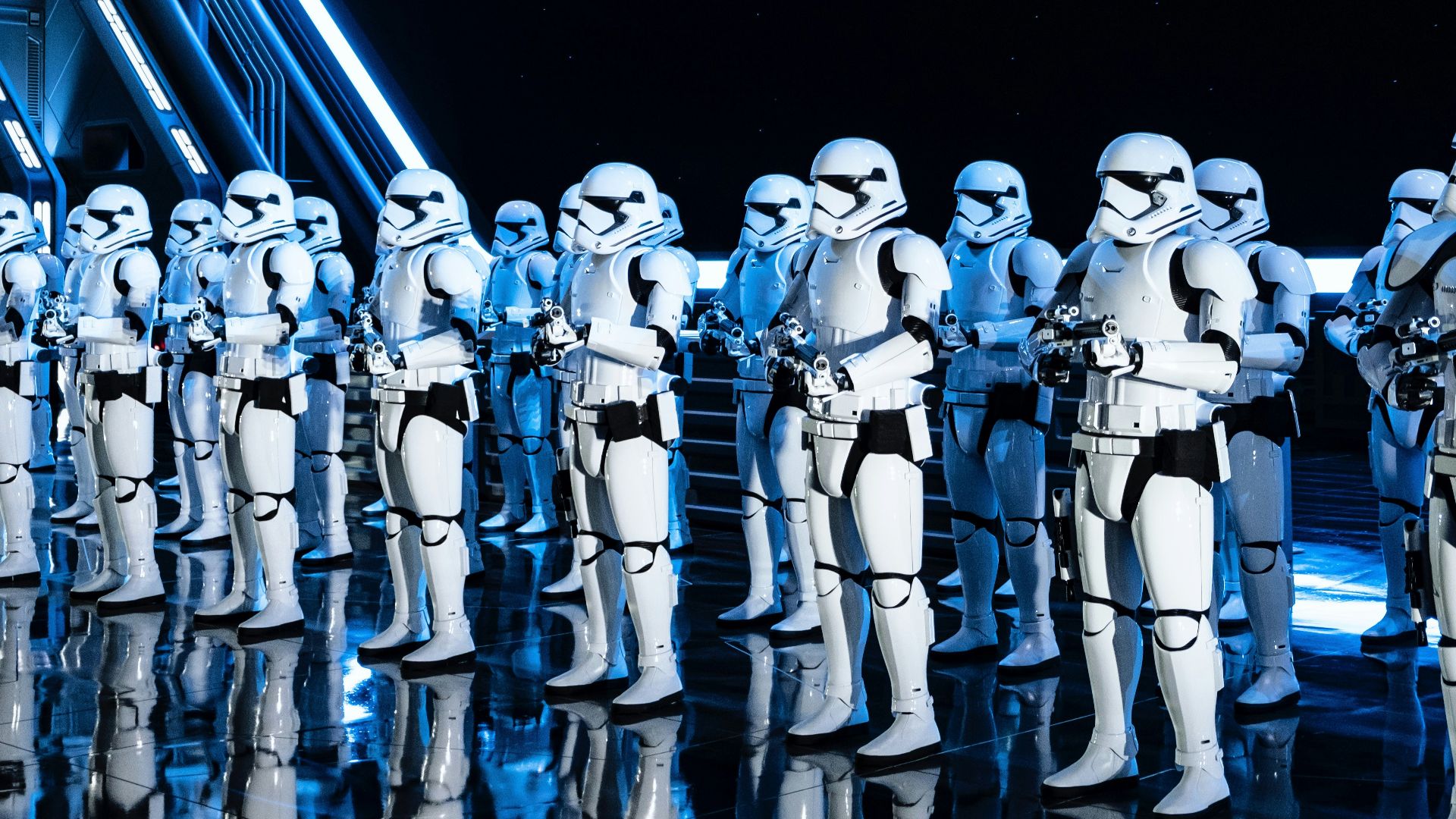
In the original script for The Empire Strikes Back, Han Solo was supposed to respond to Leia’s declaration of love with a more traditional "I love you too." Harrison Ford felt that didn't fit the character's cocky attitude and suggested the cooler, more aloof response during a rehearsal. Director Irvin Kershner loved the change, and it became one of the most quoted moments in movie history.
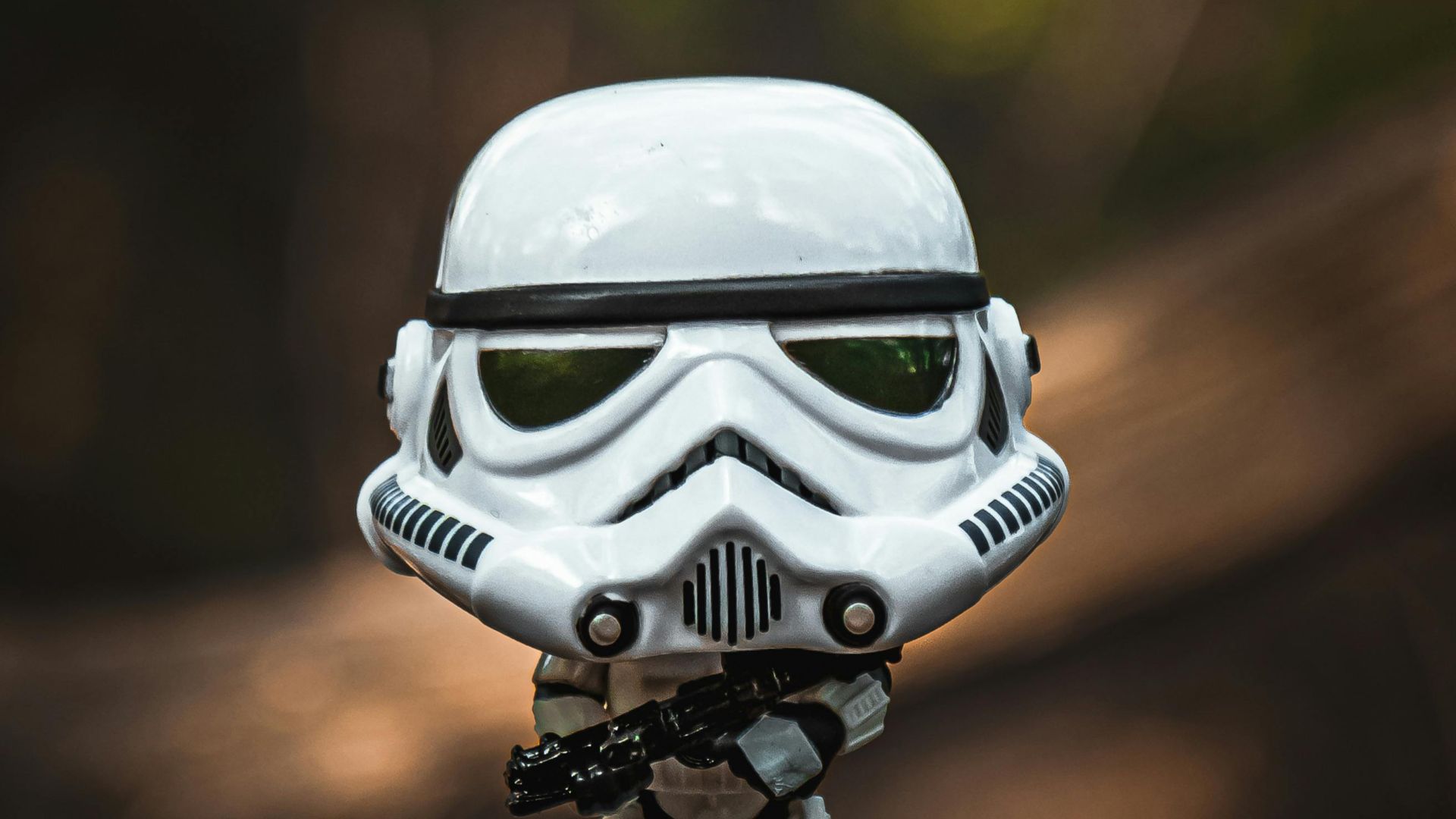
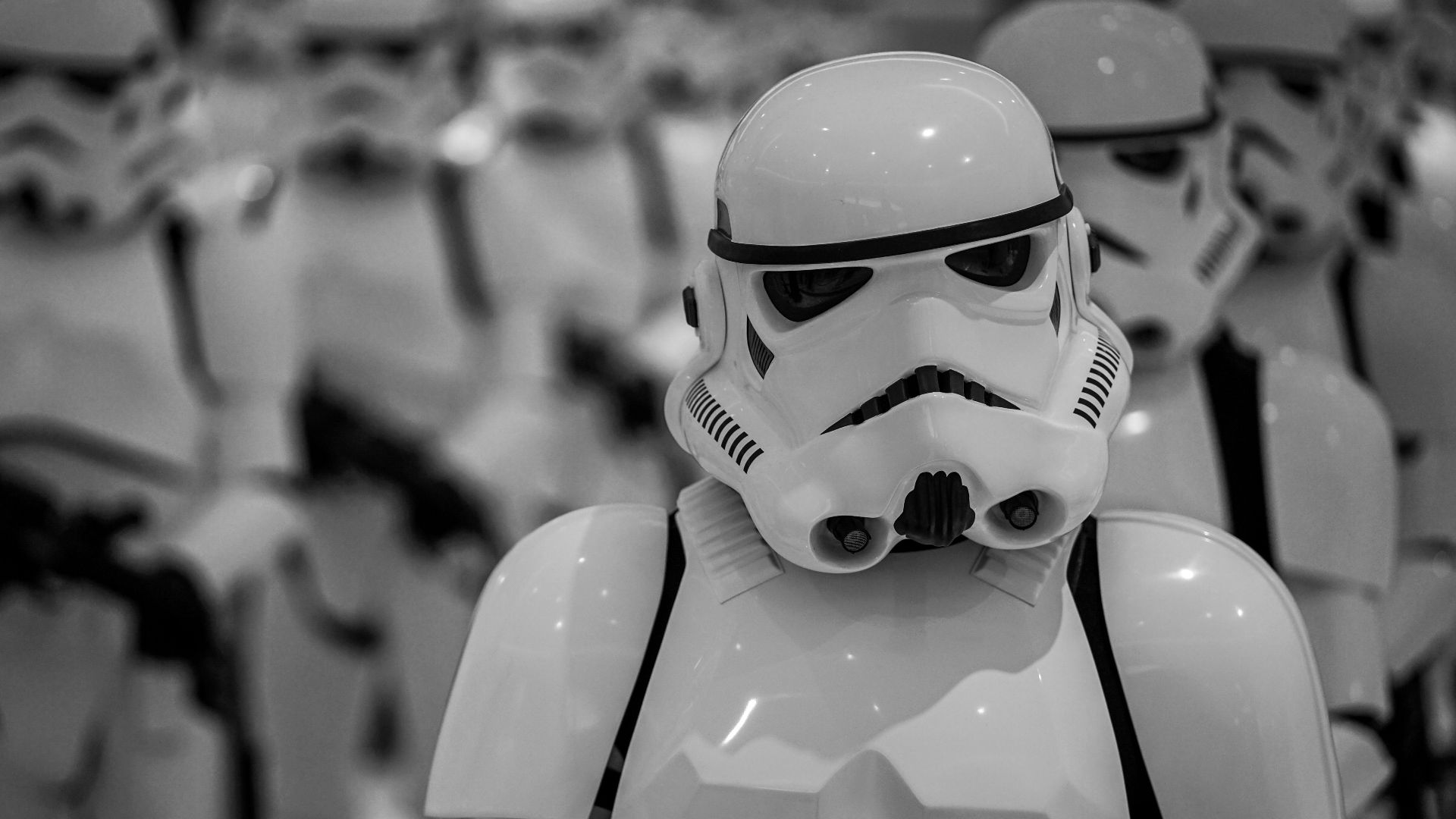
16. Stormtrooper Armor Was Often Made of Vacuum-Formed Plastic
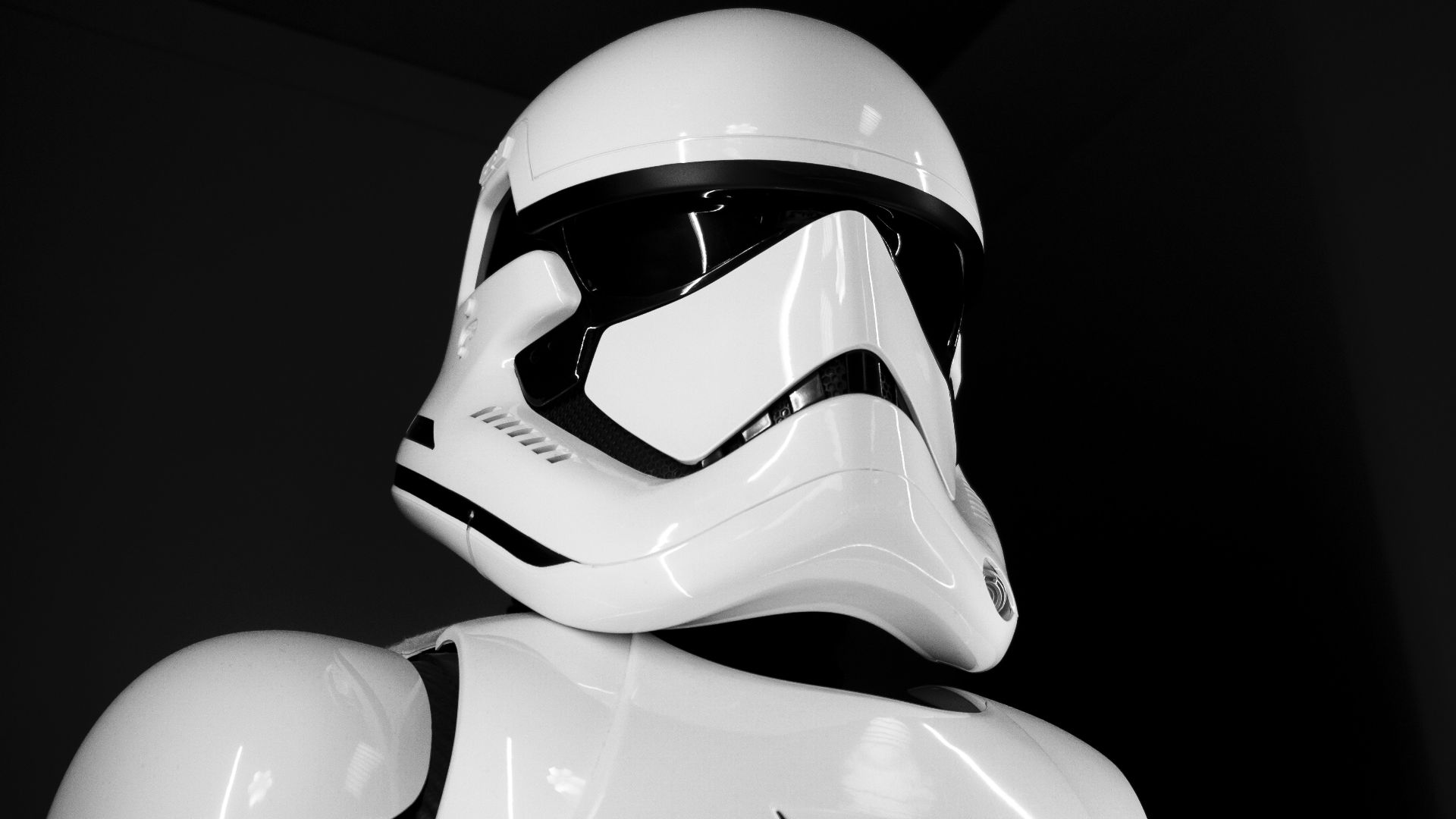
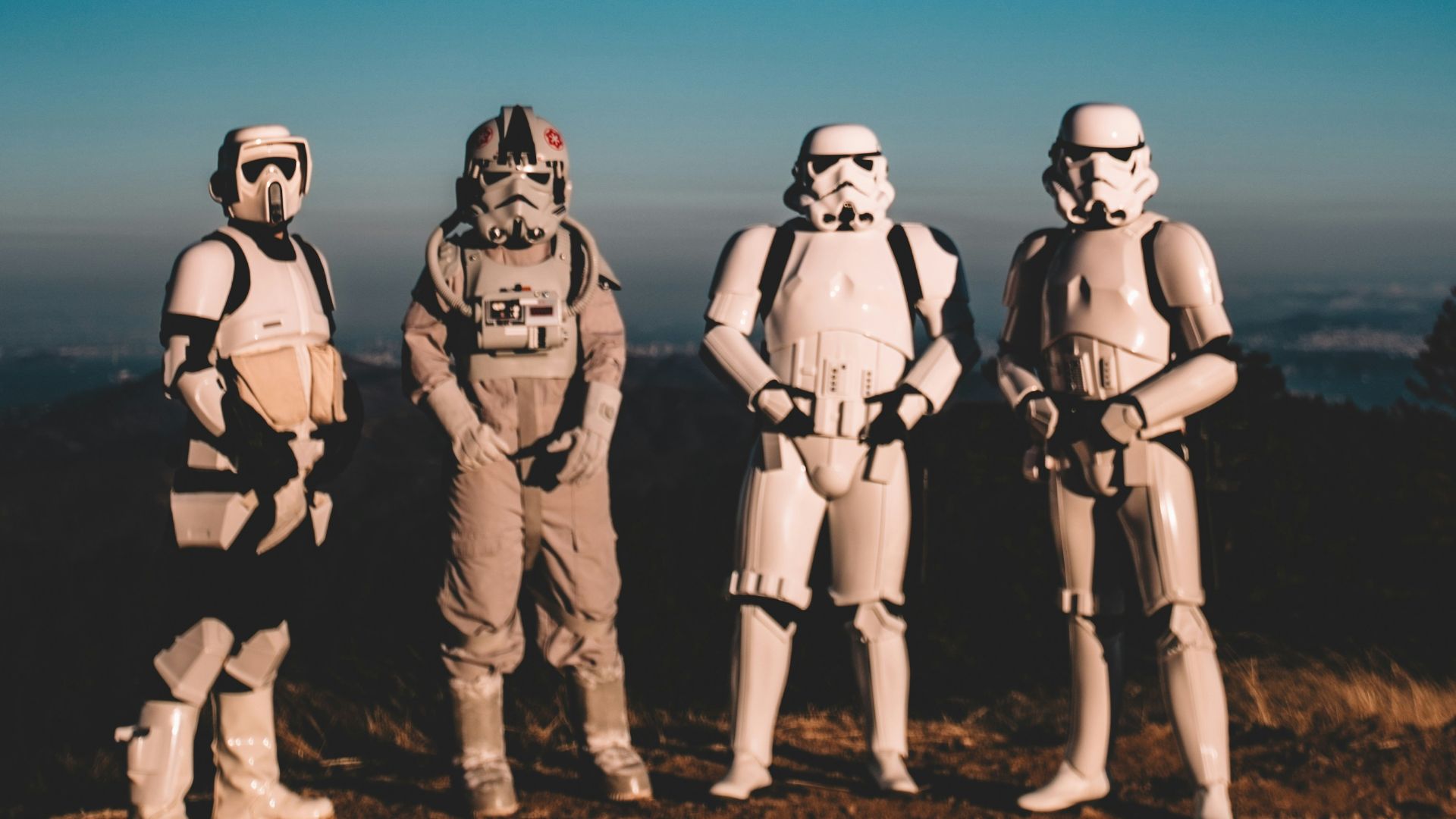
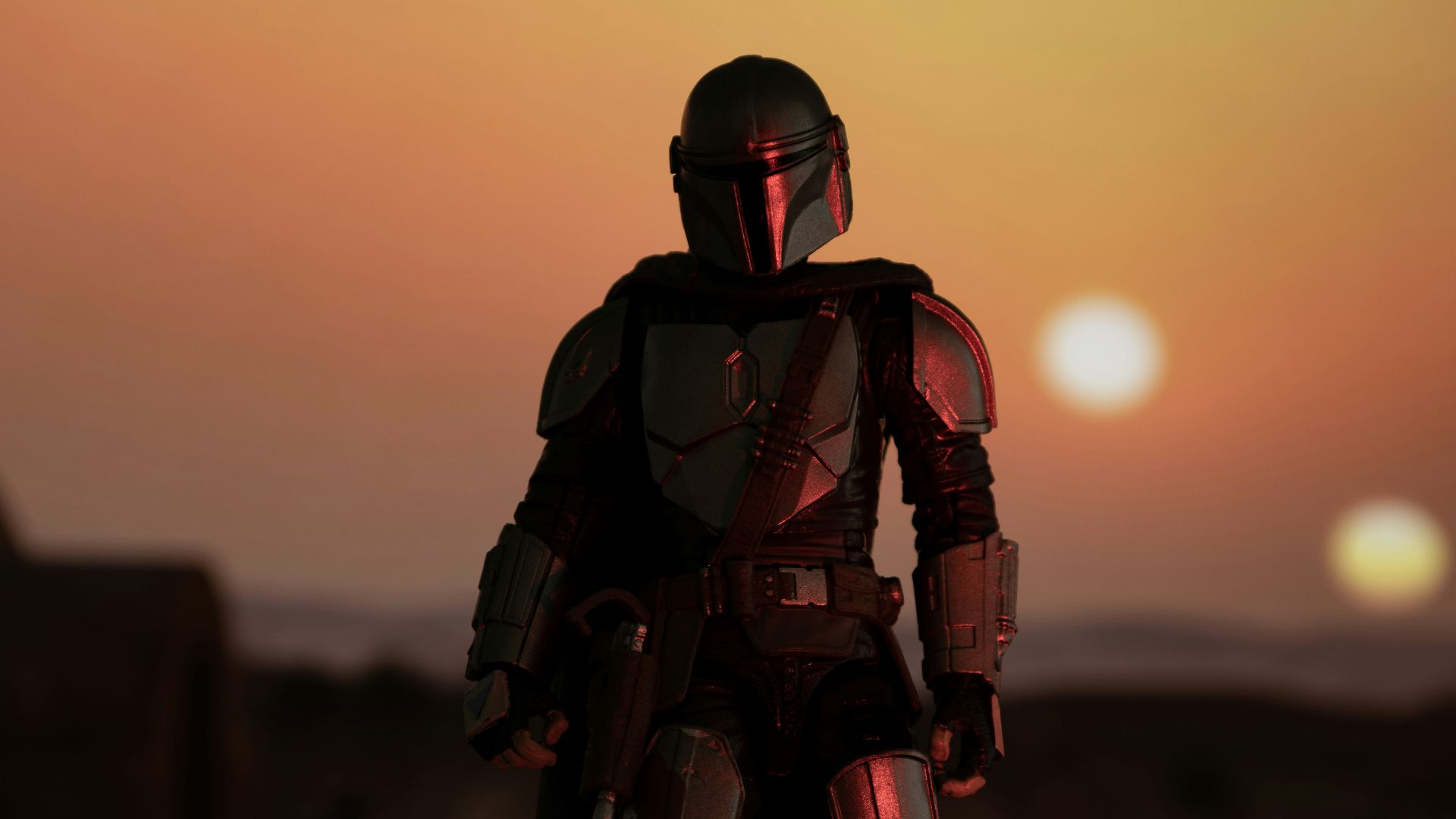
The iconic white suits worn by the Imperial soldiers were actually quite flimsy and uncomfortable for the extras who had to wear them for hours. They were made from thin sheets of ABS plastic that were heated and molded into shape, which meant they would often crack or pop open during action scenes. If you look closely at some of the background troopers in the original film, you can see pieces of white tape holding their gear together.
17. The Lightsaber Sound Comes from an Old Projector
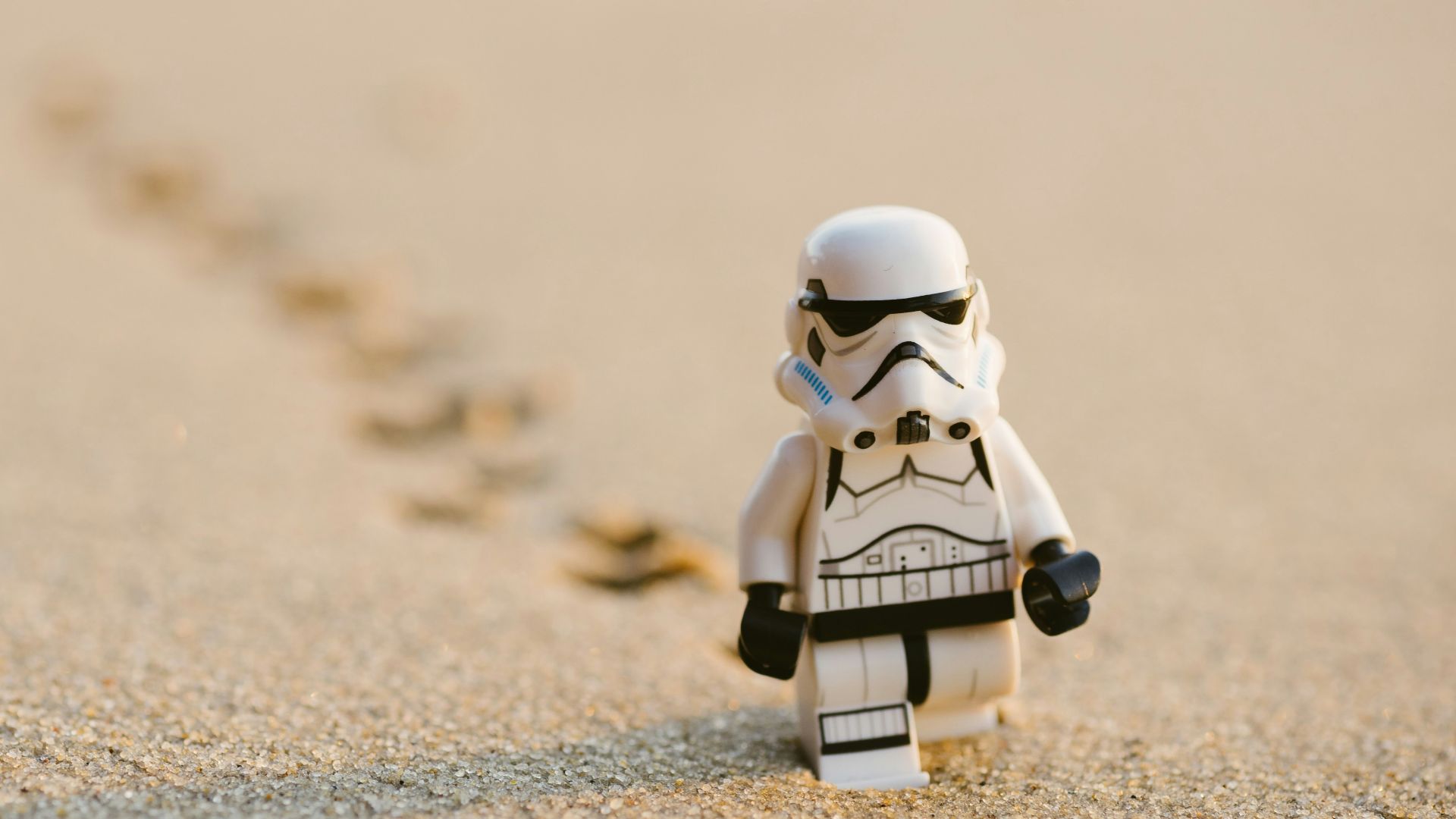
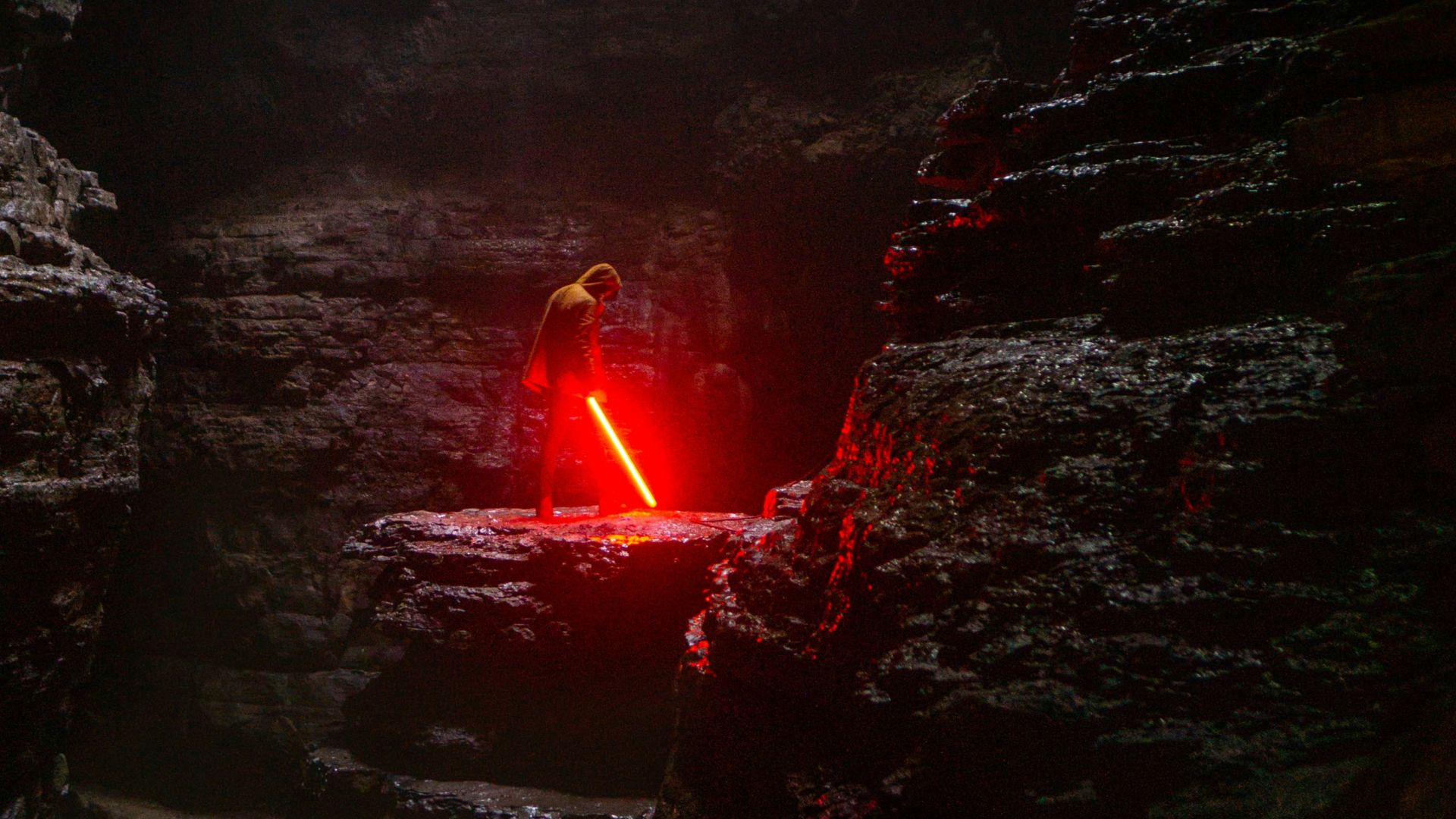
To create the humming sound of a Jedi's weapon, Ben Burtt combined the buzz of a malfunctioning film projector with the hum of an old vacuum tube television. He then recorded himself moving a microphone in front of a speaker to get the "whoosh" sound when the blade swings through the air. It’s a perfect example of how low-tech analog equipment created the feeling of high-tech futuristic weaponry.
18. R2-D2’s Name is Film Slang
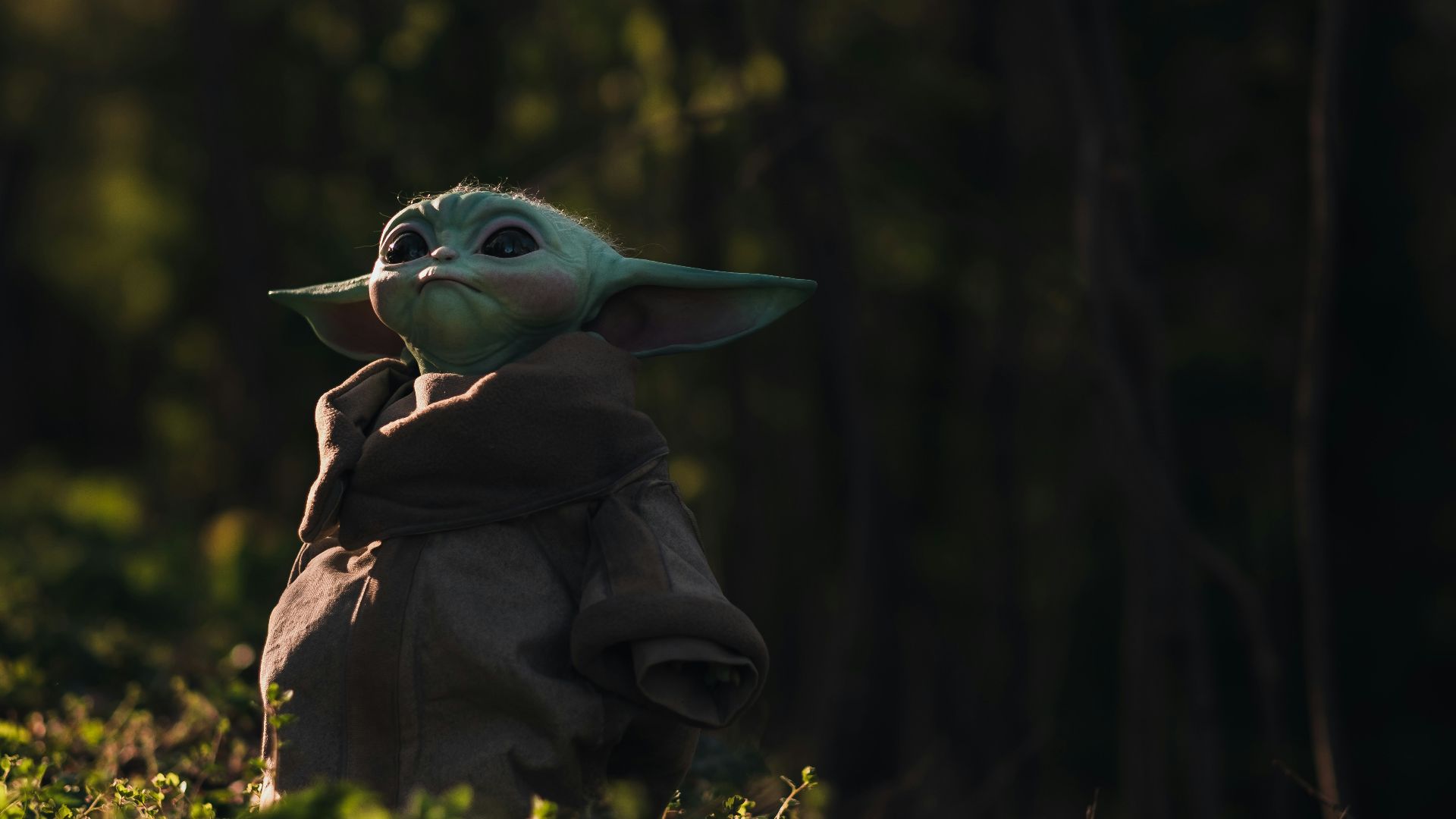
While working on American Graffiti, a sound editor asked George Lucas for "Reel 2, Dialogue 2," which they abbreviated as "R2-D2." Lucas liked the sound of the acronym so much that he jotted it down in his notebook for a future project he was developing. Years later, that bit of organizational shorthand became the name for the most courageous little droid in the galaxy.
 Agnieszka Stankiewicz on Unsplash
19. Darth Vader Was Banned from Official Events
David Prowse, the actor who physically wore the Vader suit in the original trilogy, eventually had a falling out with George Lucas over various public disputes. This led to him being officially barred from attending Star Wars Celebration conventions and other Lucasfilm-sanctioned events for many years. Despite being the physical presence of the villain, he lived much of his later life distanced from the very franchise he helped build.
20. The Opening Crawl Was Filmed Physically
Long before digital text effects were easy to create, the iconic yellow opening words were actually printed on large boards and laid out on the floor. A camera would then slowly slide over the text at a low angle to create the illusion of it disappearing into the distance. It was a tedious process that required perfect lighting and steady movement to ensure the crawl looked smooth and professional on the big screen.