20 Spider-Man Villains Ranked From Most Realistic To Most Ridiculous
Some Bad Guys Feel Closer to Real Life Than Others
Spider-Man has one of the best villain lineups in comics, partly because his enemies range from believable street-level criminals to full-on science disasters with animal themes and questionable fashion choices. Some of them feel like people you could unfortunately imagine existing in the real world, while others require a lab accident, a monster suit, or a very generous suspension of disbelief. That mix is part of the fun, because Peter Parker’s life somehow includes both organized crime and a man with mechanical octopus arms trying to solve personal problems through public chaos. Here are 20 Spider-Man villains listed from the most to least realistic.
1. Kingpin
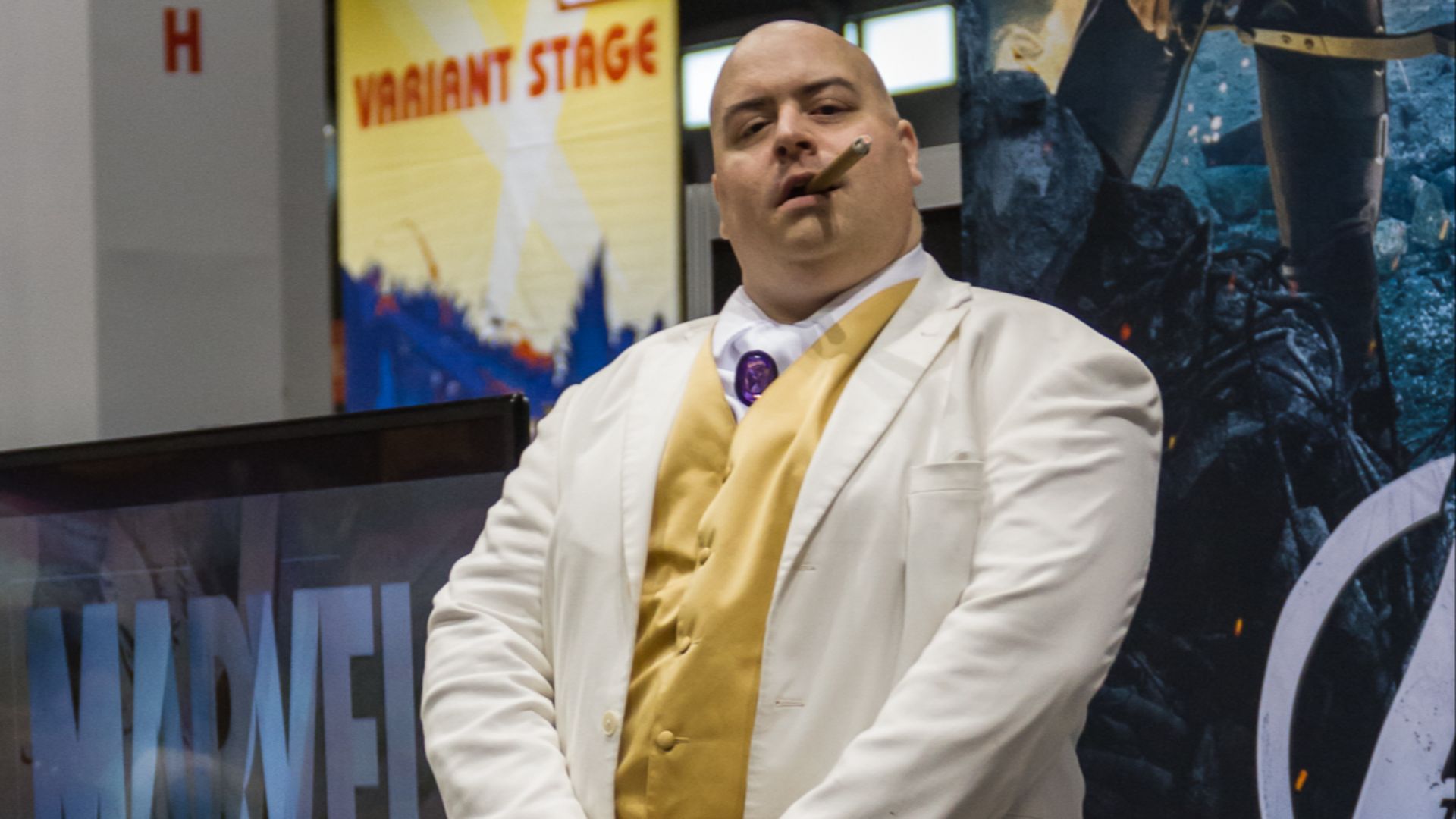
Wilson Fisk is one of Spider-Man’s most realistic villains because he doesn’t need superpowers to be terrifying. He’s a wealthy crime boss who uses money, influence, intimidation, and political connections to control people around him. You don’t have to believe in radioactive spiders to believe in corruption and organized crime hiding behind polished suits.
2. Tombstone
Tombstone has exaggerated comic-book toughness, but the core idea behind him feels grounded. He’s a brutal enforcer with a criminal reputation, and his pale appearance makes him more visually memorable without completely pushing him into fantasy. As far as Spider-Man villains go, a feared mob figure who solves problems with violence is sadly not that hard to imagine.
3. Hammerhead
Hammerhead is ridiculous around the edges, but he still starts from a recognizable gangster template. His obsession with old-school mob style and his surgically reinforced skull make him more comic-book than realistic. If you can put that aside though, a violent criminal clinging to a romanticized version of the past feels quite believable.
4. The Burglar
The Burglar is realistic because he’s not a supervillain at all. He’s just a criminal whose selfish choices end up changing Peter Parker’s life forever. That simplicity makes him important in a way that doesn’t require a costume, a theme song, or a secret underground lair.

5. Chameleon
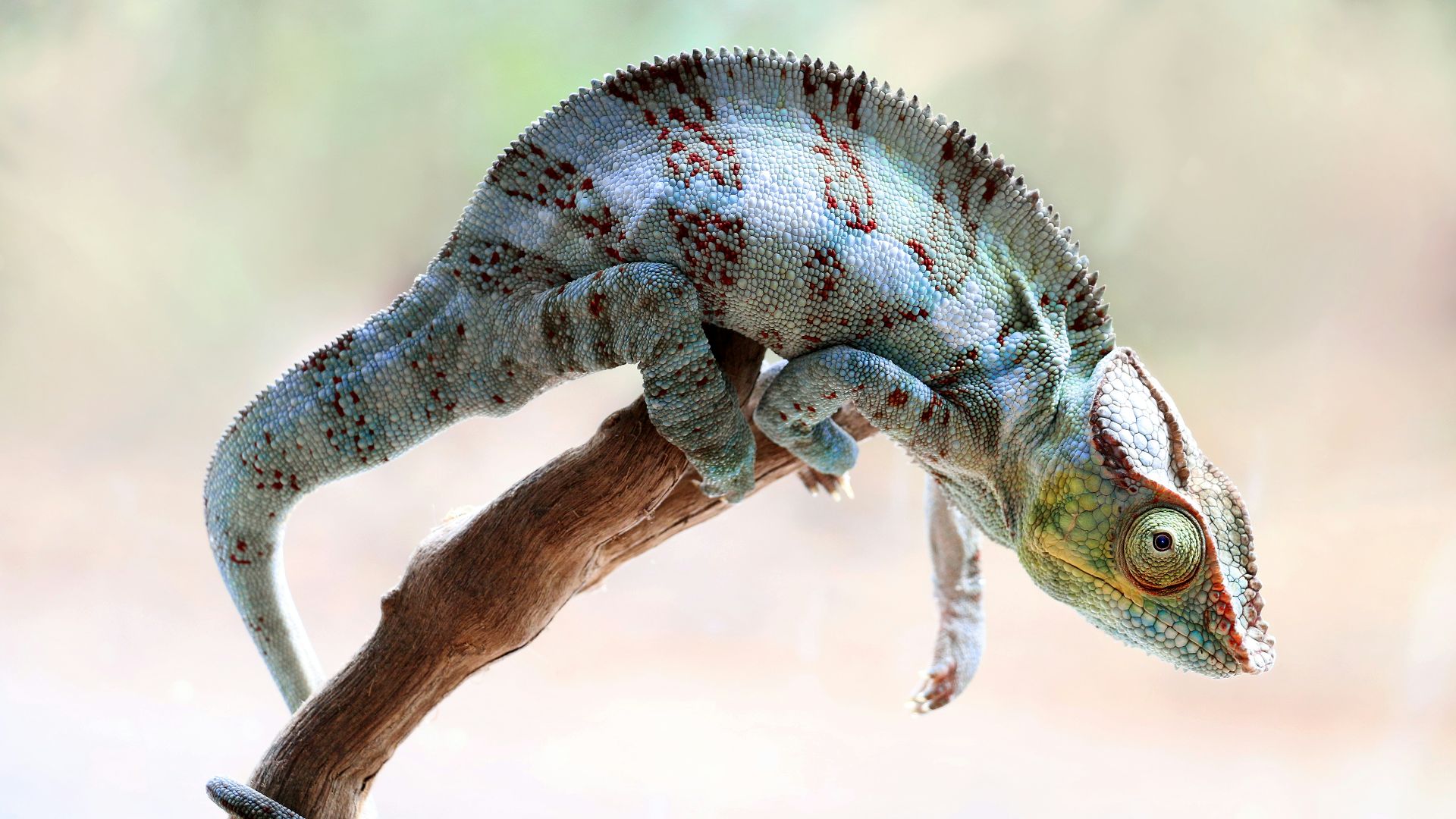
Chameleon feels realistic in concept, even if his disguises eventually become wildly advanced. A spy, impersonator, or professional identity thief is easier to accept than someone made of sand or electricity. His danger comes from deception, which makes him unsettling in a quieter and more practical way.
6. Silvermane
Silvermane begins as another mob figure, which keeps him relatively grounded at first. The problem is that his story eventually involves attempts to regain youth, strange science, and a cyborg body, which pushes him out of realism pretty quickly. He’s believable when he’s a crime boss, but less so once he starts feeling like a retirement plan with robotics.

7. Vulture
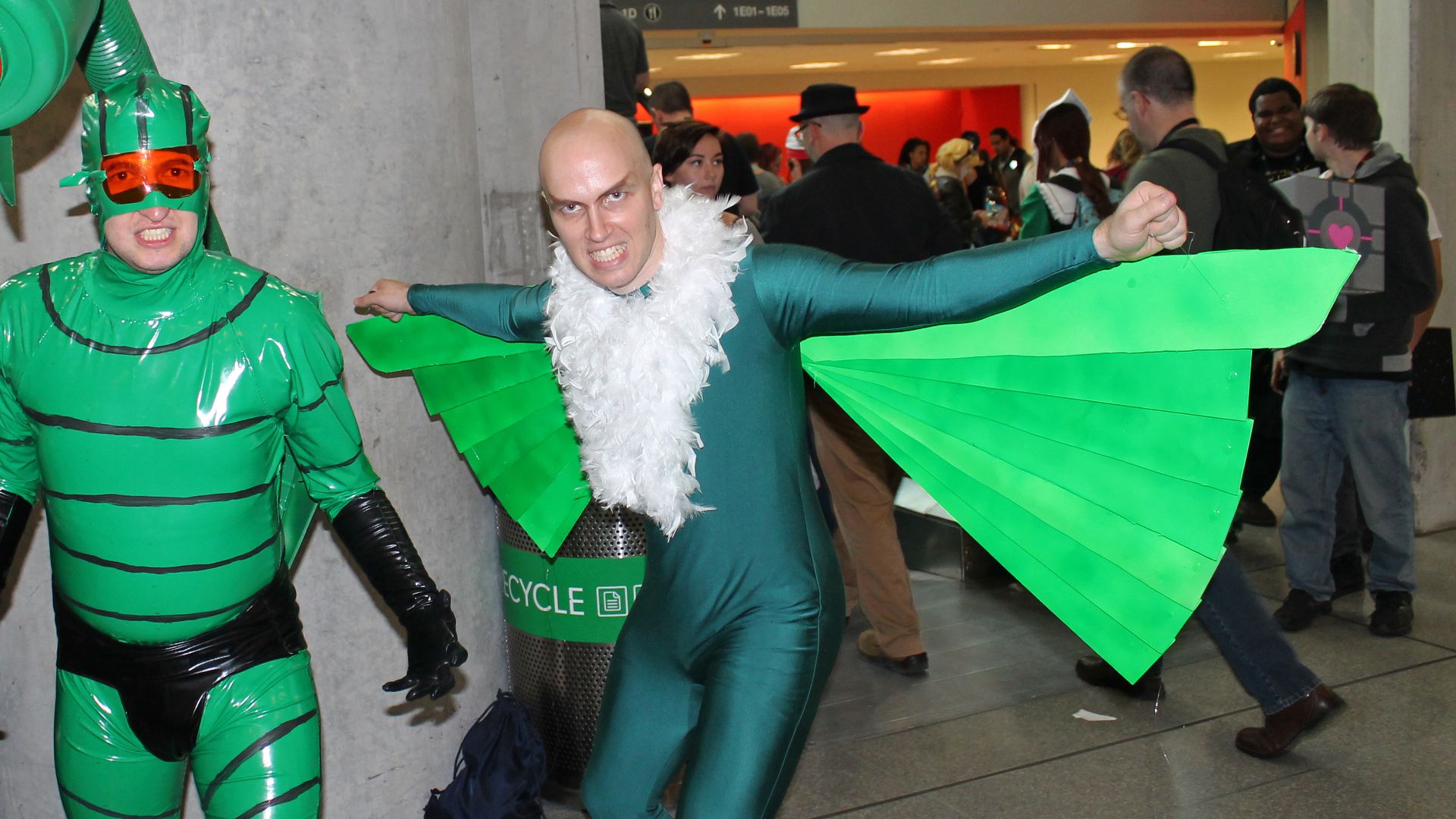
Adrian Toomes is a bitter inventor with a flying suit, and that’s not the wildest thing Spider-Man has ever dealt with. The idea of an older engineer using advanced technology for revenge feels reasonably believable in a superhero world. The giant winged costume is dramatic, but at least it’s built around machinery.
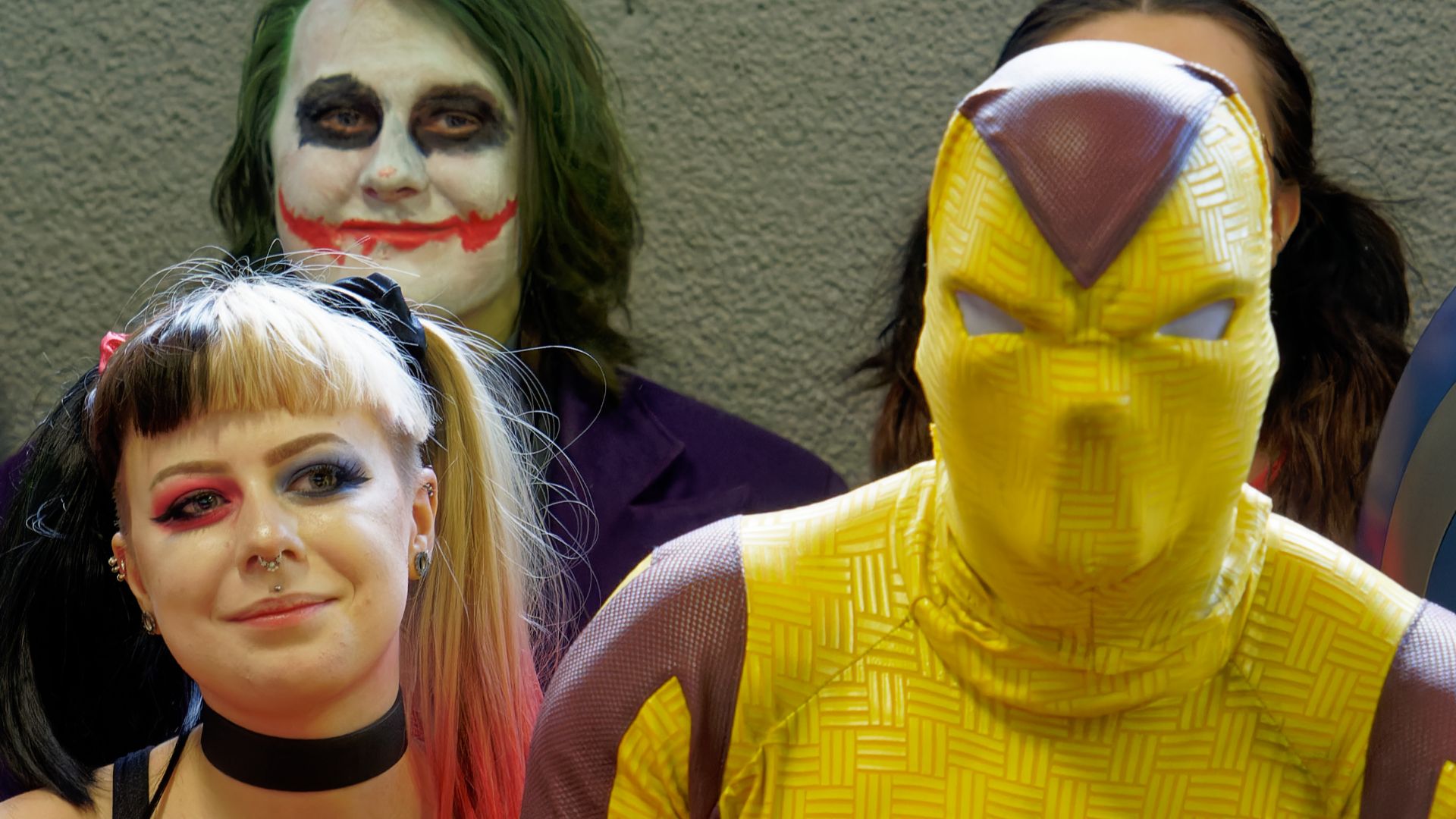
8. Shocker
Shocker is one of Spider-Man’s more practical costumed criminals. Herman Schultz uses vibro-shock gauntlets to rob banks and commit crimes, which feels like a fairly straightforward misuse of technology. His quilted suit may not scream realism, but his motivation is refreshingly simple: he wants money and would rather not get punched too much.
9. Prowler
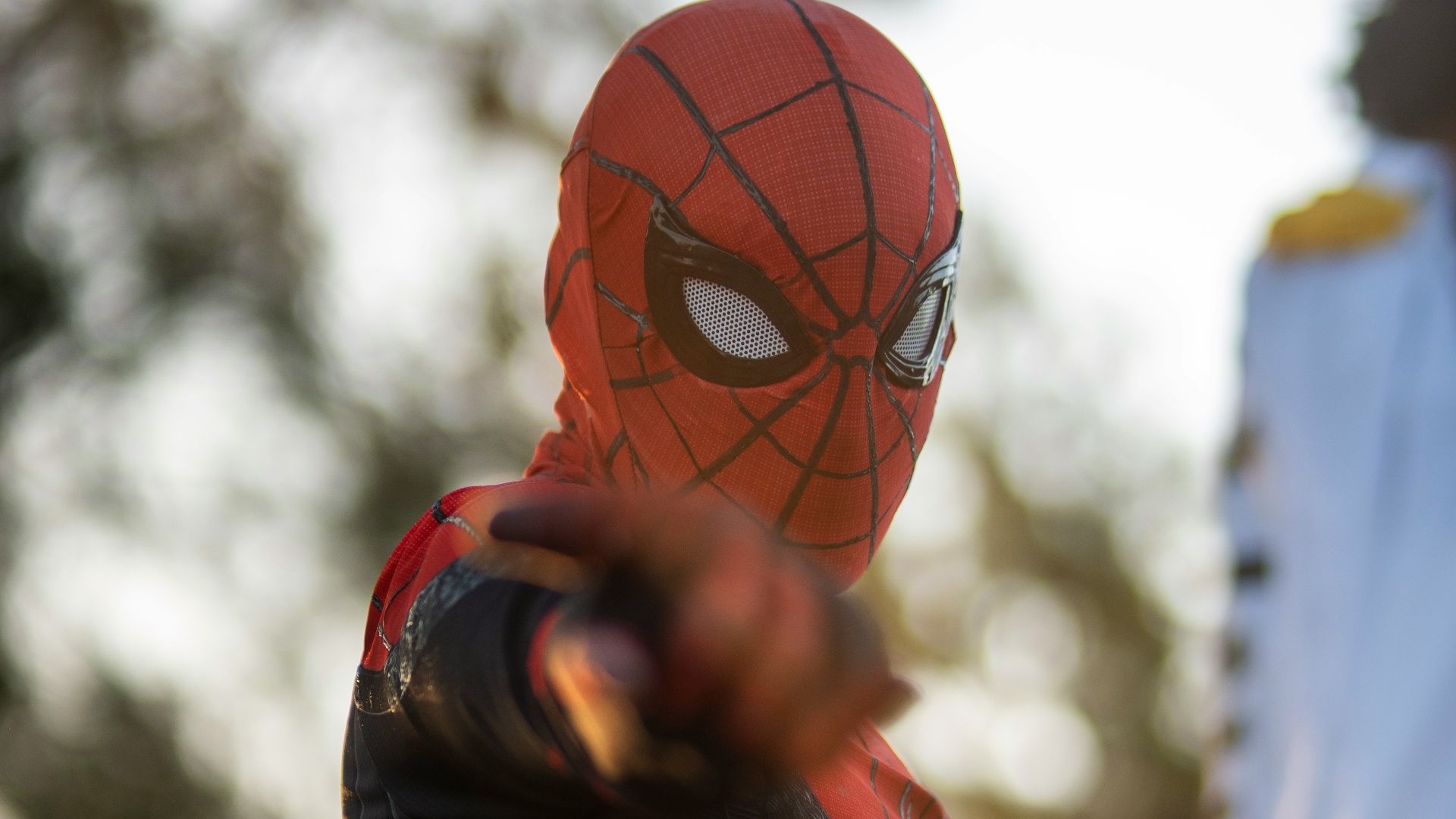
Depending on the version, Prowler often works because his gear feels closer to advanced crime tech than impossible fantasy. The claws, cape, and stealth equipment are heightened, but they’re not completely beyond imagination. He fits the kind of Spider-Man story where one clever suit can turn an ordinary person into a serious threat.
10. Doctor Octopus
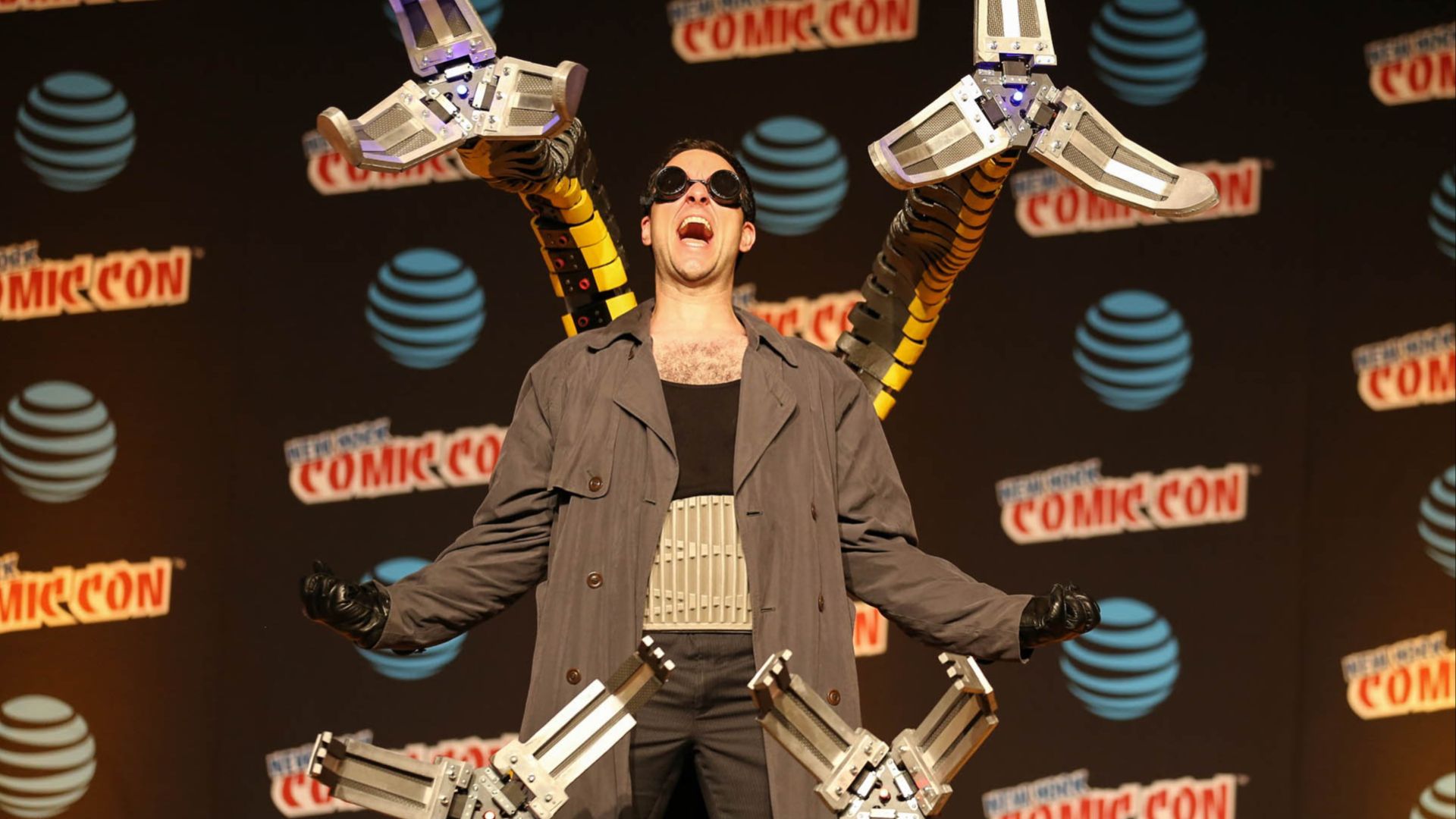
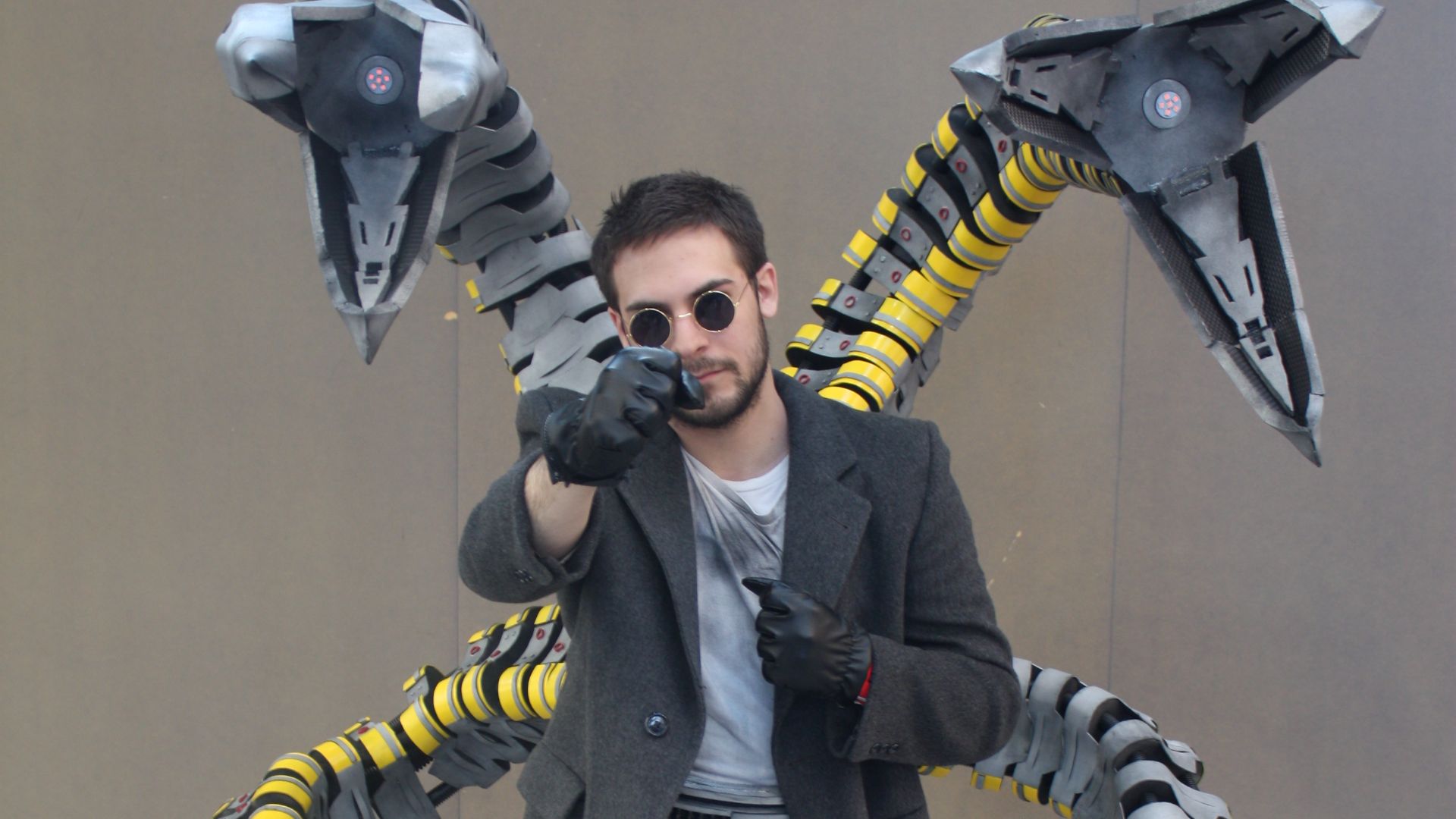
Doctor Octopus is brilliant, dangerous, and just realistic enough to be interesting instead of eye roll material. A scientist using mechanical arms for dangerous research makes sense, especially in a world obsessed with experimental technology. However, the part where those arms become part of his identity and help turn him into a supervillain is where real-world science politely leaves the room.
 Pikawil from Laval, Canada on Wikimedia
11. Mysterio
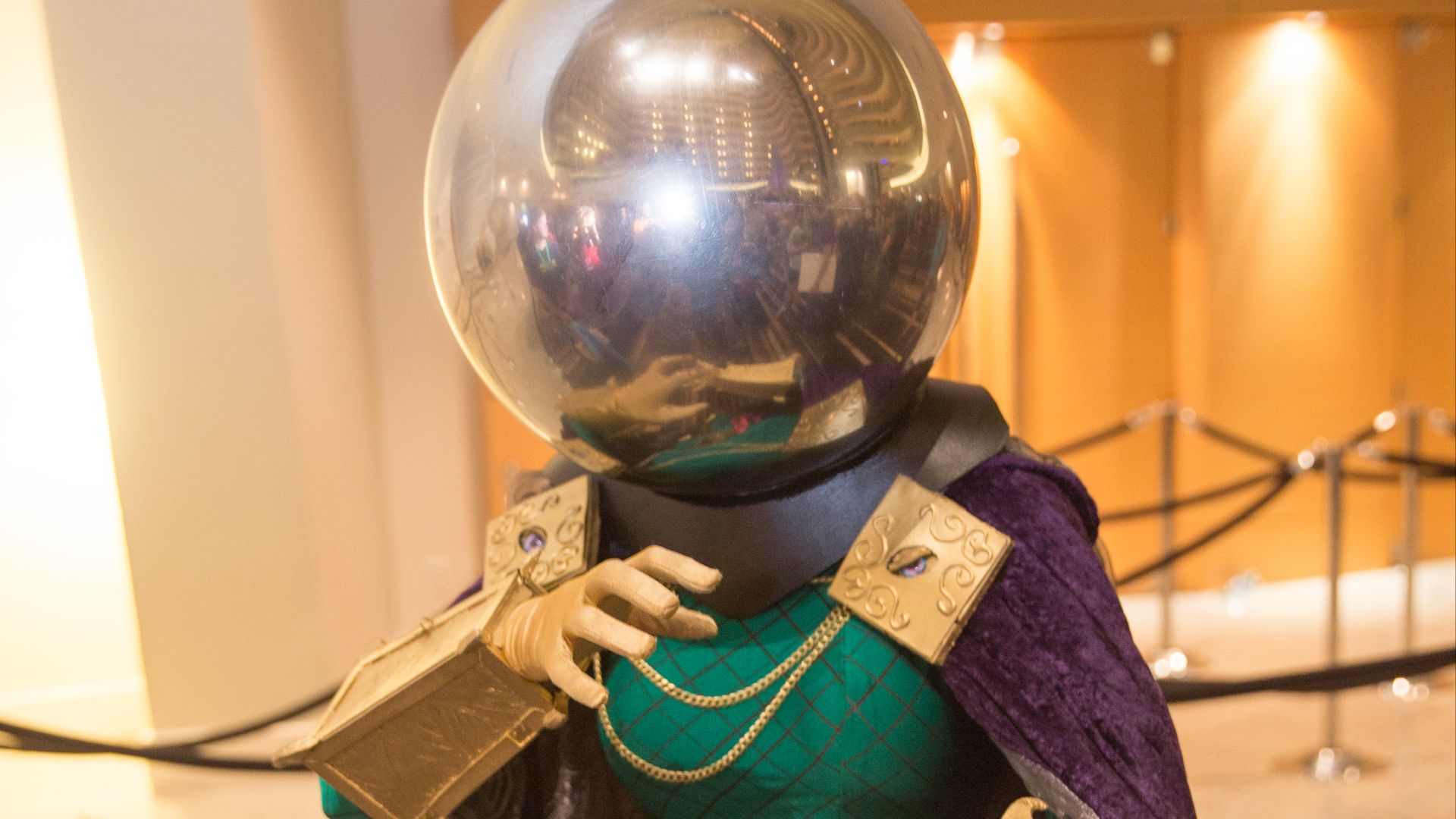
Mysterio’s powers are mostly built on illusion, special effects, chemicals, and deception, which gives him a surprisingly believable foundation. Quentin Beck is basically a bitter effects artist who turns his professional skills into crime, and that part feels oddly plausible. The giant fishbowl helmet, however, makes it very hard to pretend we’re still in normal territory.
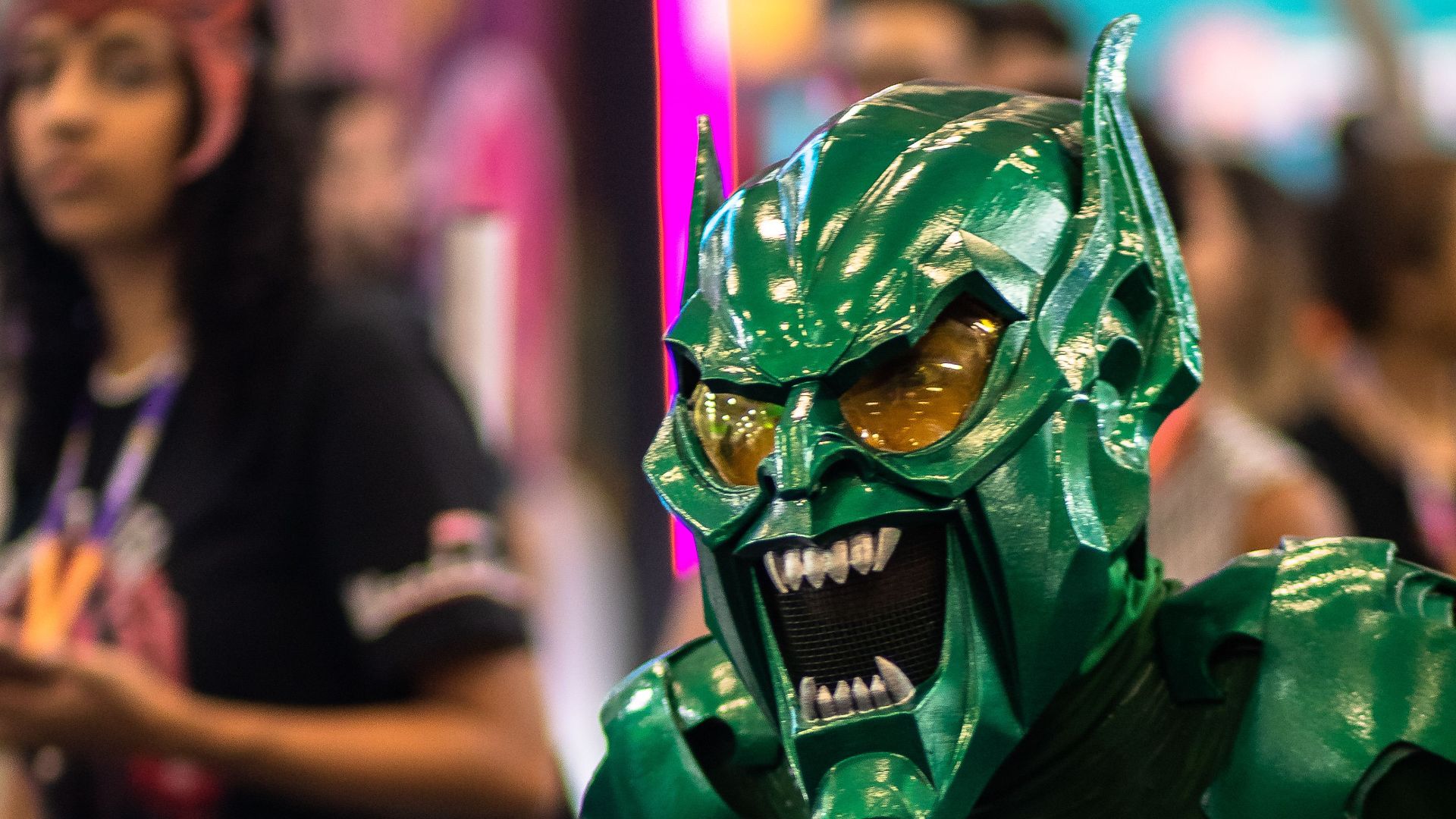
12. Green Goblin
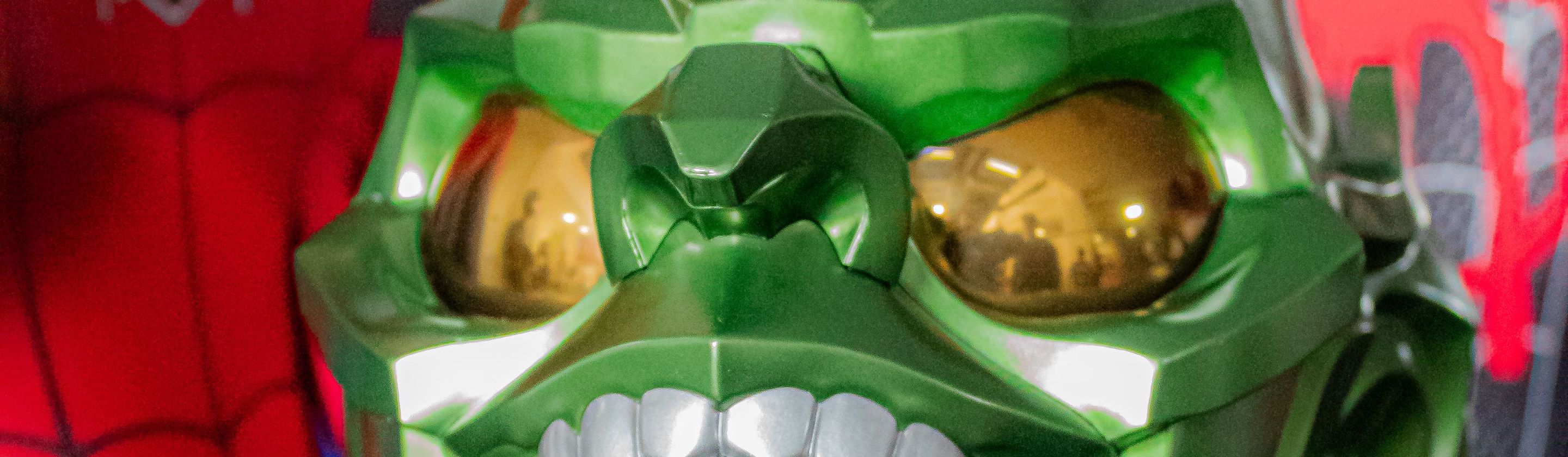
Norman Osborn is realistic as a corrupt businessman, abusive father, and dangerous power seeker. Once the Goblin serum, glider, pumpkin bombs, and cackling alter ego enter the picture, though, things get much more comic-book. He works so well because he combines believable human ugliness with theatrical supervillain madness.
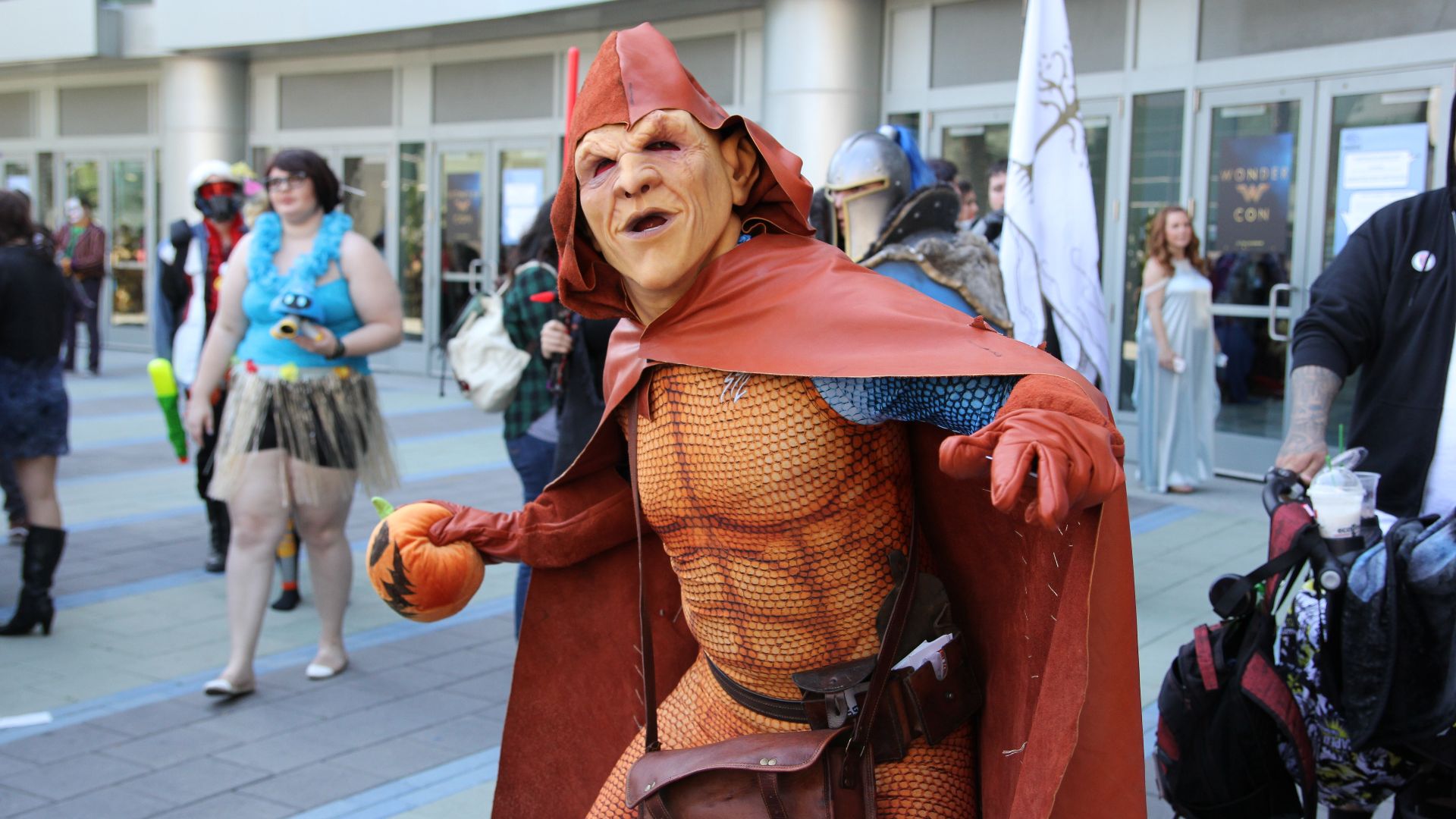
13. Hobgoblin
Hobgoblin is slightly more ridiculous than Green Goblin because he inherits a lot of the same gear and theme without always having the same personal weight behind it. The mystery around his identity can be compelling, and the criminal ambition makes sense, but once someone chooses the goblin branding on purpose, realism takes a noticeable step back.
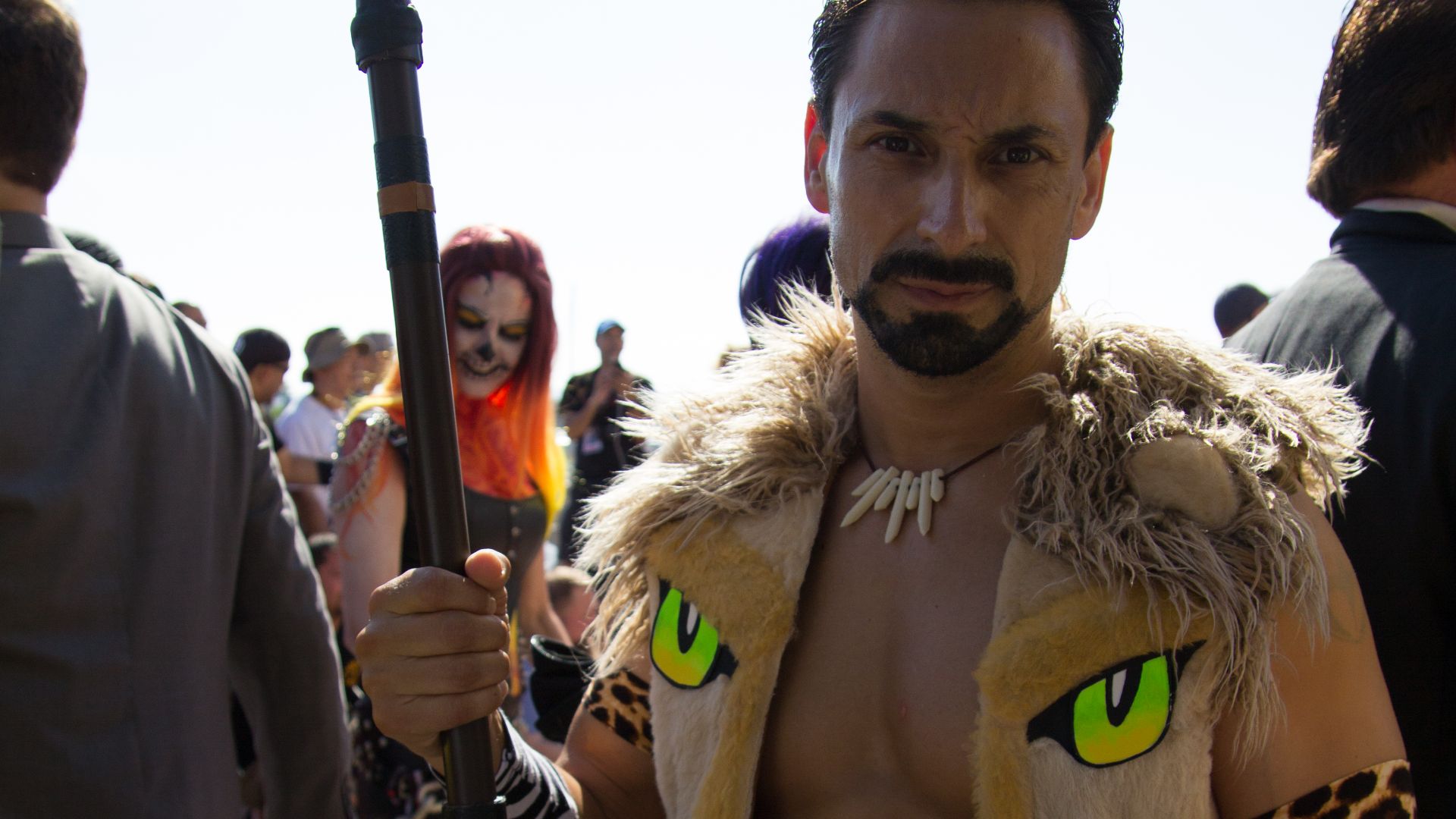
14. Kraven the Hunter
Kraven is a big-game hunter who decides Spider-Man is the ultimate prey, which is intense but not entirely impossible at first. But the aristocratic hunter persona, potions, and obsessive need to prove superiority make him much stranger than a normal criminal. He’s realistic in his ego and obsession, but very ridiculous in the way he turns a city into his personal hunting ground.
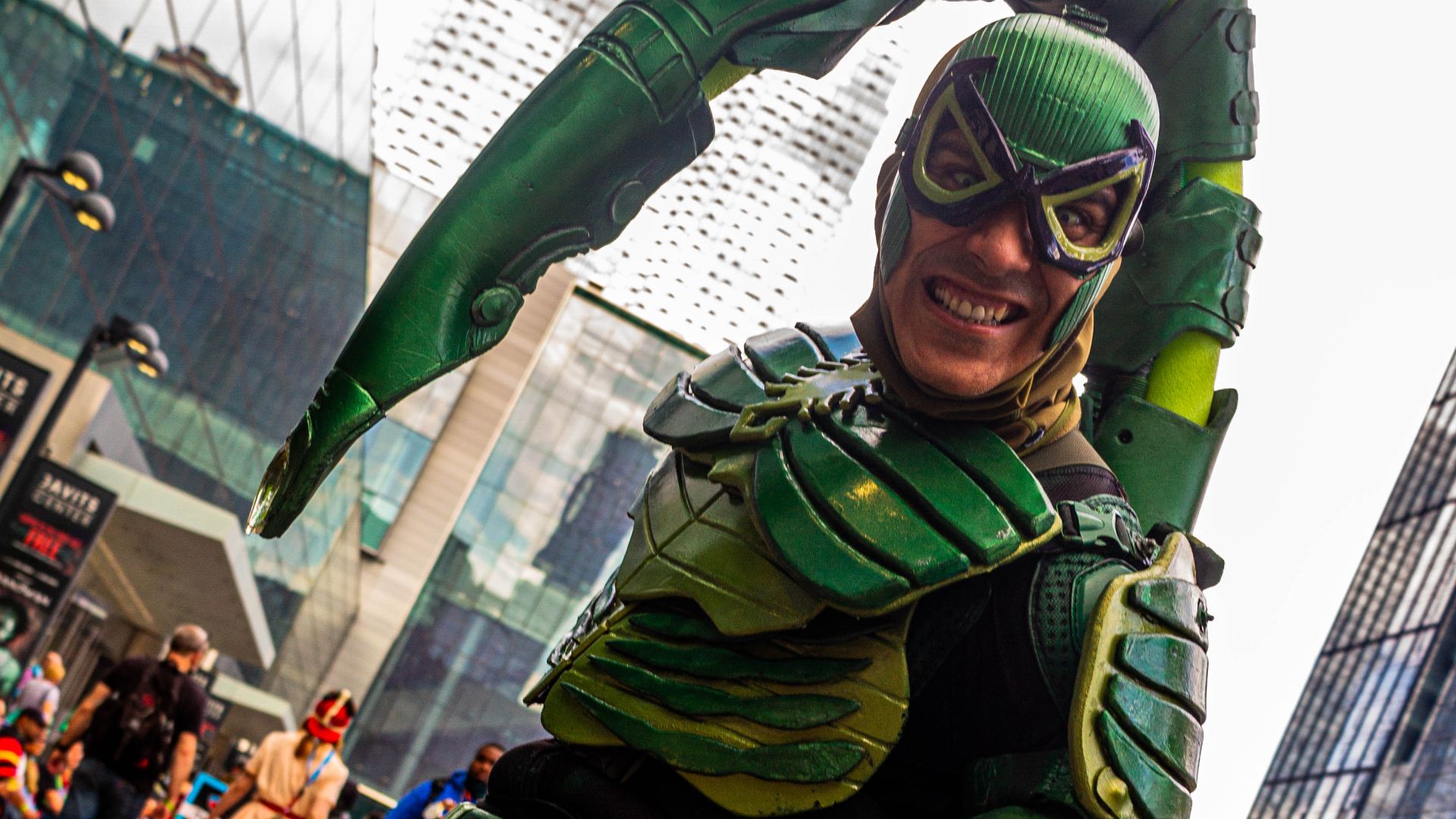
15. Scorpion
Mac Gargan became Scorpion through an experiment designed to create a stronger enemy for Spider-Man, which already sounds like a plan that needed more oversight. His armored tail and enhanced abilities make him visually fun, but not especially grounded. He’s what happens when science, revenge, and animal branding all make poor choices together.
16. Rhino
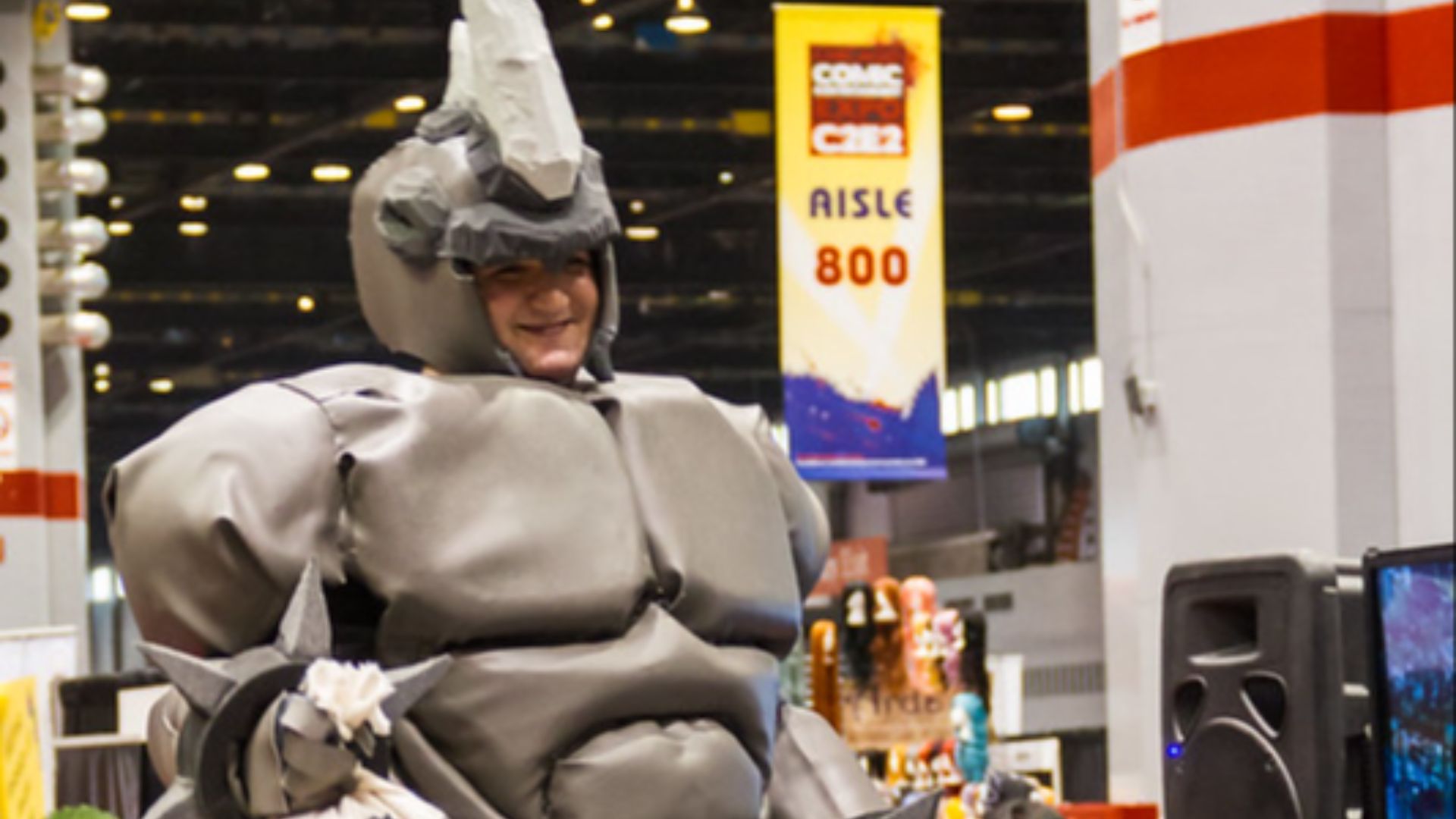
Rhino is ridiculous in the best old-school comic way. A man in a nearly indestructible rhinoceros suit charging through walls isn't exactly ripped from real life. His appeal comes from how direct he is, because some villains scheme while Rhino simply points himself at a problem and hopes masonry cooperates.
 https://flickr.com/photos/cfavero/ on Wikimedia
17. Sandman
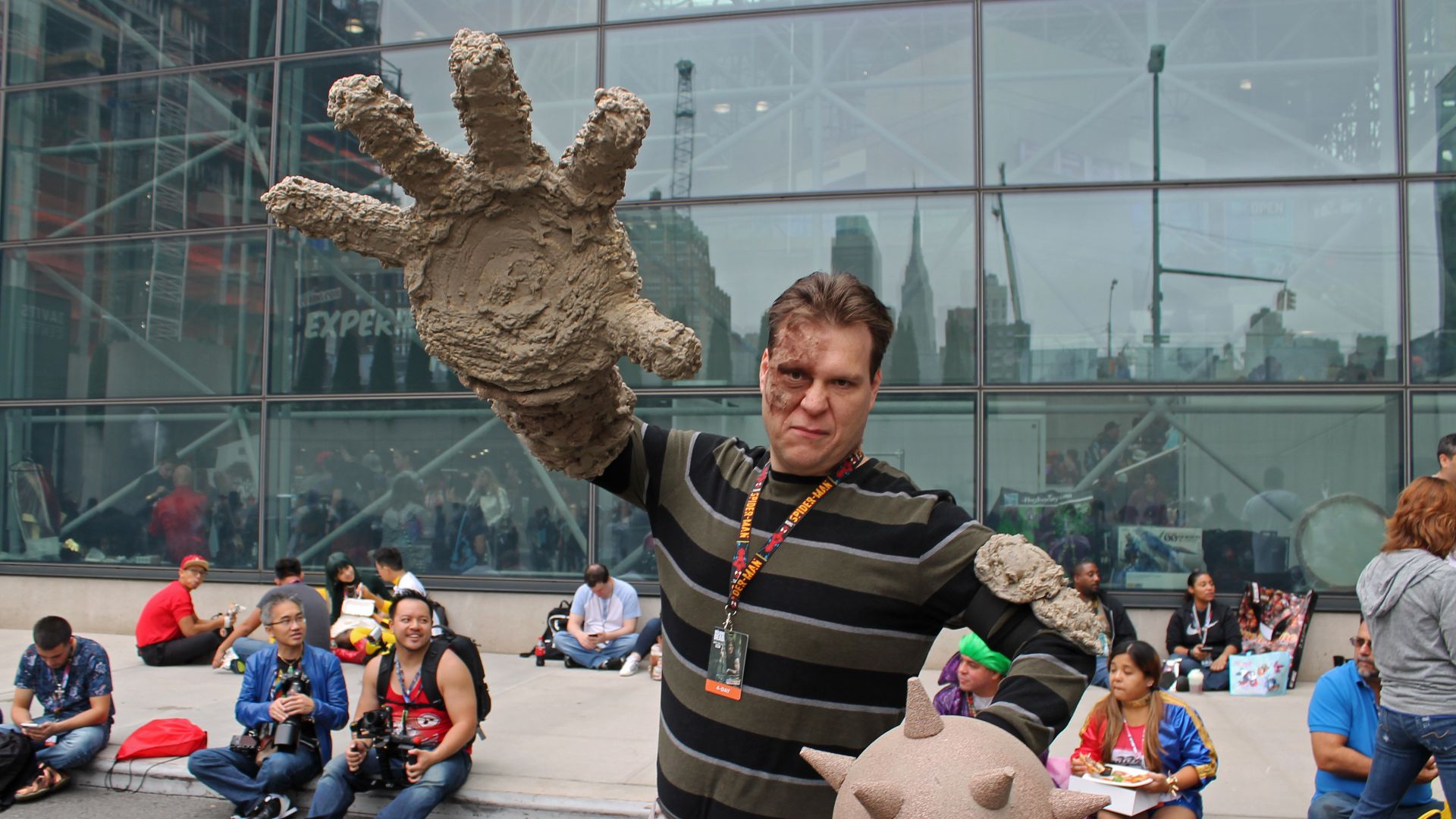
Sandman is where realism really starts slipping away. Flint Marko may begin as a regular criminal, but after his accident, he can turn into sand, reshape his body, and survive things that would end anyone else’s bad day immediately. He’s a great Spider-Man villain, but obviously makes no sense in real life.
18. Electro
Electro is a classic villain, but his powers are deeply ridiculous once you think about them for more than five seconds. Max Dillon can generate and control electricity after a freak accident, which lets him threaten entire city blocks when the plot requires it. He’s memorable and visually exciting, but he’s not winning any awards for plausible workplace safety outcomes.
19. Morbius
Morbius brings pseudo-vampire science into Spider-Man’s world, which is already a major leap from street crime. He’s not a supernatural vampire in the traditional sense, but his condition gives him fangs, blood hunger, and bat-like abilities. That obviously makes him more science-horror than realistic villain.
20. The Lizard
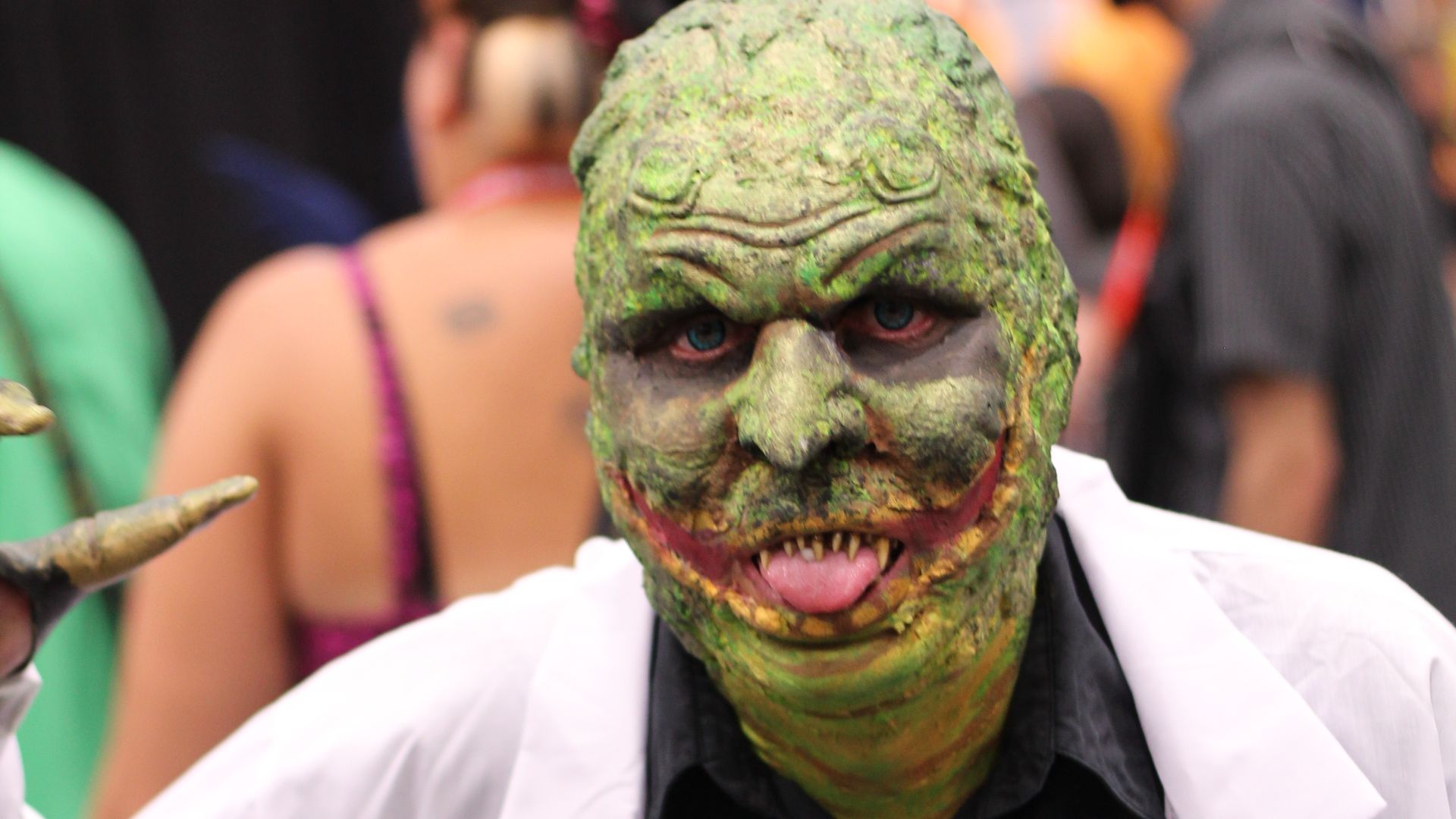
The Lizard takes the top spot for ridiculous because Dr. Curt Connors literally becomes a giant reptile man. The emotional idea is strong, since he’s a scientist trying to restore his missing arm and losing himself in the process. Still, once the lab accident turns into scales, claws, tail, and sewer chaos, subtlety has clearly packed up and moved out.