A Quick Reality Check Before We Start
Not everyone who dislikes video games is trying to ruin your fun or “doesn’t get it.” Sometimes it’s a bad first impression, sometimes it’s a personal preference, and sometimes it’s a totally fair reaction to how gaming shows up in their life. If you’ve ever wondered why someone can’t stand games while you’re over here happily chasing side quests, here are a bunch of common reasons.
1. They’ve Only Seen the Worst Examples
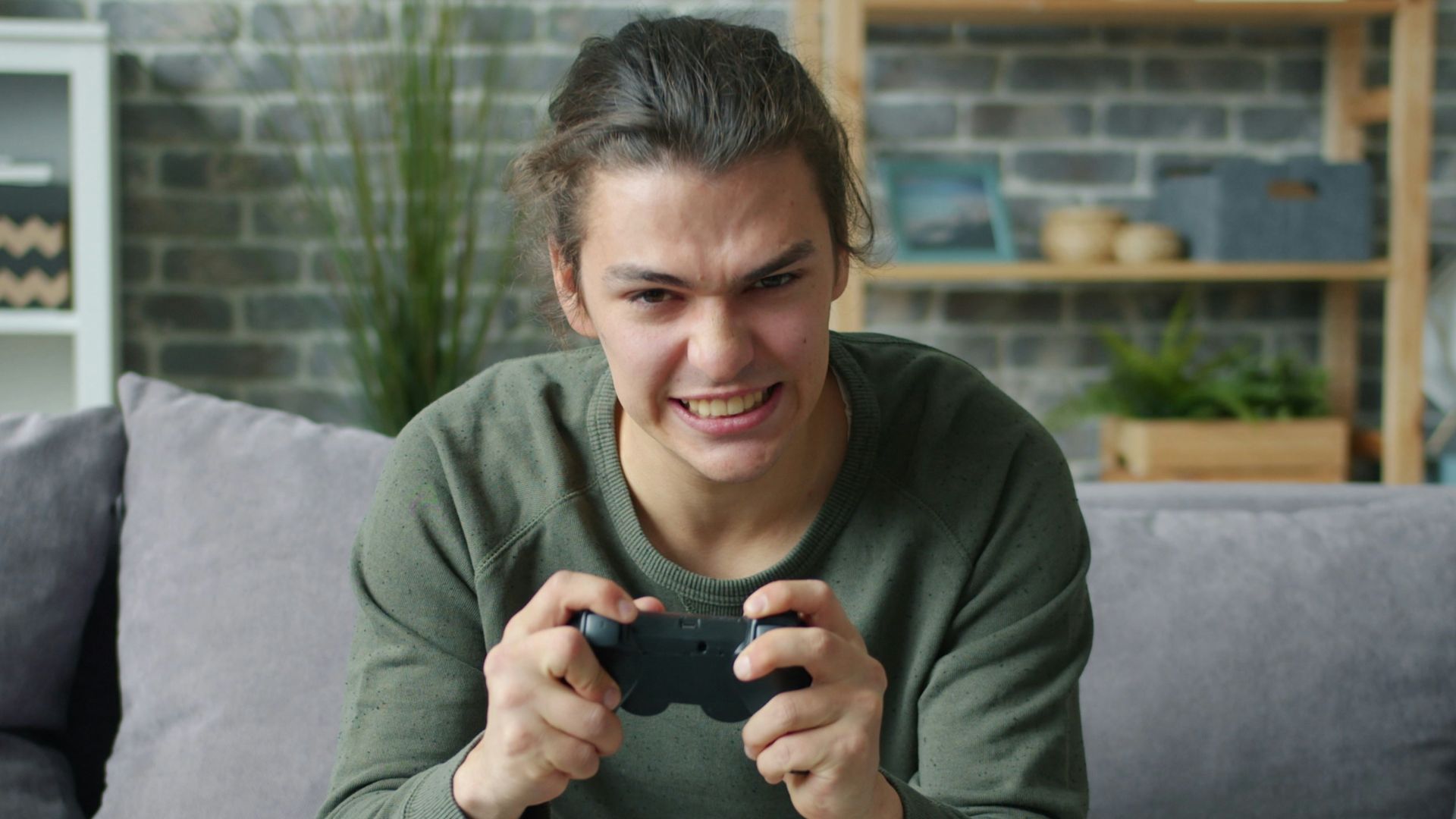
If someone’s main exposure to games is loud trash talk and rage quitting, it’s not exactly a great sales pitch. They might assume that’s what gaming always looks like. Without seeing calmer, more creative games, they never get a better reference point.
2. They Think It’s a Waste of Time
Some people judge hobbies by what they “produce,” and gaming doesn’t always look productive from the outside. If they can’t see the relaxation, problem-solving, or social aspects of it, it just reads as hours disappearing—kind of like doom scrolling! That mindset can turn into resentment fast, especially if they’re stressed.
3. They Had a Boring First Game Experience
A lot of folks tried one game years ago, got confused, and decided the whole medium wasn’t for them. If your first experience is frustrating menus and zero guidance, it’s easy to bounce. After all, once they’ve labeled games as “not fun,” they rarely give them a second shot.

4. They Don’t Like Feeling Bad at Something
Games can make you feel clumsy, especially when you’re new and everyone else looks like a professional. Losing repeatedly isn’t charming or fun for everyone, even if you swear it gets better. For some people, that discomfort in constantly losing outweighs any potential fun. Besides, sometimes people don't have the time to sink in to get better at a game!
5. The Controls Feel Like Learning a New Language
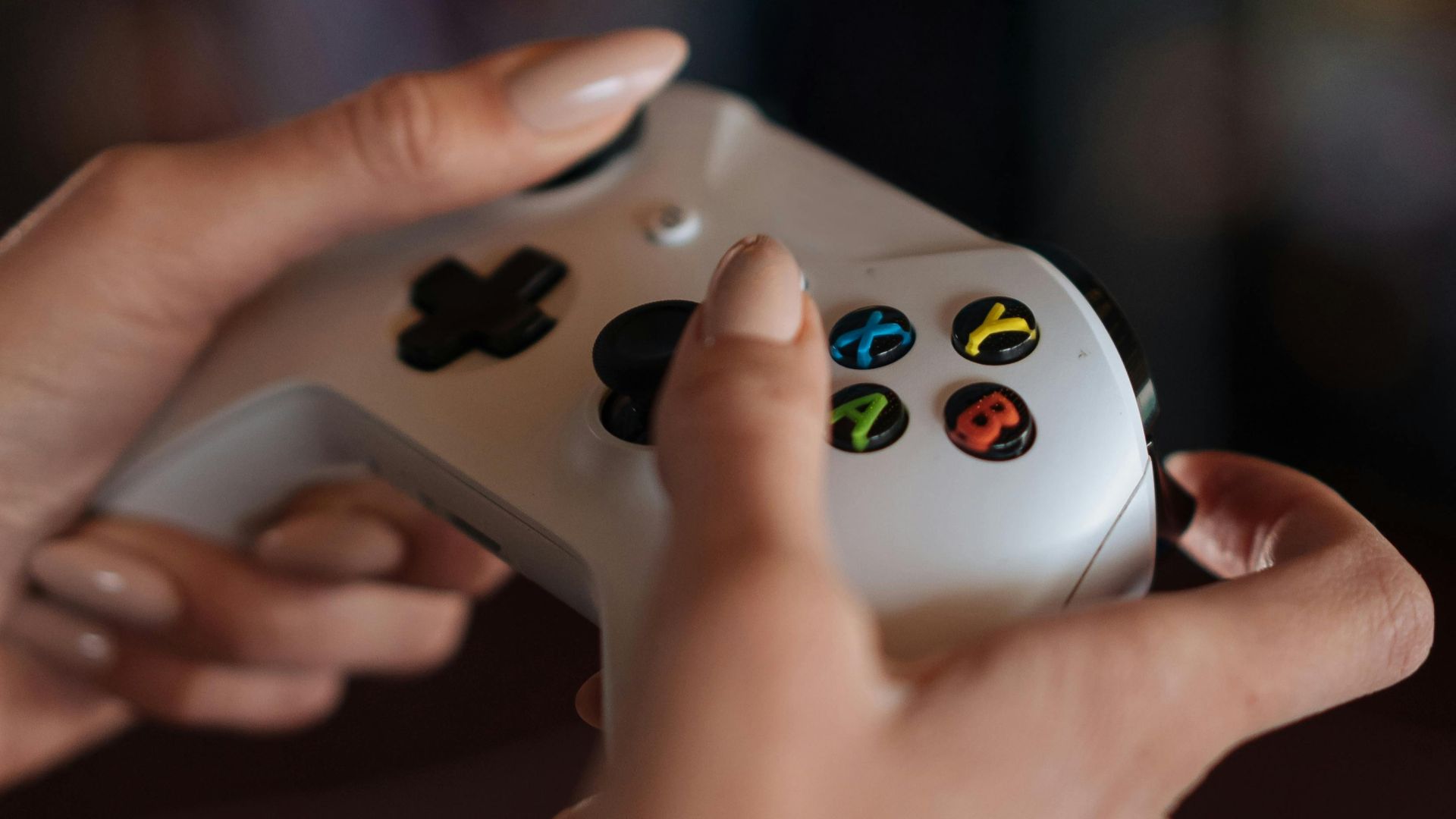
Dual sticks, triggers, hotkeys, camera movement, inventory management… it’s a lot if you don’t already have the muscle memory. What feels “obvious” to gamers can feel like a confusing dance routine to newcomers. If the learning curve hits too hard, annoyance takes the wheel.
6. They Associate Games With Someone Ignoring Them
If you’ve ever tried to talk to someone while they’re locked into a match, you know how invisible it can make you feel. People may not hate games themselves, but they hate what games do to attention and presence in the room. That emotional association sticks, even if it’s not totally fair.
7. They’ve Seen It Become an Unhealthy Habit
When someone watches a friend or partner play all night, skip responsibilities, or spiral into “just one more game,” it can look like addiction. Even moderate gaming can get lumped into that fear if they’ve seen extremes. Once that worry is in their head, they might treat all games as dangerous.
8. They Don’t Like Violence, Even When It’s Fiction
Not everyone can separate digital violence from real discomfort, and that’s okay. If a person’s sensitive to guns, gore, or aggression, a lot of popular titles will feel repulsive. They might also assume all games are violent because those are the ones people talk about most. Put simply, games might just not be for all audiences.
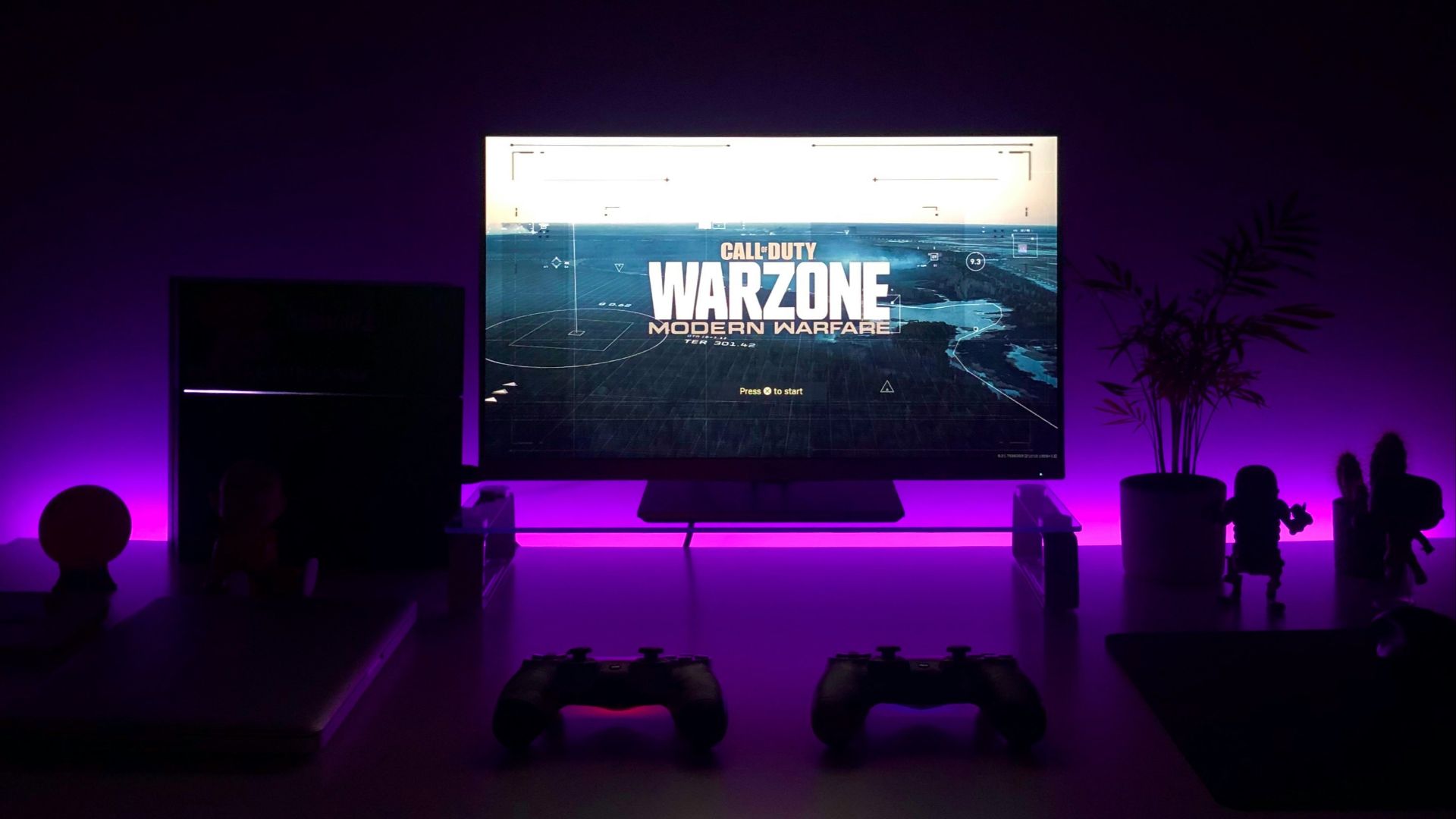
9. They Think Games Make People Angry
Some players get heated, and some games are basically stress with better graphics. If someone’s seen controllers slammed or insults thrown, they’ll connect gaming with hostility. Even if you’re the chillest player alive, they may still expect the meltdown. Rage quitting is a real concern in the gaming community, and even those outside it have heard and seen it.
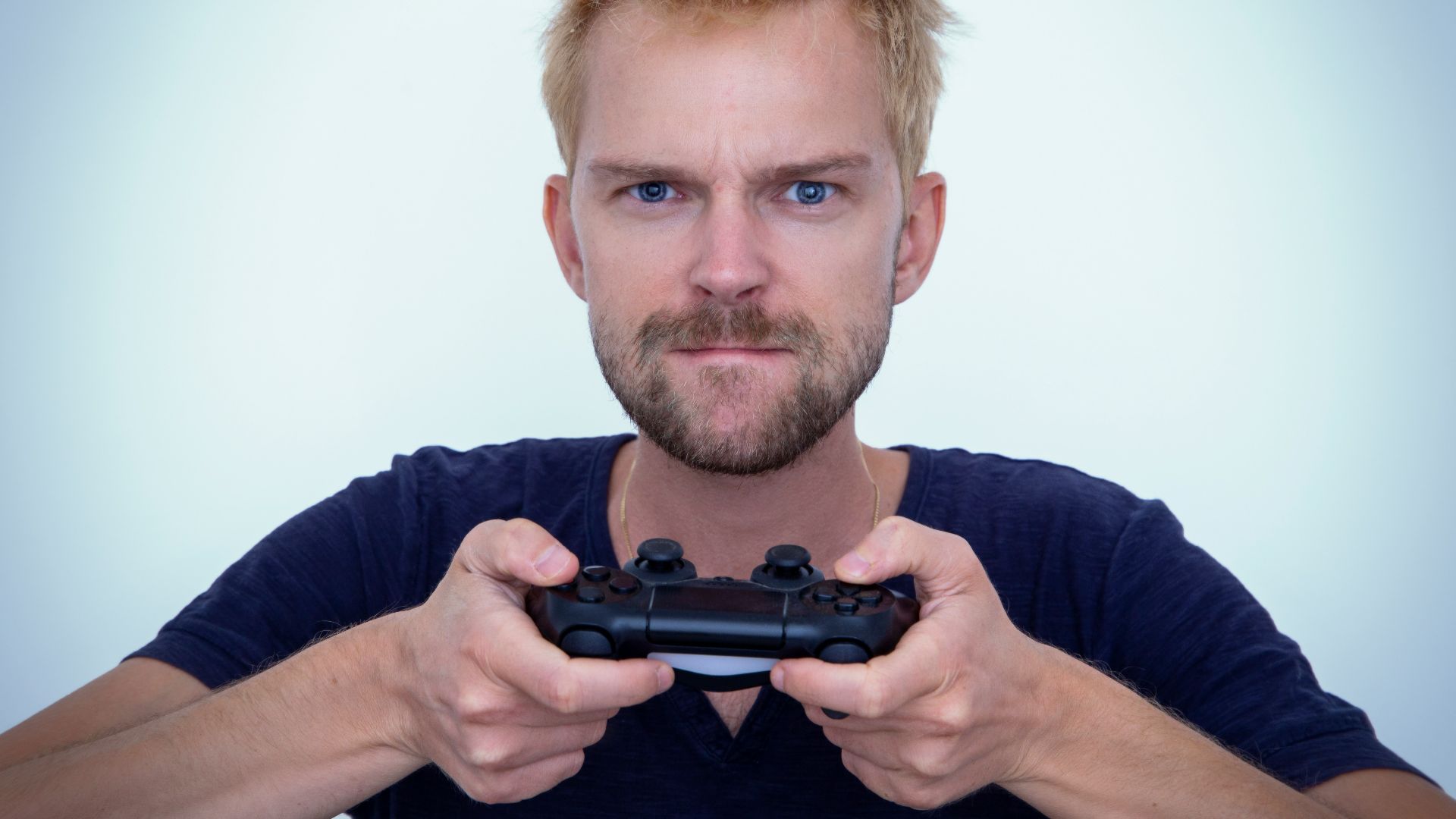
10. The Online Community Turned Them Off
Toxic voice chat, harassment, and gatekeeping can make gaming feel unwelcoming or downright unsafe. If a person tried multiplayer and got mocked or targeted, that experience can sour everything. They might decide it’s not worth walking back into that environment. There's nothing like some bad teammates to ruin a game for you forever.
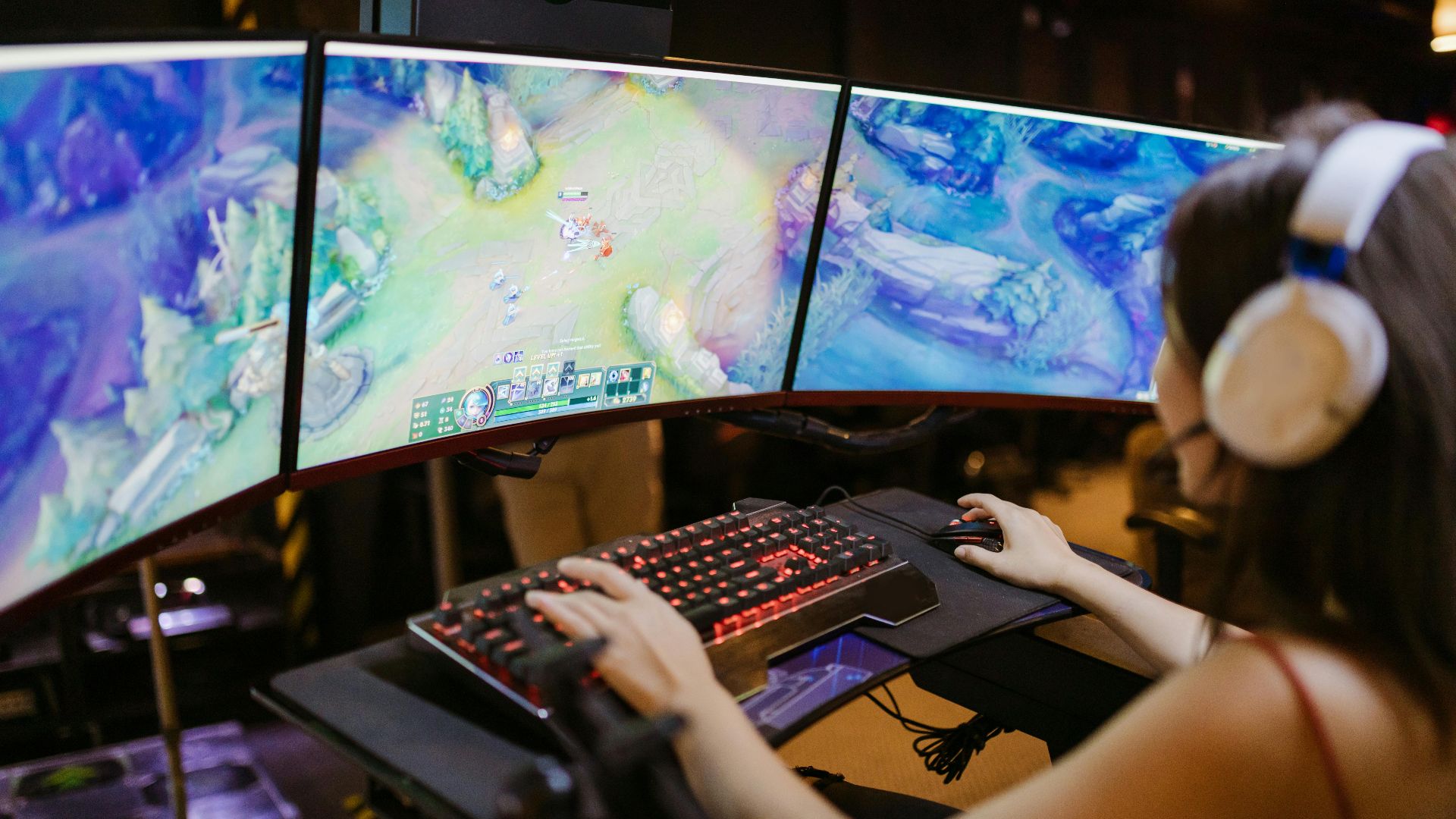
11. They Hate the “Gamer” Stereotype
The stereotype of the unwashed, antisocial basement dweller has been stubbornly sticky. Even though it’s outdated and unfair, some people still buy into it. If they dislike the identity they think gaming represents, they’ll reject the whole hobby.
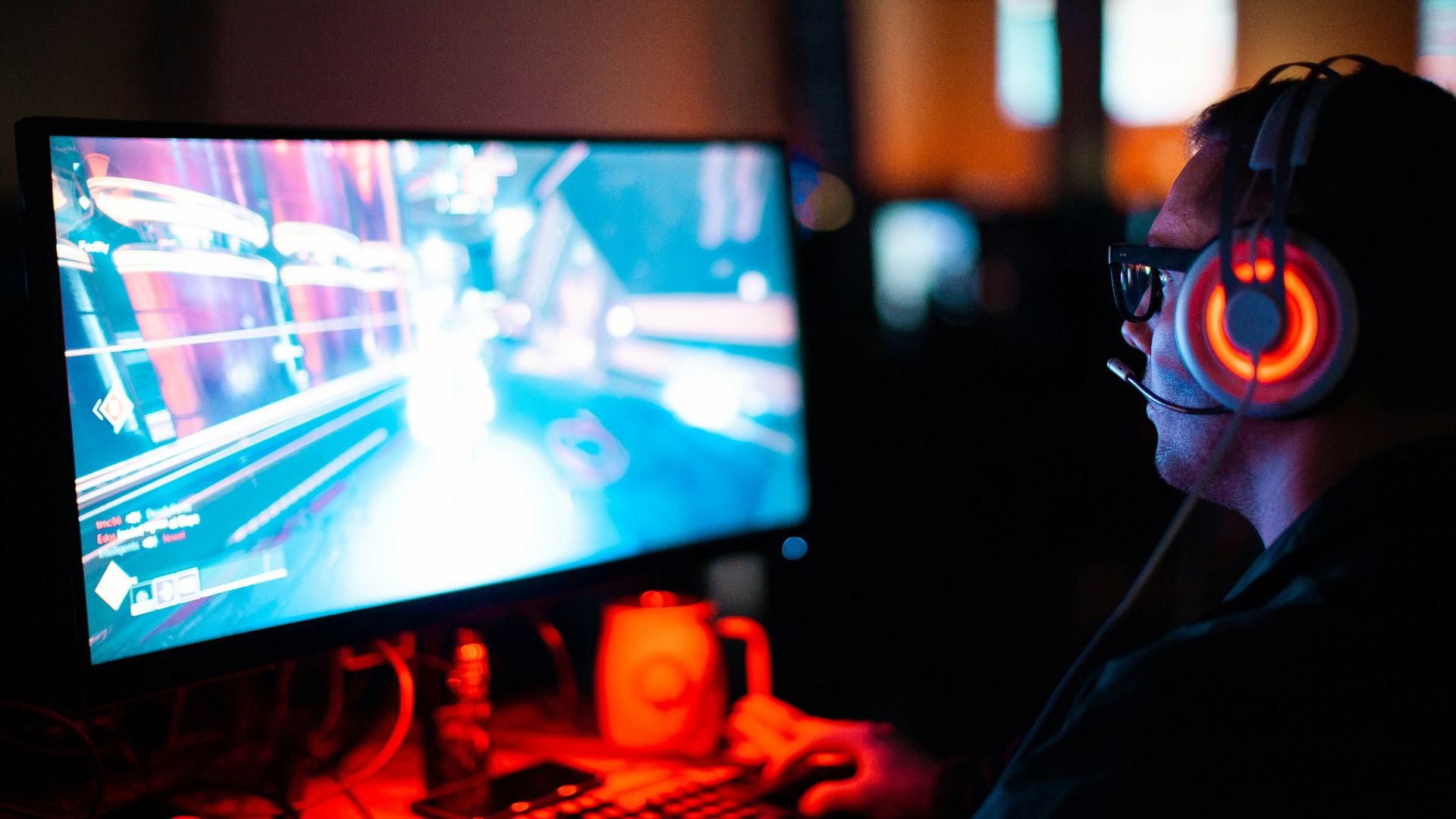
12. They Prefer More “Active” Hobbies
Some folks genuinely can’t enjoy sitting still for long, and games often require exactly that. If they’re wired for movement, nature, or hands-on projects, gaming may feel like being trapped indoors. It’s not hatred so much as restlessness that shows up as dislike.
 Sébastien Goldberg on Unsplash
13. They See It as Childish
If they grew up thinking games were only for kids, they may never update that mental file. Even story-driven, emotional games won’t change their mind if they’ve already dismissed the medium. To them, gaming can feel like adults refusing to grow up.
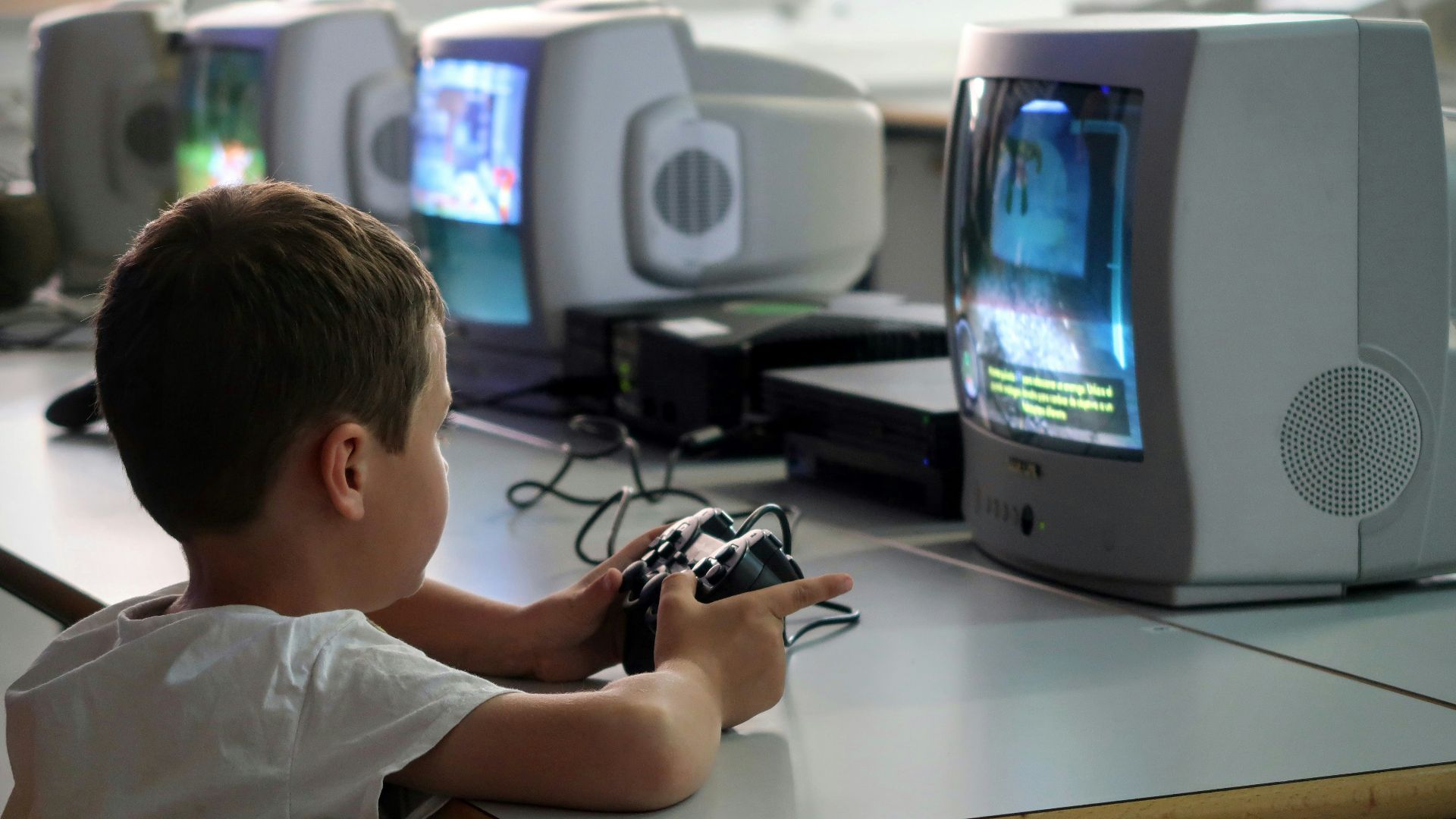
14. They Don’t Like Losing Control of Their Time
Games are designed to keep you engaged, and some people don’t enjoy that tug-of-war. They might hate the feeling of thinking about the game when they’re not playing. If you’ve ever said “I’ll stop after this,” you know exactly what scares them. Once you're hooked, it'll quickly turn into, "Just one more."

15. The Cost Feels Absurd
A console, a PC upgrade, subscriptions, new releases, in-game purchases… it can look like a money pit. Even if you budget carefully, the overall ecosystem can seem expensive and endless. For someone who’s not invested, it’s easy to call the whole thing ridiculous. So whether it has to do with your bank account or just personal opinion, it's impossible to deny that gaming is a bit of a money sinkhole.

16. They’re Put Off by Microtransactions and “Pay to Win”
Seeing a game constantly asking for money can feel gross, especially to people who value fairness. If they hear about loot boxes or overpriced cosmetics, they may assume the industry is predatory. That frustration often turns into a blanket dislike of games in general.

17. They Don’t Connect With the Stories or Characters
Not everyone cares about fantasy worlds, leveling up, or saving the kingdom for the 400th time. If the themes don’t resonate, the experience feels empty no matter how polished it is. Without emotional buy-in, all they see is repetitive tasks with flashy effects.
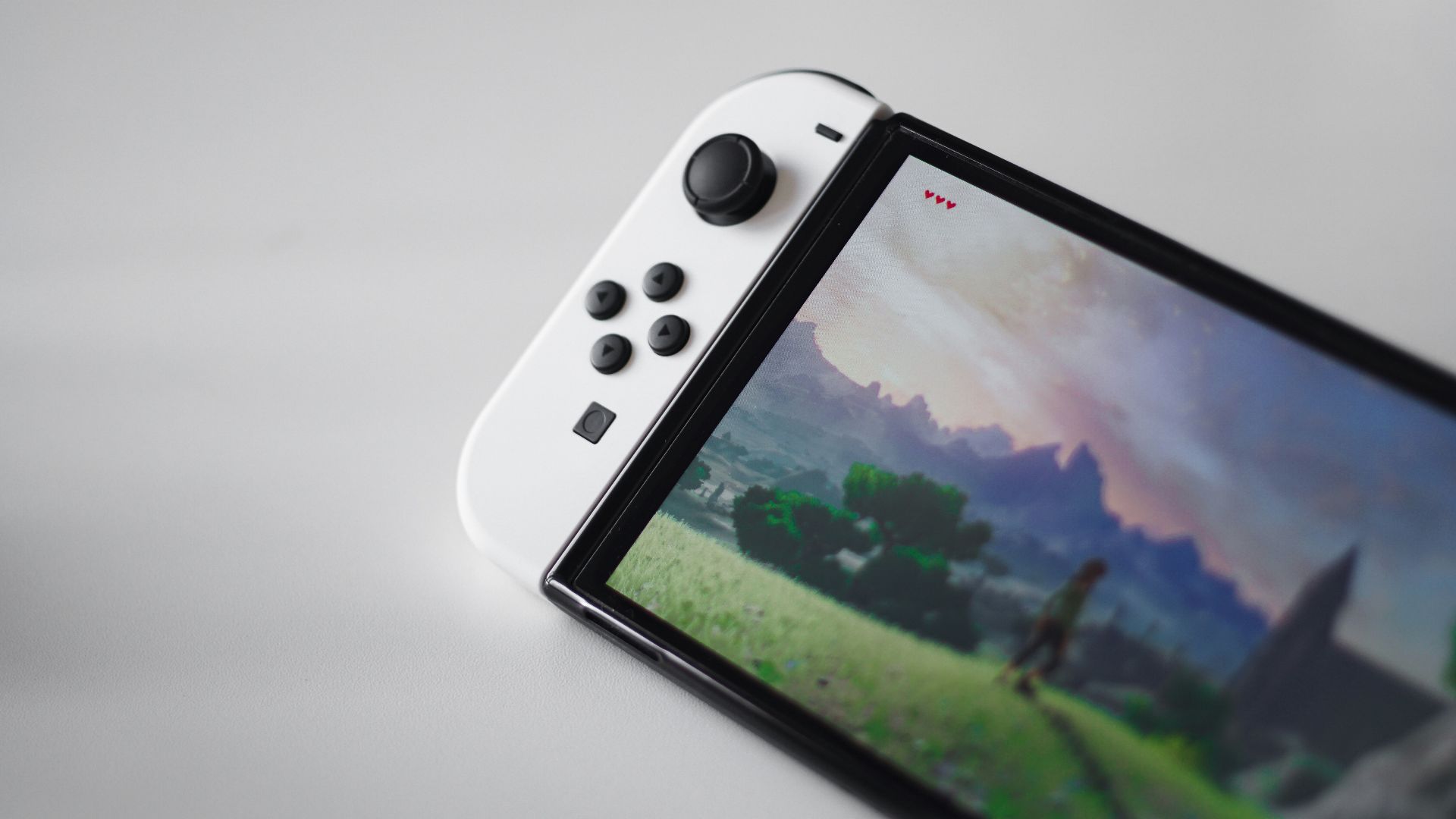
18. Motion Sickness and Eye Strain Make It Miserable
Some people get headaches, nausea, or dizziness from certain camera movements and frame rates. It’s hard to love something that makes your body feel awful. If they’ve experienced that, it's hard to change their minds when games are literally causing them discomfort and pain.
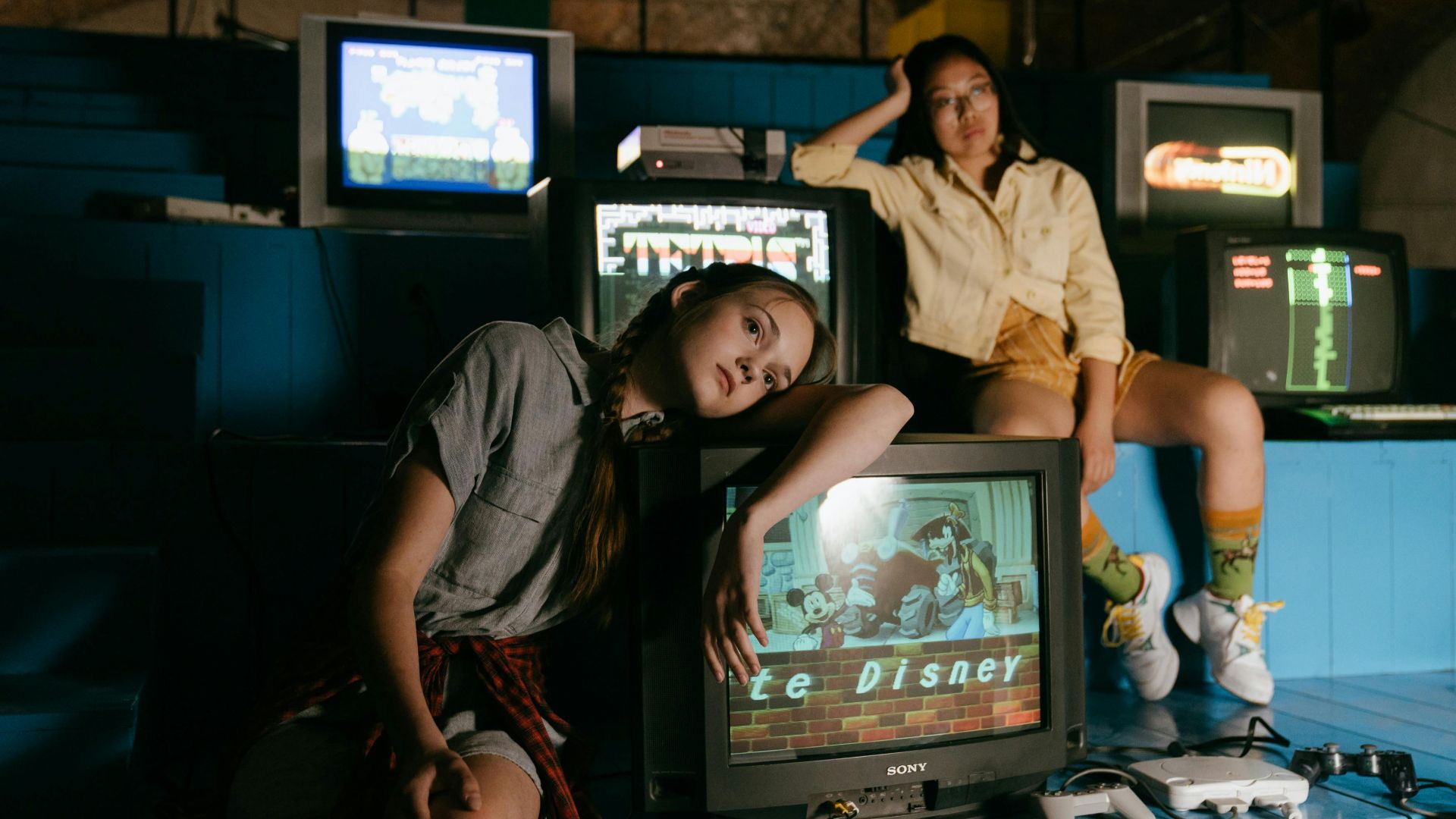
19. They Feel Left Out of the Conversation
Gaming culture can be full of references, jargon, and inside jokes that make newcomers feel like outsiders. If you don’t know the franchises, the memes, or the “obvious” basics, it’s intimidating. That discomfort can show up as criticism because it’s easier than admitting you feel lost.

20. They Simply Don’t Find It Fun
Sometimes the simplest answer is the real one: it just doesn’t click for them. People like different kinds of stimulation, and games don’t hit everyone’s reward system the same way. If they’d rather read, cook, hike, or watch movies, that doesn’t mean they’re wrong, it just means they’re different.