Beware... You're in for a Scare...
Want to play a horror game but get easily scared? You're not alone. Whether you're playing Five Nights at Freddy's or Silent Hill, horror games have a way of creeping under your skin and leaving you unsettled long after you've finished your session. Thankfully, there are plenty of ways to lower the fear factor if you still want to enjoy the game. Though, of course, if you’re trying to make the experience worse for yourself in the best possible way, there are just as many habits that can turn a tense game into something far more frightening, too...
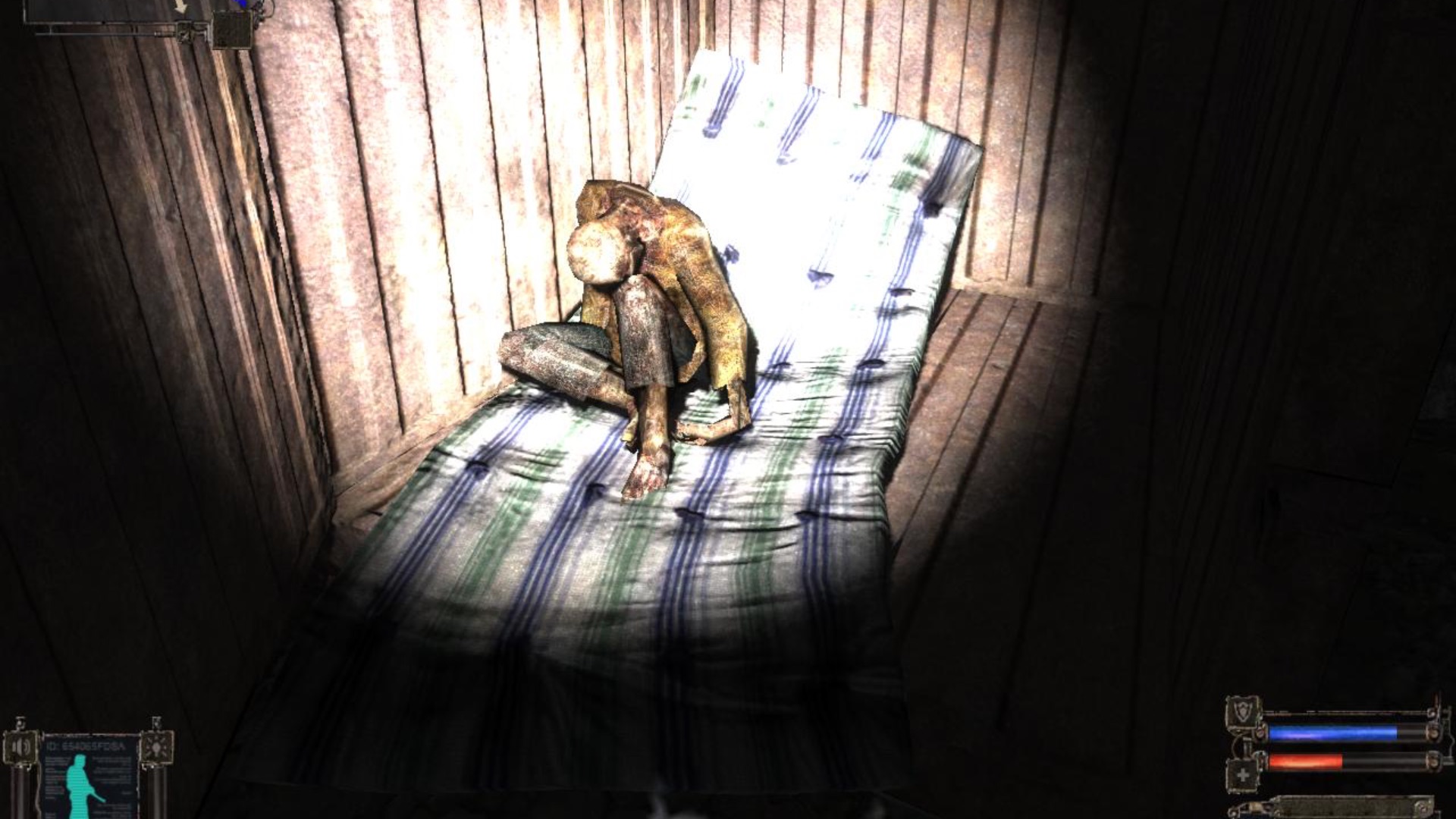
1. Play with the Lights On
Keeping the lights on can make a horror game feel much more manageable because it reminds you that you’re still in a normal, familiar space. The screen becomes part of the room instead of feeling like the only thing your brain is focused on. It also makes it easier to take your eyes off the game for a moment when a scene gets too tense.
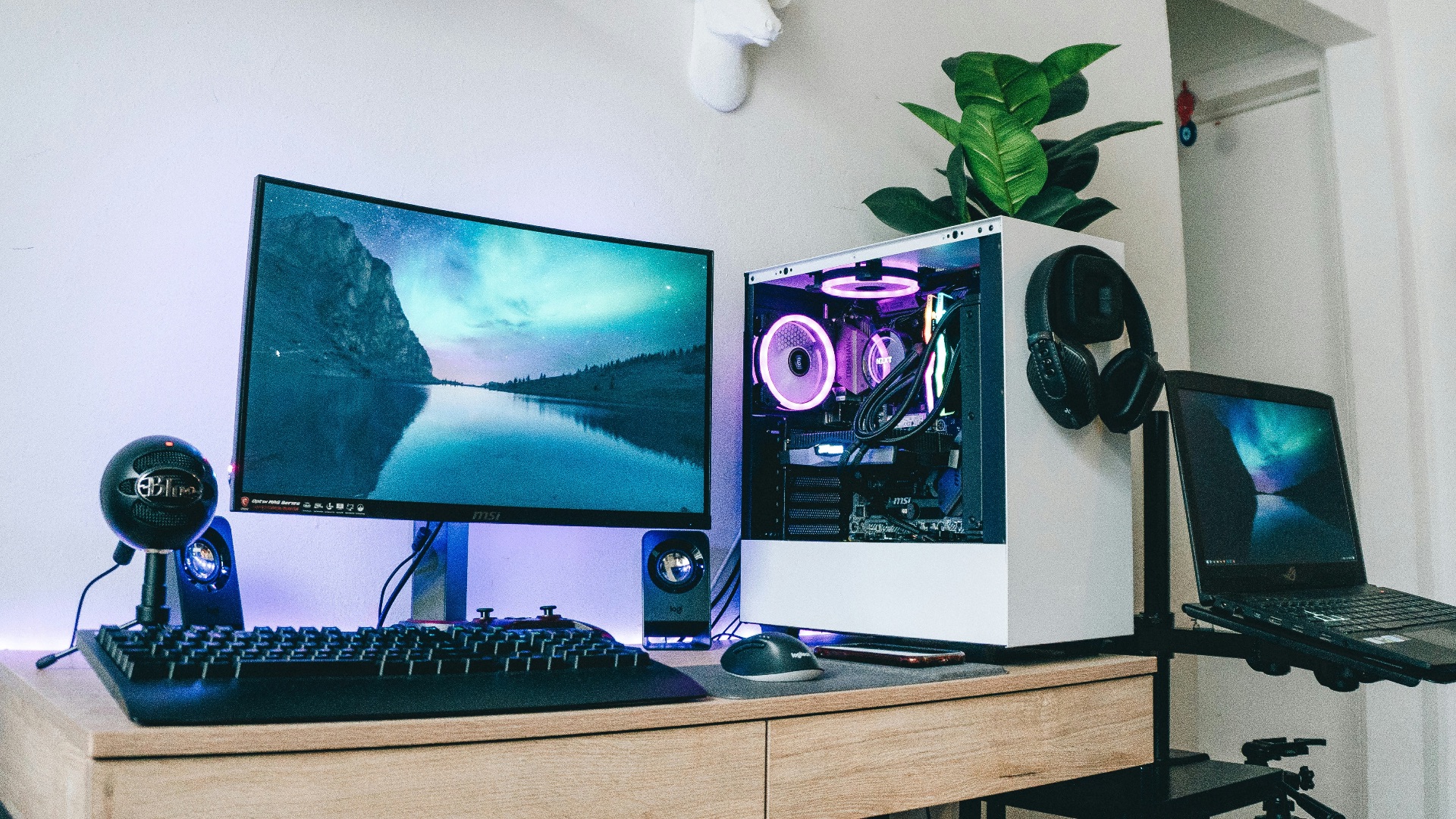
2. Lower the Volume a Little
Sound design does a lot of heavy lifting in horror games, so turning the volume down can soften the impact immediately. You’ll still hear enough to play, but sudden noises won’t hit as hard. This is especially helpful in games that rely on sharp audio cues, footsteps, distorted voices, or jump scares. If you really would rather not hear anything, you can either mute it entirely or play a cheerier tune in the background.
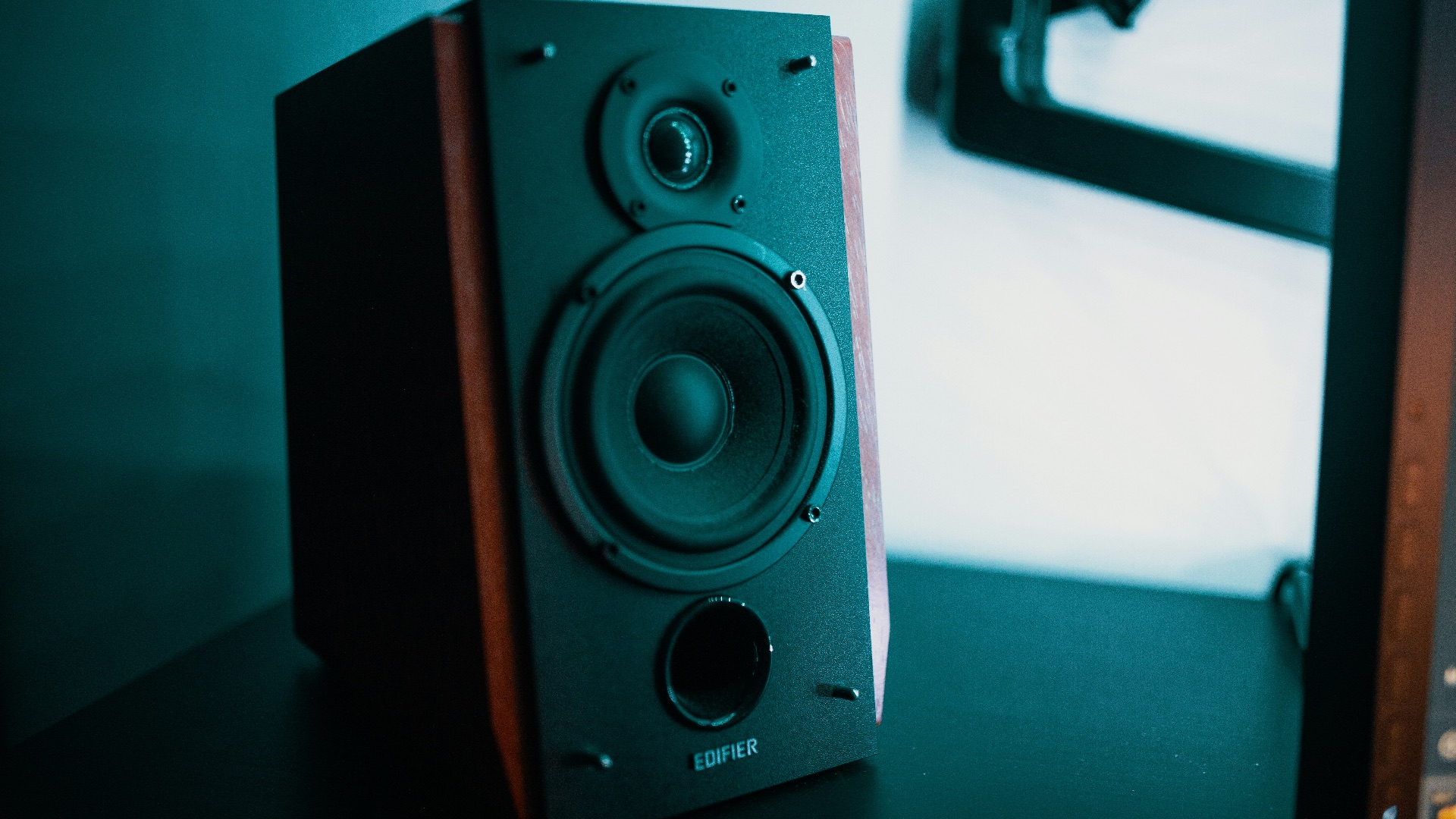
3. Play During the Day
A horror game feels different when sunlight is coming through the window and the rest of the world is active around you. Daytime play can take the edge off because your surroundings feel less isolated. It also gives your brain more ordinary details to latch onto when the game starts trying to unsettle you.

4. Keep a Friend Nearby
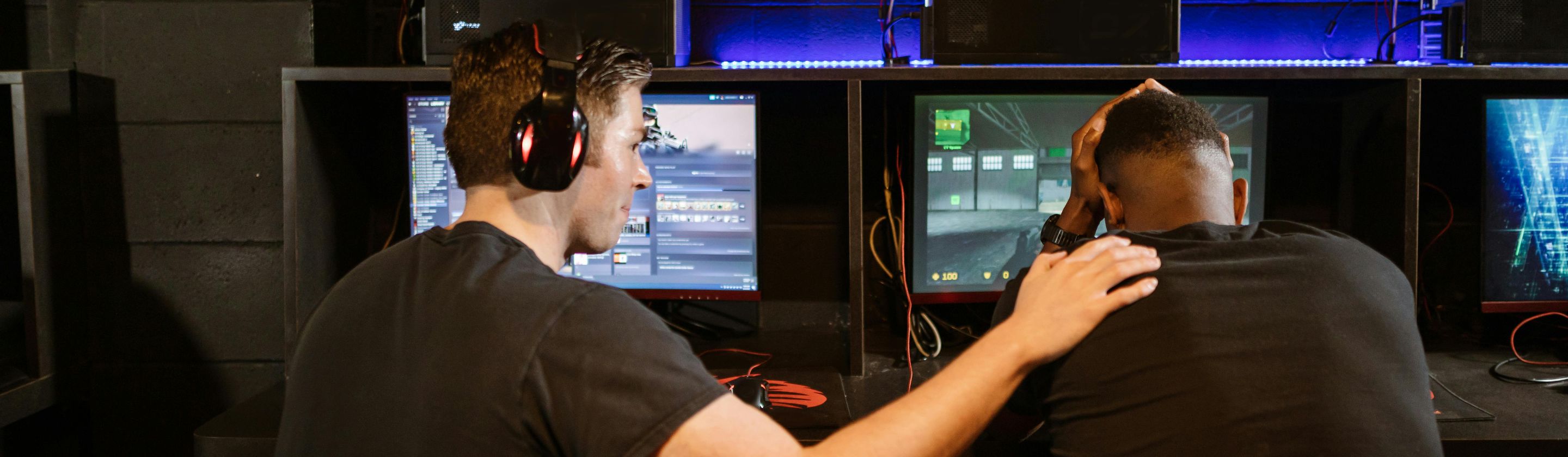
Having someone in the room can make scary moments feel less intense, even if they’re just watching you play. But the best is having them play with you; after all, a second person gives you someone to react with, laugh with, or freak out with if things get overwhelming. Horror often thrives on making you feel alone, so company can break that spell pretty quickly.

5. Talk Yourself Through What’s Happening
Narrating your actions out loud can make the game feel less mysterious and more manageable. Saying things like, “I’m checking this hallway,” or “That noise is probably just the enemy pathing,” gives your brain a practical job to focus on. It can also make scary scenes feel a bit more grounded because you’re describing them instead of only reacting to them.
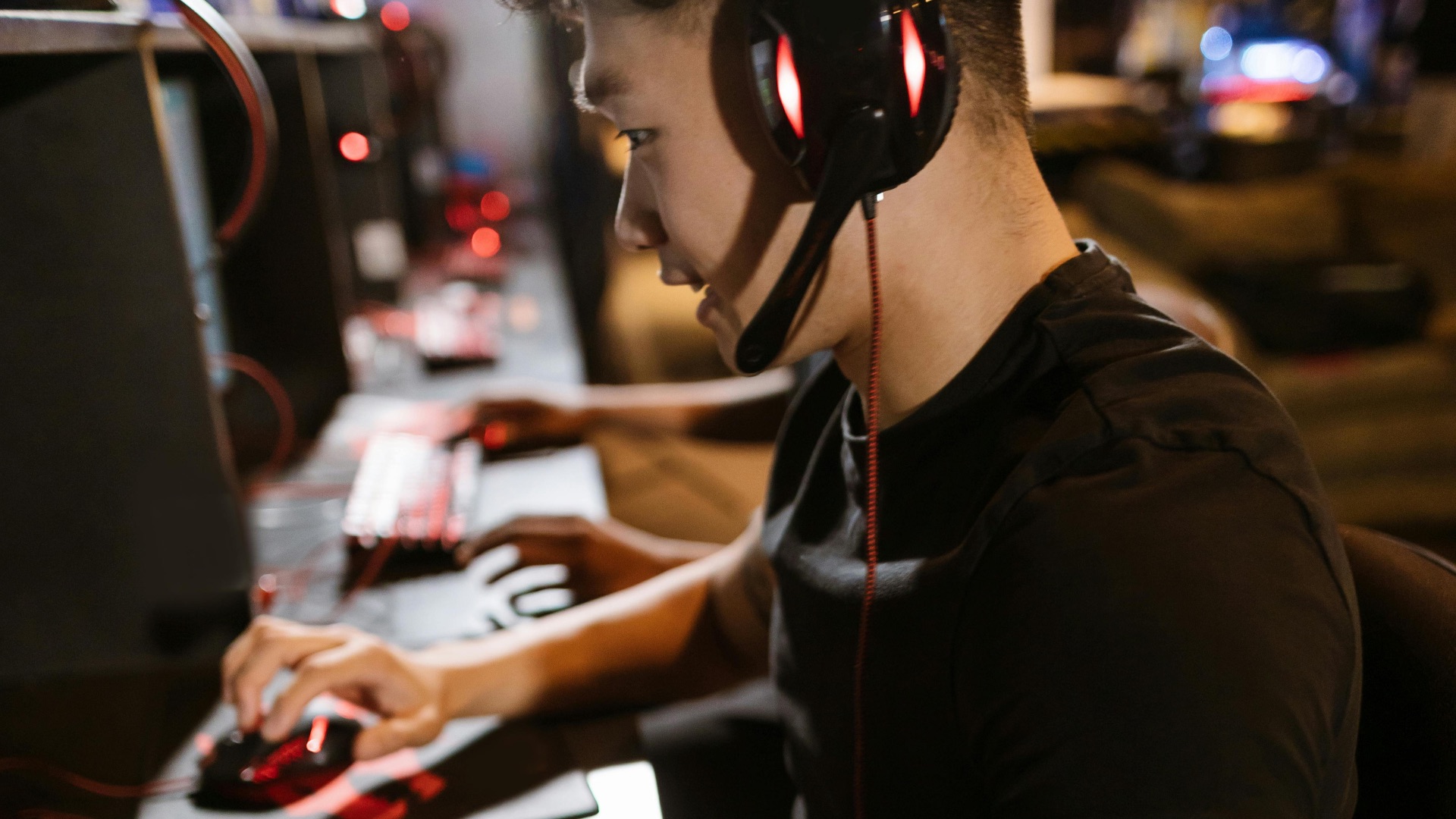
6. Take Breaks After Intense Sections
Horror games are often designed to build tension in waves, and stepping away after a stressful sequence can keep that tension from piling up. Even a short pause gives your body time to settle down before the next scare arrives. You don’t have to push through just because the game wants you to stay uncomfortable.

7. Turn On Accessibility or Assist Options
Many horror games include settings that can reduce difficulty, improve visibility, or make encounters less punishing. Using those options doesn’t ruin the experience; it lets you engage with the story and atmosphere at a level that works for you. When the game feels less like it’s constantly threatening your progress, it often becomes much easier to handle.
8. Watch a Small Preview First
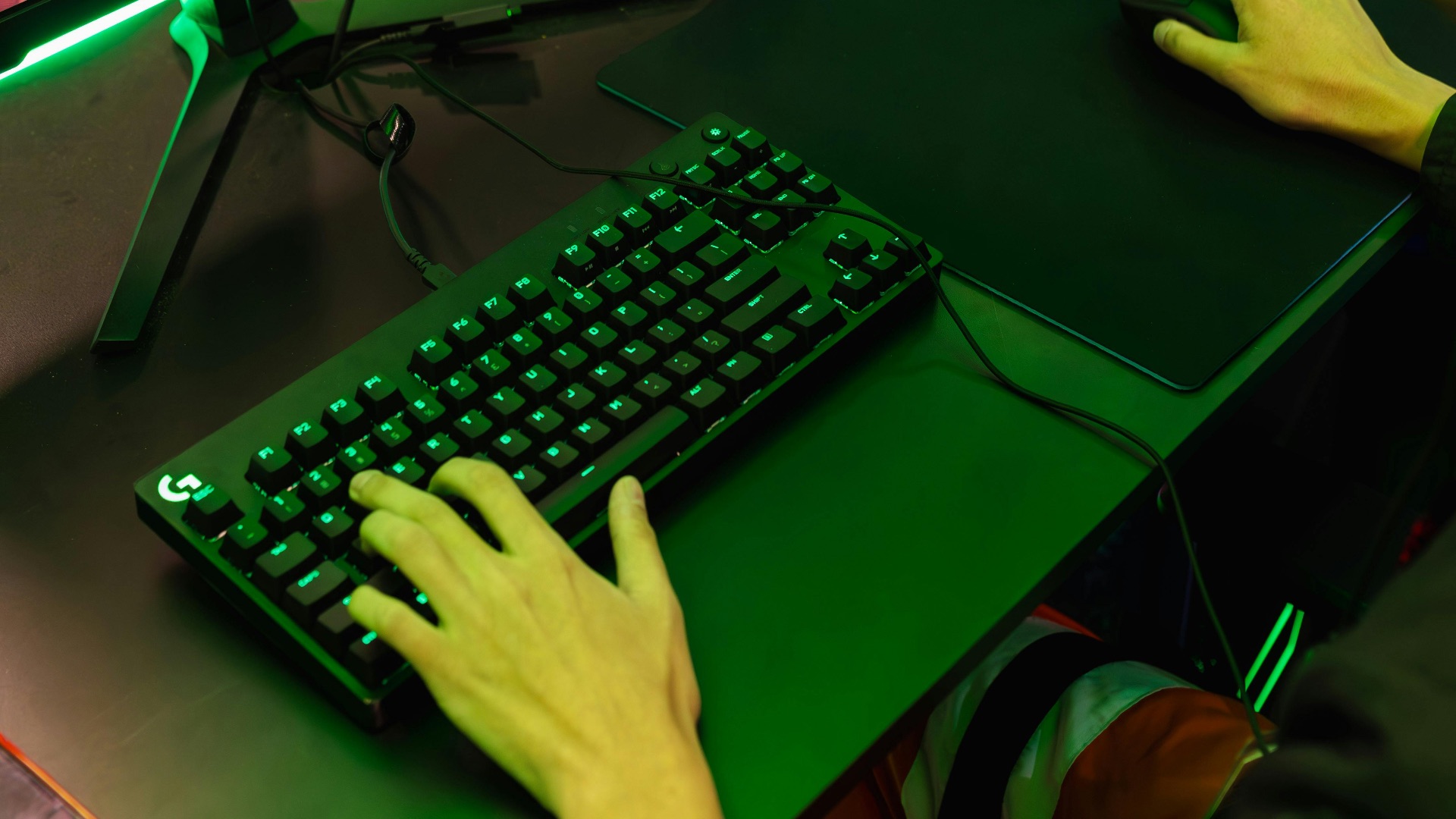
Seeing a few minutes of gameplay before you start can remove some of the fear of the unknown. You’ll have a better idea of how the enemies move, how scares are staged, and what kind of tone the game is going for. Spoiling a little bit can be worth it if it helps you actually enjoy playing.

9. Remind Yourself How the Game Works
Thinking about the mechanics can help separate the scare from the system behind it. The monster has rules, the level has boundaries, and the scary sound probably exists to guide your attention. Once you start noticing patterns, the game may still be tense, but it can feel less overwhelming.
10. Use Humor When You Need It
Making a joke after a scare can release some of the pressure without completely breaking your immersion. You can give the monster a ridiculous nickname, comment on your character’s bad decisions, or laugh at your own panic. Horror is a lot easier to handle when you let yourself react in a way that feels natural instead of trying to stay perfectly composed.
After you’ve learned how to soften a horror game’s impact, it’s easy to see how much of the fear comes from the way you approach it. If your tolerance for horror is pretty high, though, here's how to up the ante:

1. Play Alone at Night
Playing alone after dark gives the game a much stronger grip on your attention. With fewer distractions around you, every sound and movement on-screen can feel more important. The lack of everyday activity nearby also makes it easier for the game’s tension to follow you beyond the screen.
2. Use Headphones
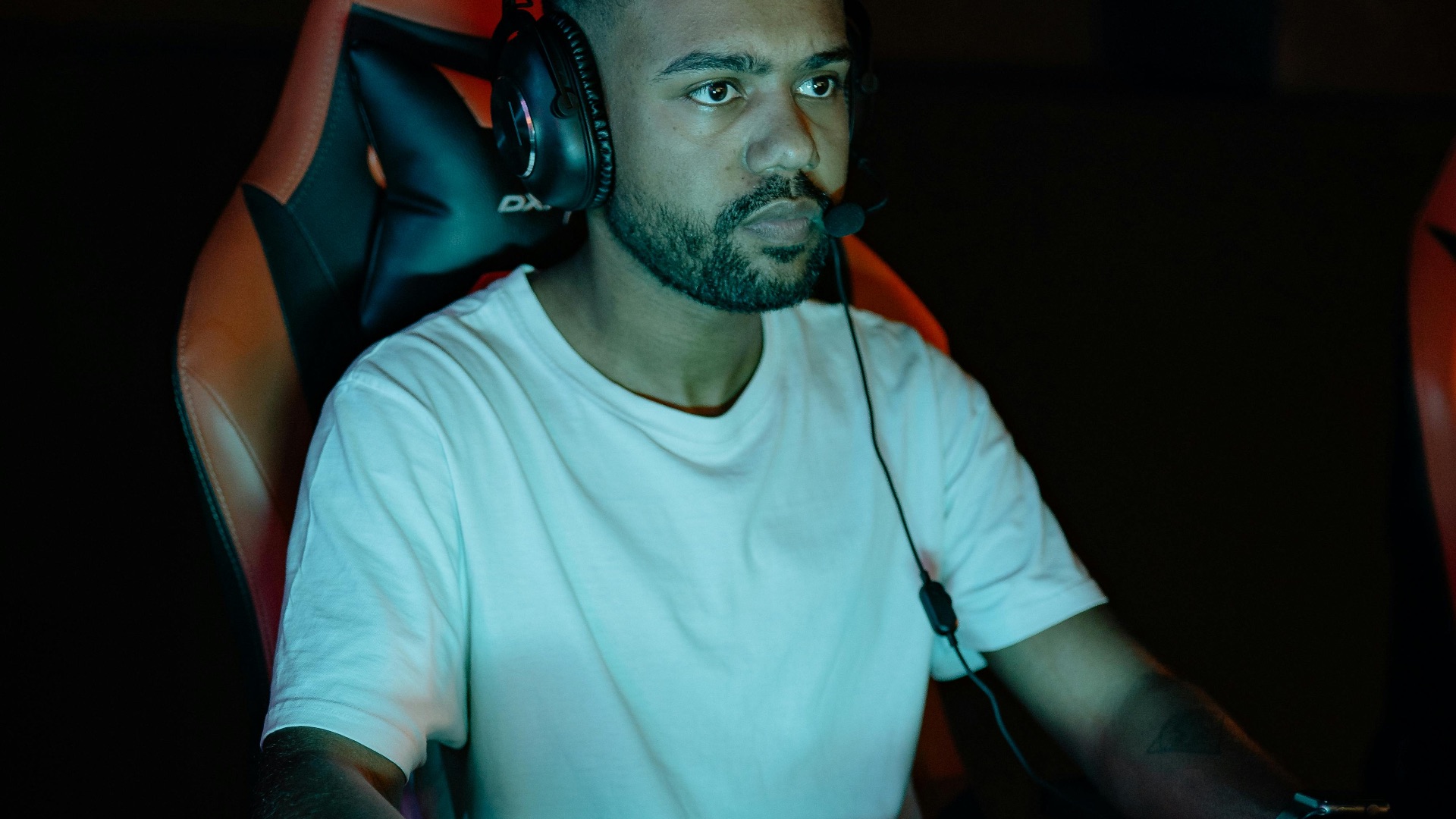
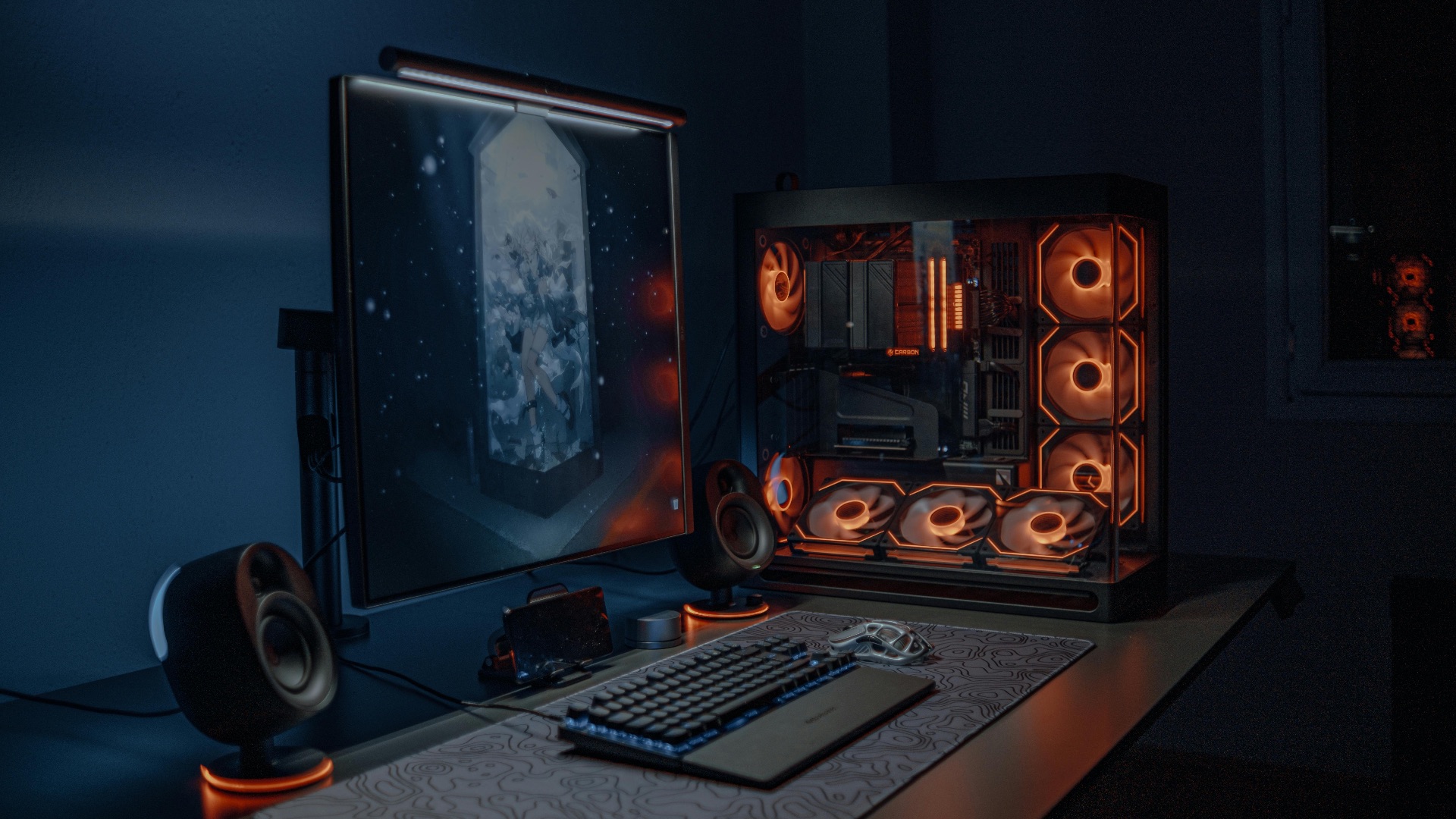
Headphones can make horror games far more intense because they place every sound directly around you. A whisper in one ear, footsteps behind you, or a distant scrape can feel harder to ignore when there’s no space between you and the audio. It’s one of the fastest ways to make the experience feel more personal and harder to escape.
3. Avoid Looking Up Spoilers
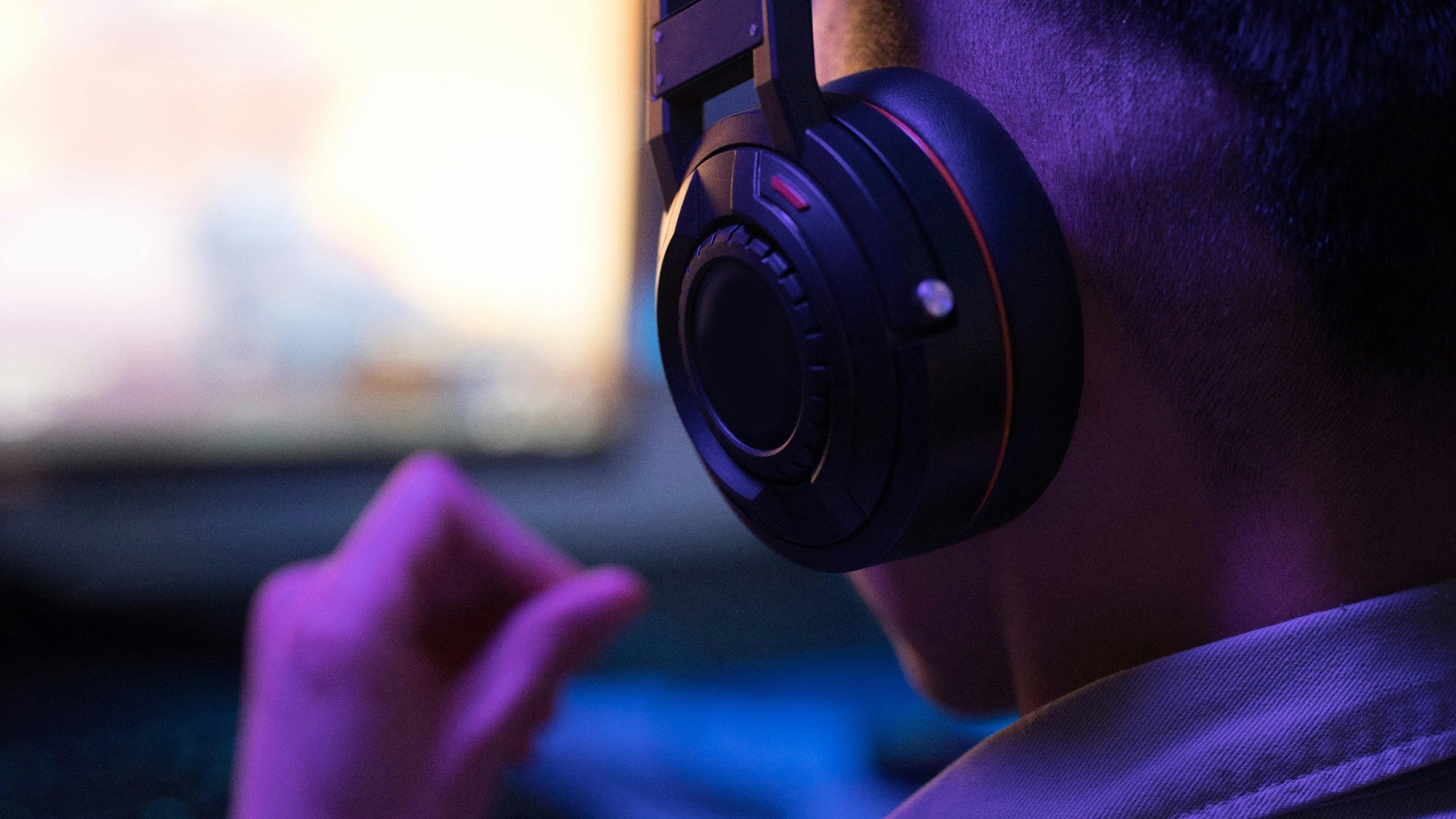
Going in blind gives the game full control over what you know and when you know it. You won’t be prepared for enemy behavior, story turns, or the timing of major scares. That uncertainty can make even simple exploration feel much more stressful.
4. Turn Off Extra Visual Aids
Disabling brightness boosts, enemy indicators, or helpful HUD elements can make a horror game feel more oppressive. When you have less information, you’re forced to rely on instinct, memory, and limited clues in the environment. That lack of certainty can make every decision feel riskier.
5. Play on a Harder Difficulty
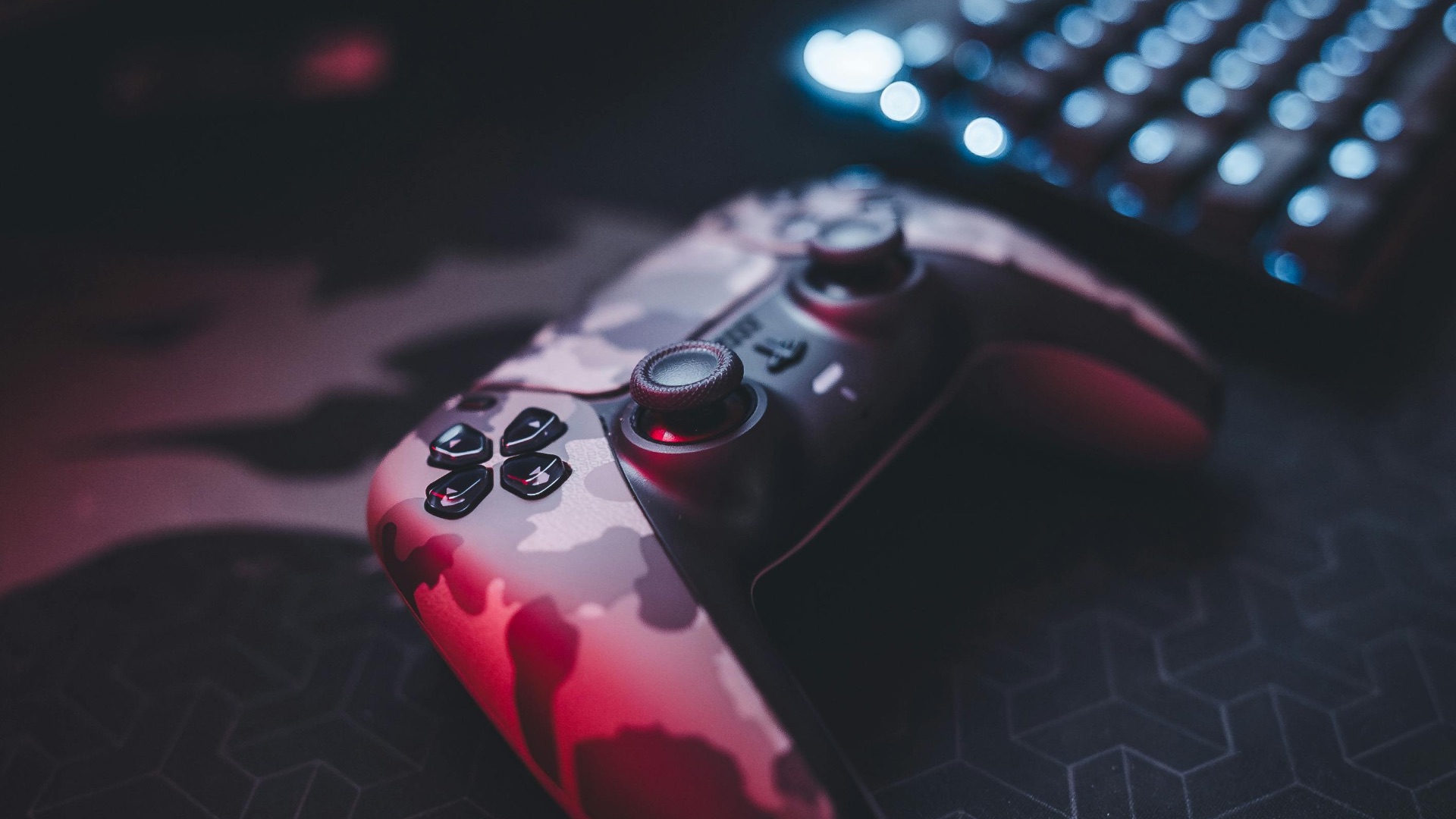
Higher difficulty can make horror more frightening because mistakes have sharper consequences. Limited supplies, stronger enemies, and fewer checkpoints all make you think twice before moving forward. When survival feels less guaranteed, even familiar areas can become stressful.

6. Let Yourself Get Invested in the Story
The more you care about what’s happening, the harder the horror can hit. Characters, lore, and emotional stakes can make the scary parts feel like more than obstacles between save points. If you pay attention to notes, dialogue, and environmental details, the world can start to feel much more unsettling.
7. Don’t Pause Right After a Scare
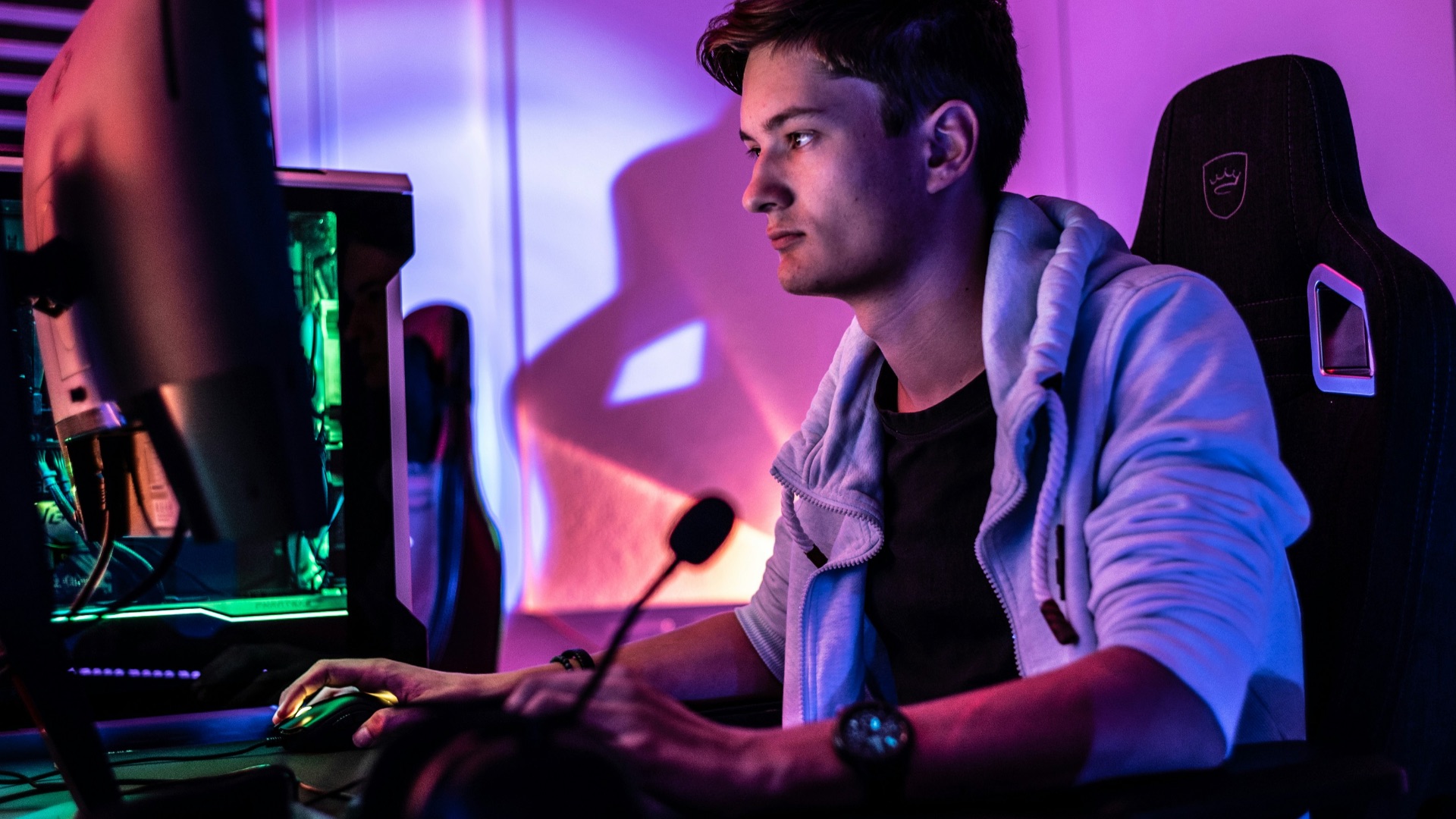
Pausing can give you instant relief, so refusing to do it keeps the tension alive longer. When you keep moving after a scare, you’re forced to deal with the aftermath while still inside the game’s world. That can make the next few minutes feel even more nerve-racking because your body hasn’t fully settled yet.
8. Explore Optional Areas
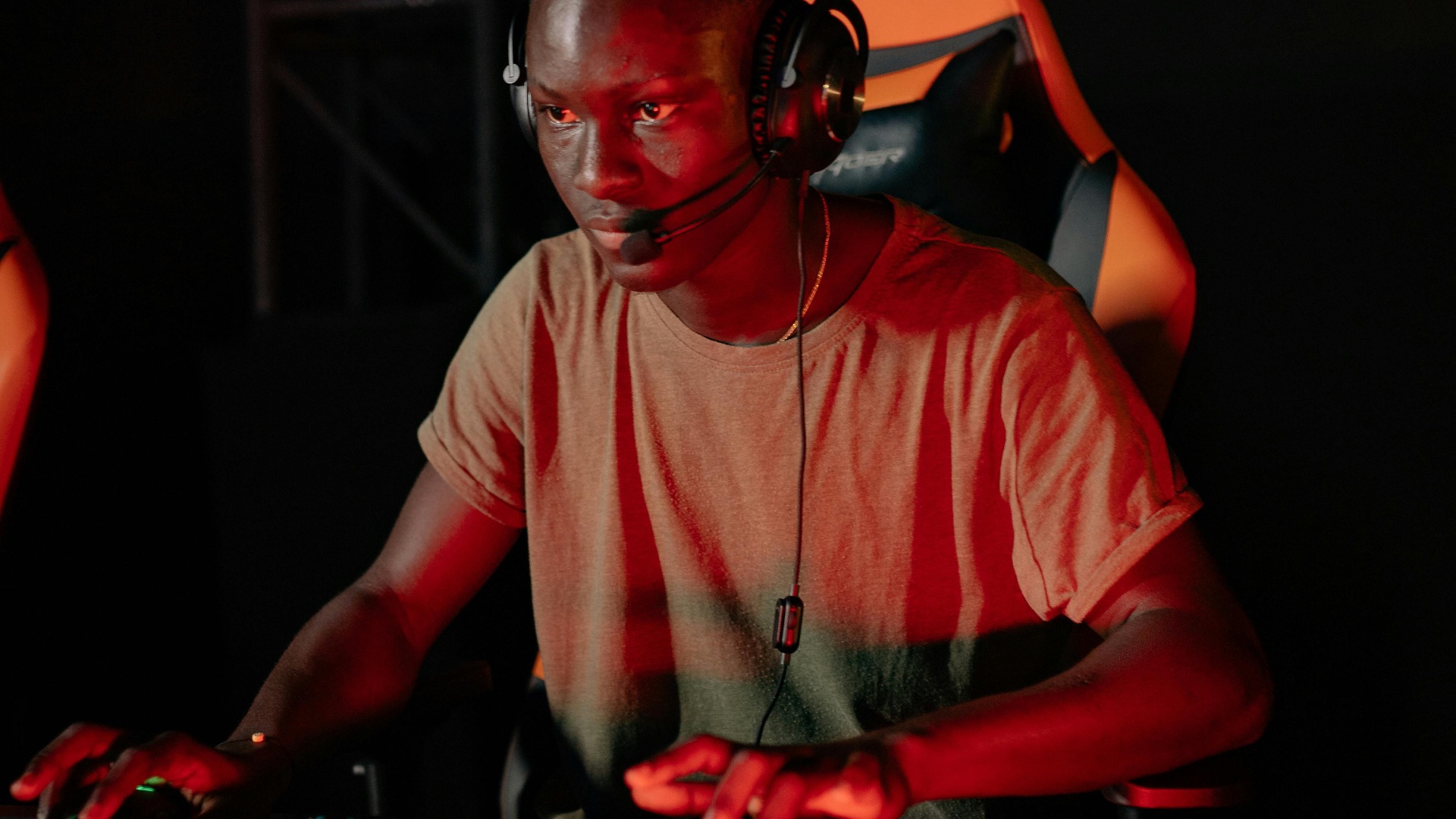
Optional rooms, side paths, and hidden spaces often contain some of a horror game’s most uncomfortable details. Developers know that players who explore are choosing to risk more, so those areas can be filled with disturbing clues, surprise encounters, or unsettling rewards. Curiosity can make the game richer, but it can also make it much harder to relax.
9. Play in One Long Session
Long sessions give the atmosphere time to wear you down. Instead of resetting after each intense section, you keep carrying that stress into the next area. By the time the game raises the stakes again, you may already feel tense before anything even happens.
10. Fully Commit to the Atmosphere
If you want the game to scare you more, give it your full attention and stop trying to soften the experience. Put your phone away, focus on the screen, read the details, and let the pacing work as intended. Horror becomes much more effective when you stop resisting every uncomfortable moment and allow the game to pull you in.