Modern Manners, No Manual
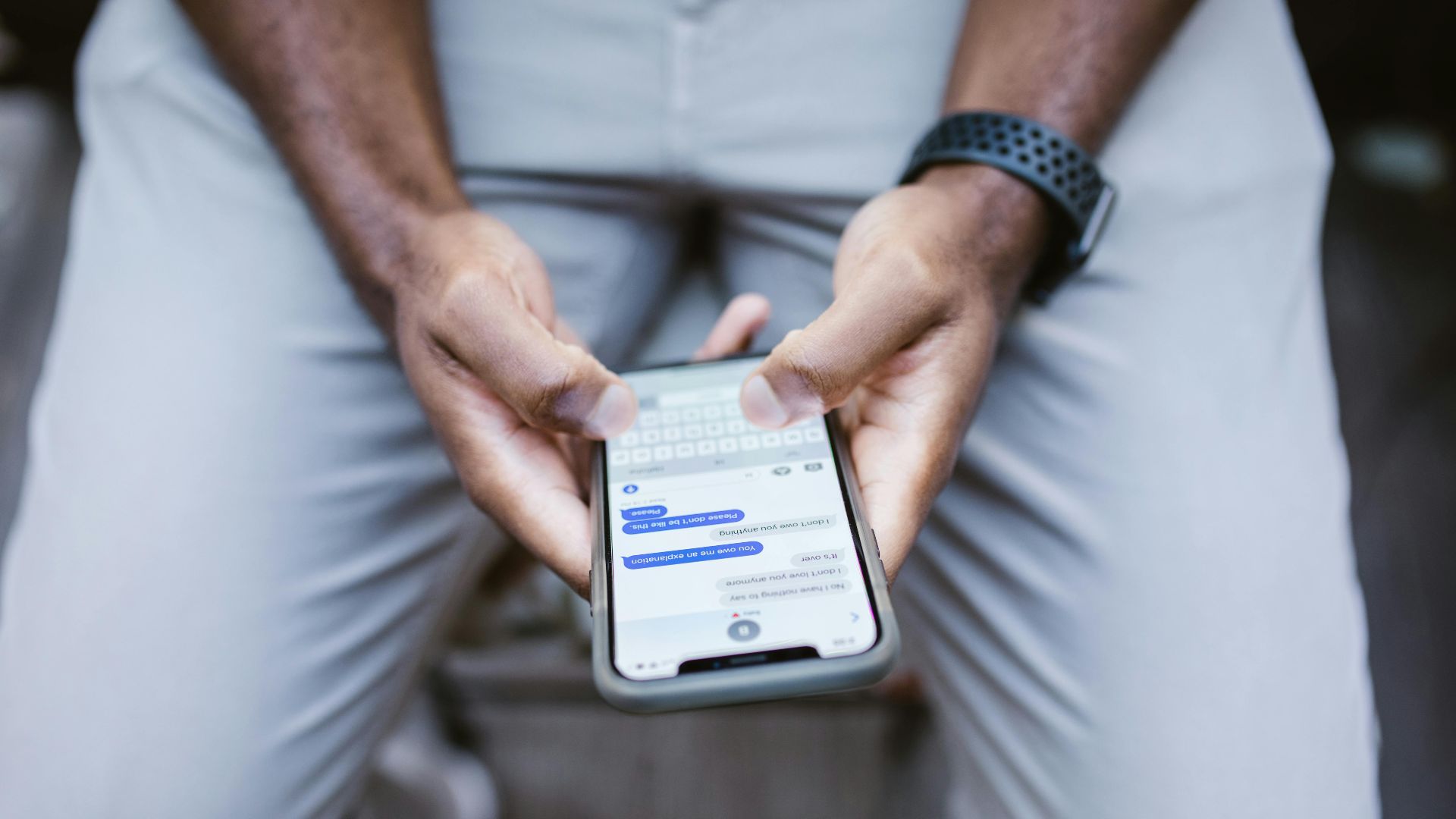
The awkward part of modern life is that the rules changed, but nobody stopped to hand out the new ones. We all just drifted into group chats, voice notes, read receipts, work apps, family threads, and social feeds, then started learning by trial and error. That is why so much digital etiquette feels strangely personal. A delayed reply can seem rude, a too-fast reply can seem intense, and a single thumbs-up can somehow mean five different things depending on the relationship. These 20 new digital etiquette rules nobody explained are the ones most of us had to figure out the hard way.

1. Do Not Turn Everything Into A Voice Note
Voice notes can be great when something is messy, nuanced, or hard to type while walking. They get less charming when they are used for information that could have been one clean sentence instead of two minutes of breathing, traffic noise, and searching for the point.

2. Read Receipts Are Socially Loaded
Just because an app can tell someone you saw the message does not mean the app should be running your relationships. Once people know you read something, they often start measuring your response time in a way that would have sounded unwell ten years ago.

3. Late-Night Texting Has A Different Tone
A message sent at 2:13 a.m. lands differently, even if the content is innocent. Time stamps carry mood now, and people notice them more than they admit.

4. Group Chats Need Adult Supervision
Every group chat eventually drifts unless somebody quietly keeps it usable. That means not flooding it with side conversations, not dropping urgent news between memes, and not assuming 19 people want live updates from your airport gate.

5. You Do Not Need To React To Every Single Thing
One of the oddest new pressures online is the feeling that every photo, announcement, joke, and opinion needs a visible response. Sometimes the polite move is simply to see it, appreciate it, and keep moving instead of treating the internet like a nonstop applause meter.

6. A Fast Reply Is Not Always The Better Reply
Quick responses can feel warm and engaged. They can also feel half-formed, distracted, or a little too available when what the moment really needed was a beat and a real answer.

7. Work Messages Need Boundaries
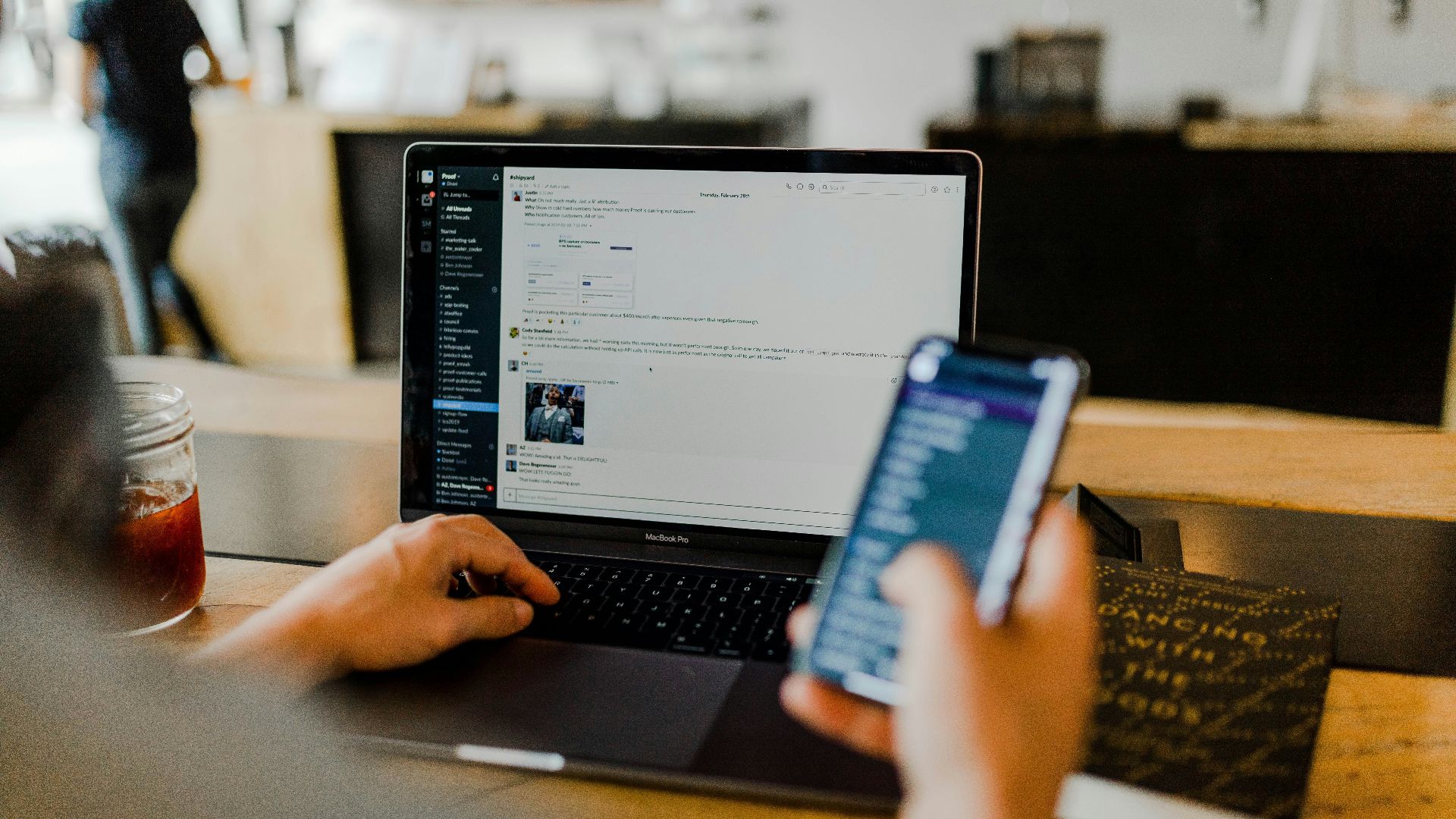
The problem with work apps is that they sit on the same phone as your real life. Once that line gets blurry, people start firing off messages at dinner, during weekends, and in that weird pocket of time when everyone is technically off but still visibly online.

8. Screenshots Are Socially Dangerous
A lot of people treat screenshots like harmless record-keeping. They are not. The second a private message becomes shareable content, trust changes, and everybody involved usually feels it.
9. Posting Someone Means Something
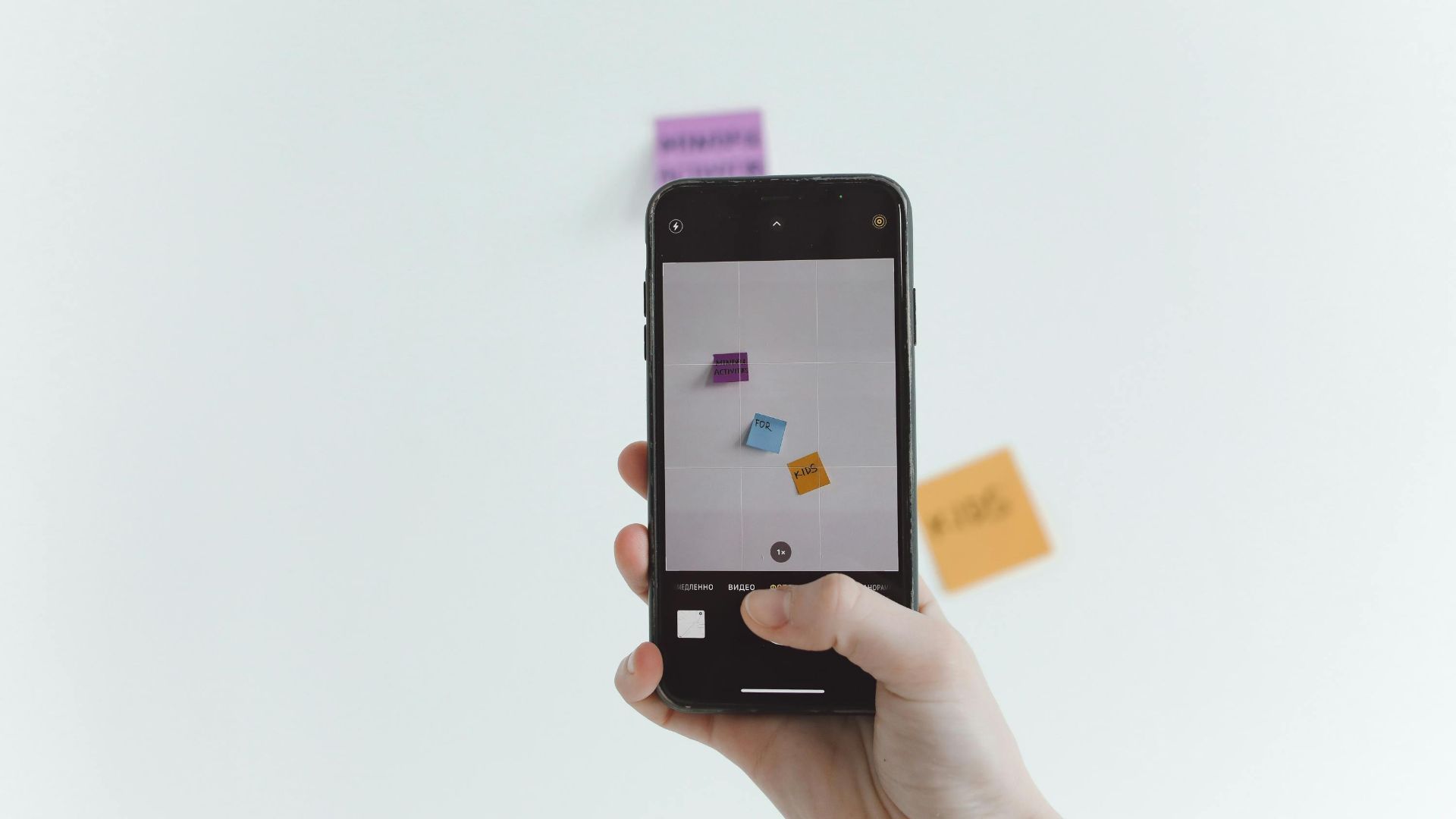
Putting a person on your feed is not neutral anymore. Whether it is a date, a friend, a kid, or a coworker in the background, posting them can carry way more weight than people expect, especially when they did not know they were about to become content.
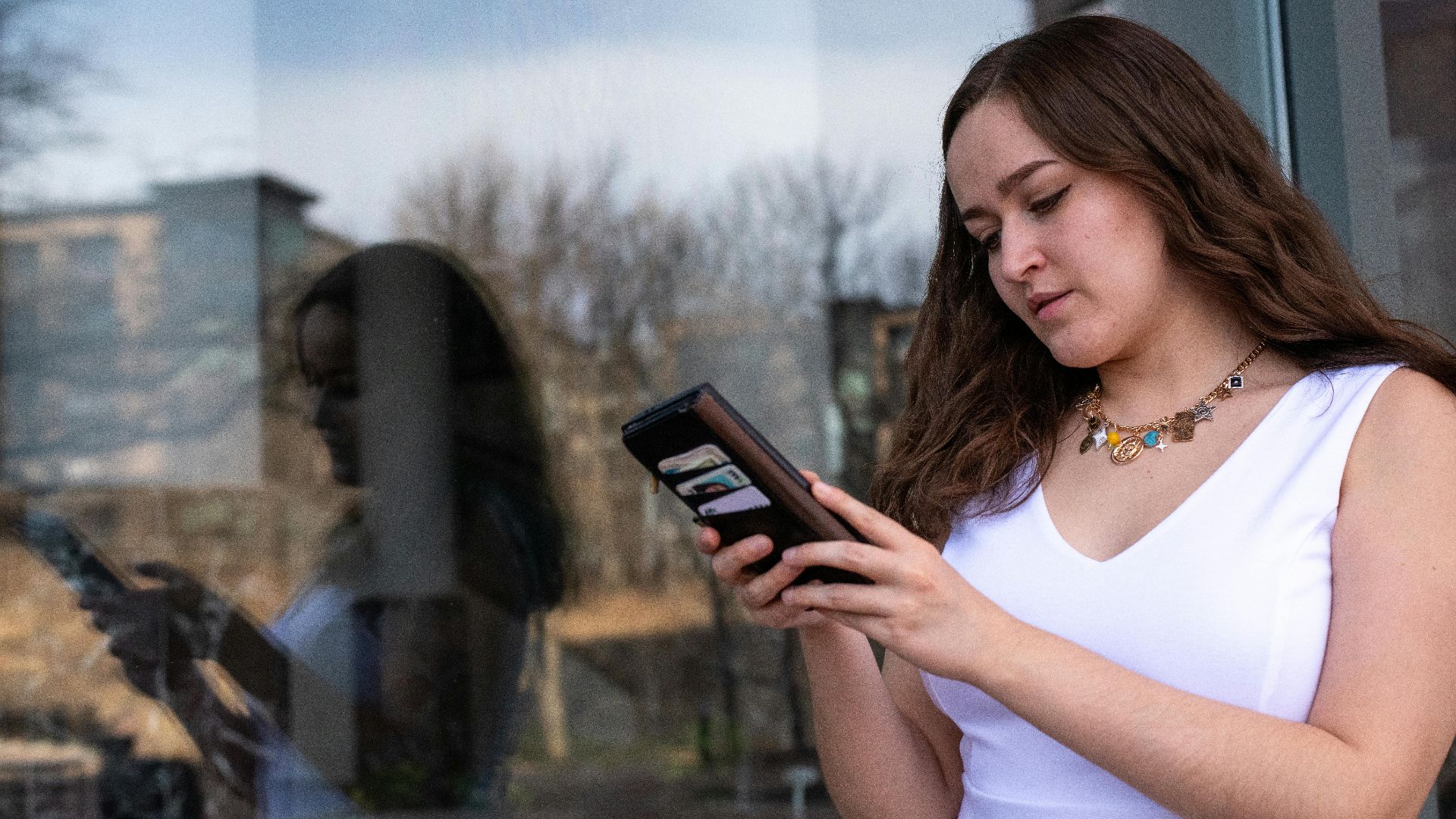 Andrew Patrick Photo on Pexels
10. The Double Text Is Context-Dependent
The old panic over sending two texts in a row has mostly faded, but not completely. A second message can feel normal, enthusiastic, pushy, anxious, or funny, and the difference usually comes down to timing, tone, and whether the first one actually needed follow-up.

11. Not Every Thought Belongs In The Family Thread
Family group chats have a way of turning small updates into full-contact communication. A photo of the dog is welcome, but a long passive-aggressive message about holiday plans dropped in front of eight relatives is the digital version of flipping a table at brunch.

12. Liking Old Posts Sends A Message
Scrolling is one thing. Suddenly liking a photo from 2018 is another, because now everybody knows exactly how far down you went and starts drawing their own conclusions.
13. Video Calls Require A Little Stage Awareness
Video calls made everybody into a low-budget producer without warning. You do not need studio lighting, but you do need enough self-awareness to notice when your camera is pointed up your nose or your background looks like a laundry avalanche.

14. Silence Online Is Not Always A Statement
One of the easiest mistakes now is assuming every non-response means something dramatic. Sometimes people are busy, tired, overwhelmed, out with friends, or just not in the mood to perform constant availability.

15. Public Correction Hits Harder Online
Correcting somebody in front of other people has always had some sting to it. Online, it can feel even sharper because the correction sits there in writing, on display, with an audience quietly watching it land.

16. Memes Are Not Automatically Conversation
Sending a meme can absolutely count as reaching out. It can also become a lazy substitute for actually checking in, especially when you keep sending jokes to someone you have not genuinely asked about in months.

17. Email Tone Still Matters More Than People Pretend
There is a reason people keep rereading short emails and wondering if they are in trouble. A missing greeting, a clipped sentence, or a period in the wrong place can make a simple note feel weirdly cold, even when the sender probably just wanted to get through their inbox.
18. Being Reachable Is Not The Same As Being Free
This might be the rule people struggle with most. Just because someone has their phone, saw the message, or appears active does not mean they are mentally available for a conversation, a favor, or a decision.
19. Public Tagging Can Be Its Own Kind Of Pressure
Tagging used to feel like a friendly gesture almost by default. Now it can feel like an obligation, a social nudge, or a small unwanted spotlight, especially when it pulls someone into a conversation or post they would not have chosen for themselves.

20. Digital Warmth Takes Actual Effort
A lot of online communication strips away tone, timing, facial expression, and ordinary softness. That means warmth has to be added on purpose now, through a full sentence, a clear reply, a kind follow-up, or any small signal that reminds the other person there is still a real human being on the other side of the screen.