
The Personality Of Rage Quitters
When you get swept up in your emotions and rage quit a game, it can say a lot about your habits, even more so than your gaming skills. Most people don't storm off because one small thing happens, so why do you? If you're a rage quitter or know someone who is, here are 20 things about them we can guess just based off of this behavior.

1. You Feel Things Quickly
It's no surprise that your emotional reaction rises fast and hits hard if you're a frequent rage quitter. There's no time between annoyance and action for you, and your first response happens before you've even had a moment to think.

2. You Don't Like Feeling Powerless
A lot of your rage from quitting games likely comes from the moment you feel control has slipped out of your hands. Things aren't going the way you want them to, and you don't like that feeling. In a way, your rage quitting is less about the actual game and more about refusing to sit with helplessness.

3. You Tie Performance To Self-Worth
Sometimes rage quitters aren't that upset about losing; it's the personal performance aspect of it that makes them frustrated. They might feel embarrassed or even disappointed in themselves for not doing better, and that immediately gets channeled through anger.

4. You Expect Yourself To Do Well Right Away
When expectations fall short, your patience might grow thin, too. If you're the kind of person who thinks you should get good at things quickly, but then you don't, it only makes sense that frustration bubbles almost right away. It's likely that you struggle with impatience in this way.

5. You Struggle With Frustration Tolerance
Most people can manage to stay annoyed without doing anything dramatic, but there are the few who really can't hold back. If you fall in the latter group, your threshold for discomfort is probably a lot lower than you'd like to admit. It doesn't mean you can't improve, it just suggests managing frustration is a skill you should practice.

6. You Want Relief More Than Resolution
People who rage quit aren't looking for some solution or answer to their problem, they just care about venting and wanting to get things off their chest. They're looking to get immediate relief from whatever stress or irritation it is that they're experiencing right in that moment.

7. You May Be More Competitive Than You Realize
It's almost impossible to be a rage quitter and not be competitive! Whether that's with others or yourself, it doesn't matter. It's safe to say most people don't explode over outcomes they don't actually care about. So if you're constantly leaving in anger, it's a safe bet you care about winning, being seen as capable, or anything along those lines.

8. You Don't Enjoy Being Exposed
When you fail at something, it exposes a weakness which rage quitters want to hide. Maybe you're not as good as you thought you were, or maybe someone saw you mess up in real time. Whatever the reason, you're trying to cover up your inability to succeed in that specific game.

9. You Prefer Control Over Vulnerability
Staying in a frustrating moment often requires a little humility. It forces you to accept that you're not in charge of everything, that you might look foolish, and that improvement takes time. But if you rage quit, you get to choose a forceful exit than remain in a position where you feel uncertain, exposed, or dependent on patience.

10. You Might Have A Perfectionist Streak
Perfectionism is hardly ever as polished and disciplined as it sounds. Often times, it looks more like irritation, being defensive, and messy. When you hold yourself to such a high standard, not even gaming is exempt from what you believe you should be good at.

11. You Take Setbacks More Personally Than Necessary
Everyone has bad days where they might perform badly, but rage quitters treat one bad round or one awkward mistake like it's a huge deal. Instead of treating it like a temporary fault, they use it as proof that the entire situation has gone wrong. Blowing things out of proportion like this makes it easy to get upset.
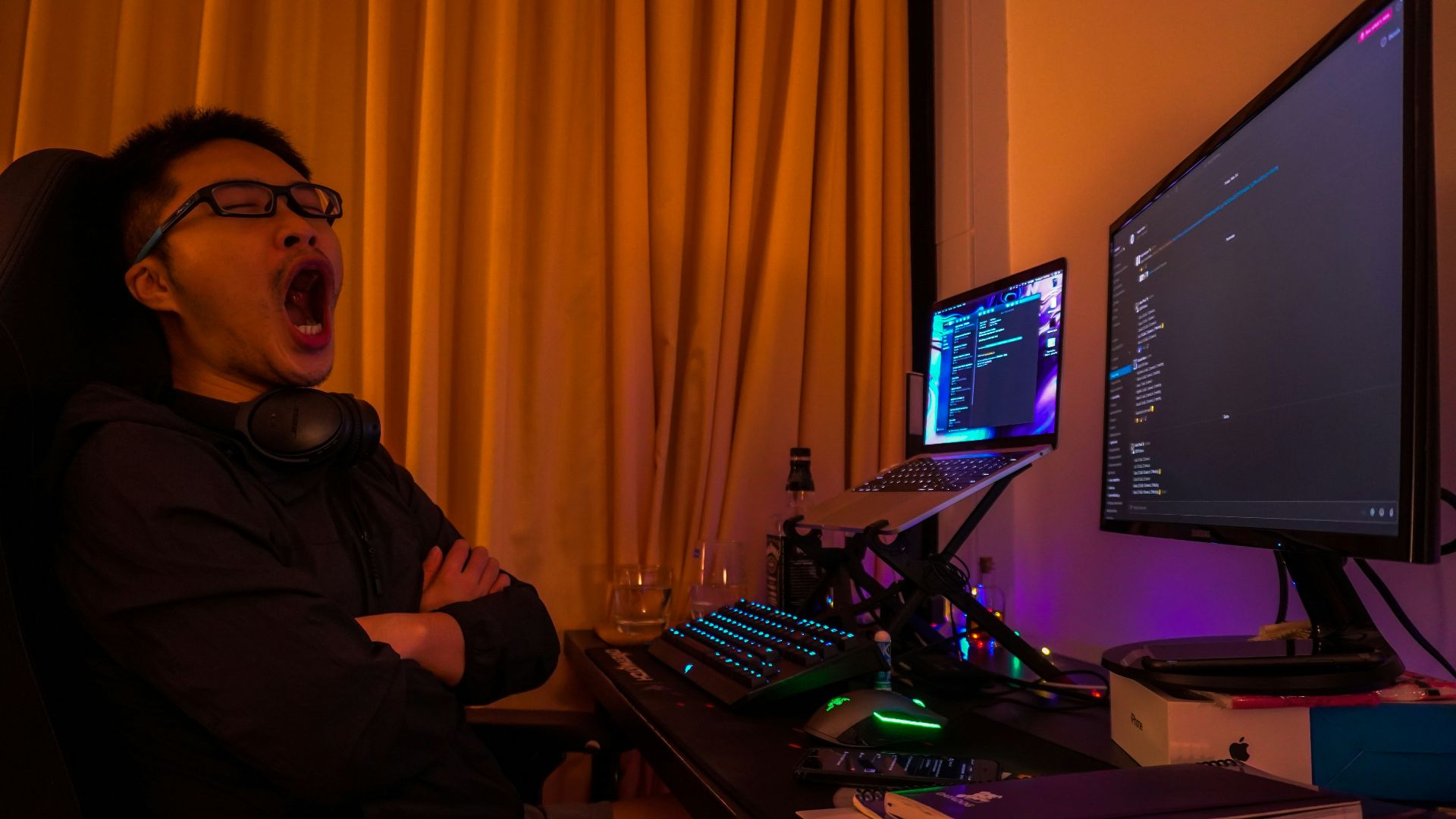
12. You Probably Have A Strong Need To Save Face
Getting up and leaving might be more about protecting your image than it is about feeling angry. Because if continuing means making more mistakes, experiencing more losses, and feeling more frustration, why not just quit now?

13. You React Before You Reflect
Rage quitters act first and evaluate later. The decision happens in a burst, driven more by feeling than by judgment, and only afterward do you start thinking about whether it was worth it. It's simply a sign that your impulse control is on the weaker side.

14. You Don't Like Sitting With Disappointment
Instead of sitting there and learning from your disappointment, rage quitters choose anger instead. After all, it's much more energetic and louder than sitting there quietly, which is another way of saying you struggle with admitting when you're feeling let down.

15. You Care More Than You Pretend To
People who genuinely don't care usually don't produce a dramatic exit. If you're closing things out in frustration, your reaction is revealing your personal investment, even when your words are trying to deny it. In a slightly inconvenient way, rage quitting is proof that the outcome mattered to you.

16. You May Use Exit As A Form Of Control
Leaving suddenly can create the feeling that you're ending things on your own terms. You may have lost control of the game, but doing this can make you feel like you're back in the driver's seat, no matter how childish it seems.

17. You Have Trouble Separating One Moment From The Whole Experience
You could be doing well the whole day and suddenly let one little mistake ruin everything. You're likely the kind of person who focuses on the small imperfections rather than looking at the big picture, turning little errors into dramatic events.

18. You Might Be Harder On Yourself Than Other People Are
A lot of rage quitters assume everyone is judging them as harshly as they judge themselves. In reality, most other people either aren't paying that much attention or don't see the moment as nearly as catastrophic as you do. When anger takes over, it can reveal a surprisingly unforgiving inner standard.

19. You Haven't Fully Learned How To Pause
Learning to take a breather when you're annoyed or upset is more of a skill than people realize. If you rage quit often, it might be something you want to practice. It can prevent you from blowing things out of proportion due to small mistakes, and can help keep you more level-headed so you can better enjoy your games.
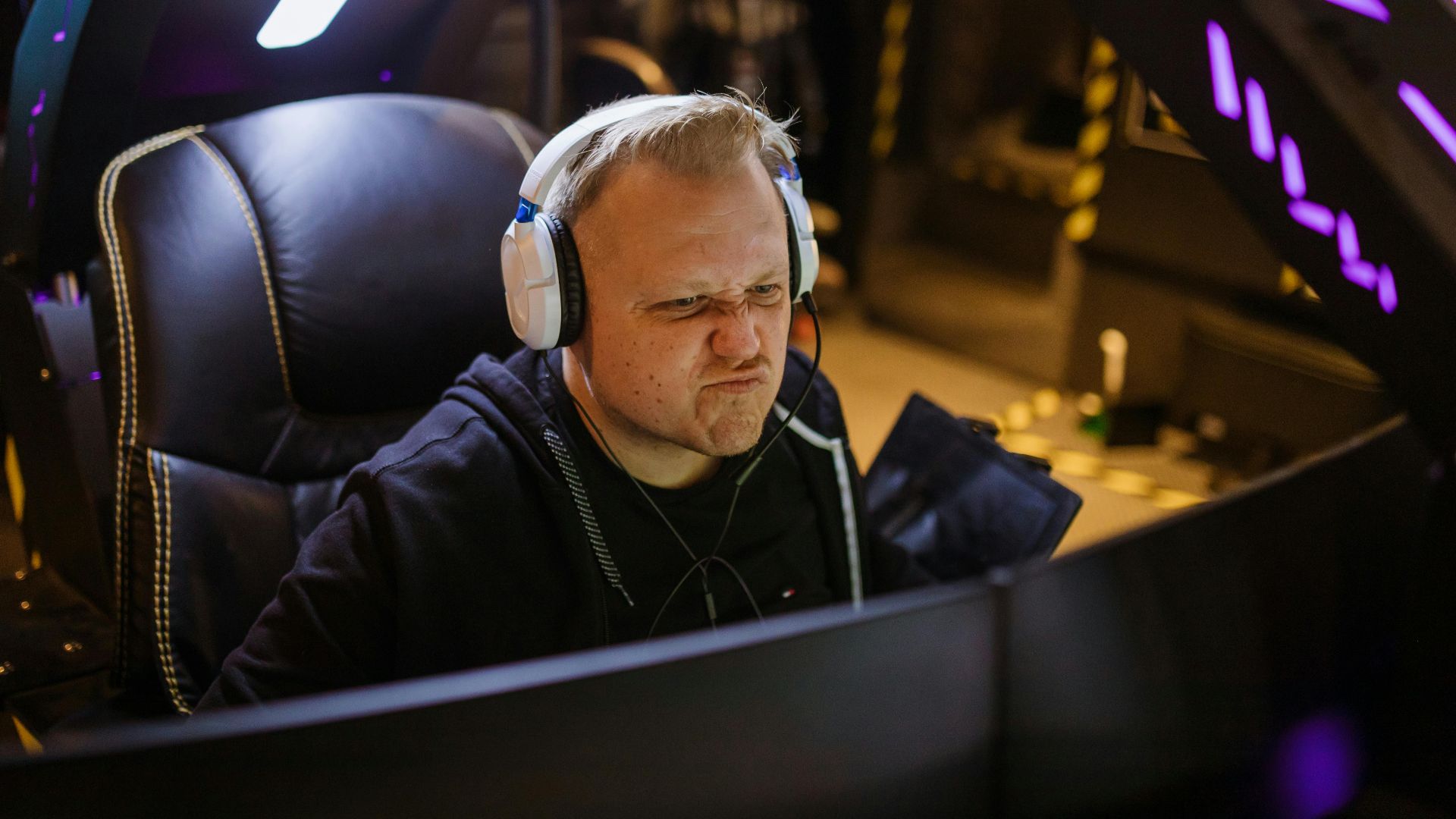
20. You're Probably Not Hopeless, Just Easy To Trigger
Yes, rage quitting is dramatic and uncomfortable to witness, but it doesn't mean you have to stay that way. It's all about building a consistent habit for handling these extreme emotions. You don't have to let it define you! So yes, while it does say something about you, it mostly means you need better emotional timing, not a completely different personality.