10 Ways Video Games Make You A Worse Person & 10 Ways It Makes You Better
What Happens When You Pick Up The Controller
Today, video games are a popular hobby shared by many. The industry has far advanced from what it used to be, offering a variety of fun and unique games to players looking to escape reality. And while gaming might seem like an activity you just do when you have free time, in reality, it can shape who you are as a person. Here are 10 ways your gaming habits might be making you into a worse person, and 10 ways it's changing you for the better.

1. Shorter Patience When Things Don’t Go Your Way
When you're so used to instant respawns and unlimited retries, life can start to feel, well, slow. You might find yourself growing more impatient, getting irritated by slow lines, delayed responses, or small obstacles. Over time, that impatience can spill into how you treat people who aren’t moving at your preferred speed.
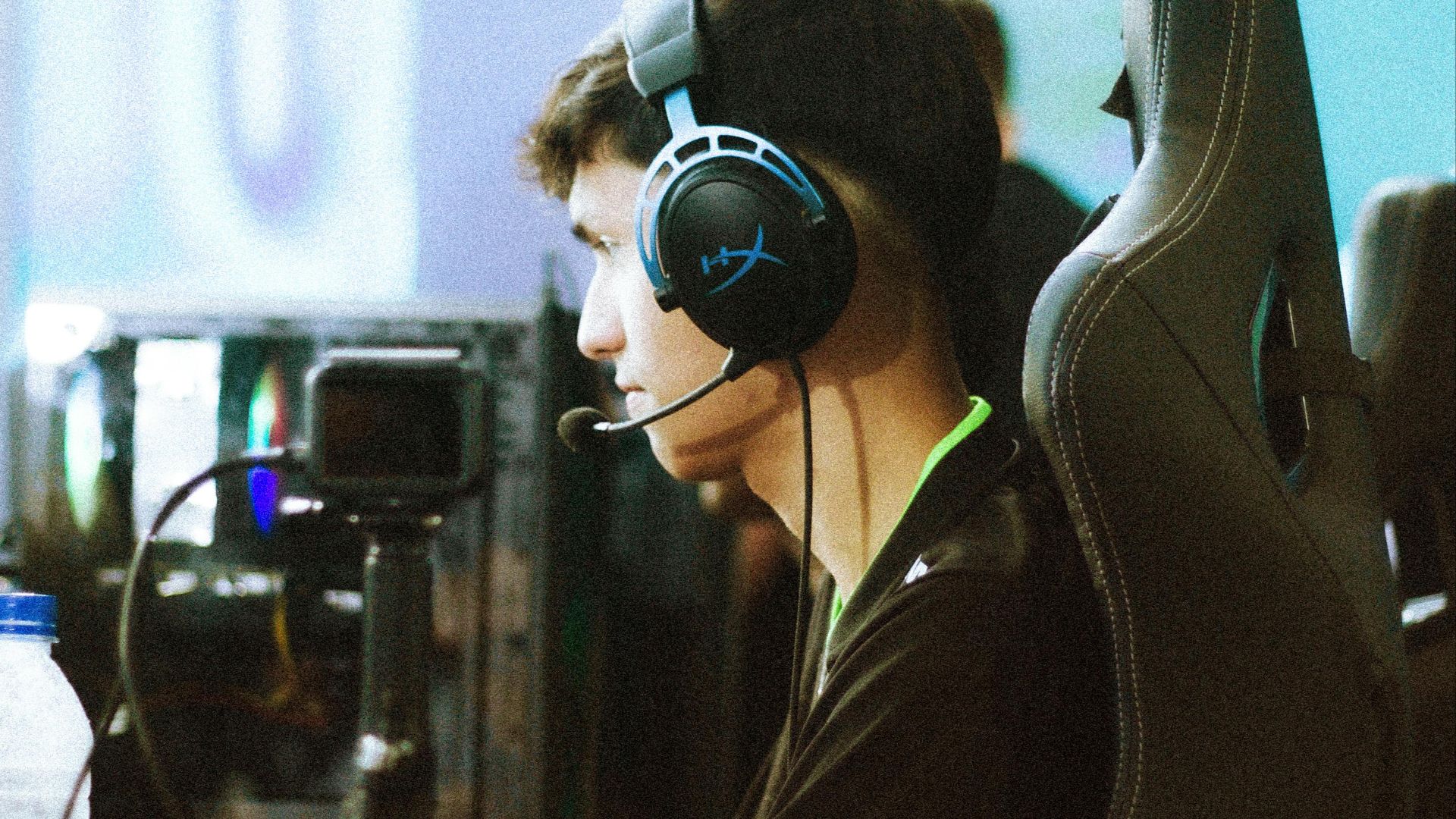
 Sebastian Herrmann on Unsplash
2. A Quick Trigger For Blaming Everyone Else
If you love playing team games, it's easy to point your finger at teammates for "making a mistake" instead of owning up to your own faults. When you start to lean on those excuses, you’ll practice deflecting responsibility without realizing it. That habit can follow you into real conversations where owning up is important.

3. Sharper, Less Kind Communication Under Pressure
In the heat of competitive play where every little second counts, being blunt and brusque becomes normal. But in real life, if you’re not careful, your tone will start getting harsher without you realizing it. Just because it works in games doesn't mean people will respond kindly in person.

4. Normalizing Trash Talk That Would Sound Awful Anywhere Else
It’s easy to laugh off insults when everyone’s doing it and the match ends quickly, but toxic gamer talk can affect your brain so that it doesn’t always separate “game talk” from “acceptable talk.” If you practice cutting people down for fun, it gets easier to do it outside the game when you’re annoyed.

5. Treating People Like Obstacles Instead Of Humans
There's no one-and-done solution for dealing with humans, but sometimes gamers can forget that when games reward efficiency, not empathy. You learn to prioritize outcomes, optimize actions, and ignore anything that slows progress. That mindset can make you dismissive in everyday situations where someone’s feelings should matter more than your “objective.”

6. Getting Too Comfortable With Low-Stakes Lying
Life isn't some game you can sneakily get away with. Whether it’s smurfing, bending rules, or “forgetting” to mention something in a group, games can encourage slippery ethics. You might justify it because it’s not “real,” but you're still choosing convenience over honesty. If you repeat that choice often, it stops feeling like a choice.

7. A Need To Win Every Conversation
Because winning is the end goal in many games, that focus can start to color your social instincts. You might interrupt more, insist on the last word, or treat disagreements like scoreboards. People notice when you’re trying to win them instead of understand them.

8. Reduced Tolerance For Boredom
Games are built to keep you engaged, and in all honesty, they’re very good at it! But after long sessions and many nights, normal tasks can begin to feel painfully under-stimulating in comparison. When you become too addicted to the thrill, it can lead you to avoid routines, procrastinate, or check out when life isn’t entertaining.

9. Neglecting Responsibilities While Telling Yourself It’s Fine
Ending on a loss might suck, but if you're not careful, it'll become dangerously easy to keep going until you win, ignoring all your responsibilites in the process. When that becomes a pattern, you start paying for it in small ways like missed sleep, late work, or forgotten plans. Even if no one calls you out, you’ll know you’re not showing up like you should.

10. Growing Cynical Toward Other People’s Competence
Without even realizing it, if you spend a lot of time watching strangers make bad plays or poor game calls, you might start assuming the worst in people. That attitude can bleed into daily life, where you judge quickly and give less grace.

1. Building Real Problem-Solving Stamina
If you look at the positives, many games actually help players build real-life skills. They ask you to observe patterns, test strategies, and become adaptable to quick-changing scenarios. You learn that the first approach usually isn’t the best one, and you get comfortable trying new approaches. That patience with trial and error can make you more capable when problems are actually important.
2. Practicing Self-Control Through Clear Goals
If you think about it, games often reward you for sticking to a plan, saving resources, and resisting impulsive moves. If you pay attention, you can carry that discipline into spending, scheduling, and long-term projects. It’s not magic, but it’s a solid training ground for delayed gratification.
3. Improving Attention To Detail
Every little detail counts in games, whether it’s timing, positioning, or noticing what changed in the environment. And in games where that's the difference between life and death, you're even more attentive! But what you might not have realized is that this attention to detail is basically rehearsing careful observation in a way that feels enjoyable. That skill can translate into fewer careless mistakes when you’re reading, planning, or checking your work.
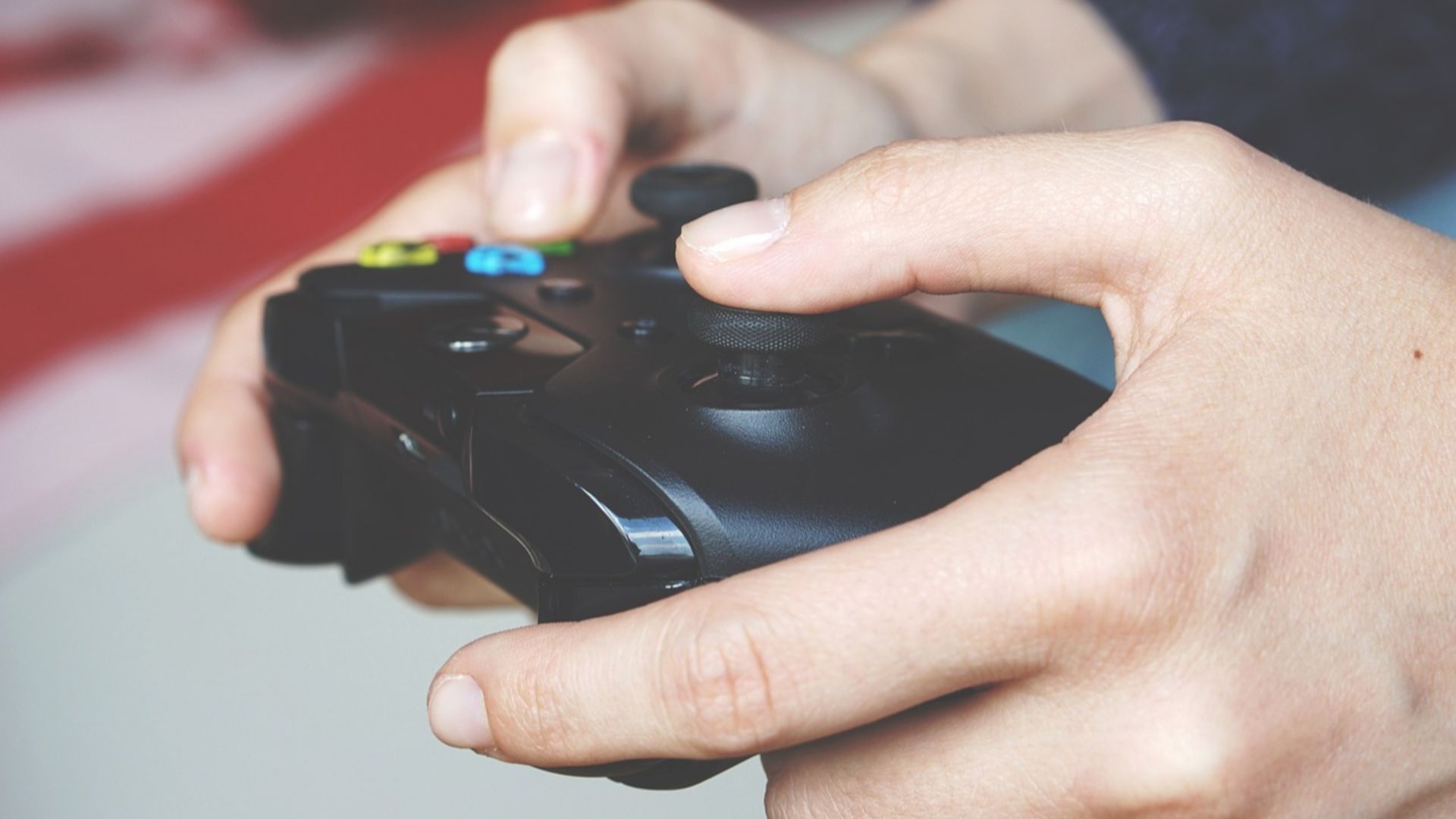
4. Learning How To Stay Calm While Things Get Messy
Many gamers know that video games can get chaotic and messy really fast. Sometimes strategies don't go as planned, or you're forced to adapt to some new condition. In these situations, you don't have time to spiral! You've learned to stay calm and make the best of your situation to beat the game. That steady reaction can help you handle real-life stress with less drama.

5. Becoming More Comfortable With Constructive Feedback
If you want to be the very best at a game, we wouldn't be surprised if you watch replays, read guides, or accept coaching. That's because you're trying to find ways to improve by learning from past mistakes and accepting criticism. That mindset can make you easier to work with and more likely to improve at anything in real life.

6. Strengthening Teamwork When You Choose To Play Well
Co-op and team games reward coordination, role clarity, and good communication. When you commit to helping the group succeed, you develop excellent social skills that help you grow as a team player. This habit can make you a better colleague, friend, and partner.

7. Expanding Social Confidence In Low-Pressure Spaces
Online communities can be messy, but they can also be a place to find your voice, especially if you struggle with meeting people in person. If you’re shy, games sometimes give you a clear reason to speak and a shared topic to discuss. Over time, that can make social interaction feel less intimidating.
8. Developing Strategic Thinking Instead Of Pure Reacting
Gamers often have to think far ahead in games instead of making spontaneous or random decisions. In other words, you get rewarded for planning ahead! You learn to consider trade-offs, read situations, and commit to choices even when they’re not perfect. That kind of thinking supports better decision-making in work and personal life.
9. Encouraging Curiosity And Learning New Systems
No two games are exactly the same. As a result, gamers are often being introduced to new mechanics, rules, and tools that they have to understand quickly if they want to do well. That curiosity and drive to perform well can actually carry over into technology, hobbies, and new skills in real life!

10. Offering Healthy Recovery Time When You Use It Well
Life can be stressful, and there's nothing wrong with decompressing, resetting your mood, or taking a break with your favorite game. When you play with limits and in a responsible manner, gaming can be a reliable way to unwind and come back sharper.