20 Internet Trends That Took Over The World Then Vanished
The Internet Moves On Fast
The internet has a special talent for making something feel unavoidable, like it has always been here and always will be. One week, every screen is doing the same dance, posting the same joke format, or screaming about the same five-second clip, and it starts to feel like a new law of physics. Part of the thrill is how quickly everyone can join in, with no gatekeepers and no patience required, just a camera, a caption, and the urge to belong to the moment. Part of the fun is how fast it disappears, leaving behind a digital attic of references that suddenly land like inside jokes from a different century. Here are 20 trends that swallowed the internet whole, then faded into the background.

1. The Harlem Shake
For a stretch in 2013, the internet turned into a montage of sudden chaos, with offices, dorms, and strangers in costumes convulsing to the same beat drop. It spread because it was short, easy to replicate, and fun to watch without context, which made it perfect for early social video sharing. Then the novelty burned out almost overnight, and the format started feeling like homework.
2. Gangnam Style Parodies
“Gangnam Style” wasn’t only a hit song, it was a global template for copying, spoofing, and localizing the same joke in a thousand accents. The dance was simple enough to imitate and silly enough to invite participation, which turned the internet into one big costume party. After the peak, the parodies started blending together, and the world quietly returned to its usual playlists.

3. The Ice Bucket Challenge
The ALS Ice Bucket Challenge became a rare thing, a viral trend with a real-world fundraising impact, propelled by social pressure, celebrity participation, and easy visibility on Facebook. It worked because it was performative, charitable, and slightly uncomfortable, which made people feel brave and good at the same time. It also showed how fast the internet can move on from earnestness once the last bucket hits the head.

4. Planking
Planking was the minimalist cousin of dance challenges, a flat-body pose in odd places that felt rebellious in the gentlest possible way. It spread because it was easy, photo-friendly, and weird enough to get attention without requiring talent. Eventually the pose started looking less like humor and more like a cry for engagement.

5. Flash Mobs
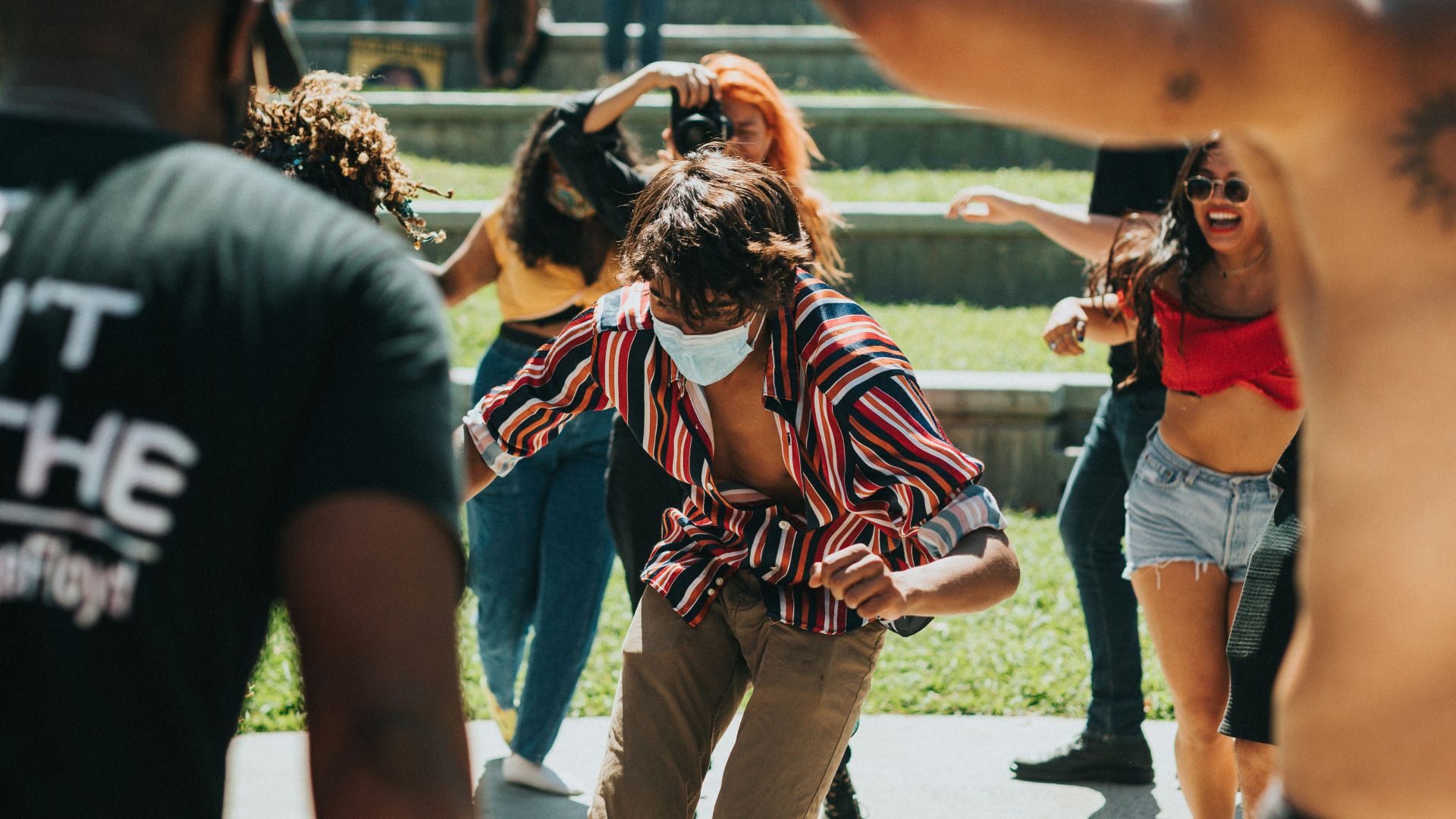
For a few years, the idea of strangers suddenly breaking into choreography in public spaces felt like a charming hack of everyday life. The internet loved the surprise factor and the group coordination, and news coverage amplified the mystique. Then it started to feel staged, brands got involved, and the magic leaked out.
6. Rage Comics
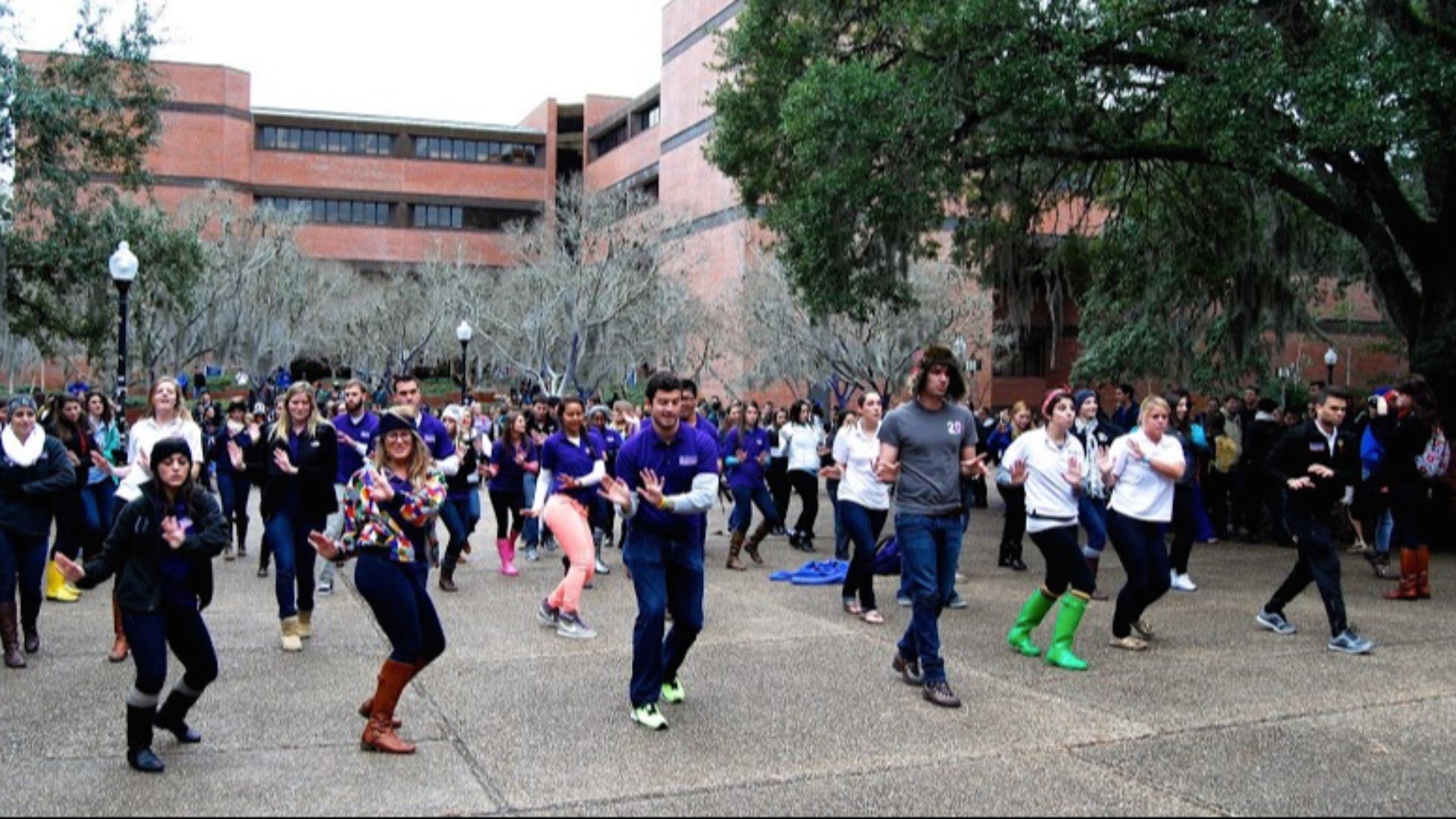
Rage comics turned simple feelings into a shared visual language, with the same faces showing up in endless variations of petty frustration. They were easy to make, easy to recognize, and perfect for the early meme era of forums and image boards. Once meme formats got faster and more visually sophisticated, rage comics started looking like dial-up humor.
7. Advice Animals
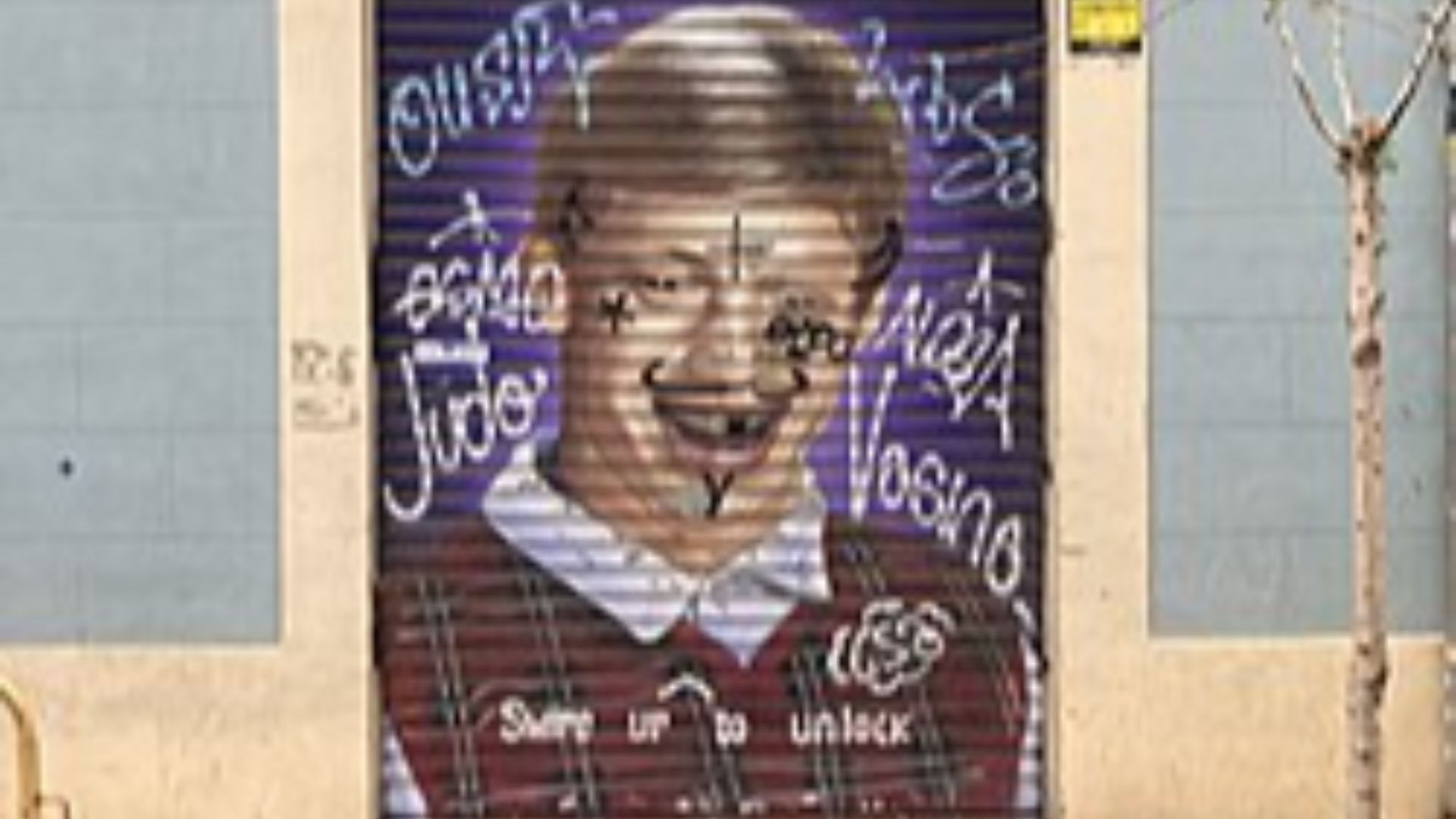
“Success Kid,” “Bad Luck Brian,” “Philosoraptor,” and their cousins dominated an era where a single image and bold text could carry a whole social identity. These memes thrived because they were modular, letting anyone plug in a joke that matched the character. Then the internet’s taste shifted toward irony, remixing, and video, and the animals stopped talking.
 commons.wikimedia.org on Google
8. LOLcats
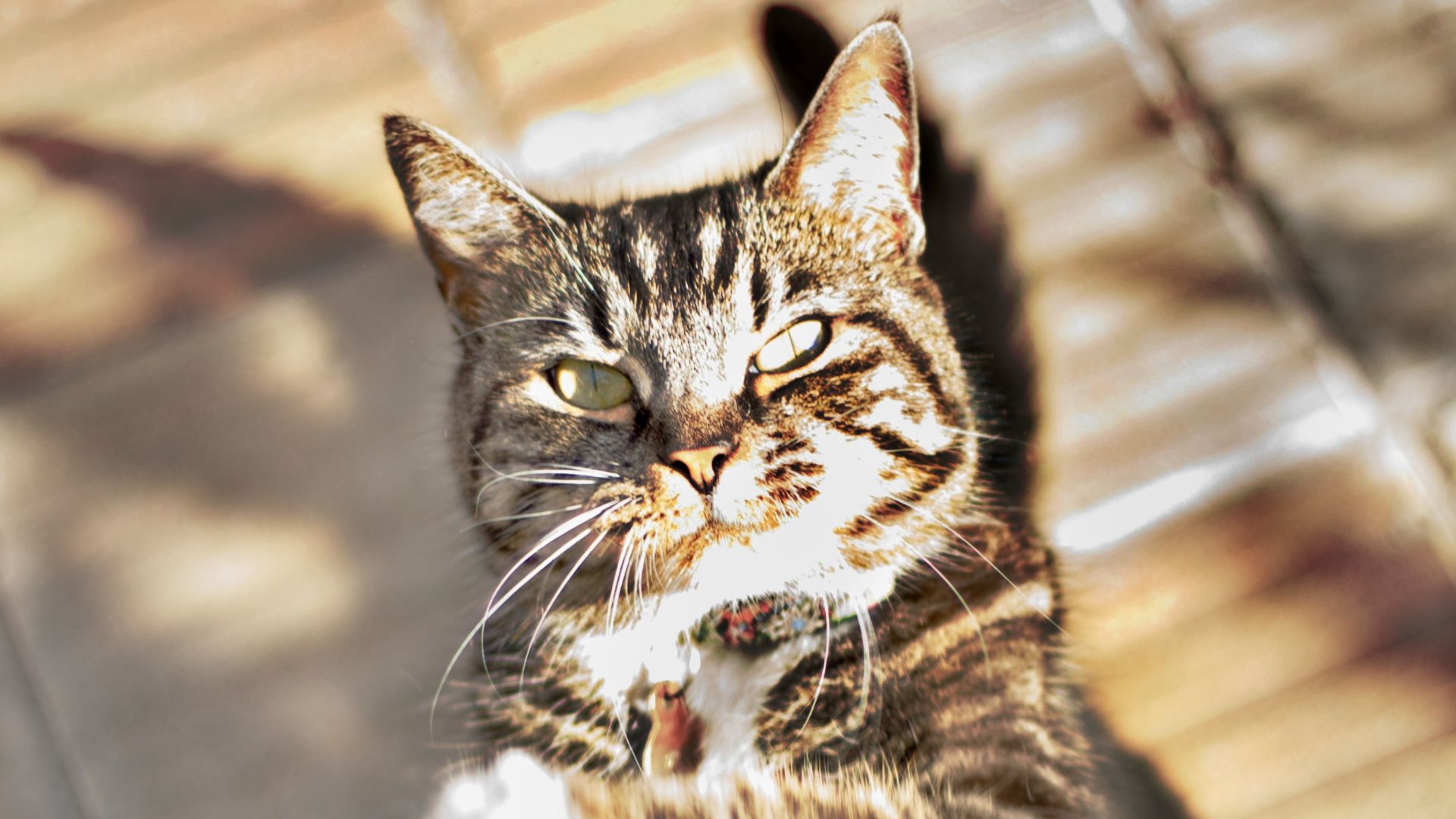
A cat photo with broken English felt like a universal language in the late 2000s, partly because cats are reliable comedians and partly because the captions were instantly legible. The format helped shape meme culture into something mainstream and shareable. Eventually the joke became the background, and the internet moved on to newer ways of being weird.
 Beatrice Murch, Reseletti on Wikimedia
9. Rickrolling
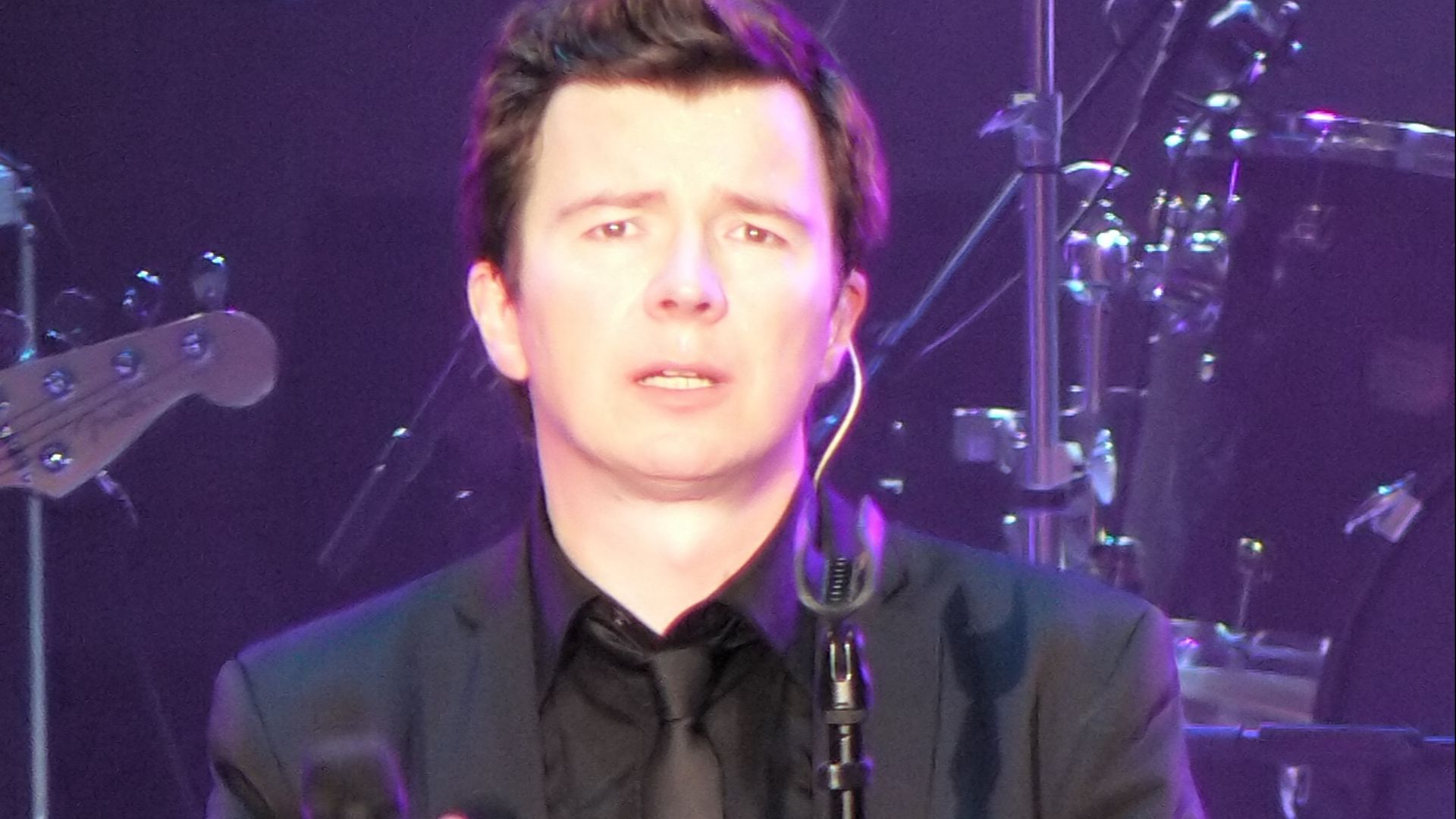
Rickrolling was pure prank energy, the delight of sending someone toward a “link” and watching them land in Rick Astley’s “Never Gonna Give You Up.” It worked because it was harmless, unexpected, and easy to deploy anywhere links existed. Once everyone knew the trick, it became less ambush and more nostalgia.
10. Kony 2012
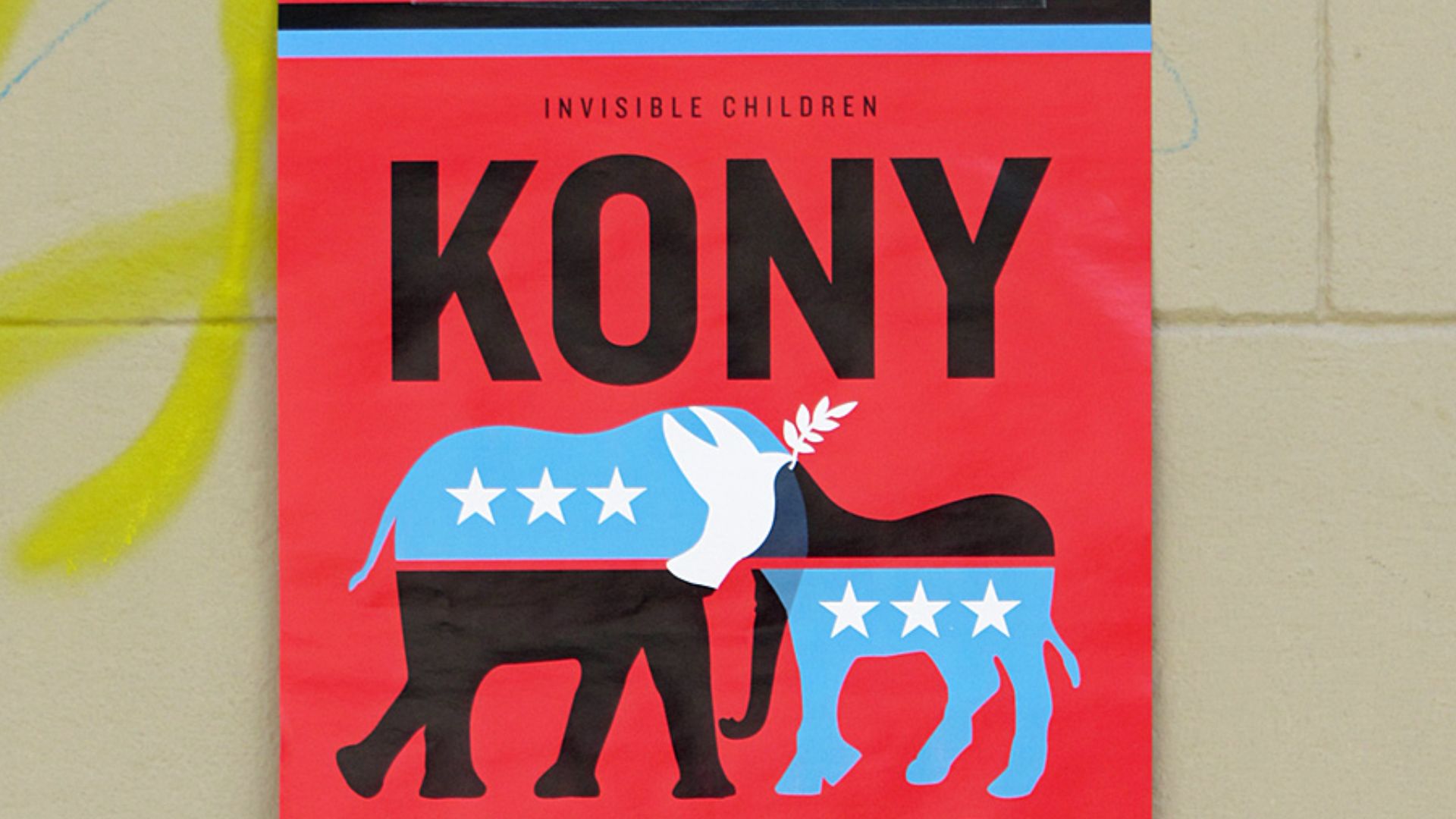
“Kony 2012” hit with the force of a moral lightning strike, a documentary-style campaign that turned social feeds into activism for a moment. It showed how rapidly attention can gather around a cause, especially when the story is framed with urgency and clarity. It also showed how quickly that attention can scatter when the conversation gets complicated.
 Newtown grafitti from Sydney, Australia on Wikimedia
11. The “Dress” Color Debate
A single photo of a dress turned millions of people into amateur vision scientists arguing about blue and black versus white and gold. The appeal was that it felt personal and undeniable, like your eyes were telling the truth and everyone else was lying. As soon as the novelty wore off, it became one of those references that makes people groan and smile at the same time.

12. Pokémon Go Crowds
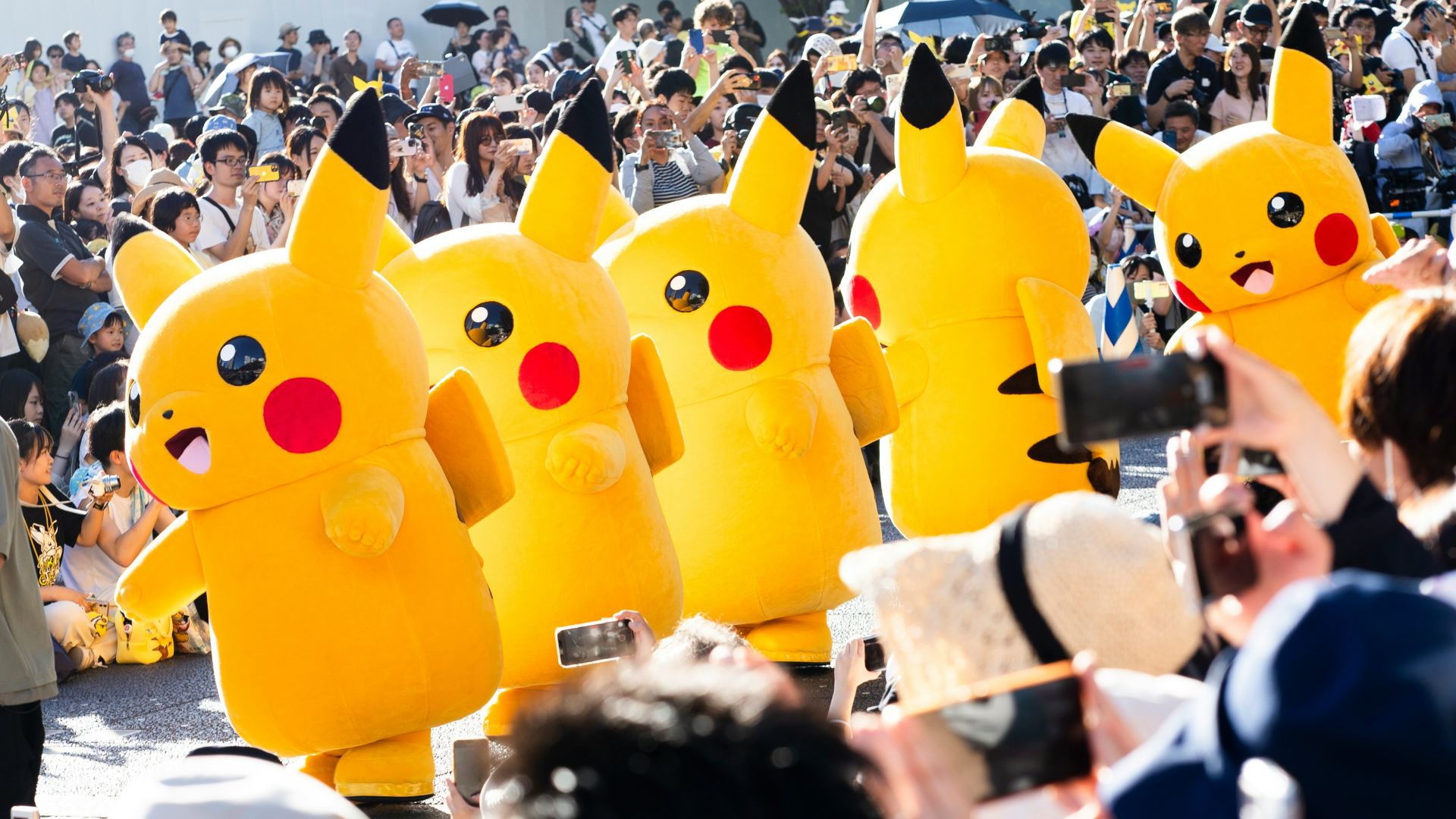
In 2016, parks, sidewalks, and downtown blocks filled with people staring at phones like they were following invisible fireflies. Pokémon Go felt like the internet spilling into the real world, and for a minute it seemed like everyone was outside together. Then the daily grind set in, the novelty softened, and the crowds thinned.
 Wiryan Tirtarahardja on Unsplash
13. Vine Catchphrases
Vine didn’t just create short videos, it created a shared library of quotes that people repeated in hallways, group chats, and comments. The platform’s constraints forced creativity, and the stars felt like friends you discovered early. When Vine died, the culture scattered into other apps, and the specific cadence of Vine humor became a time capsule.

14. The Mannequin Challenge
The mannequin challenge turned normal rooms into freeze-frame scenes, often with a camera drifting through like it had stumbled into a paused universe. It spread because it made groups look coordinated and cinematic with minimal effort. Then it got overused, and stillness stopped feeling clever.

15. The “Charlie Bit My Finger” Era
Early viral video culture had a home-movie sweetness, and “Charlie Bit My Finger” became shorthand for the whole era. People shared it because it felt innocent, relatable, and oddly rewatchable. Eventually viral videos became more polished and strategic, and that kind of accidental fame started feeling rare.

16. Nyan Cat
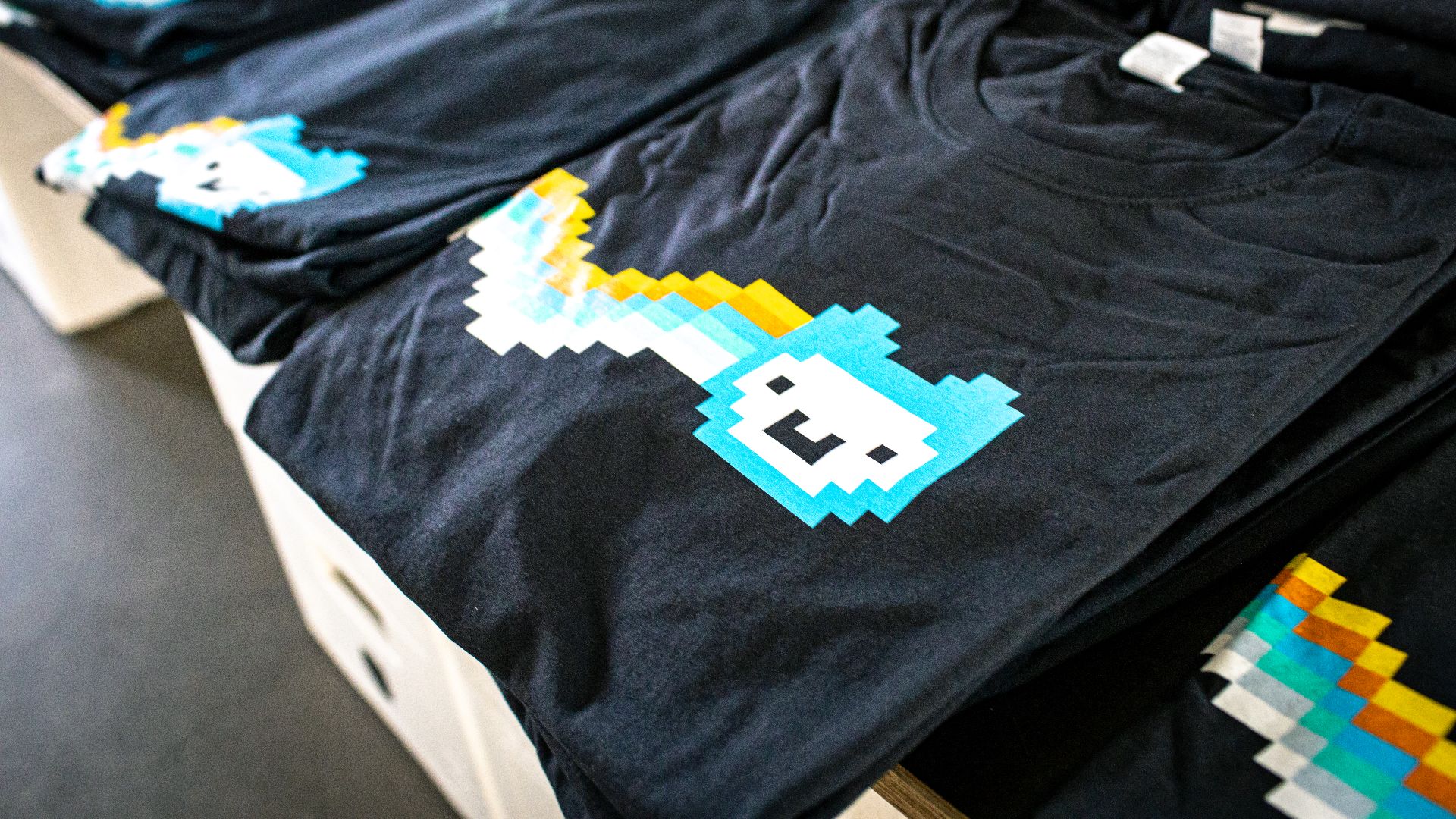
A flying pixel cat with a rainbow trail became a loop you couldn’t unhear, a sensory meme built for repetition. It spread through pure absurdity, and the internet rewarded that kind of nonsense with devotion. Like most loop memes, it eventually wore grooves into everyone’s brain, then quietly faded.
 Open Knowledge Foundation Deutschland from Deutschland on Wikimedia
17. Doge Speak
“Such wow” and “much this” turned a Shiba Inu into a global tone of playful admiration and mock sincerity. The style was easy to imitate, and it slipped into brand accounts, which usually signals that a trend has reached full saturation. Once the language became predictable, it stopped feeling like a secret handshake.
18. Hoverboards
Hoverboards were less a real hoverboard and more a status object that filled social media with shaky indoor rides and occasional wipeouts. The hype rode on the promise of the future arriving cheaply, in a box, and instantly. Safety issues and fading novelty turned them into closet clutter and memes about regret.

19. Fidget Spinners
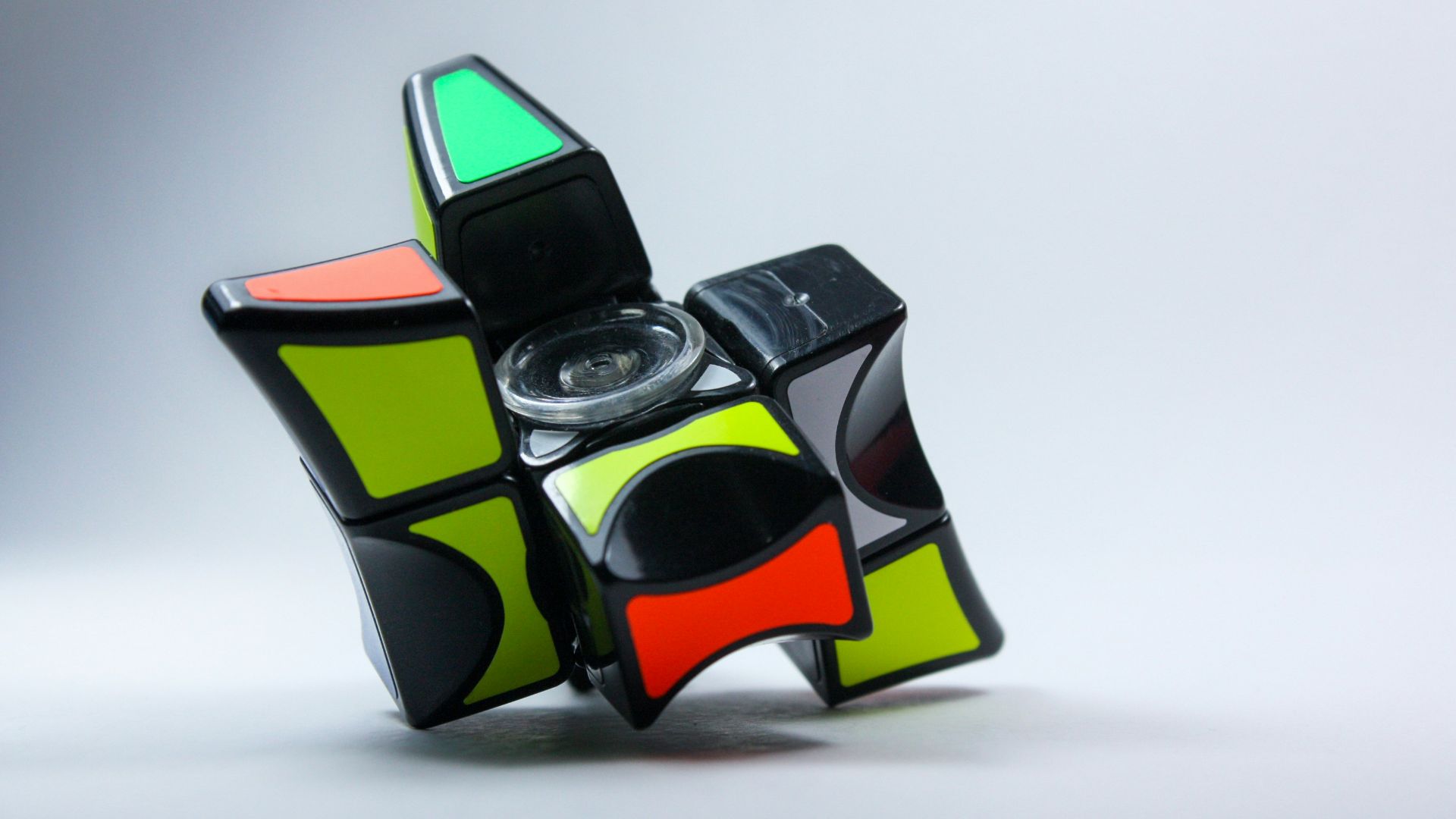
Fidget spinners exploded as a pocket-sized obsession, fueled by videos, classroom drama, and the satisfying visual of endless spinning. They were simple, cheap, and instantly shareable, which made them ideal for a rapid wave of copycat products. The moment the spinner stopped feeling novel, it became just another small object that somehow ended up everywhere.
20. Yik Yak Confessions
Anonymous local posting made Yik Yak feel like your campus or neighborhood had a secret whisper network. It thrived on gossip energy and the thrill of saying what you wouldn’t attach to your name. Once the risks, moderation problems, and cultural shift toward identity-based platforms caught up, the app’s moment collapsed, and the whispers went elsewhere.