Some Universes Require Serious Homework
Being a fan is usually simple enough until someone asks you to explain the timeline. Certain franchises have spent decades adding ancient civilizations, alternate realities, forgotten gods, retcons, parallel universes, and enough family drama to make even longtime fans double-check the wiki. You can enjoy most of these worlds casually, but understanding every detail is another matter entirely. These 20 fandoms have built some of the deepest, strangest, and most complicated lore around.
1. Warhammer 40,000
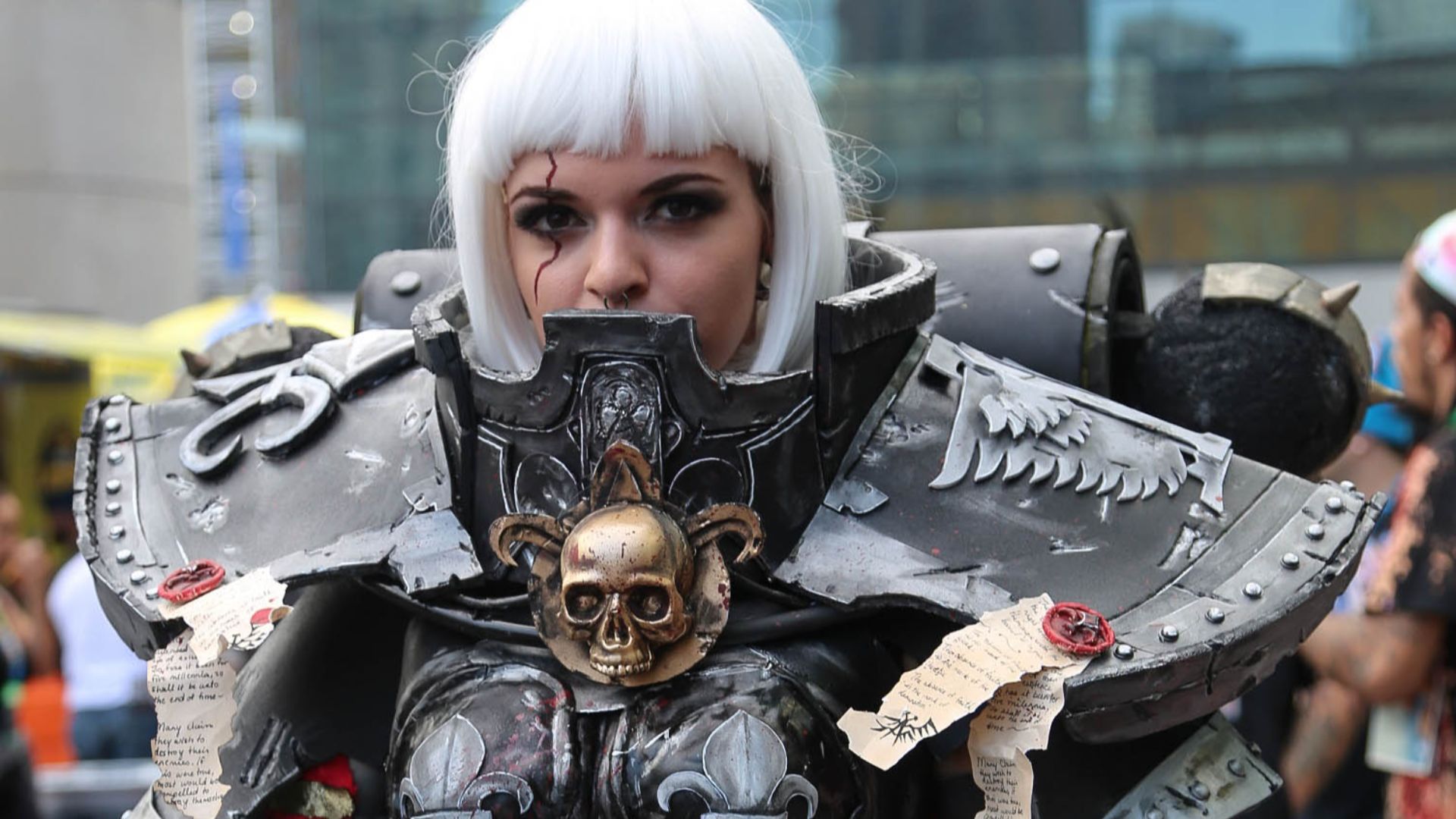
Warhammer 40,000 has accumulated decades of lore across rulebooks, novels, games, codices, and countless other releases. Its history stretches across thousands of years and involves the Imperium of Man, the Chaos Gods, alien civilizations, religious factions, and one extremely dysfunctional collection of Space Marine legions. Even figuring out the Horus Heresy can send you through dozens of books before you've scratched the surface.
2. The Elder Scrolls
If you've only played Skyrim, you may not realize how strange The Elder Scrolls becomes once you dig deeper. Its mythology includes competing creation stories, vanished civilizations, unreliable historical accounts, and divine beings that may have rewritten reality. The franchise regularly leaves contradictions intact, meaning understanding the lore sometimes involves accepting that several versions of history might all be partially true.
3. The Lord of the Rings
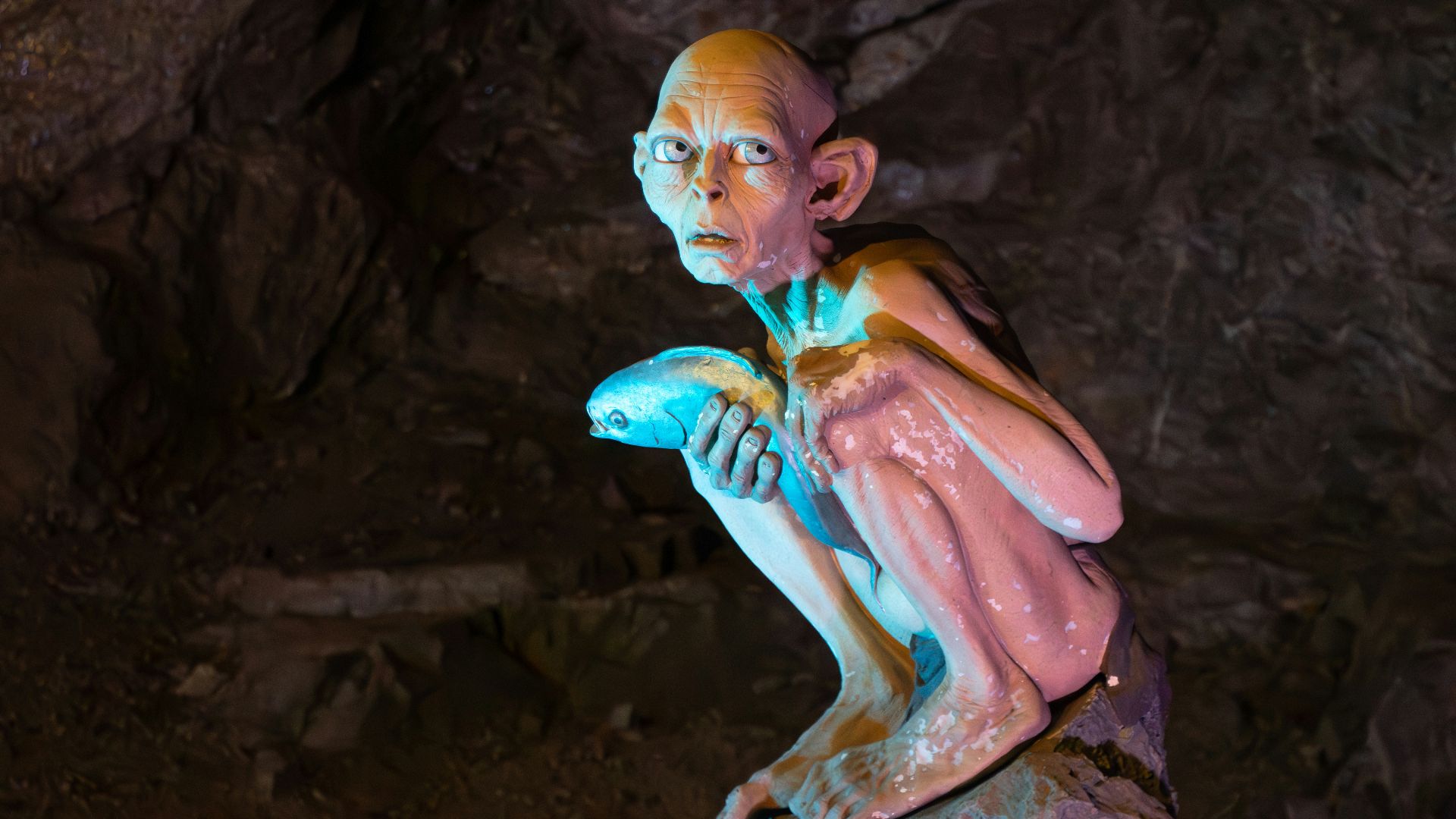
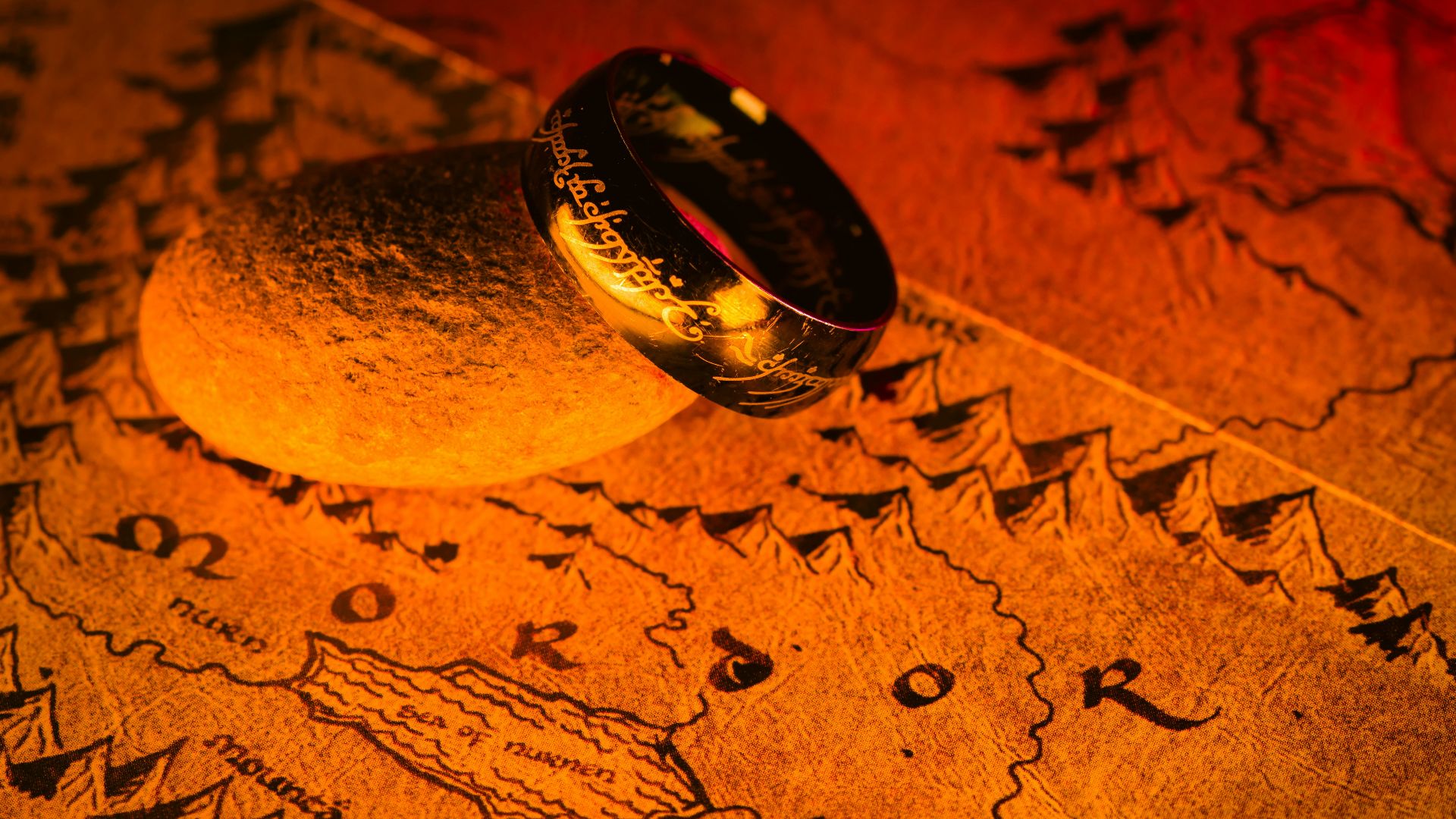
The movies tell only a small portion of the history J.R.R. Tolkien created for Middle-earth. Once you move into The Silmarillion, Unfinished Tales, and Tolkien's other writings, you're dealing with multiple ages, divine beings, enormous family trees, extinct kingdoms, invented languages, and thousands of years of conflict. Remembering which elf belongs to which ancient bloodline can become a project by itself.
4. Star Wars
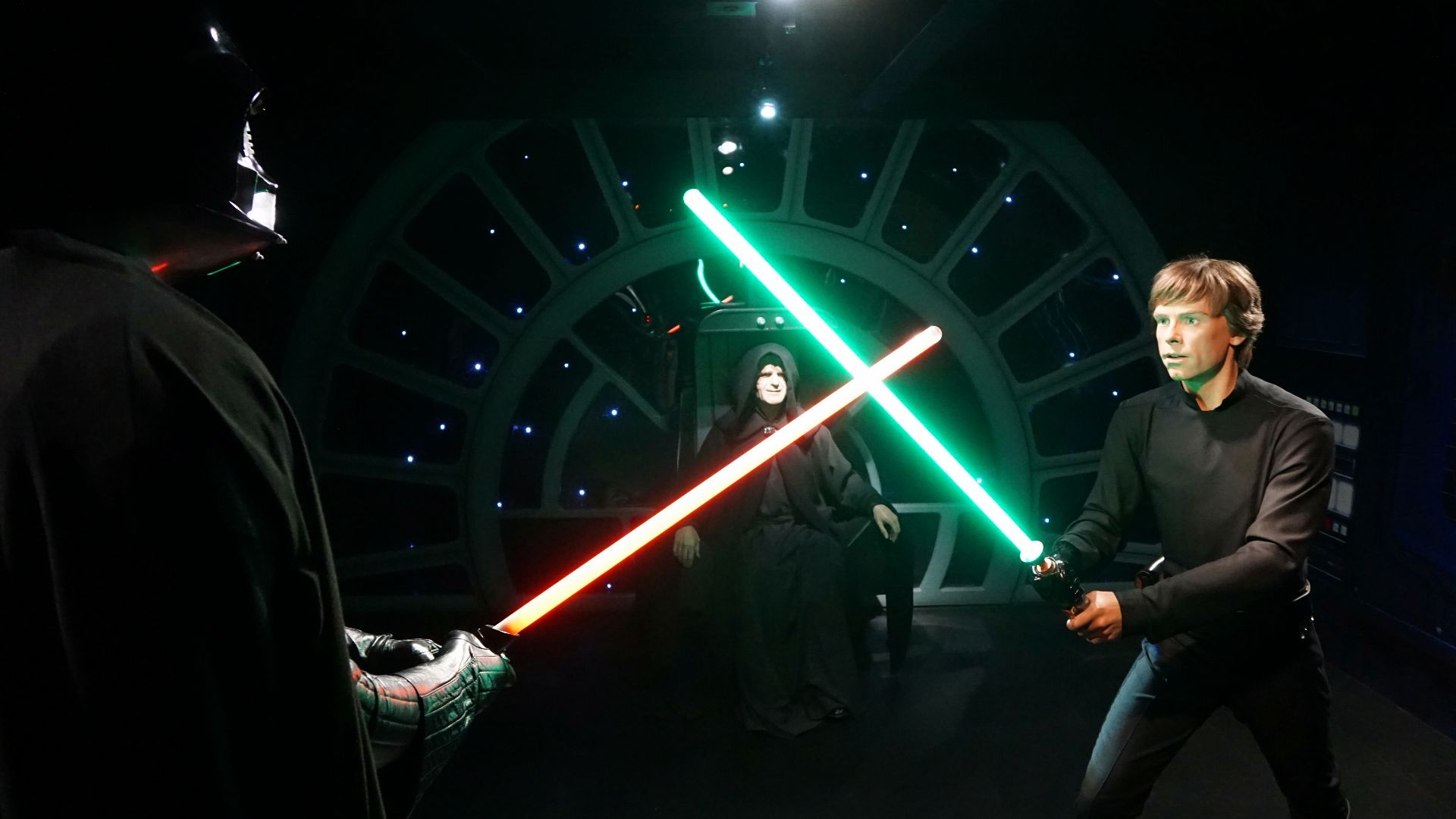
Star Wars seemed fairly manageable when there were only three movies. Today, the fandom has movies, television shows, novels, comics, games, reference books, and decades of older material now classified as Legends. Add the ancient Jedi, Sith history, Mandalorian politics, cloning experiments, Force mythology, and shifting continuity, and there's a lot more happening than lightsabers and space battles.
5. Kingdom Hearts
Kingdom Hearts has earned its reputation for being difficult to summarize. The story involves multiple versions of characters, split hearts, Nobodies, dream worlds, time travel, digital realities, ancient Keyblade wielders, and important plot information scattered across several games. Skipping what looks like a minor handheld installment can leave you surprisingly confused several games later.
6. Dark Souls
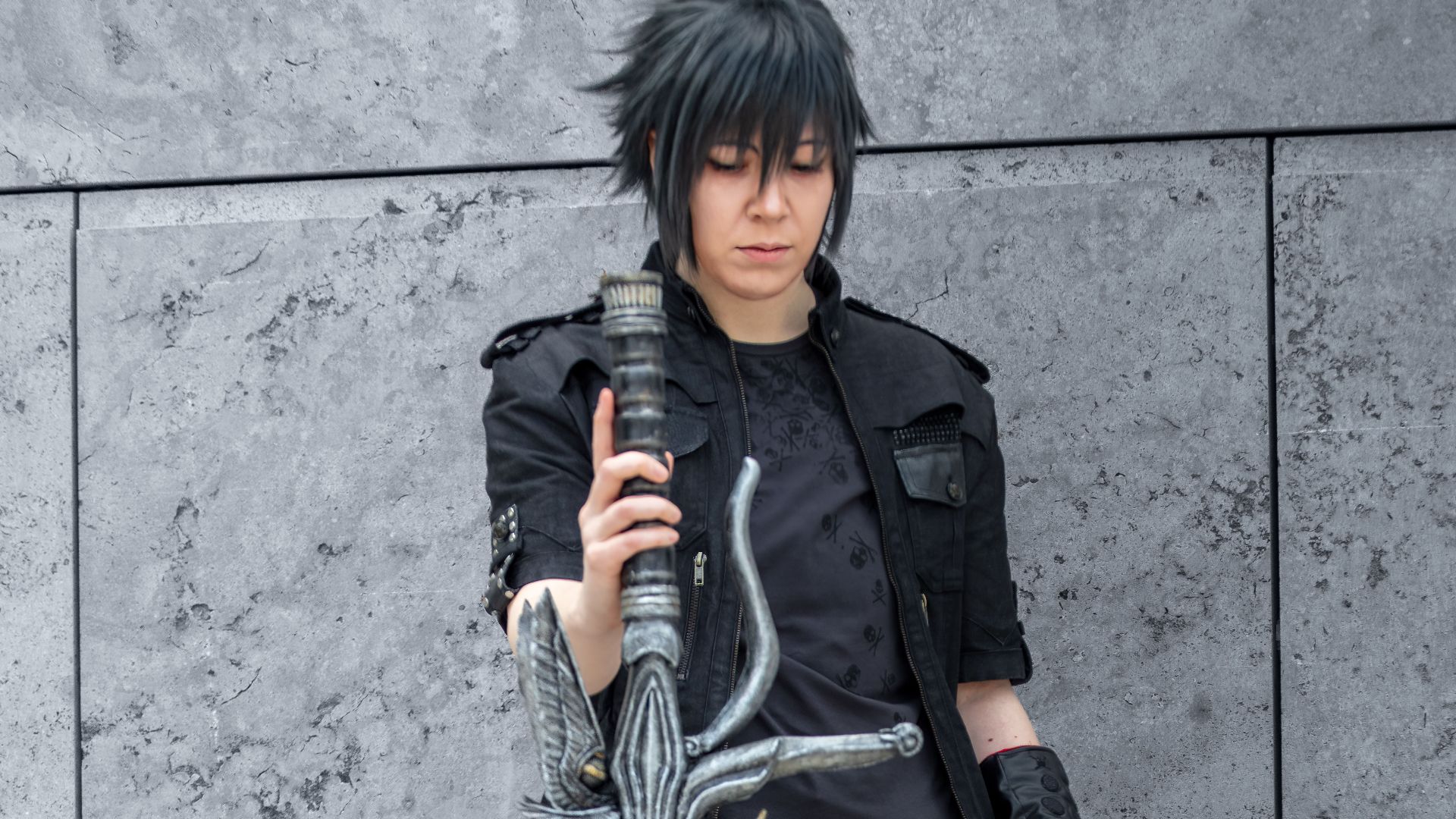
Dark Souls rarely sits you down and tells you exactly what happened. Instead, much of its history has to be pieced together from item descriptions, ruined environments, cryptic conversations, boss designs, and hints that don't always provide definitive answers. Fans have spent years debating everything from character identities to the exact nature of the world's repeating cycles.
 FromSoftware and Bandai Namco Entertainment on Wikimedia
7. Doctor Who
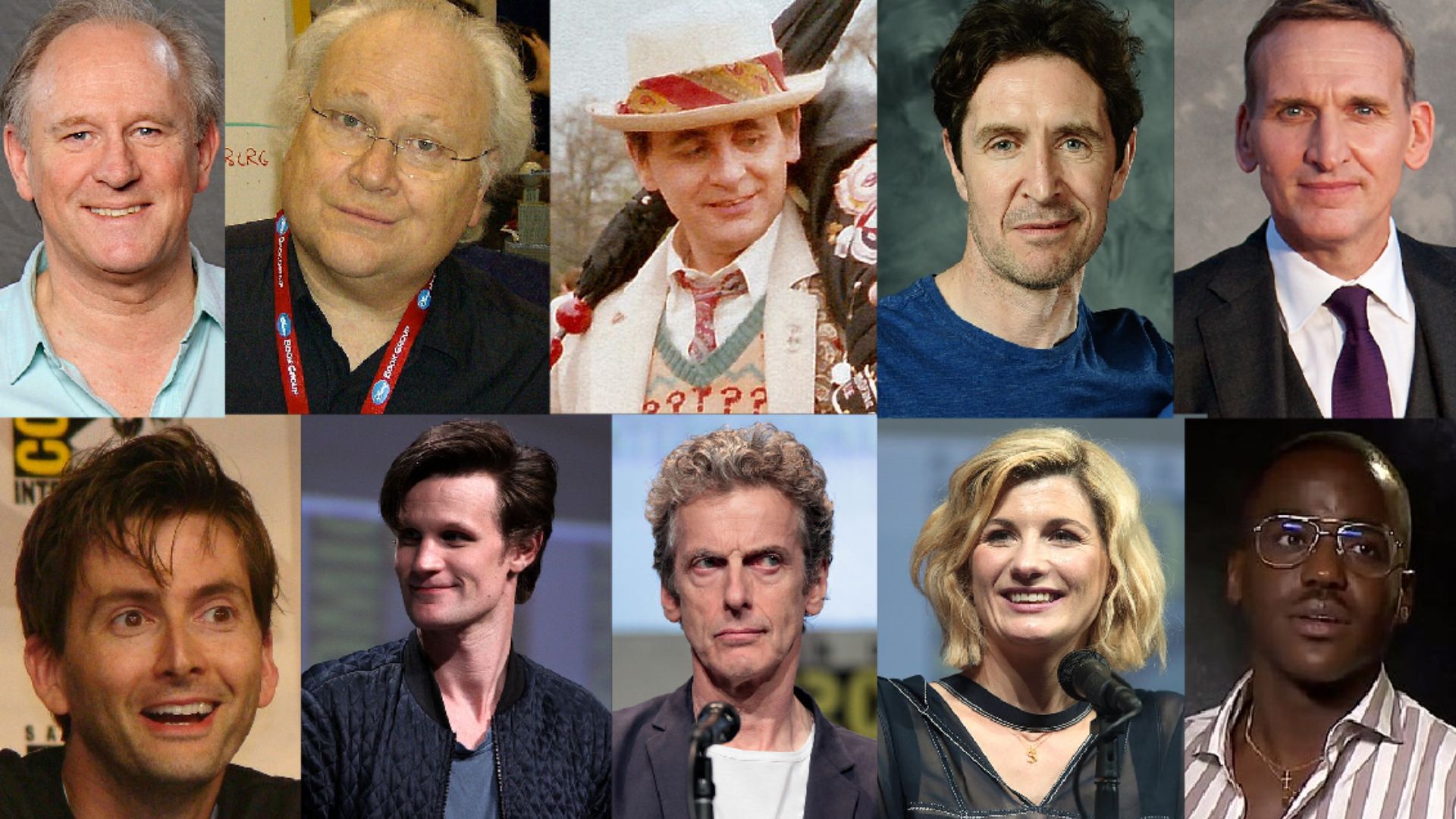
Any show that's been running in some form since 1963 is going to accumulate complications. Doctor Who has regeneration, alternate universes, rewritten histories, destroyed planets that later return, contradictory accounts of the Doctor's past, and plenty of time travel capable of changing previously established events. Trying to build one perfectly consistent timeline is almost impossible, although that hasn't stopped fans from attempting it.
8. Warcraft
Warcraft's mythology extends far beyond the conflict between the Alliance and Horde. The setting includes cosmic forces, ancient gods, Titans, demons, alternate timelines, resurrected characters, magical realms, and thousands of years of history spread across games, novels, and supplementary material. Blizzard has also revised portions of the canon over time, which can make older explanations tricky to follow.
9. Marvel Comics
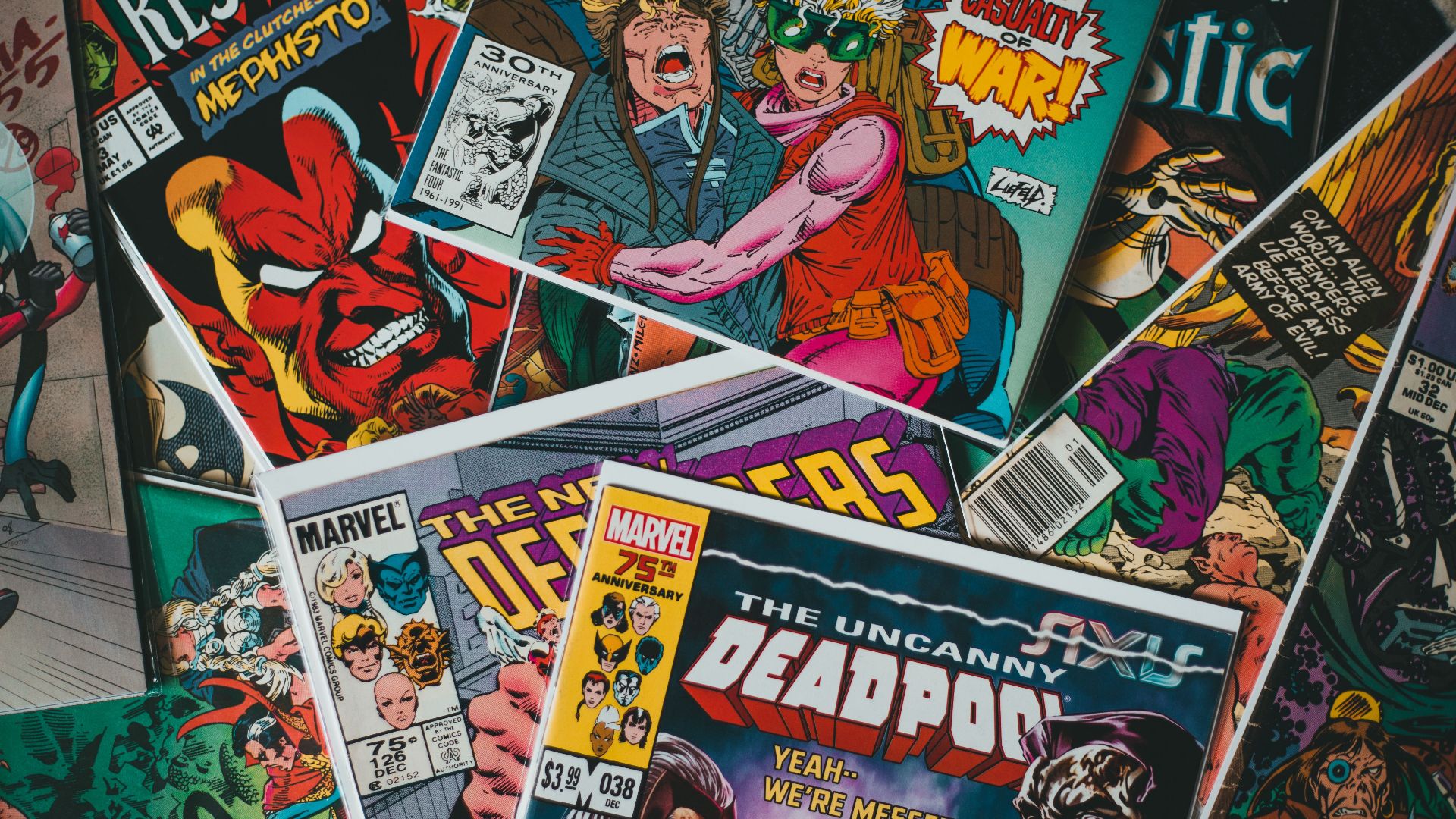
Marvel's main comic continuity has existed since the early 1960s, and characters from even earlier stories have been incorporated into it. Since then, readers have encountered alternate Earths, clones, secret identities, cosmic beings, rewritten histories, resurrections, and huge crossover events that affect dozens of separate series. Following one superhero is manageable, but trying to understand the entire Marvel Universe is another story.
10. The Legend of Zelda
For years, Zelda fans debated how games such as Ocarina of Time, A Link to the Past, and Twilight Princess could possibly fit together. Nintendo eventually published an official timeline that divided the series into multiple branches, which answered some questions while creating plenty of new ones. Later games have continued giving fans reasons to argue about chronology, reincarnation, ancient civilizations, and exactly where everything belongs.
11. Dungeons & Dragons
Dungeons & Dragons doesn't have one straightforward fictional universe. Instead, it features numerous settings such as the Forgotten Realms, Greyhawk, Dragonlance, Ravenloft, Spelljammer, and Planescape, each carrying its own enormous history. Once planes, gods, editions, magical catastrophes, and interconnected worlds enter the discussion, there's enough lore to keep players reading for years.

12. Destiny
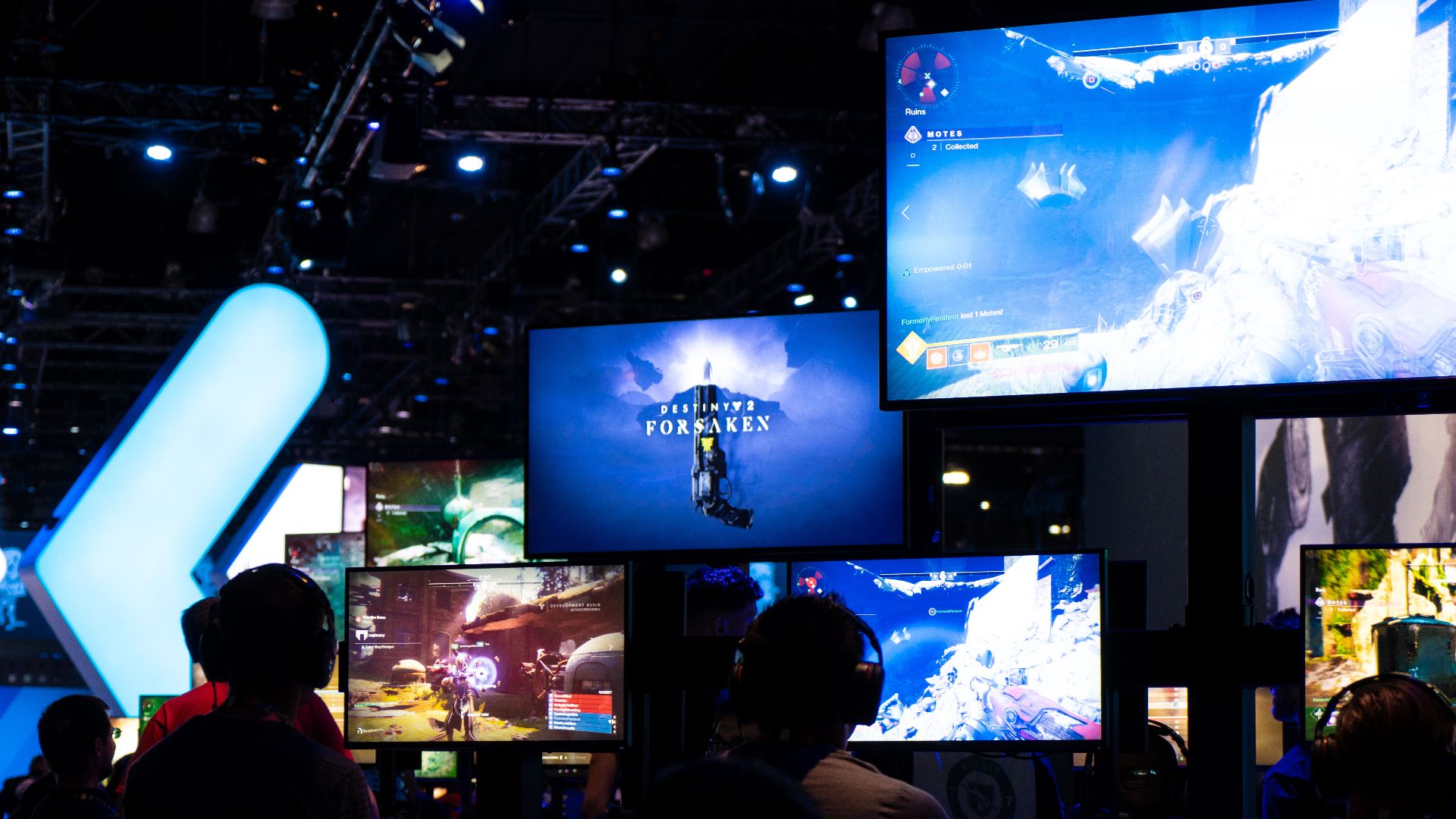
Destiny hides an impressive amount of history behind its relatively straightforward sci-fi shooter gameplay. The universe contains ancient civilizations, reality-altering forces, mysterious entities, fallen empires, competing philosophies, and centuries of events surrounding the Traveler and the Darkness. Much of that information has traditionally appeared through lore entries and collectible text, rewarding anyone willing to dig.
13. Five Nights at Freddy's
Five Nights at Freddy's became famous partly because it refuses to explain its story normally. Fans have reconstructed events through hidden minigames, background details, secret messages, books, character designs, and clues that sometimes appear intentionally ambiguous. Even basic questions about identities, timelines, and which events actually happened can produce remarkably long discussions.
 Blumhouse Productions and Striker Entertainment on Wikimedia
14. Final Fantasy XIV
Final Fantasy XIV starts with familiar fantasy conflicts before steadily revealing a much larger history. Its world includes fallen civilizations, reincarnated souls, alternate reflections of reality, ancient beings, political rivalries, and events stretching back thousands of years. Several expansions dramatically change how earlier parts of the story are understood, making the full narrative especially rewarding for players who remember small details.

15. Halo
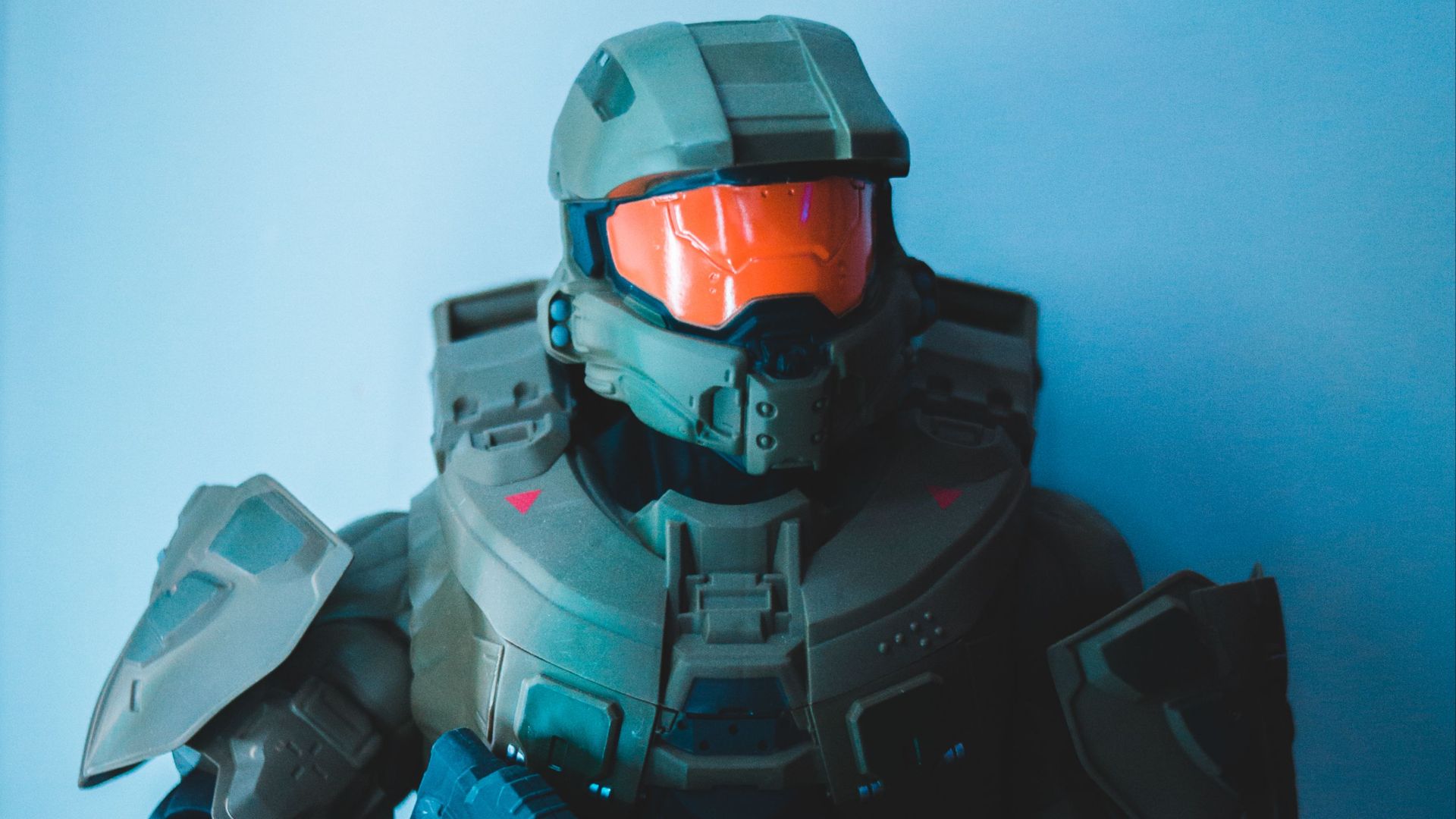
Halo's games only cover part of its enormous backstory. Novels, comics, reference books, and other material explore the Forerunners, ancient humanity, the Covenant, artificial intelligence, Spartan programs, and wars that occurred long before Master Chief entered the picture. Once you start researching the Precursors and the earliest history of the Flood, the universe becomes considerably more complicated.
16. Pokémon
Pokémon looks simple when your main goal is catching colorful creatures and earning badges. Look deeper, though, and you'll find creation myths, ancient wars, alternate dimensions, legendary Pokémon controlling fundamental forces, mysterious civilizations, and increasingly elaborate regional histories. The games also leave enough unanswered questions for fans to spend years connecting clues between generations.

17. A Song of Ice & Fire
George R.R. Martin filled Westeros and the lands beyond it with far more history than the main story immediately requires. There are extinct dynasties, disputed royal successions, ancient civilizations, competing religions, mysterious prophecies, and historical accounts that may have been deliberately distorted. Fans can argue over events from thousands of years before the novels and still find evidence supporting several interpretations.
18. Fallout
Fallout builds much of its story through environmental details, computer terminals, recordings, and encounters with groups that remember history very differently. The setting covers prewar politics, secret experiments, rival governments, mutated communities, military factions, and centuries of events following the nuclear apocalypse. Even something as simple as the origins of a particular technology can lead you into a surprisingly deep rabbit hole.
19. DC Comics
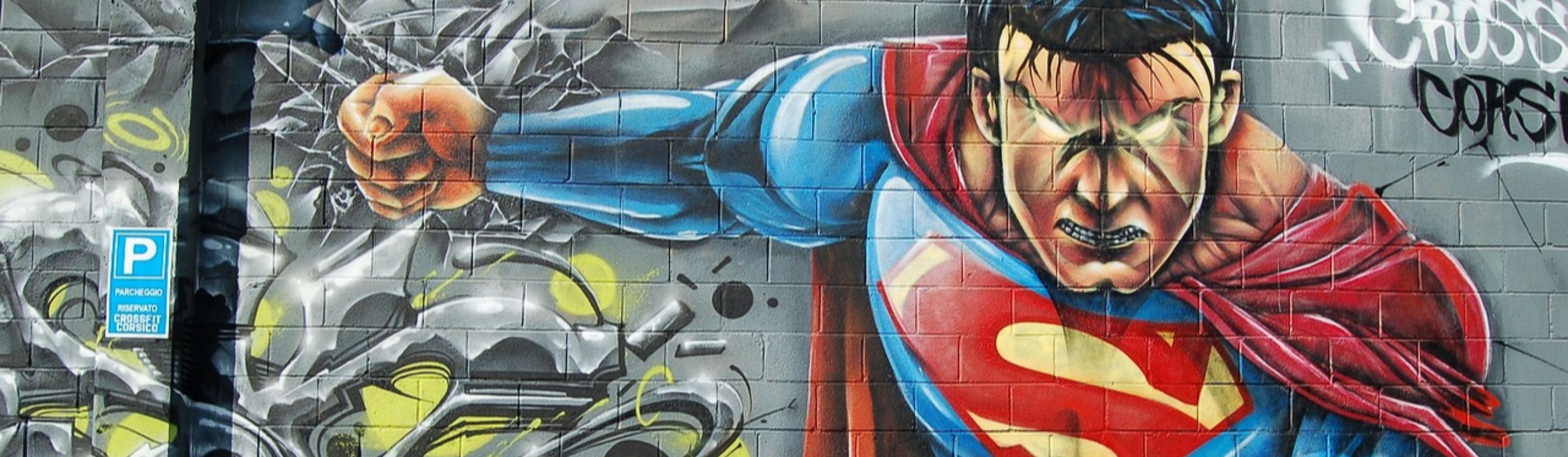
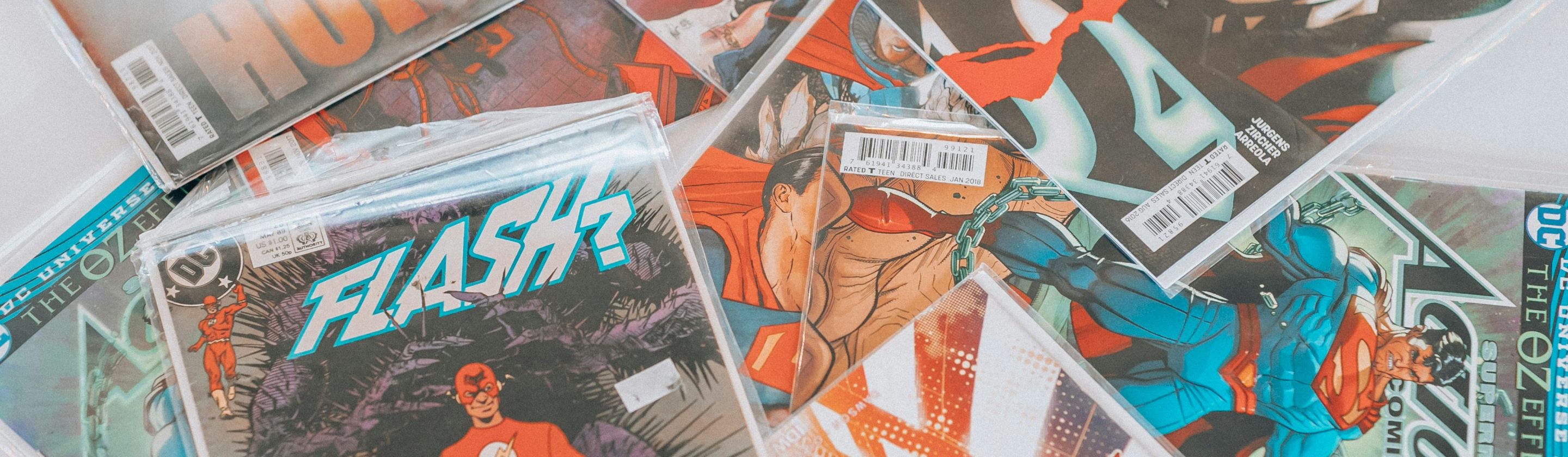
Decades of DC Comics continuity have produced several versions of many famous characters. Major events such as Crisis on Infinite Earths, Flashpoint, and various continuity resets have merged universes, rewritten histories, restored forgotten characters, and created new timelines. Understanding exactly which Superman, Batman, or Flash you're reading about can occasionally require knowing what happened in a completely different comic years earlier.
20. The SCP Foundation
The SCP Foundation might be the ultimate example of lore growing beyond anyone's ability to completely control it. Thousands of community-created entries describe supernatural objects, organizations, alternate realities, apocalyptic events, and competing explanations for what the Foundation itself actually is. There isn't even one mandatory canon, so contradictory stories can exist side by side while each develops its own massive web of interconnected lore.