As Adults, It’s Hard Not To Agree With Them
DC's villains are usually introduced as people who need to be stopped, but that doesn't mean every idea they had was completely ridiculous. Some wanted to expose corruption, challenge powerful institutions, protect their communities, or force heroes to confront problems they'd rather ignore. Their methods were often where things went spectacularly wrong, yet if you look past the explosions and questionable decisions, several of these villains had arguments that deserved a little more attention.
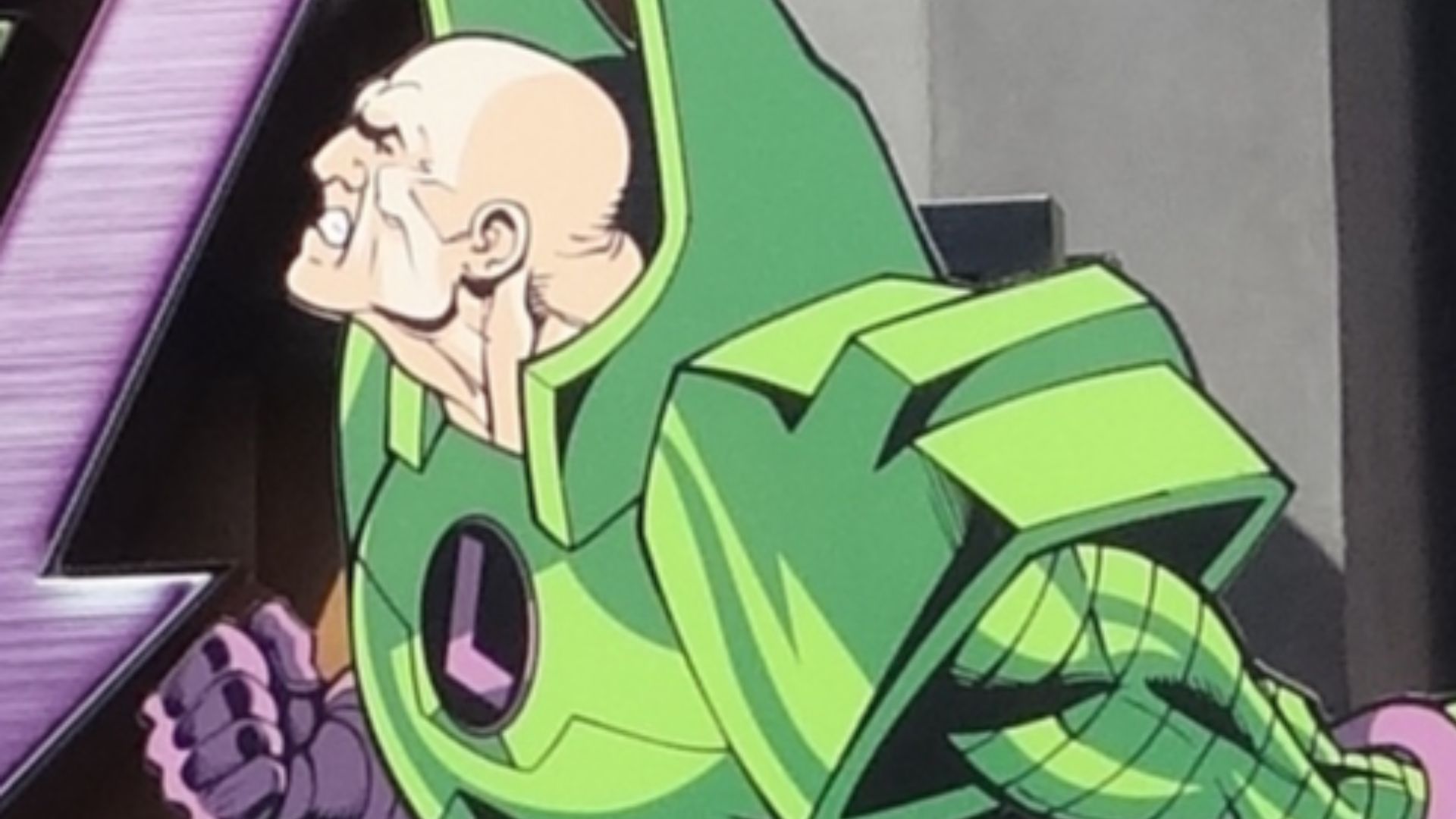
1. Mr. Freeze: Someone Had To Save Nora
Victor Fries decided to become Mr. Freeze after his wife Nora became terribly ill. His crimes were obviously wrong, but wanting to save his wife is relatable. He wants to help someone he loves, which isn't a terrible thing, even if his actions became rather extreme.
 Miguel Mendez from Malahide, Ireland on Wikimedia
2. Poison Ivy: The Planet Needs Help
You can't really argue that the planet isn't suffering from Poison Ivy's woes. She's seen how humans destroy ecosystems and doesn't think we do enough to stop it. Yes, she'll hurt innocents to prove her point, but the planet being wrecked is not the controversial part of her argument.

3. Ra's al Ghul: Humanity Is Doing Too Much Damage
Ra's al Ghul believes civilization has become destructive enough to threaten the planet itself. His concerns about pollution, overpopulation, and environmental damage occasionally sound surprisingly relevant outside the context of his extreme solutions. The problem is that his preferred answer involves mass fatality, which makes his environmental policy somewhat difficult to recommend.
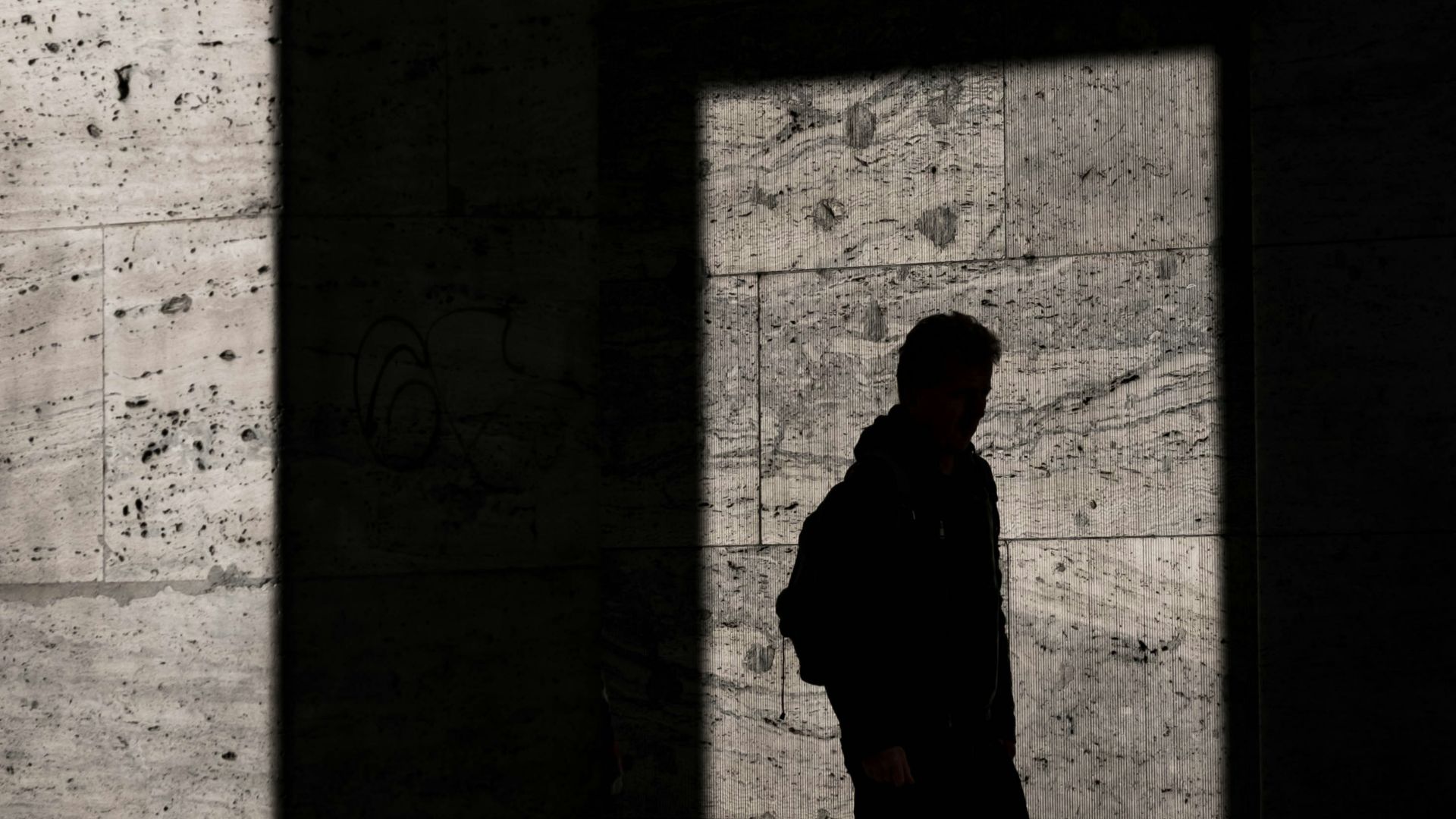
4. Lex Luthor: Superman Needs Accountability
Lex isn't always clear about why he hates Superman, but he has suggested that no one should be that powerful. A virtually unstoppable alien living among humanity would raise legitimate questions about accountability and authority. Luthor's personal jealousy and obsession tend to ruin an otherwise reasonable concern.
5. The Joker: Gotham's System Is Broken
The Joker's worldview is obviously twisted, but his attacks frequently expose weaknesses in Gotham's institutions. He repeatedly demonstrates that corruption, fear, and social instability make the city remarkably vulnerable. His conclusion that society needs to collapse isn't exactly helpful, but his observation that Gotham has serious problems isn't wrong.
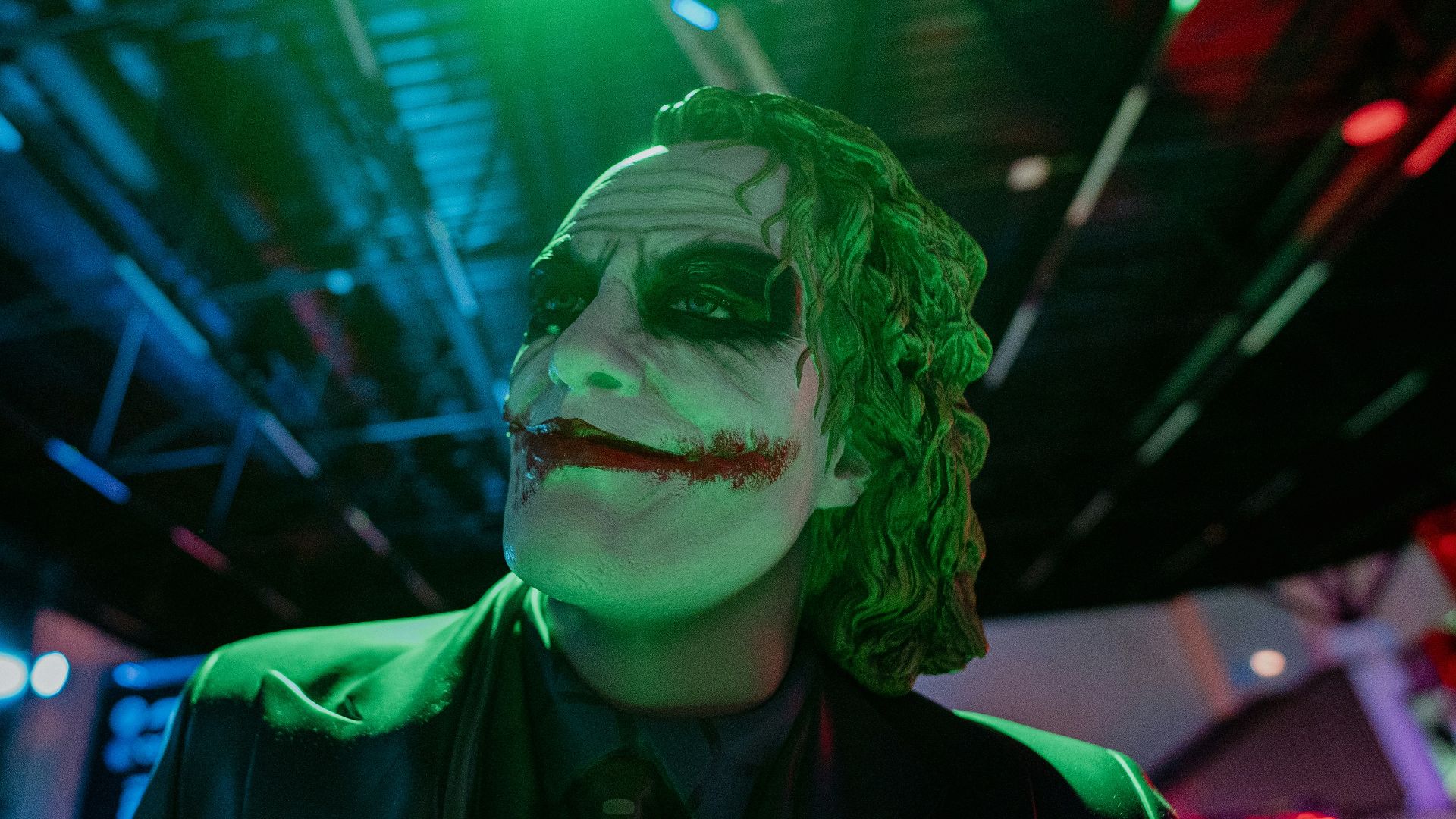
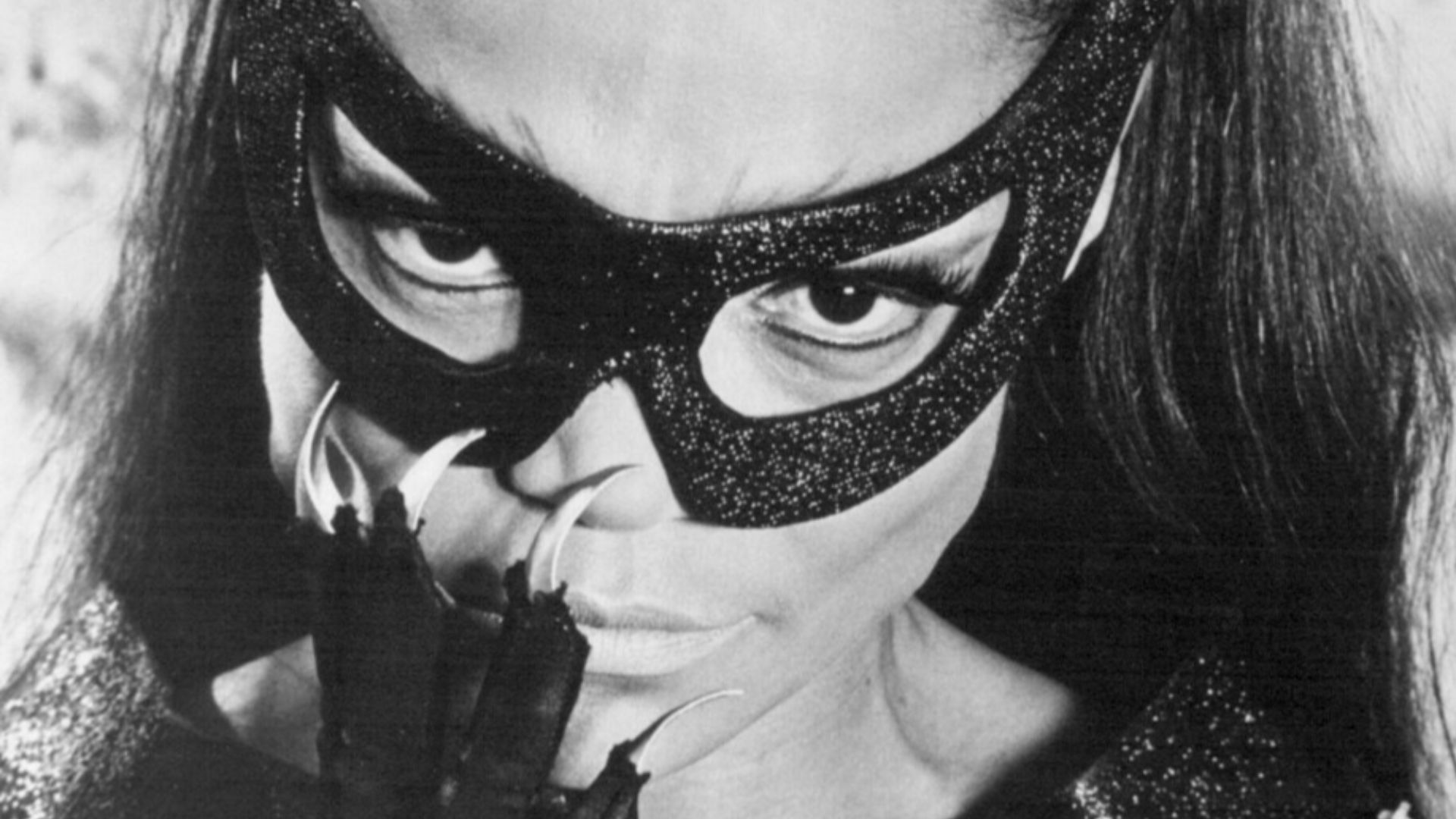
6. Catwoman: Wealth Doesn't Make Someone More Deserving
Selina Kyle chooses to steal from the rich with some regularity as Catwoman. The frequency with which she highlights socioeconomic inequalities makes sense. Not everyone in Gotham is wealthy, and some wealthy people behave questionably.
 American Broadcasting Company on Wikimedia
7. Black Mask: Gotham's Criminal Economy Is Already Out Of Control
As the king of Gotham's criminal underground, Black Mask knows where all the skeletons are. He isn't above using violence to get what he wants, but his universe often illustrates how entrenched organized crime is in Gotham. There aren't just criminals in Gotham; there's an entire industry devoted to creating them.
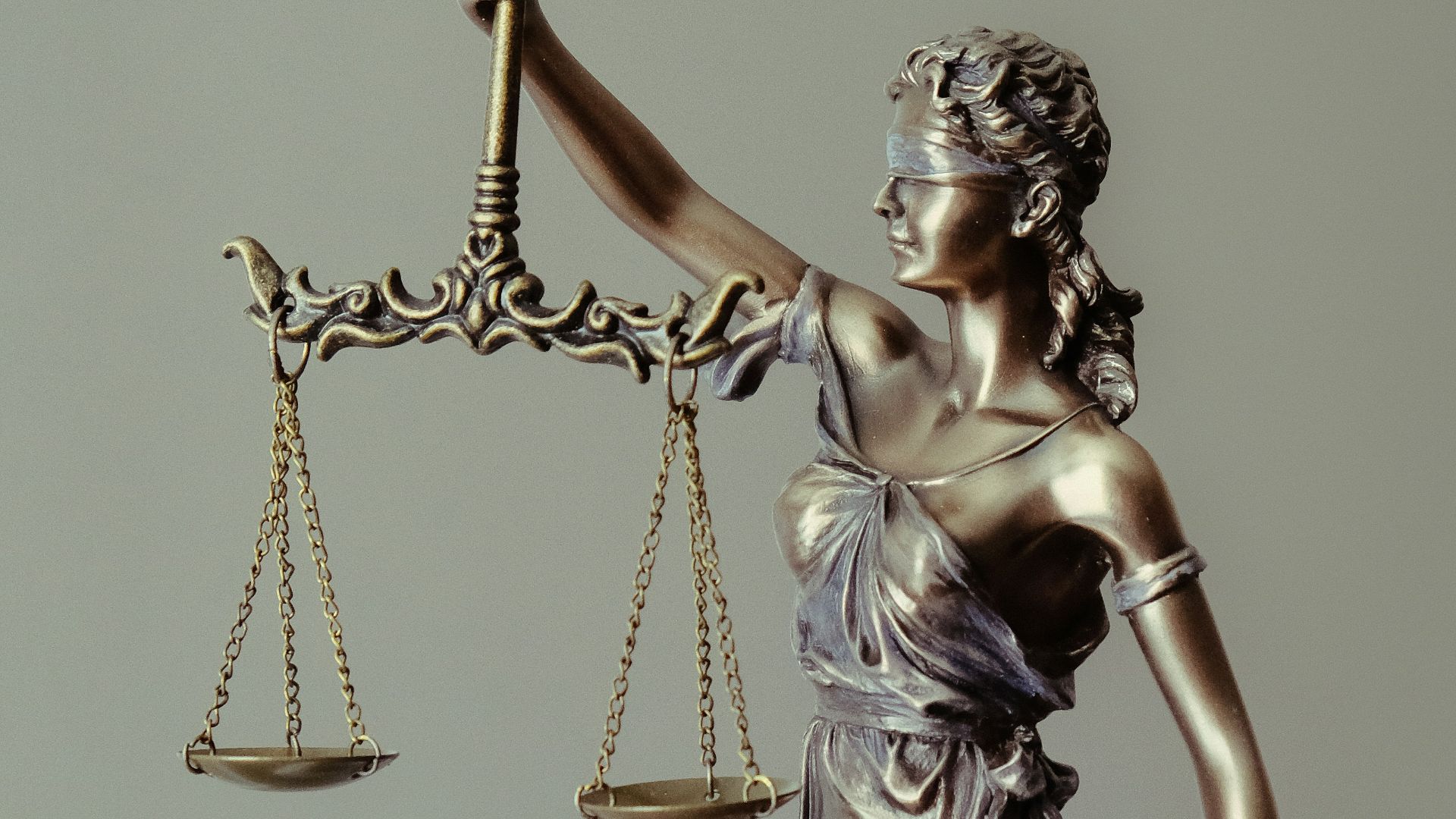
8. Two-Face: Justice Shouldn't Depend On Wealth
Harvey Dent wasn't always obsessed with flipping coins. One of his biggest motivations for fighting crime was that wealth should not buy justice. Gotham's legal system has repeatedly failed characters who cannot afford Dent's services.
 Tingey Injury Law Firm on Unsplash
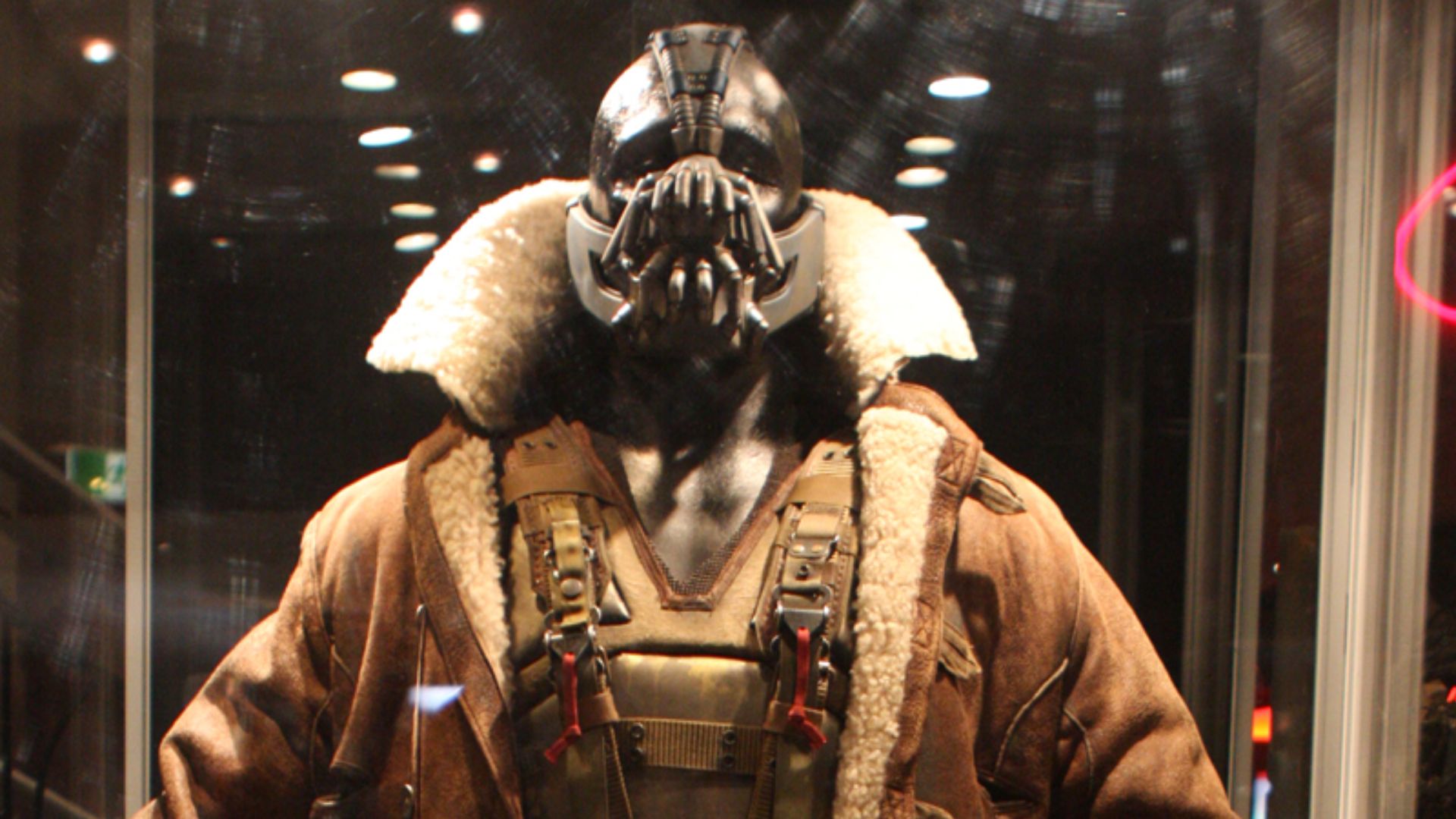
9. Bane: Gotham's Elite Are Comfortable Ignoring The Poor
Bane regularly talks about the elite who fail the people that society leaves behind. Critiques of wealth, power imbalance, and privilege aren't exactly difficult concepts to understand. Gotham is full of wealthy people who get away with everything.
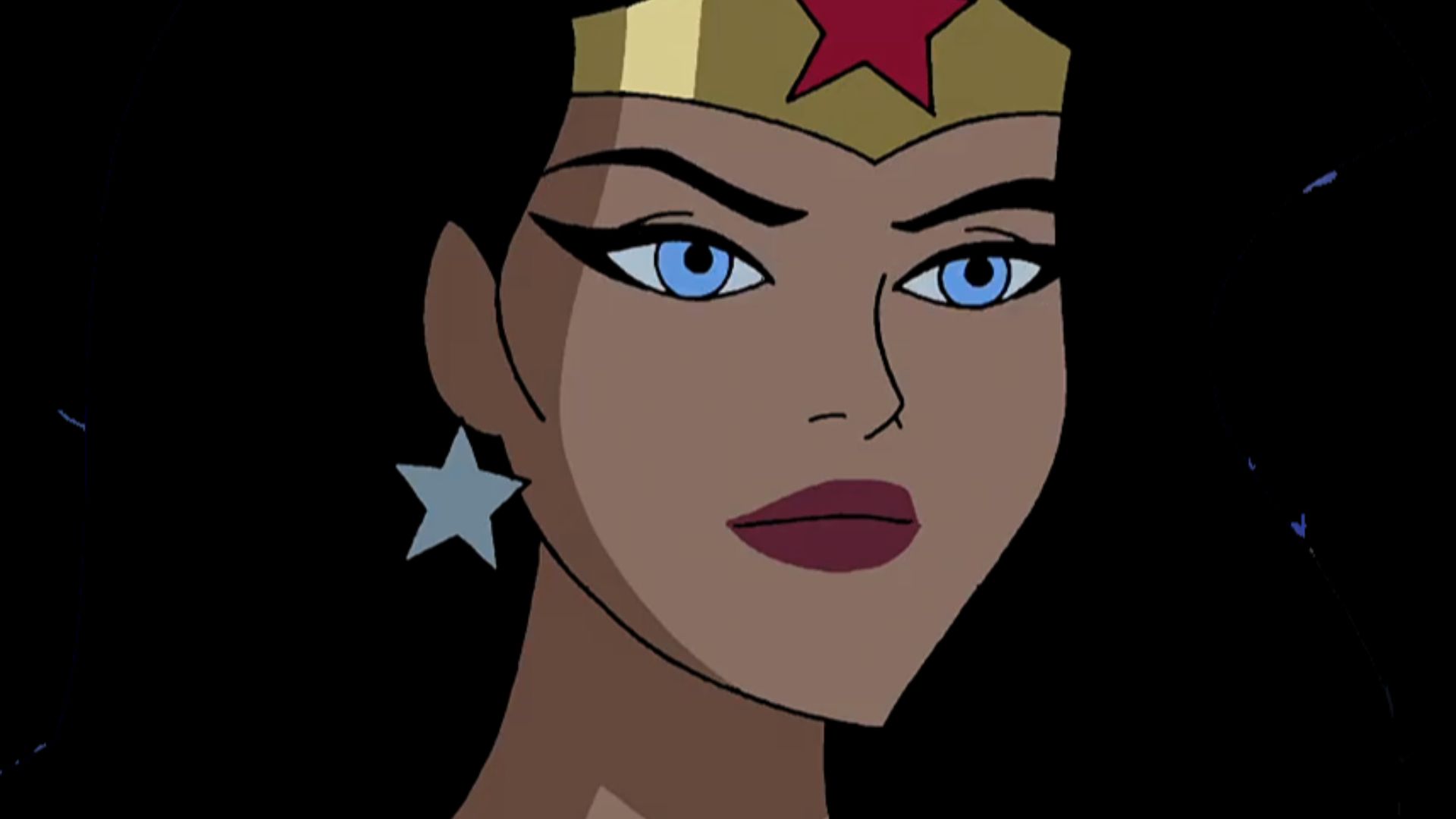
10. Cheetah: Wonder Woman's World Isn't Perfect
Sometimes Cheetah will try to bring up valid points about how Diana operates within Themyscira and the rest of the world. Cheetah has also been around a while, and her own story includes themes of exploitation, betrayal, and manipulation. It doesn't excuse her actions by any means, but it explains them.
11. Ocean Master: Atlantis Deserves Protection
Ocean Master believes Atlantis should prioritize its own people rather than continually accommodating the surface world. Given the long history of conflict between land and sea, his concerns about protecting Atlantis aren't completely irrational. His aggressive approach toward humanity is what turns a defensive argument into a dangerous one.
12. Captain Cold: The System Doesn't Always Work
Leonard Snart is a criminal with morals, not someone who is evil for the sake of being evil. Often framed as a cowboy, Captain Cold knows that systems don't always work for everyday people. He's still a thief, but some of his criticisms of society are grounded.

13. Amanda Waller: Some Threats Require Difficult Decisions
While Waller isn't a villain by traditional definition, she's been on the evil side of a lot of decisions. She makes a point to ensure the U.S. government can deal with threats they can't otherwise control. It doesn't make utilizing assassins and mercenaries morally acceptable, but there's logic to her argument.
14. The Court Of Owls: Gotham's Problems Didn't Start Yesterday
The Court of Owls represents Gotham's entrenched elite and has operated behind the city's institutions for generations. Their existence reflects a legitimate observation that wealthy and powerful groups can quietly shape a city while remaining largely invisible. Of course, secretly controlling Gotham and eliminating anyone who gets in the way isn't exactly a healthy civic engagement strategy.
15. Hugo Strange: Batman's Identity Shouldn't Be Above Scrutiny
Strange has always been fascinated with Batman because he isn't like traditional law enforcement. As such, he shouldn't be allowed to operate without oversight. Strange becomes the problem when his curiosity turns into obsession, manipulation, and criminal experimentation.
16. Sinestro: Order Has Its Advantages
Order and fear can create peace, Sinestro would argue, better than chaos and liberty. After living through the rise of the old planet of Chaos, Sinestro has seen what can go wrong when society has no authority. He believes order is the cure, which isn't a provable hypothesis, but it's not the worst argument.
17. General Zod: Krypton Was Worth Preserving
General Zod's desire to preserve Kryptonian civilization is understandable, particularly given that his entire culture was facing extinction. His loyalty to his people and frustration over Krypton's collapse give his motivations more depth than simple conquest. Unfortunately, Zod's determination to rebuild Krypton often involves treating everyone else as an inconvenience.
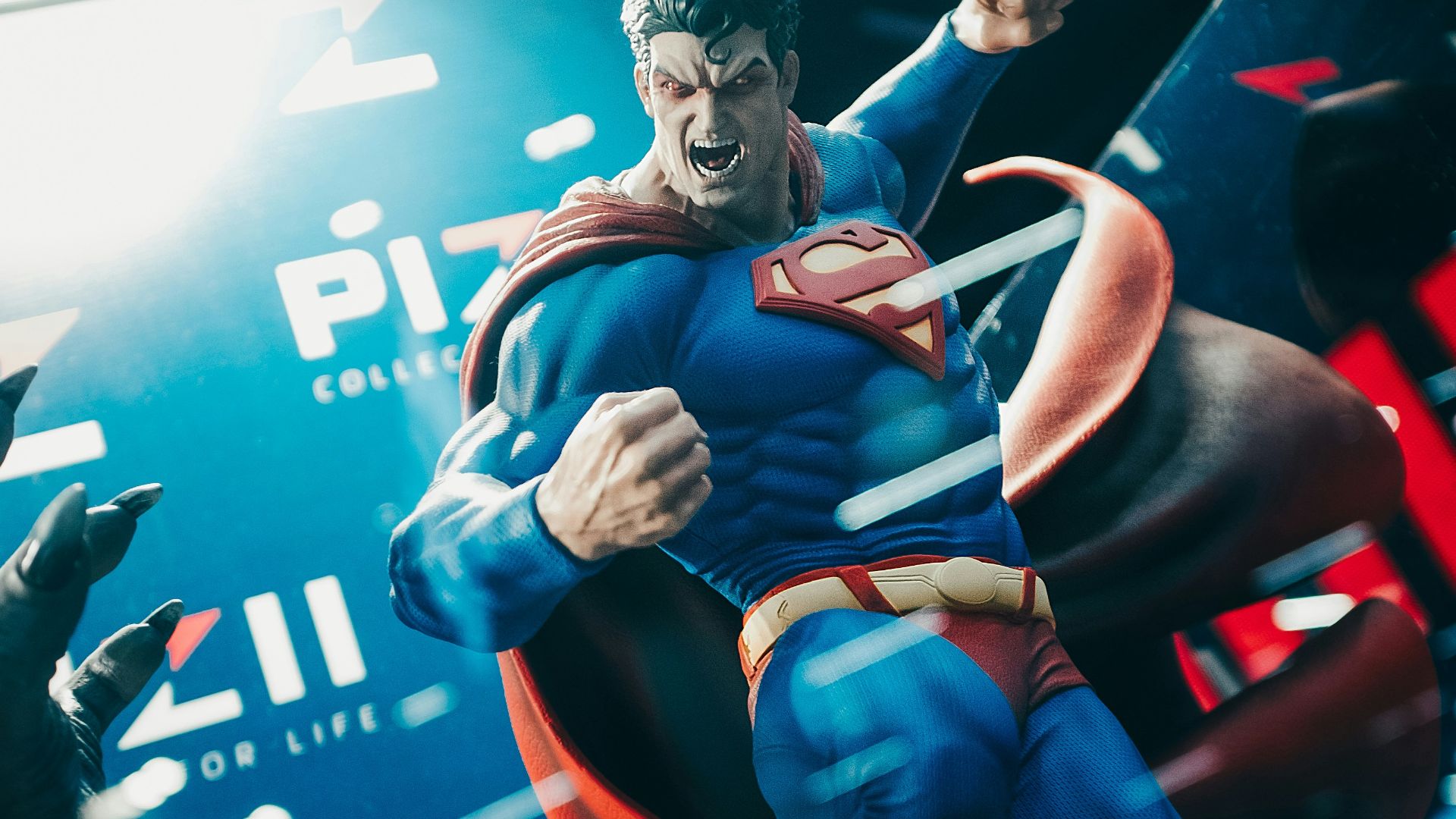
18. Deathstroke: The World Really Is Full Of Dangerous People
Deathstroke operates as a mercenary and has committed plenty of terrible acts, but his basic assessment of the world isn't exactly controversial. Governments, corporations, criminals, and superheroes regularly employ people willing to do things others won't. Slade Wilson simply treats that reality as a business opportunity, although his complete lack of moral hesitation makes him difficult to defend.
19. Maxwell Lord: Superheroes Need Oversight
Maxwell Lord has repeatedly argued that superheroes are too powerful to operate without accountability. That's a legitimate question in a universe where individuals can destroy buildings, manipulate minds, and reshape reality. Lord's willingness to control or eliminate heroes who oppose him makes it clear that his concern about unchecked power doesn't exactly extend to himself.
20. The Riddler: Gotham Has A Serious Intelligence Problem
Edward Nygma's obsession with proving his intellectual superiority is obviously exhausting, but his criticism of Gotham's institutions can occasionally land. The city's authorities repeatedly struggle to understand criminals who operate outside conventional patterns. Riddler's methods are absurdly theatrical, yet his belief that intelligence matters more than brute force is hardly a terrible philosophy.