The Skills With A Visible Expiry Date
Every generation grows up without learning a few things their parents took for granted. Usually, nobody notices until the skill has become unnecessary. Children born in 2030 will inherit technologies already taking shape today, and much of what their parents consider basic competence may seem as outdated as dialing a rotary phone. Some skills will survive as hobbies, while others will simply disappear from everyday life. Here are 20 things they may never need to learn.
1. Write A Search Query
Keyword searching has a grammar of its own, built on guessing which words a page probably contains and then narrowing with quotation marks and minus signs until the junk falls away. Search engines spent twenty years training people into it. Ask a system in plain sentences and none of it is needed, so none of it gets learned.
2. Know Where A File Lives
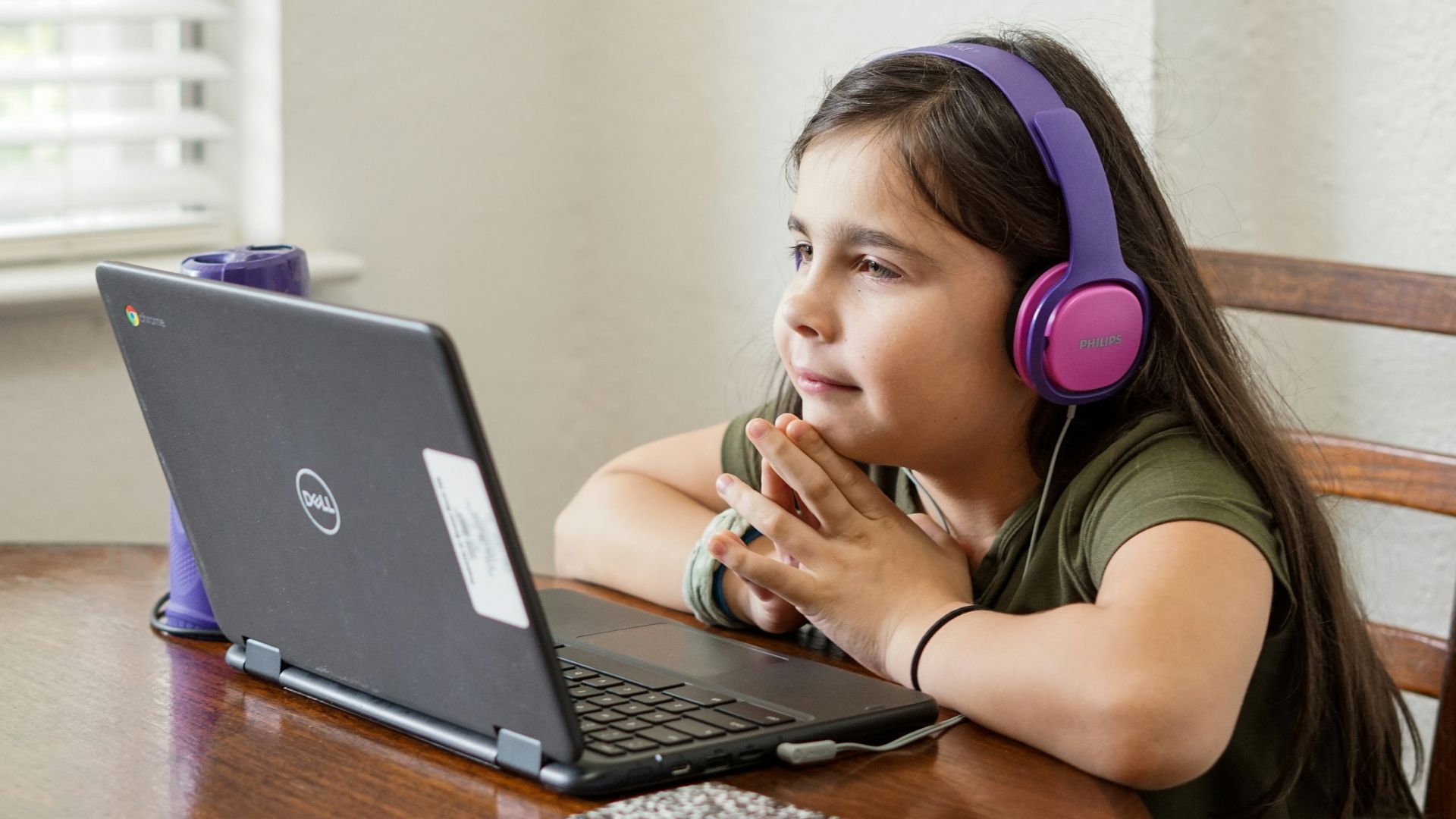
An engineering professor noticed around 2017 that her students could not find their own work on their own machines. They were modeling turbines in simulation software, and the software kept reporting that it was unable to locate their files. They had always found things by searching, and the folder tree was never part of the picture.
3. Type A Password
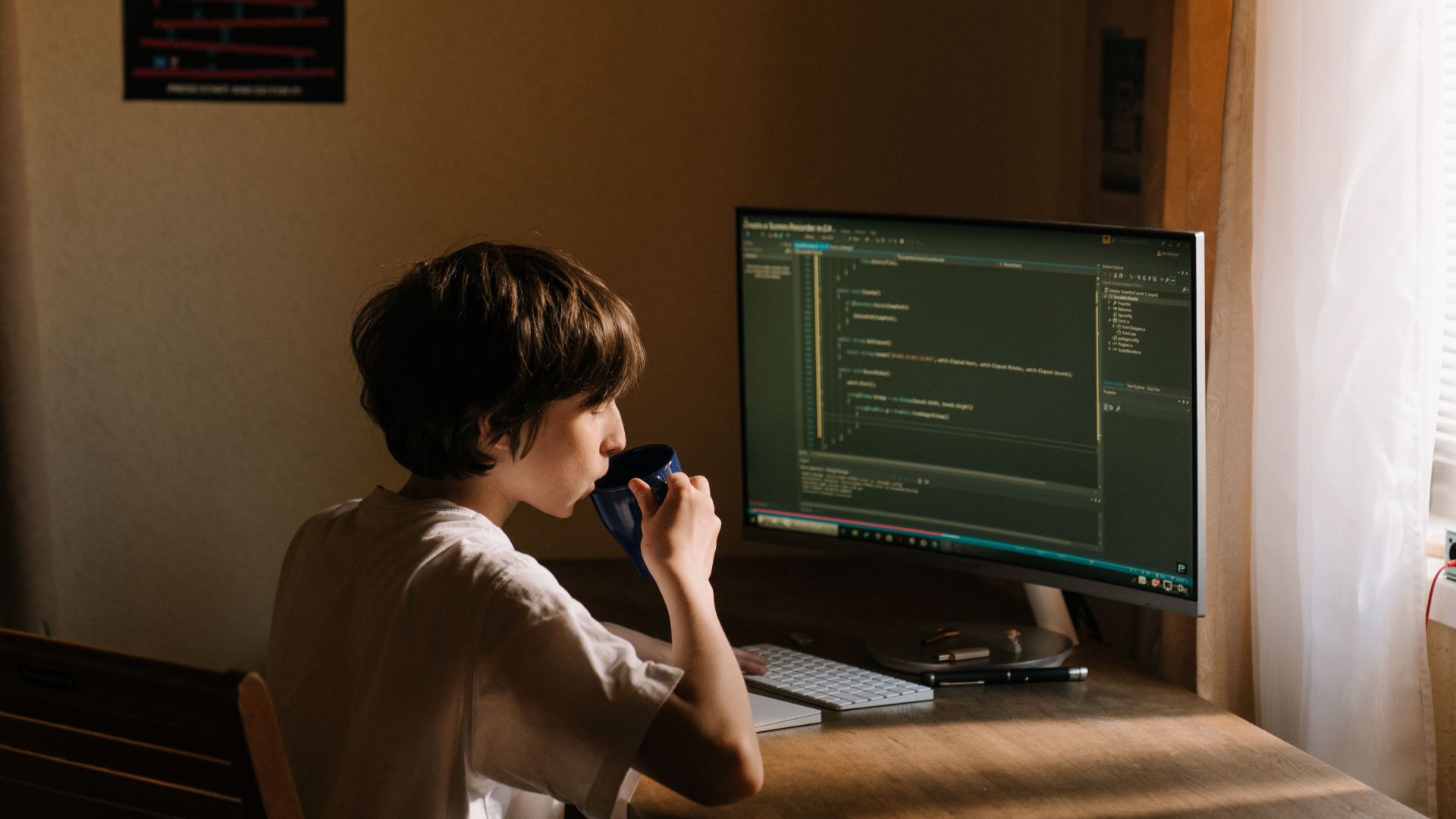
Passkeys let people sign in with a fingerprint or face scan instead of remembering a password. A 2026 FIDO Alliance survey found that 90 percent of consumers knew about them, and three-quarters had already used them somewhere. Passwords remain common at work, where older systems take longer to replace. Banks may be among the last places children born in 2030 encounter a traditional login screen.
4. Spot A Fake Photograph By Looking
Counting fingers and checking shadows stopped working a while ago. The replacement is a signature attached at the moment of capture, and the Pixel 10 signs every photo it takes, while Leica and Canon sell cameras that do the same. It only helps if the data survives the upload, and fewer than one percent of news images currently carry any.
 Kateryna Hliznitsova on Unsplash
5. Check That A Voice Is Who It Claims
A convincing clone of a relative's voice takes a short sample of them talking, and the sample can come from a voicemail greeting or a few seconds of video. Families are now advised to agree on a spoken code word for exactly this reason. A child raised on code words never picks up the older habit of trusting a voice because it sounds right.

6. Read Someone Else's Handwriting
Working out a doctor's note or a grandparent's card is something you learn by being stuck with the page. Cameras that read handwriting and hand back clean text remove the sticking point. Less gets written by hand every year, so there is less of it around to practice on.

7. Remember Where You Left Something
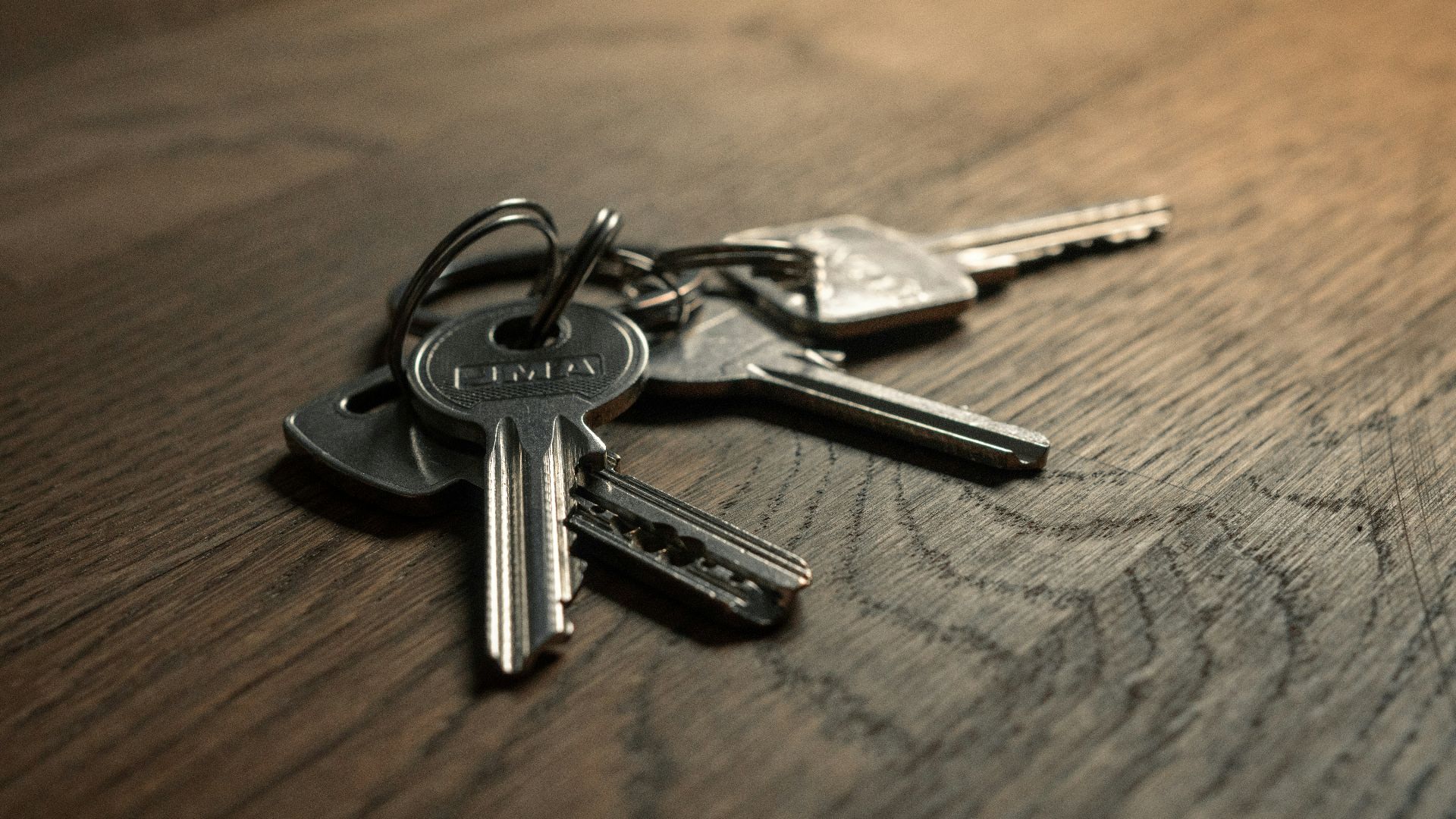
Keys and wallets now carry trackers that cost a few dollars and turn a lost bag into a pin on a map. Retracing your own movements is a memory exercise, and opening an app is not. Anything untagged will still go missing, and nobody will have practiced for it.
8. Set A Clock
Every clock a 2030 child encounters will set itself from the network. Nobody holds down a button to advance an hour, and nobody discovers in March that one clock in the house is still wrong. Ovens and cars pull the time down automatically, and the twice-yearly walk around the house has nearly vanished.

9. Sign Your Name
A signature is a motor habit built by repetition, and it exists to prove who you are. Cryptographic signing and biometric checks do that job better, and schools have been dropping cursive for two decades. Most adults sign a handful of documents a year now, and what is left is a scrawl on a delivery screen nobody examines.

10. Type With Ten Fingers
Touch typing is a trained skill with a real speed ceiling. Dictation already beats it, and plenty of children thumb-type faster than they could ever manage on a keyboard. The full keyboard is turning into a professional tool rather than a general one.
 Glenn Carstens-Peters on Unsplash
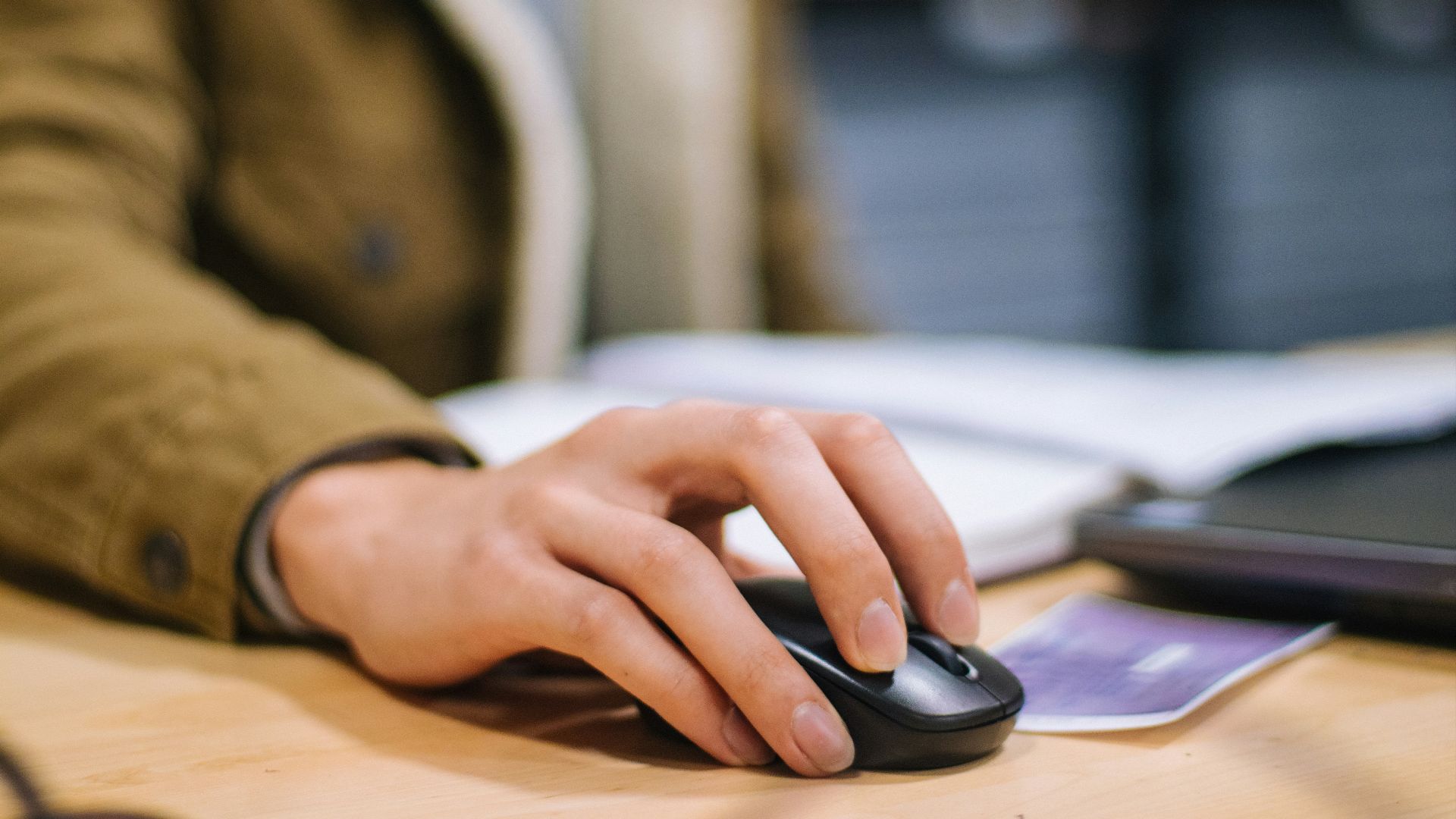
11. Use A Pointer
The mouse is an abstraction, a hand-shaped object steering an arrow across a flat picture of a desk. Touchscreens skipped a generation past it, and speech and gaze drop the intermediary completely. Landing a cursor on a small target is already something older people are visibly better at.
12. Frame A Photograph
Taking a good photograph used to mean knowing exactly when to press the button. Now, phones can capture moments before you even tap the screen, letting you choose the best frame afterward. Getting the timing right matters less when the camera has already recorded the moment. Children may grow up spending more time choosing photographs than actually taking them.

13. Find A Scene By Skipping Through A Video
Finding a particular scene in a video used to mean dragging the progress bar back and forth until you spotted it. New video search tools can find moments based on a simple description of what happened. Instead of guessing where a scene falls in a twenty-minute video, children may be able to type what they're looking for and jump straight to it.
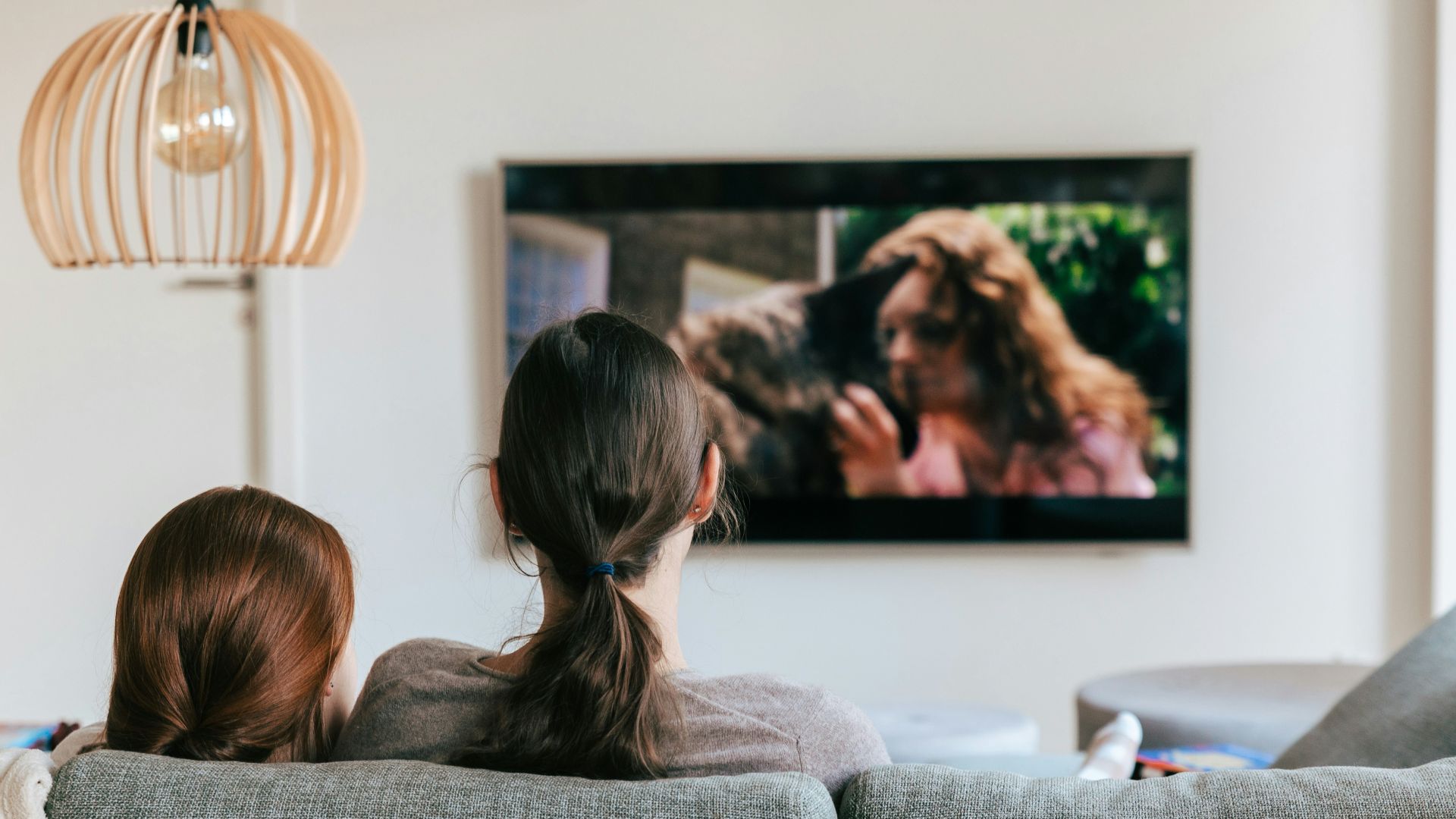
14. Learn Enough Of A Language To Order Dinner
Travelers have always picked up a few dozen words out of necessity. Live translation removes the necessity, along with the stage of being understood badly by a patient stranger. What goes with it is the experience of getting by on very little.
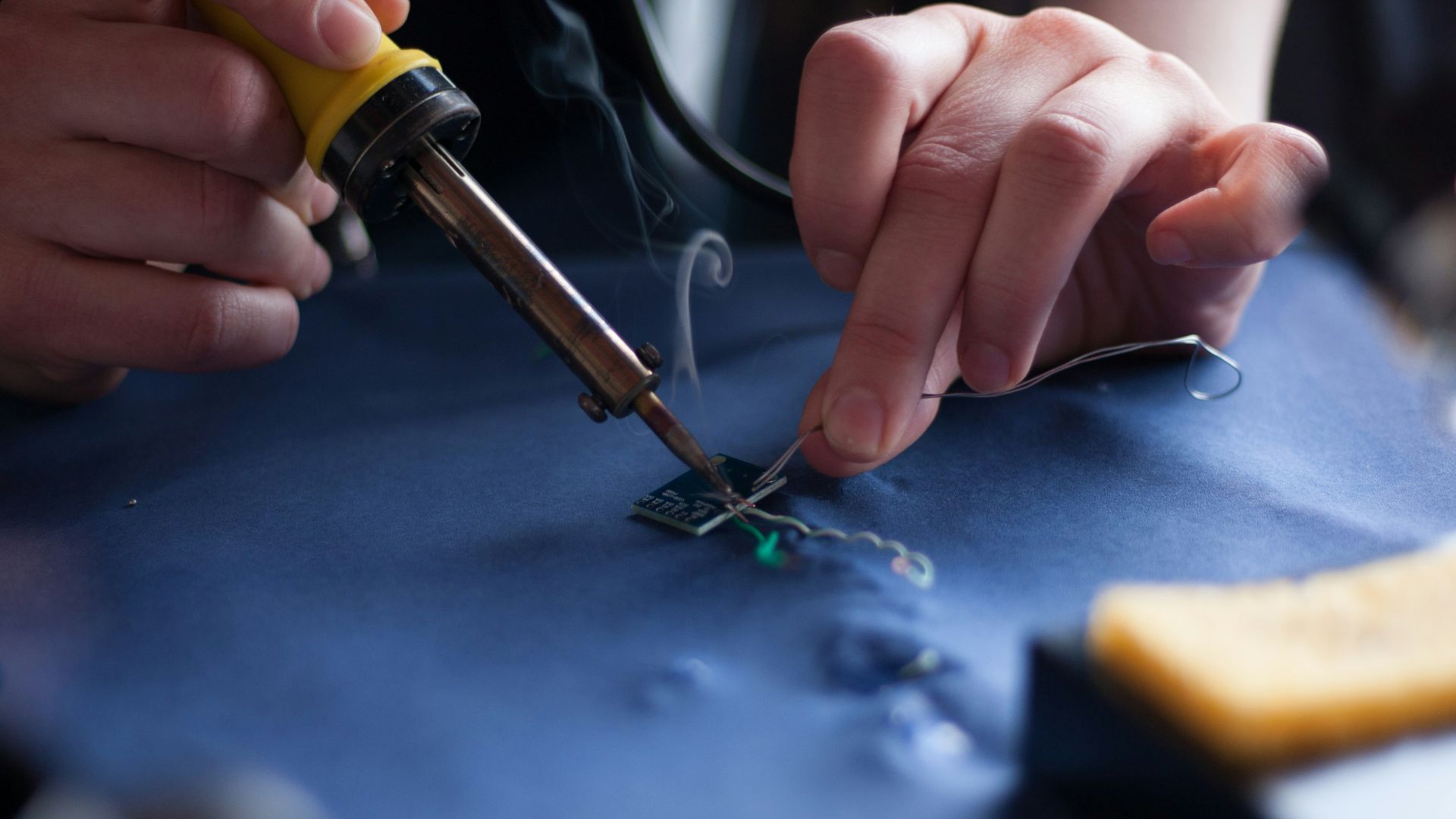
15. Open A Device To Fix It
Plenty of engineers got their start taking broken gadgets apart to see how they worked. Replacing a phone battery once meant popping off the back cover with a fingernail. Now, glued components and software restrictions make even simple repairs difficult. As devices become harder to open, children may grow up thinking of repairs as something only a professional can handle.
16. Tune An Instrument By Ear
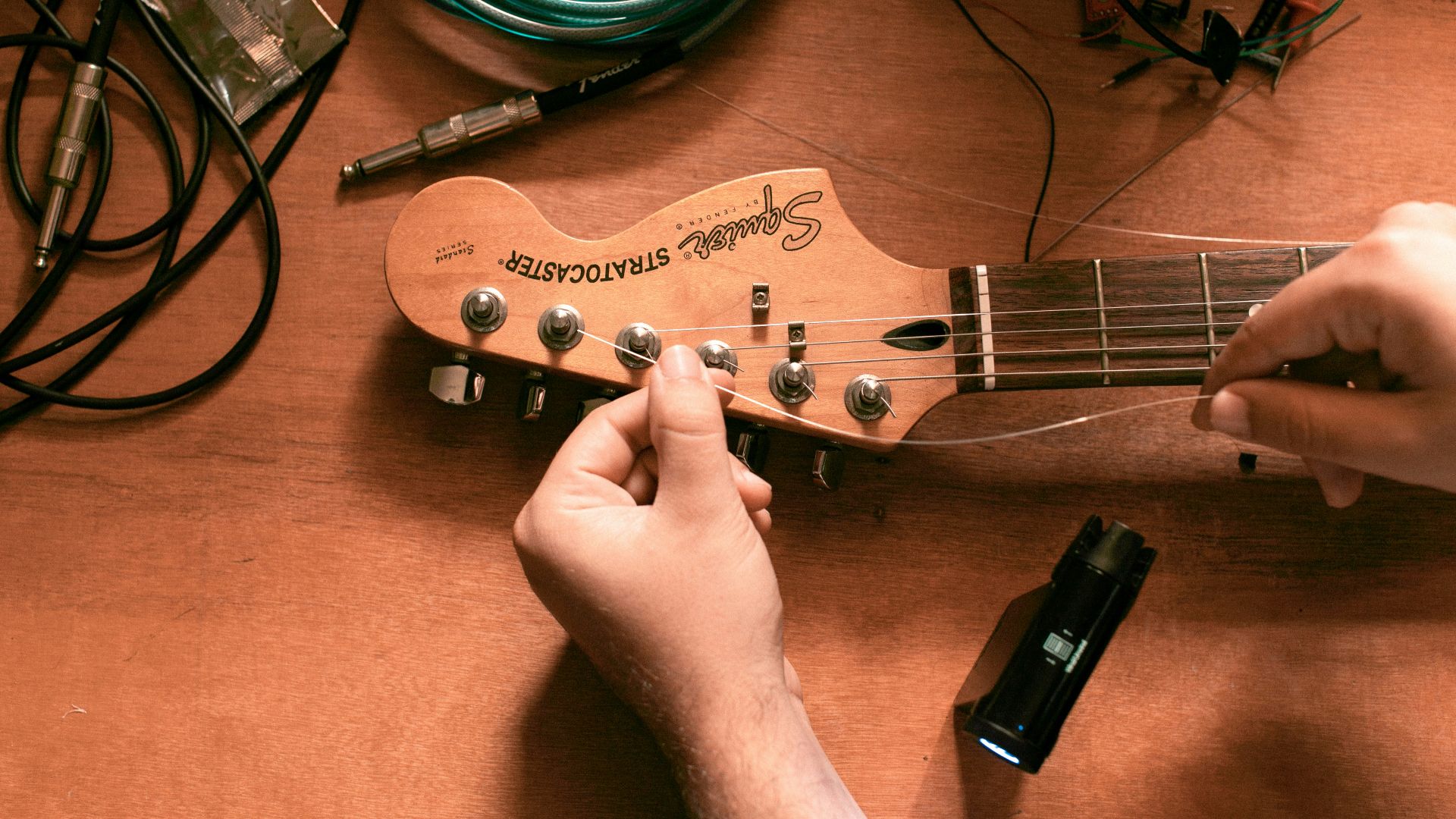
Matching a string to a reference pitch and listening for the beats to slow is how an ear gets trained. Clip-on tuners did most of the damage, and self-tuning instruments finish the job. Most players already tune by watching a needle light up.
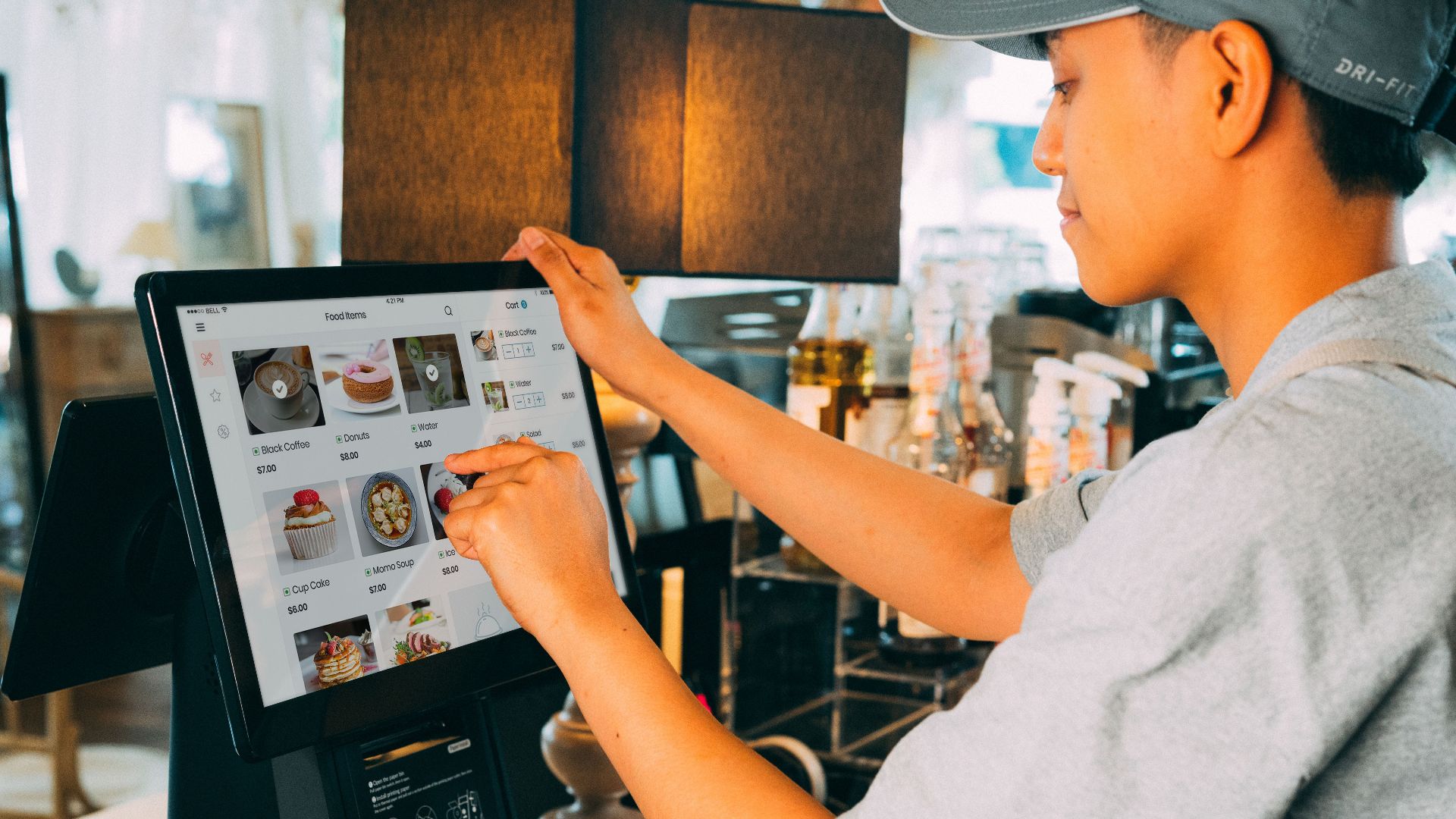
17. Check A Bill In Your Head
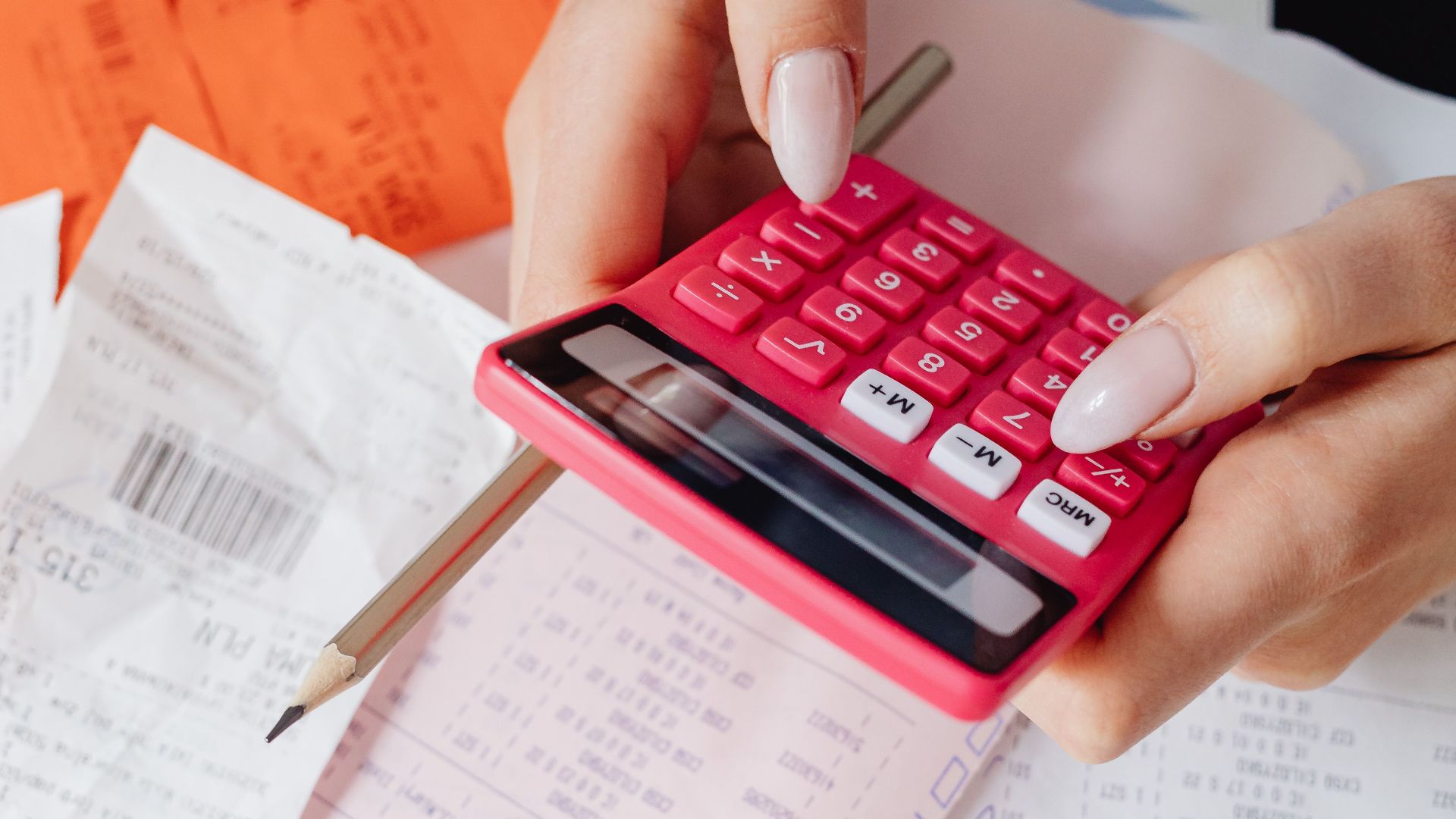
Running a rough total while the cashier scans is a cheap defense against being overcharged. Automatic payment takes away the moment when anyone looks at the number at all. Tap to pay takes about a second, and the receipt arrives after the money is already gone.
 https://kaboompics.com/ on Pexels
18. Judge What Something Should Cost
Prices used to be printed and the same for everyone standing in the shop, and airlines and ride-hailing apps have been pricing by passenger for years. Personalized pricing means the number on your screen was calculated for you, so comparing it against what a neighbor paid stops working.
 https://kaboompics.com/ on Pexels
19. Notice You Are Getting Sick
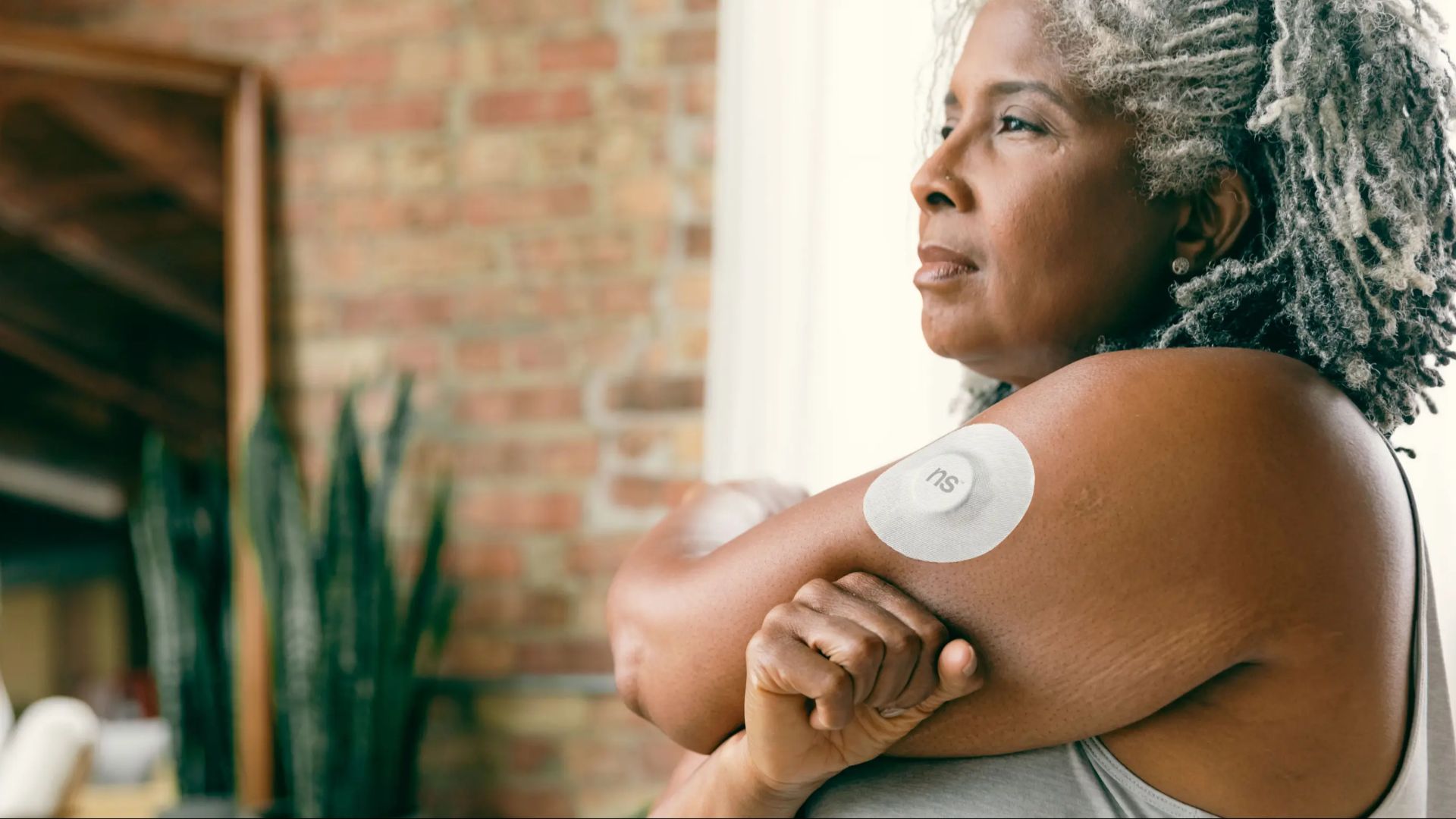
Paying attention to your own body is a skill built on having no other source of information about it. Continuous sensors flag a fever or an irregular rhythm before the feeling turns up. Being told you are ill before you feel ill is useful and a strange thing to grow up inside.
20. Be Unreachable
Childhood used to come with long stretches when nobody knew where you were. Location sharing inside families has gone from a decision to a default setting. A kid wearing something connected from the age they can walk may never spend hours that no device can account for.