
10 Harry Potter Villains Who Were Truly Terrifying & 10 Who Were Mostly Embarrassing
10 Harry Potter Villains Who Were Truly Terrifying & 10 Who Were Mostly Embarrassing
The Wizarding World's Best and Worst Bad Guys
The Harry Potter series produced some genuinely menacing villains and a surprising number of antagonists who were more comic than threatening. Some inspired real dread across seven books and eight films. Others were pompous, ineffectual, or simply too ridiculous to take seriously, even within a story about magical boarding schools. Here's 10 who were truly terrifying, and 10 that were mostly embarrassing.
 Karen Roe from Bury St Edmunds, Suffolk, UK on Wikimedia
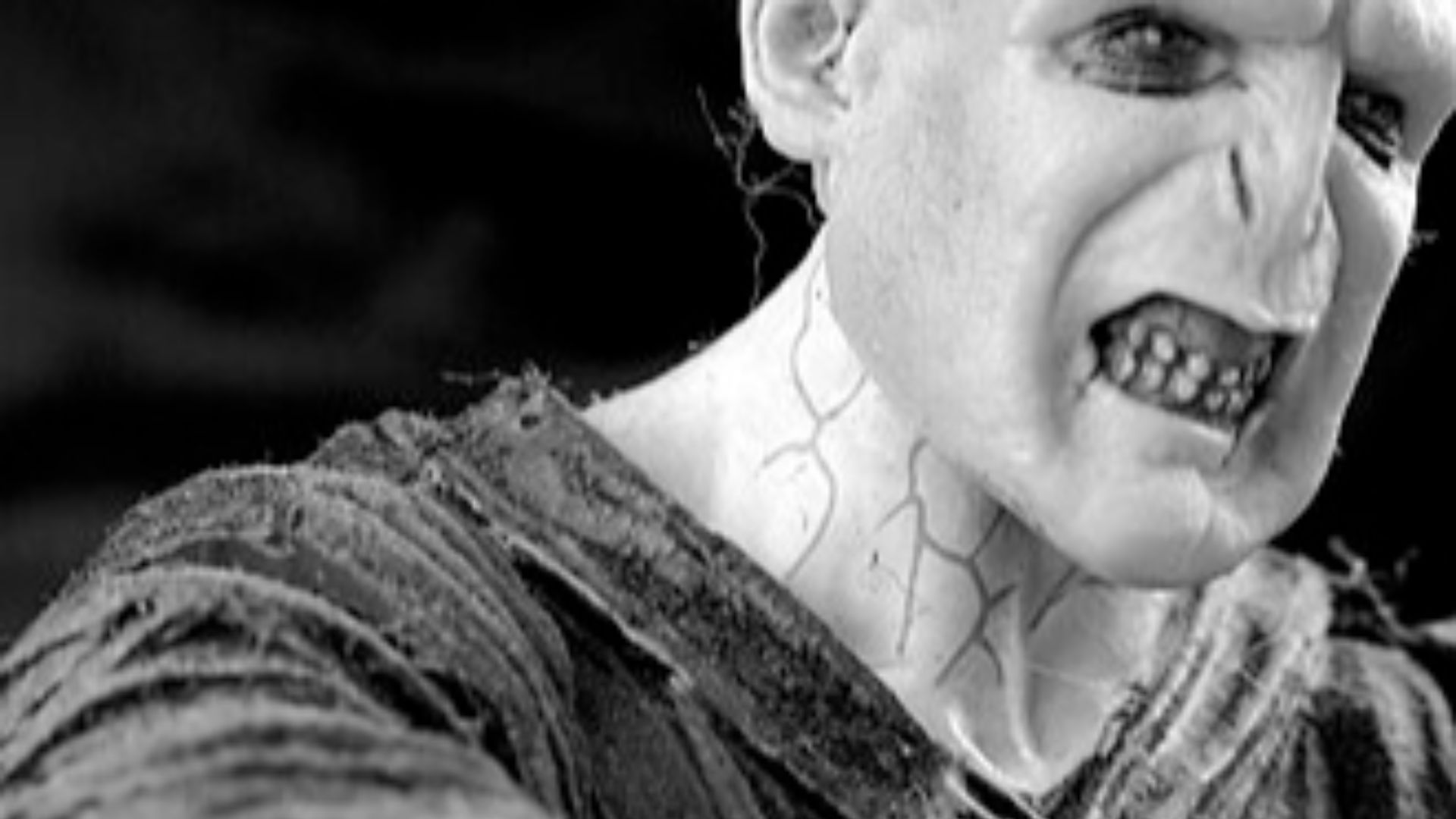
1. Voldemort
He spent most of the series as a bodiless presence manipulating events from the shadows, and even that formless version was frightening in ways a physical villain rarely manages to be. The horcrux mythology, the decades of calculated terror, and the scale of what he had done before the first page begins make him one of the more unsettling antagonists in modern fantasy.
 commons.wikimedia.org on Google
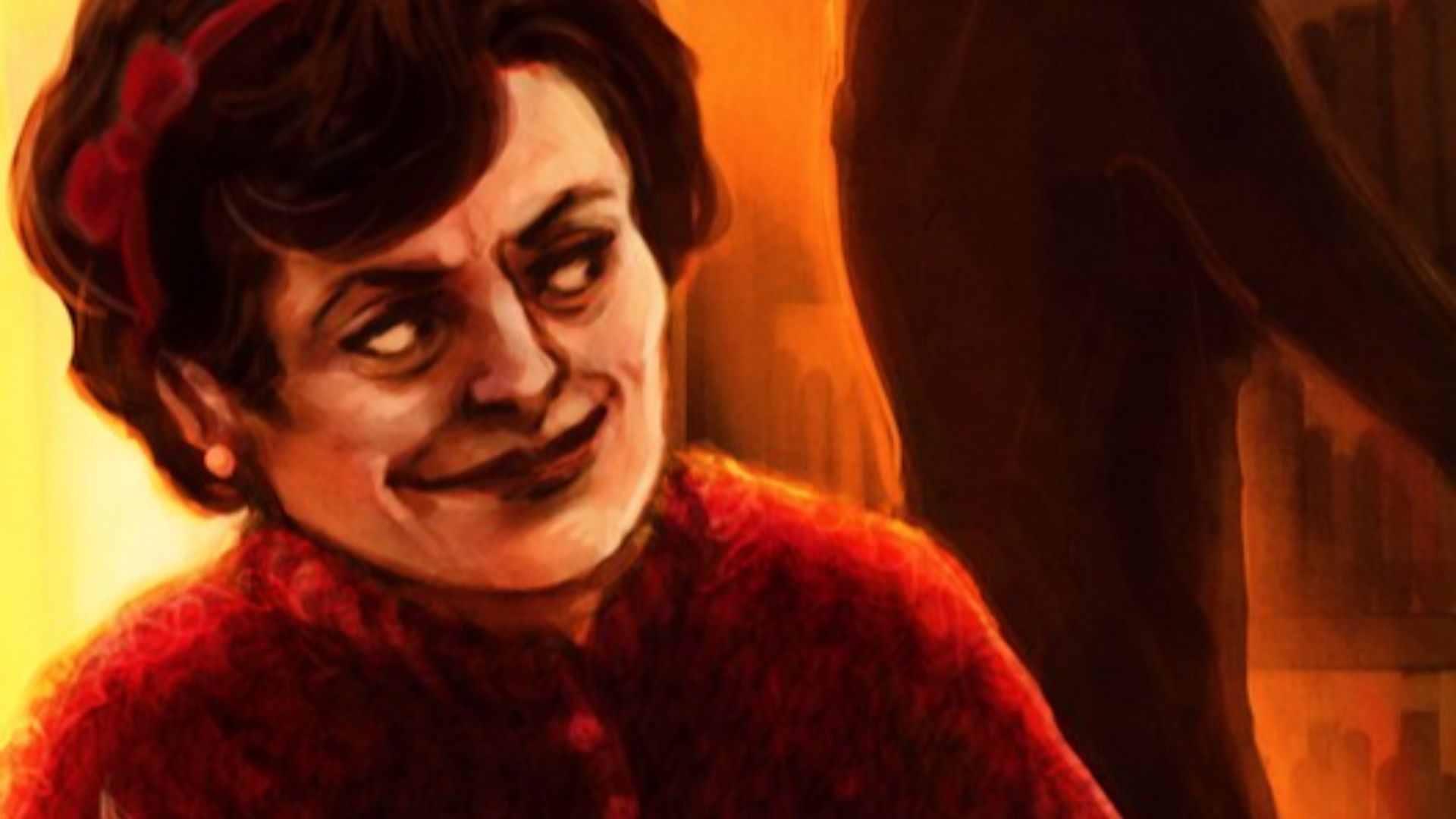
2. Dolores Umbridge
Umbridge works as a villain precisely because she isn't supernatural. She is the smiling institutional authority figure who follows rules selectively, punishes cruelly without raising her voice, and wraps genuine sadism in the language of order and decency. Readers who found Voldemort frightening often found Umbridge more so, because she is recognizable in a way that a dark wizard simply is not.
3. Bellatrix Lestrange
Bellatrix is terrifying because she operates without calculation or restraint, which makes her genuinely unpredictable in a way that even Voldemort is not. She tortured the Longbottoms into madness, killed Sirius with apparent delight, and functioned throughout the series as proof that true devotion to a monstrous cause is more dangerous than the cause's leader.
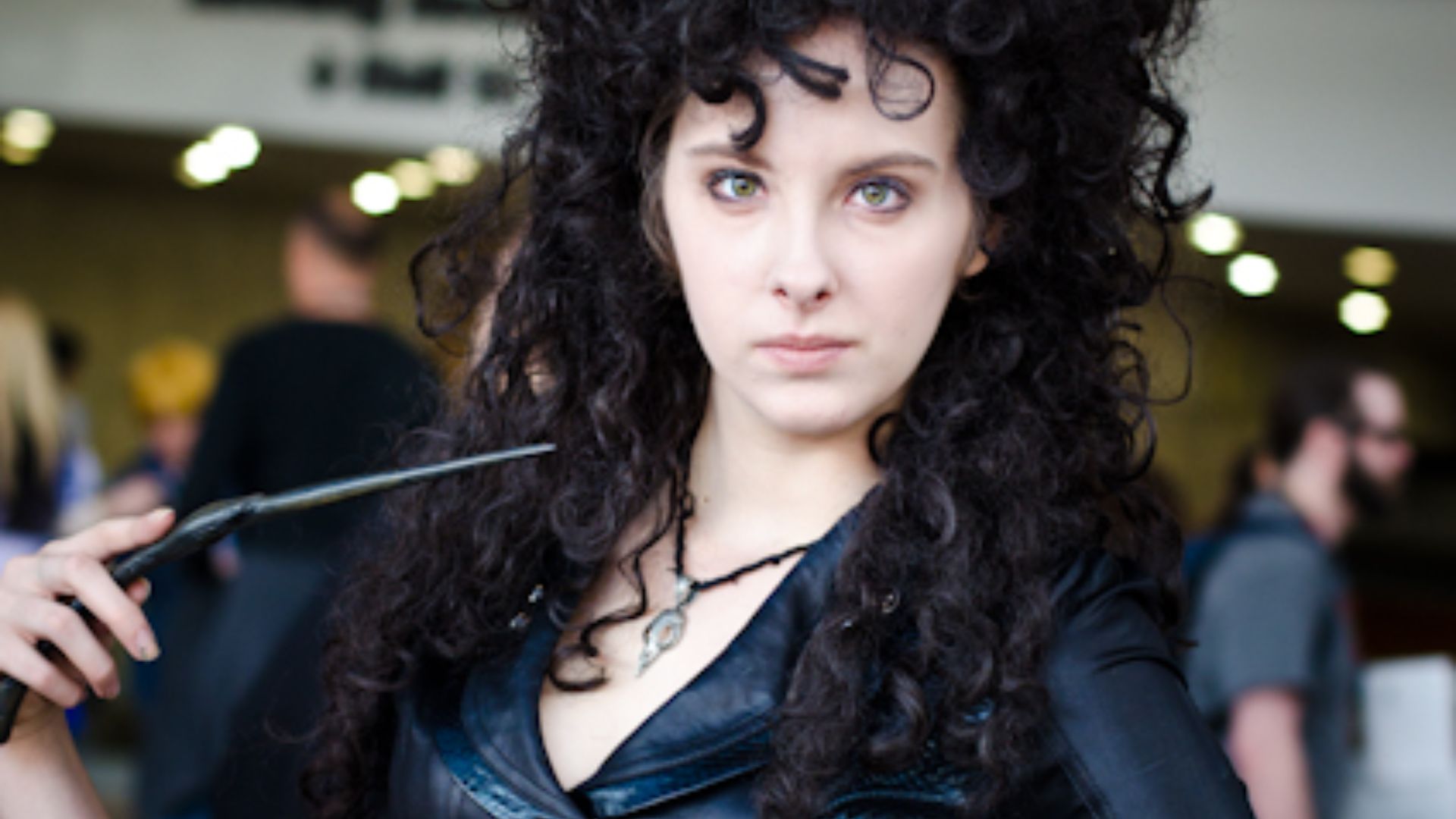 Marnie Joyce from New York City, USA on Wikimedia
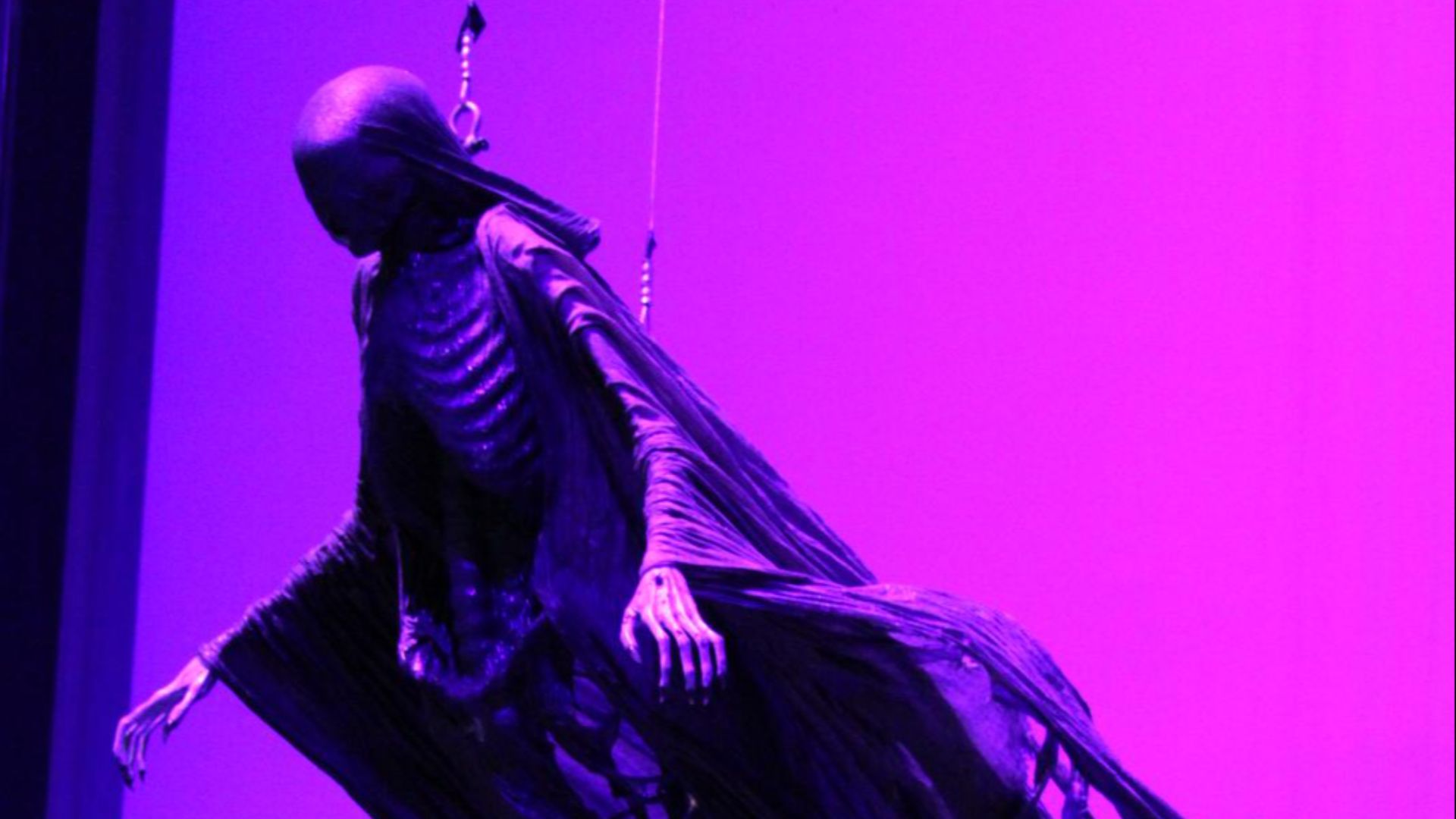
4. The Dementors
The dementors are effective because they represent something that transcends the magical setting, forcing their victims to relive their worst memories while draining all hope from anyone nearby. Rowling has said she based them on her own experience of depression, which is part of what makes them land so much harder than a conventional monster.
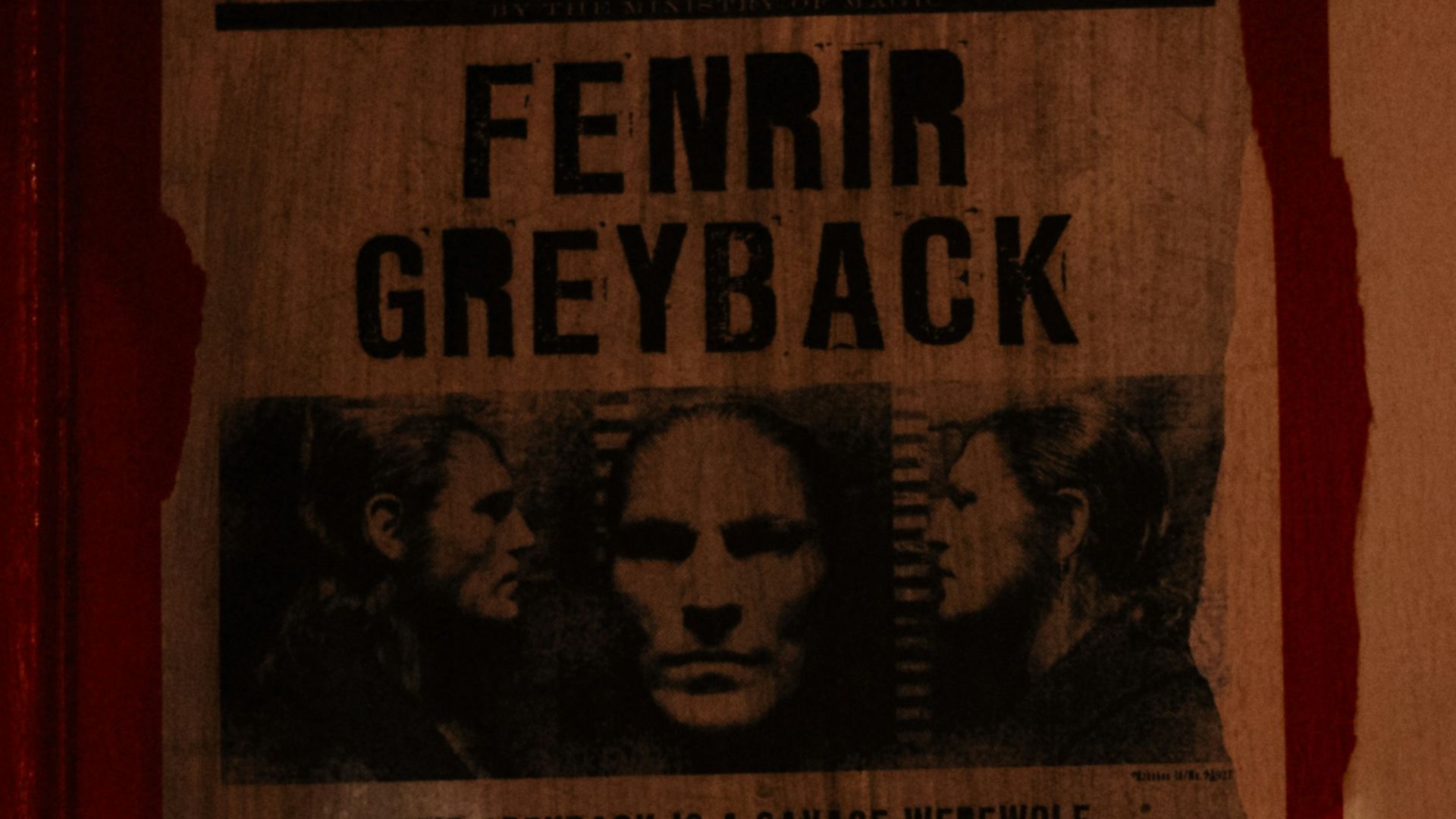
5. Fenrir Greyback
Greyback is terrifying in a specifically predatory way that the series handles more carefully than most children's fiction would. He deliberately positions himself near children, seeks out victims beyond what his role in Voldemort's forces requires, and is presented as someone who genuinely enjoys what he does rather than someone following orders.
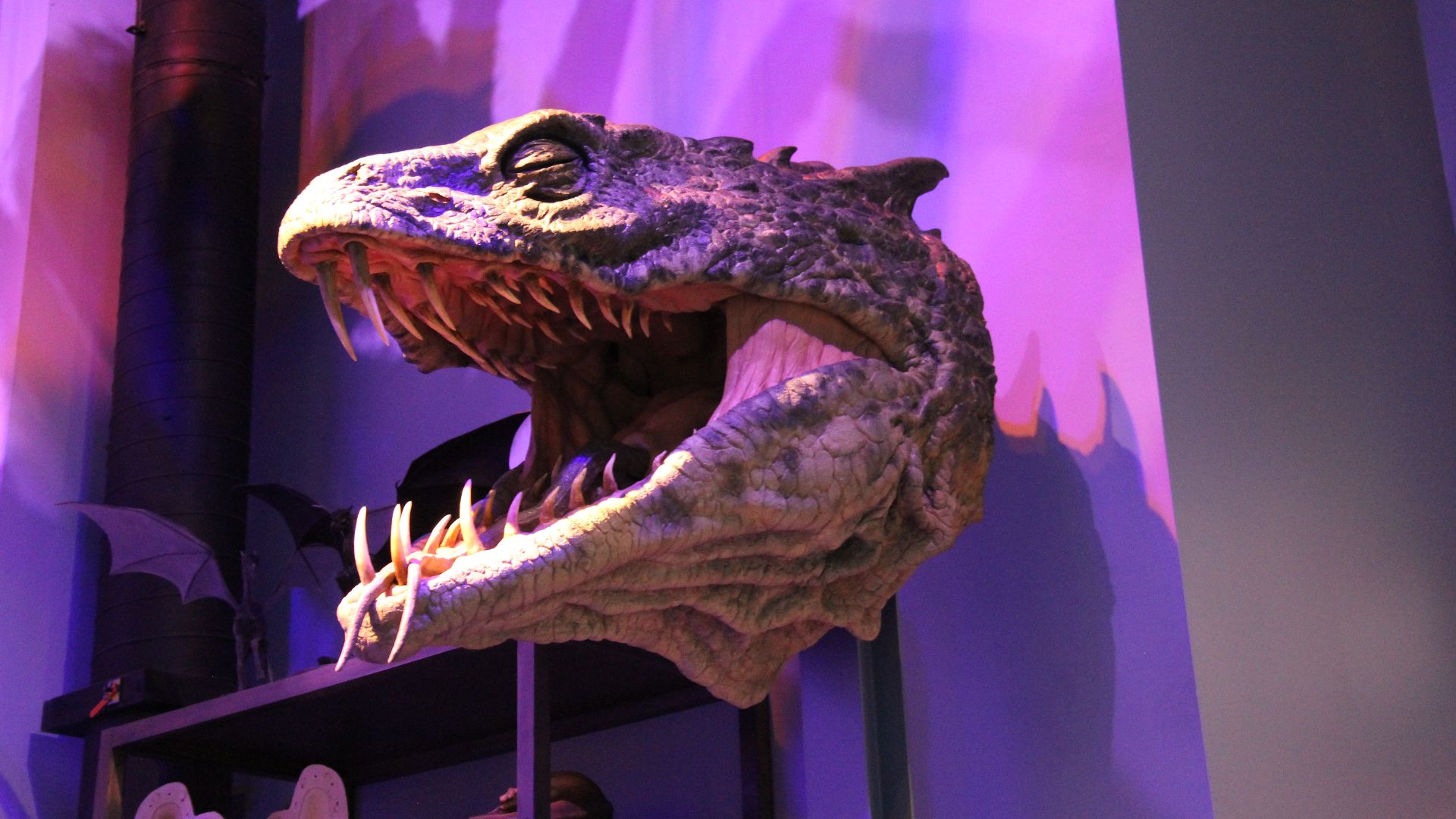
6. The Basilisk
As a monster, the basilisk works because it is essentially unkillable by any direct means available to a twelve-year-old with a wand. Its killing method means that every reflective surface and every shadow in the Chamber of Secrets section becomes dangerous, which is excellent horror construction for what is nominally a children's book.
 Peyton Eyre from Lille, France on Wikimedia
7. Peter Pettigrew
Pettigrew spent twelve years as a rat in a child's bedroom while that child's parents died for secrets he had sold, and the revelation of who he is recontextualizes everything the reader thought they knew about the Weasley family. The quiet, cowardly evil he represents is arguably more disturbing than the theatrical kind.
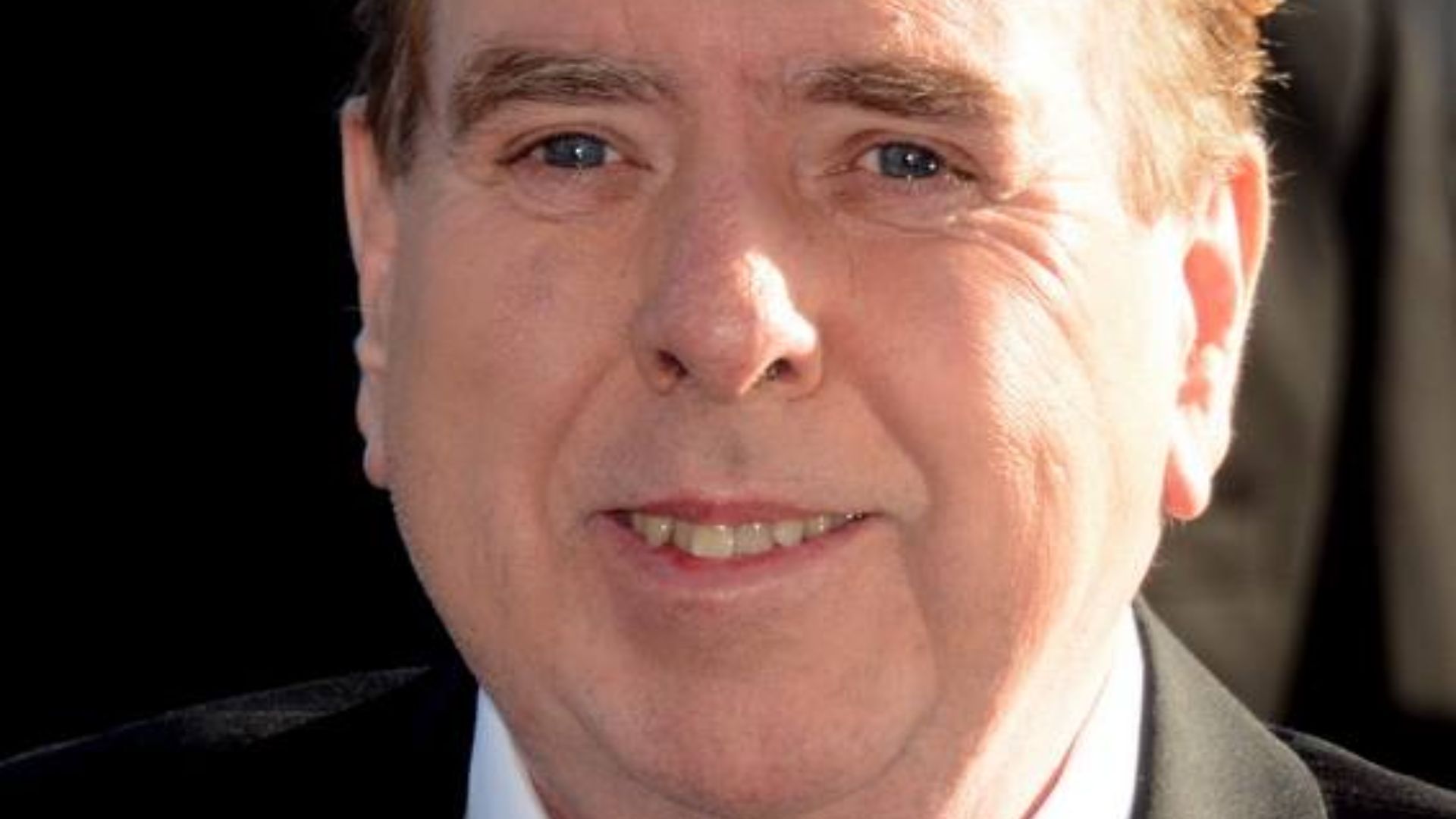
8. The Diary Version of Tom Riddle
The diary version of Tom Riddle is unsettling in ways the adult Voldemort sometimes isn't, because he is charming, patient, and methodical in his manipulation of Ginny Weasley across an entire school year. He is also a teenager, which makes the slow corruption he enacts feel more insidious than any direct confrontation.
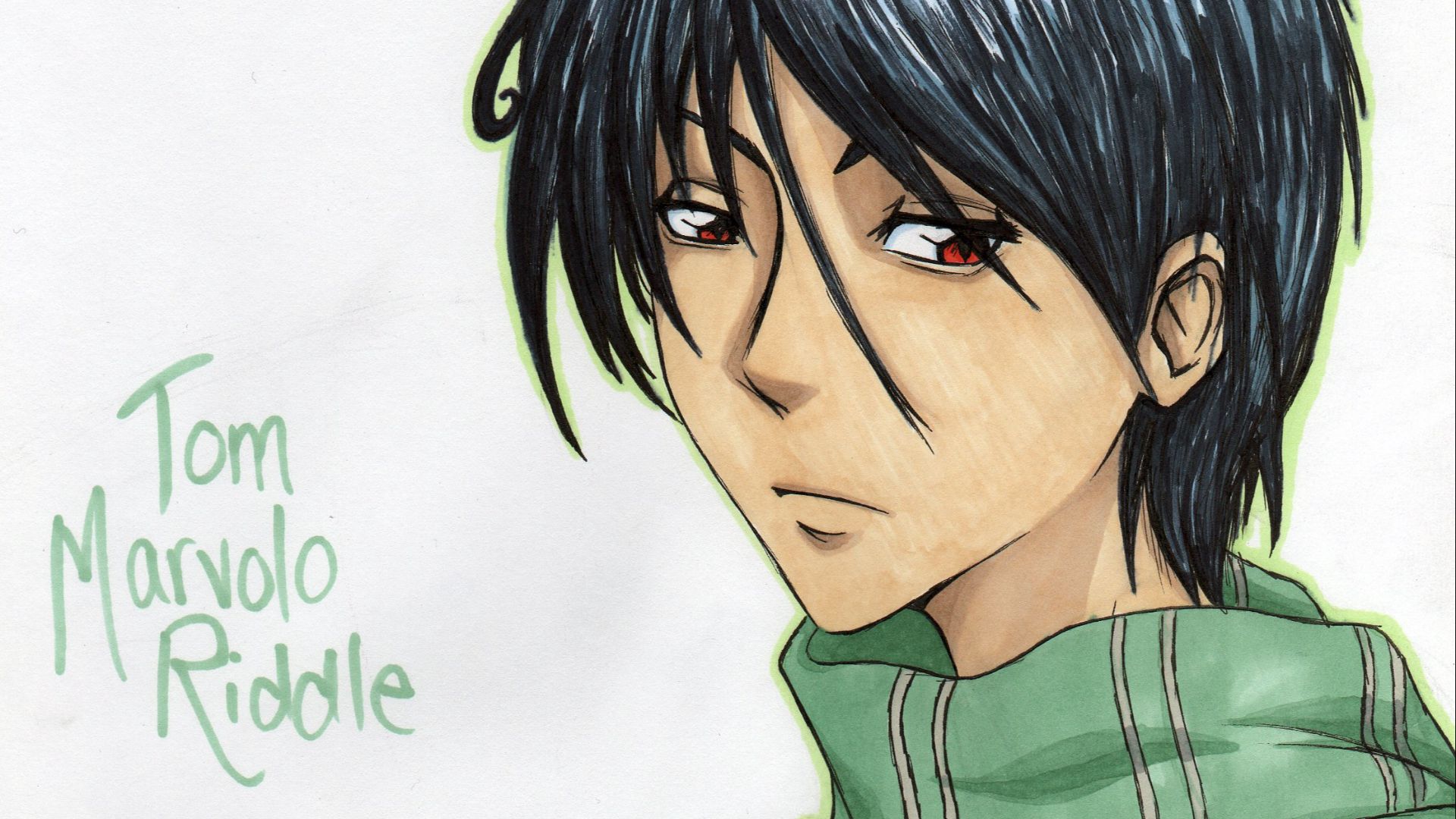 Cor-Sa on DeviantArt on Wikimedia
9. Bartemius Crouch Jr.
Crouch spent an entire school year impersonating a beloved teacher, guiding Harry toward a death trap with careful patience, and maintaining the deception through one of the more demanding pieces of dark magic in the series. The revelation scene where his true personality finally surfaces after months of performance is one of the more legitimately chilling moments in the films.
 Karen Roe from Bury St Edmunds, Suffolk, UK on Wikimedia
10. Nagini
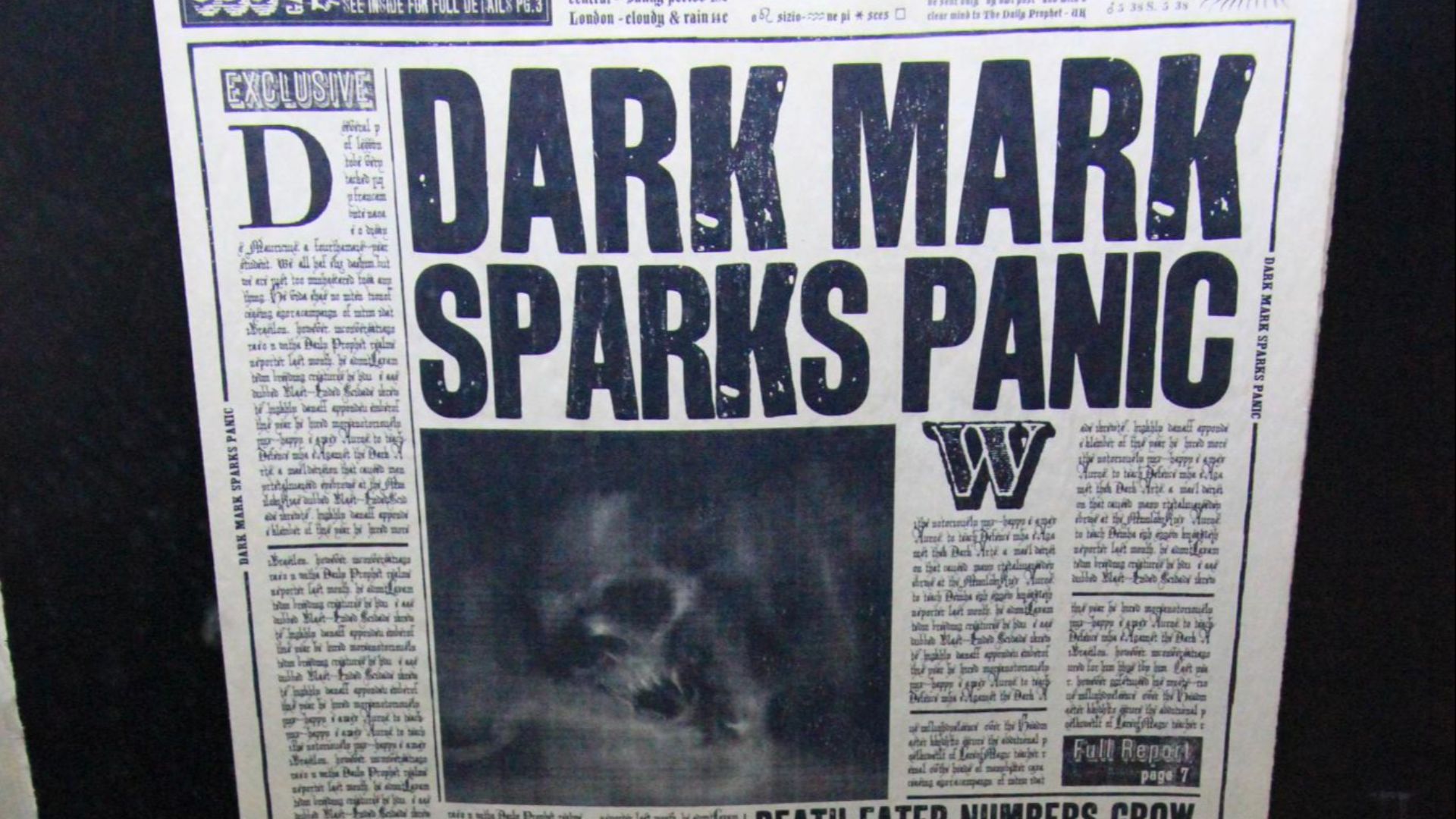
For most of the series Nagini functions as a familiar and a weapon, but knowing she is a horcrux transforms every scene she appears in. The attack on Arthur Weasley, the death of Snape, and Voldemort seeing through her eyes make her a threat that operates on multiple levels, and she becomes more frightening on a reread.
And here's 10 who were mostly embarrassing.
1. Draco Malfoy
Draco spends six books being set up as Harry's great rival and nearly all of that time failing to follow through on any actual threat. He is a bully with powerful connections and a talent for making situations worse for himself, and the series ultimately acknowledges that he was never the dangerous figure he was performing to be.
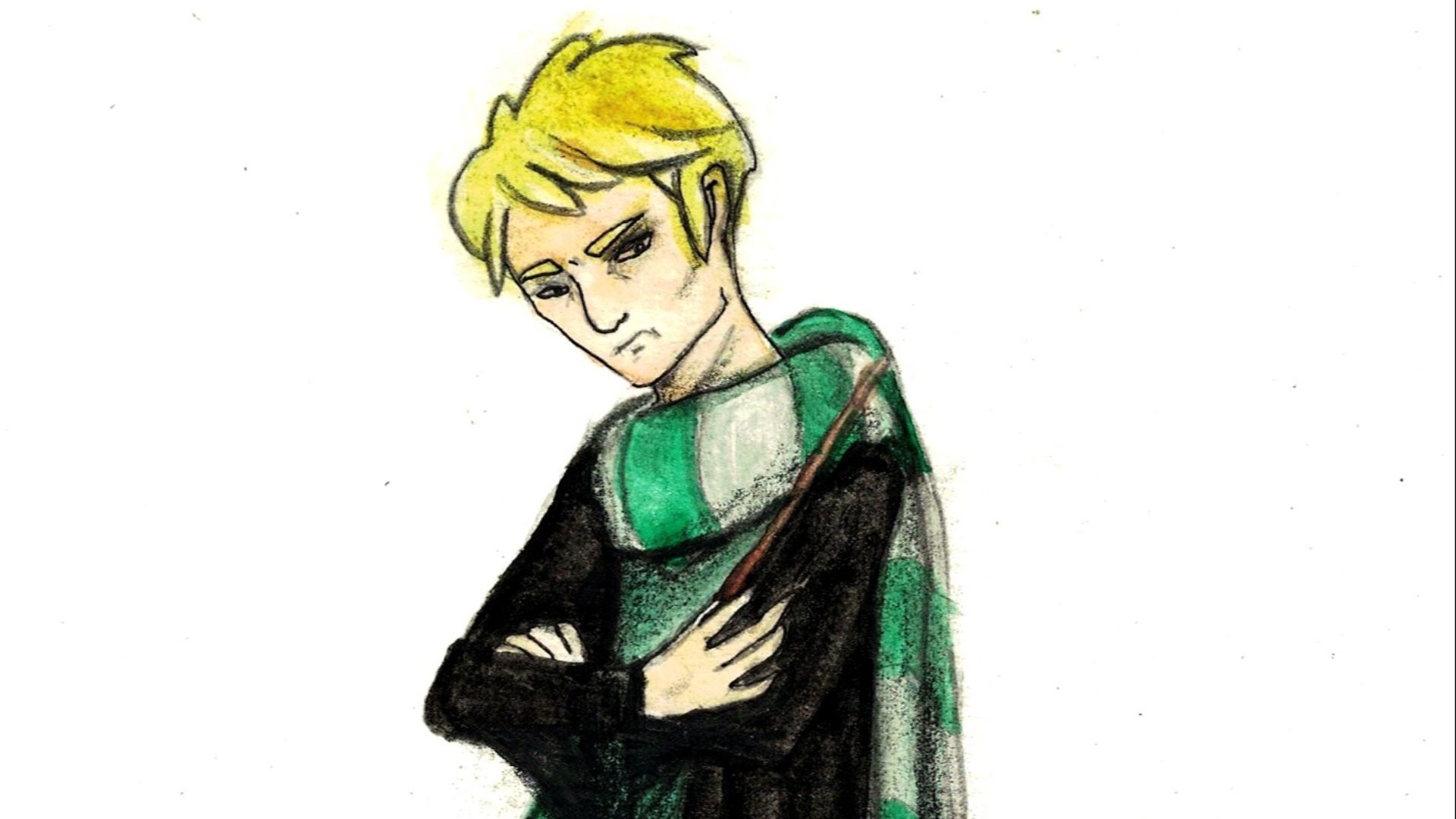 Mademoiselle Ortie / Elodie Tihange on Wikimedia
2. Lucius Malfoy
Lucius arrives in Chamber of Secrets with an air of genuine menace and spends the rest of the series losing every confrontation he enters. By the time of the Battle of Hogwarts he is wandering the grounds calling for his son, which is a legitimate character arc but not one that suggests he was ever as formidable as his early appearances implied.
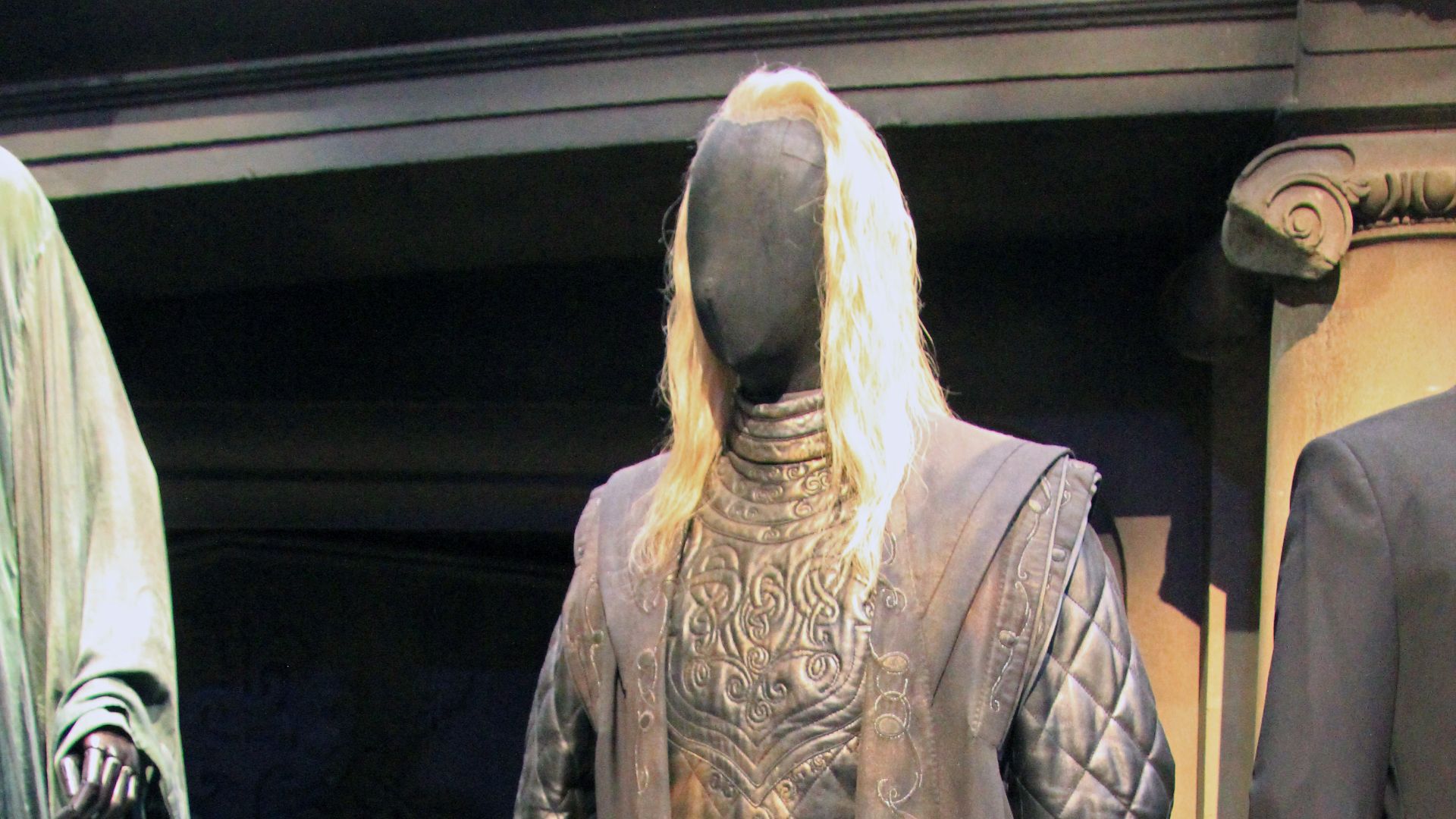 commons.wikimedia.org on Google
3. Gilderoy Lockhart
Lockhart is a fraud who stole credit for dangerous magical work done by others and erased the memories of the real heroes to cover his tracks, then accidentally erased his own. He ends the series contentedly signing autographs in a permanent care facility, which is either a fitting fate or evidence that he was never worth taking seriously as a threat, possibly both.
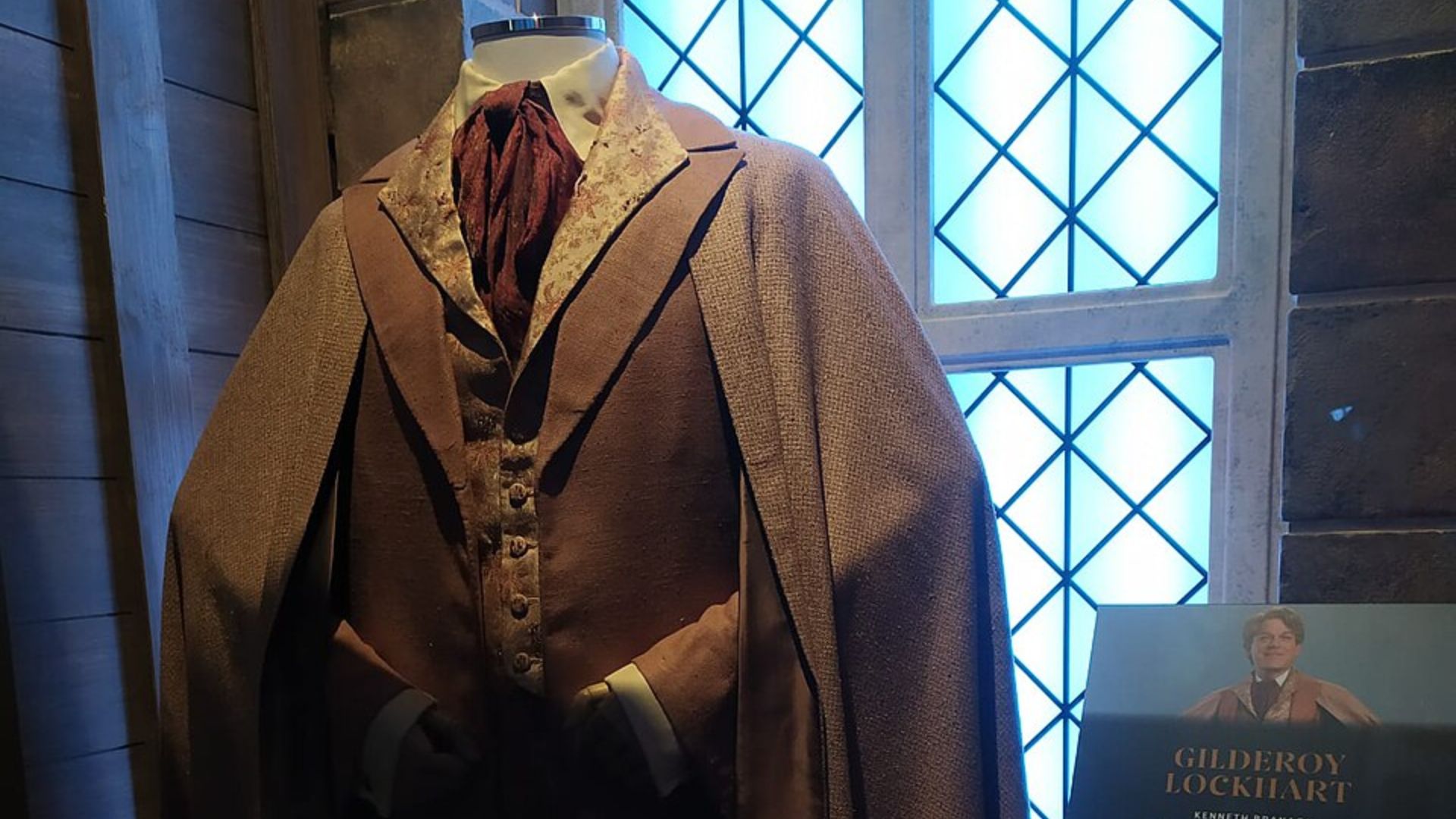 commons.wikimedia.org on Google
4. Professor Quirrell
Quirrell has the misfortune of being the first villain Harry faces and does so with a turban and a stutter. The twist that Voldemort is sharing his body is interesting, but Quirrell himself is so ineffectual throughout the first book that his reveal lands more as a surprise than as a threat, and he is dead within pages of being unmasked.
5. Rita Skeeter
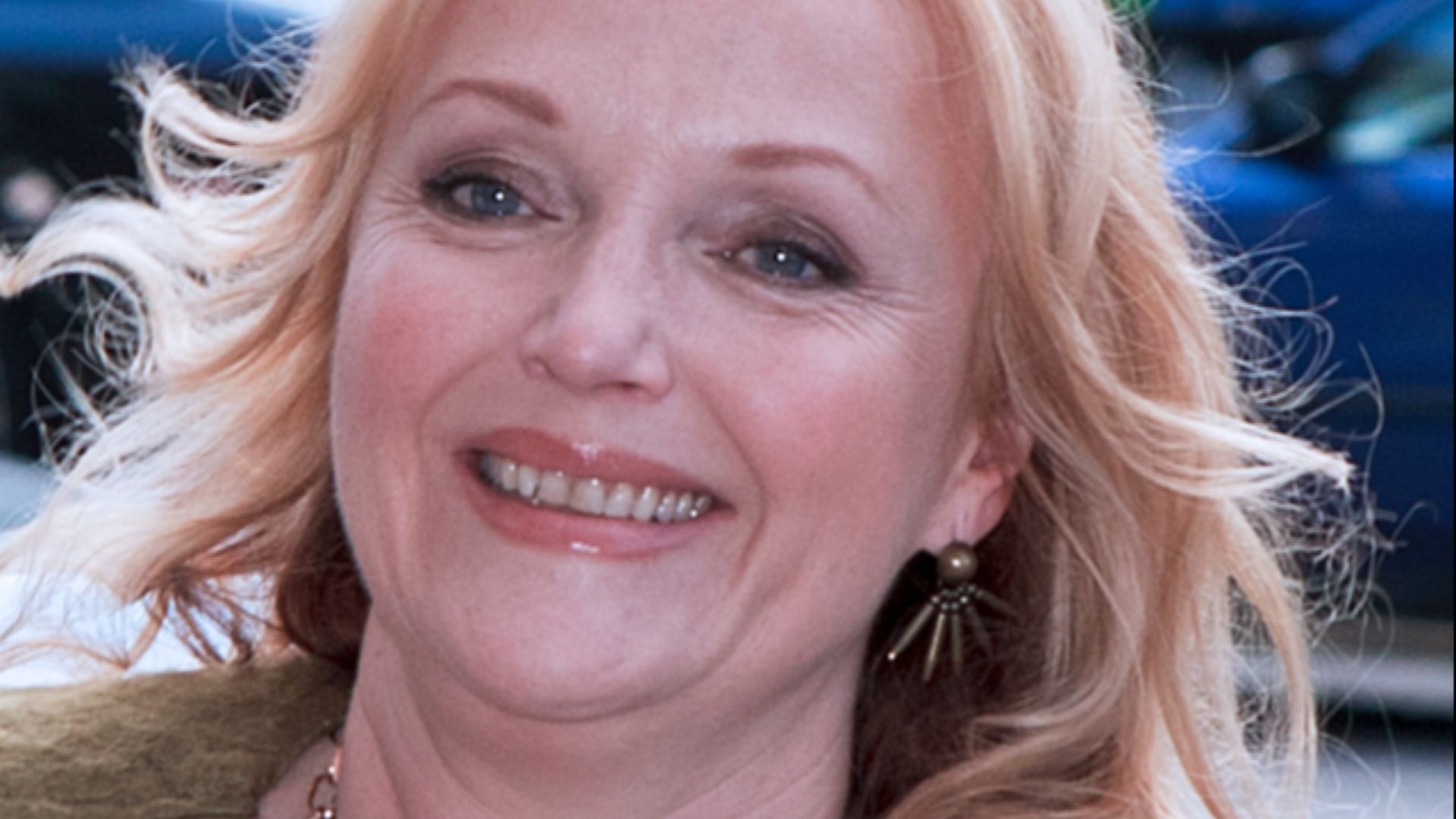
Rita causes real harm through her reporting, but she is hard to take seriously as a villain when her secret is that she is an unregistered animagus who turns into a beetle to eavesdrop on conversations. The image of a beetle in a bow tie lurking on a windowsill does considerable damage to any sense of menace she might otherwise project.
 gdcgraphics at https://www.flickr.com/photos/gdcgraphics/ on Wikimedia
6. Cornelius Fudge
Fudge spent an entire book refusing to believe Voldemort had returned because believing it would have required doing something about it, and his primary weapon against Harry and Dumbledore was unflattering articles in the Daily Prophet. He fades entirely from the story once replaced, which is about right for someone whose villainy was administrative.
7. Mundungus Fletcher
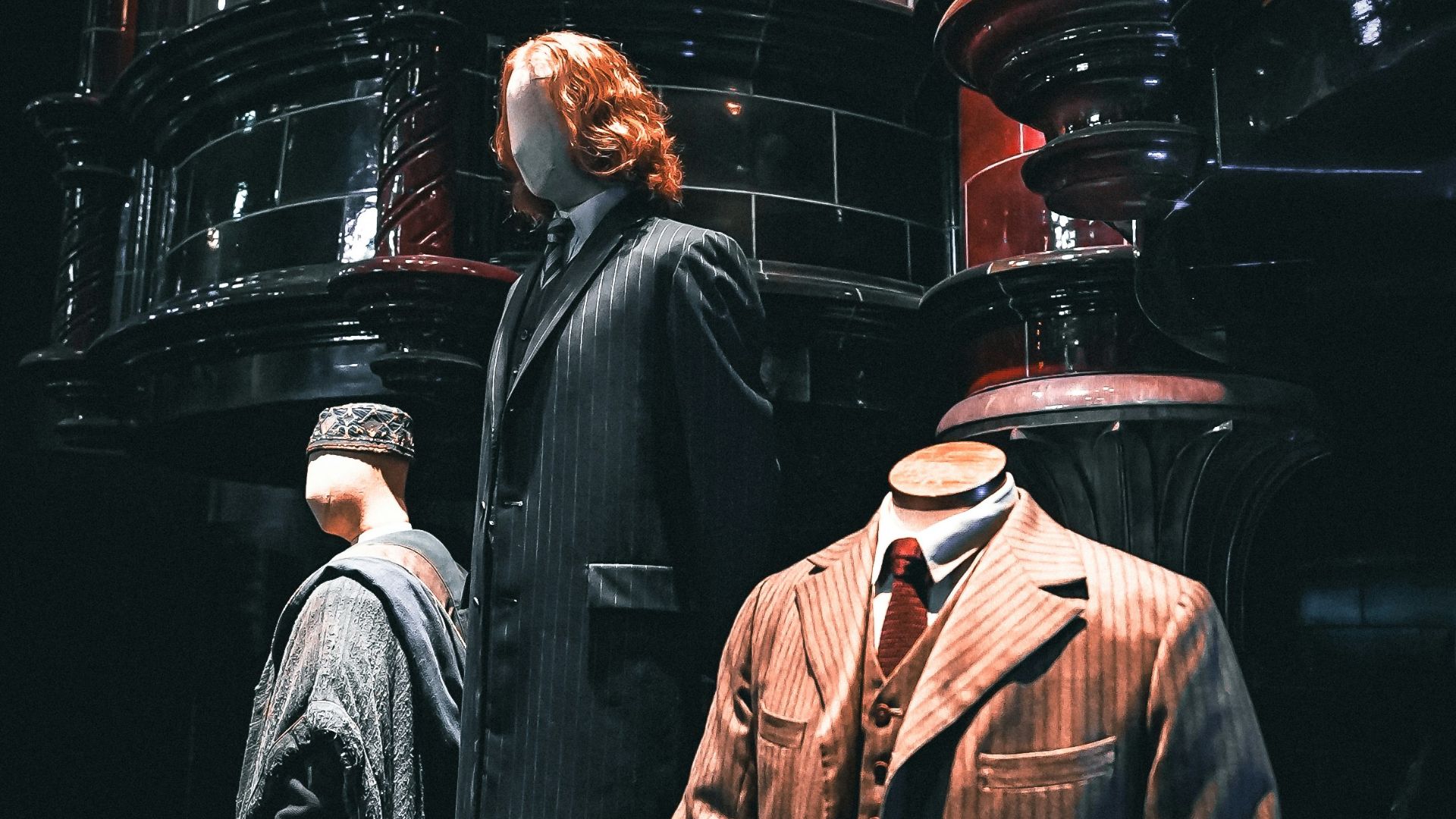
Mundungus causes serious harm through his cowardice and self-interest, including selling Umbridge the locket horcrux the Order had been protecting, but it is genuinely difficult to find him frightening. He smells bad, runs away from danger reliably, and his most dramatic moment involves disapparating out of a duel to leave a colleague to face a Death Eater alone.
8. Crabbe and Goyle
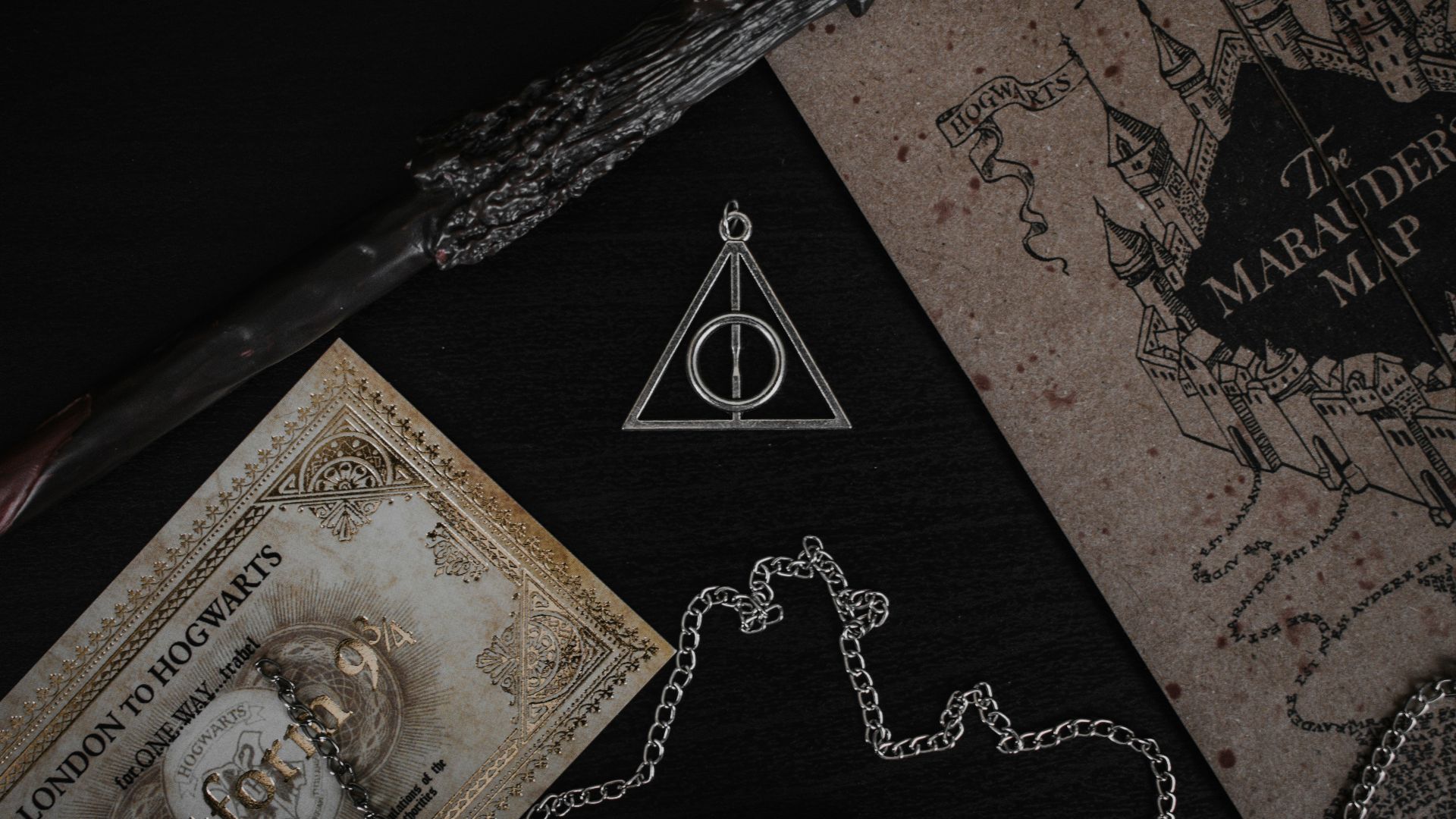
Crabbe and Goyle exist primarily as physical mass standing near Draco and occasionally breaking things. They contribute nothing to any plot of consequence until Crabbe accidentally kills himself with Fiendfyre in the final book, and are so thoroughly undeveloped that their purpose seems to be giving Draco someone to look superior to.
 commons.wikimedia.org on Google
9. The Carrows
The Carrows are genuinely cruel, which should make them frightening, but they are presented as so obviously brutal and stupid that they read more as thugs than as genuine menaces. They are dispatched without much ceremony when the time comes, which suggests even the narrative didn't think particularly highly of them.
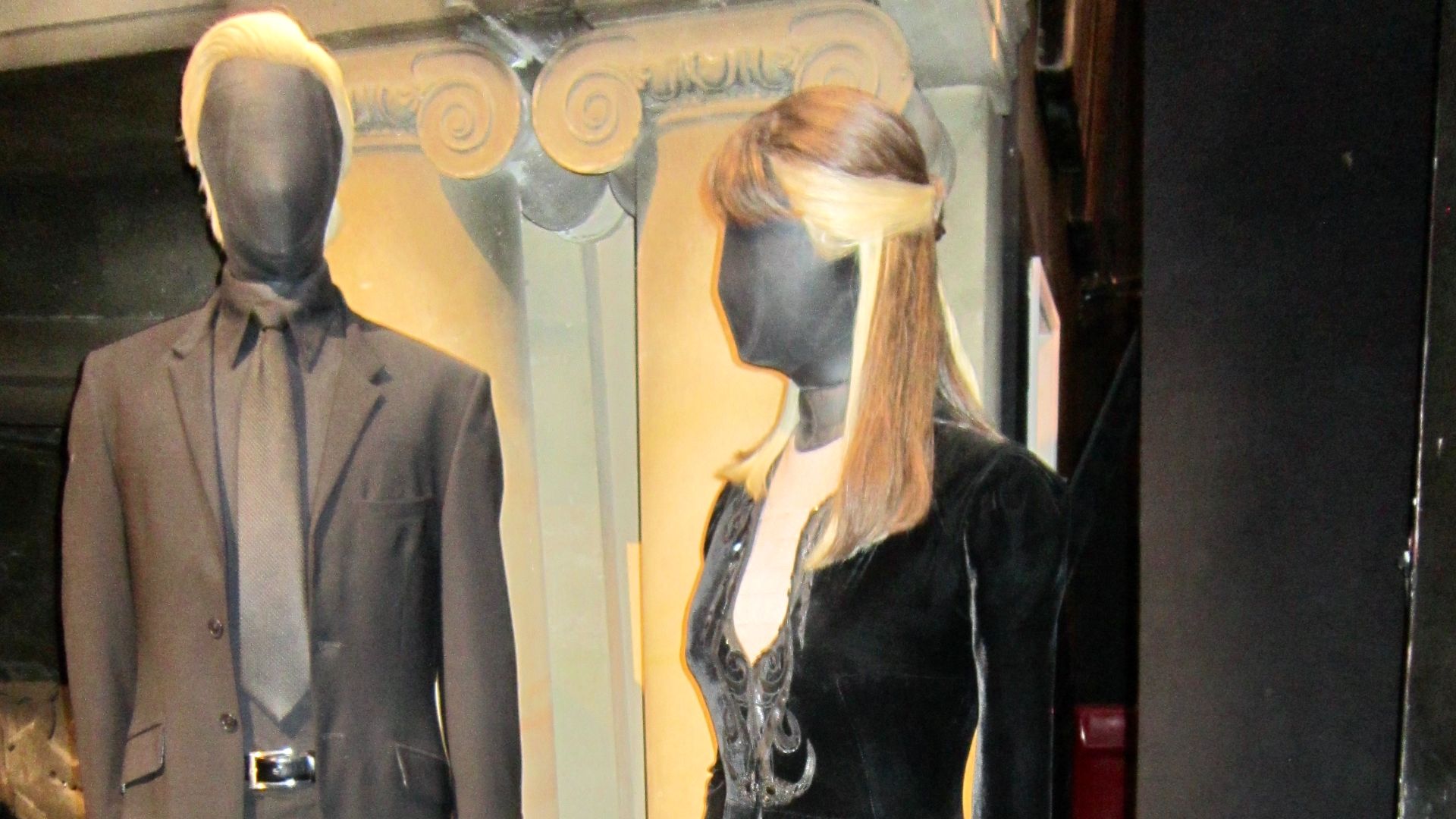
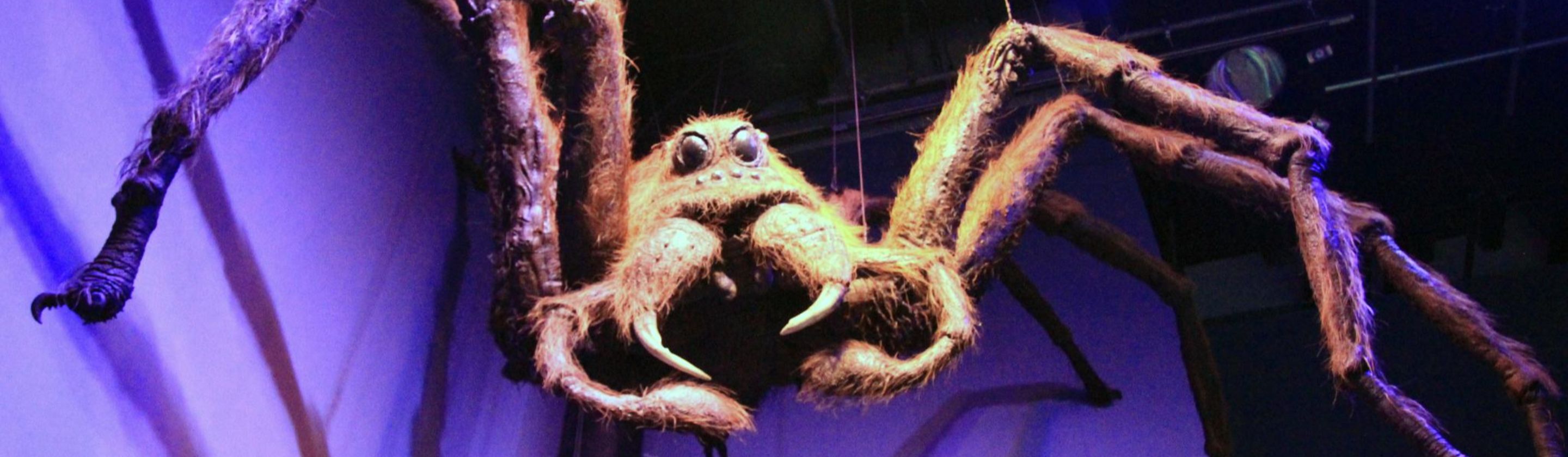
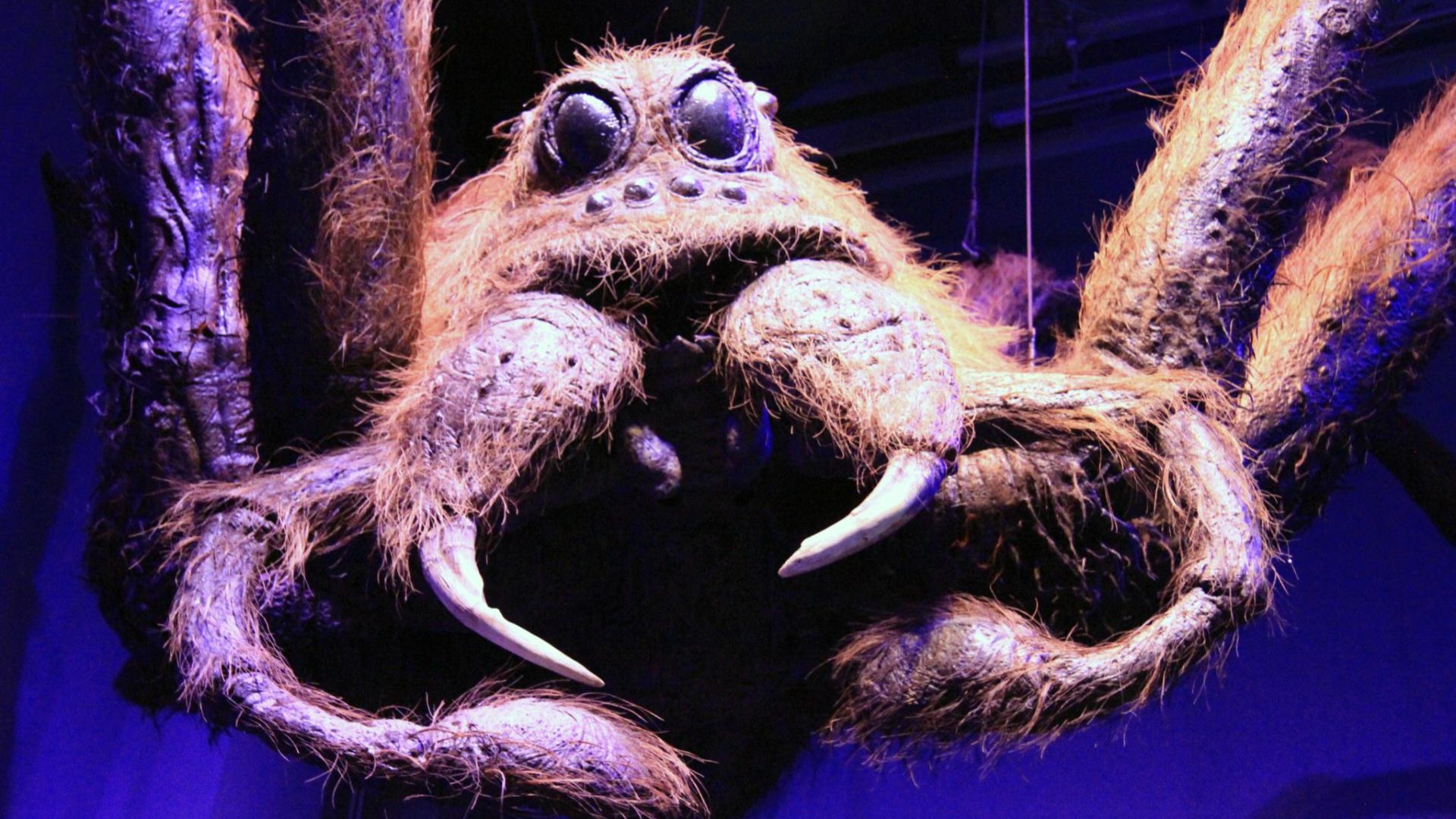
10. Aragog
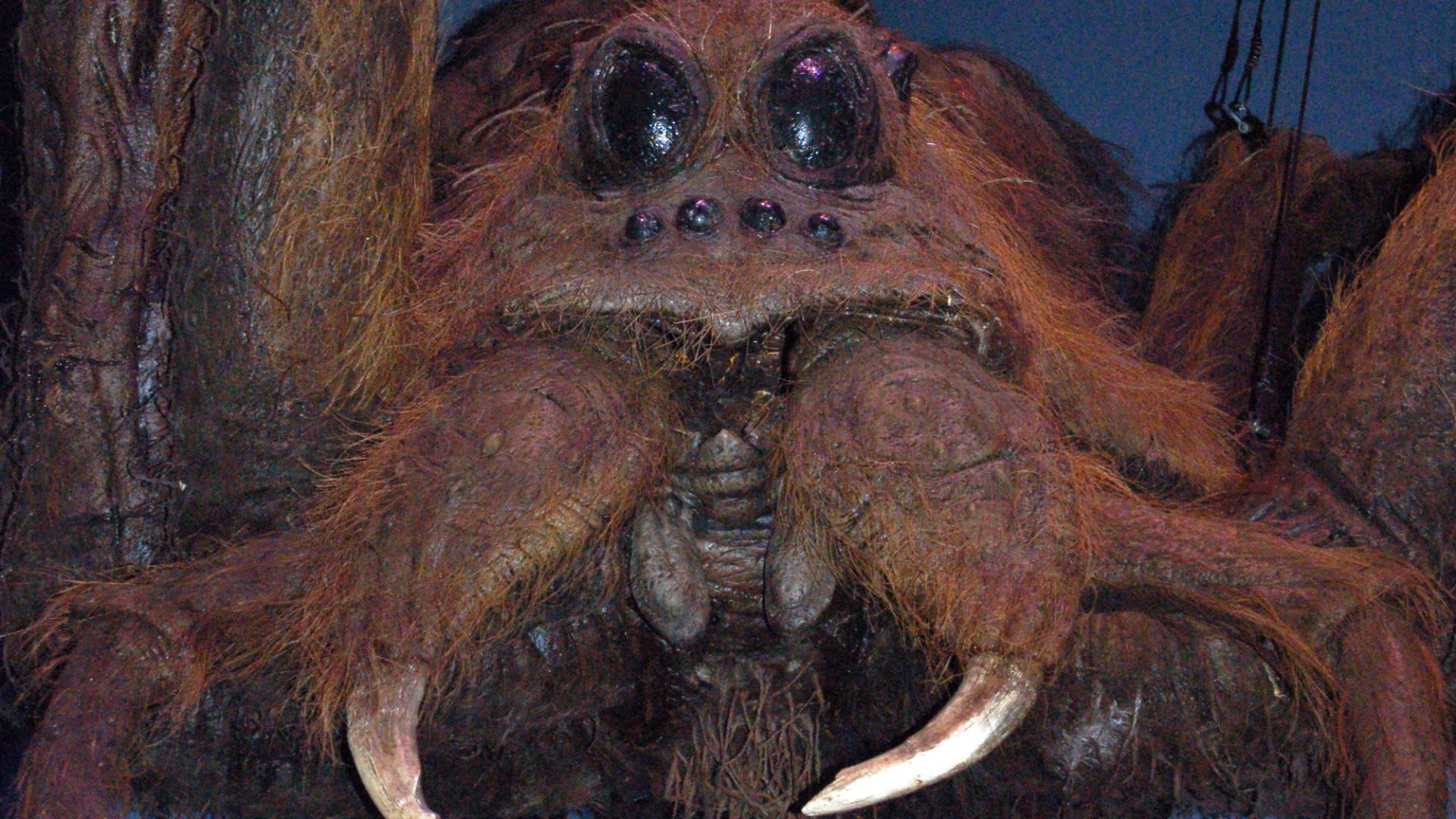
Aragog is a giant spider who commands an army of smaller giant spiders, but he was also raised by Hagrid from an egg, mourned at his funeral, and eulogized as a gentle creature who simply had the dietary misfortune of being an acromantula. Slughorn's graveside toast while Order members steal from his web is not the send-off of a serious villain.



.jpg)

