Your Guide to Better Listening Habits
We get it: when a good song comes up, you can't help but crank the volume up. While listening at higher decibel levels isn't always a bad thing, especially if these sessions are short, they can still damage your ears in the long run. Other habits that you think are harmless, such as sleeping with your headphones or using low-quality earbuds, can also negatively affect your hearing and take a toll over time. To get to the core of the problem before it spirals into something worse, here are 10 bad headphone habits that ruin your hearing—and 10 smart ways to protect your ears.
1. Cranking the Volume to the Max
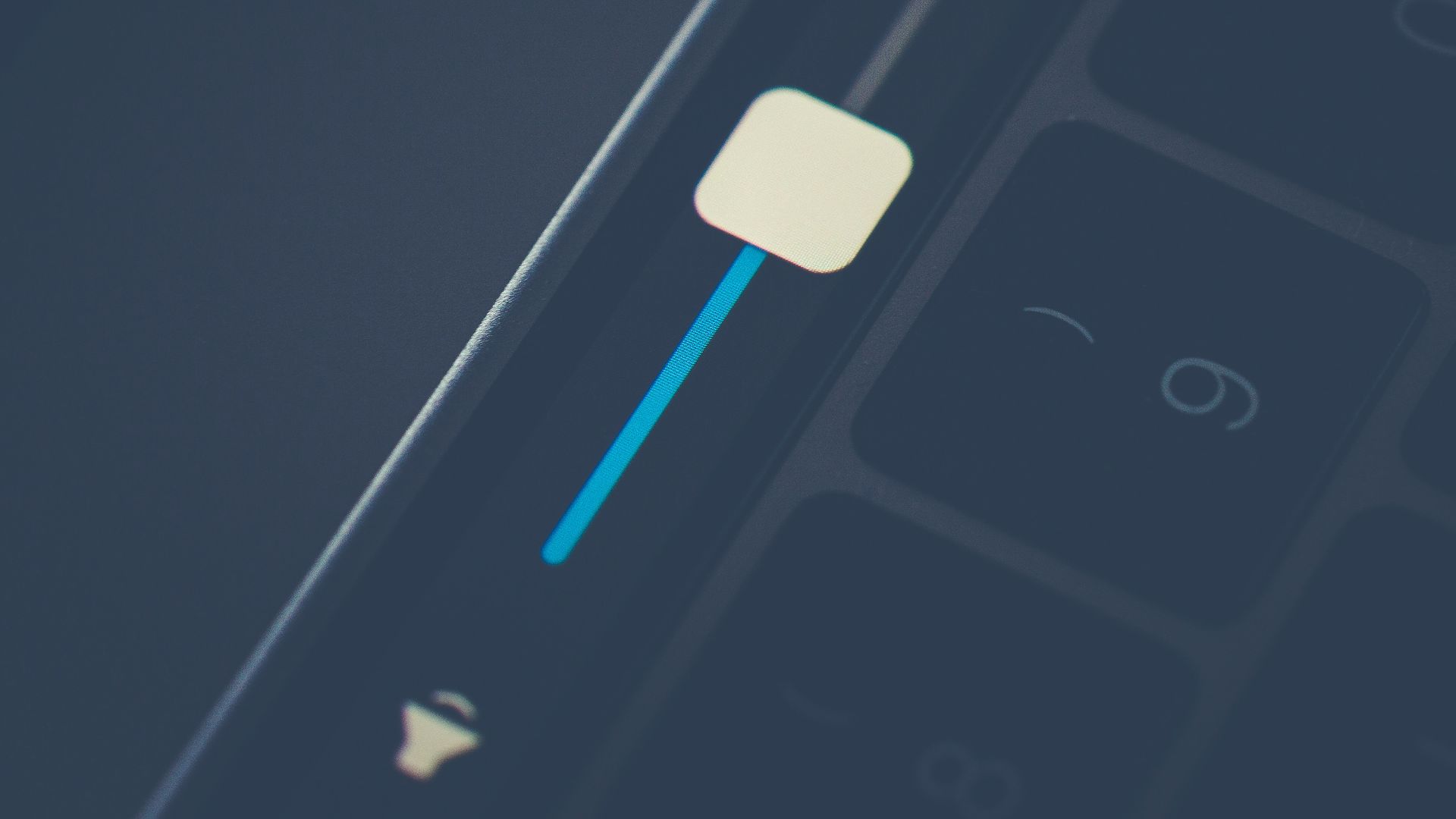
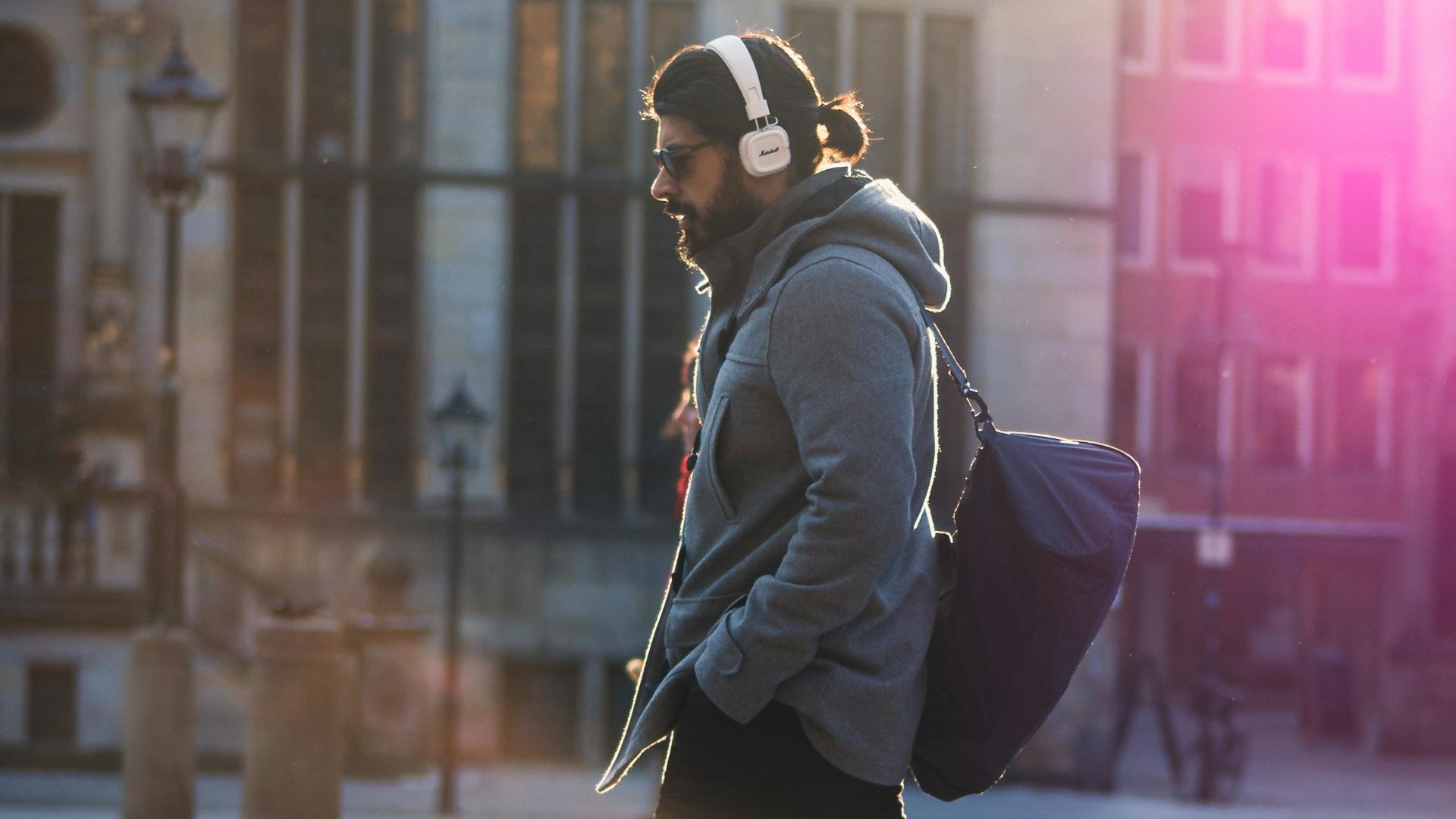
It's no surprise that if you constantly crank your volume to the max, it's going to damage your hearing in the long term. Experts recommend that you listen to your music and media no louder than 65-85 dBa. The upper limit should be treated as the absolute maximum, and you should only listen to audio at 85 dBa for no longer than eight hours at most per day. It's also important to note that earbuds are often worse than headphones: since they're inserted in the ear canal, they have a greater risk of damaging your hearing at higher volumes.
2. Long Listening Sessions Without Breaks
As noted in the previous point, it's not good for your ears to listen for long sessions without breaks, especially if you're cranking your volume up high. Ideally, it's best to keep your volume levels around 70 dBa or lower if you want to listen to your music for an extended period.

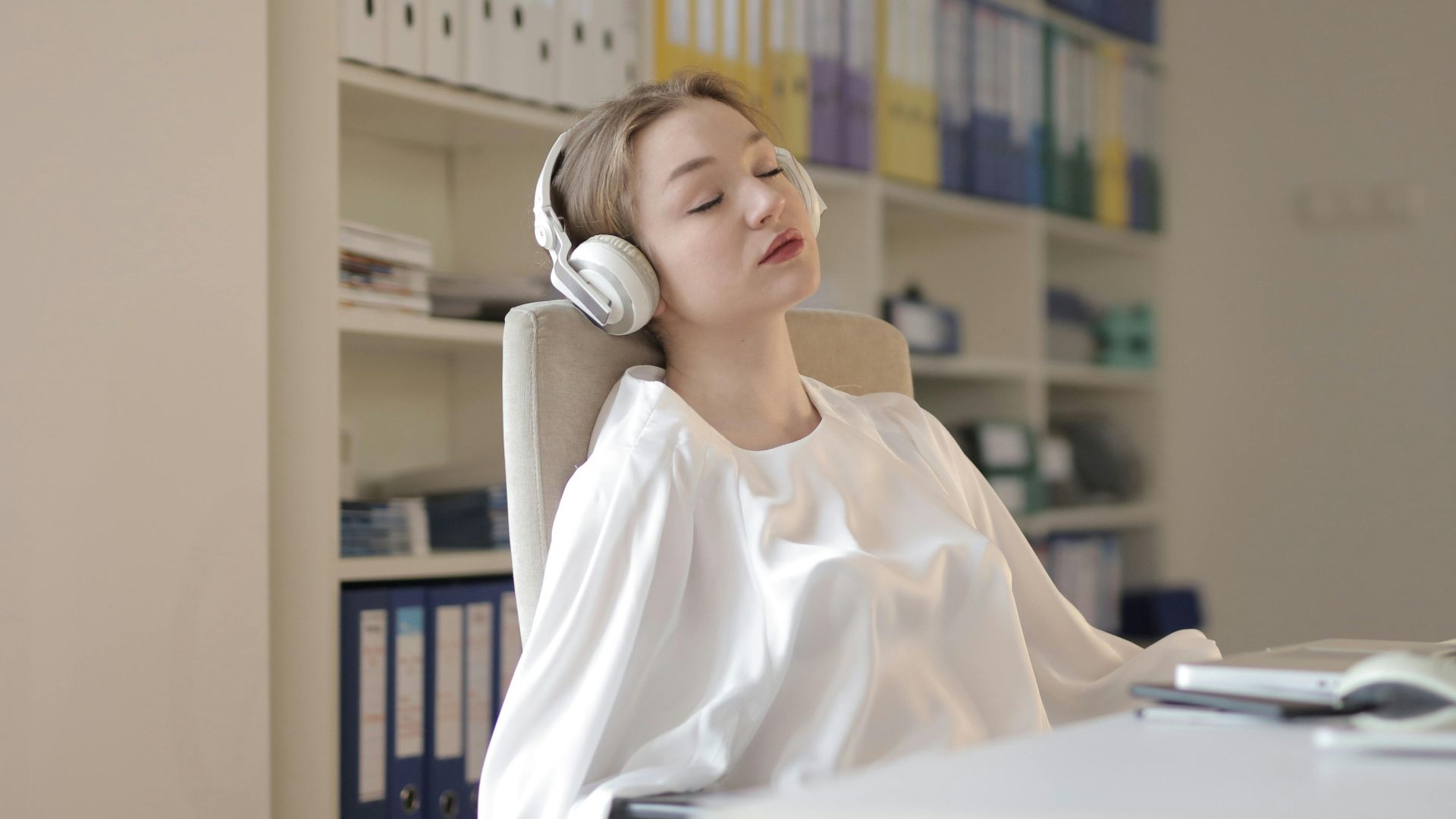
3. Sleeping with Headphones In
If listening to your music for long periods without breaks in between is bad, then sleeping with your headphones (or earbuds) in is even worse. Because you won't be awake to switch it off or adjust your volume, you could quickly damage your ears and hearing.
4. Using Damaged Headphones
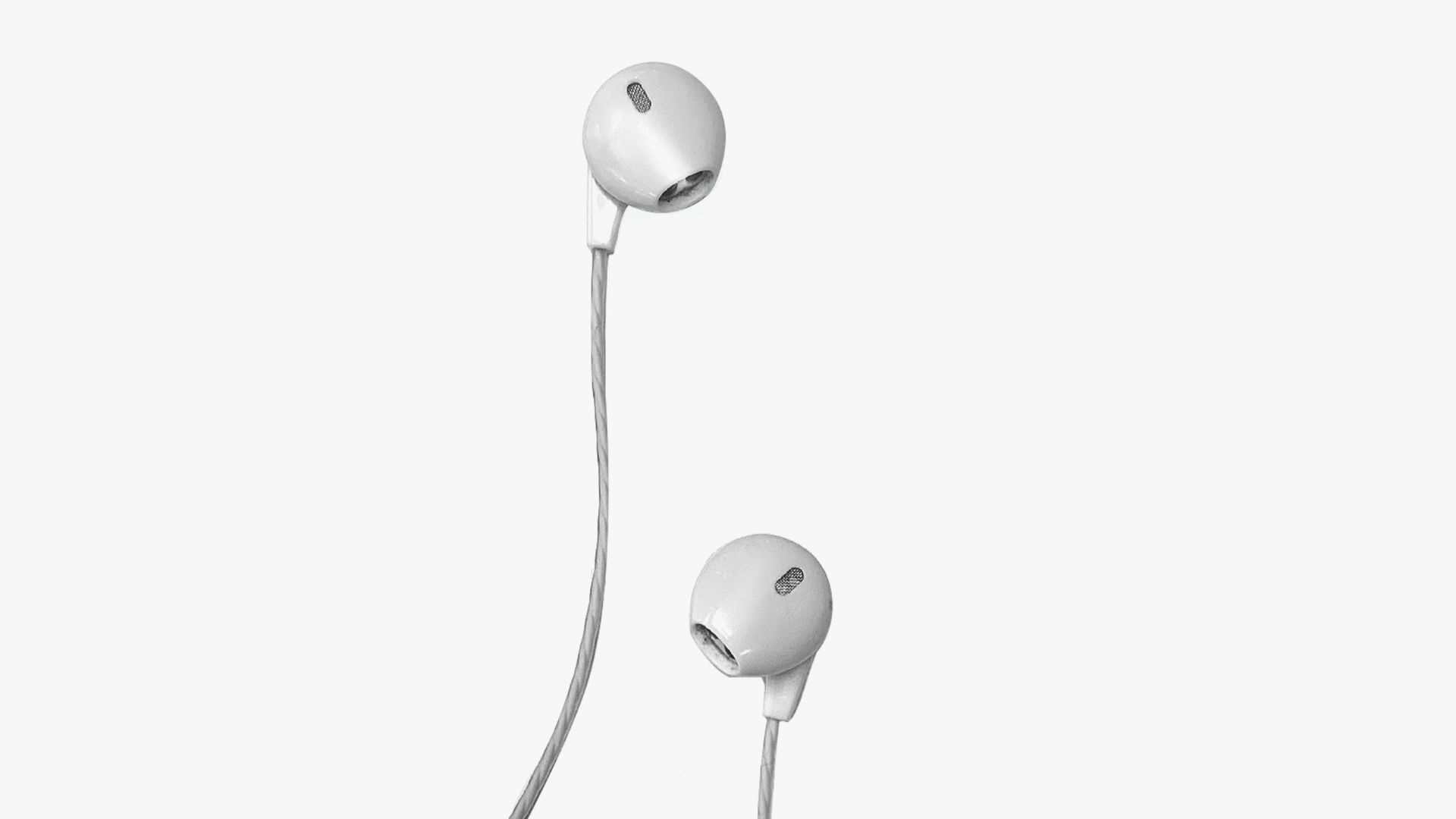
If your headphones or earbuds are damaged, toss them. For one, distorted audio can hurt your hearing, especially if it's loud, sudden, or unpleasant. Tinny sound may also make you want to crank the volume up further, which can also damage your ears.
5. Ignoring Ear Pain or Tinnitus
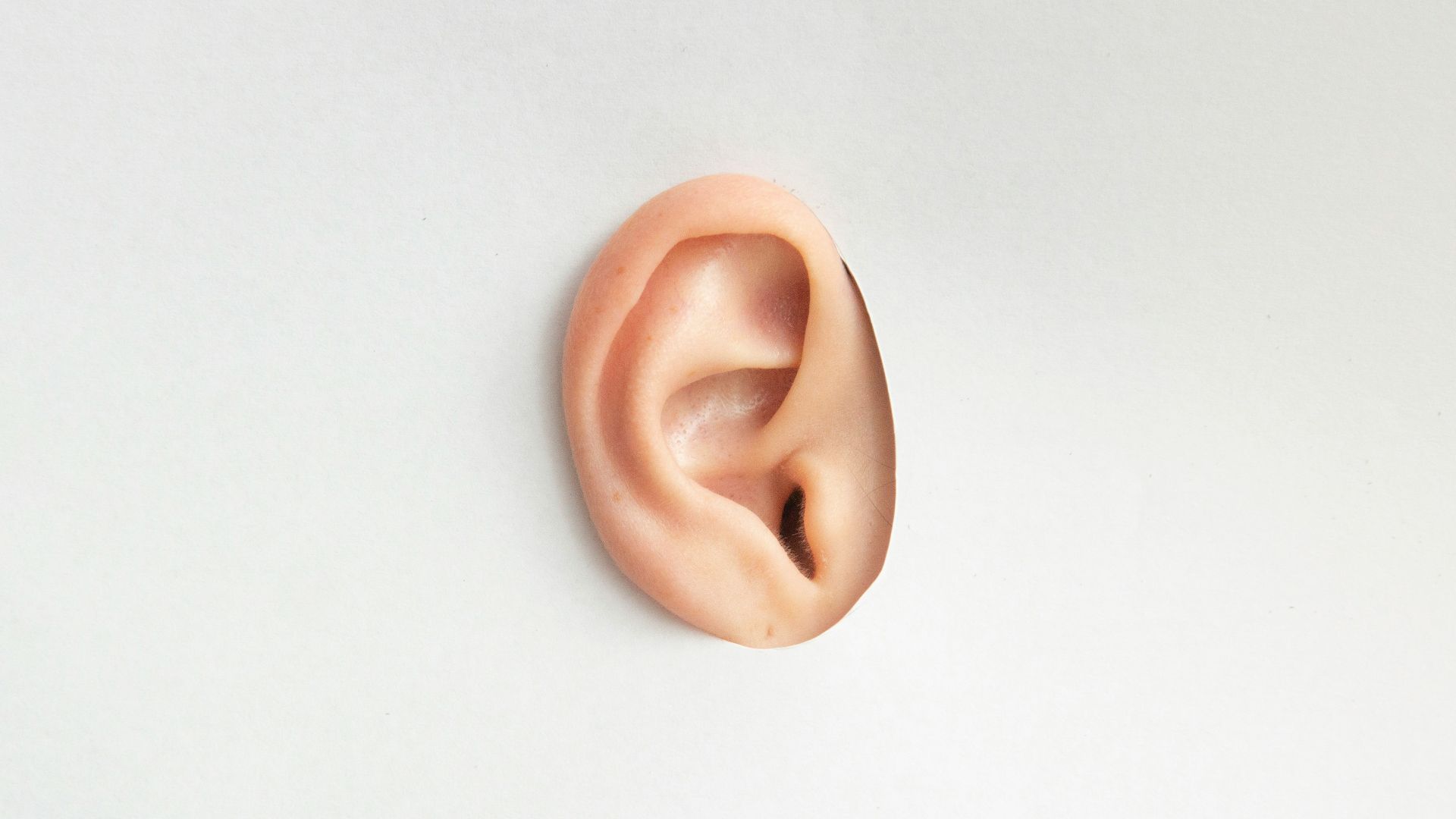
If you experience any ear pain or ringing sounds, you should immediately stop using all headphones and earbuds. While tinnitus is common, you shouldn't assume it's always benign, and if it's paired with other symptoms like pain or fullness in the ear, it's time to schedule an appointment with a doctor right away.
 Franco Antonio Giovanella on Unsplash
6. Listening in Loud or Noisy Environments
You might think your headphones or earbuds come in handy when you're in a loud or noisy environment, but it's actually the opposite. In these situations, you're much more likely to turn your volume up to overpower the background noise, which may then damage your hearing.

7. Sharing Headphones with Other People
Sure, sometimes you may want to share your audio with friends and family, especially if you want them to listen to a favorite song of yours or you want to watch a movie together. But swapping earbuds or headphones isn't recommended. For one, it can be extremely unsanitary and can spread bacteria that lead to ear infections.
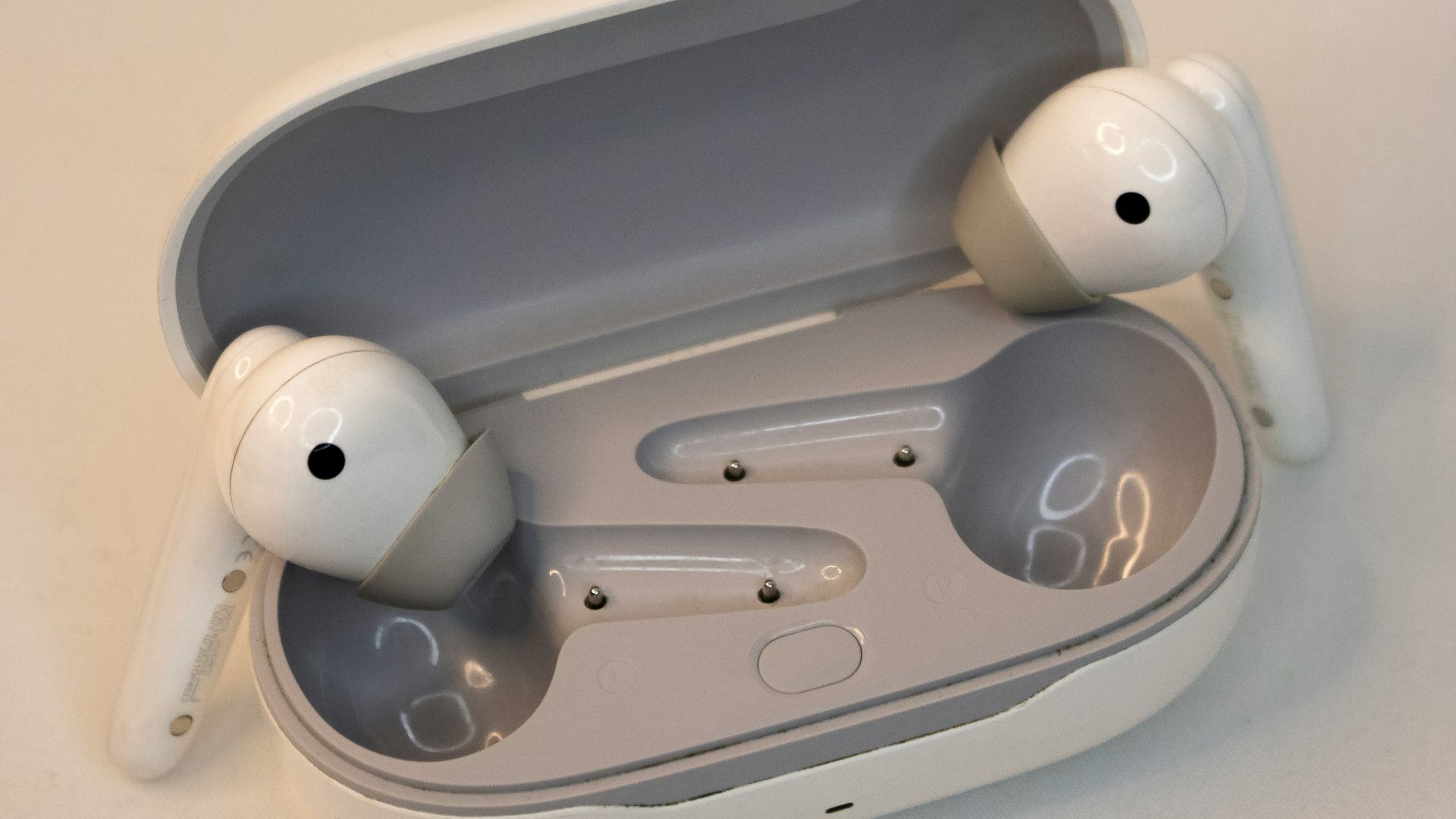
8. Not Regularly Cleaning Your Headphones
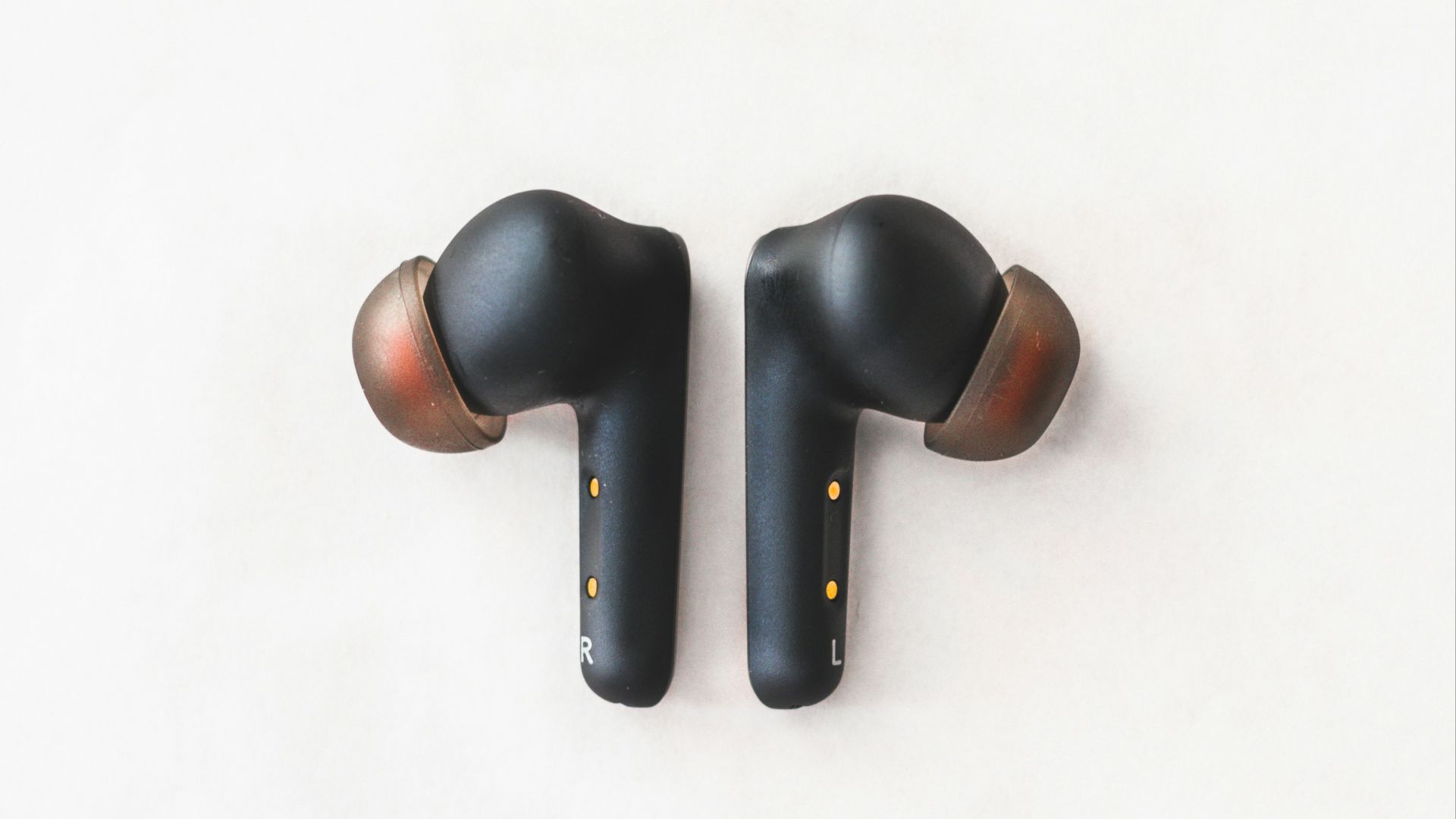
If you must share your earbuds with someone else, make sure you're cleaning them first with alcohol wipes. You should also sanitize them regularly for your own use, as bacteria, oil, and sweat can quickly build up, which can not only affect your listening experience but cause ear infections as well.
 juan daniel guzman zapata on Unsplash
9. Not Using Noise-Cancelling Feature
If your earbuds or headphones have noise-cancelling, make sure to use it when you need to. This way, it can help cut out loud background noise, and you won't need to crank your volume up to compensate.
10. Using Cheap or Low-Quality Headphones
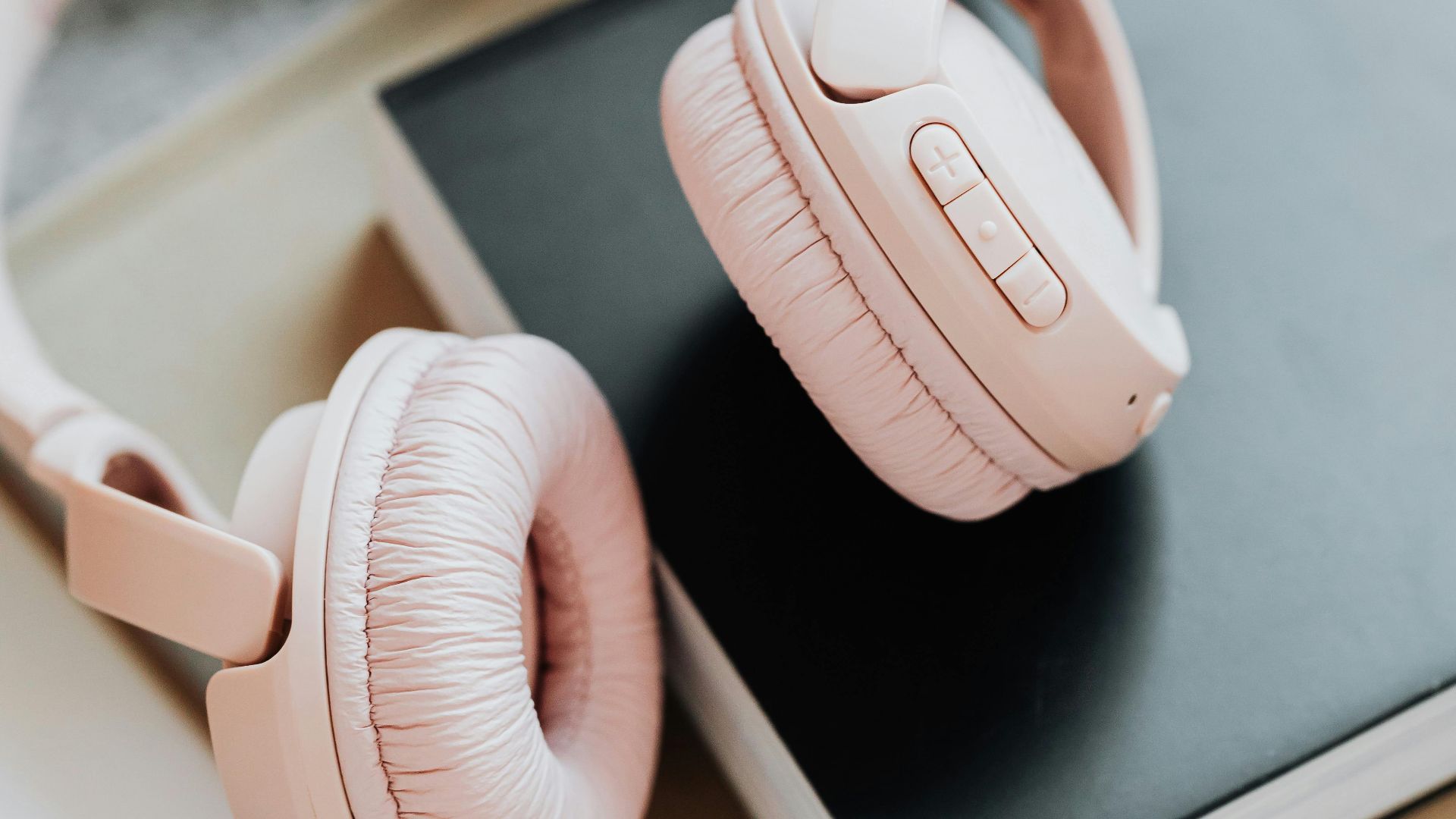
Just as you shouldn't continue using damaged headphones, you also shouldn't be using cheap or low-quality ones. These may still allow you to listen to your music perfectly fine, but if they're poorly made, they may produce tinny or unbalanced sound, which can negatively affect your hearing in the long run. They may also not include safety features that protect your ears.
So, what are some ways you can keep your ears in good shape? Here are 10 things to keep in mind:
1. Set a Volume Limit
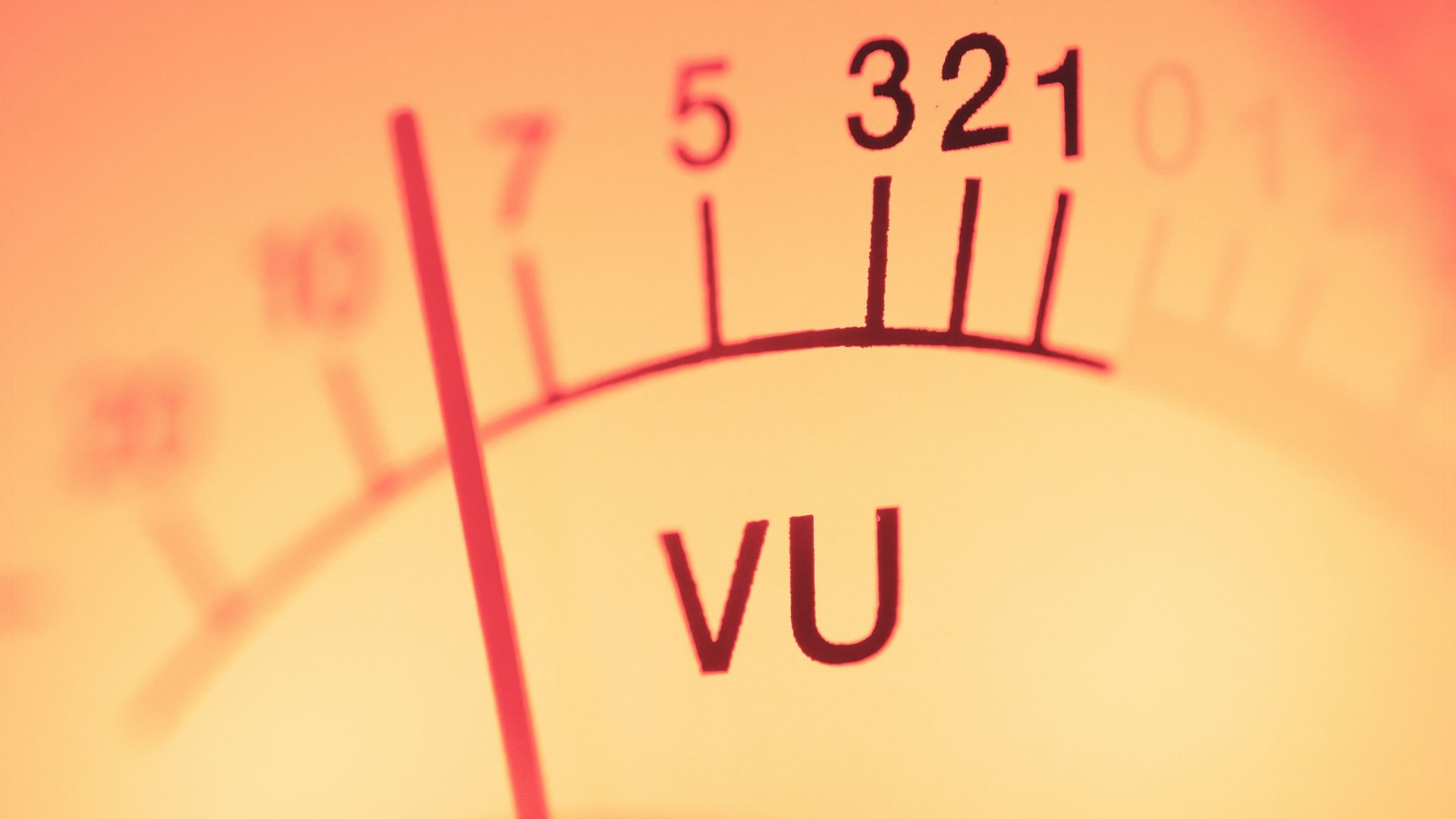
If you have the option on your device, make sure to set a maximum volume limit. This way, any time your music or media exceeds this limit, your device will automatically turn the noise level down to keep it at the one you've set. The recommended level is 70 dBa or lower, but some devices may only offer 75 dBa as the minimum.
2. Take Frequent Breaks
Make sure you're not listening to audio for extended periods of time. The higher you turn your volume up, the shorter your listening sessions will have to be, so if you want to jam to your playlist for longer than an hour, turn the music down.
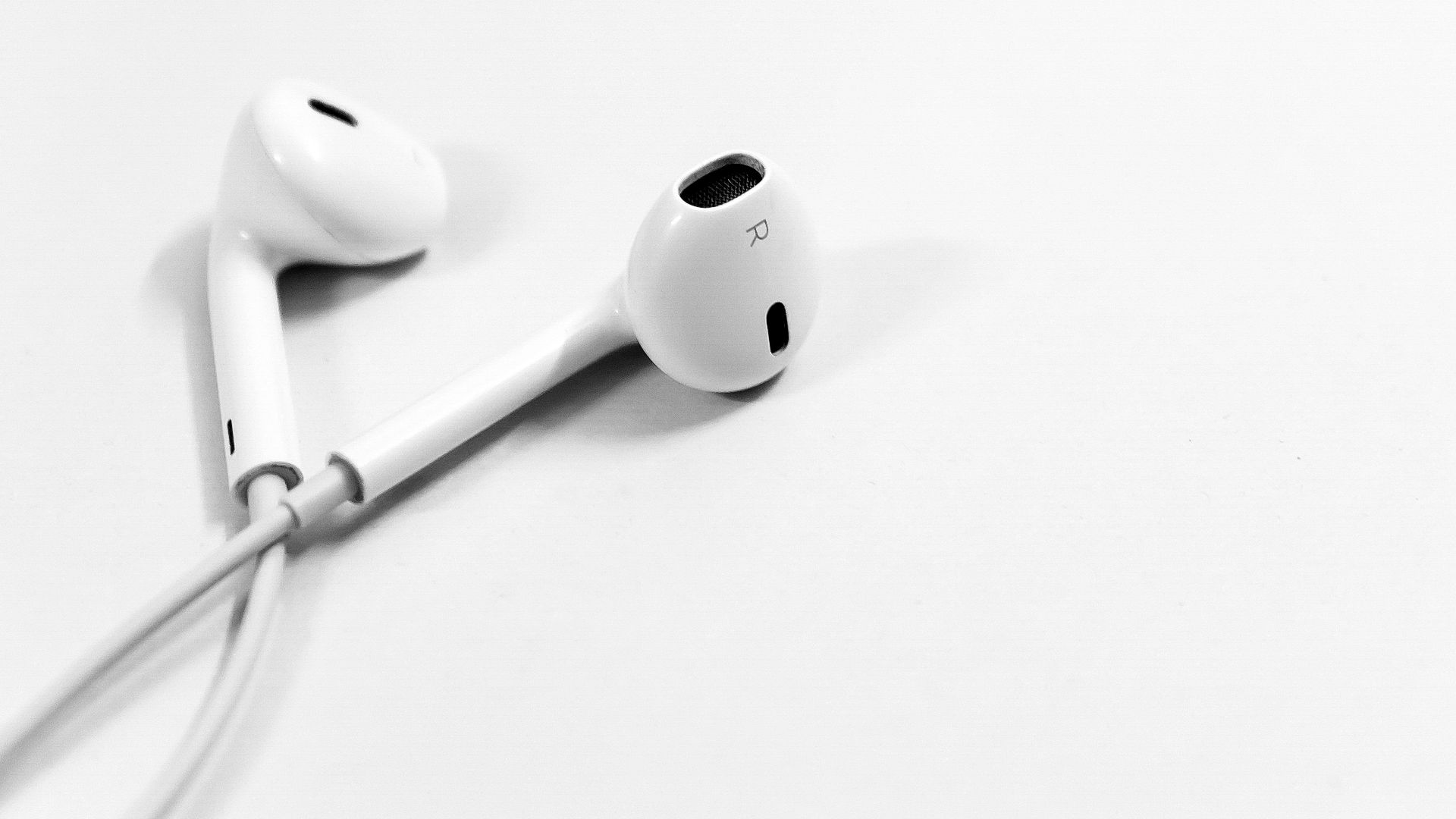
3. Note How Noise Exposure Affects You
Loud noise can spike stress and anxiety, and being constantly exposed to chronic noise has even been linked to cardiovascular disease. If you ever find yourself feeling nervous or on edge in noisy environments or when playing upbeat songs, take a break somewhere quiet and give yourself time to reset and recharge.

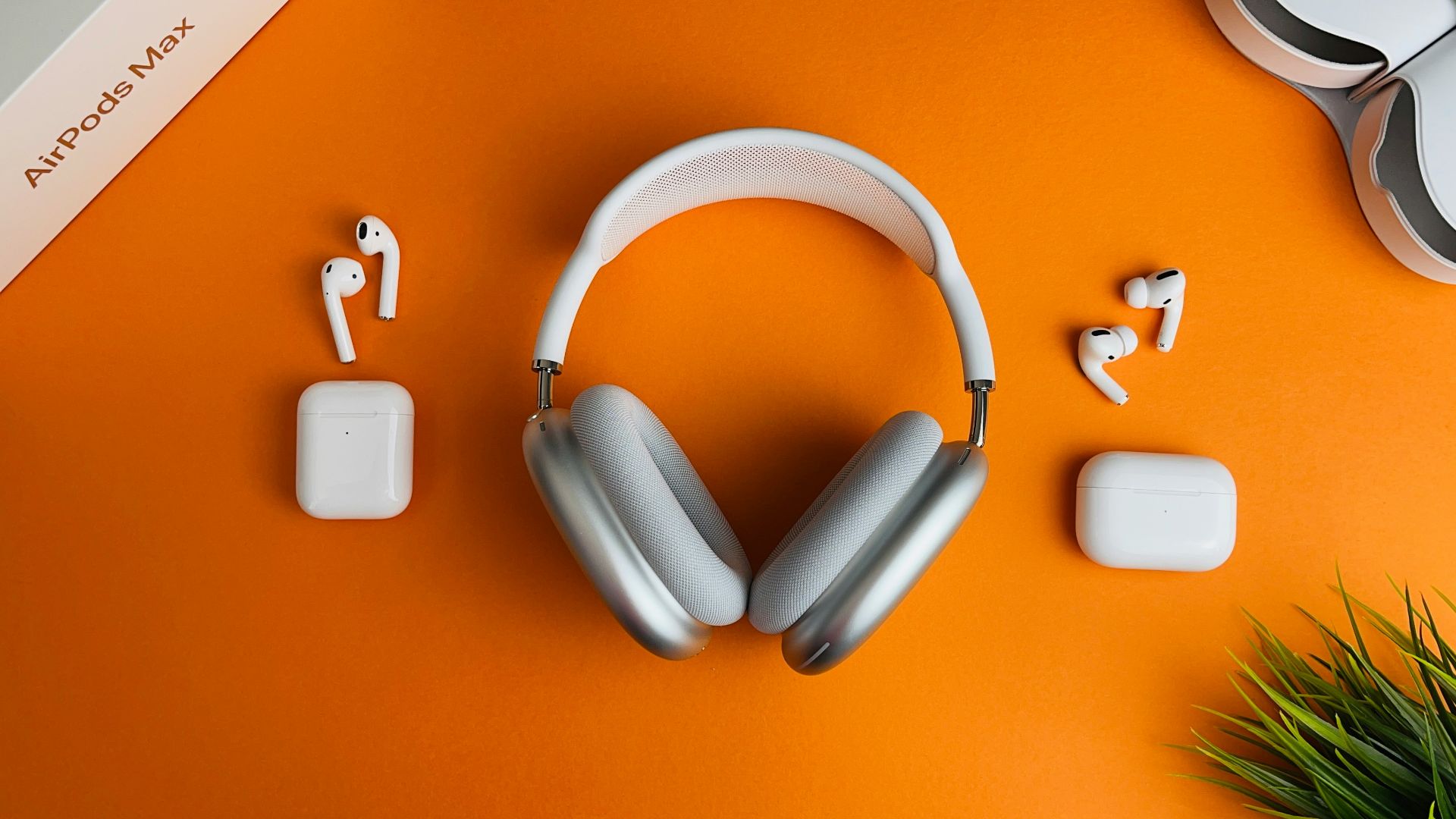
4. Invest in Good Quality Headphones
As mentioned earlier, you don't want to use cheap, low-quality headphones; they can produce tinny, distorted sound that may damage your ears. They may also not have a proper seal, which may make you want to crank the volume up to compensate. To avoid these problems, invest in a pair of good-quality headphones that you know will deliver great audio and last for years.
5. Pay Attention to Early Warning Signs
If you suddenly start having difficulty understanding conversations and constantly need people to speak up or turn the volume up, then it may be a sign that your ears need a checkup. Don't ignore these symptoms and early warning signs—they may save your hearing from getting worse.

6. Change Up Your Playlist
Instead of always listening to the same tunes, try switching up your playlist. Slip in some quieter, jazzy songs in your up-next, or just something less upbeat. Sure, rock and pop might be your favorite genres, but they can get a little too loud at times, which can hurt your hearing.
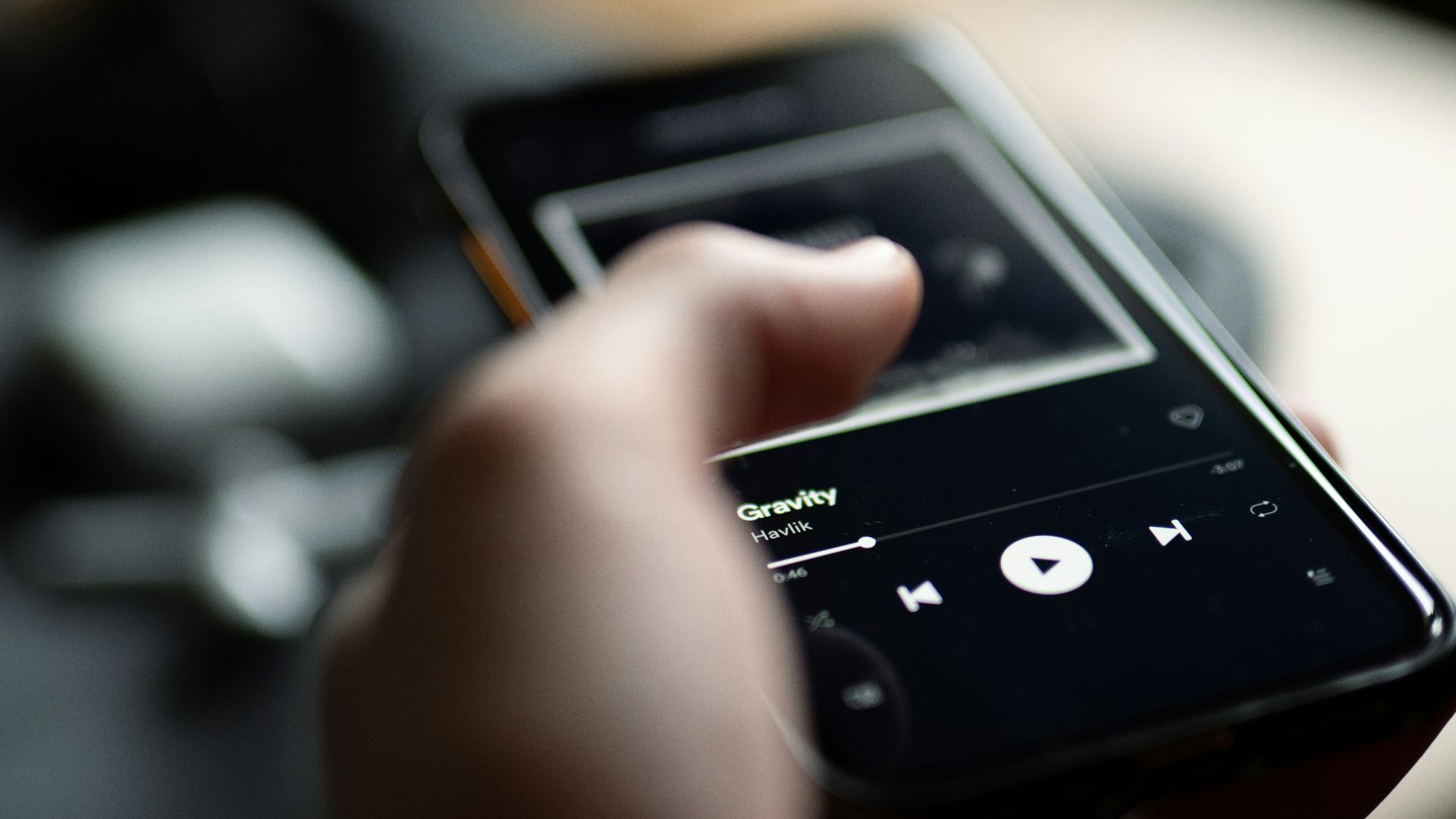
7. Set a Max Listening Period
Not only should you set a maximum volume limit, but you should also have a maximum listening period. This is especially important if you're listening to audio at higher than normal levels, such as 78-80 dBa. Remember to always give your ears a break, and that shorter listening sessions are best.

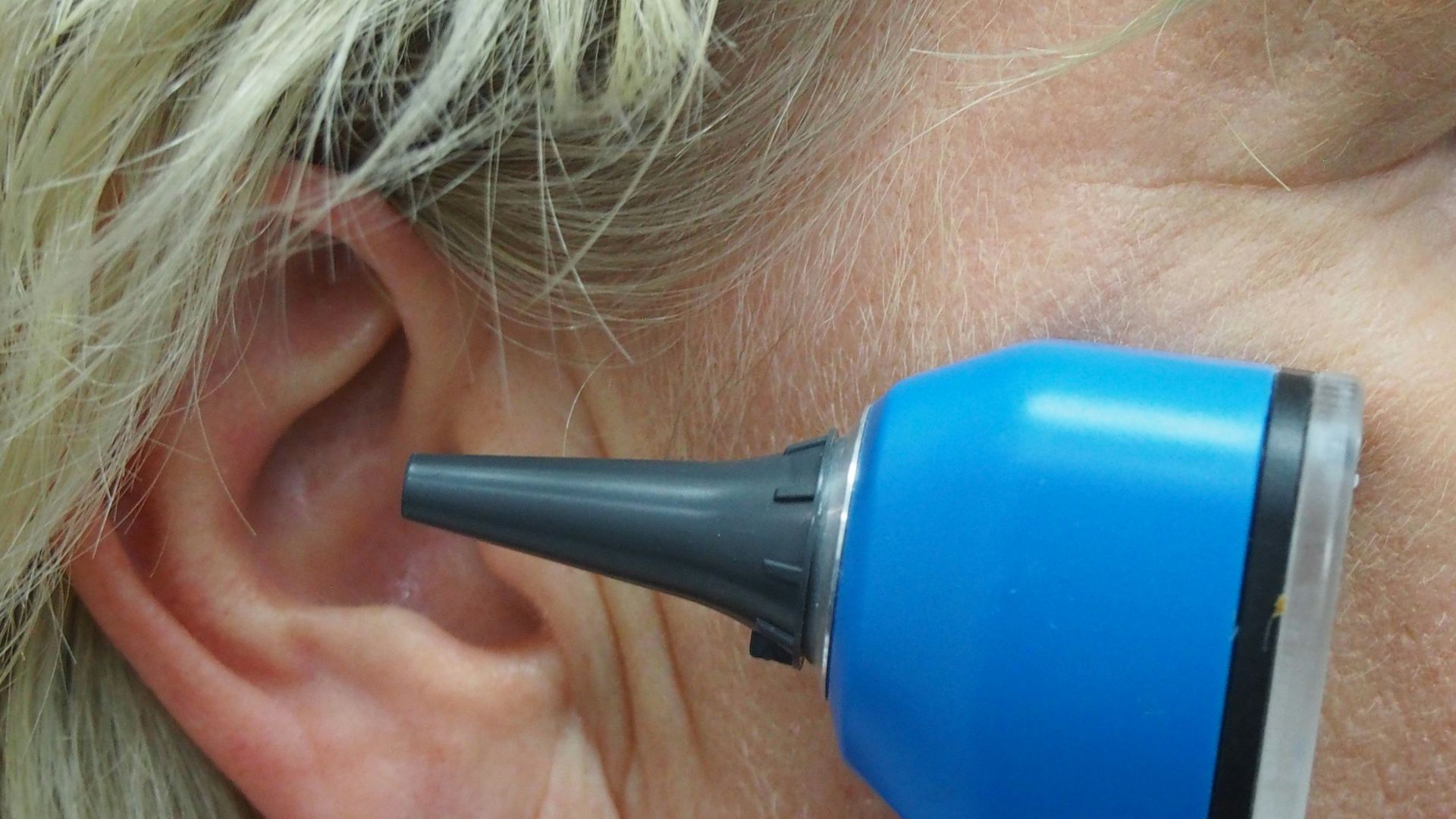
8. Get Regular Checkups
Remember to get regular checkups with your doctor, especially if you work in loud environments or have not-so-great listening habits. Hearing tests and quick examinations of the ear can help identify problems before they get worse.
9. Switch to Proper Modes
When you know you'll be working in a noisy place, such as a crowded coffee shop or office, bring a pair of noise-cancelling headphones or earbuds with you to cut out the background noise. That way, you can keep your volume at an acceptable level. You should also switch to transparency mode when you're outside in traffic, so you can stay aware and alert of your surroundings.

10. Follow the 60/60 Rule
The 60/60 rule states that you should listen to your audio at no more than 60% of the maximum volume level for 60 minutes. After the hour is up, take your headphones or earbuds off, and give your ears a break.