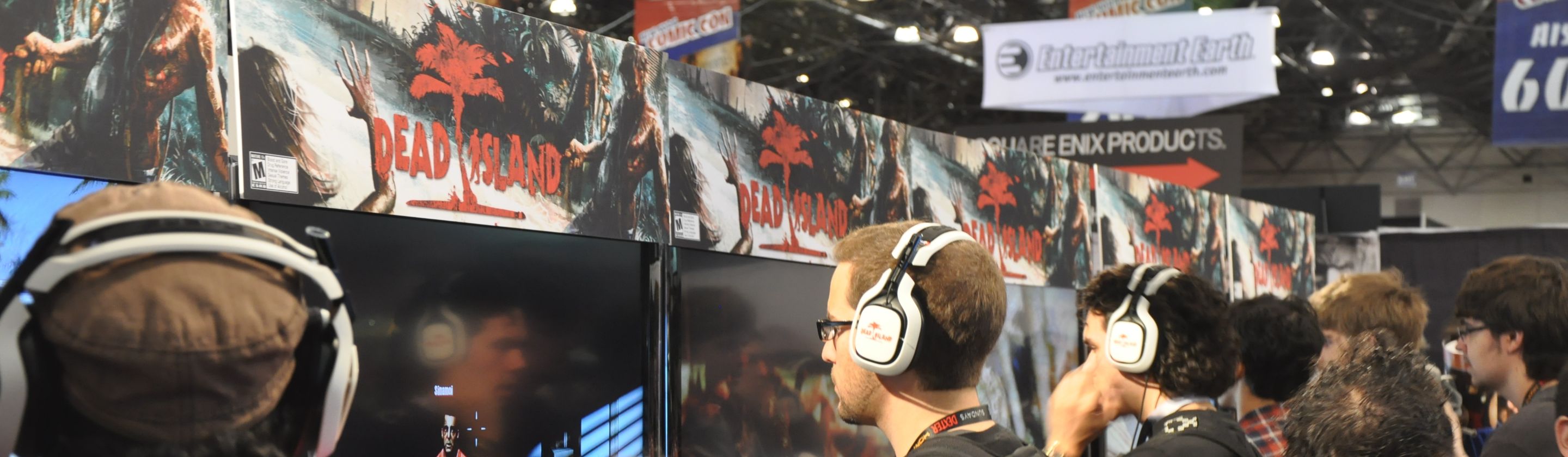
Some Survival Horror Games Age Better Than Others
Survival horror games rely on tension, vulnerability, and atmosphere to create fear. Unlike action-heavy titles, these games often limit resources, isolate the player, and build suspense through sound design and pacing. However, not every game maintains that sense of dread as time passes. Advances in graphics, controls, and storytelling have changed what players expect from horror experiences. Some classic titles still create genuine anxiety because of their design choices, while others feel less frightening today due to dated mechanics or predictable scares. Looking back at well-known survival horror games reveals which 10 still deliver lasting tension and which 10 no longer feel as unsettling.
1. Alien: Isolation (2014)
This game builds fear through constant vulnerability and an enemy that adapts to player behavior. The central threat cannot simply be defeated, which forces players to rely on hiding and careful movement. Sound design and environmental detail contribute heavily to the tension.

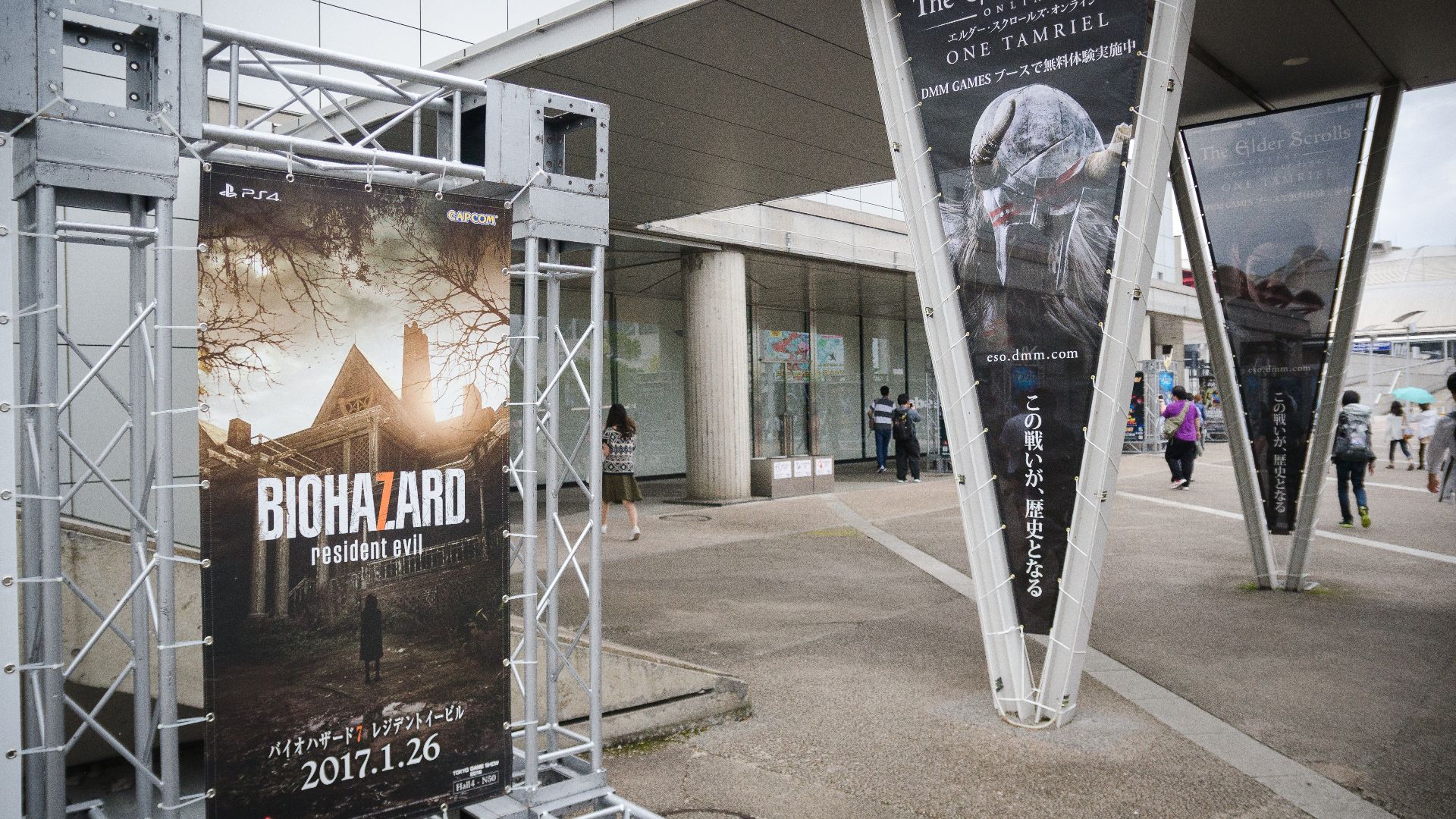
2. Resident Evil 7: Biohazard (2017)
Switching to a first-person perspective intensified the sense of immersion and danger. The confined environments make exploration feel tense and personal. Encounters are unpredictable, and the atmosphere leans heavily into psychological horror. Limited resources and disturbing environments maintain pressure from beginning to end.
 KniBaron from Bangkok, Thailand on Wikimedia
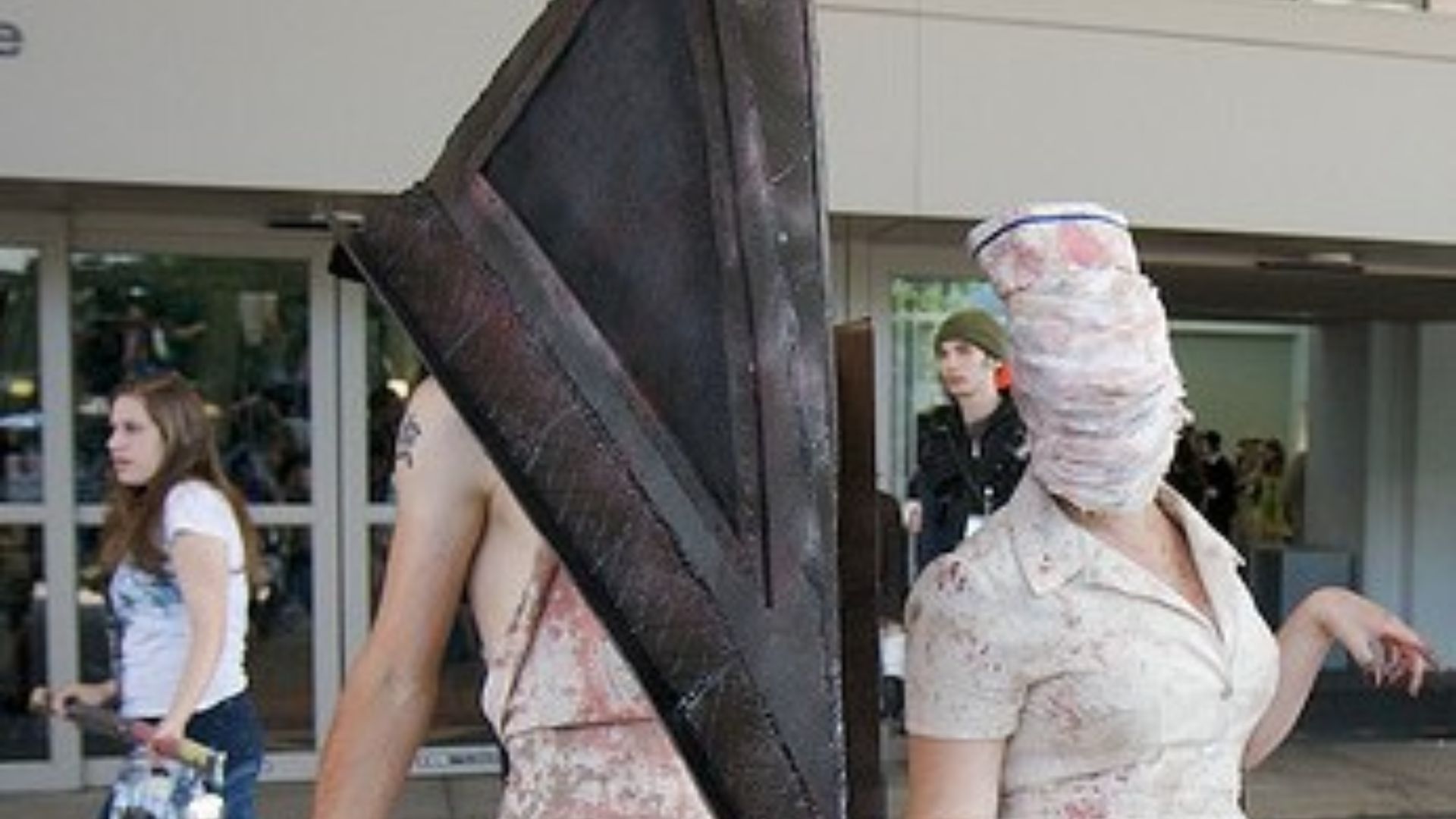
3. Silent Hill 2 (2001)
This game remains effective because it focuses on psychological fear rather than constant action. The environment uses fog, unsettling audio, and symbolic imagery to create discomfort. Enemies often appear unexpectedly and add to the emotional weight of the story. The slow pacing allows tension to build naturally during exploration.
4. Amnesia: The Dark Descent (2010)
A major source of fear in this game comes from the inability to fight back. Players must hide or flee when confronted by threats, which creates a constant sense of helplessness. Darkness itself becomes dangerous, adding another layer of tension during exploration. The game’s sound design and unpredictable encounters maintain strong suspense.
5. Outlast (2013)
This game emphasizes stealth and vulnerability by removing traditional combat mechanics. Players must navigate dark environments using a limited night-vision camera. Running or hiding becomes the only way to survive encounters with hostile figures. The constant chase sequences and confined locations create intense moments of fear.
6. Dead Space (2008)
The game combines survival horror with strong environmental storytelling and unsettling creature design. Limited ammunition encourages careful decision-making during encounters. The isolated space setting reinforces a feeling of being completely alone. Sudden enemy appearances and disturbing visuals contribute to lasting tension.
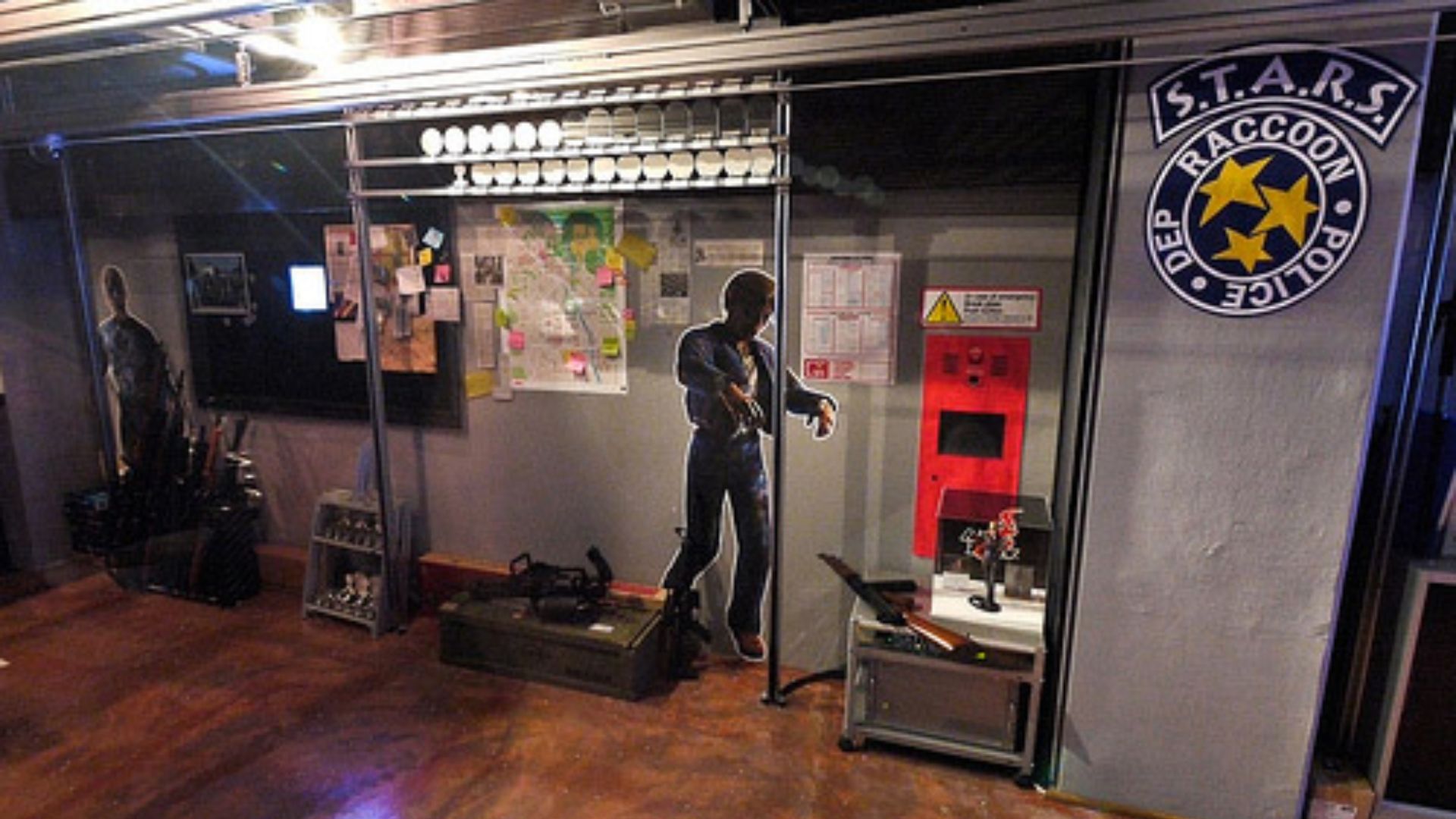
7. Resident Evil (2002 Remake)
This remake refined the original survival horror formula while maintaining the slow pacing that made it frightening. Limited resources and complex puzzles force players to carefully plan each movement.
 Cozinhando Fantasias on Wikimedia
8. P.T. (2014)
Despite its short length, this playable teaser created a powerful horror experience through atmosphere alone. The looping hallway design gradually introduces disturbing changes. Subtle audio cues and visual shifts keep players uneasy at every step. The psychological tension builds slowly until the environment itself feels threatening.

9. Soma (2015)
This game relies heavily on narrative and existential themes to create unease. Encounters with hostile entities force players to remain cautious while exploring abandoned facilities. The setting emphasizes isolation and uncertainty about what’s happening. Psychological discomfort plays as large a role as physical danger.

10. Visage (2020)
Inspired by classic psychological horror, this game focuses on atmosphere and slow-building tension. Exploration reveals unsettling events connected to the environment. Darkness and sound cues make ordinary spaces feel threatening. The gradual storytelling keeps players uneasy even during quieter moments.

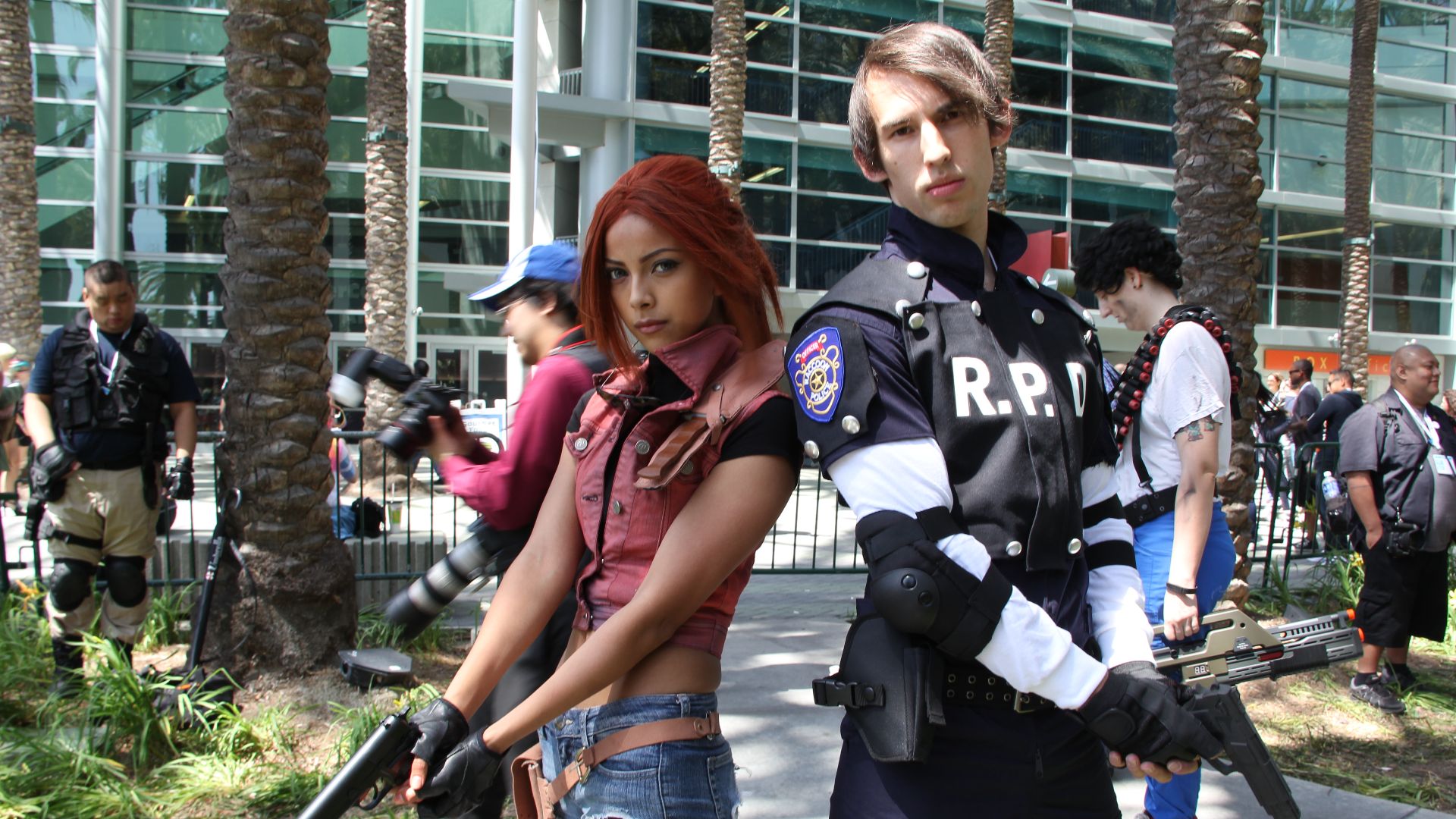
1. Resident Evil 5 (2009)
While technically part of the survival horror series, the game focuses more on action than fear. Combat encounters happen frequently, and the player has access to a wide variety of weapons. Cooperative gameplay also reduces the feeling of isolation. As a result, the experience feels closer to an action shooter than a traditional horror title.
 William Tung from USA on Wikimedia
2. Resident Evil 6 (2012)
This installment emphasizes large-scale action sequences and fast-paced combat. Players frequently face large groups of enemies rather than tense one-on-one encounters.
 The Conmunity - Pop Culture Geek from Los Angeles, CA, USA on Wikimedia
3. Dead Island (2011)
Although the game includes horror elements, its open-world structure shifts the focus toward exploration and combat. Players gain access to numerous weapons and upgrades that reduce vulnerability.
 Raffi Asdourian from New York, United States on Wikimedia
4. The Evil Within 2 (2017)
The game introduces larger environments and more player freedom compared with its predecessor. While it still includes horror imagery, the open areas and frequent combat options reduce tension. Players can approach encounters in multiple ways, which often makes threats feel manageable. The overall experience leans toward action-adventure.
 Pikawil from Laval, Canada on Wikimedia
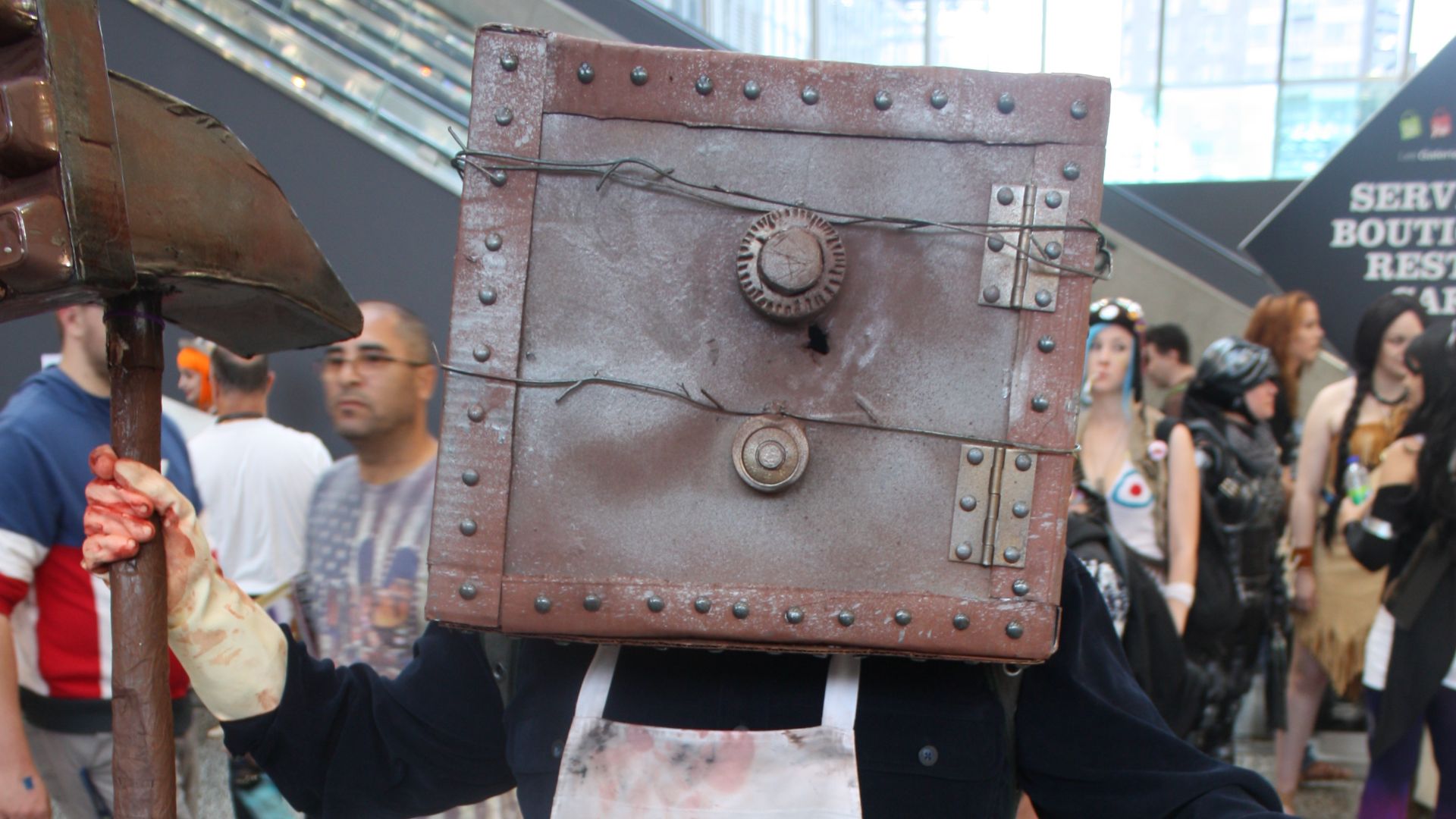
5. Doom 3 (2004)
Although it uses horror-themed environments and enemies, the gameplay centers heavily on combat. The player becomes powerful relatively quickly through weapons and upgrades. Frequent battles shift the focus away from vulnerability and toward action. As a result, the game feels more intense than frightening.
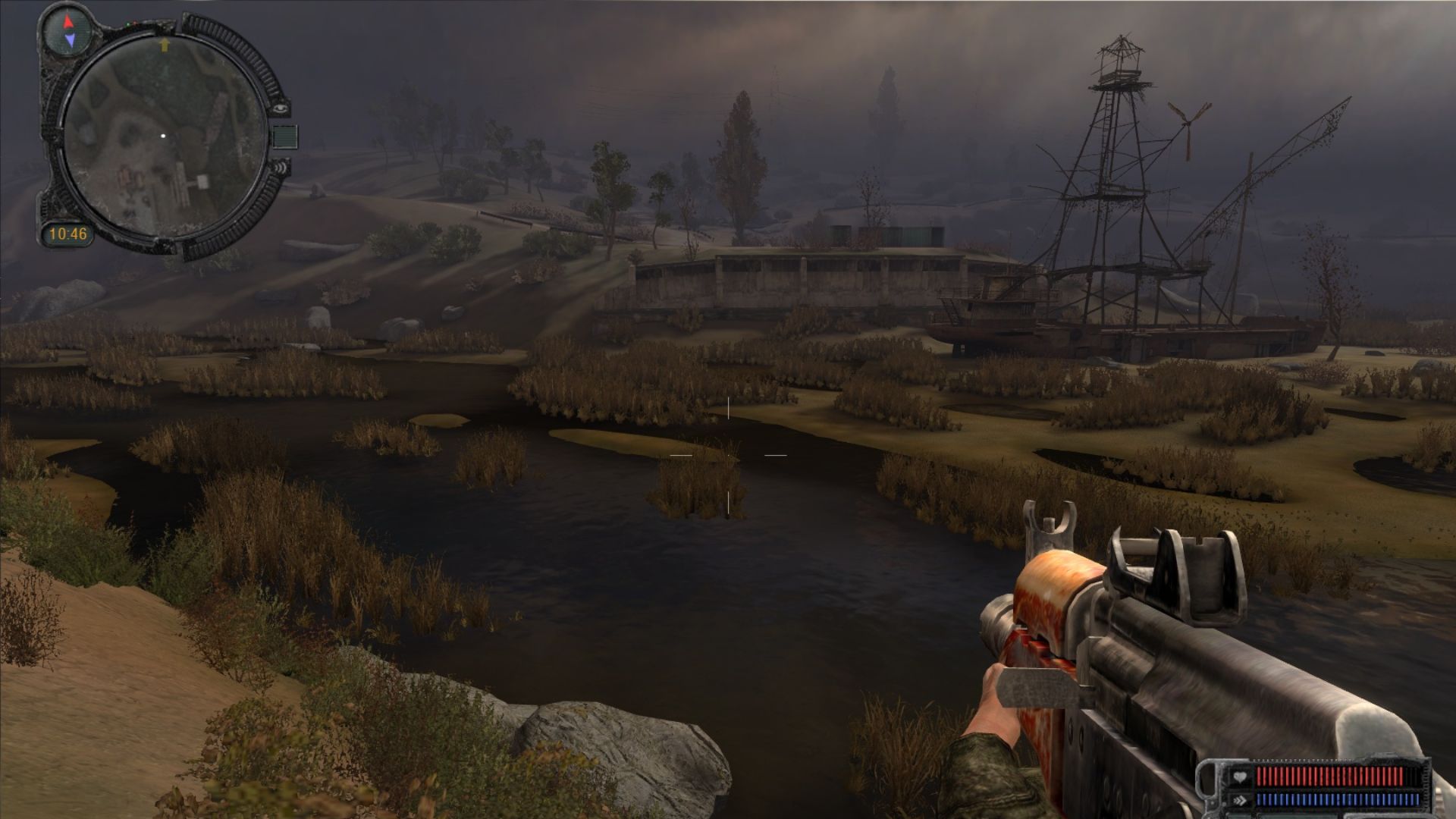
6. The Callisto Protocol (2022)
This game presents strong visual design and disturbing creature concepts. However, the heavy focus on melee combat changes the tone of encounters. Instead of avoiding danger, players often confront threats directly.
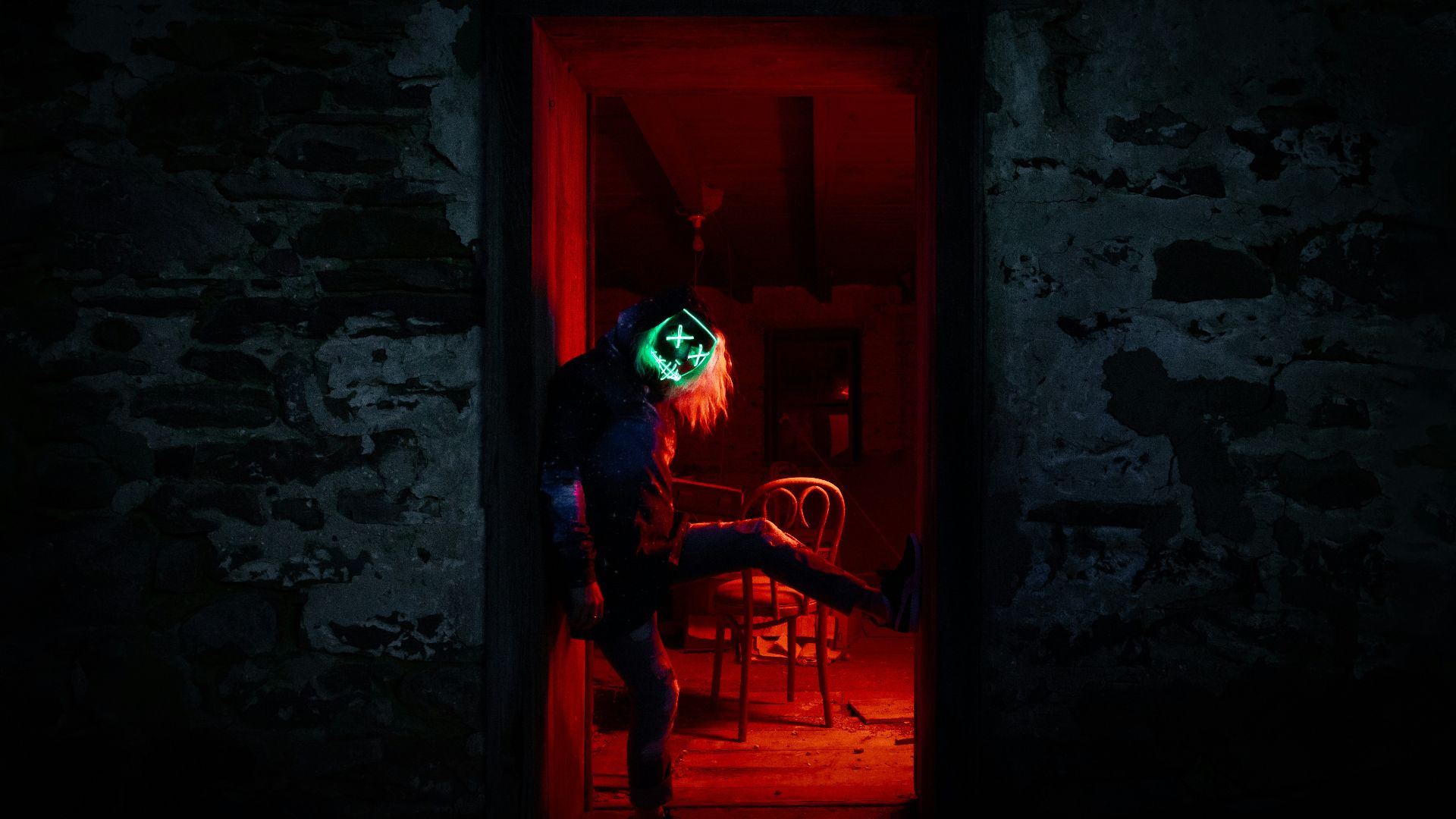
7. State of Decay (2013)
The game focuses on community management and open-world survival rather than traditional horror pacing. Players gather resources, build bases, and recruit allies. Because gameplay emphasizes strategy and progression, encounters with enemies become routine over time.
8. Left 4 Dead (2008)
Despite its horror theme and zombie setting, the game centers on cooperative action. Teams move through levels while fighting large waves of enemies. Fast pacing and teamwork create excitement rather than dread.
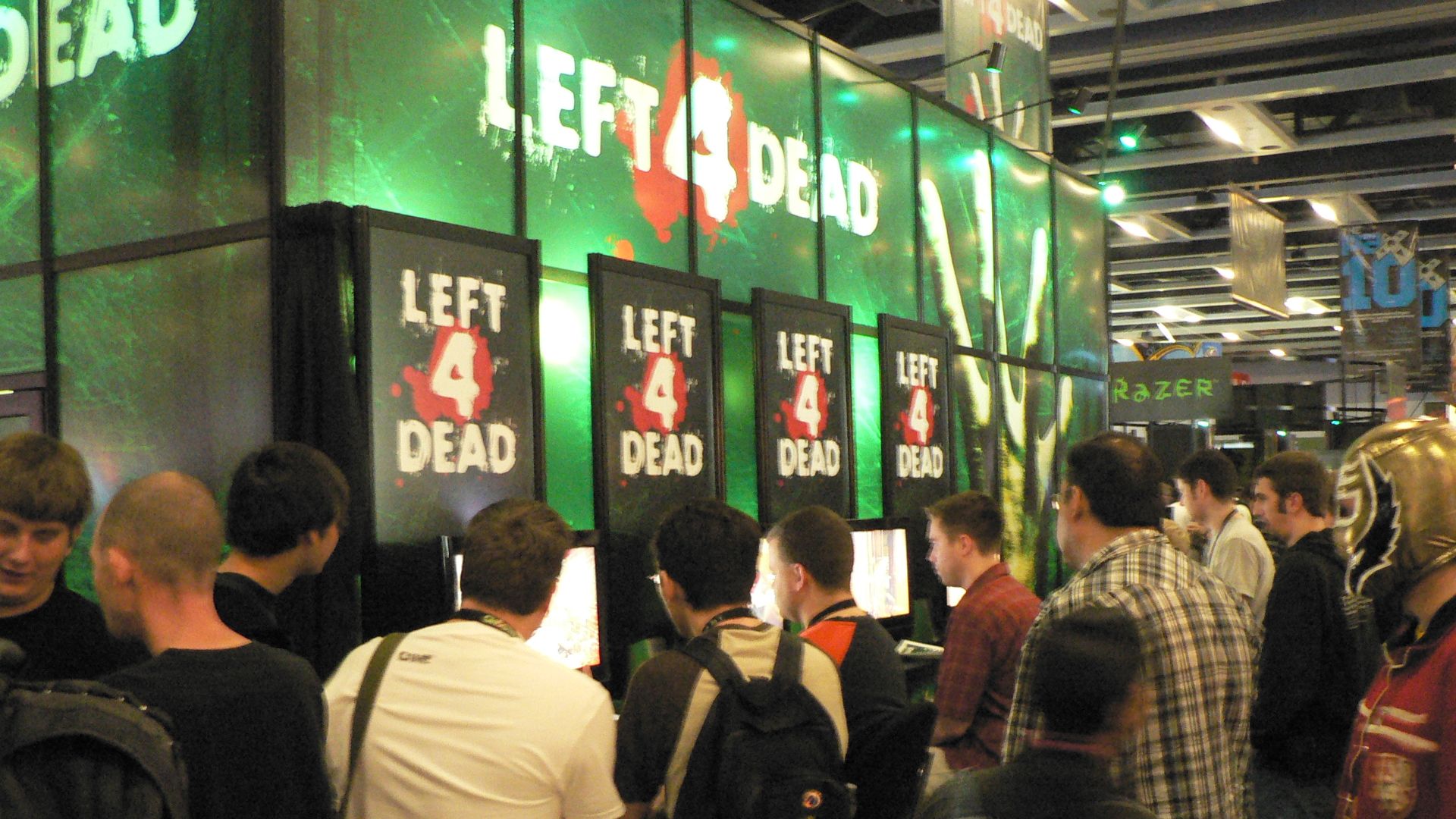 eng1ne from Round Rock, TX, USA on Wikimedia
9. Dead Rising (2006)
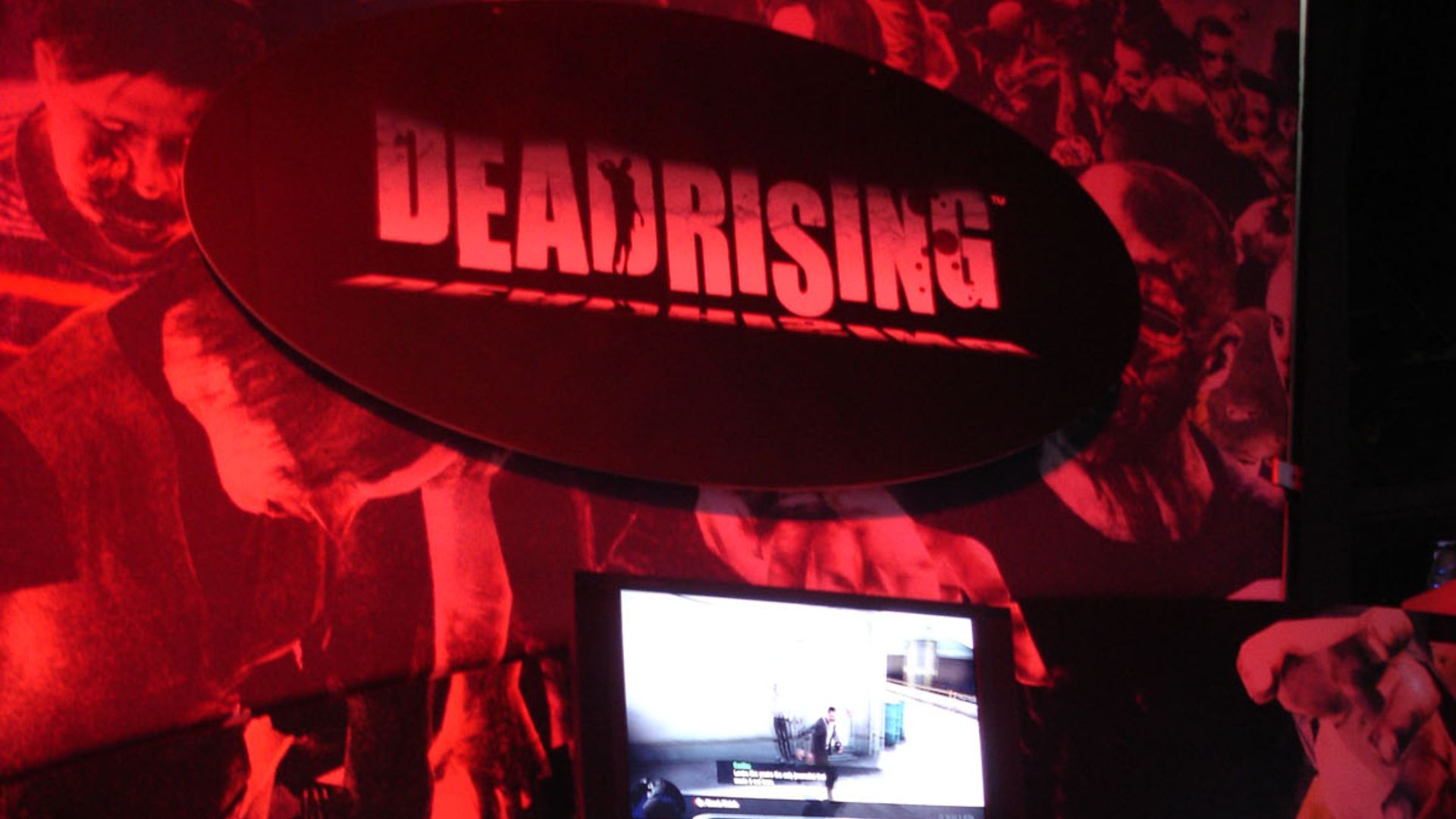
This game features massive numbers of enemies but focuses heavily on creative combat. Players can use numerous improvised weapons and tools to defeat threats.
10. Resident Evil Village (2021)
While the game contains horror-themed sections, many areas emphasize action and spectacle. Players gain access to powerful weapons and face large-scale encounters. The story shifts between different gameplay styles, which dilutes the sustained tension.