Why Midnight Game Releases Meant So Much To Us And Why We’ll Probably Never See One Again
Why Midnight Game Releases Meant So Much To Us And Why We’ll Probably Never See One Again
There was a time when the stroke of midnight meant more than the end of a day—it marked the beginning of a collective adventure. Parking lots filled with eager faces, store lights glowed against the night, and excitement hummed through the cool air. Midnight game releases were never only about a purchase; they were about the experience that turned gaming into a communal celebration.
So, here is why these nights once mattered so deeply and why they have all but disappeared.
The Nights That Turned Games Into Events
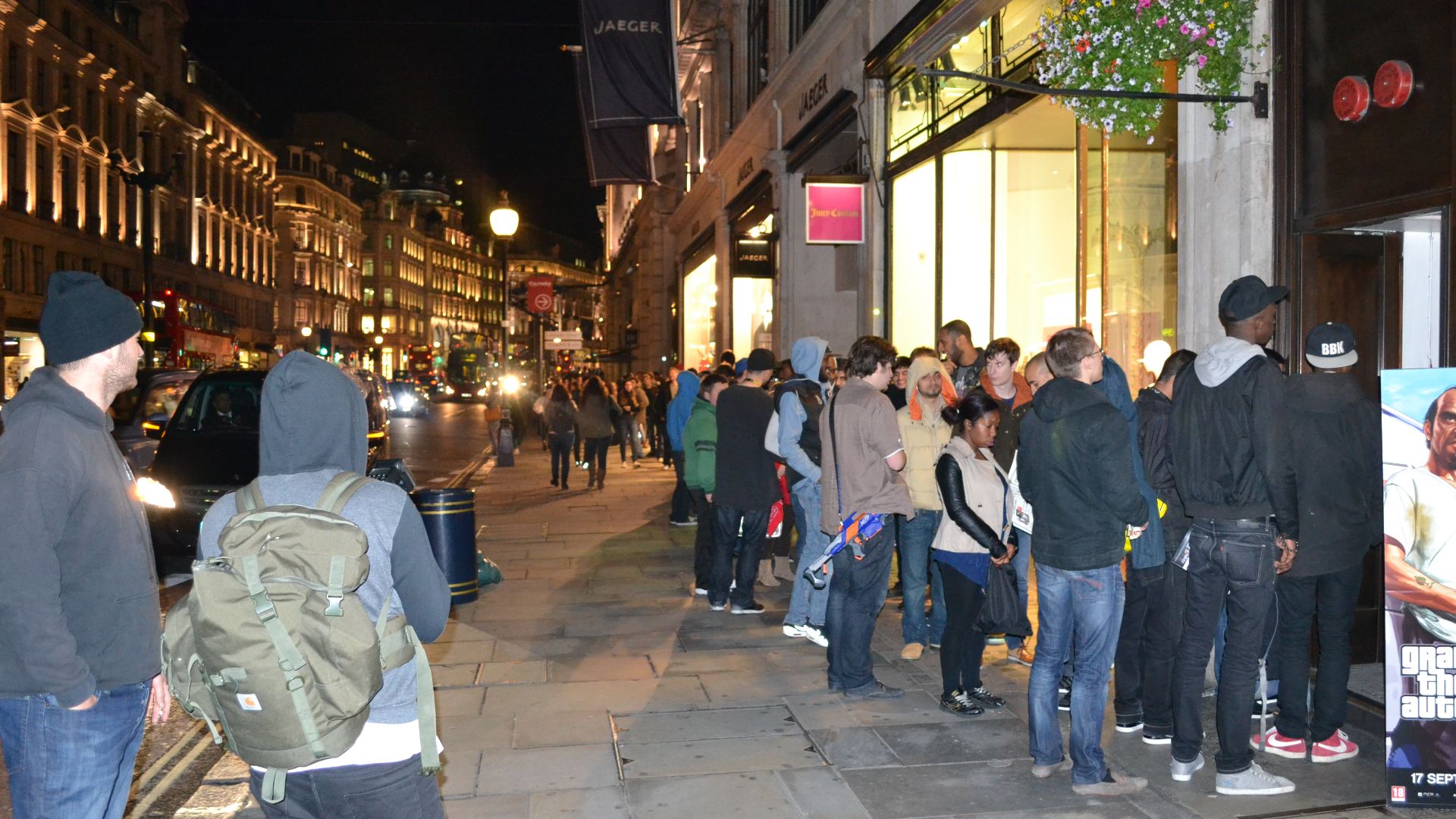
During the 2000s and early 2010s, midnight launches became defining cultural moments. Major retailers turned into hubs of celebration as fans lined up for Halo 3, Modern Warfare 2, or Grand Theft Auto V. The excitement built hour by hour, culminating in that single moment when doors opened and the crowd erupted. Standing in line was a badge of honor, as those who waited weren’t just buying a game—they were joining a shared experience that blurred the line between fandom and community.
Every detail made it memorable. Stores handed out posters and wristbands, conversations filled the air, and collectors swapped memories about earlier titles. The energy was tangible. Walking out just after midnight with a brand-new copy in hand felt like carrying a piece of the future. That physical connection—the box art, the manual, even the sound of the case snapping open—added texture to the excitement.
Plus, these nights mattered because they turned gaming into something social and ceremonial. For many, it was their first time realizing that games could unite people in the same way concerts or movie premieres did. It was an affirmation that gaming was a culture with its own traditions.
How Convenience Quietly Replaced Connection
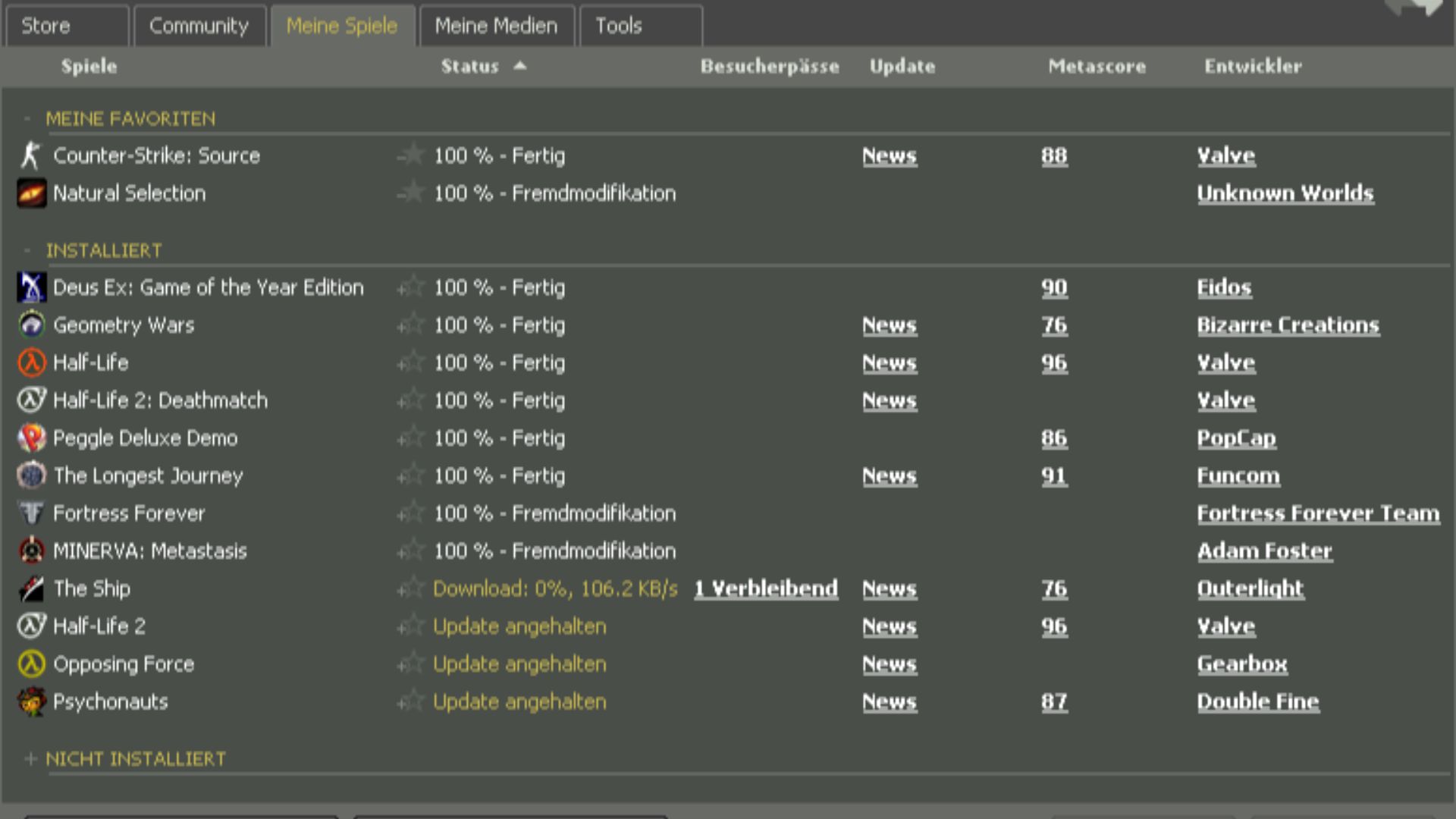
Eventually, progress caught up with the ritual. As internet speeds grew faster and platforms like Steam, Xbox Live, and PlayStation Network expanded, midnight releases shifted online. Preloads replaced lines, and automatic unlocks replaced cheers. What once demanded patience and participation became an effortless digital transaction. Over time, the world of gaming became more accessible—but also lonelier.
Publishers found digital launches cheaper and more efficient, while stores struggled with declining attendance and rising costs. The shift made sense economically, yet it came at the expense of emotion. Midnight releases had offered something marketing could never manufacture: authenticity. They gave players a shared memory, a physical connection to a moment in gaming history.
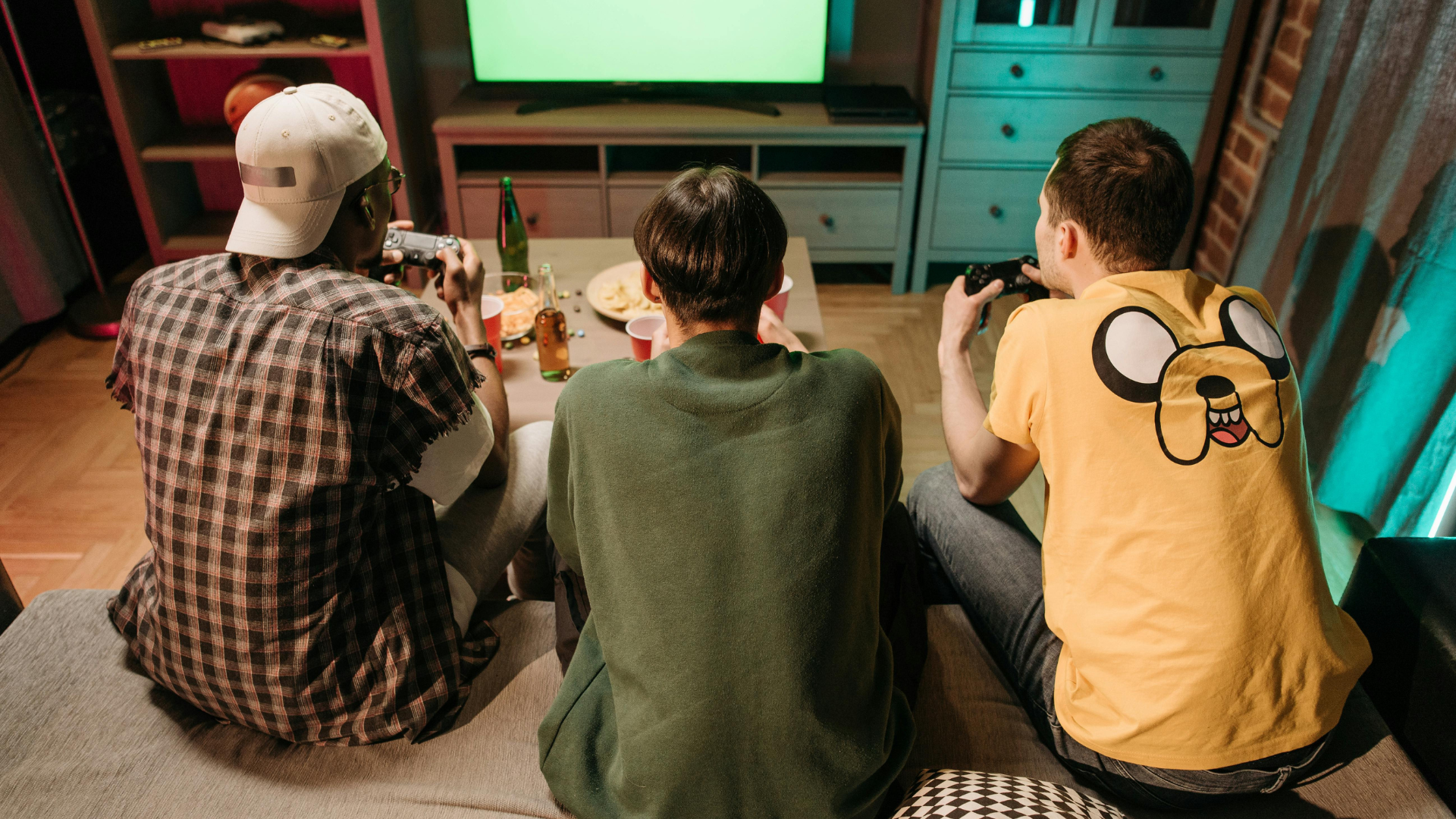
Today, most players greet new releases alone, their screens glowing quietly in the dark. Downloads finish silently, and the first minutes of gameplay unfold without an audience. The communal thrill has dissolved into nostalgia.
Still, those nights remain part of gaming’s collective memory. They remind us that once, anticipation was an event, and joy was something shared, not streamed. Plus, midnight releases may never return, but the feeling they created, the sense of belonging, excitement, and unity, will always define what gaming once meant.