
Pick up a game from 1995 and prepare to die. A lot. Games back then didn't hold your hand or have tutorials that lasted 45 minutes. They certainly didn't auto-save every three seconds. You either figured things out or you failed, and failure meant starting over from the beginning or at least losing significant progress. Modern games have difficulty settings, accessibility options, and checkpoints so frequent you barely notice them. We've gotten used to games that want us to win. Nineties games wanted us to suffer.
There Was No Google, No YouTube Walkthroughs
If you got stuck on a puzzle in Myst, well, too bad for you. You could stare at that linking book for hours trying to figure out the pattern, or you could give up. No one was posting solution videos back then. GameFAQs existed in its earliest form, though downloading a text file on dial-up wasn't exactly convenient, and many obscure games never had guides written for them at all.
You had to actually solve problems yourself or know someone who'd already beaten the game. Schoolyard conversations revolved around sharing secrets and tips because that was the only knowledge base available. The trial and error was real, and the errors had consequences.
Limited Lives and Continues Were Standard

Contra gave you three lives and a continue or two if you were lucky. If you died three times, you were back to level one. No checkpoints, no mercy. Most platformers and action games operated on this principle because they were designed with arcade roots, where the goal was extracting more quarters from players, not ensuring everyone was victorious.
Games were also short by necessity since cartridge space was limited. Developers compensated by making them brutally difficult so players couldn't finish in one sitting. Battletoads was 30 minutes long if you could somehow play perfectly. That speeder bike level alone ended countless attempts and possibly some friendships when playing co-op.
Enemy AI Didn't Pull Punches
GoldenEye guards on harder difficulties would track you through walls and shoot with pinpoint accuracy. Enemies in Doom would ambush and swarm you while you were fighting something else. There was no honor system, no fair play.
Modern games often have enemies that telegraph attacks or pull back when you're low on health. Nineties games had enemies programmed to kill you as efficiently as possible. The AI wasn't sophisticated, though within its limitations it was merciless. Cheap deaths were features, not bugs.
No Quest Markers or Objective Lists
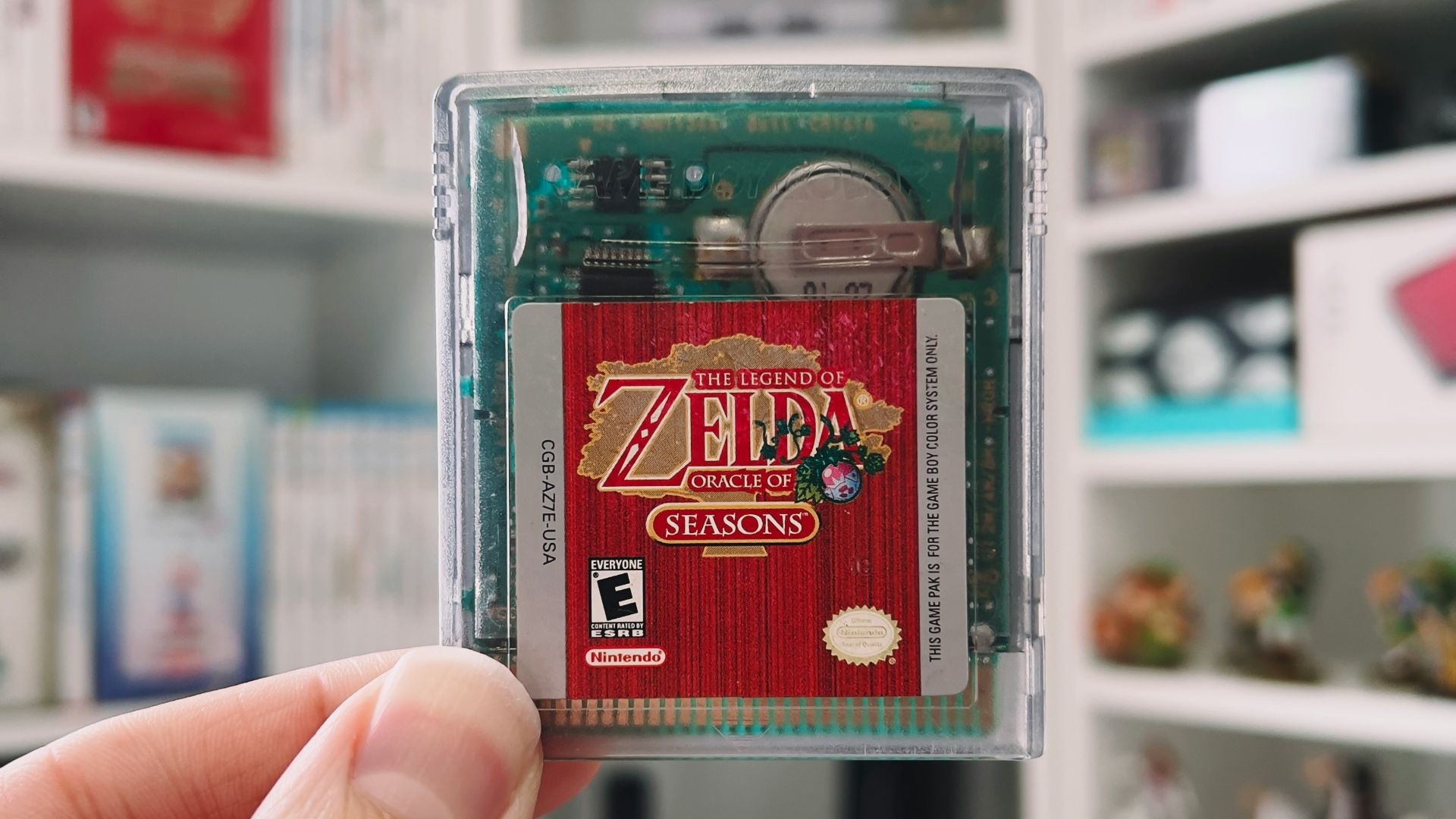
You were told to find the mystic amulet in the eastern lands and that's all you got. No map marker. No glowing trail. You'd wander for hours talking to every NPC, checking every corner, hoping to find a clue. JRPGs were especially guilty of this, offering vague hints that might reference landmarks you'd passed 10 hours earlier.
Back in 1998, Ocarina of Time had Navi constantly saying "Hey, listen!" and people complained about it being too much hand-holding. Modern Zelda games have shrines marked on your map, quest logs that track everything, and NPCs who practically draw you a diagram.
Hard Meant Actually Hard, Not Just "Hard Mode"
Difficulty settings in modern games usually just increase enemy health and damage. The game gets tedious rather than harder. Nineties games were fundamentally challenging in their design. Timing windows were tight, and platforming sections required precision. Boss patterns needed memorization and quick reflexes.
Mega Man games gave you eight robot masters and no indication of the correct order or weapon weaknesses. You'd bash your head against Metal Man for an hour before discovering that leaves from Wood Man killed him instantly. That discovery felt earned. Ninja Gaiden on NES had knockback that could chain you off platforms into pits. Ghosts 'n Goblins made you beat the entire game twice to see the real ending, and the second loop was harder than the first.
Since those days, we've traded challenge for completion rates. Nineties games couldn't have cared less if you finished them. You paid your $50 or $60 upfront, and after that, your struggle was your own problem.