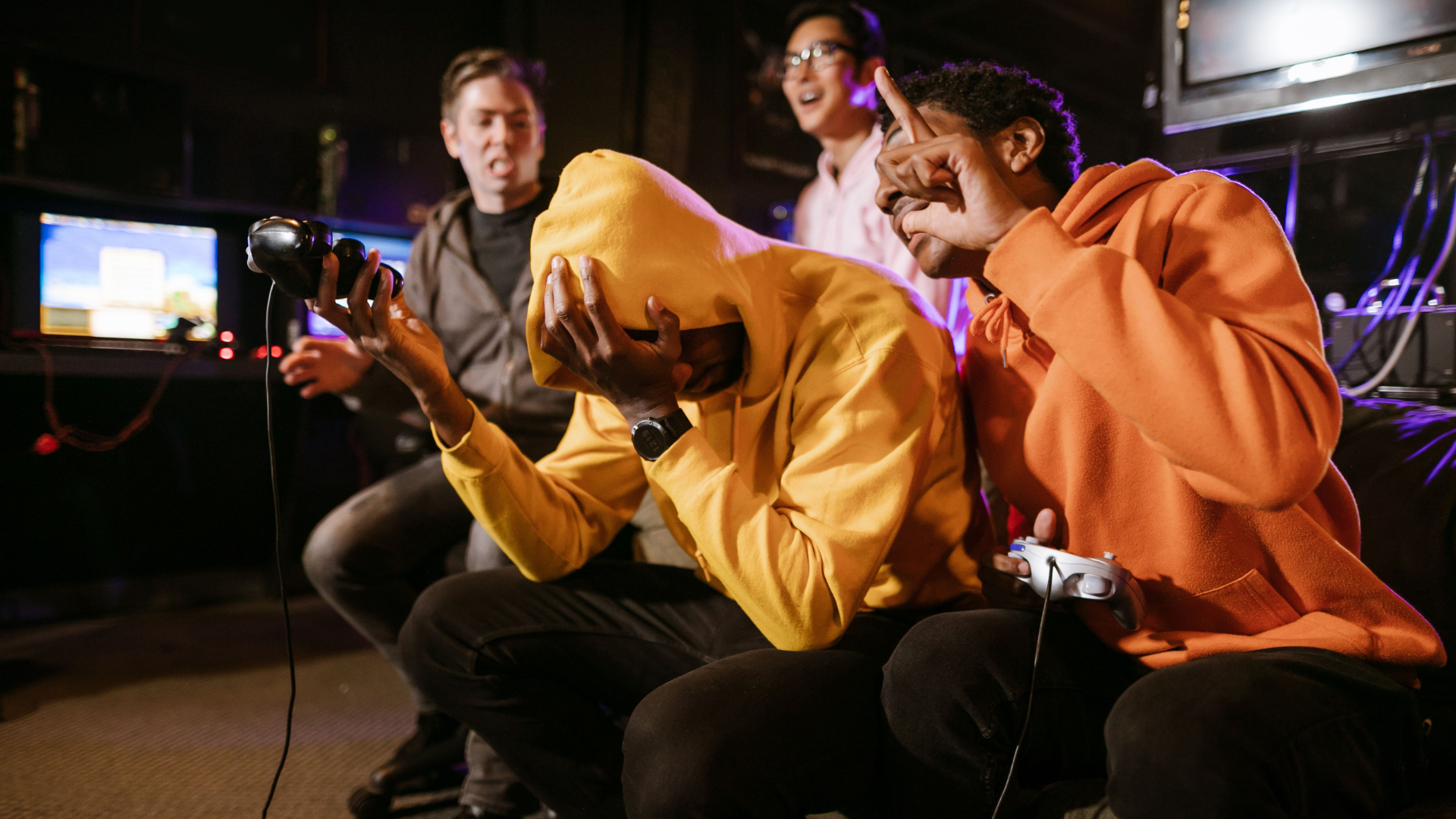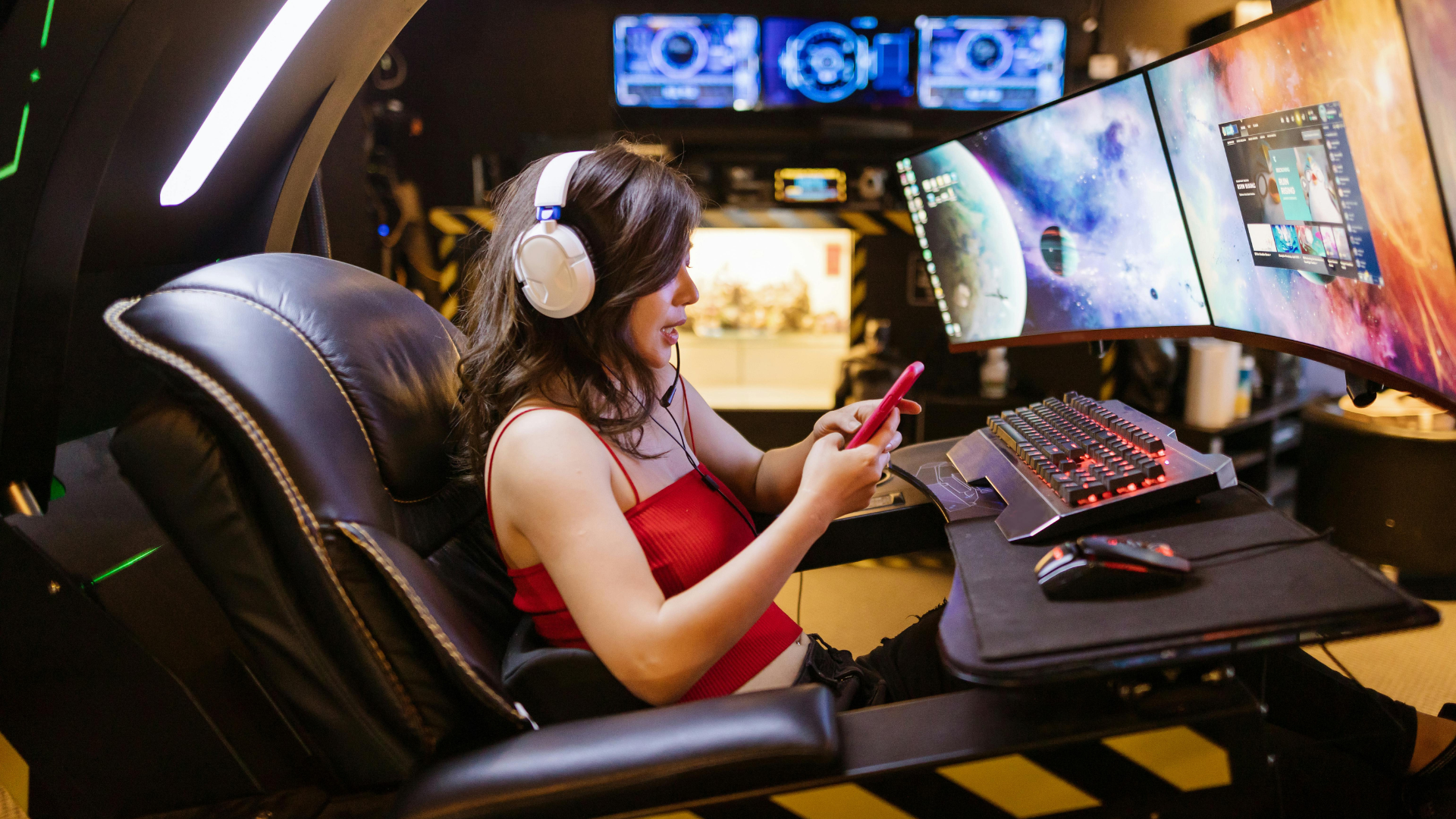
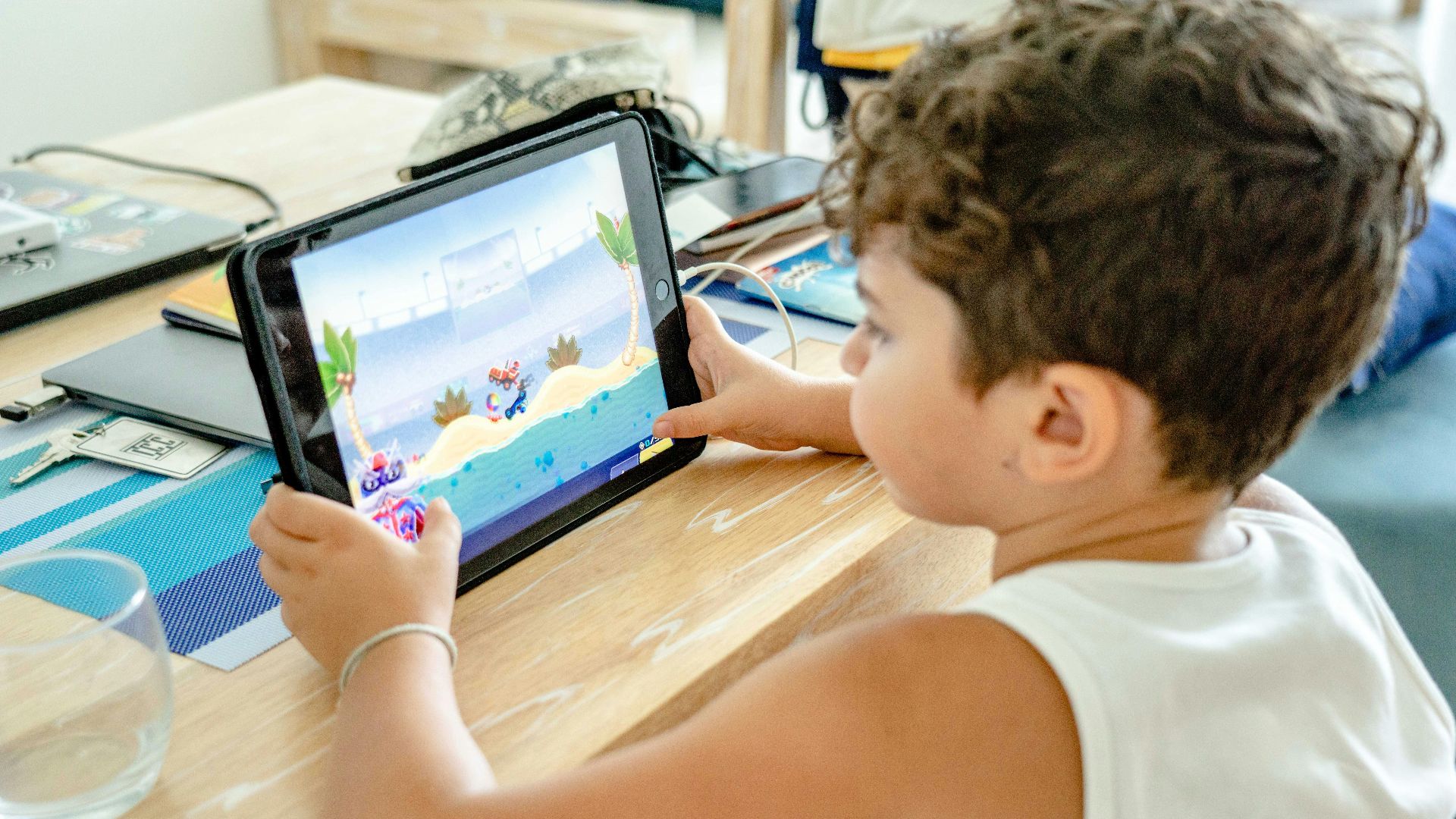
Most parents have watched their kids sink into a game with total focus, completely unaware of anything happening around them. The energy is contagious at first, until the clock keeps ticking and you start wondering how long is too long. Screens glow, snacks disappear, and suddenly an hour feels like it vanished without warning.
That familiar situation leads to the same worry bouncing around every household, so let’s explore what healthy gaming time truly looks like.
Finding The Sweet Spot That Keeps Play Fun Without Taking Over
Kids naturally drift toward games because they feel rewarding and imaginative. The challenge is deciding how much gaming time allows kids to enjoy themselves without disrupting the balance of their day. Many parents suggest that one to two hours of recreational screen time is a comfortable window for most children. It is long enough for them to finish a mission or play a match, yet short enough so gaming does not overshadow homework or real conversations.
Of course, every child responds to gaming a little differently. Some finish a session energized and ready for something else. Others step away looking tired or moody. Watching those reactions matters more than the number itself. When the timer goes off and your child transitions smoothly, the schedule is working. When the shift feels difficult, the boundary probably needs adjusting.
Looking At What They Play Instead Of Only Counting Minutes
Not all games affect kids the same way, which is why quality matters as much as time. A creative building game encourages problem-solving and patience, while a fast, competitive match may raise excitement levels pretty quickly. Time flies differently depending on what they are doing, so the daily allowance should match the type of content they prefer.
Parents often find it helpful to create categories rather than strict rules. Story-based or educational games might earn more time because they encourage thought and exploration. High-intensity games may fit better in shorter sessions so kids can reset more easily afterward. When the focus shifts from “how long” to “how they feel,” it becomes easier to handle gaming habits with confidence.
Making Gaming A Natural Part Of Their Routine
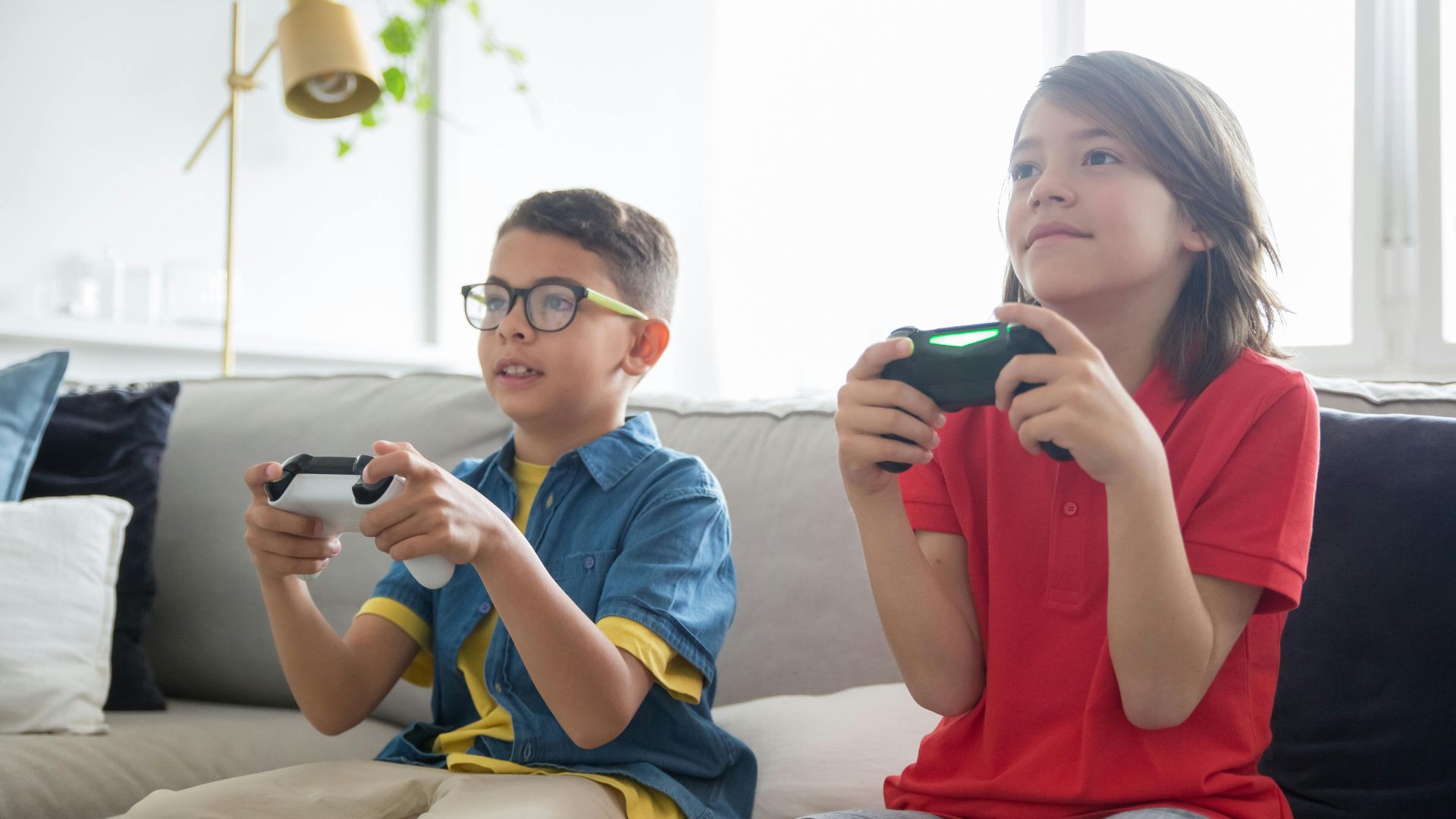
A predictable schedule helps kids enjoy gaming while understanding it is only one part of their day. Routines remove the pressure from both sides, which makes the whole experience more relaxed. Kids also respond well when gaming is balanced with other things they love. If they still spend time outside and finish their homework properly, the screen becomes an enjoyable break rather than the center of their world.
When you think about it this way, the daily limit becomes less about restriction and more about shaping a day that feels healthy and enjoyable. Kids can still play their favorite games, but they also learn how to step away without frustration. And that balance often becomes the real win.