The End of the Physical Disc: What Happens to Your Library When Servers Shut Down?
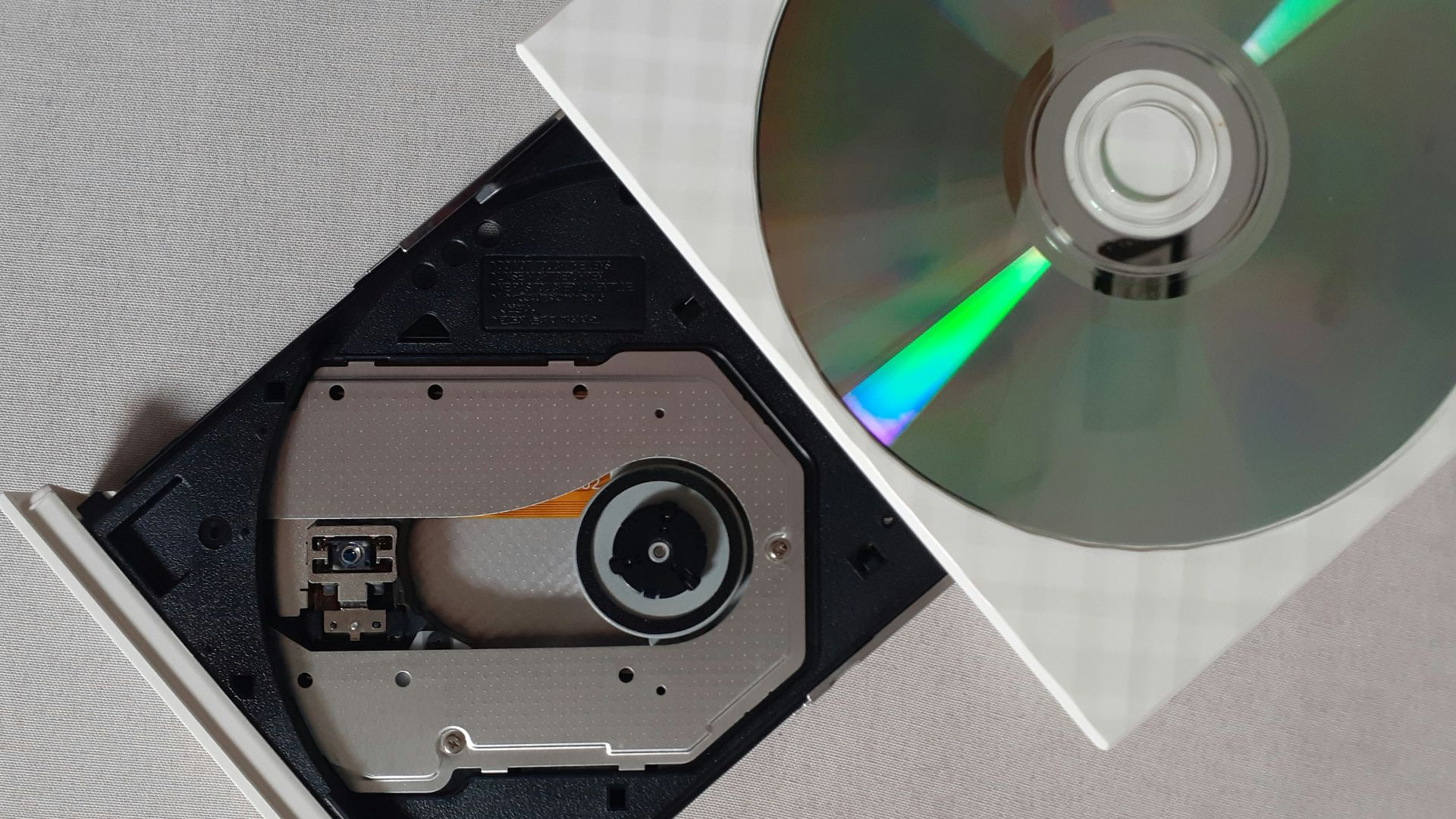
Physical discs once made ownership feel wonderfully straightforward. You bought a DVD, Blu-ray, CD, or game disc, put it on a shelf, and generally expected it to remain yours as long as the disc and the equipment needed to play it survived. Today, however, more entertainment is tied to downloads, accounts, digital rights management, and online services.
There are some situations where your games will not disappear from your hard drive if a service goes away, but just know that there is no real definition of owning software that requires a service to work. If you're looking into buying movies, music, or games, it's something to keep in mind.
A physical disc can usually be used without contacting the company that originally sold it. If you have a compatible player and the disc is in working condition, the basic experience doesn't depend on a retailer keeping its servers online. That's one reason physical media remains useful for people who want more direct control over their collections.
However, as you can see, there are some drawbacks. They can be scratched or get damaged over time. Also, players can be hard to come by, as stated earlier by the Library of Congress when these machines become outdated. Which is one reason preservation can involve converting audiovisual collections into current digital formats.
Another thing to keep in mind is that although this could seem like a good method for archiving, it's best to transfer your digital information off of these outside mediums and onto something you have control over. In other words, that impressive shelf of discs is useful, but long-term preservation takes more than simply keeping everything in a box.
Digital Libraries Can Depend on More Than a File
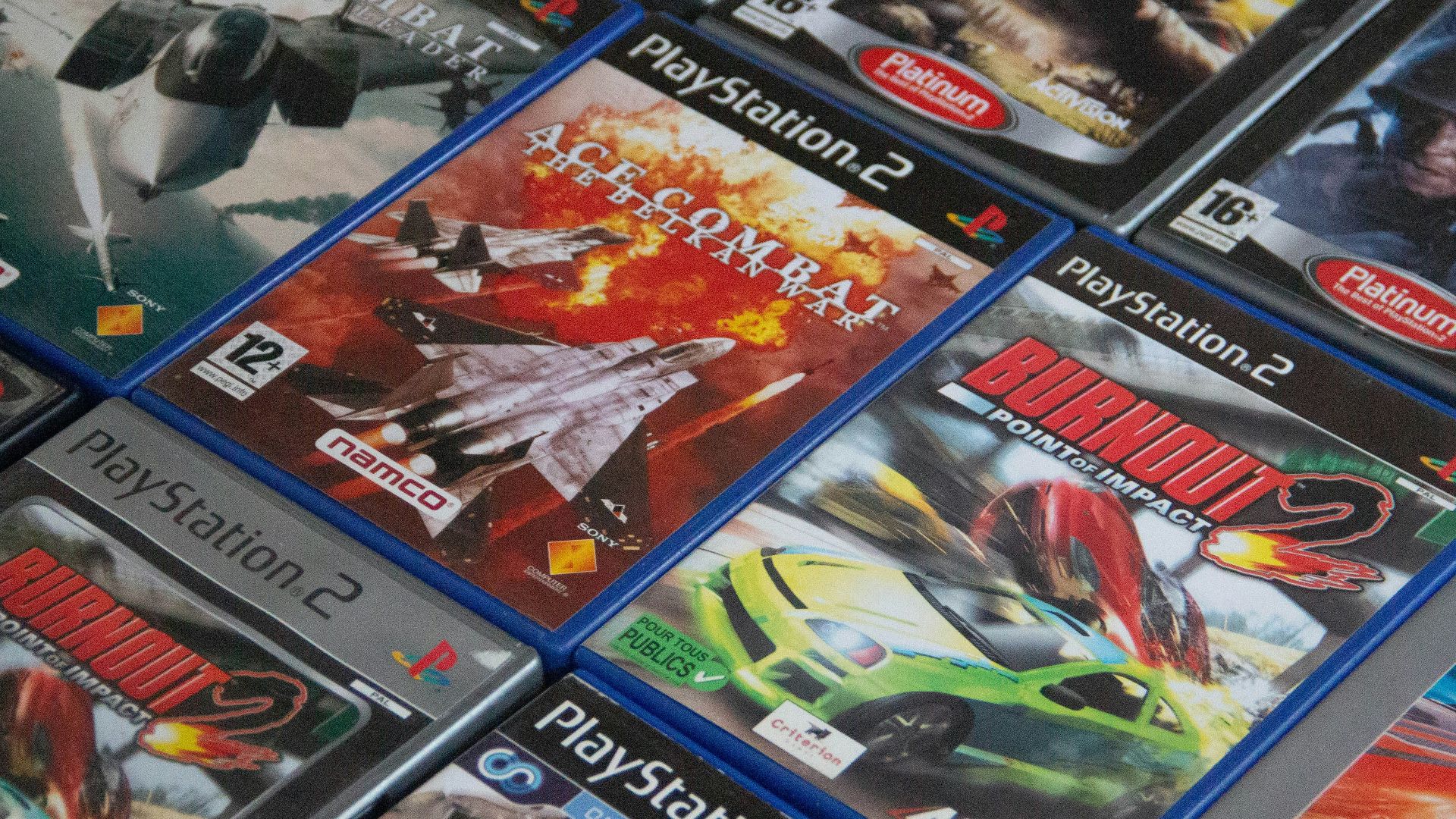
A digital purchase can be surprisingly different from a physical copy. Depending on the product and platform, access may involve an account, licensing restrictions, DRM, or an online authentication system. If a program requires a remote server to verify access, shutting down that server can create problems even if the underlying data still exists somewhere.
Games are a great example as well. There are many video games that require online services to fully play the game. The Library of Congress has mentioned this when talking about archiving games. You may need the console, OS, or even emulators to play a game, and archiving just the files will not do.
With streaming, we run into a similar problem as well. Most of the time, we aren't getting the actual product; we're just using a service to stream. The Library of Congress also states that there are issues when trying to archive streamed or interactive content. Which means if a movie or song is only available on a company's service, you have to keep that service alive to keep your music alive.
What Can You Do to Protect Your Collection?
The simplest approach is to understand what you've actually purchased. A physical disc gives you a tangible copy, while a digital purchase may come with technical requirements that aren't obvious when you click "buy." Checking whether a product works offline, requires activation, or depends on continuing platform support can tell you much more about its long-term accessibility.
If it's a file you actually own, it can benefit you to keep your own copies. Many preservation efforts keep many copies of materials under management. They do this because if you own a file, that does not mean you will be able to access that file in 30 years. The Library of Congress describes bit-level preservation as an important foundation while also emphasizing that obsolete formats, software, codecs, and hardware can create additional problems.
Also, don't think that the death of a server is the death of your copies. Companies can allow for alternative access or maybe have their programs work offline. There could even be preservation organizations or libraries with copies as well. The overall lesson is that there are pros and cons to having physical vs. digital copies. A disc can outlast a service, but a disc player can eventually become the problem, while a digital file can be easy to duplicate yet difficult to use without the right software.
The future of personal libraries probably won't be completely physical or completely digital. Instead, collectors may increasingly use a mixture of discs, locally stored files, backups, and online services, choosing each format according to how much control and convenience they want. Your library doesn't necessarily vanish when a server shuts down, but knowing where your collection actually lives is becoming just as important as knowing what's sitting on the shelf.