
Analog Logistics
Planning a vacation used to take weeks of preparation and a folder. Every documented part of a trip was contained on paper, and losing that folder meant losing the trip. The work started long before you left the house, with phone calls during business hours and at least one trip to a building downtown. Here's 20 things you had to do to plan a trip before smartphones.
1. Order a Free State Map
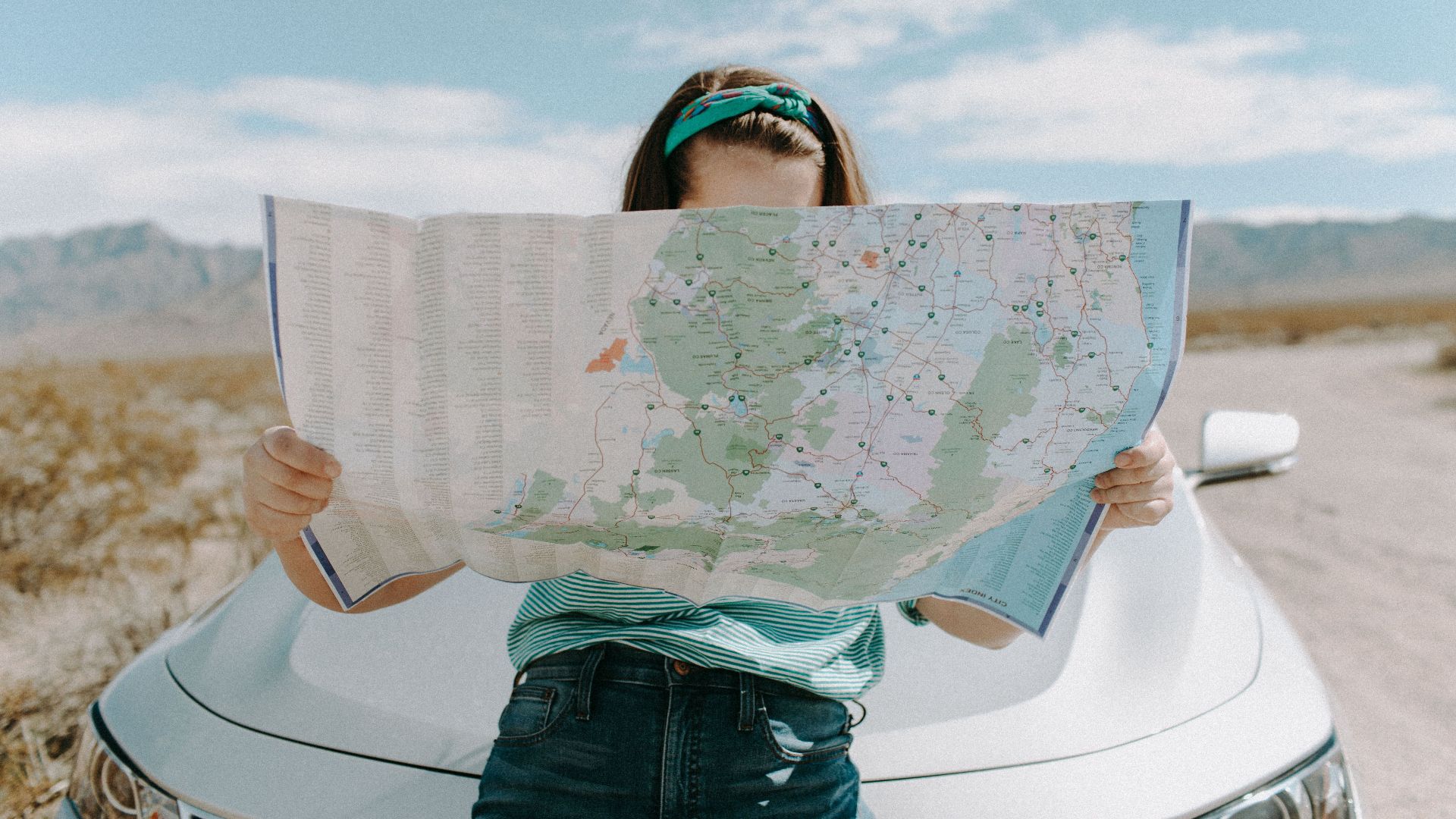
Every state ran a tourism office that would mail you a highway map and a stack of brochures for the cost of a stamp. The package took two to three weeks to arrive. You planned around whatever showed up in the envelope. Welcome centers at the state line handed out the same maps for free, along with coffee.
2. Join AAA for the TripTik
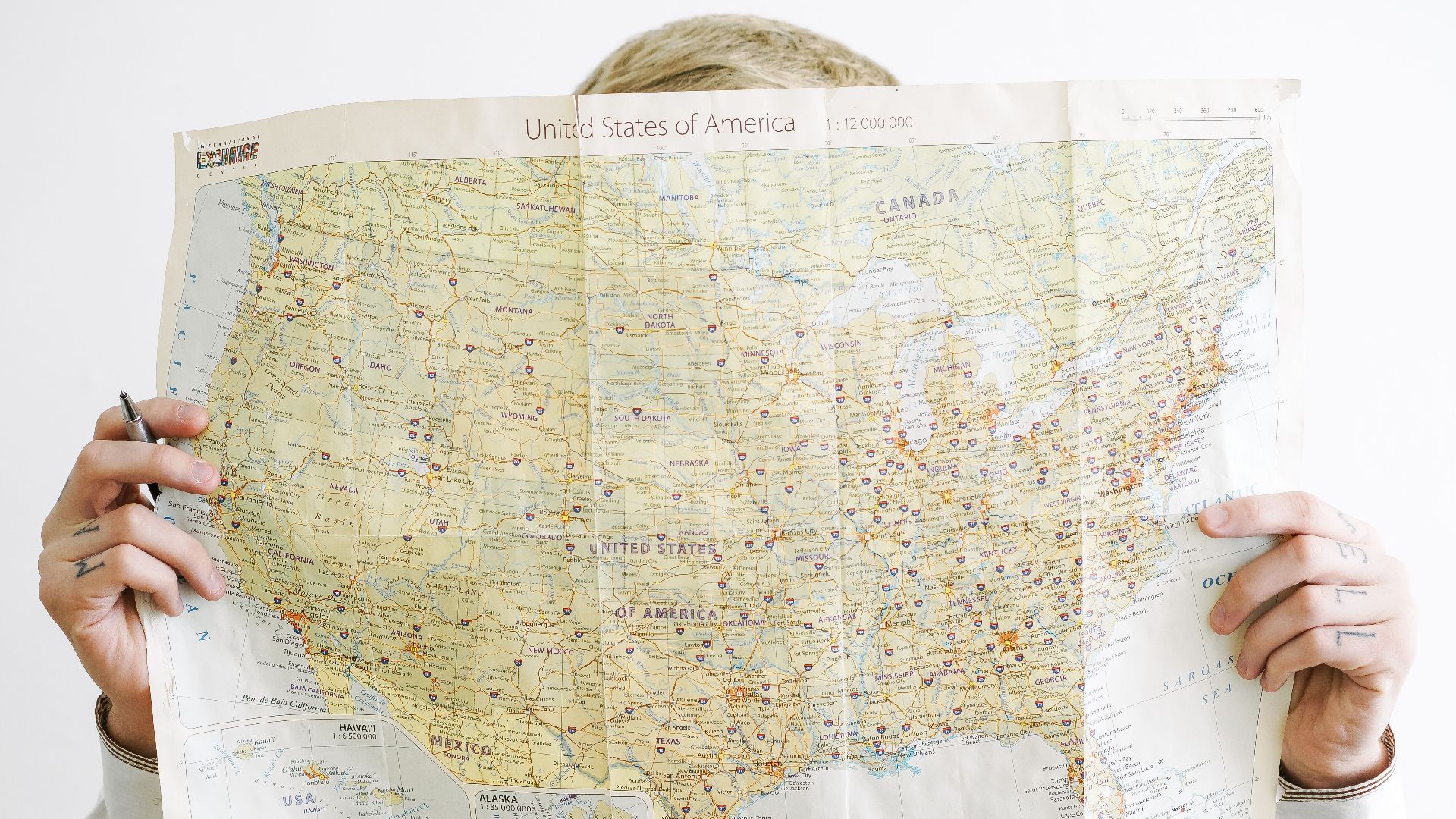
AAA members could request a custom TripTik, a spiral-bound flipbook of maps with the route drawn in highlighter by an actual person. An agent marked construction zones and gas stops along the route. AAA produced millions of them a year at the peak. Turning the page did the job a voice now does when it says turn right in 500 feet.
3. Call the Hotel Directly
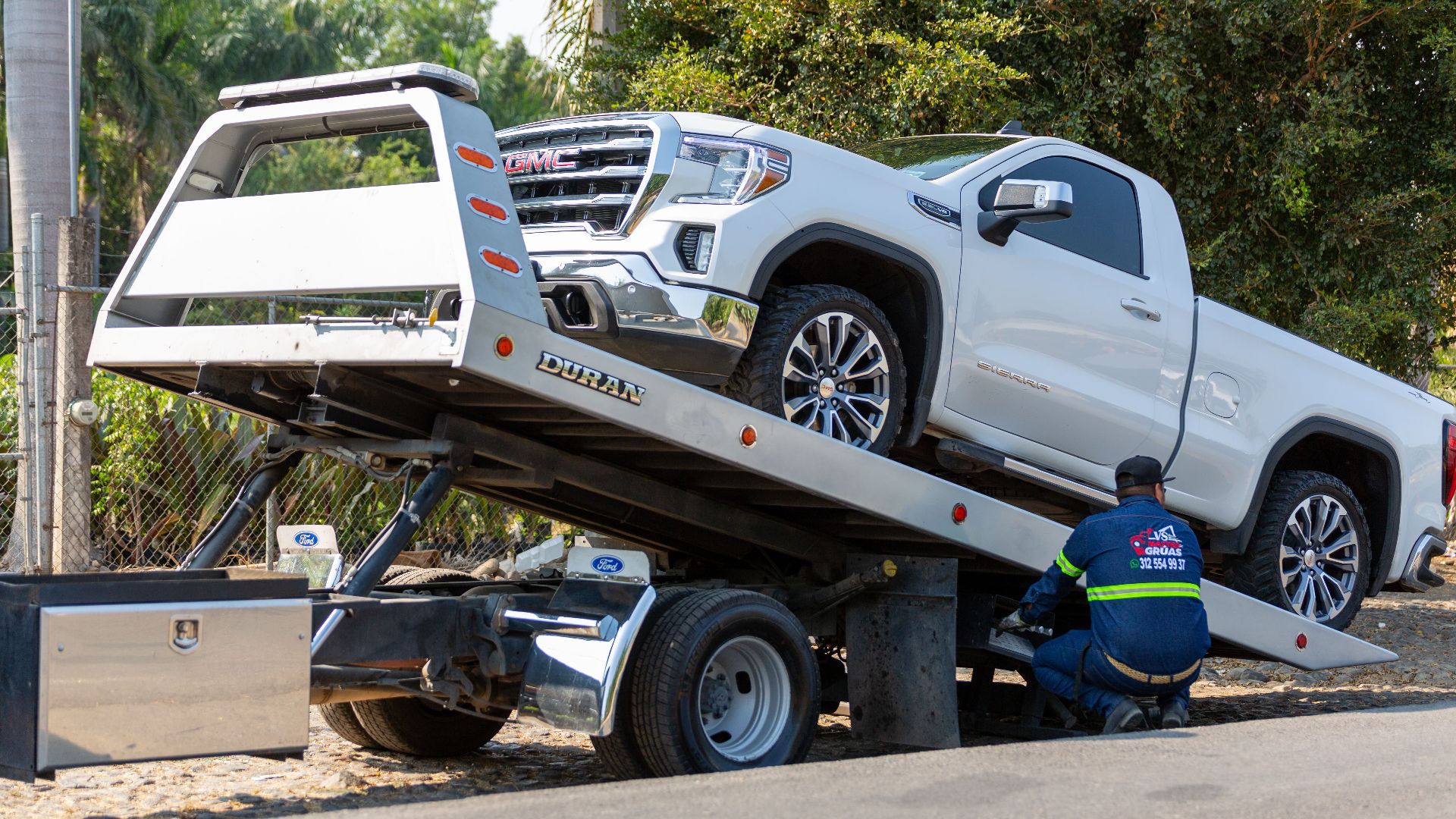
Booking a room started with an 800 number and a person who read rates off a screen. You wrote the confirmation number on whatever was nearby. If that slip of paper vanished, so did the reservation as far as the front desk cared. Nobody could pull up your name in three seconds at check-in.

4. Buy a Guidebook
Fodor's and Lonely Planet were the reference library for an entire trip, and the copyright page mattered as much as the cover. A two-year-old edition sent you to restaurants that had closed. People hauled that book everywhere, folding down corners until the spine gave out and pages started falling into the bag.

5. Visit a Travel Agent
An agent with access to the airline reservation systems could find fares nobody else could see. You sat across a desk while they typed cryptic commands into a green screen. Airlines cut agent commissions in the late 1990s, and the storefronts thinned out fast after that.

6. Get Traveler's Checks
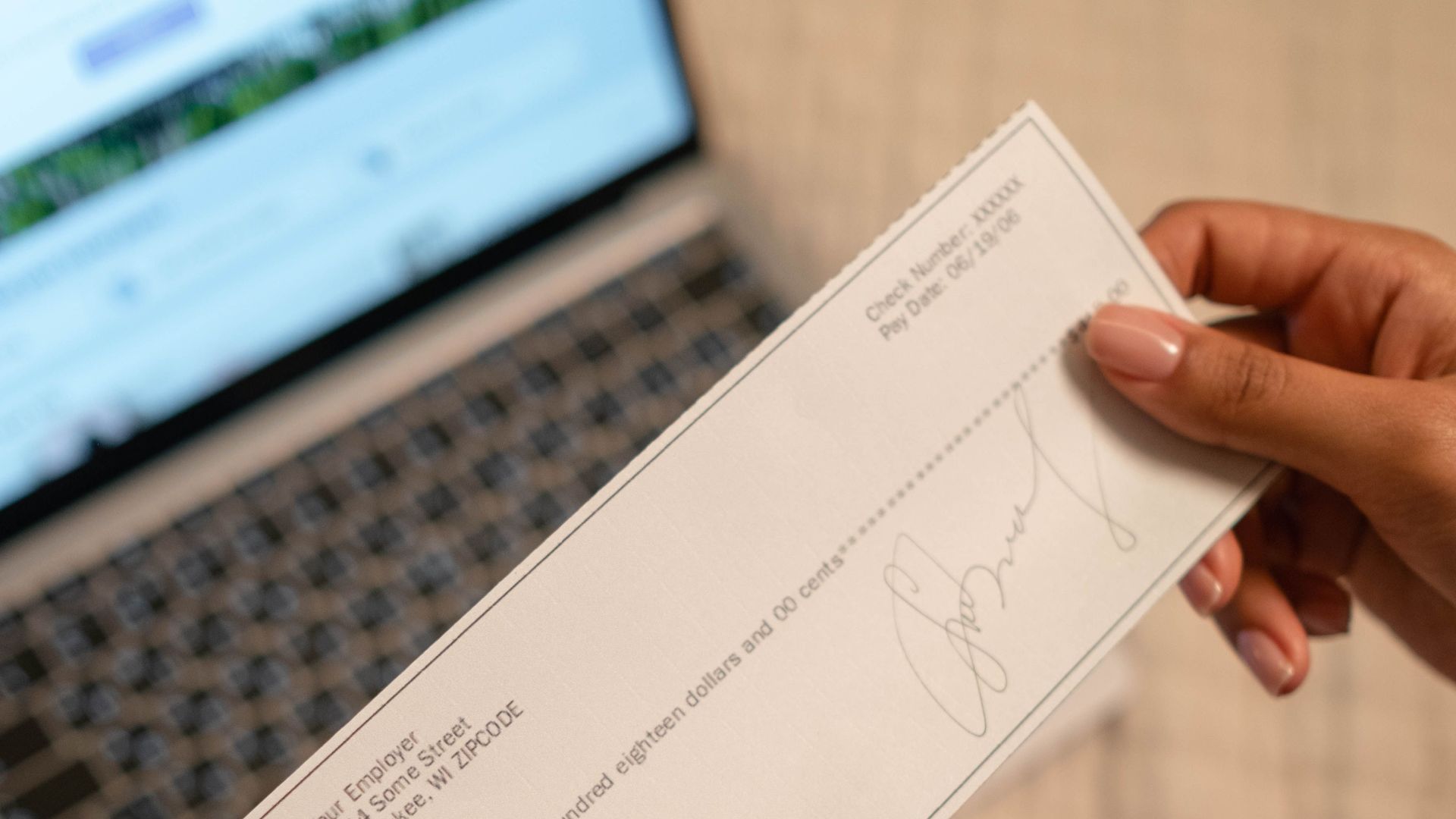
American Express traveler's checks were the safe way to carry money abroad, and you signed each one twice. The bank issued them in a small envelope with a record of serial numbers. Merchants overseas were used to them, and the exchange rate was rarely in your favor. Lost checks could be replaced at a local office, which was the entire selling point.
7. Apply for an International Driving Permit
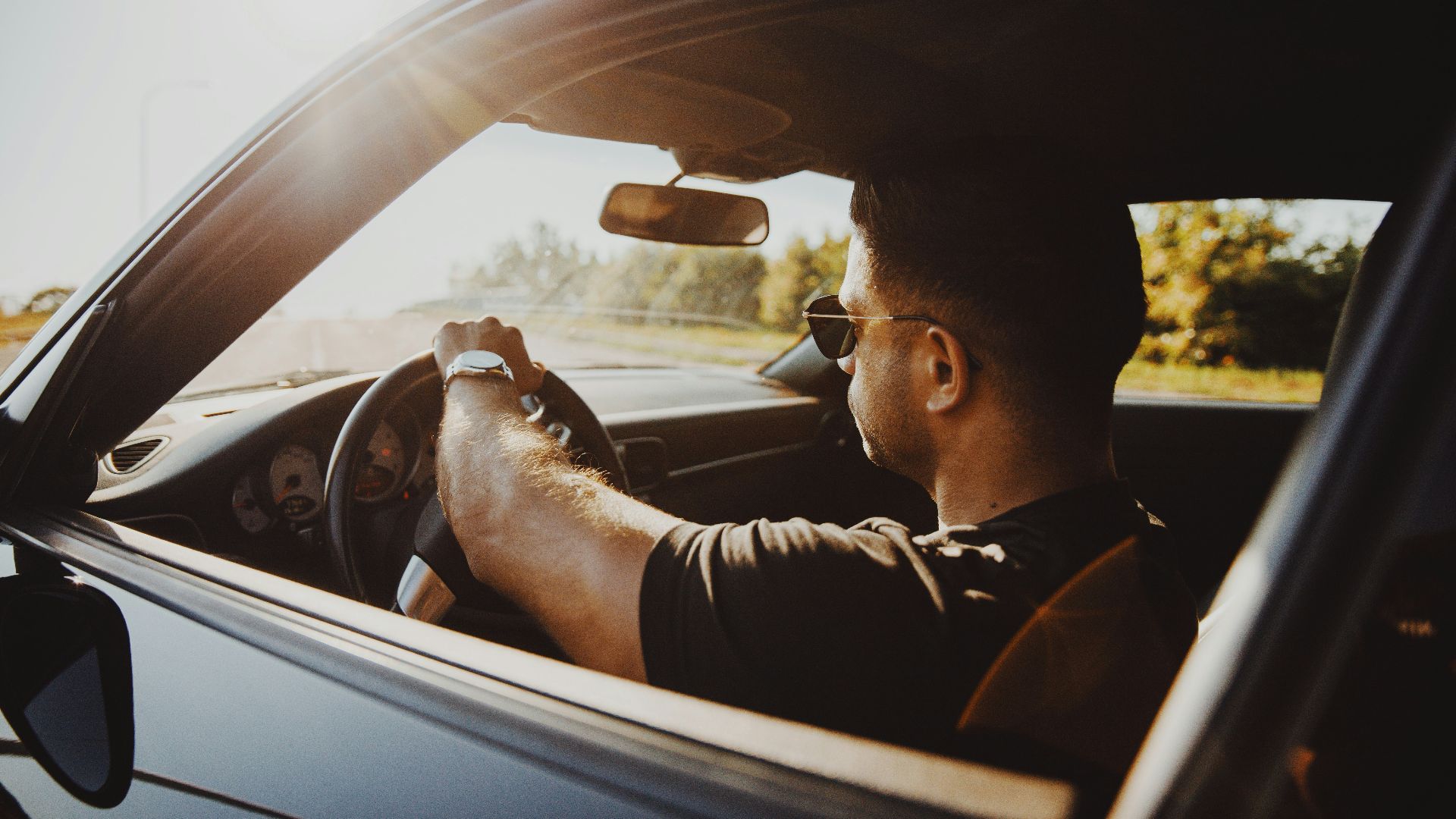
Driving in another country often required a translated permit. Getting one took a AAA office, two passport photos from a booth at the mall, and a small fee. The permit itself was a gray paper booklet that looked vaguely official. Border officers accepted it without much inspection, and rental counters wanted to see it.
8. Find a Payphone for Long Distance
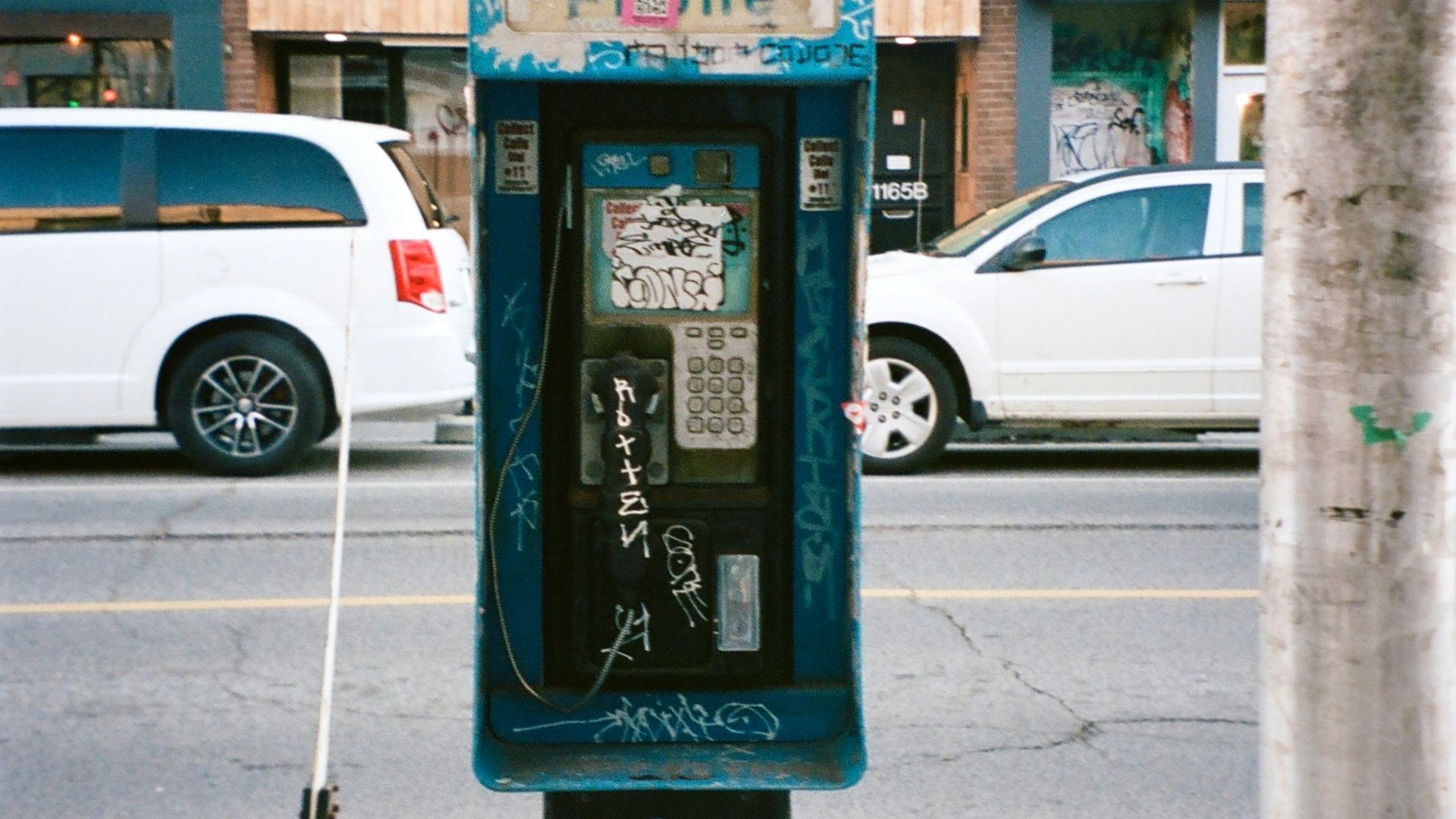
Calling home involved a payphone, a calling card, and a string of numbers punched in before the call connected. Hotels charged outrageous rates for the same call from your room. Travelers memorized their card's PIN the way people memorize passwords now. Rates dropped late at night, so hotel lobbies filled up after dinner.
9. Buy Film and Ration It
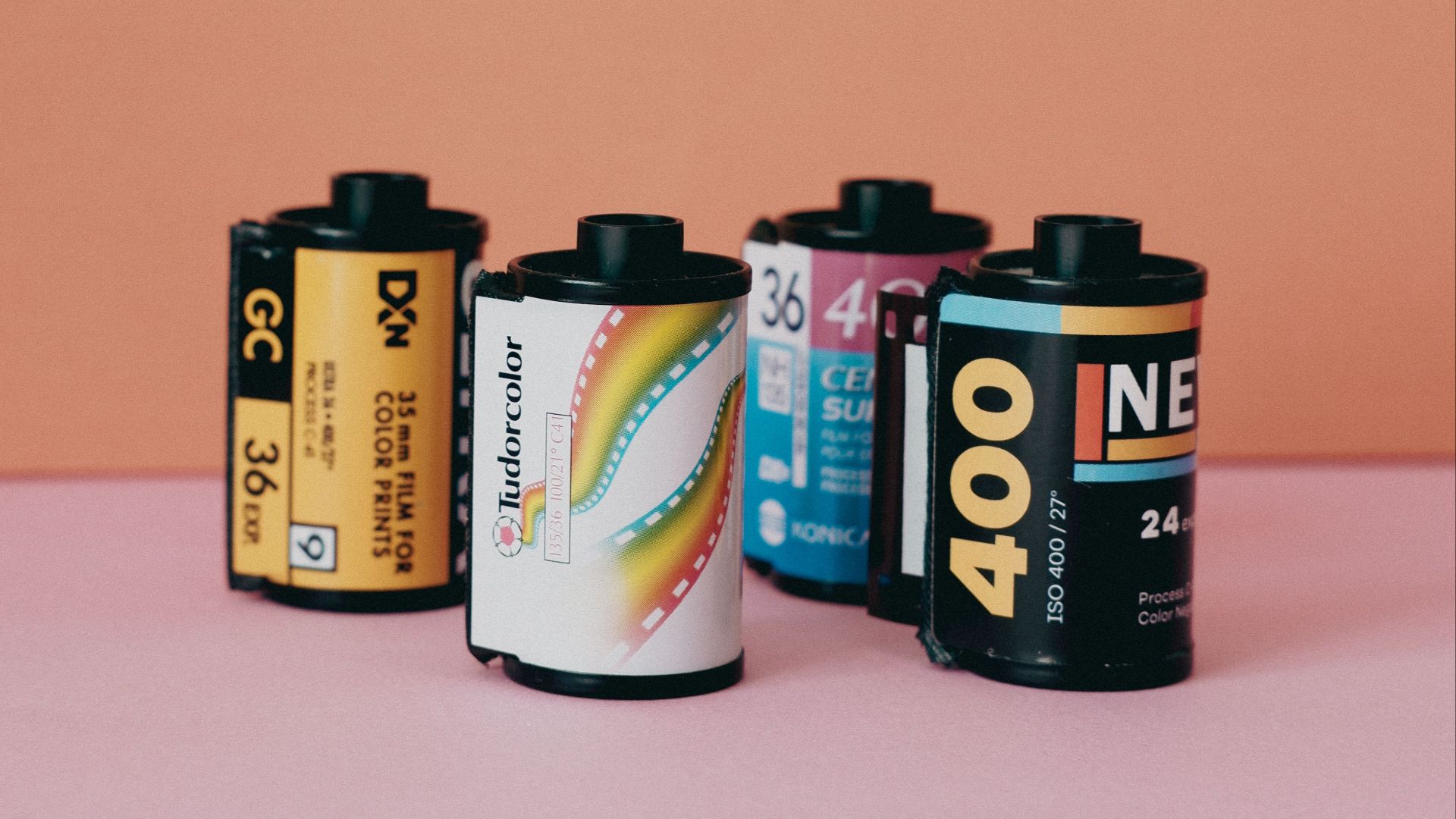
A 36-exposure roll covered an entire day, and every shot cost money twice, once to buy and once to develop. You waited until you were home to find out whether any of them worked. Airport X-ray machines worried anyone carrying film in a bag, and lead pouches sold well for that reason.
10. Carry Paper Tickets
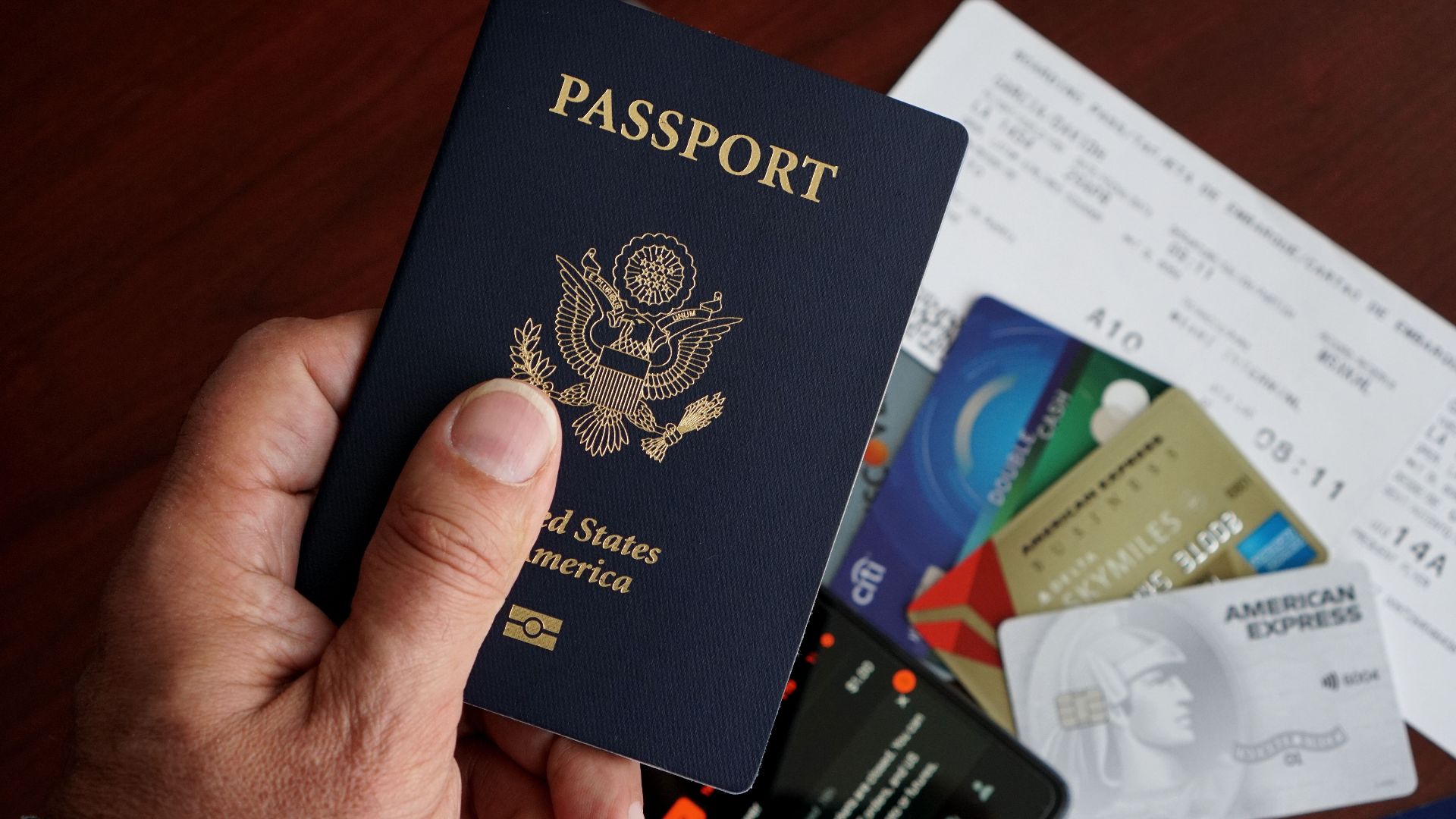
Airline tickets came as a booklet of carbon-backed coupons, one per leg of the journey. Lose them and you paid for replacements. The gate agent tore out the right page and handed back the rest. Electronic tickets took over in the early 2000s and ended the whole ritual.
11. Learn a Few Phrases From a Book
A pocket phrasebook came out at every counter and restaurant, usually opened to a page you'd marked earlier. Pointing at the printed sentence worked better than attempting the pronunciation yourself. Nothing let you hear how a word should sound before you said it out loud in a shop.

12. Convert Currency by Hand
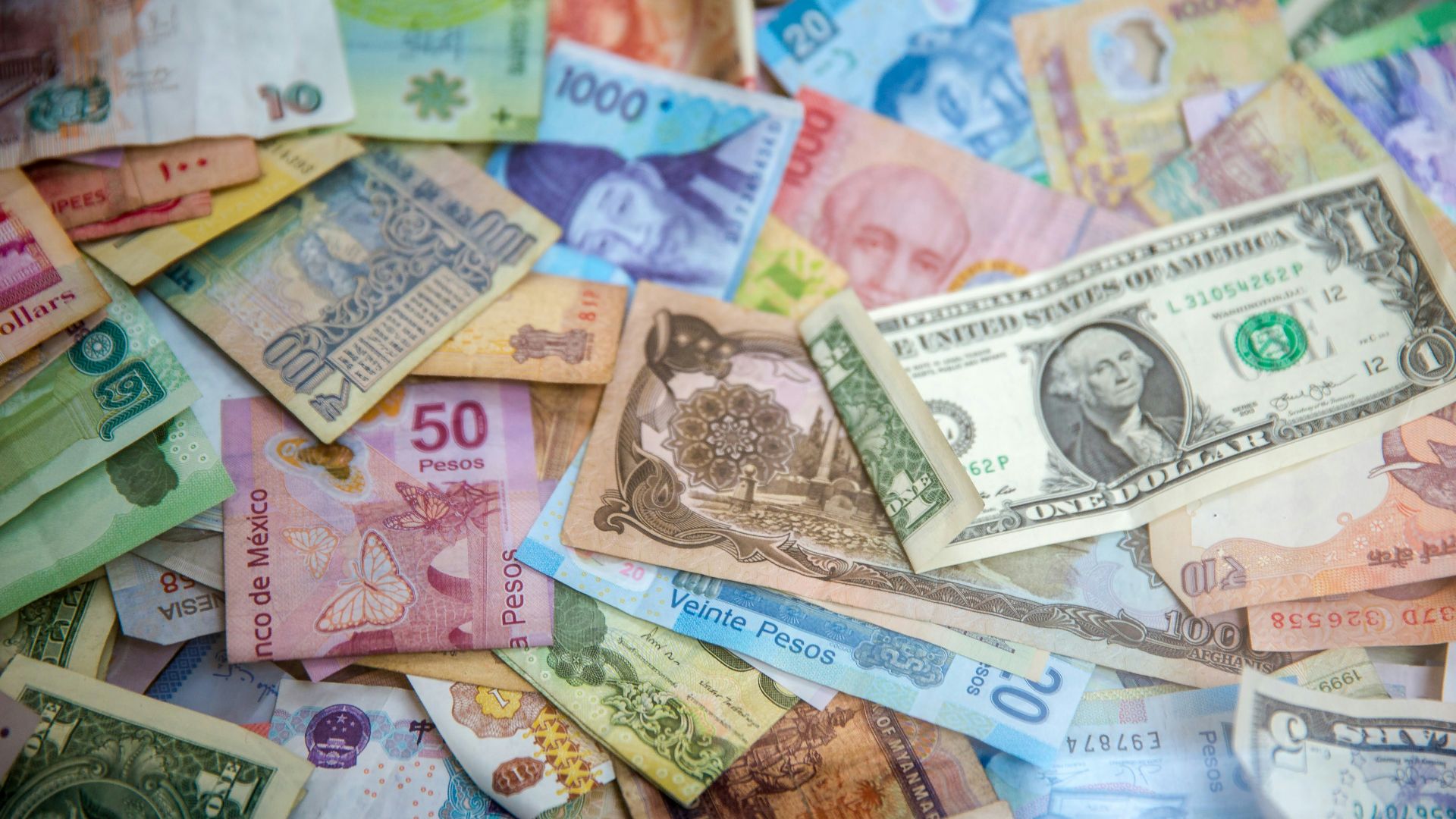
Working out whether something was a good price meant math in your head or on a scrap of paper. Rates came from a newspaper or a board behind the exchange counter. Many tourists carried a small laminated conversion card in a wallet, updated whenever the rate moved.
13. Check the Weather Before You Left
The forecast arrived in the newspaper or on the Weather Channel, covering a few major cities. On the road, the local radio station told you what was coming. Packing was mostly a guess based on the season and whatever a friend remembered from their trip.

14. Write Down Directions
Getting from the airport to the hotel started with asking someone on the phone and writing the steps on paper. Street names got misheard and misspelled along the way. Pulling over to ask a gas station attendant was a normal part of any drive.
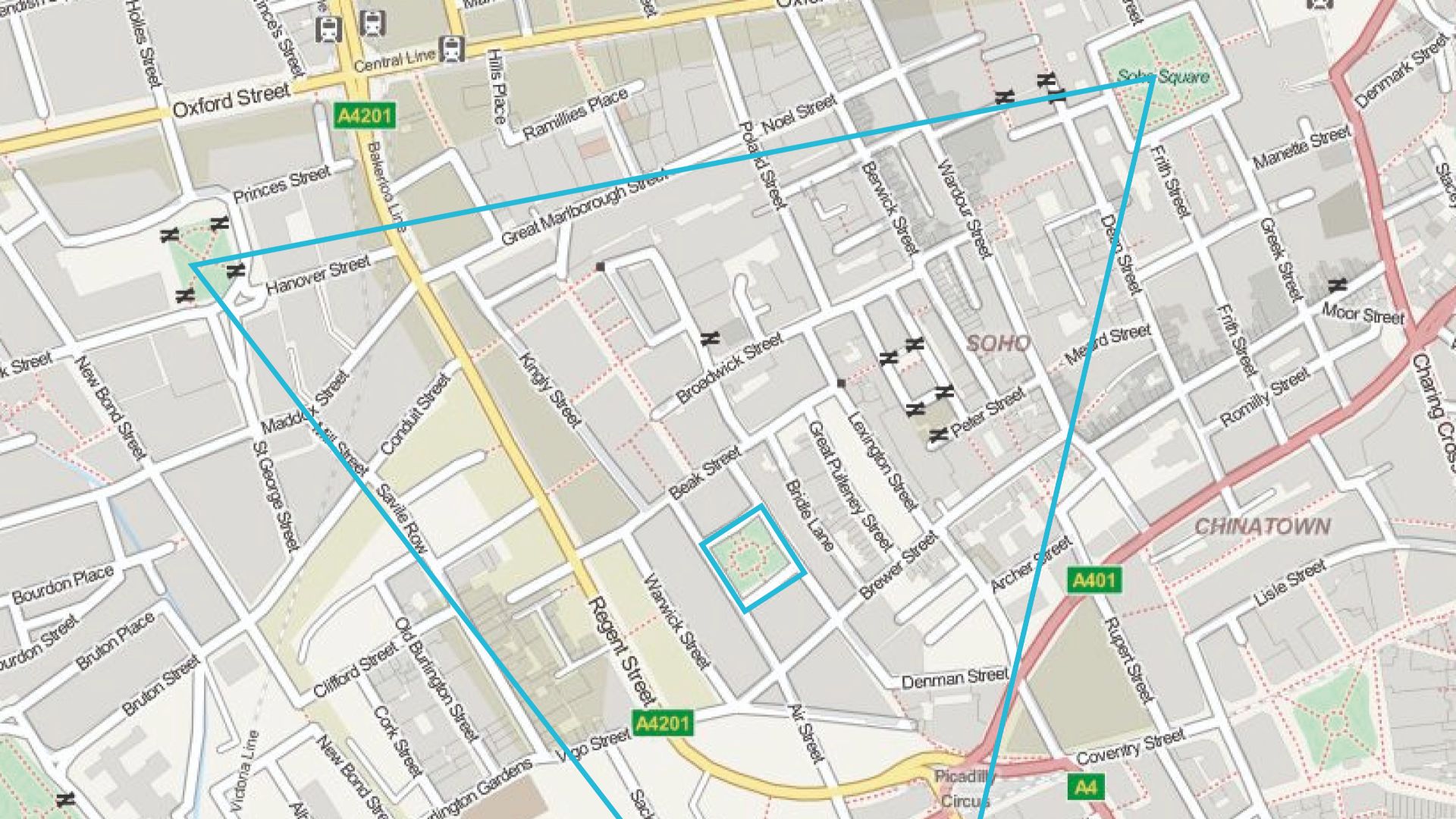
15. Print Out the MapQuest Page
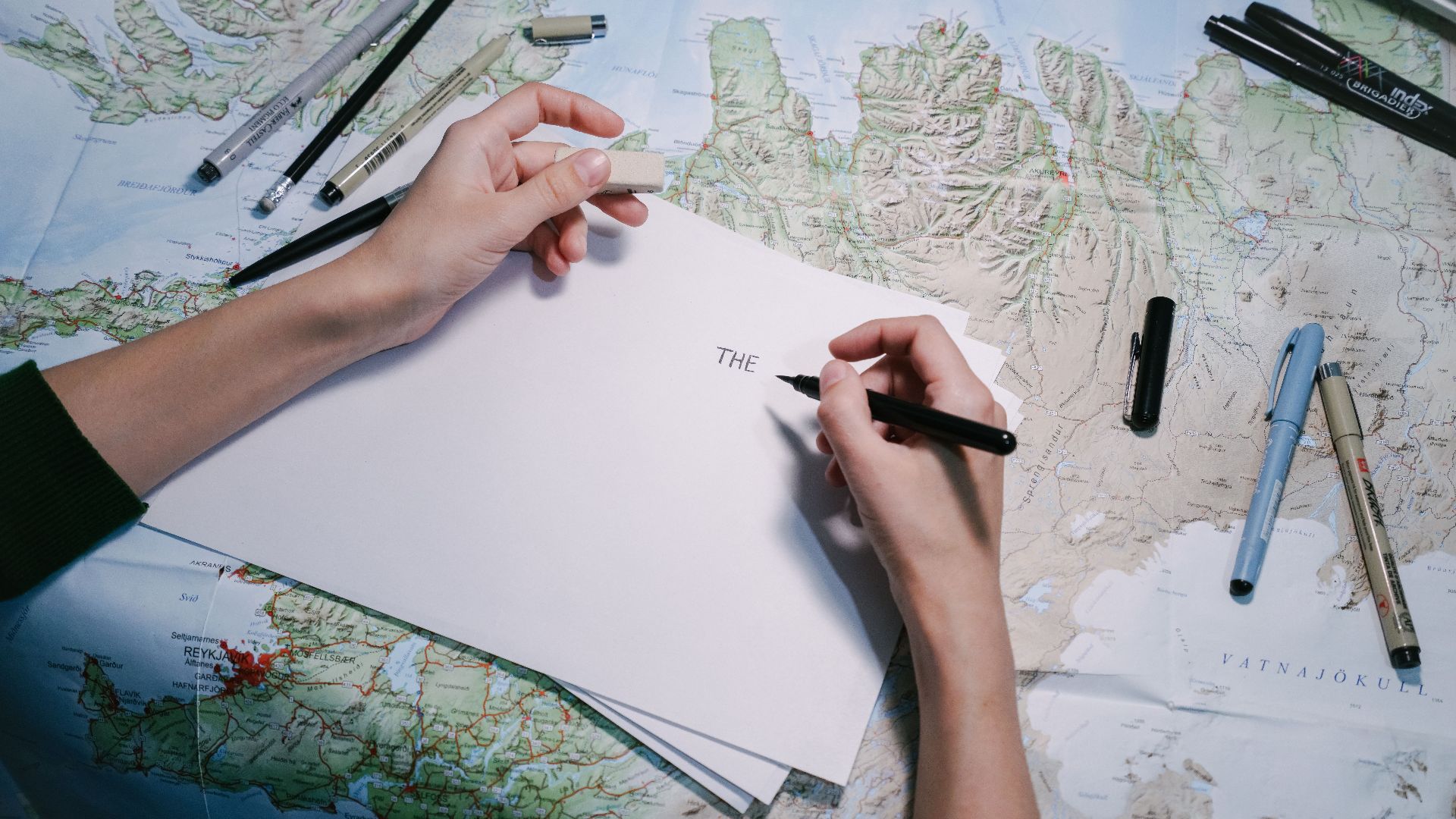
MapQuest arrived in 1996 and let you print turn-by-turn directions before leaving home. The pages worked fine until you missed an exit. Nobody printed the return route, and that's how people ended up lost heading home.
 © OpenStreetMap contributors on Wikimedia
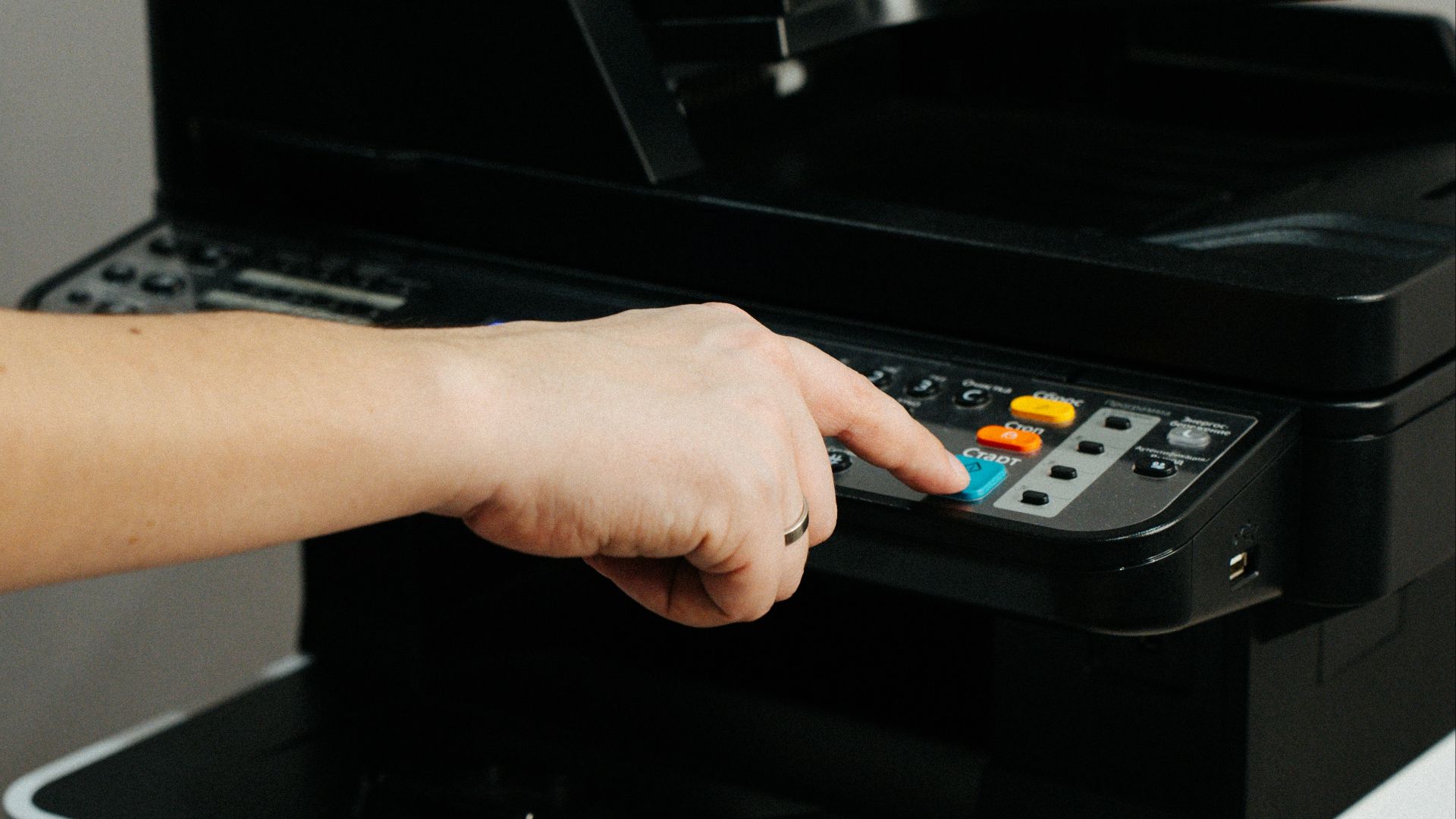
16. Wait for a Fax Confirmation
Overseas hotels and tour operators often confirmed bookings by fax. You gave them a number and hoped the machine at home had paper in it. That curling thermal sheet was the only proof of the booking you had, and the ink faded within a year.
 Stanislav Staritsyn on Unsplash
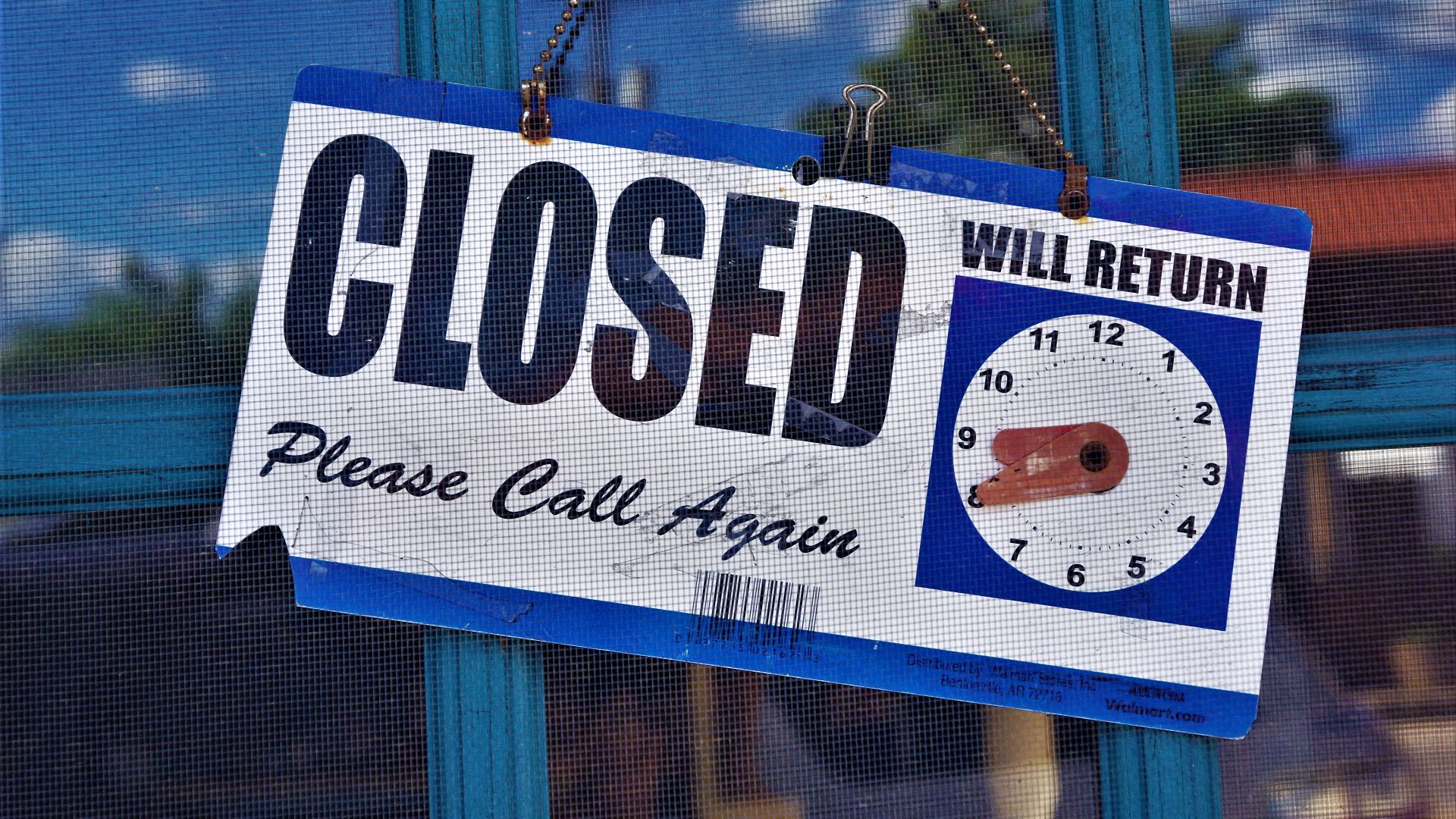
17. Call During Business Hours
Everything required a phone call, and the office was open when you were at work. Booking a trip meant using your lunch break or calling a country eight hours ahead at dawn. Nothing got arranged after 6 p.m., and weekends were worse, since half the offices you needed were closed.
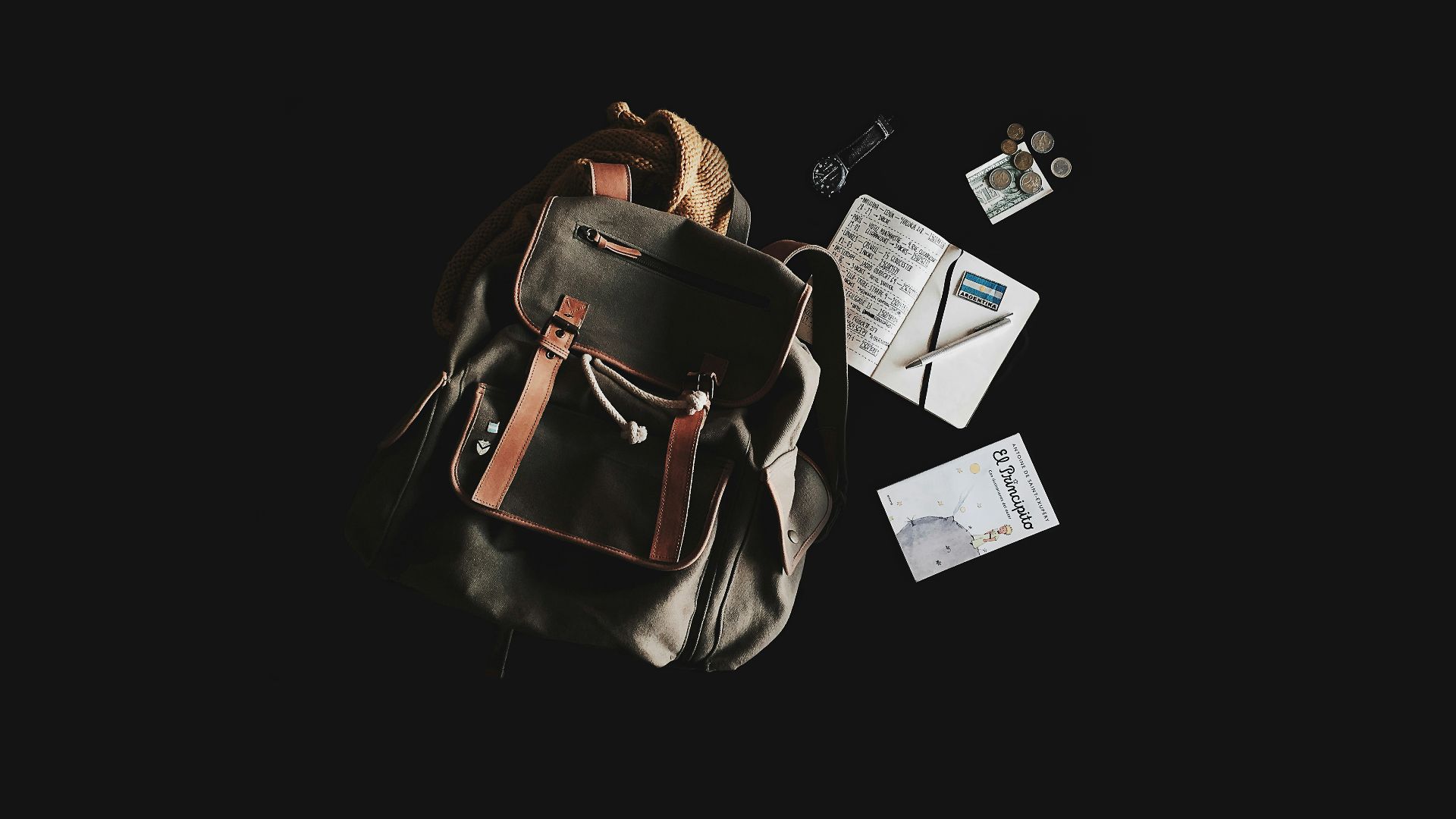
18. Carry the Bag Full of Documents
The travel folder held tickets, hotel confirmations, and a photocopy of your passport. Experienced travelers kept a second copy in a different bag, and a third with someone at home. That folder went in your carry-on and never left your sight.
19. Bring Cash for the First Day
You landed with no way to check a balance and no idea where the nearest ATM sat. Most people exchanged a small amount before leaving and hoped it covered a taxi and dinner. The airport counter took whatever cut it wanted.
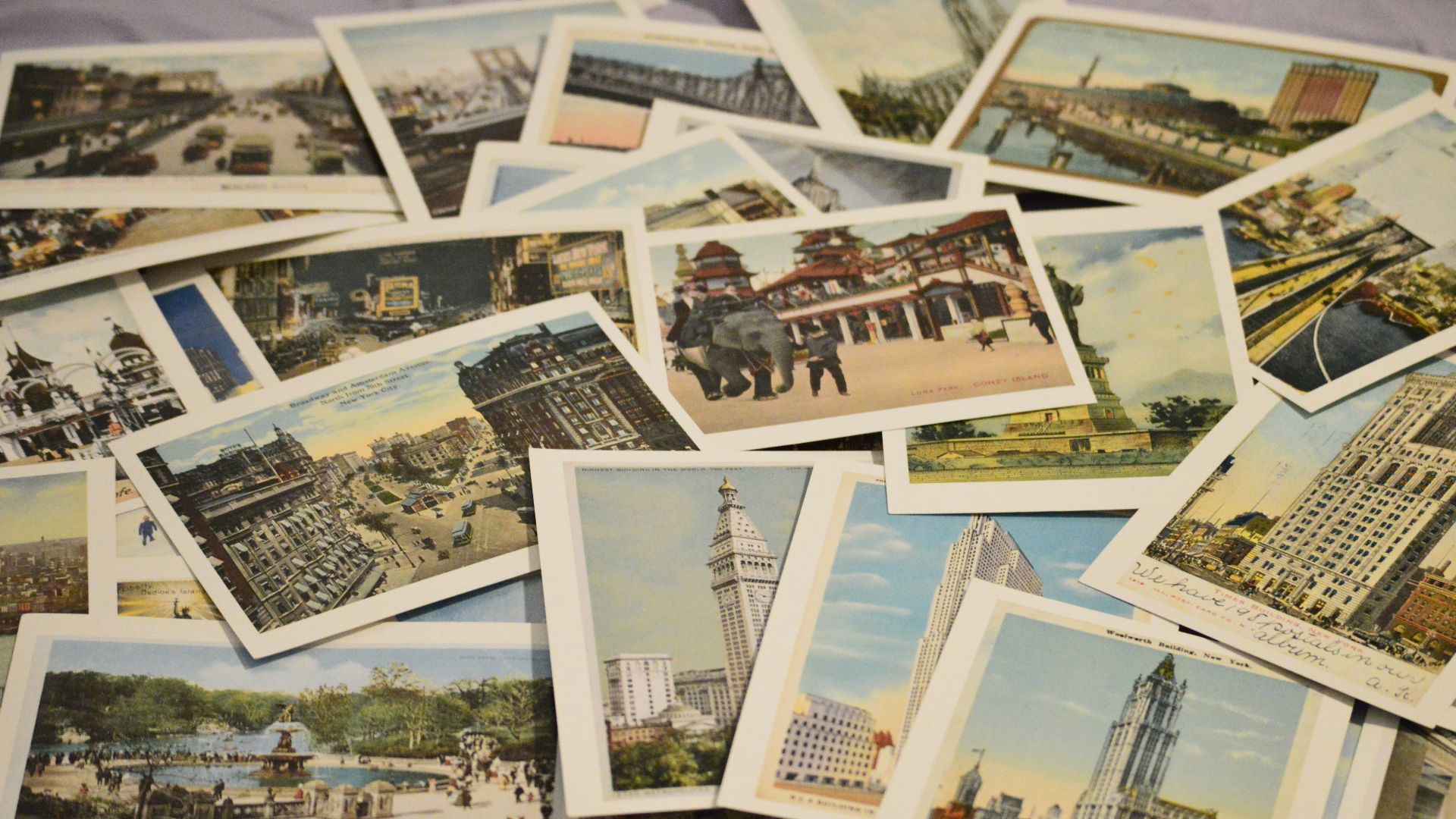
20. Send a Postcard to Prove It
Nobody at home saw where you were until the film came back from the developer. A postcard mailed on day three arrived a week after you got back. People bought them at the hotel gift shop and wrote them over breakfast.