When Games Get Uncomfortably Right
Video games love big ideas, and sometimes those ideas land a little too close to real life. A developer tosses in a “sci-fi” convenience or a cultural detail to make a world feel believable, and then a few years later, you’re seeing something eerily similar on your phone, in the news, or in how people act online. Here are 20 times games seemed to peek around the corner, whether they meant to or not.
 Gabriel Dias Pimenta on Unsplash
1. Deus Ex (2000)
Much like the current world's CCTV cameras everywhere, this game treats surveillance as a normal layer of life, not a rare emergency measure. You’re constantly dealing with monitoring, databases, and authorities that know more than they should. It also captures the anxiety of living under systems that can be “justified” as security while still feeling invasive.

2. Metal Gear Solid 2 (2001)
This one gets brought up a lot because it feels weirdly current about information overload. It digs into how narratives get shaped and filtered, and how people can be nudged without realizing it. Sounds like fake news, doesn't it? If you’ve ever felt like the internet is arguing in circles on purpose, you’ll get why fans point to this game.

3. Watch Dogs (2014)
The premise hinges on a city that runs through a connected operating system. That’s fiction in the game, but the core idea is familiar now: sensors everywhere, services linked together, and one weak point that affects a lot. It also nails the uneasy feeling of convenience turning into vulnerability.

4. Cyberpunk 2077 (2020)
The game is drenched in a world where digital life isn’t optional. Work, entertainment, relationships, and reputation all blur into the same always-on stream. It’s not “predicting” remote culture so much as showing how easy it is for daily life to become a permanent login.
5. The Sims (2000)
People talk to their Sims like they’re real, care about their drama, and micromanage their lives for fun. That lines up nicely with how audiences now follow creators, streamers, and online personalities daily. It’s a reminder that watching someone’s routine can become entertainment fast.
 włodi from London, UK on Wikimedia
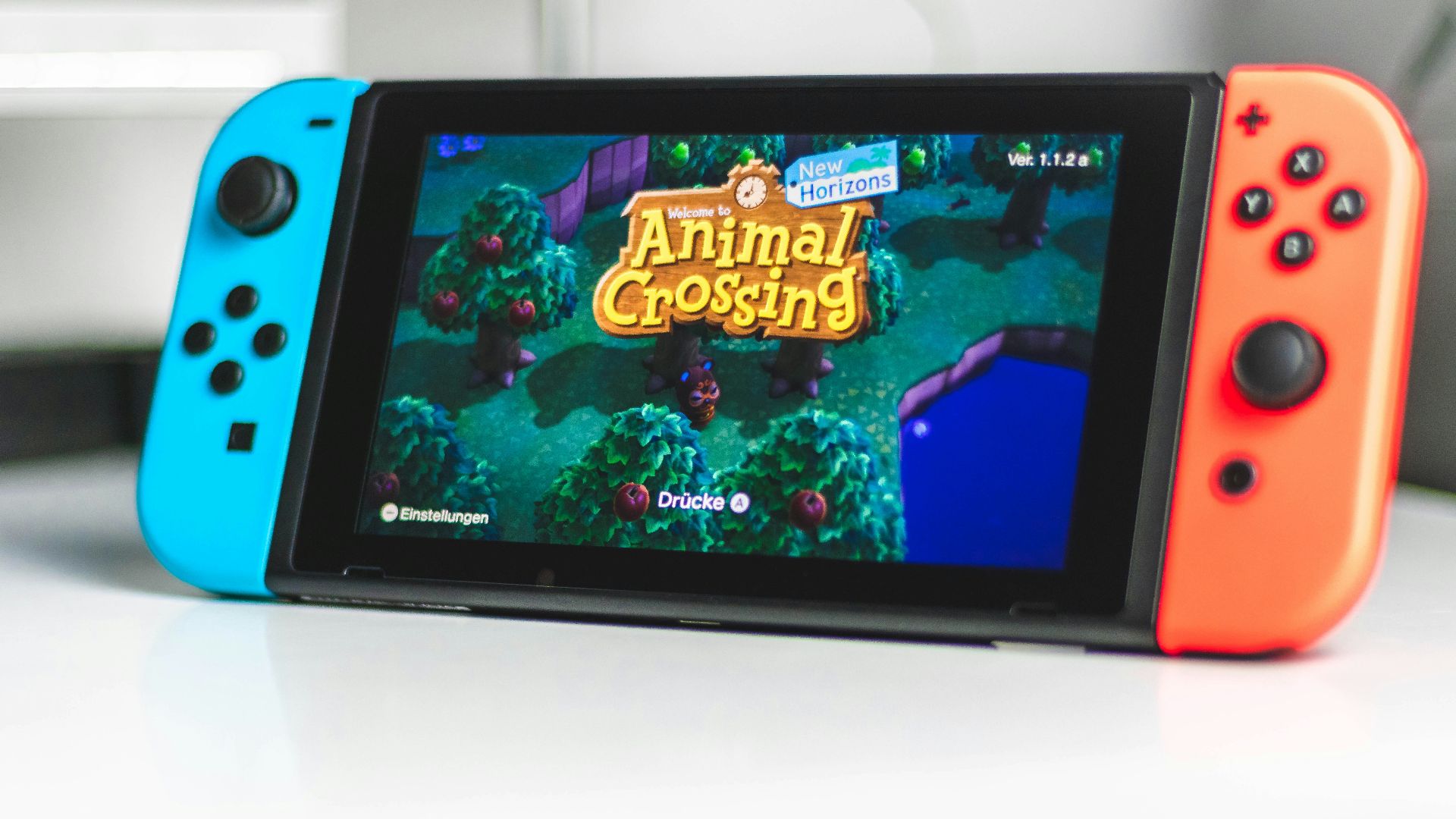
6. Animal Crossing: New Horizons (2020)
This game turned hanging out online into a genuine social substitute. Visiting friends’ islands, trading items, and showing off your space became a whole little economy of comfort. If you’ve ever used a game as a “third place,” you already understand the future it accidentally reflected.
7. Second Life (2003)
Second Life normalized the idea that digital items and spaces could have real value. People built businesses, sold goods, and treated online identity like a serious project. This is mirrored in real life with NFTs and digital currency.
 Ramona.Forcella from Tokyo, Japan on Wikimedia
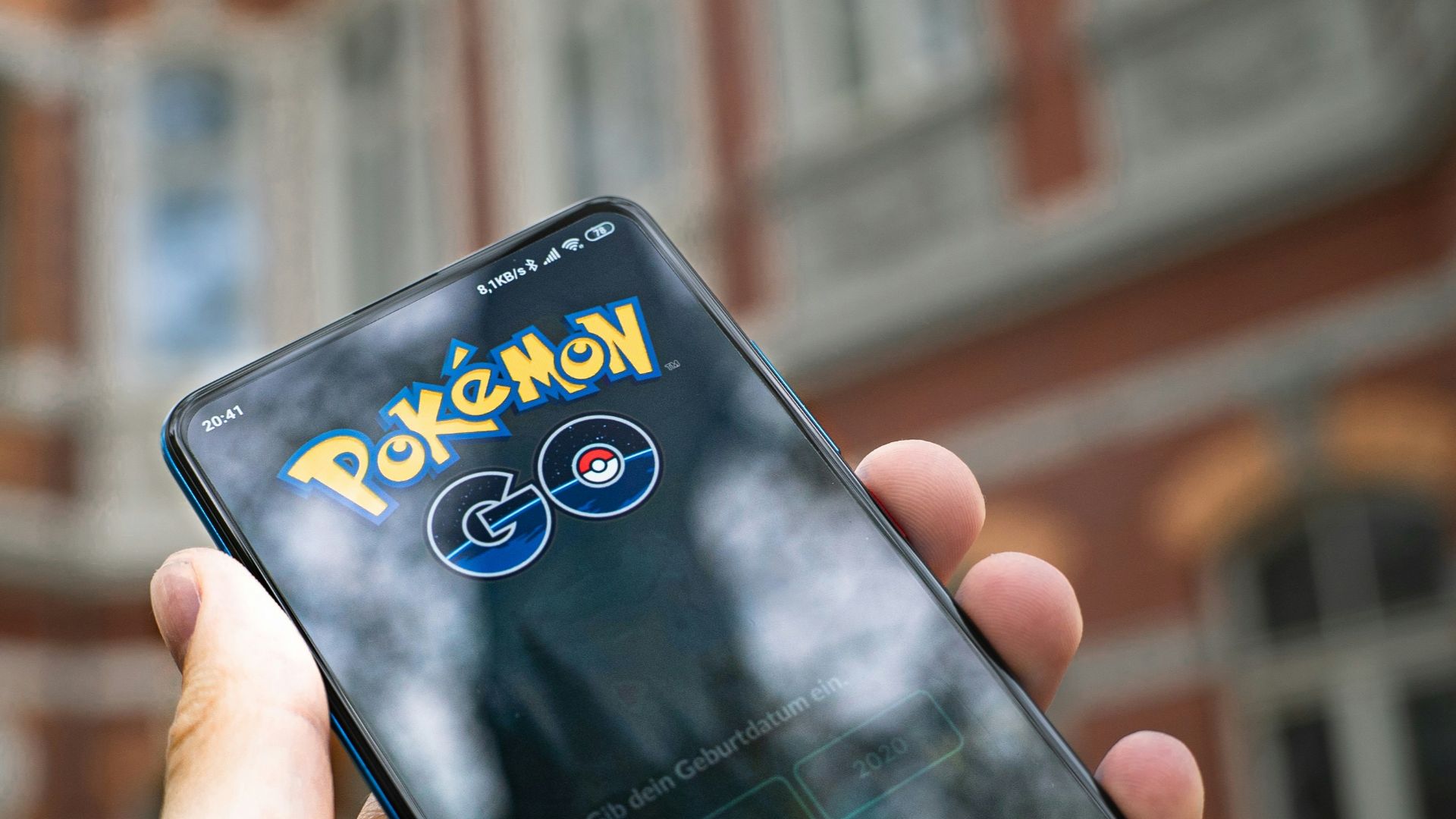
8. Pokémon Go (2016)
It made roaming your neighborhood with a phone feel like part of the experience, not a side effect. Meeting strangers at a park for a shared goal suddenly seemed normal. The game helped mainstream the concept that your physical location can be a social feature.
9. Grand Theft Auto V (2013)
Its world is full of attention-chasers, manufactured scandals, and social status as a currency. The jokes aren’t subtle, but that’s why they stick. You can play it now and recognize the way modern fame can look like a job that never clocks out.
10. Papers, Please (2013)
It frames paperwork as power, and it does it without pretending the system is neutral. Decisions get reduced to stamps and rules, even when people’s lives are clearly on the line. The game feels like a warning about how easy it is to hide cruelty behind “procedure.”

11. Detroit: Become Human (2018)
The game leans into debates about personhood, labor, and what happens when tech looks human enough to trigger empathy. It also shows how quickly society splits into camps once machines become emotionally legible. You don’t have to agree with its choices to recognize how familiar the arguments sound.
12. Tom Clancy’s The Division (2016)
This game imagines a world where a major public crisis reshapes daily life and public trust. The atmosphere is heavy, but the most “predictive” part is how quickly people adapt to extraordinary circumstances, as we've seen in recent events like the COVID-19 pandemic and environmental changes.

13. Call of Duty: Modern Warfare (2007)
This game helped popularize a more modern, tech-forward view of conflict for mainstream audiences. The depiction isn’t documentary, but it reflects a shift toward remote systems, surveillance, and precision narratives. It also hints at the emotional distance that technology can create from the consequences, the first mainstream game to do this.

14. Remember Me (2013)
In Remember Me, the whole world runs on a system that can record, share, and even edit personal memories like they’re files. It treats identity as something that can be bought, stolen, or rewritten by whoever controls the platform. That lands uncomfortably close to how modern life turns your experiences into data.

15. Metal Gear Solid (1998)
This game is played with the idea that your genetics could be used to identify you and determine your value. It leans into profiling and control through biology, not just through passwords or ID cards. Today, genetic data is real, useful, and sensitive in ways most people didn’t grow up imagining. The game’s paranoia about who holds that information doesn’t feel over-the-top anymore.

16. Fortnite (2017)
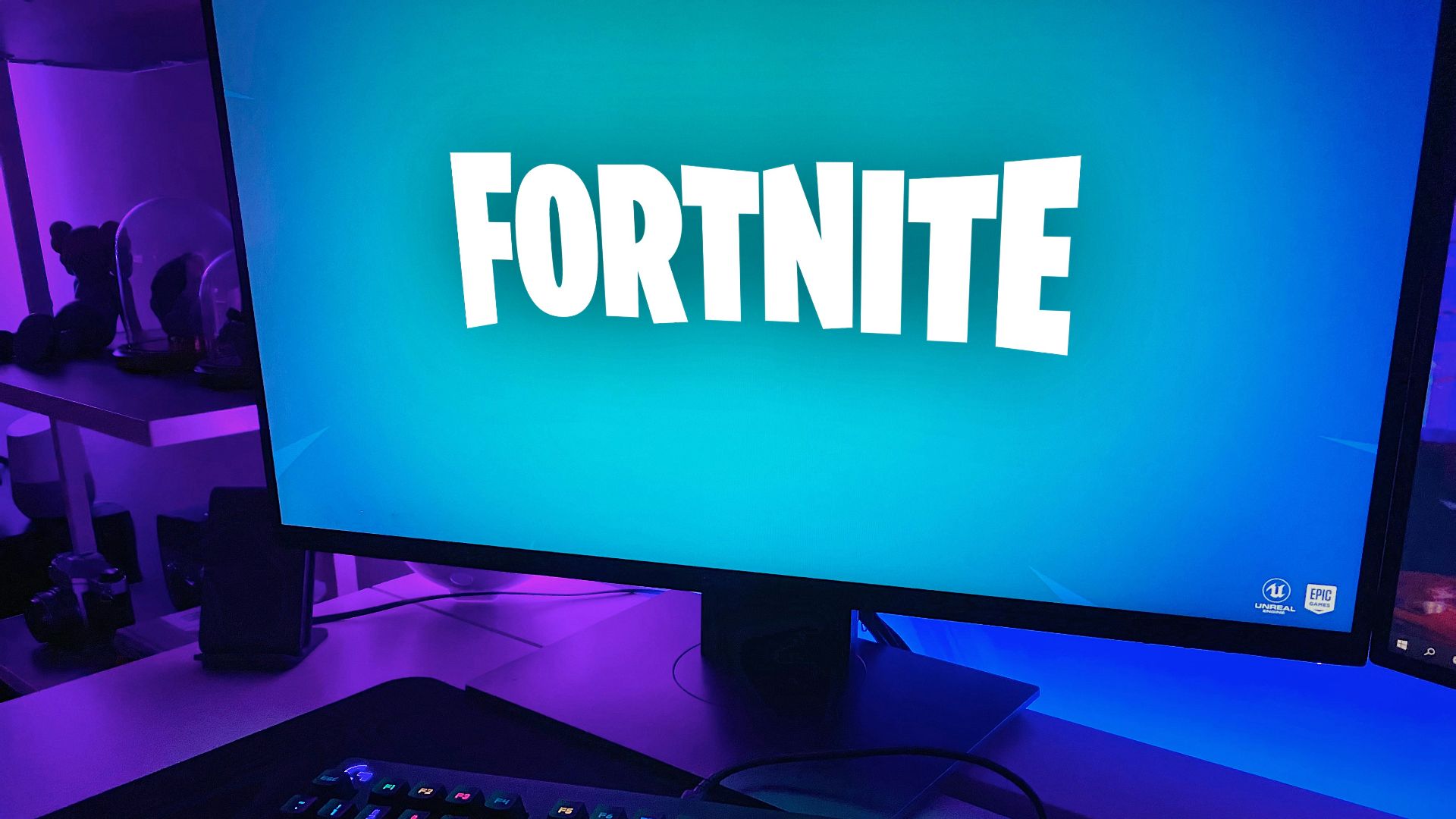
Fortnite proved games could host massive shared events that aren’t just matches. When concerts and premieres showed up inside a multiplayer lobby, it stopped sounding like a gimmick. The game basically trained a huge audience to accept entertainment as something you attend in-game.
17. Metal Gear Solid 4: Guns of the Patriots (2008)
Instead of focusing on nations, the game imagines conflict managed through corporate interests, private forces, and tightly controlled systems. It treats warfare like an industry with supply chains, branding, and incentives that keep the machine running. That idea is pretty close to reality.

18. Spore (2008)
Spore builds a whole experience around procedural creation, where systems generate variety faster than humans could handcraft it. The point isn’t just customization; it’s letting an engine make surprising results you didn’t explicitly design. That mindset lines up neatly with how people now use AI tools that generate images, text, music, or designs from simple prompts.
 Marco Gomes from São Paulo, Brasil on Wikimedia
19. Minecraft (2011)
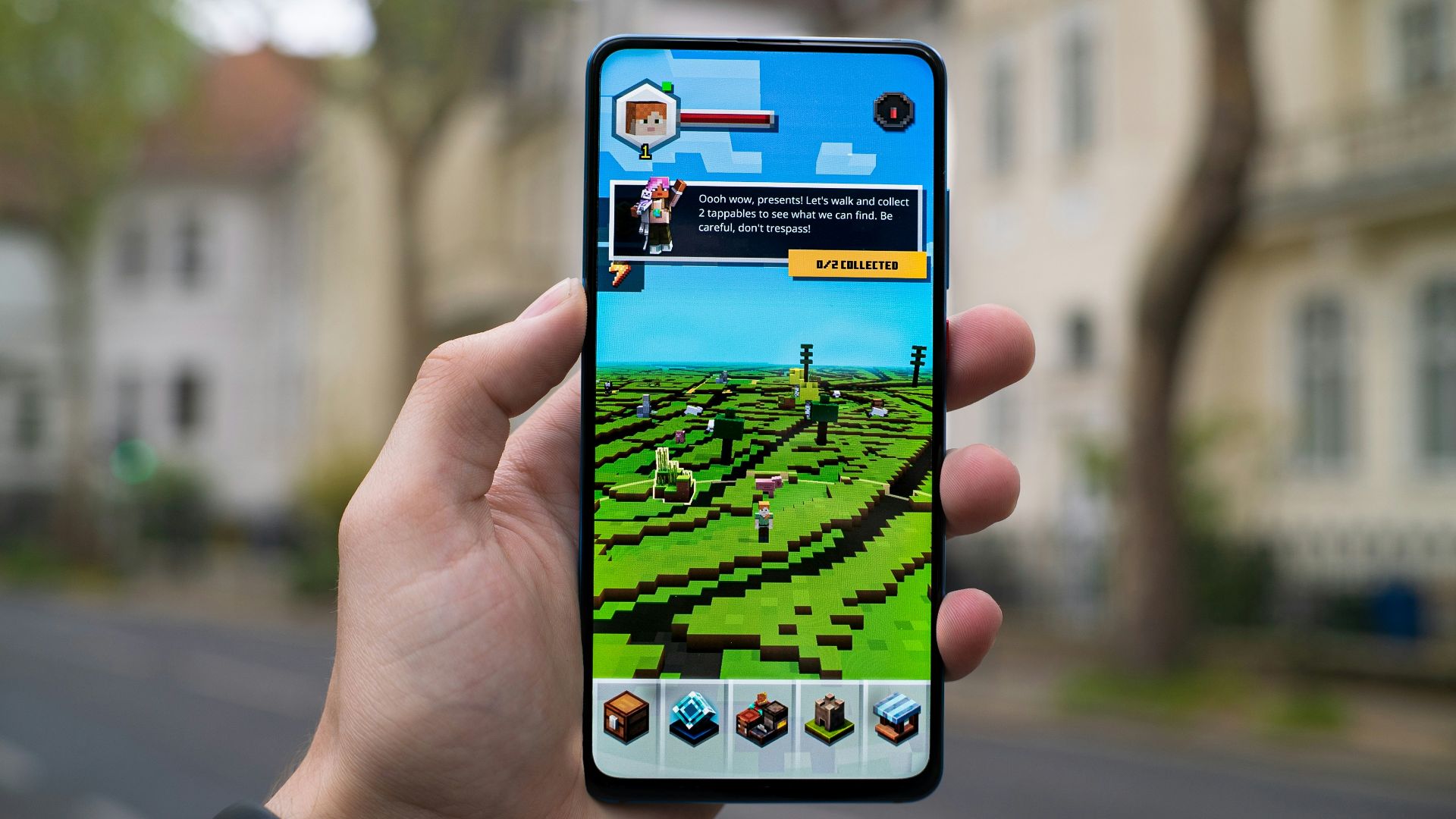
Minecraft encourages building, sharing, and remixing as the point, not the reward at the end. It’s basically a playground for user-generated content, long before “creator tools” became a buzzword. If you’ve ever watched someone’s build tour like it’s a show, you’ve lived the outcome.
20. Among Us (2018)
In Among Us, the whole point is social policing and acting on random suspicion, which sounds a lot like how mob mentality works on the internet and in real life, especially during events where social anxiety is running high. Its explosion in popularity in 2020 also reflected the social isolation of the COVID-19 pandemic.