
When the Backstory Steals the Spotlight
Some games hook you with mechanics first. You learn the buttons, find the rhythm, and only later notice that there is a whole strange universe humming behind the action. Then there are the other cases, the ones where the lore swells so far past the play experience that people who have never touched the game can still tell you about the kingdoms, betrayals, gods, curses, bloodlines, or timeline disasters attached to it. At that point, the game is almost sharing custody of its own reputation with wikis, theory videos, forum posts, and one friend who insists on explaining everything at dinner. Here are 20 times the lore got bigger than the game itself.
1. Five Nights at Freddy’s
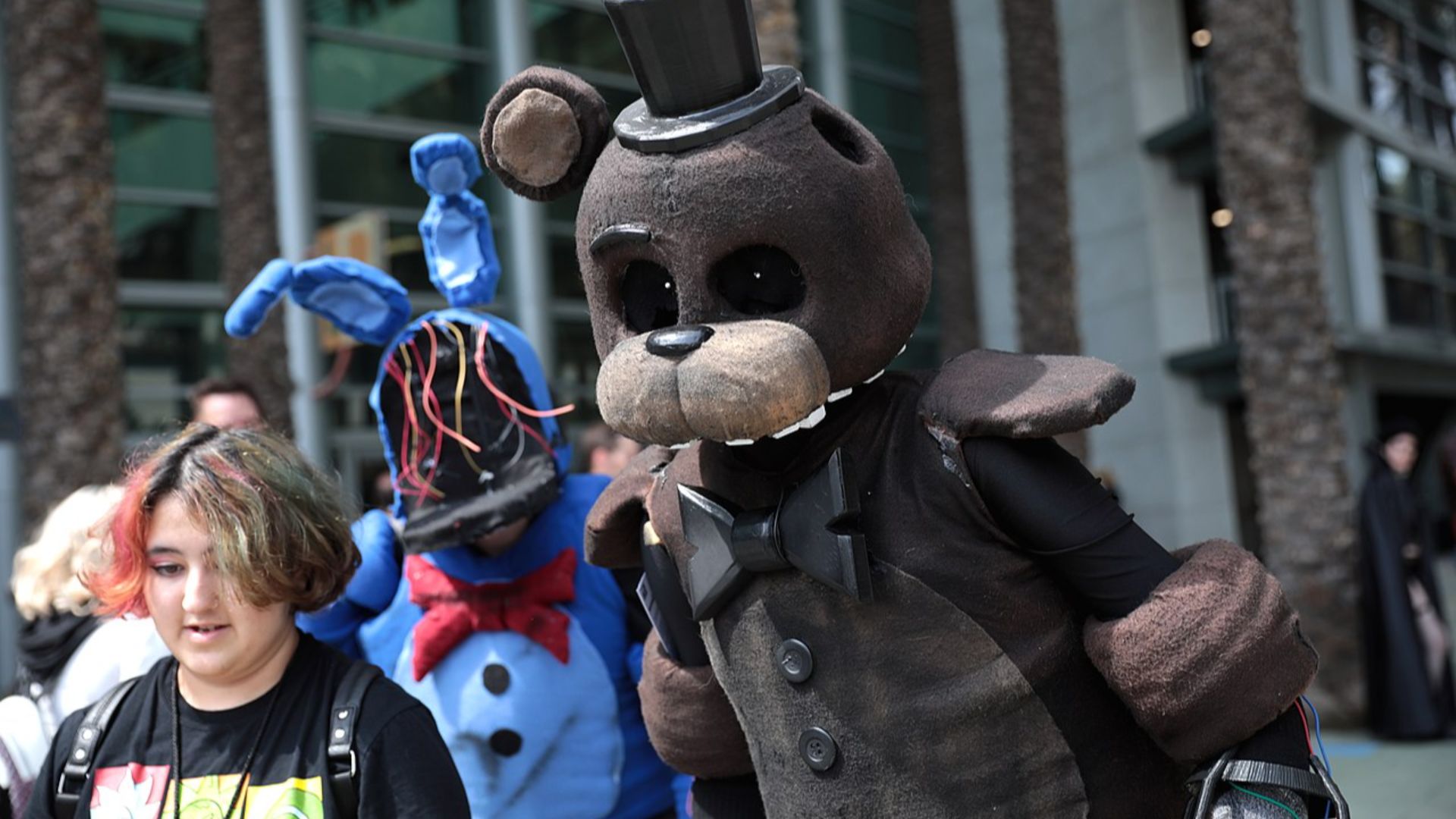
Five Nights at Freddy’s began as a small, tense survival game about watching security cameras and trying not to die in a pizza place after hours. The real explosion came from the murdered children, the purple figure, the bite, the hidden minigames, and the endless hunt for clues, which turned a simple setup into one of the internet’s favorite conspiracy boards.
 commons.wikimedia.org on Google
2. Dark Souls
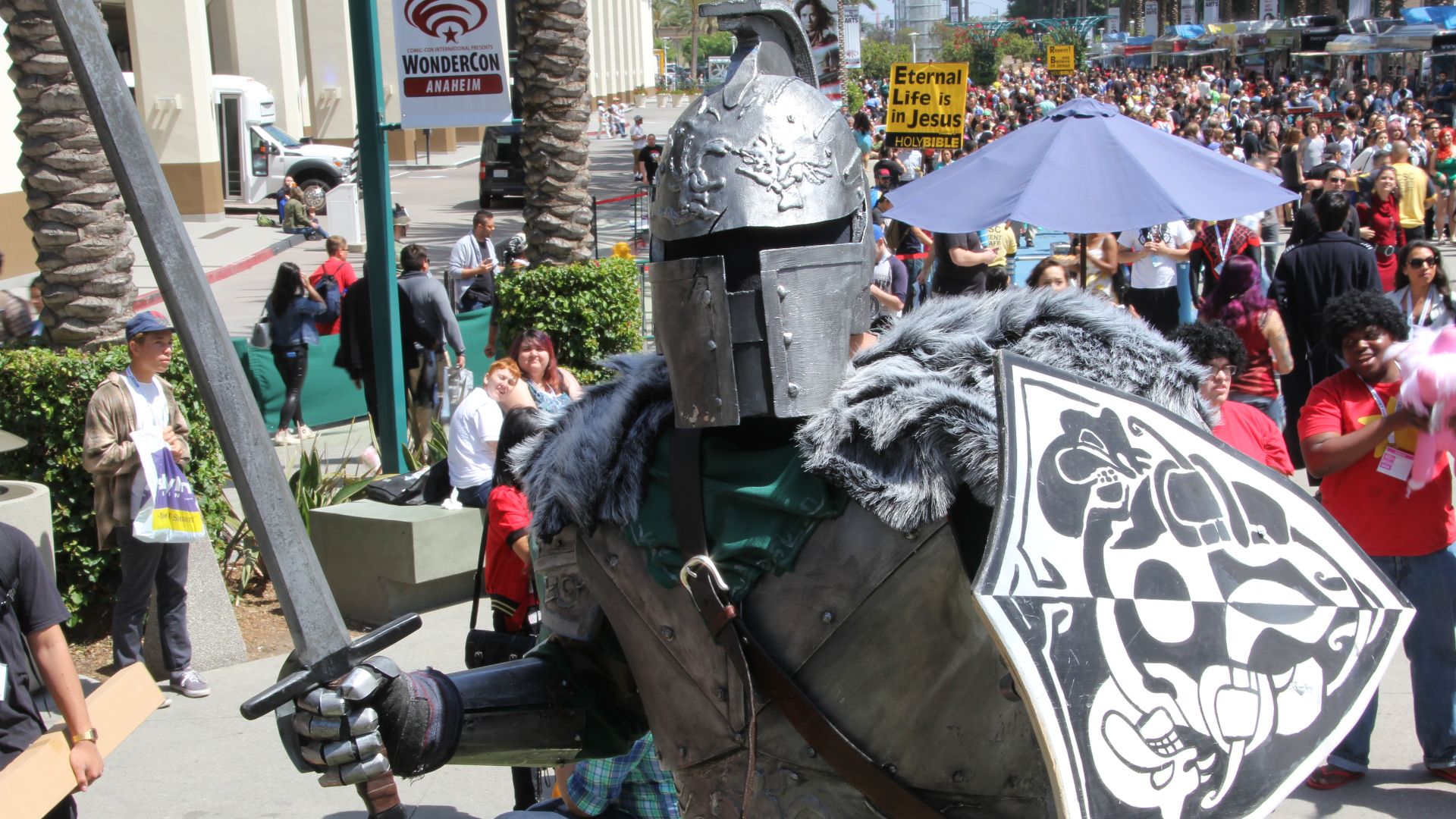
Dark Souls is famous for punishing combat, but its deeper reputation comes from the way it buries its story in item descriptions, half-finished conversations, and ruined places that seem to remember more than they say. Before long, people were not just fighting bosses; they were trying to piece together the fall of civilizations from a sword handle and a sad line of dialogue.
 commons.wikimedia.org on Google
3. Elden Ring
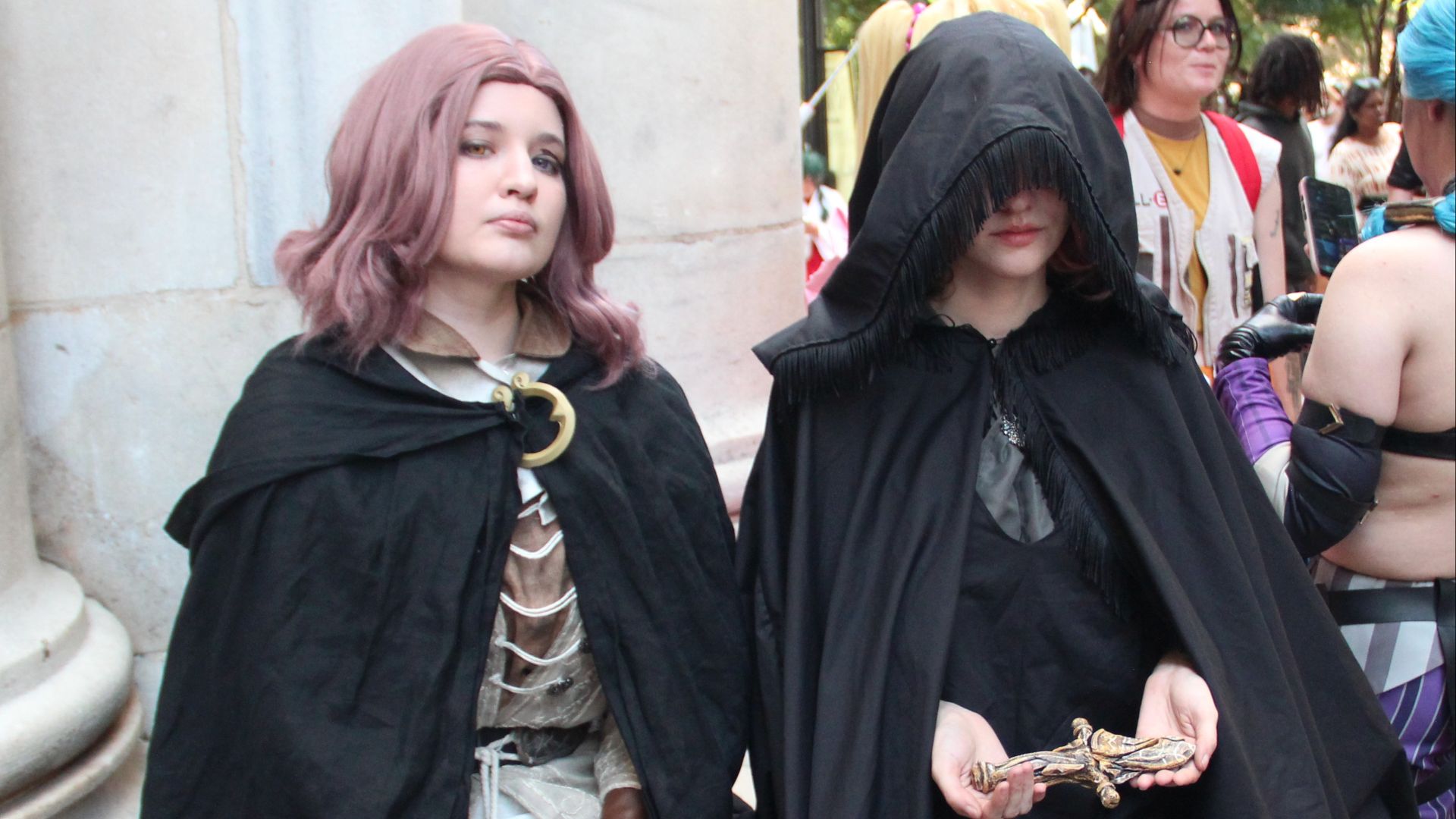
Elden Ring is huge on its own terms, but the lore grew legs almost immediately. The demigods, the broken family tree, the outer gods, the shattering, and the strange sadness hanging over every region gave people so much to untangle that large parts of the conversation drifted away from builds and straight into mythology.
4. Kingdom Hearts
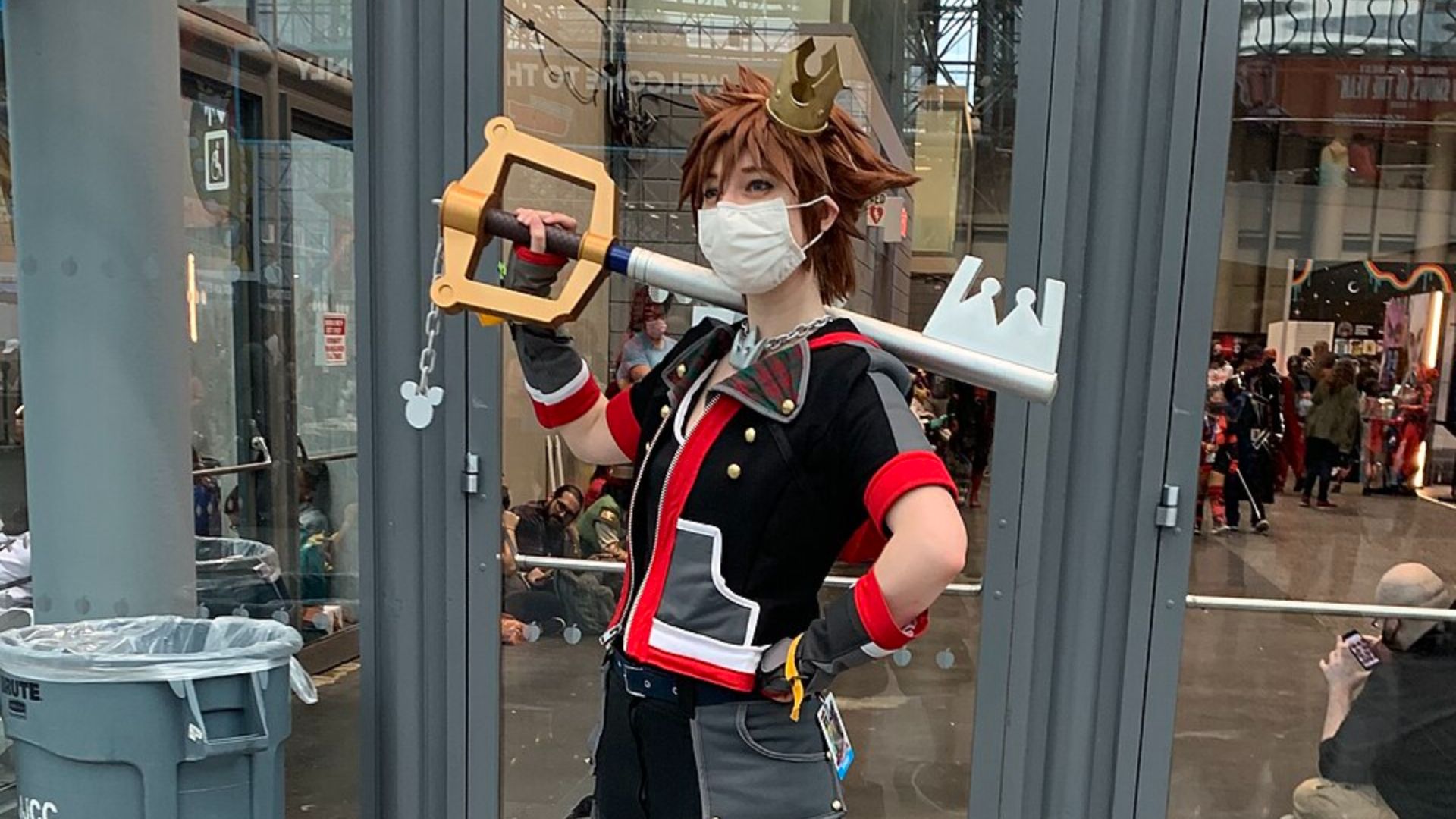
Kingdom Hearts has button-mashing combat, Disney worlds, and a lot of bright action, but the thing that truly took over was the lore maze. Hearts, Nobodies, replicas, dream versions, secret reports, and characters with names that look like anagrams generated the kind of confusion that somehow made people even more devoted.
 commons.wikimedia.org on Google
5. Destiny
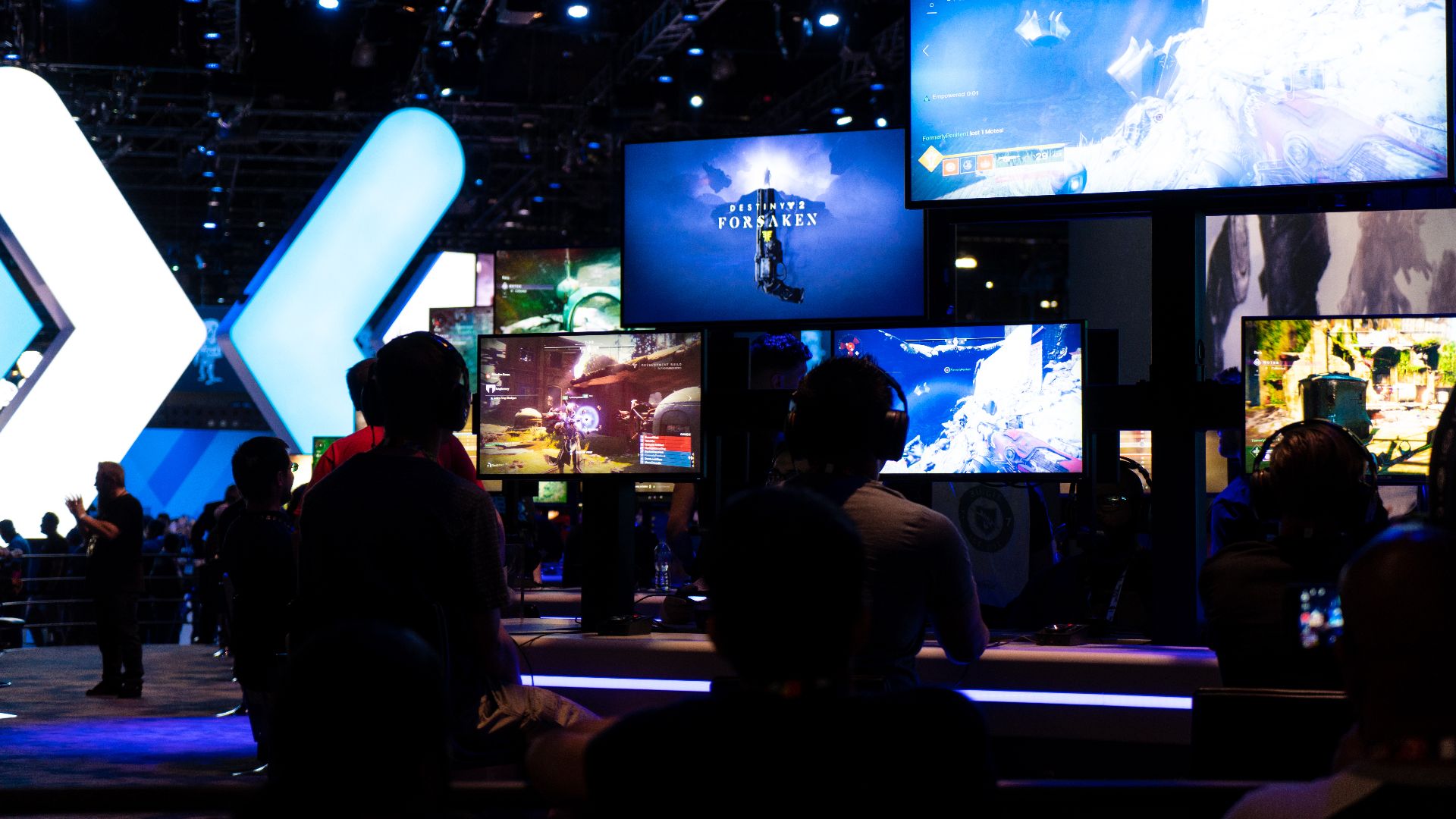
Destiny always had solid shooting and a beautiful sense of scale, but for a long time its most compelling storytelling lived outside the missions themselves. Players were digging through grimoires, exotic weapon text, faction histories, and cosmic prophecies to understand a universe that seemed much larger and stranger than the game was willing to say out loud.
 Sergey Galyonkin from Raleigh, USA on Wikimedia
6. Halo
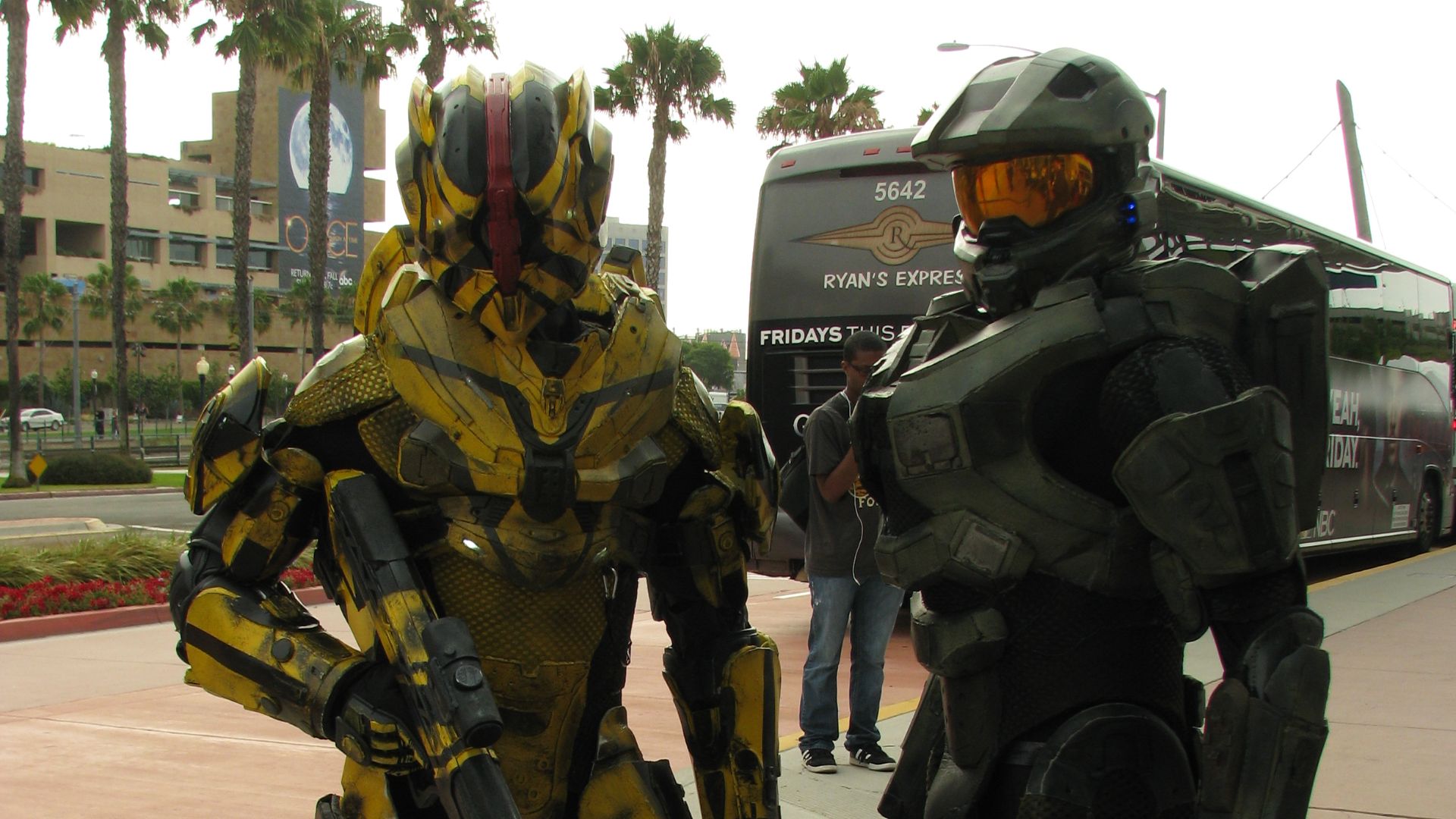
Halo is already a major shooter series, but its lore runs much deeper than the average player experience of driving a Warthog into a wall and then sticking a plasma grenade to somebody by accident. Between the Forerunners, the Flood, the ancient rings, the Spartans, and the military backstory filling the novels, the universe ended up feeling massive even to people who only knew the broad outline.
 commons.wikimedia.org on Google
7. The Elder Scrolls
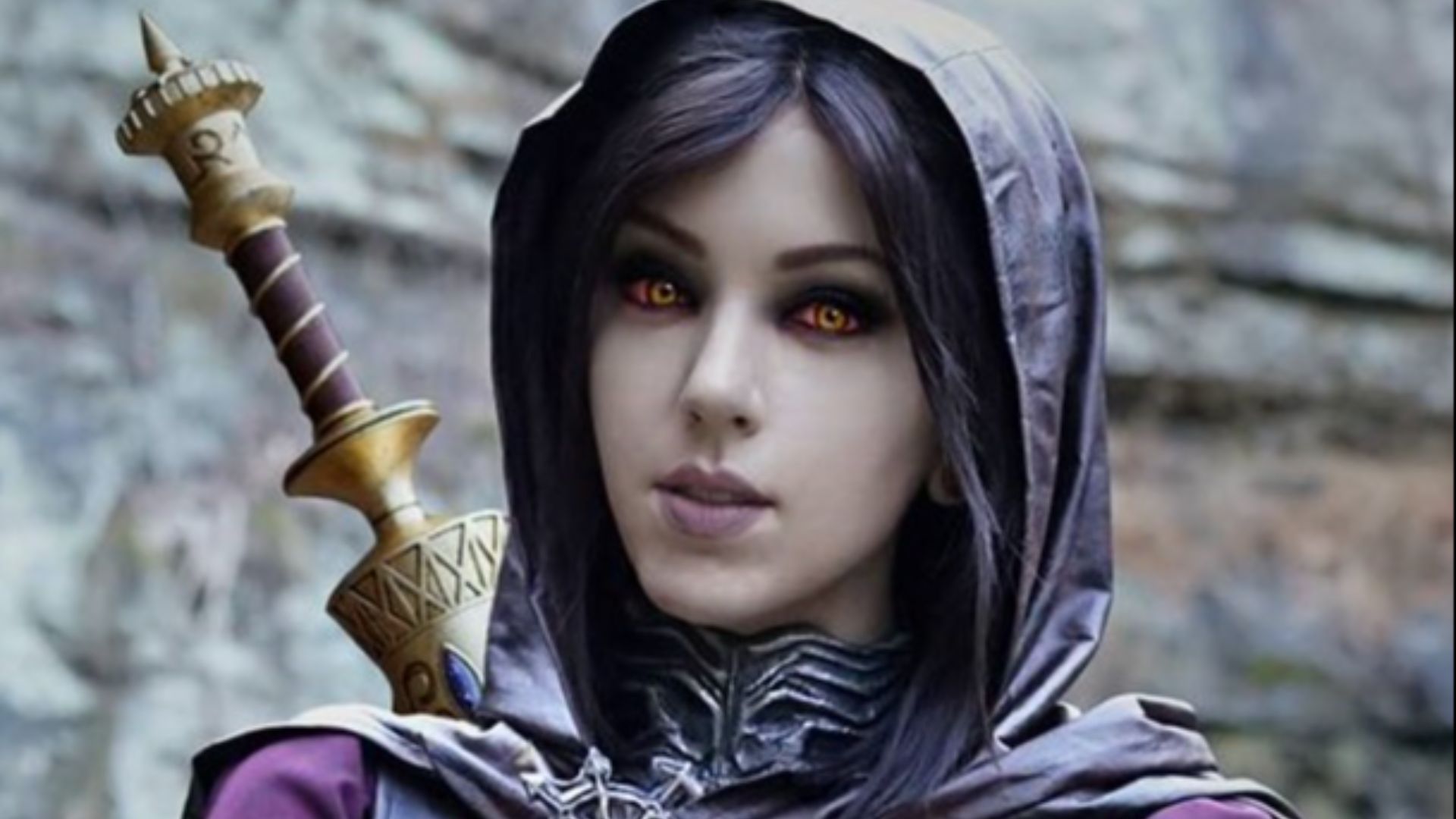
A lot of people came to The Elder Scrolls for open-world wandering, stealing bread, and ignoring the main quest for twenty hours at a time. Then the deeper stuff starts creeping in, and suddenly you are reading about divine fractures, vanished dwarves, living gods, dragon breaks, and a cosmology that sounds as if it was assembled during a very ambitious fever dream.
 commons.wikimedia.org on Google
8. Bloodborne
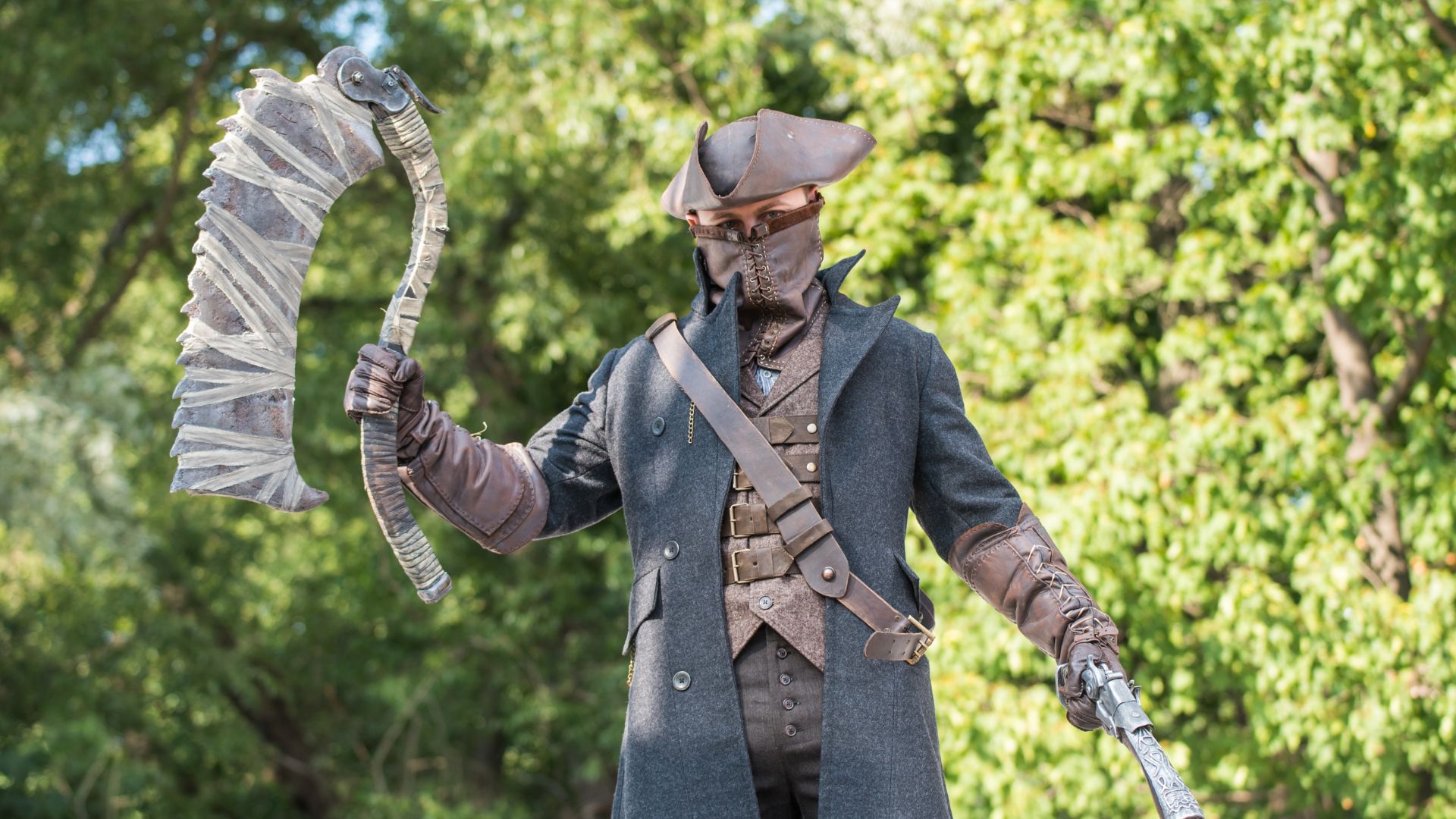
Bloodborne starts as gothic horror with good coats and fast combat. Then the lore begins peeling back, and what looked like a beast-plague story opens into cosmic dread, failed ascension, forbidden blood, strange births, and enough symbolic detail to keep people arguing for years.
 commons.wikimedia.org on Google
9. Mortal Kombat
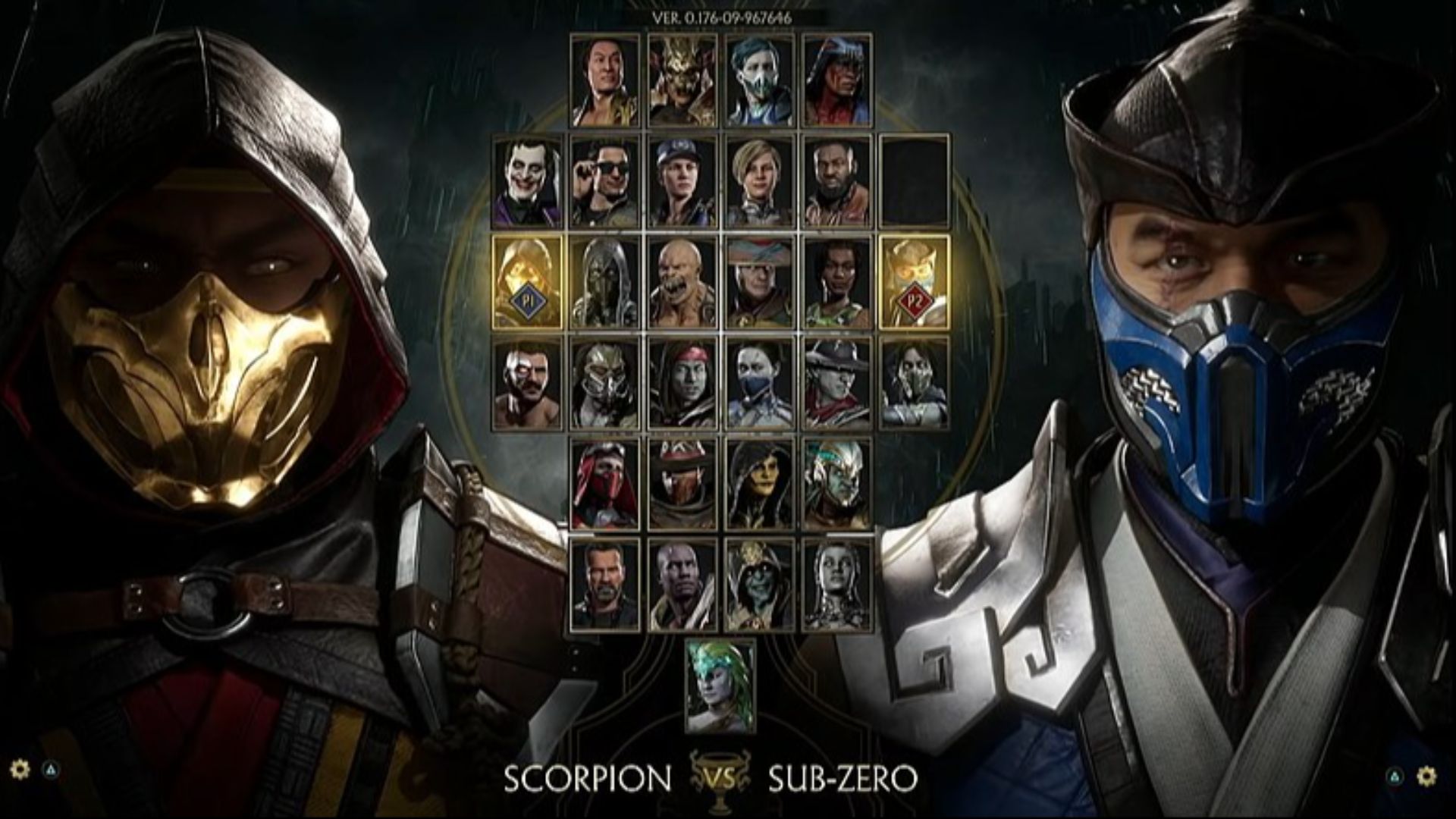
Most people first meet Mortal Kombat as a fighting game where somebody gets uppercut into another dimension. Yet the series has built such a thick pile of realms, rivalries, revenants, resets, prophecies, and family lines that the backstory now feels like a long-running pulp saga that happens to include spine removal.
 commons.wikimedia.org on Google
10. Bendy and the Ink Machine
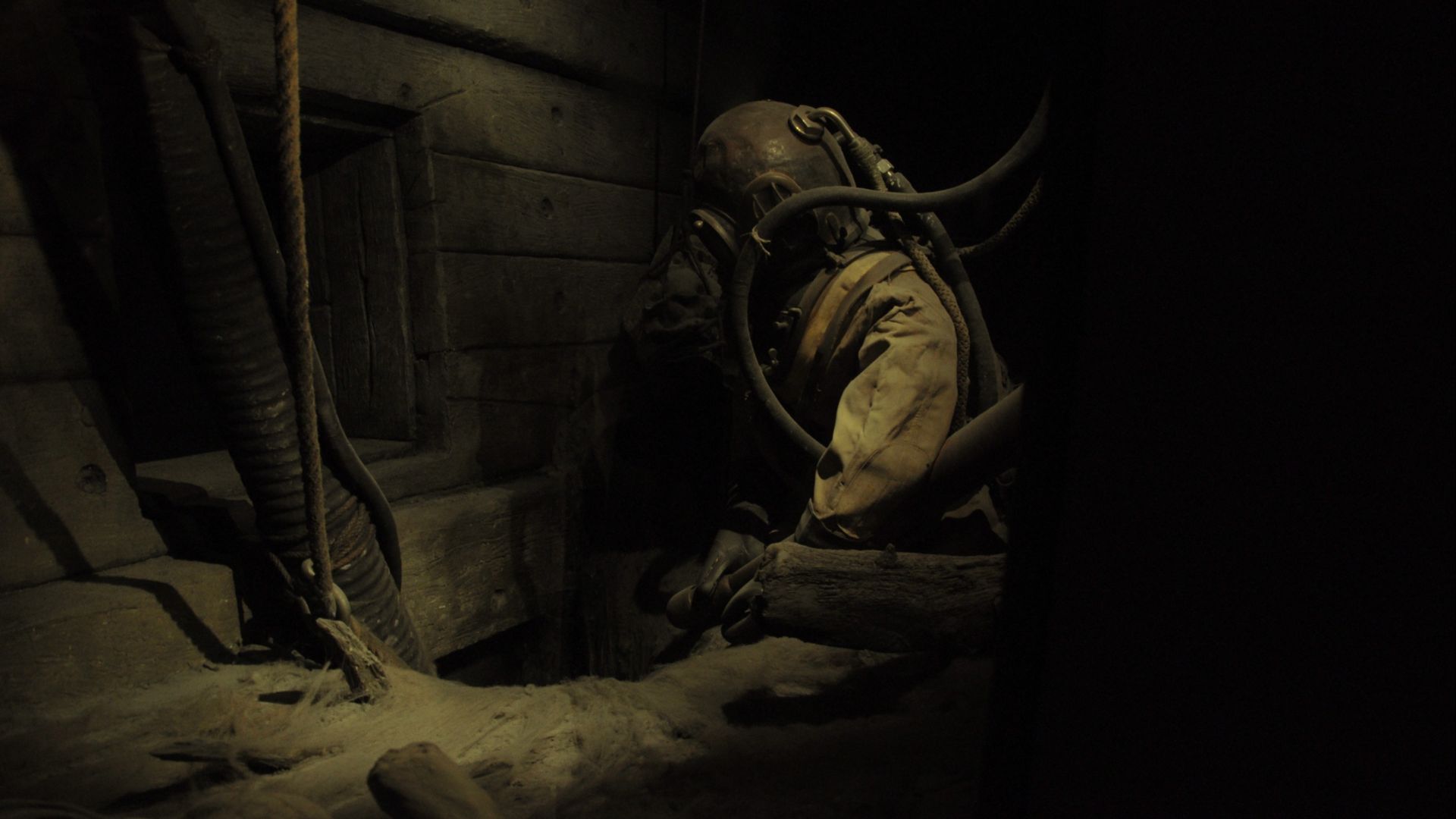
Bendy and the Ink Machine has puzzles, a strong visual style, and some tense exploration, but the real momentum came from the atmosphere of hidden studio history. Players became obsessed with the old animation world, the experiments, the tapes, and the sense that every cheerful cartoon detail was covering up something sticky and wrong.
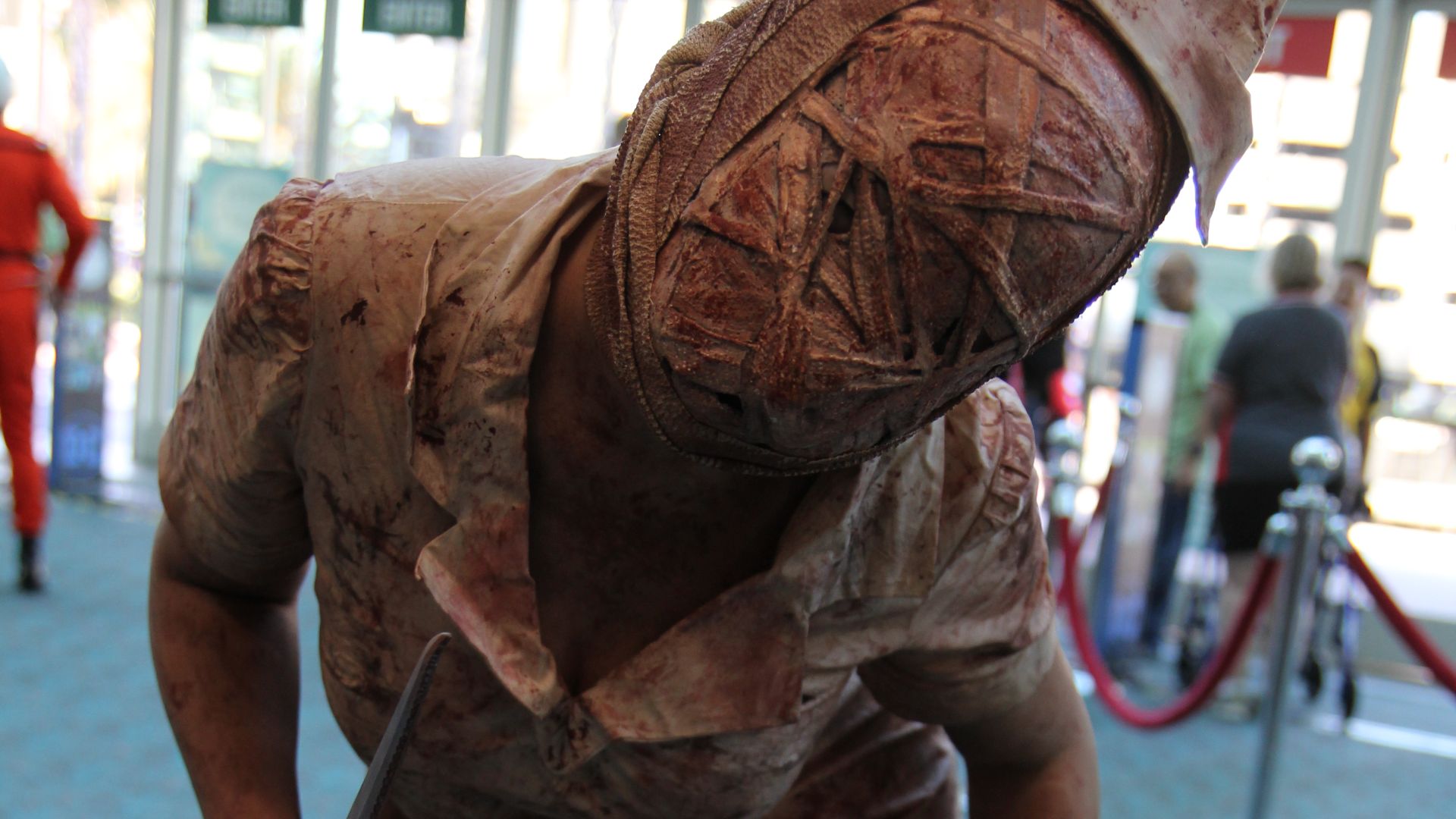
11. Silent Hill
Silent Hill is known for survival horror, but its staying power comes from how personal and symbolic the lore feels. The town is never just a town. It becomes a place that seems to reshape itself around guilt, grief, punishment, memory, and whatever a character is most afraid to admit.
 commons.wikimedia.org on Google
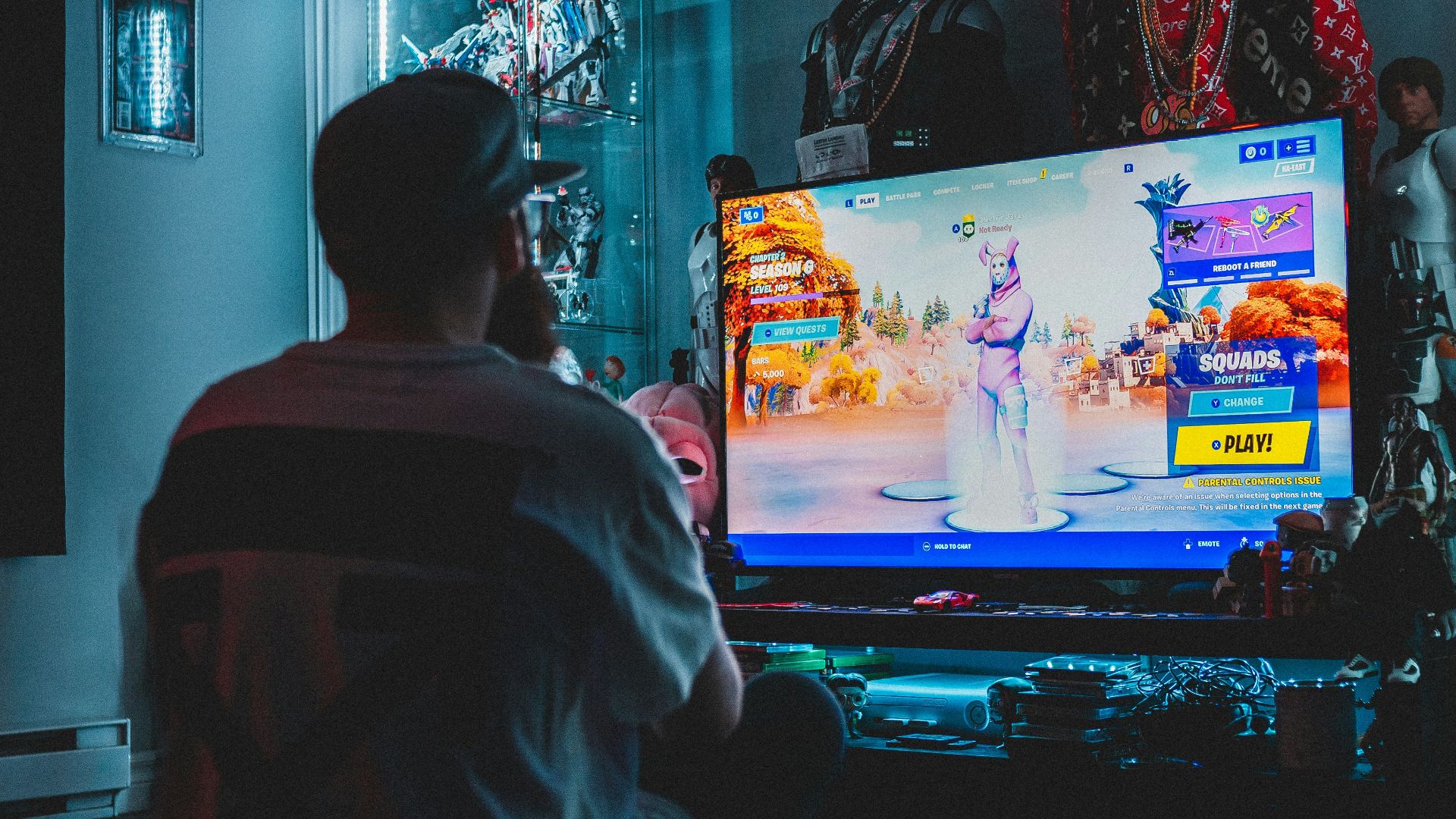
12. Control
Control plays well enough as a slick paranormal action game, yet much of its charm comes from the way its world keeps spilling sideways into documents, recordings, case files, and deadpan bureaucratic nightmare logic. The Oldest House feels bigger than the missions inside it, as if you only ever get a partial tour of a government building built to contain reality leaks.
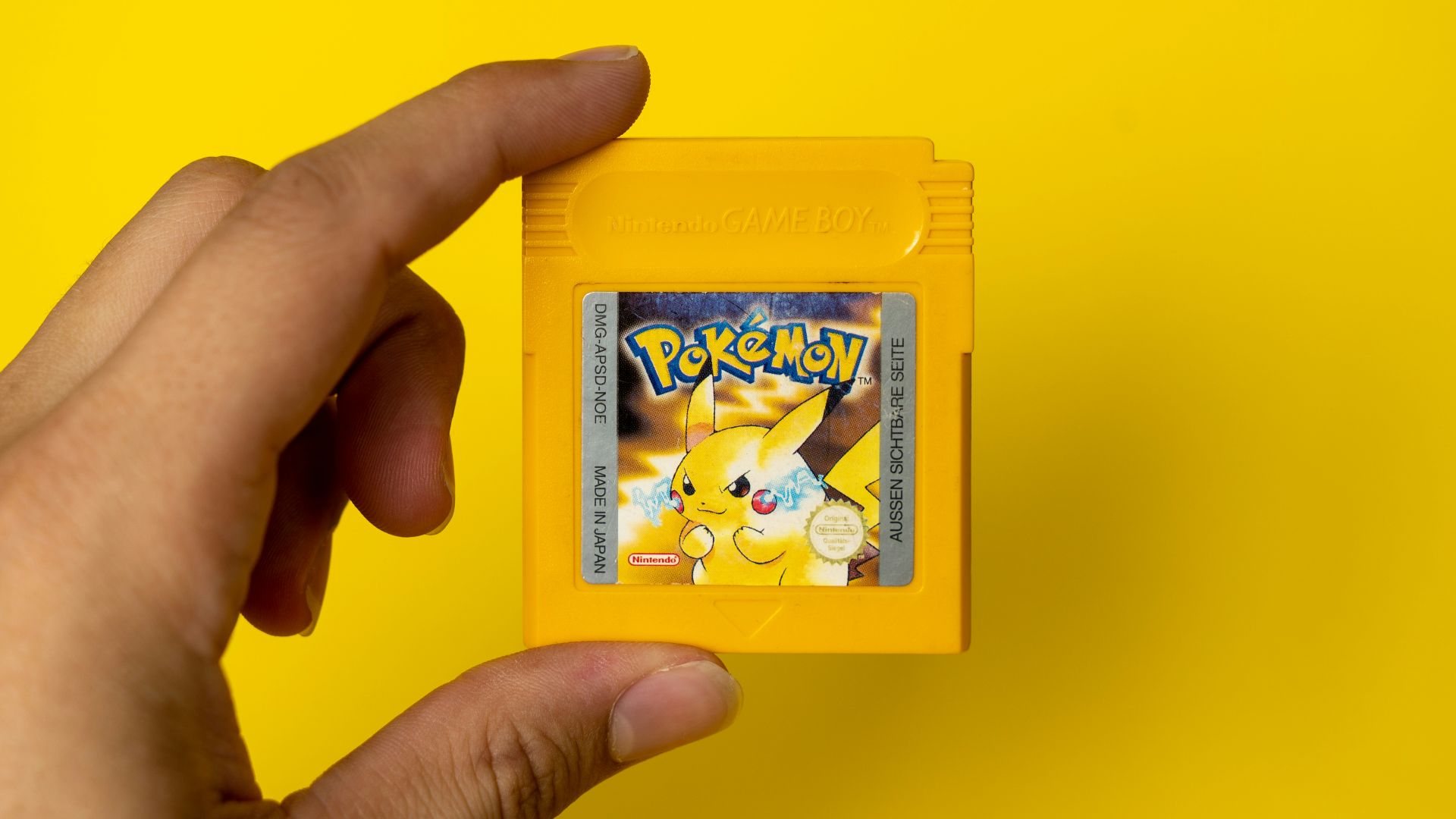
13. Pokémon
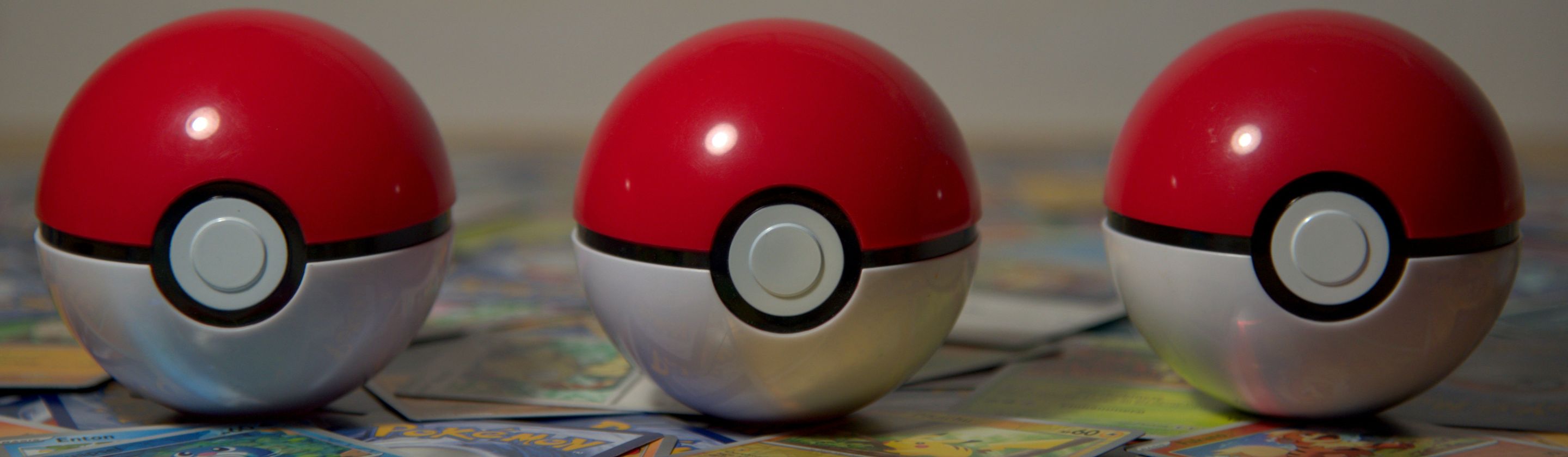
Pokémon looks simple on the surface. You catch creatures, build a team, and try not to black out in front of a child who somehow owns a dragon. Then you start noticing the older myths, the creation trio, the ghost stories, the abandoned labs, the war references, and the unnerving Pokédex entries, and the setting begins to feel far stranger than its bright colors first suggest.
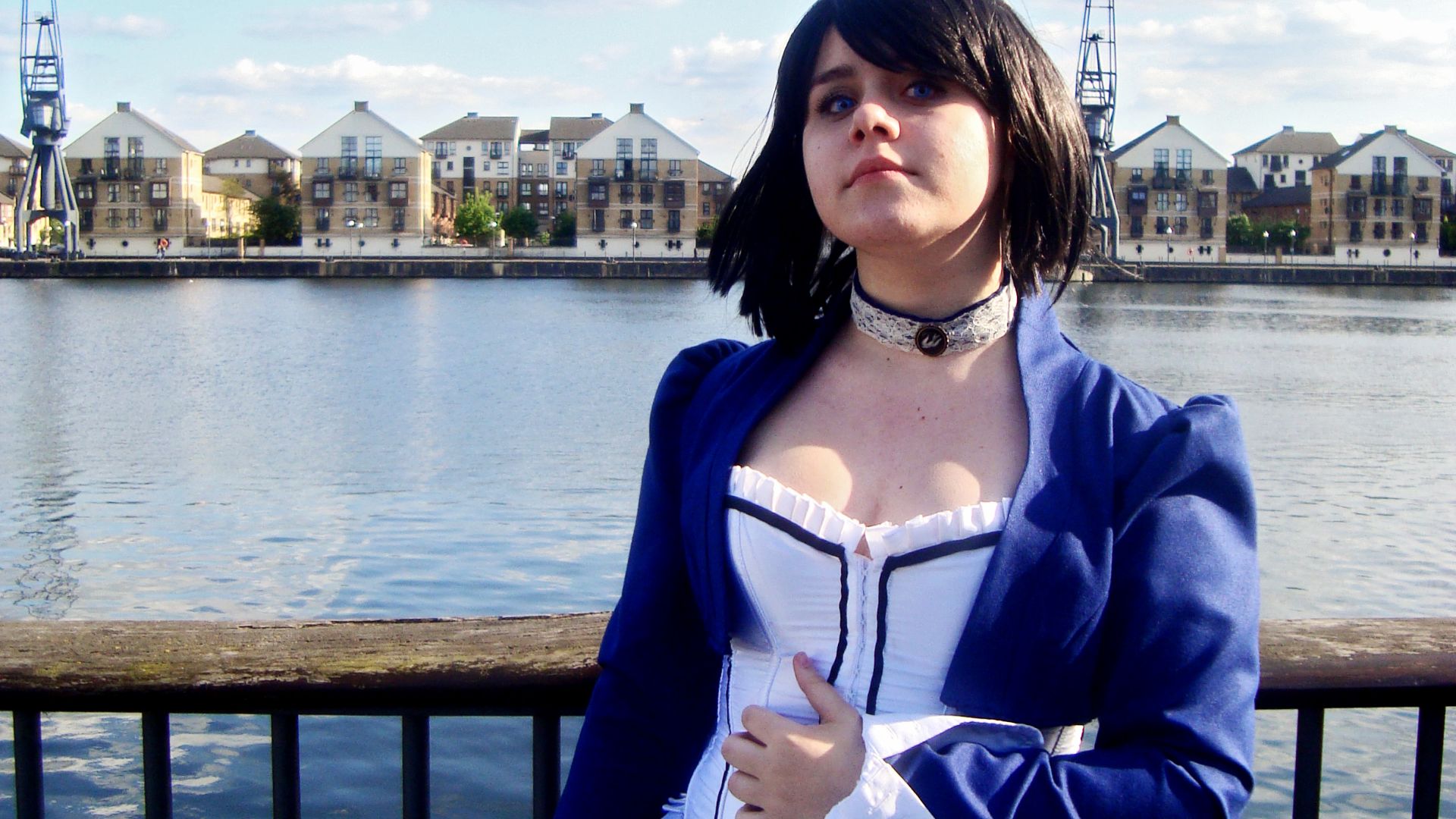
14. BioShock
BioShock is remembered for its atmosphere and twists, but the lore of Rapture and later Columbia pushed things further. These places feel alive with failed ideals, private delusions, political rot, and personal collapse, so the worlds themselves keep expanding in memory long after the shooting parts blur together.
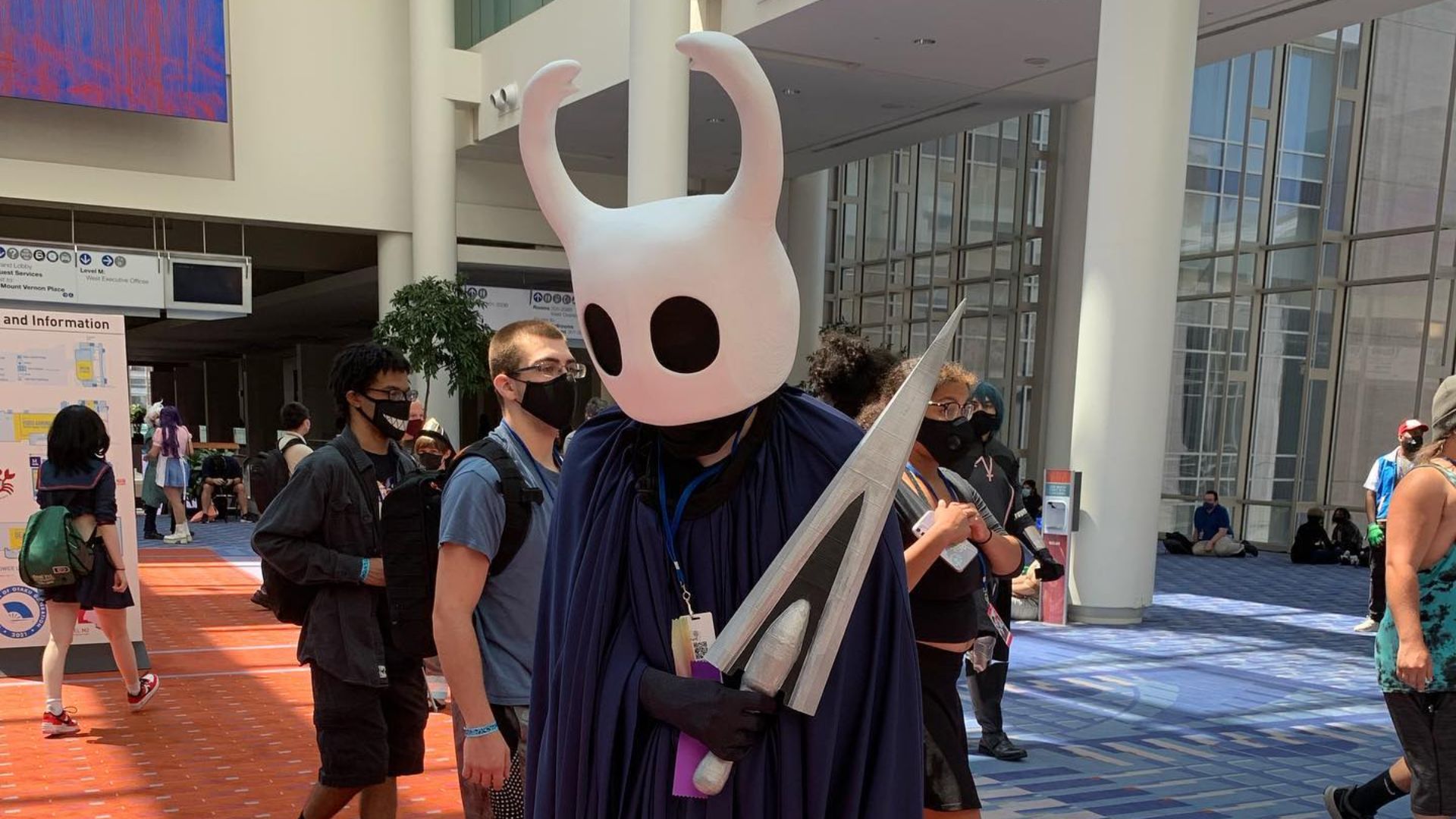
15. Hollow Knight
Hollow Knight is beloved for exploration and combat, but the lore gave it extra gravity. The fallen kingdom, the infection, the royal family, the vessels, and the quiet tragedy tucked into nearly every corner made the game feel less like a platformer and more like an elegy you had to move through.
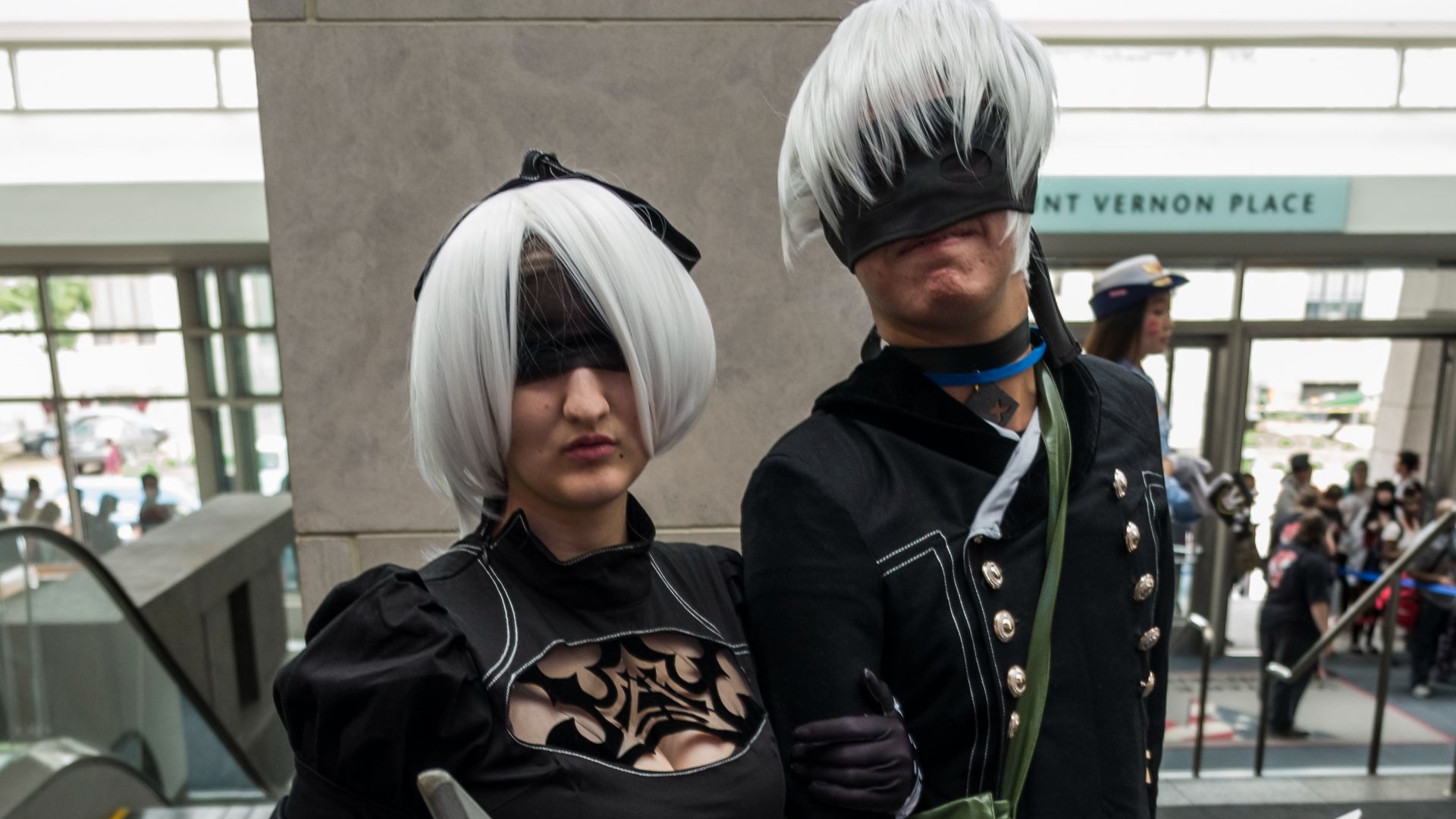
16. NieR
NieR has devoted fans for many reasons, though one of the biggest is how its story stretches beyond any single playthrough and keeps changing shape as you learn more. The lore around humanity, androids, artificial purpose, doomed cycles, and the long shadow of earlier events gives the series a strange emotional weight that can dwarf the actual moment-to-moment play.
 commons.wikimedia.org on Google
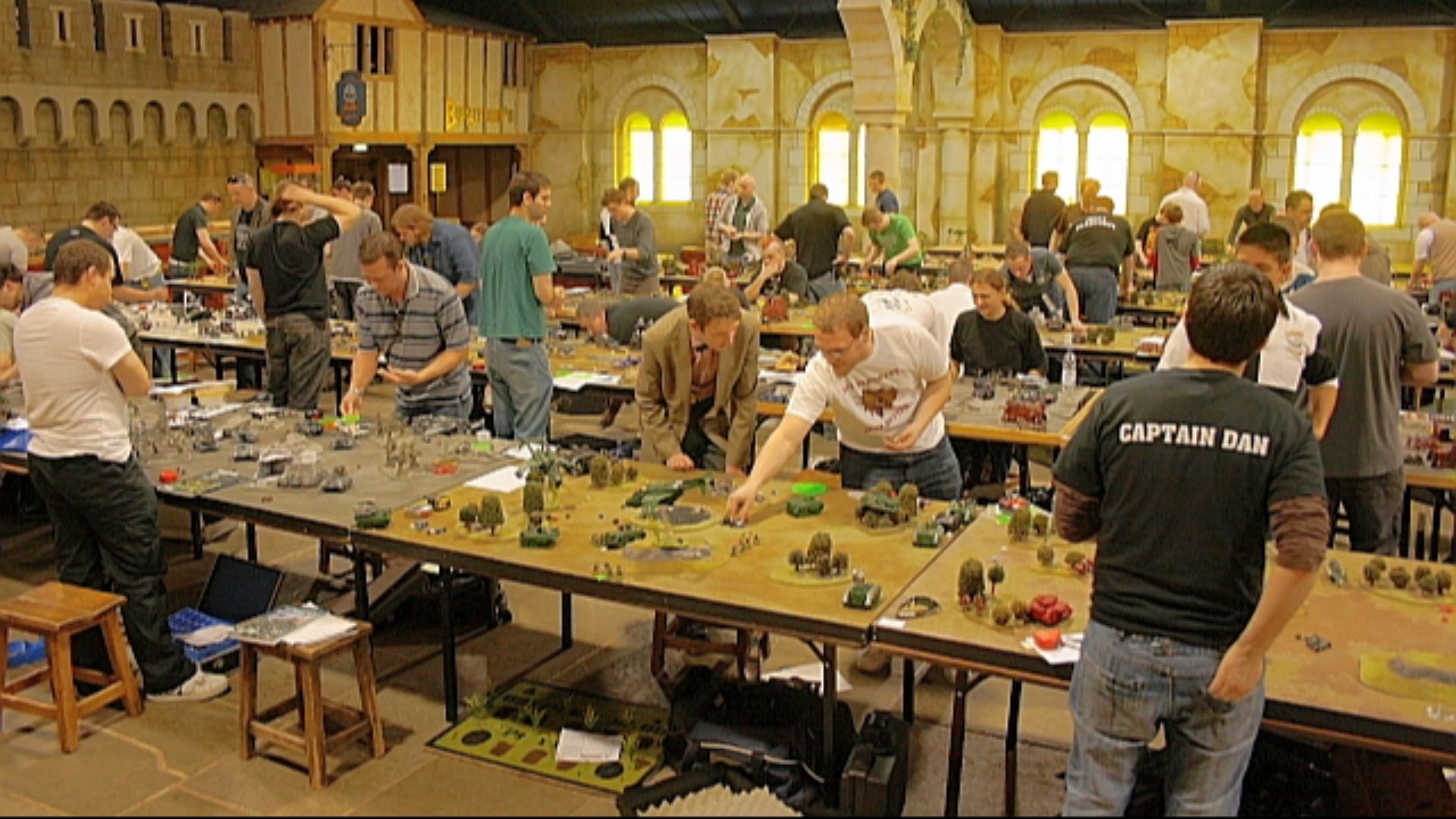
17. Warhammer 40,000 Games
Many Warhammer 40,000 games come and go, and some are much better than others. The lore never seems to care. The Imperium, Chaos, the primarchs, the hive cities, the endless wars, and the sheer operatic excess of the setting are so oversized that individual games often feel like brief visits to a universe that was already roaring long before you clicked start.
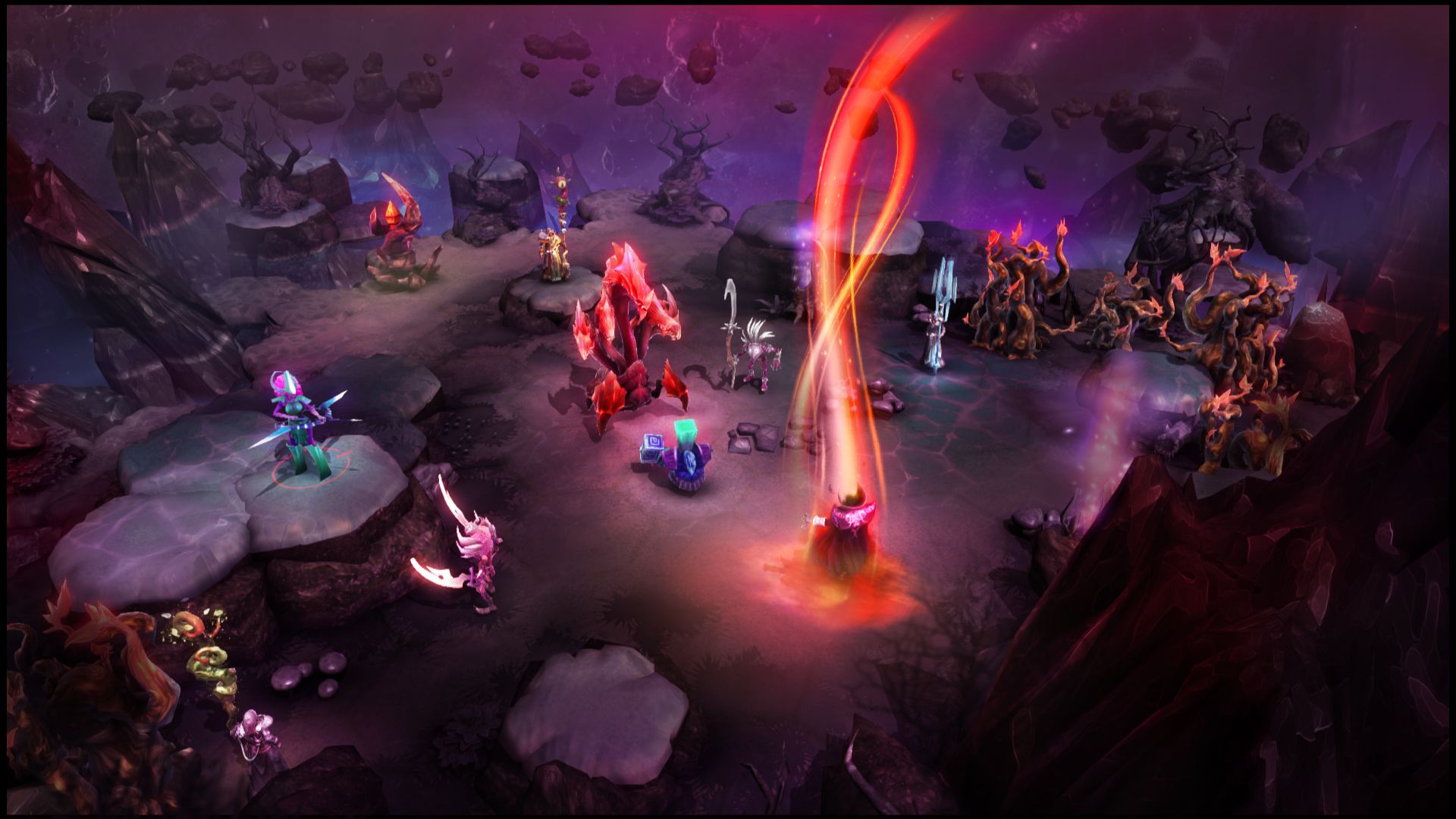
18. Diablo
Diablo is famous for loot and demon-slaying, but the lore has a grander, darker pull. The eternal conflict, the Prime Evils, the angels, the corrupted heroes, and the feeling that the world is always one bad decision away from catastrophe give the series a mythic scale that stretches past the dungeon crawl.
 commons.wikimedia.org on Google
19. Undertale
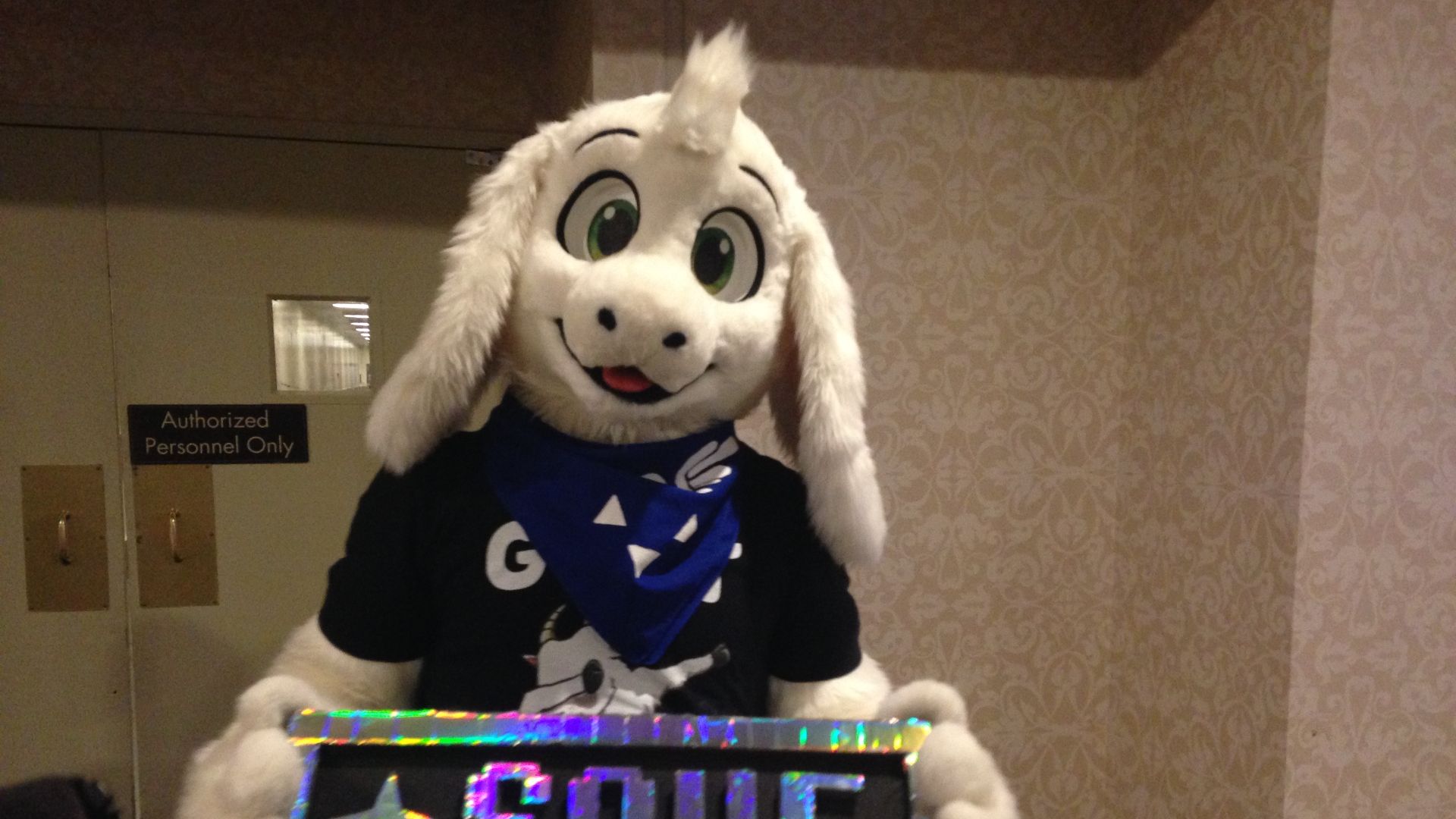
Undertale is not a huge game, and that compactness is part of its charm. Still, the lore around timelines, resets, hidden routes, player choice, memory, and the unsettling idea that the game knows what you did made the conversation around it far bigger than its modest size would suggest.
20. League of Legends
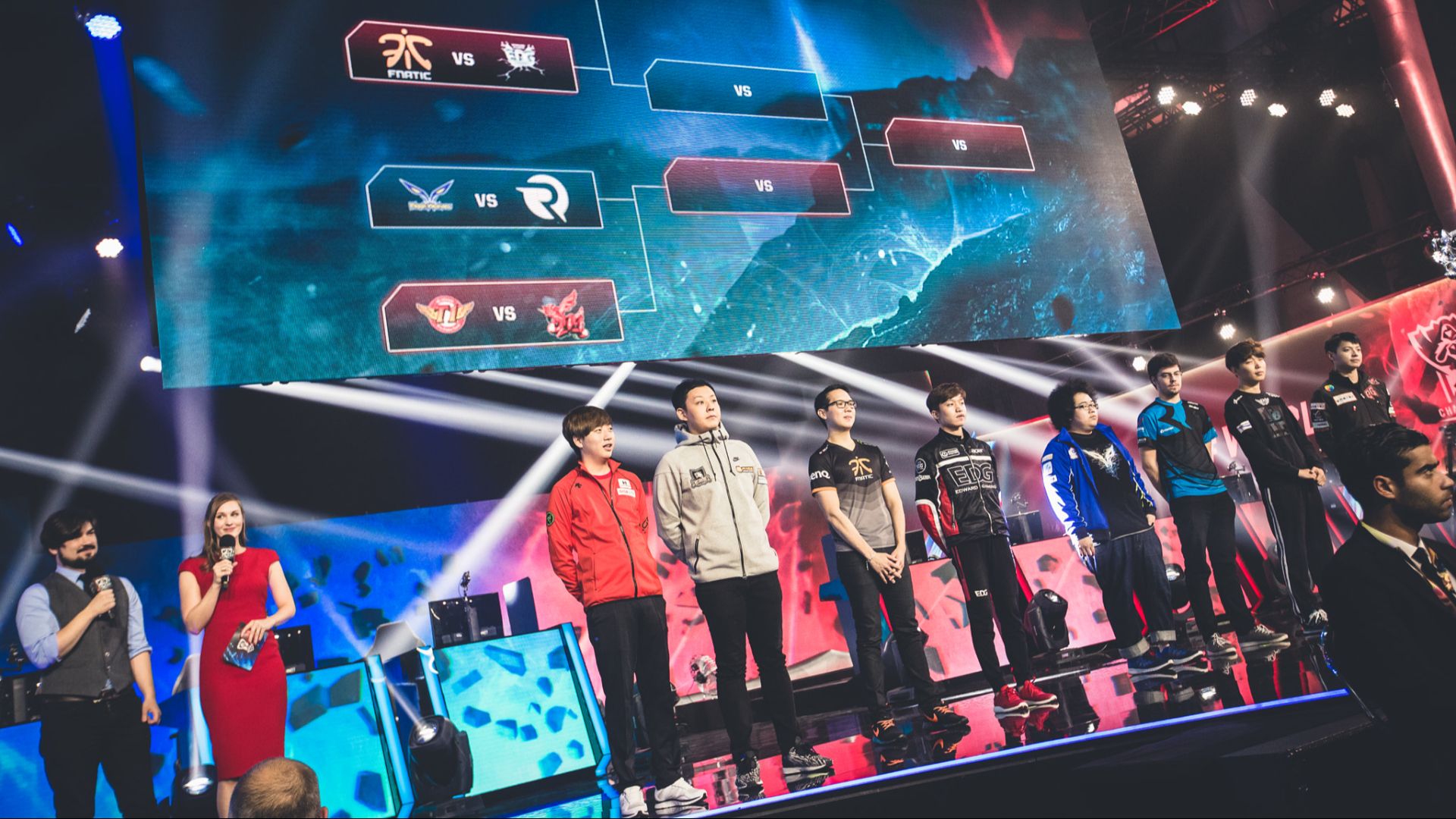
League of Legends is enormous as a game, but even so its lore has taken on a life that does not depend on the average match experience at all. Large parts of its audience now care just as much, or more, about the regions, rivalries, political struggles, old wars, magical disasters, and character histories as they do about what happened in lane.




.jpg)
.jpg)

.jpg)

_%D0%BD%D0%B0_Geek_Picnic_2018_SPb.jpg)

.jpg)
.jpg)
