Serving Up Nostalgia
If you spent any time on a computer in the mid-2000s, you almost certainly remember clicking furiously to help a determined woman in a pink apron serve hungry customers. Diner Dash was an absolute juggernaut of the casual gaming world, transforming the hectic reality of restaurant management into an incredibly addictive puzzle of time management. While you might remember Flo, there is a whole world of fascinating history behind the scenes.
1. Flo quit a soul-crushing corporate job
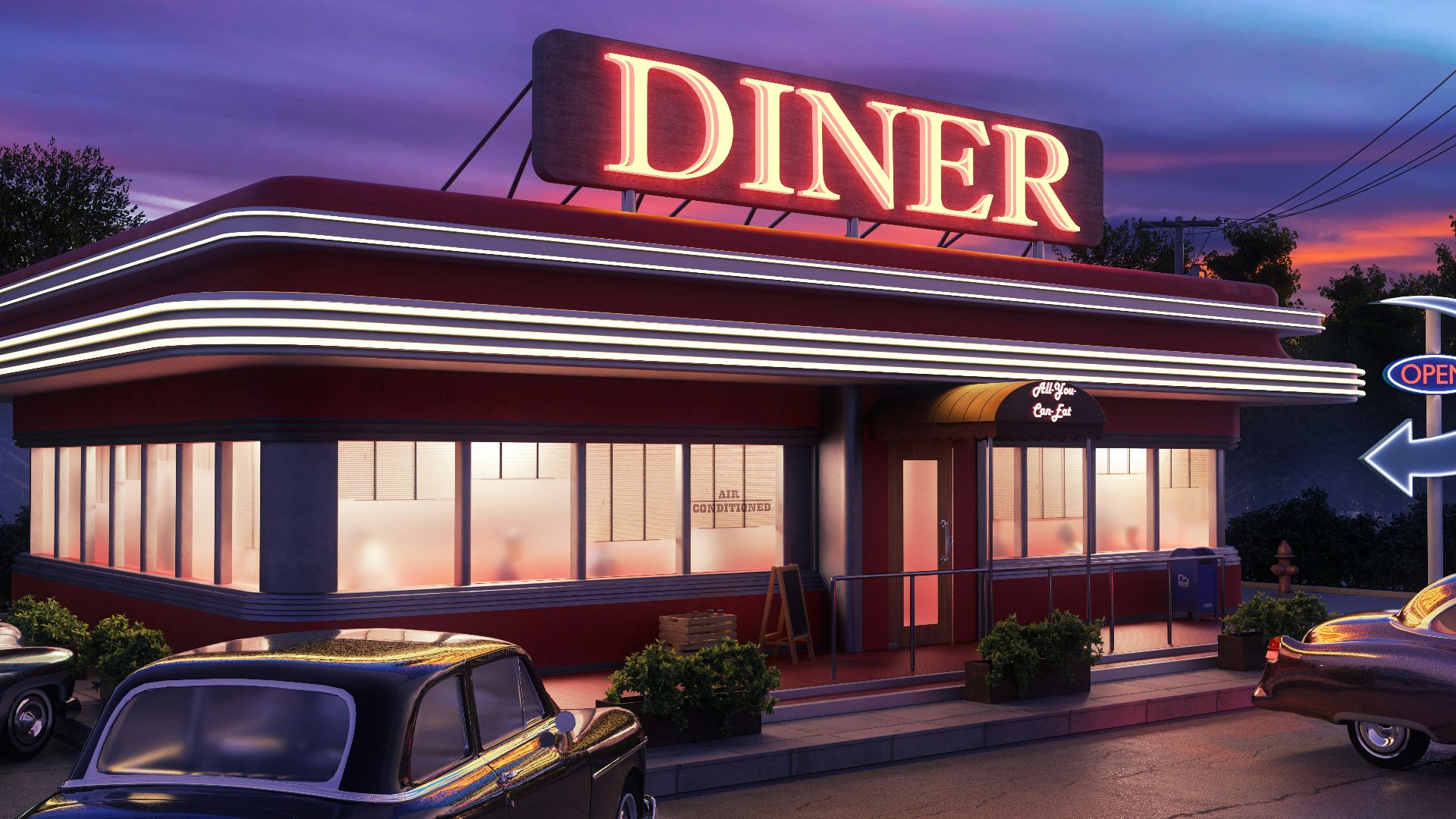
The entire premise of the game kicks off because our protagonist is completely miserable sitting at a desk. If you skip past the opening cinematic, you miss the hilarious moment where Flo snaps, crumbles up her paperwork, and storms out of her skyscraper office. She decides on a complete whim to buy a run-down, abandoned diner.

2. It was created by a former real estate worker
The mastermind behind the game's addictive mechanics, GameLab co-founder Nick Fortugno, did not actually start his career in the digital gaming industry. He spent time working in real estate operations. His practical understanding of logistics and space management heavily influenced how tables and customer traffic flow within the game's layout.

3. The color-matching mechanic was a late addition
Matching chair colors was added at the last minute. Remember trying to seat customers on chairs that matched their outfits for bonus points? Game developers didn’t include the chair multiplier in the original prototype.

4. A major publisher rejected it for being too feminine
Publishers didn’t take the concept seriously at first. Game executives told PlayFirst that they didn’t see a market for waitress games. Because “women don’t play games.”

5. Flo was almost a cartoon superhero
Before settling on simple cartoon styling, artists considered making Flo look like a hyper-realistic anime character. Early sketches depict her flying through a spaceship kitchen using lasers as utensils. Developers eventually nixed that.

6. The audio clips feature actual office staff
Did you know the customer grunts were created by the developers? They decided not to outsource voice actors to create sound bites. Instead, PlayFirst strapped a microphone to one of their employees.

7. It practically invented the time-management genre
Serious gamers weren’t really into time-management games before 2004. But that didn’t stop Restaurant City from becoming a phenomenon. It ended up establishing itself as one of the earliest titles in the casual genre.

8. The business women customers were highly aggressive
Remember how angry the women wearing pantsuits were? They had the lowest tolerance levels of any customer in the game. PlayFirst specifically programmed them that way to punish you.

9. Glu Mobile bought the franchise for a massive sum
In the mid-2010s, mobile game developers were looking for new titles to dominate smartphone app stores. Glu Mobile bought the entire PlayFirst company. Their IPs included Diner Dash, Zombie Farm, and Covet Fashion.

10. The game inspired a spin-off about parking cars
The universe expanded far beyond the kitchen walls. Especially once publishers realized fans were completely in love with the fast-paced gameplay loop. One of the most unique spin-offs was Parking Dash, which featured Flo's close friend Karma trying to manage a chaotic valet parking lot.

11. It made a surprisingly successful leap to home consoles
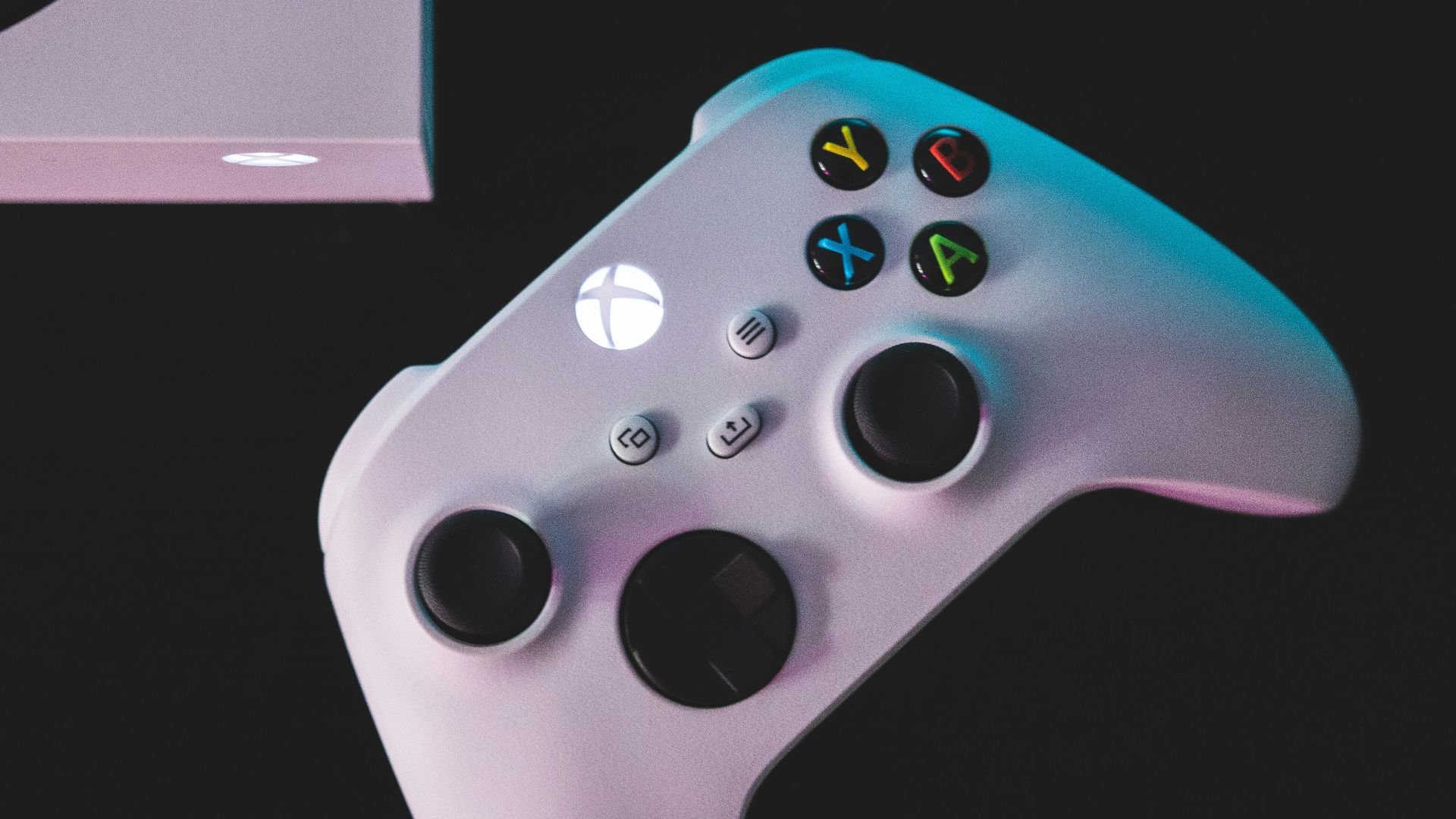
Diner Dash made its way onto home consoles. Mainly through releases on PlayStation 3 and Xbox 360. Programming a game designed for mouse-clicking to run on a controller took lots of tweaking.
12. Bookworms were the easiest customers to manage
Whenever nerdy patrons shuffled in, you knew you could take your time cleaning. Not only would book club patrons wait indefinitely for food. But they also took longer to move around.

13. SpongeBob SquarePants had an official crossover game
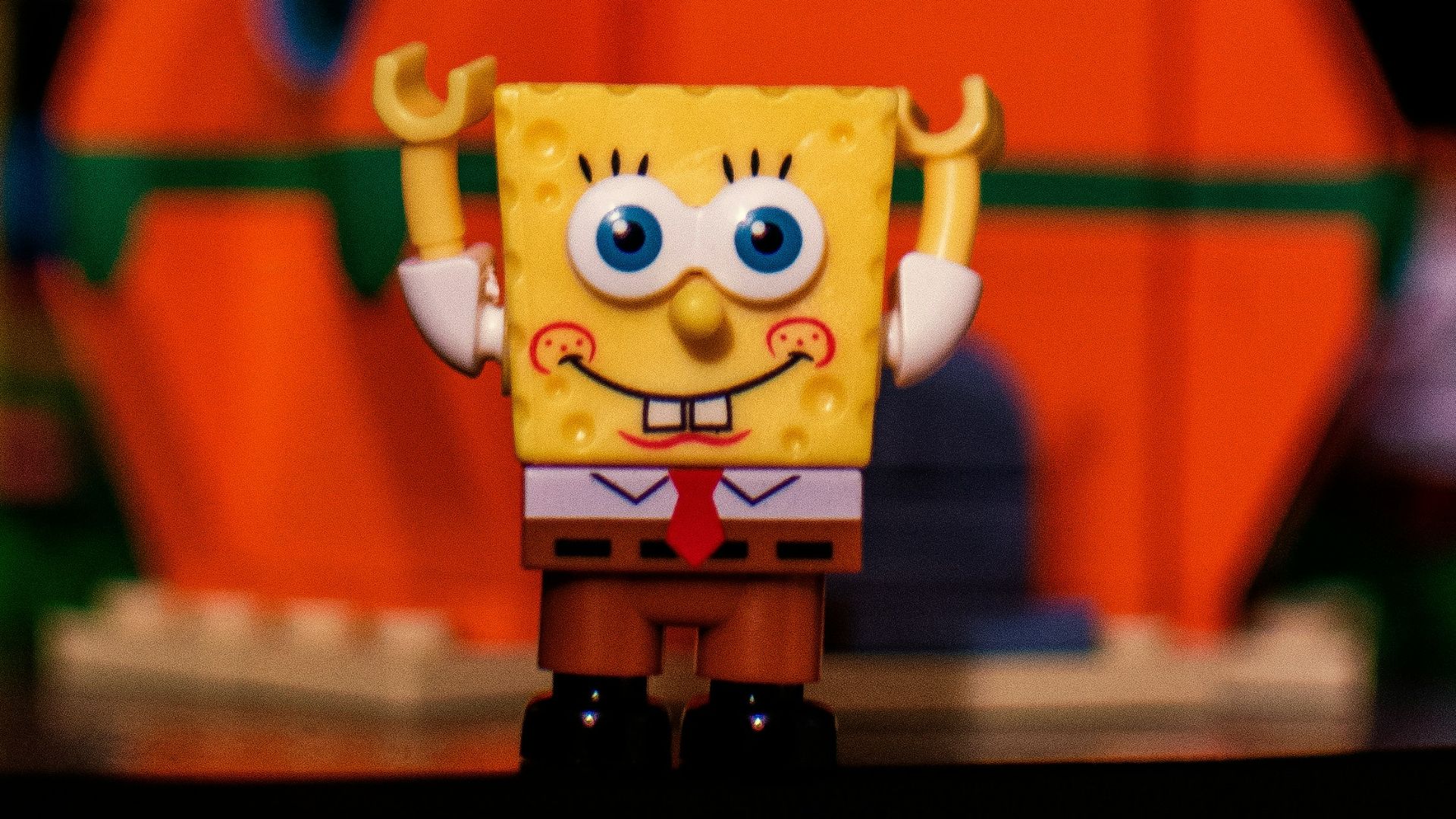
You read that right! Nickelodeon partnered with Diner Games to create a SpongeBob-themed version of Restaurant City. Players assume the role of SpongeBob as he starts working at Krabs Burger Bash.
14. The original version was coded in Flash
Long before devs ported the game onto consoles and mobile devices, it originated as an Adobe Flash title. Designers had to optimize the game’s performance. Which is why the graphics aren’t fancy.
15. Shaking hands with celebrities boosted nearby tips
Actors, athletes, and politicians would sometimes visit your diner if you leveled up. These bonus customers were incredibly satisfying. Mastering the art of seating these influential figures was the secret to passing the hardest stages in the game.

16. There is a deeply hidden hidden storyline connection to wedding planning
The expanded universe of these games features a surprisingly interconnected narrative. The plot requires you to explore the entire town to solve various neighborhood crises. It added a fun, adventure-game element.
 Jeremy Wong Weddings on Unsplash
17. The game was utilized in academic research studies
Psychologists and cognitive scientists have actually used this specific title in various university research projects. Because the gameplay forces you to prioritize tasks, track multiple timers, and plan several steps ahead. It serves as a perfect tool for measuring mental fatigue.
18. Hot chocolate machines were a total lifesaver
When the restaurant got completely overwhelmed and customer tempers began to flare, the introduction of the beverage station completely changed the game. You could send Flo over to brew a quick cup. It was the ultimate defensive tool for surviving the brutal final minutes of a lunch rush.

19. The franchise eventually tackled the cooking show trend
As reality television cooking competitions exploded in popularity during the 2010s, the gaming series evolved to reflect the cultural shift. They released a title called Gordon Ramsay Dash. Which featured an animated version of the famous celebrity chef mentoring Flo.

20. It remains a staple of casual gaming history twenty years later
The landscape of video games has shifted dramatically toward massive open worlds and complex graphics. The legacy of this simple clicking game is completely secure. It helped legitimize the casual gaming market, proving that simple mechanics and charming characters could captivate millions of people worldwide.