Crazy Collectibles
Pokémon cards were made to be played with, traded, and collected, but like most things—and especially with nostalgic toys and brands—a very small number have reached an entirely different level of the hobby. From custom-made cards to ones awarded to contest winners in official tournaments, these ultra-rare tokens have gone from shiny prizes to collectibles worth hundreds of thousands or even millions of dollars. As you flip through this list, your jaw might drop at just how much serious collectors are willing to spend on what non-fans might think are merely normal playing cards.
1. Pikachu Illustrator
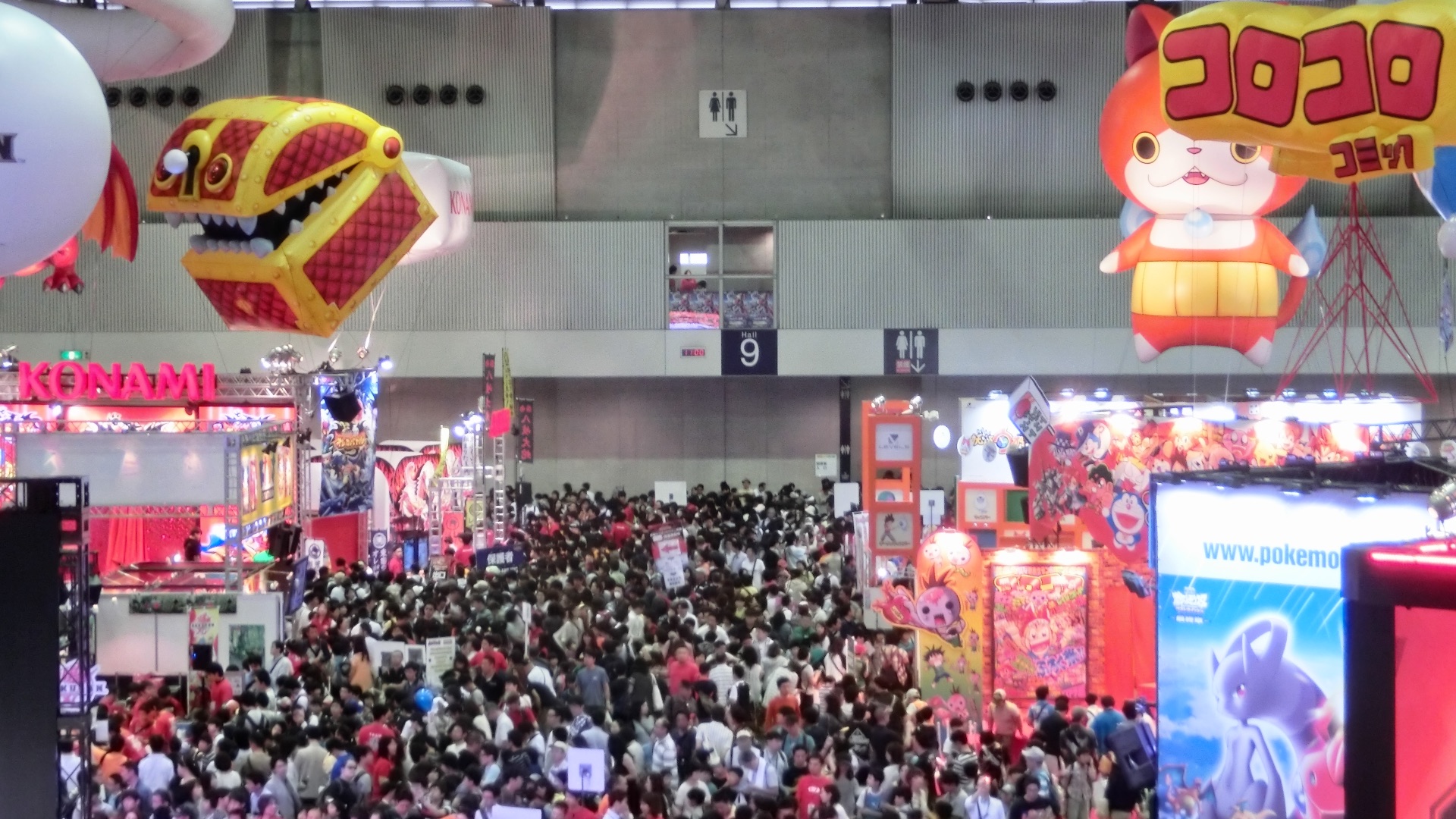
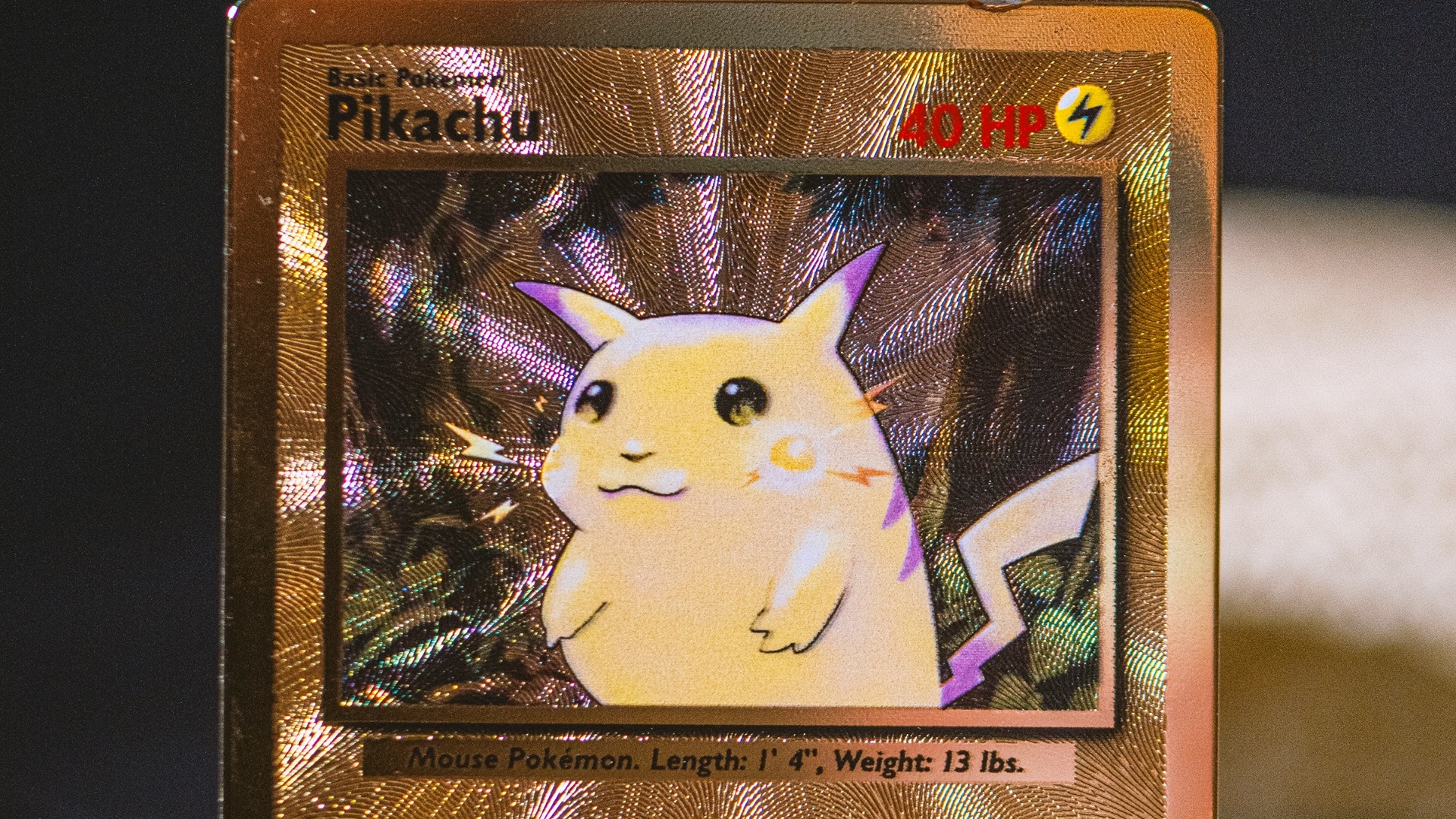
Few collectibles can compete with the reputation of the 1998 Pikachu Illustrator, which was awarded through illustration contests associated with Japan's CoroCoro Comic. Only 39 were originally awarded to contest winners, and the only known PSA Gem Mint 10 became the most expensive trading card ever sold at auction when it fetched $16.492 million in February 2026. Its artwork was created by Atsuko Nishida, Pikachu's original designer, adding another layer of significance to a card that was never available for ordinary retail purchase.
2. 1997 Trophy Pikachu No. 1 Trainer
Before Pokémon tournaments became enormous international events, Japan's earliest competitions awarded remarkably scarce Pikachu trophy cards to their top finishers. The No. 1 Trainer version went to first-place competitors and depicts Pikachu holding a gold trophy, with artwork by celebrated Pokémon illustrator Mitsuhiro Arita. These early Trophy Pikachu cards were produced in tiny quantities and feature the original Pocket Monsters Trading Card Game logo reserved for some of Pokémon's most exclusive releases.
3. 1997 Trophy Pikachu No. 2 Trainer
Coming in second at one of Pokémon's earliest official tournaments meant receiving something that would eventually become vastly more valuable than an ordinary silver medal. The No. 2 Trainer shows Pikachu with a silver trophy and was distributed only to runners-up, leaving exceedingly few examples available to today's collectors. Complete groups of early No. 1, No. 2, and No. 3 Trainer cards have become major auction attractions, demonstrating just how intensely collectors pursue these pieces of competitive Pokémon history.
4. 1997 Trophy Pikachu No. 3 Trainer
Third place might not sound like the most glamorous tournament result, but owning the corresponding Trophy Pikachu today is another matter entirely. This bronze-themed No. 3 Trainer belongs to the same exceptionally limited family of prize cards distributed during Pokémon's formative tournament years in Japan. Because recipients were players rather than collectors purchasing carefully packaged products, surviving high-grade examples are especially prized.
5. 1998 Lizardon Mega Battle Trophy Pikachu Cards
A second early series of Trophy Pikachu cards was awarded during the 1998 Lizardon Mega Battle, known outside Japan as the Charizard Mega Battle. An estimated 15 copies were awarded across the No. 1, No. 2, and No. 3 versions, making a complete grouping particularly difficult to assemble. A PSA-graded set containing all three placements sold through Heritage Auctions for $875,000 in June 2026, showing that the earliest tournament prizes remain some of the hobby's most serious collectibles.
6. 1999 Super Secret Battle No. 1 Trainer
Winning one of Japan's regional Challenge Road tournaments in 1999 earned players a card that doubled as admission to an exceptionally exclusive final competition. The Super Secret Battle No. 1 Trainer was awarded to regional winners and contained information allowing them to enter the final event, making it both a tournament trophy and an invitation. A PSA 10 example has sold for more than $150,000, an extraordinary figure for a Trainer card that most Pokémon fans will never encounter outside a major collection.
7. 1999 Tropical Mega Battle No. 1 Trainer
The Tropical Mega Battle was an important predecessor to today's Pokémon World Championships, gathering elite young players during the franchise's early competitive years. Japan's regional winners could receive the No. 1 Trainer card, which was never commercially released and was produced in extremely small numbers. A PSA Mint 9 example sold for $75,000 in March 2025, while a complete set of related 1999 No. 1, No. 2, and No. 3 Trainer cards has also reached six figures.
8. 1999 Tropical Wind
Not every important tournament card required you to take first place. Tropical Wind was distributed as a participation prize at the 1999 Tropical Mega Battle in Hawaii, an early international event that brought together players from multiple countries. Its restricted event distribution and significance to Pokémon's competitive history have kept high-grade examples expensive, with a PSA Mint 9 copy selling for $16,250 at Heritage in December of 2023.
9. Family Event Trophy Kangaskhan
Kangaskhan was a fitting choice for a card awarded at Japan's 1998 Parent/Child Mega Battle, where parents and children competed together as teams. Families had to achieve the required number of victories to receive the holographic promotional card, so you couldn't simply walk into a store and purchase one. A PSA 10 example sold for $175,000 in 2023, placing this family-oriented prize among Pokémon's most valuable tournament collectibles.
10. Tamamushi University Magikarp
Magikarp might be famously weak in the games, but this particular version certainly isn't weak on value. The 1998 University Magikarp was connected to the Tamamushi University Hyper Test campaign in Japan, making its method of distribution considerably more demanding than opening packs and hoping for a lucky pull. A PSA 10 example sold for $66,100 in 2021 (though in October 2020, a PSA 10 copy sold for a whopping $150,100), while even lower-grade copies have commanded thousands of dollars in subsequent sales.
11. 2010 Master's Key
Master's Key was awarded to finalists competing in Pokémon's Japanese national championships for both the trading card and video game events. Heritage reports that only 36 copies were awarded in 2010, which is remarkably limited even by promotional-card standards. A PSA 9 sold for $30,000 at Heritage in 2022, and recorded sales since then have shown that collectors remain willing to pay heavily when another example reaches the market.
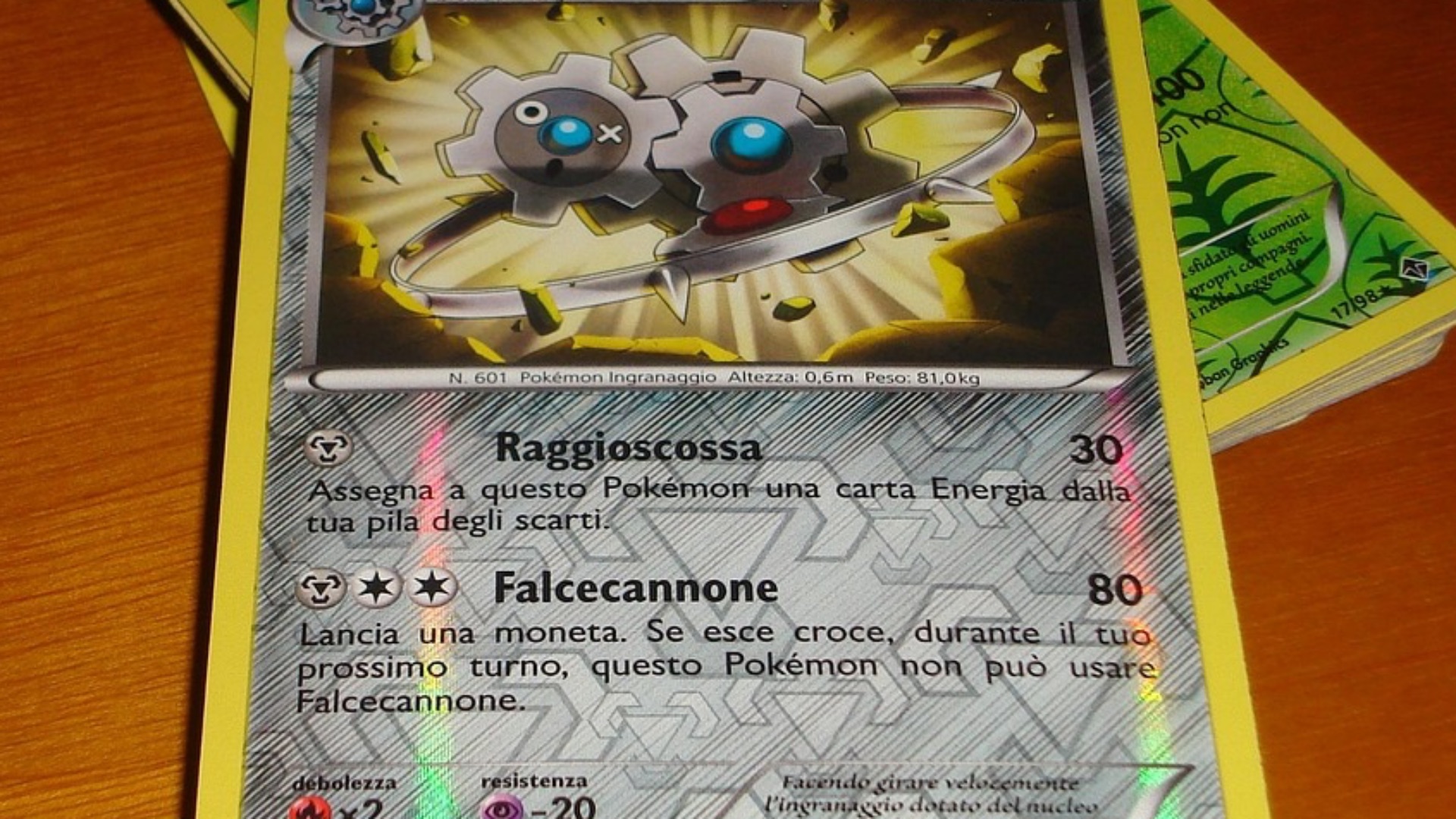
12. Pokémon Snap Gyarados
A Japanese contest tied to Pokémon Snap asked players to submit photographs they'd taken inside the Nintendo 64 game, with selected images later appearing on actual cards. The Gyarados winner card is therefore illustrated with a player's in-game photograph rather than standard commissioned Pokémon artwork, giving it a very unusual origin. Only small batches were produced for the contest winners, and a PSA 9 example sold for $150,000 in 2025.
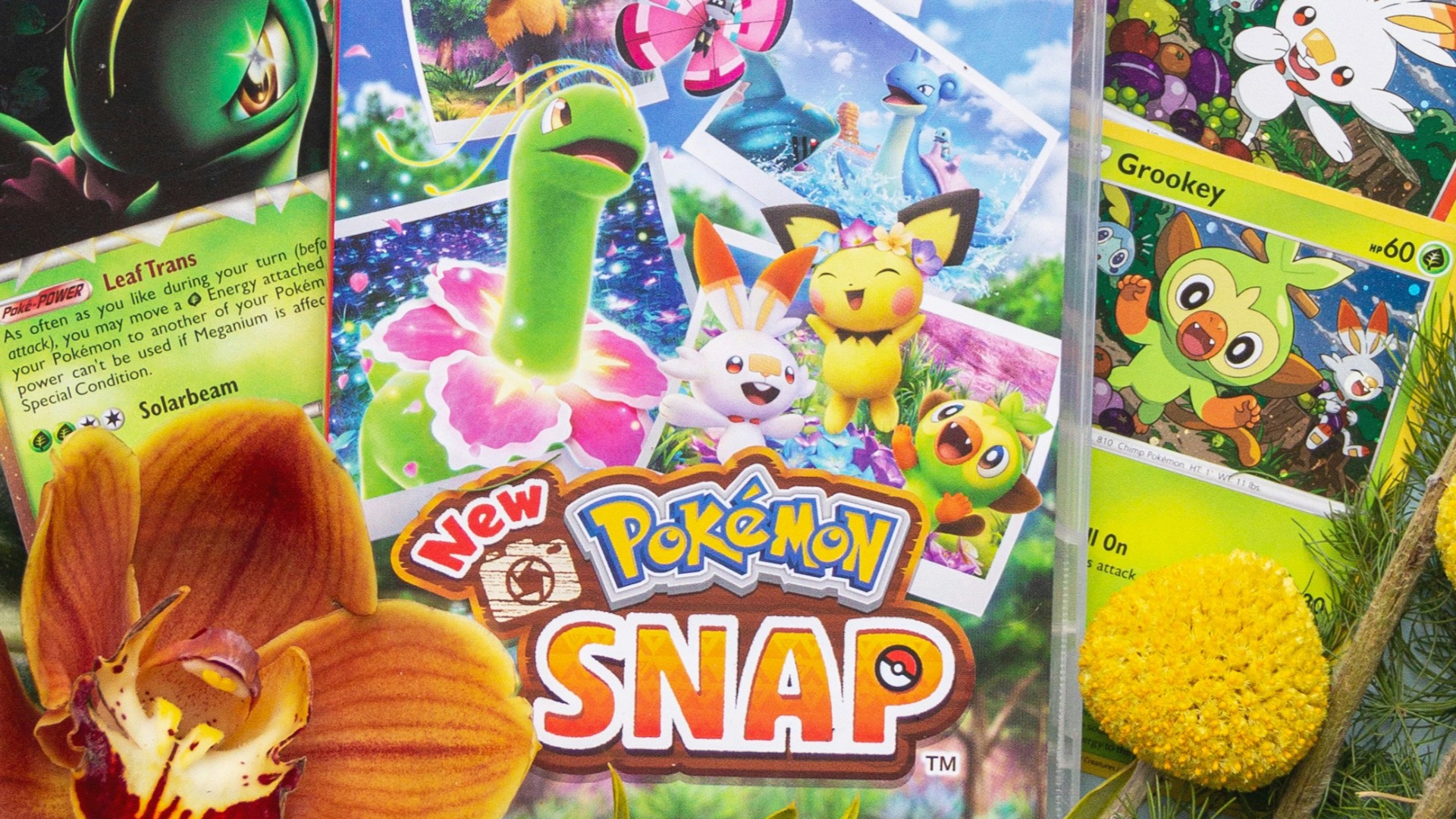
13. Pokémon Snap Chansey
Chansey received the same unusual treatment through the Pokémon Snap contest, turning a player's successful virtual photograph into an official physical Pokémon card. Only 15 copies of each winner's respective card were reportedly awarded, although the number actually surviving and circulating can be considerably smaller. A CGC 9 Snap Chansey reached $150,000 in July 2025, proving that collectors are prepared to spend serious money on cards few fans even knew existed.
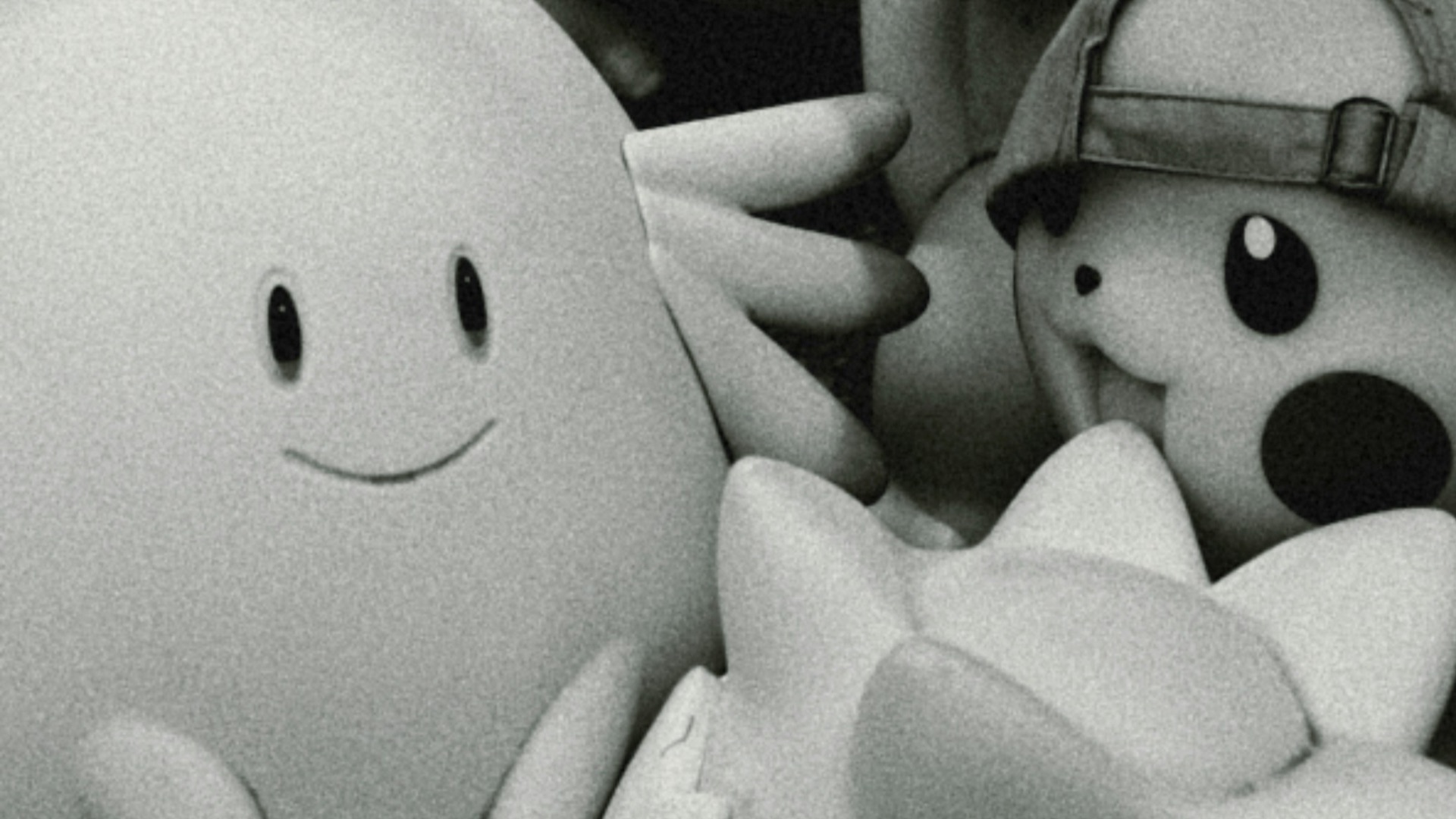
14. Pokémon Snap Magikarp
The Snap Magikarp is another contest card produced from a winning Pokémon Snap photograph, but examples have proved particularly difficult to locate. That's important in a hobby where theoretical print numbers don't necessarily tell you how many copies can actually be bought today, especially when cards were handed directly to individual contest winners decades ago. Its combination of an unusual production story, extremely restricted distribution, and scarce public appearances has made it one of the most closely watched cards in the Snap series.
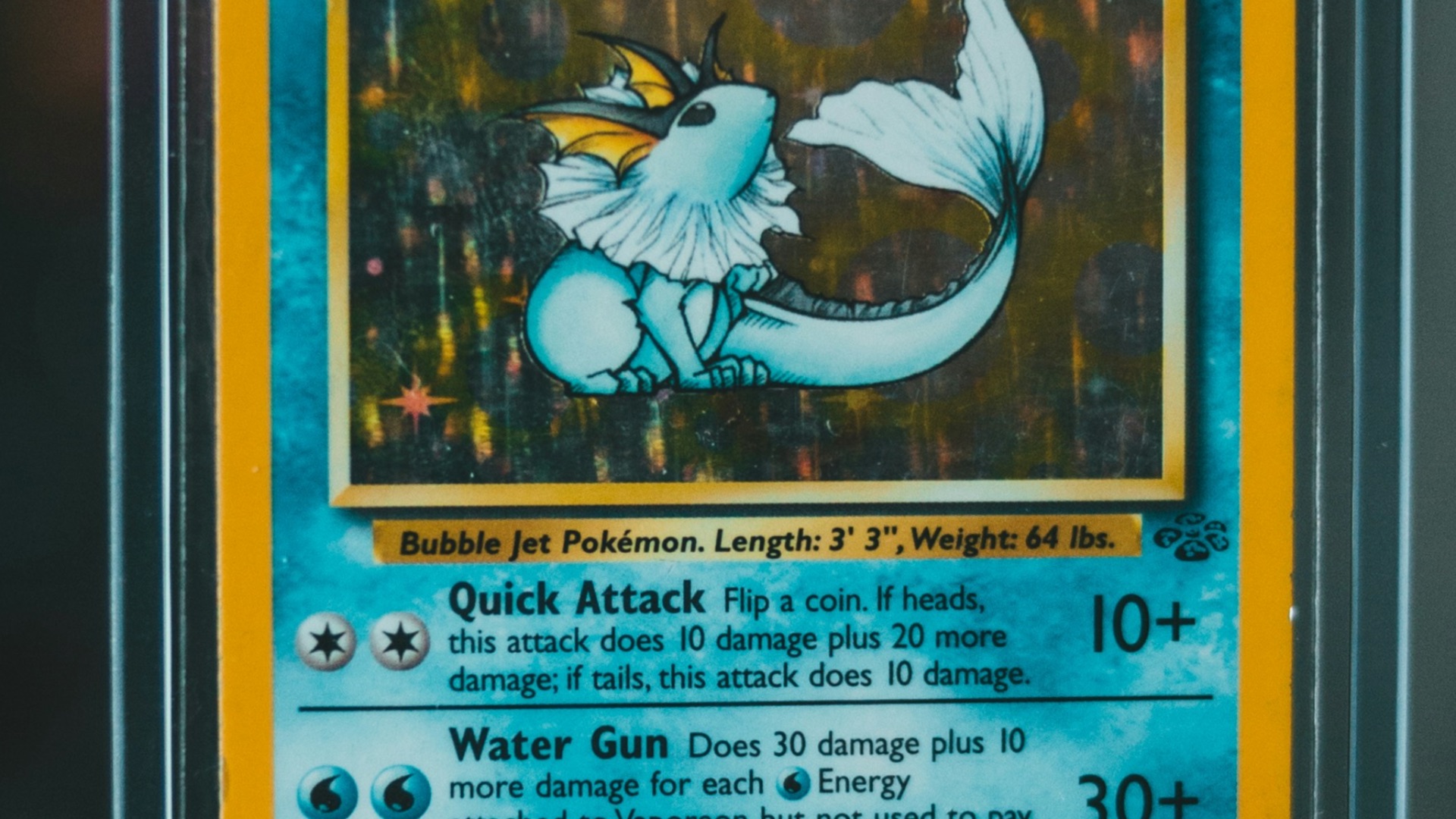
15. Commissioned Presentation Blastoise
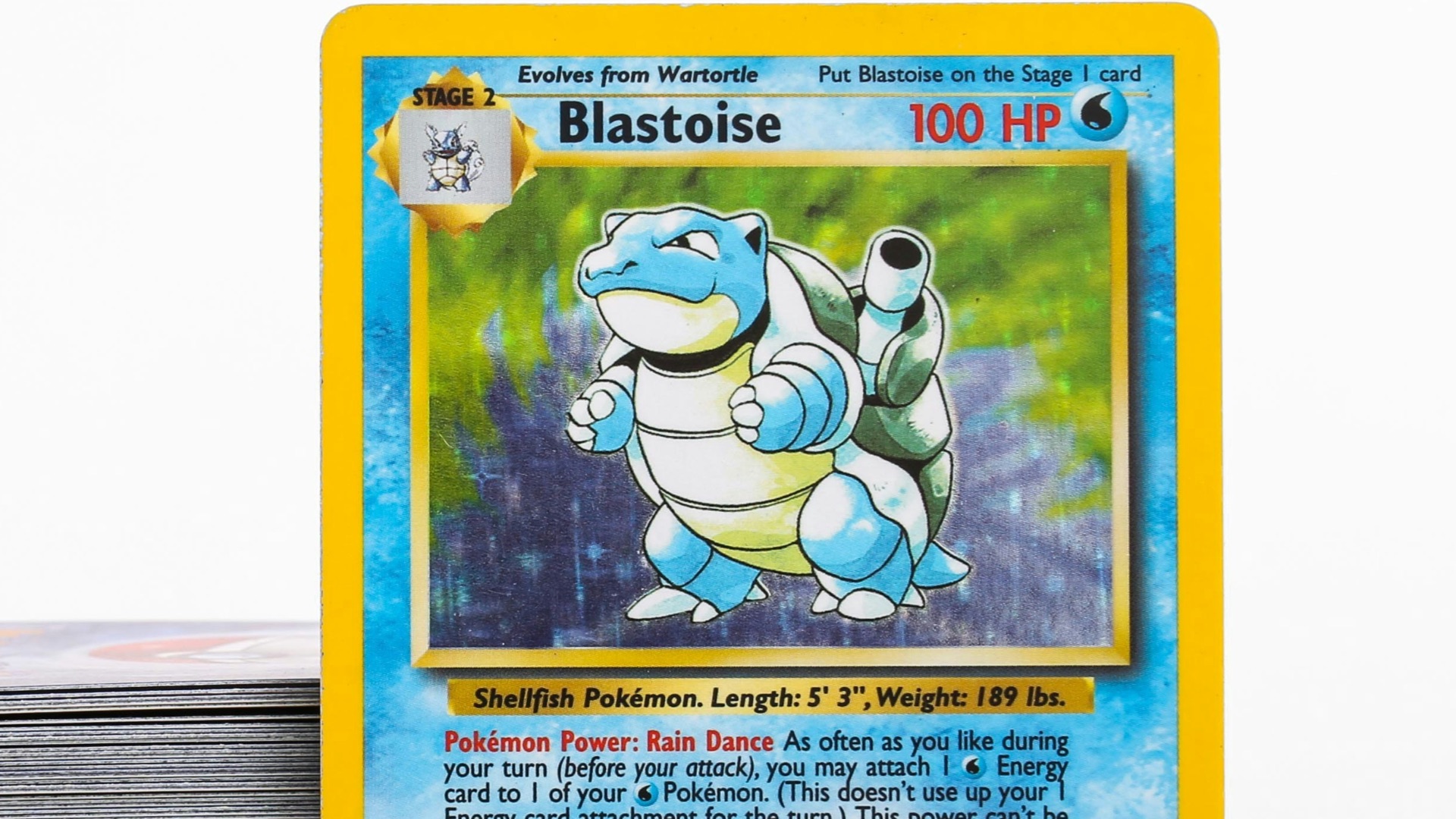
This Blastoise wasn't designed for kids to play with at all. Wizards of the Coast commissioned the experimental card in 1998 while preparing to bring the Pokémon Trading Card Game to the English-speaking market, and the famous blank-backed example is one of just a tiny handful of related test pieces authenticated by CGC. In January 2021, the CGC 8.5 presentation Blastoise sold at Heritage Auctions for an astounding $360,000.
16. Signed Tsunekazu Ishihara GX
Instead of depicting a Pokémon as its main subject, this unusual GX promo features Tsunekazu Ishihara, one of the most influential executives in Pokémon's history. The card was created for his 60th birthday in 2017 and distributed privately to employees, friends, and associates rather than released through stores. One copy bearing Ishihara's signature sold for $247,230 in 2021, giving an already scarce corporate promo an additional distinction few other cards can match.
17. 1999 First Edition Shadowless Charizard
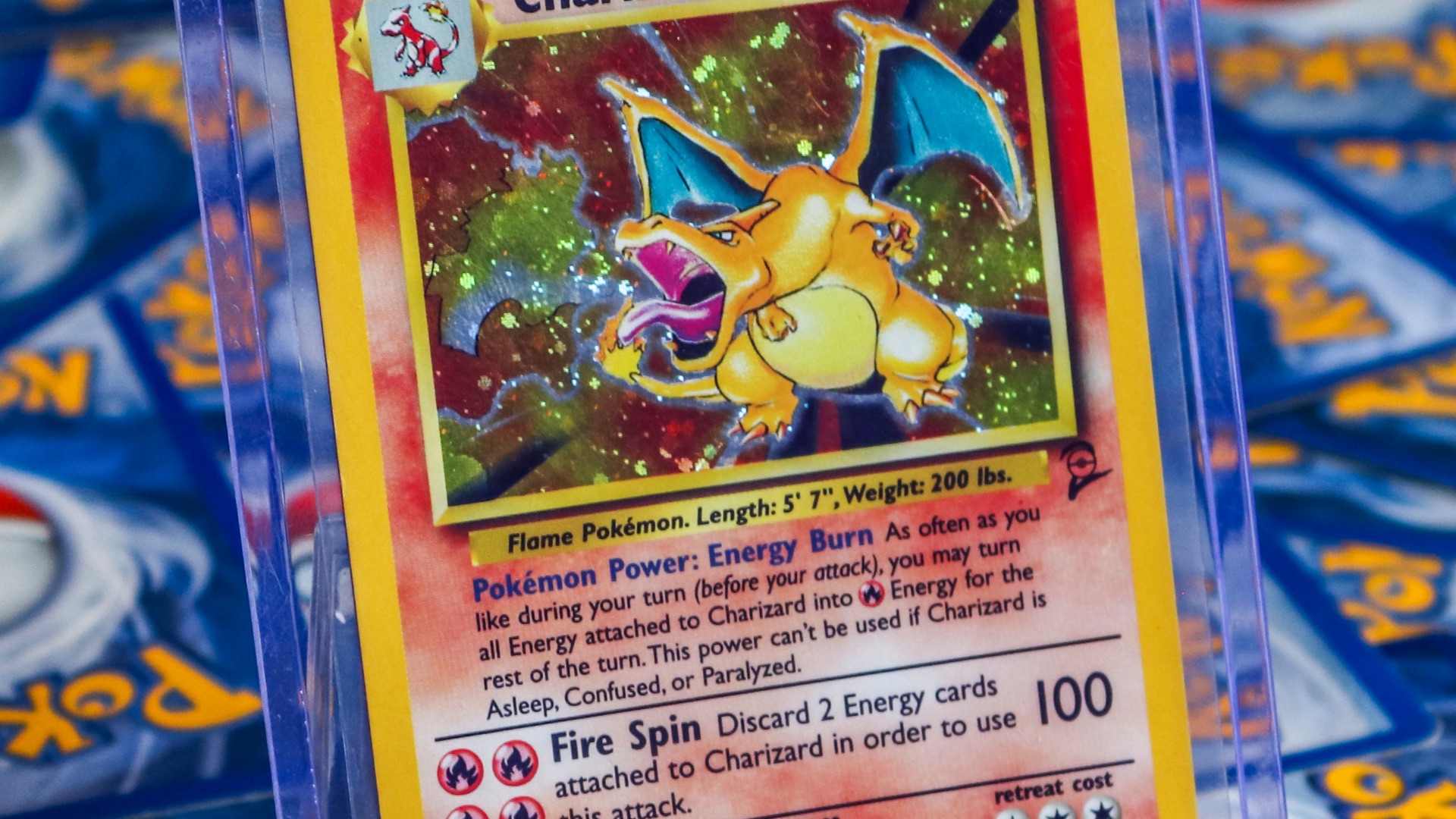
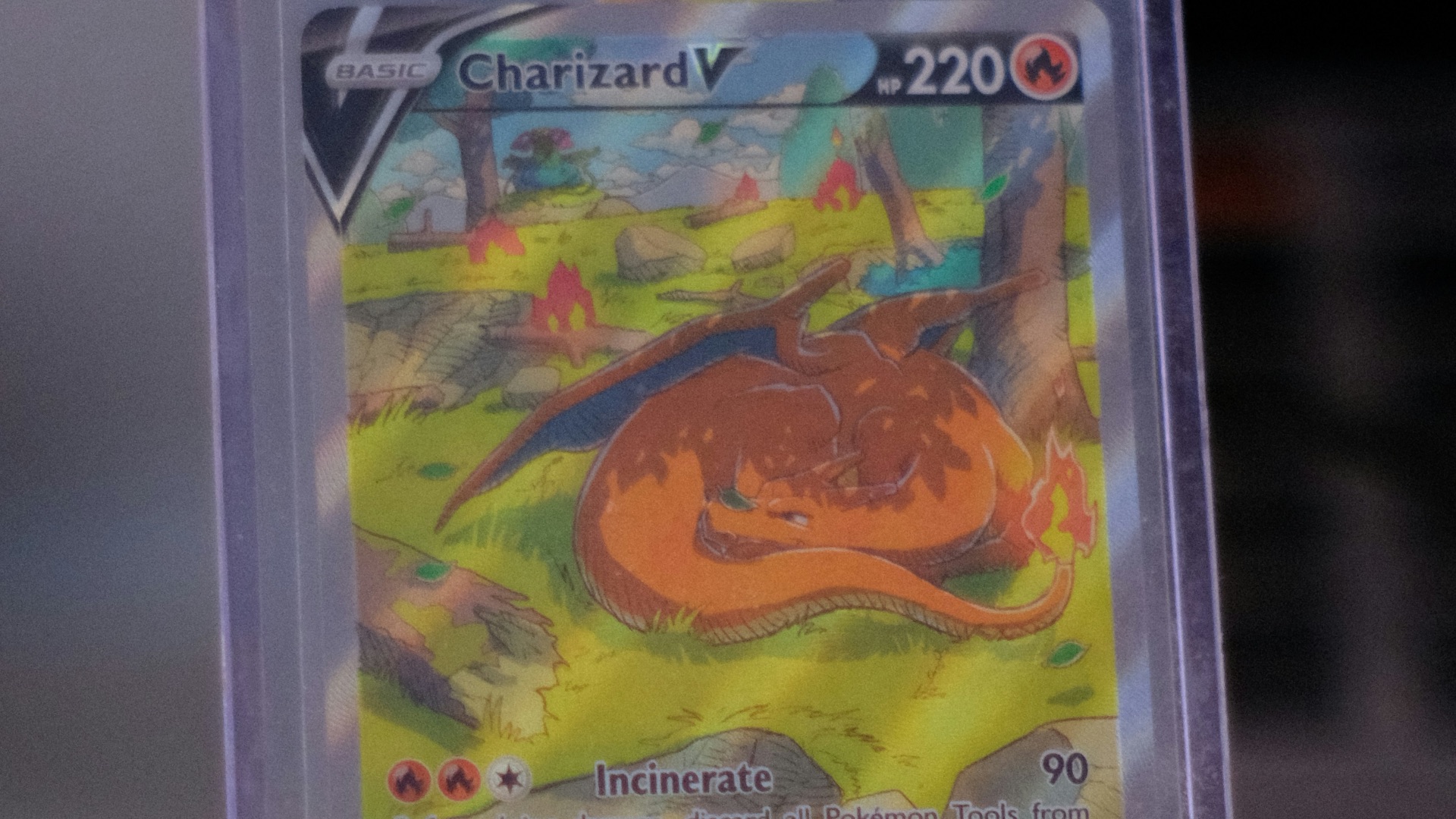
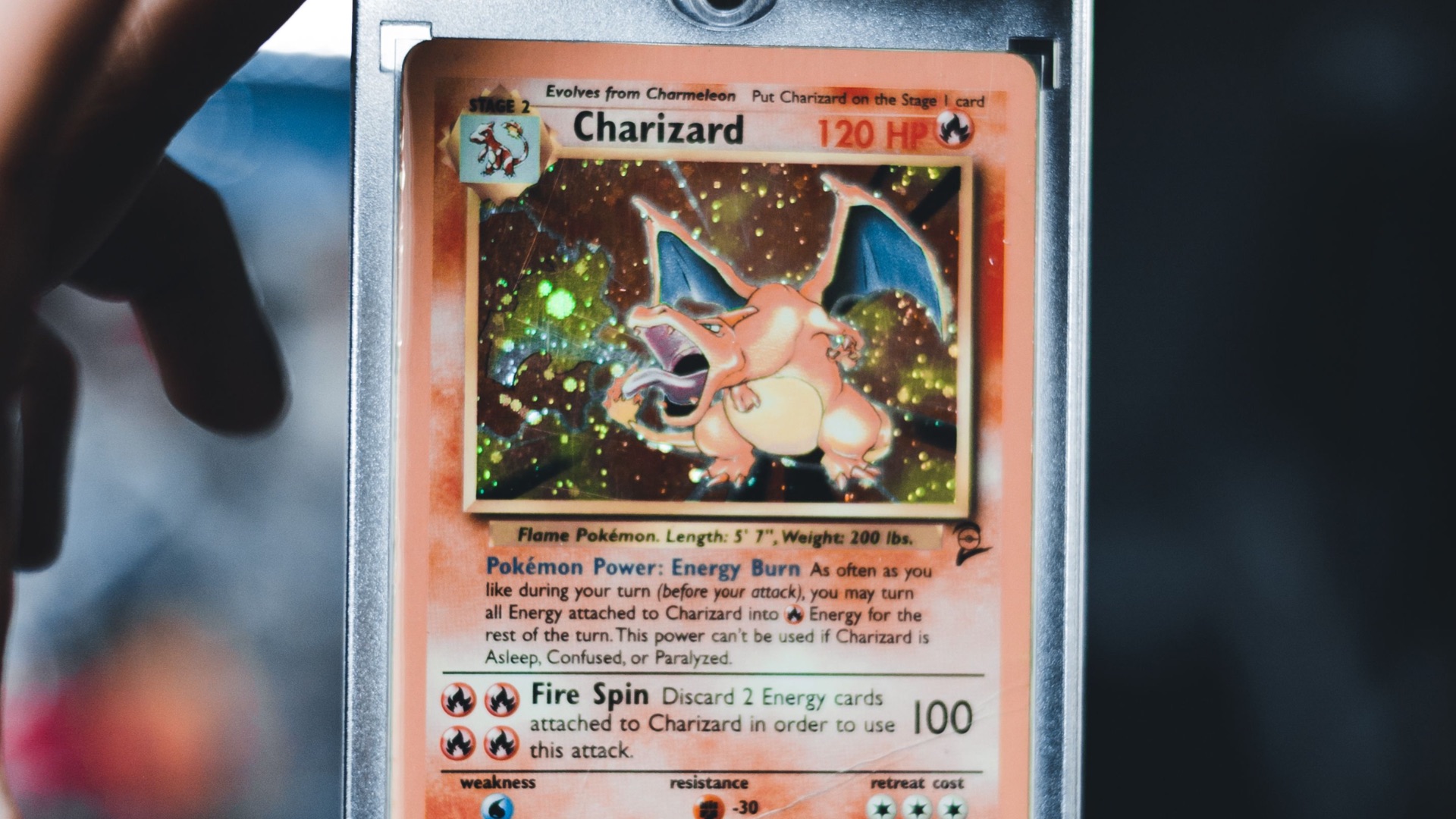
Unlike many cards here, First Edition Base Set Charizard was commercially released, so it isn't scarce in quite the same way as a one-off trophy or contest prize. The challenge is finding one in exceptional condition, since millions of young collectors handled, traded, and played with early Pokémon cards without imagining what pristine examples would someday be worth. PSA 10 copies have sold for hundreds of thousands of dollars, including a widely reported sale of $420,000, making the card an enduring benchmark for high-end Pokémon collecting.
18. 1996 Japanese No Rarity Symbol Charizard
Collectors who want to go back even further than the English Base Set can hunt for early Japanese cards missing the rarity symbol normally printed in the corner. The 1996 No Rarity Symbol Charizard is particularly desirable because it combines one of the franchise's most collected Pokémon with an important early production variation. Examples at the highest grades are extremely difficult to secure, and a PSA 10 copy case-signed by illustrator Mitsuhiro Arita sold for a whopping $1,232,200 at Goldin in March 2026.
19. 2002 Battle Road No. 2 Trainer
Pokémon continued producing personalized trophy cards into the early 2000s, and the 2002 Battle Road series represents one of the most fascinating examples. These No. 1, No. 2, and No. 3 Trainer prizes could include the winner's name and tournament region, meaning individual cards were effectively customized for specific players. A rare No. 2 Trainer awarded to runner-up Fukunishi Tomoki sold for $34,100 in 2021, and the personalized nature of the series makes direct replacements exceptionally difficult to find.

20. 2005 Victory Orb Mew
The Victory Orb featuring Mew was awarded during Japan's Summer Battle Road tournaments rather than sold through the usual retail channels. Heritage reports that 108 copies were handed out in 2005 and another 81 in 2006, leaving a small population compared with normal Pokémon releases. A PSA 10 example accompanied by its original first-place frame sold for $40,800 in 2022, showing how provenance and original presentation materials can make an already rare card considerably more desirable.