Sometimes Turning the Console Off Felt Like the Only Option
Some games challenge your reflexes, others test your patience, and a select few seem determined to make you want to smash your console against the wall. Whether it was an impossible boss, a brutal checkpoint system, unfair multiplayer matchups, or one mistimed jump after 40 minutes of progress, certain games became famous for pushing players past their limits. If you've ever shut a game off mid-level and promised never to return, there's a good chance one of these 20 games was responsible.
1. Dark Souls
Dark Souls built much of its reputation around punishing players who rushed into fights without paying attention. Enemies could wipe out a huge chunk of your health in seconds, bosses demanded careful pattern recognition, and dying meant dropping your collected souls where you fell. Making the long trip back only to die before retrieving them was enough to make plenty of gamers fly off the handle.
 FromSoftware and Bandai Namco Entertainment on Wikimedia
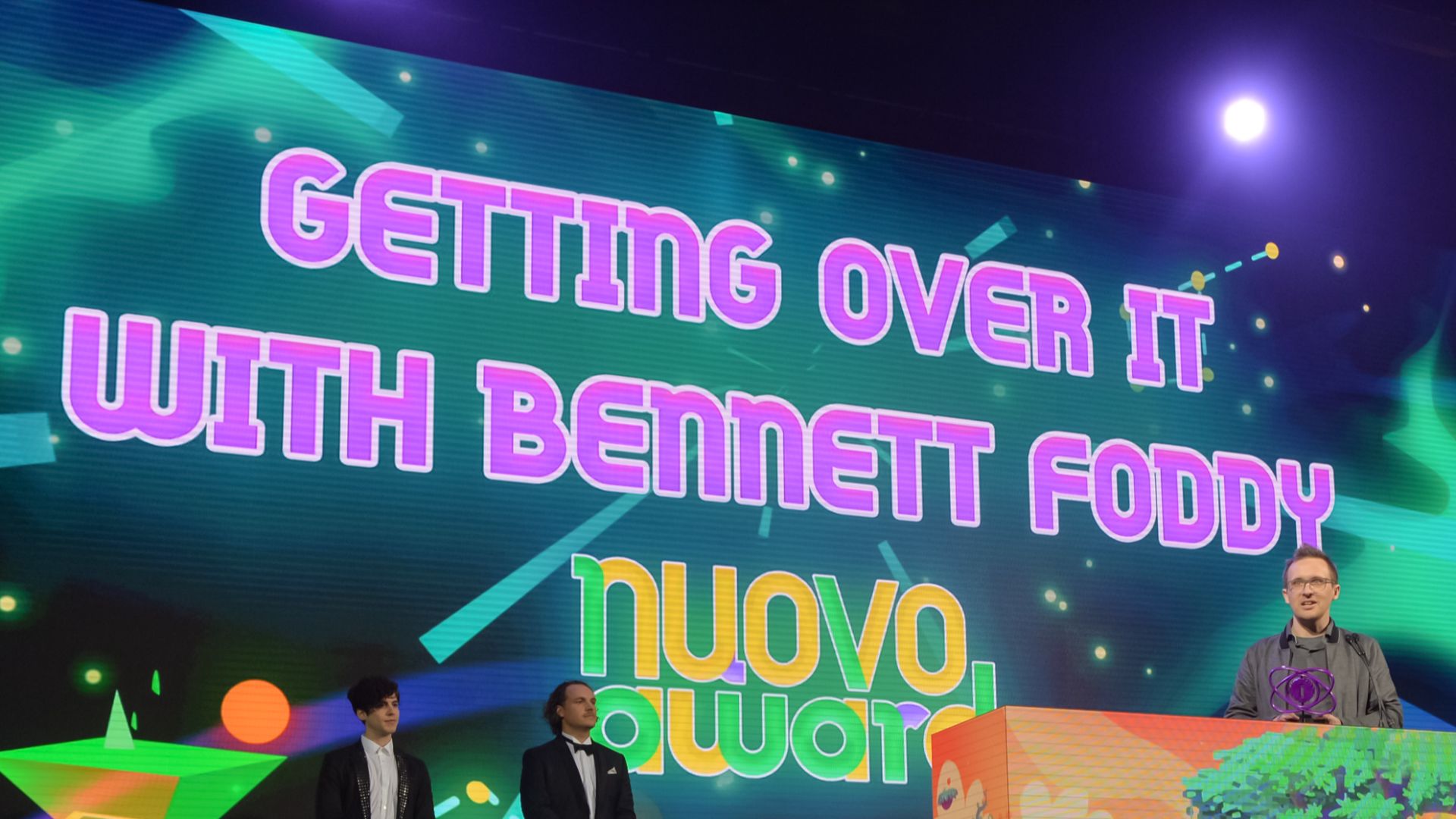
2. Getting Over It With Bennett Foddy
Few games have turned losing progress into such an effective source of frustration. You control a man stuck in a cauldron who climbs using nothing but a sledgehammer, and one bad movement can send you tumbling back through several sections you've already conquered. There's nothing quite like losing hours of progress in seconds to make you scream things you never thought you'd hear coming out of your own mouth.
3. Cuphead
Cuphead looks cheerful right up until one of its bosses destroys you for the 25th time. Battles often involve multiple phases, constantly changing attack patterns, and very little room for sloppy movement. Getting a boss down to its final moments only to make one tiny mistake can be especially brutal.

4. Sekiro
Players who tried to approach Sekiro exactly like Dark Souls often discovered that the game had other plans. Combat heavily rewards precise deflections, aggressive timing, and learning an enemy's rhythm instead of simply dodging away. Bosses such as Genichiro and Isshin became major roadblocks for players who hadn't mastered those systems. You either adapted to the game's rules or spent a very long evening seeing the same death screen.

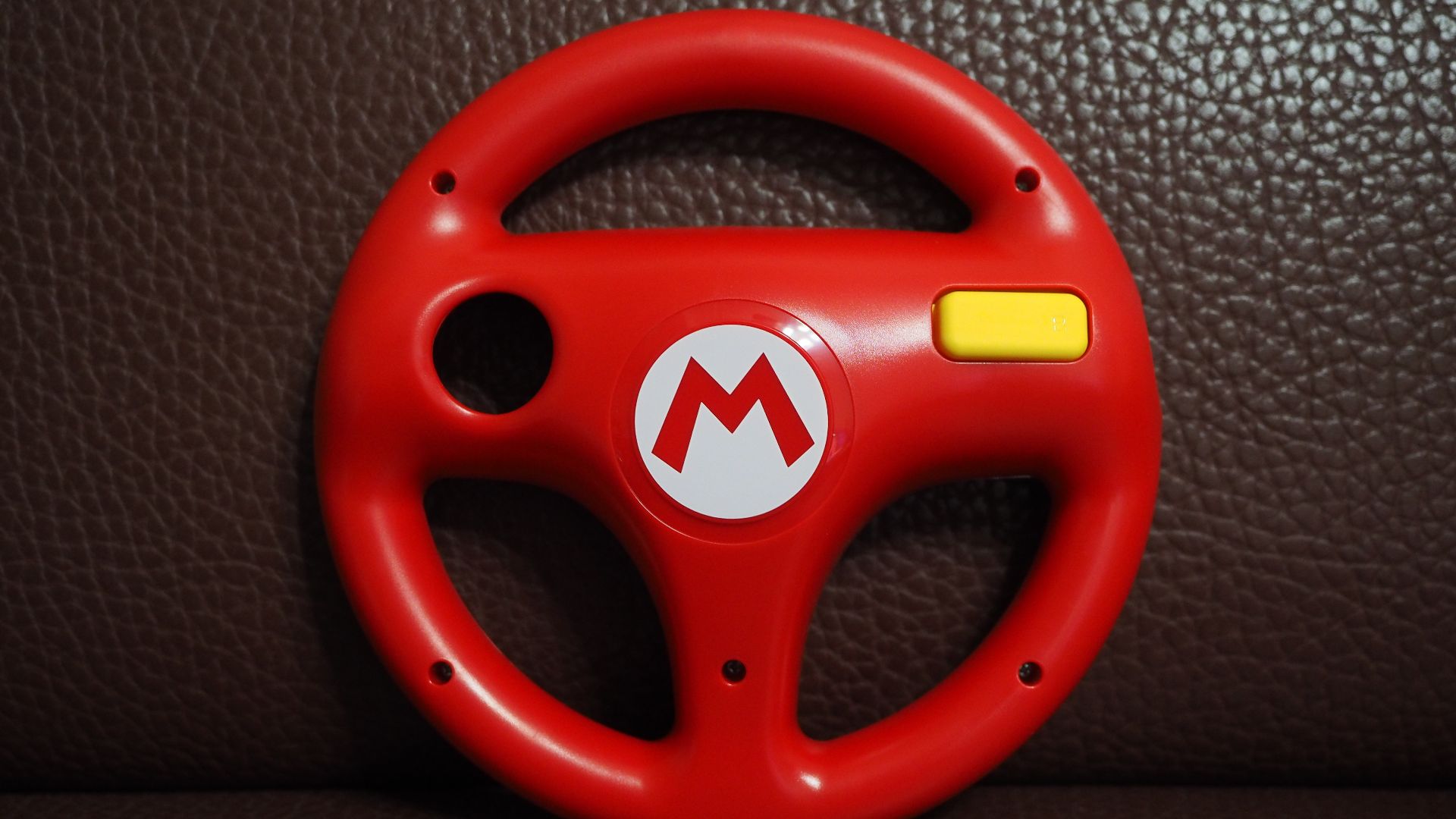
5. Mario Kart Wii
Mario Kart can turn a comfortable lead into disaster in about three seconds. Blue shells, red shells, lightning, and poorly timed banana peels have ruined countless races just before the finish line. Mario Kart Wii became especially notorious for chaotic item combinations that could knock a player from first place to the back of the pack.
6. League of Legends
League of Legends has produced its share of angry exits because a single match can last long enough for frustration to really settle in. Mistakes by one teammate can affect the entire group, while arguments in chat can make a losing game feel even worse. Falling behind early sometimes means spending the next half hour watching the opposing team grow stronger.

7. Elden Ring
Elden Ring gives players far more freedom than earlier FromSoftware games, but that doesn't mean its bosses are gentle. Malenia alone became infamous for her speed, health recovery, and devastating Waterfowl Dance attack. Plenty of players walked into her arena feeling powerful and walked out several dozen attempts later with considerably less confidence. Even experienced Souls fans found certain fights capable of testing their patience.
8. Super Meat Boy
Super Meat Boy may sound lighthearted and silly, but it's unexpectedly merciless. It expects you to make exact jumps through spinning saw blades, collapsing platforms, and other hazards that kill you instantly. The good news is that restarting a level happens almost immediately, so you're rarely waiting around after a mistake. The bad news is that this makes it incredibly easy to fail the same jump 50 times without realizing how long you've been trying.
 Wireframe, Raspberry Pi Press, Raspberry Pi Foundation on Wikimedia
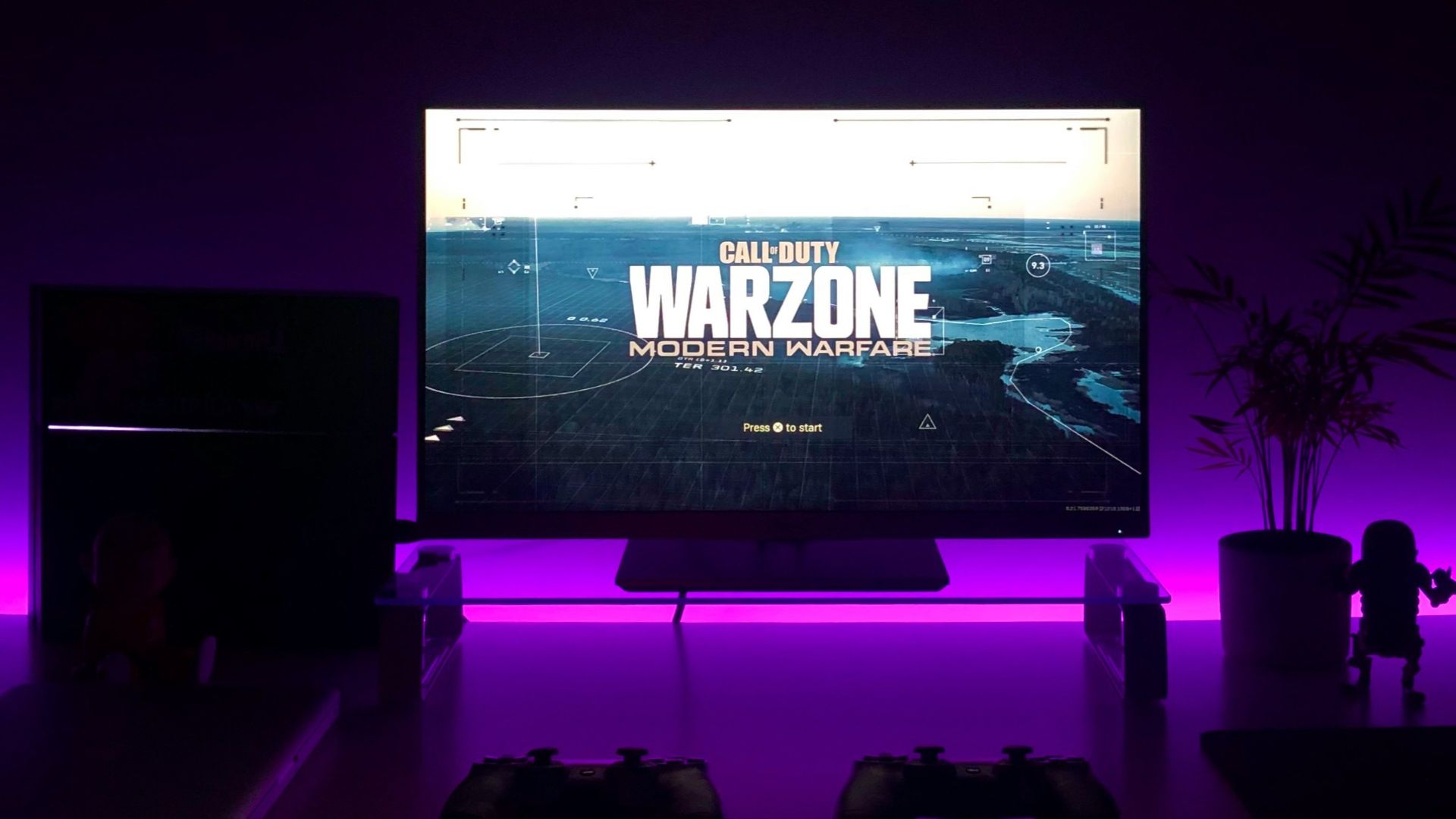
9. Call of Duty
Competitive Call of Duty matches have inspired countless rage quits over the years. Getting repeatedly eliminated by the same opponent, spawning into immediate gunfire, or losing to a last-second killstreak can turn an ordinary match into a miserable experience. Lag and uneven matchmaking only add another source of irritation when things aren't going your way. For some players, leaving the lobby becomes much more appealing than finishing the match.
10. Ninja Gaiden
The modern Ninja Gaiden games became famous for refusing to give players much room to relax. Enemies attack aggressively, bosses can punish mistakes almost instantly, and simply surviving regular encounters often requires serious concentration. The 2004 game was difficult enough that even experienced action-game fans could find themselves stuck.
 Doug Kline / Pop Culture Geek on Wikimedia
11. Flappy Bird
Flappy Bird proved that a game didn't need complicated controls to make people furious. You only had to tap the screen to keep the bird moving between pipes, but judging the correct height could become maddeningly difficult. Crashing just short of a personal high score often led to an immediate restart, followed by another crash seconds later.
 Gametech Holdings on Wikimedia
12. Contra
Older players may remember just how unforgiving Contra could be without the famous Konami Code. Enemies filled the screen with bullets, bosses demanded quick reactions, and limited lives meant losing could send you far backward. The game wasn't particularly interested in protecting players from repeated failure, either.

13. Geometry Dash
Geometry Dash combines simple controls with levels that demand extremely precise timing. One missed jump sends you straight back to the beginning, even if you were only seconds away from completing the stage. Longer levels make that especially painful. Seeing "98%" after a failed attempt has caused more than a few players to close the game immediately.

14. Fortnite
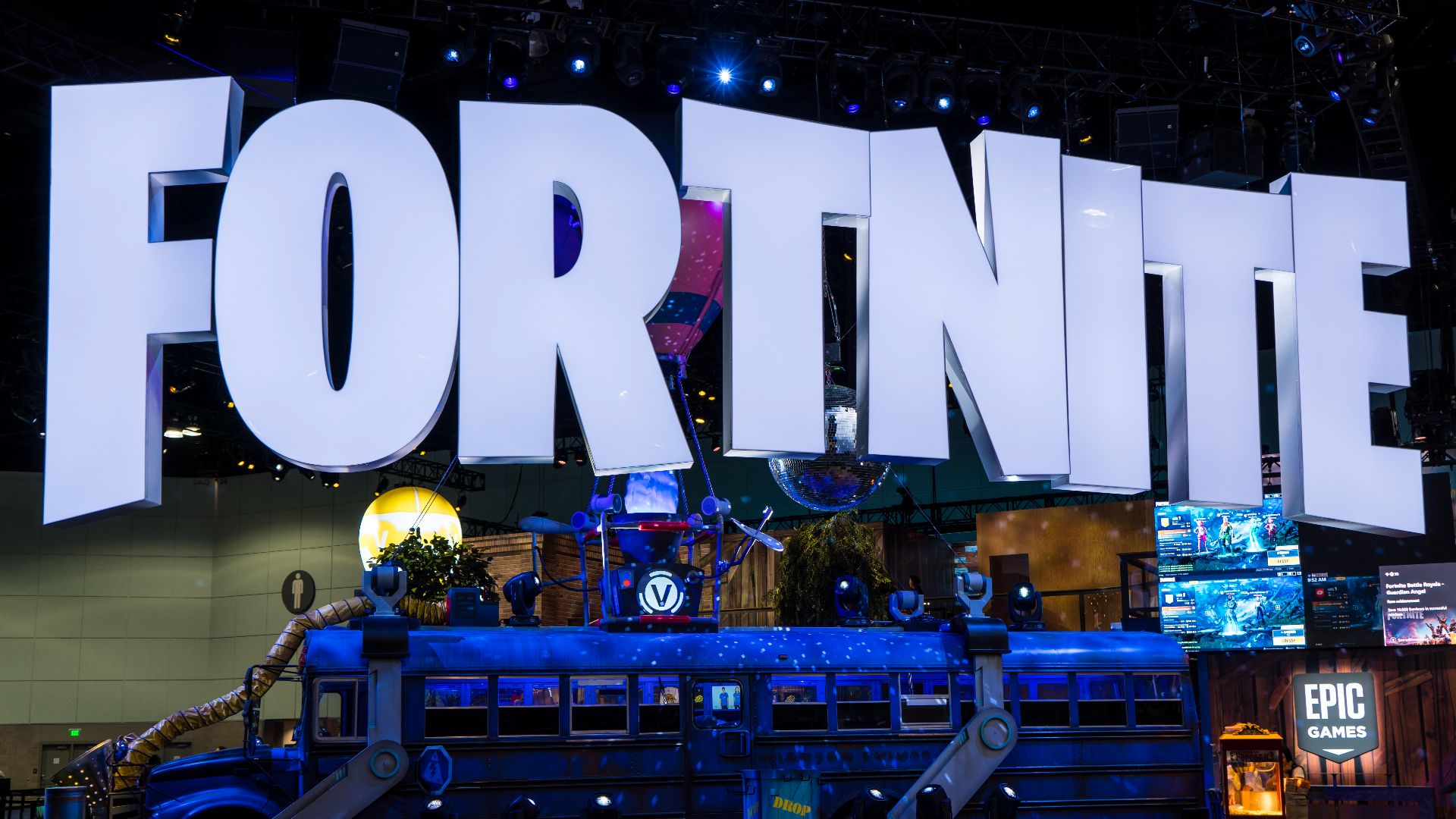
Fortnite can produce rage quits for a completely different reason: you might spend several minutes collecting excellent weapons only to lose everything in one encounter. Building mechanics also created an enormous skill gap between casual players and people who practiced constantly. Getting eliminated by someone constructing an elaborate structure before you can even react isn't exactly motivating.
15. Battletoads
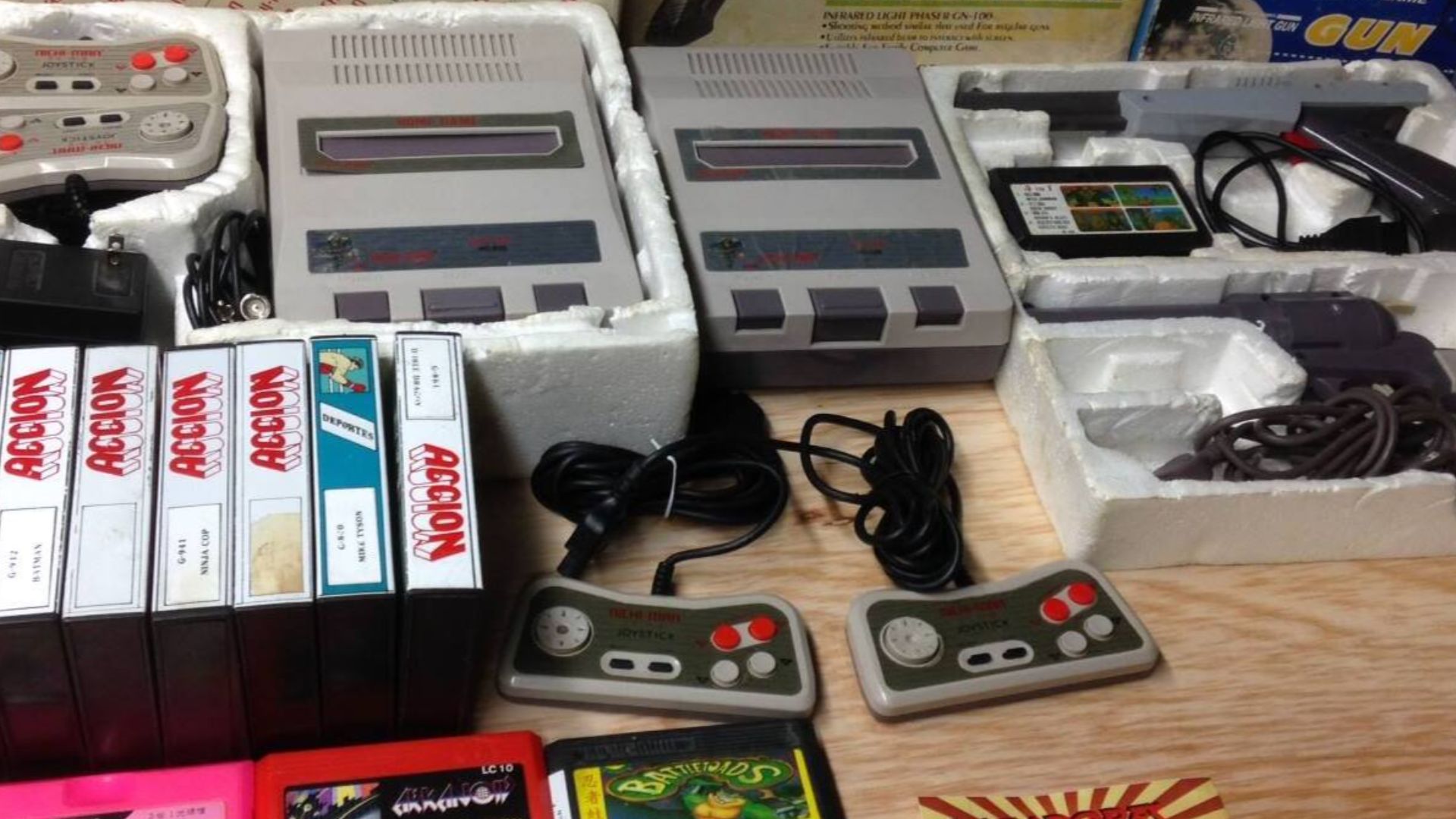
Battletoads earned legendary status partly because of the infamous Turbo Tunnel. Players had to dodge barriers at increasingly high speeds while memorizing exactly where obstacles would appear. The level became so notorious that many people never saw much of the game beyond it. Reaching the same section repeatedly and crashing in nearly the same place made quitting feel increasingly reasonable.
 Julio alberto casallas on Wikimedia
16. Ghosts 'n Goblins
Ghosts 'n Goblins doesn't merely punish mistakes; it seems delighted by them. Sir Arthur can only take a couple of hits before dying, enemies appear constantly, and checkpoints aren't particularly generous. Then, after finally reaching what appears to be the ending, players discover they have to complete the game again to see the true conclusion: a revelation that's caused at least a few controllers to be placed down very firmly.

17. Super Mario Maker
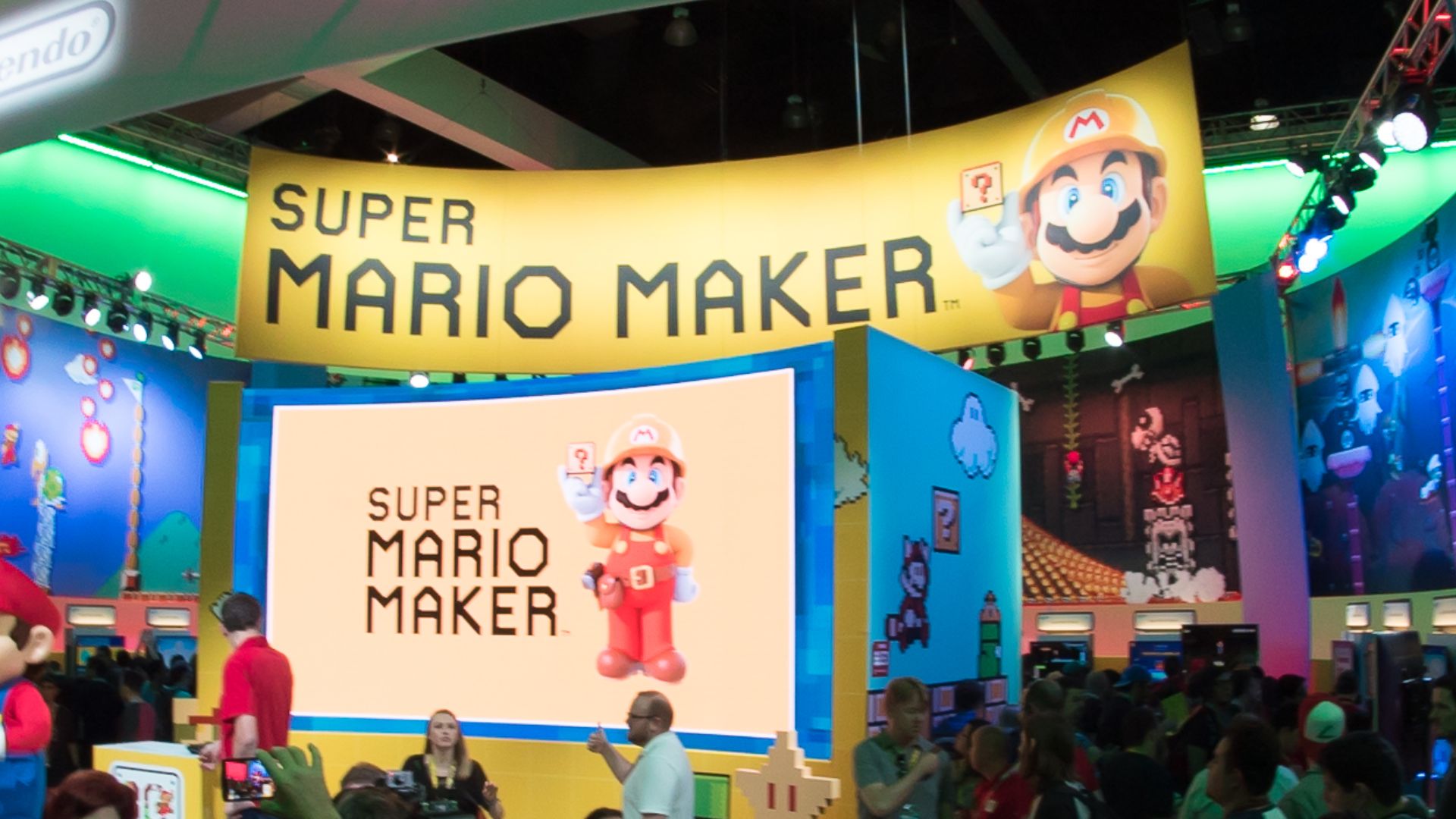
Super Mario Maker gave ordinary players the tools to design levels, and some creators clearly decided mercy wasn't necessary. User-made stages can contain invisible blocks, surprise enemies, tiny landing spaces, and traps designed specifically to trick anyone playing for the first time. Some levels require movements that even experienced Mario players struggle to perform. When the level creator seems personally invested in your failure, quitting becomes surprisingly tempting.
 Dalvenjah FoxFire on Wikimedia
18. Overwatch
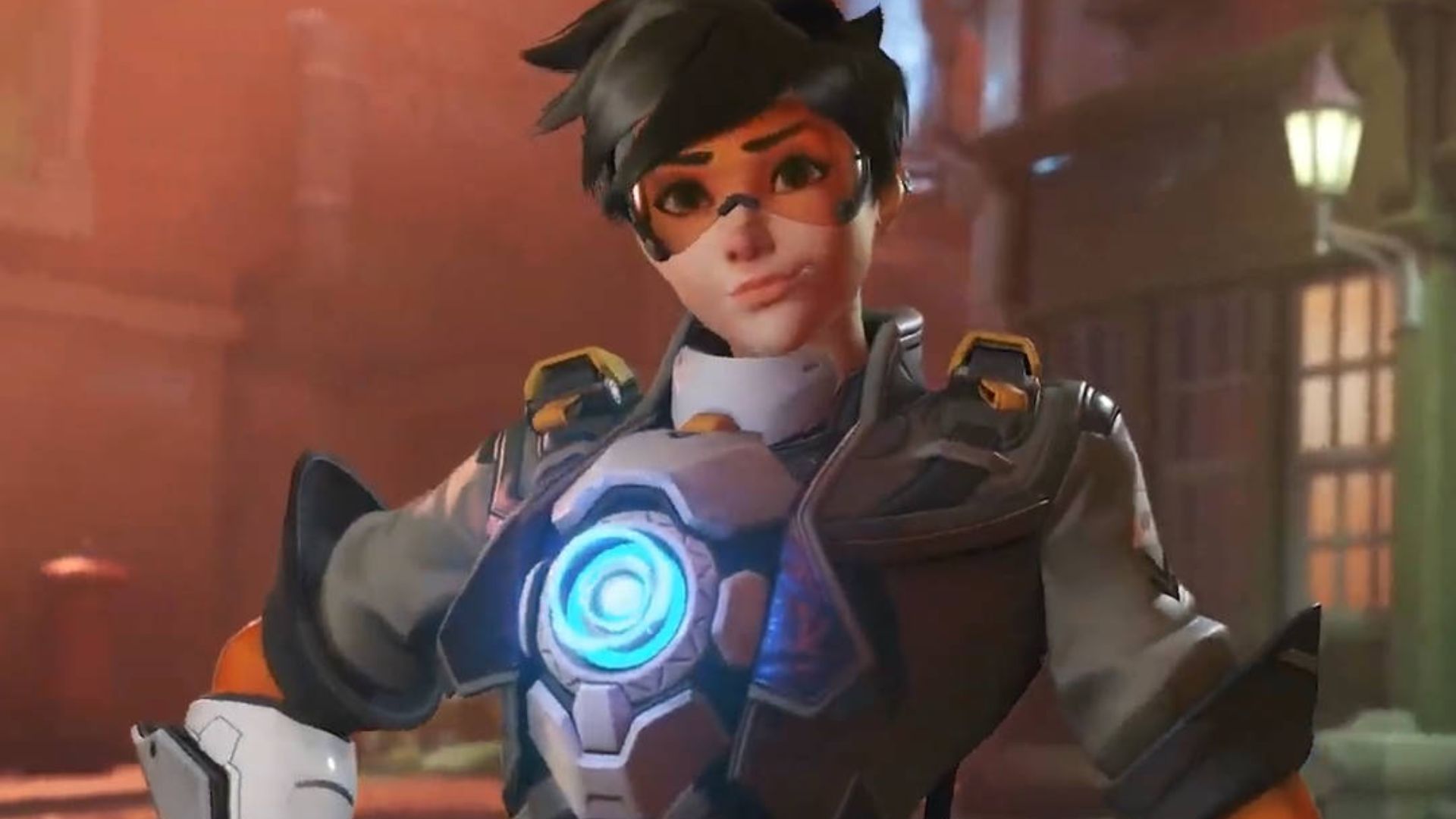
Team-based shooters can become frustrating quickly when everyone has a different idea about what the team should be doing. Overwatch matches have been known to unravel because of poor coordination, arguments over hero selections, or teammates refusing to switch strategies. Losing several matches in a row can make every new setback feel much bigger than it really is.
19. I Wanna Be the Guy
I Wanna Be the Guy was practically designed around making players distrust everything on the screen. Ordinary-looking platforms can suddenly become deadly, objects move in unexpected directions, and many hazards are impossible to predict the first time you encounter them. Progress often comes from dying repeatedly until you've memorized where each trap is hidden.

20. Jump King
Jump King gives you one basic goal: climb upward by jumping from platform to platform. The catch is that you can't control your character in midair, so every leap depends on judging direction and power before leaving the ground. A single bad jump can erase a huge amount of progress by sending you falling through multiple sections, which kind of just makes you want to stare silently at the screen for several minutes.