Was Gaming Better or Worse?
The 1990s represented a massive seismic shift in how we interact with digital entertainment, moving us from simple pixels to complex three-dimensional worlds. It was a time of rapid innovation where developers weren't afraid to take massive risks, resulting in the birth of genres that we still obsess over today. Looking back at these specific titles helps us appreciate just how much the industry evolved in a mere ten years.
1. Super Mario World (1990)
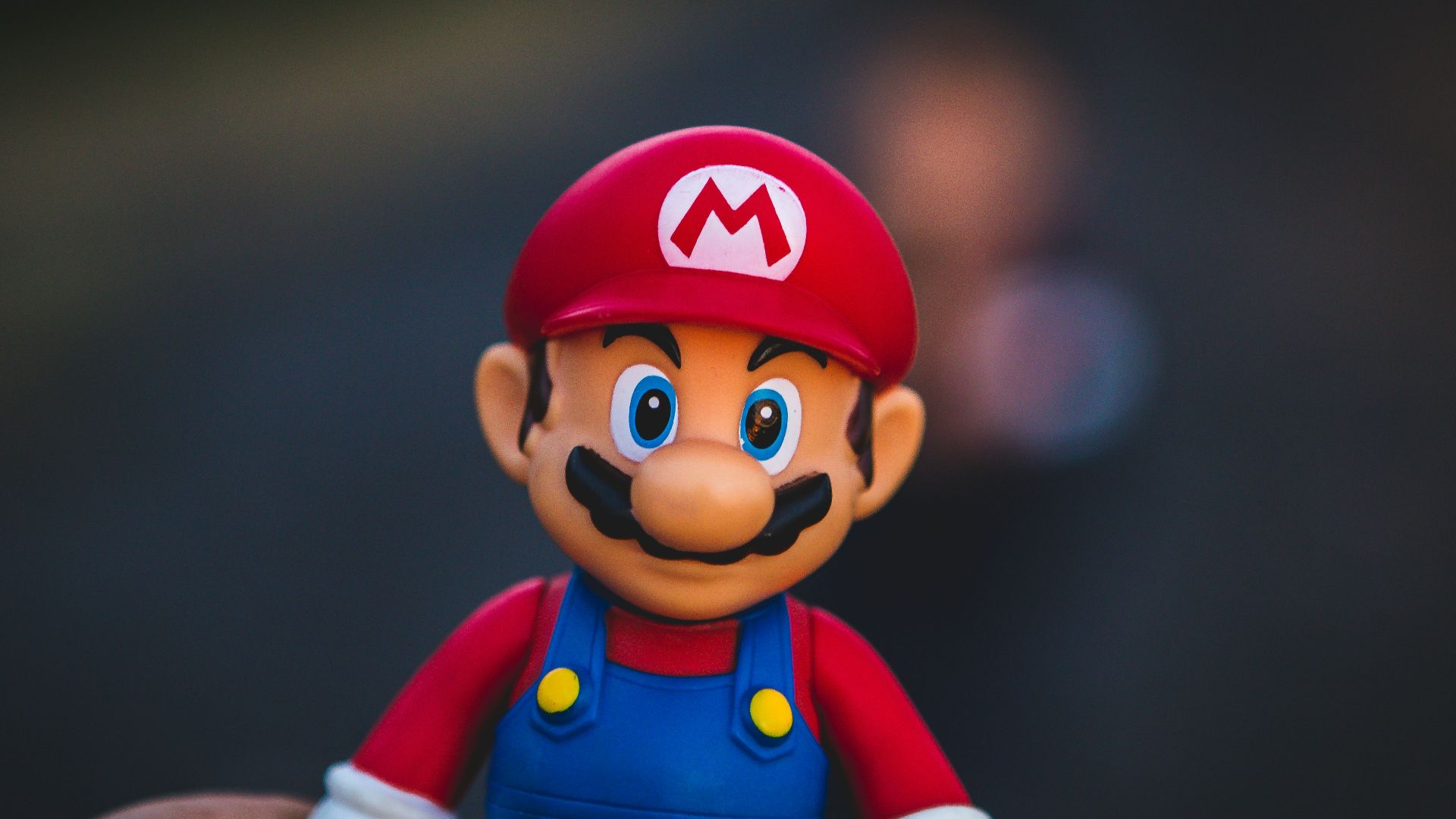
This masterpiece launched with the Super Nintendo and immediately showed players what next-generation platforming looked like with its vibrant colors and sprawling map. It introduced us to Yoshi, the lovable green dinosaur who changed the gameplay dynamic by allowing for new heights and secret areas. You can still see the influence of its perfect level design.
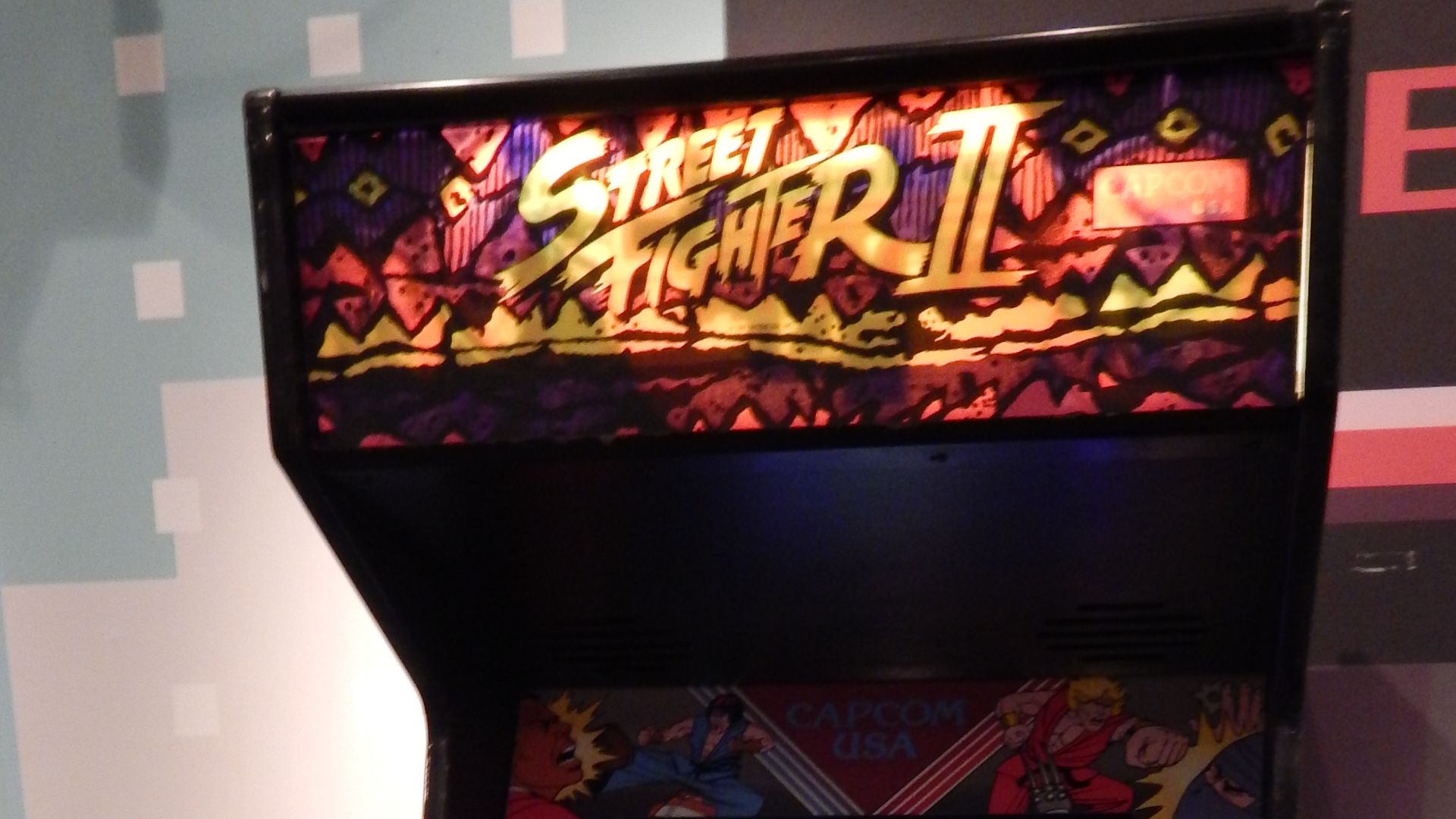
2. Street Fighter II (1991)
Capcom gave arcade-goers around the world something to flock to with special moves and competitive button-mashing. It challenged you with a wonderful cast of international fighters that all play drastically differently from one another and require skill to win. Street Fighter II birthed the fighting game community we know and love today.
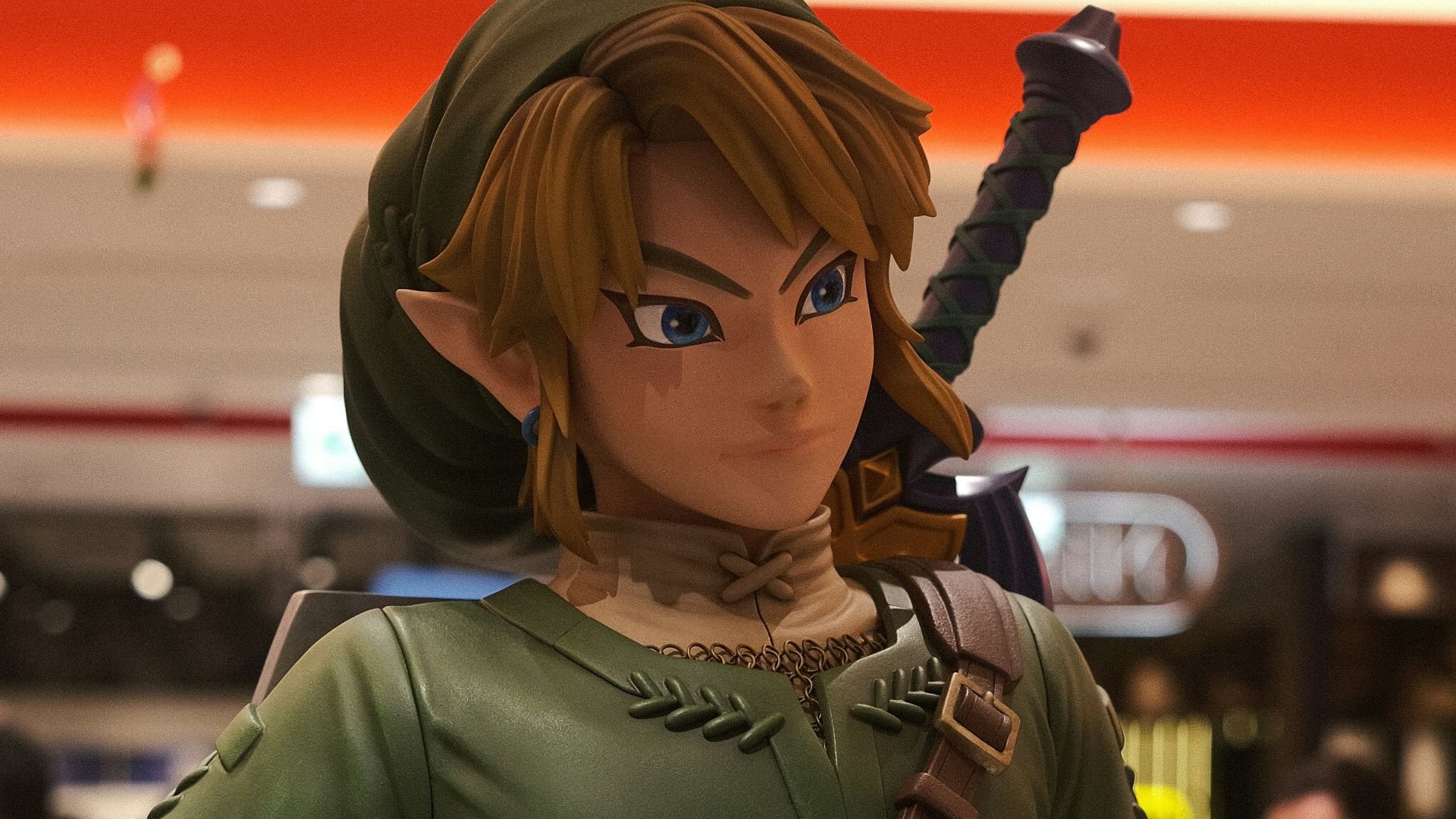
3. The Legend of Zelda: A Link to the Past (1991)
Nintendo mastered the action-adventure formula by sending Link on another journey and adding multiple secrets between Light and Dark worlds. Hyrule was filled to the brim with secrets and encouraged exploration of every inch of the map with your newfound tools and abilities. A Link to the Past taught you how to pace a grand adventure.
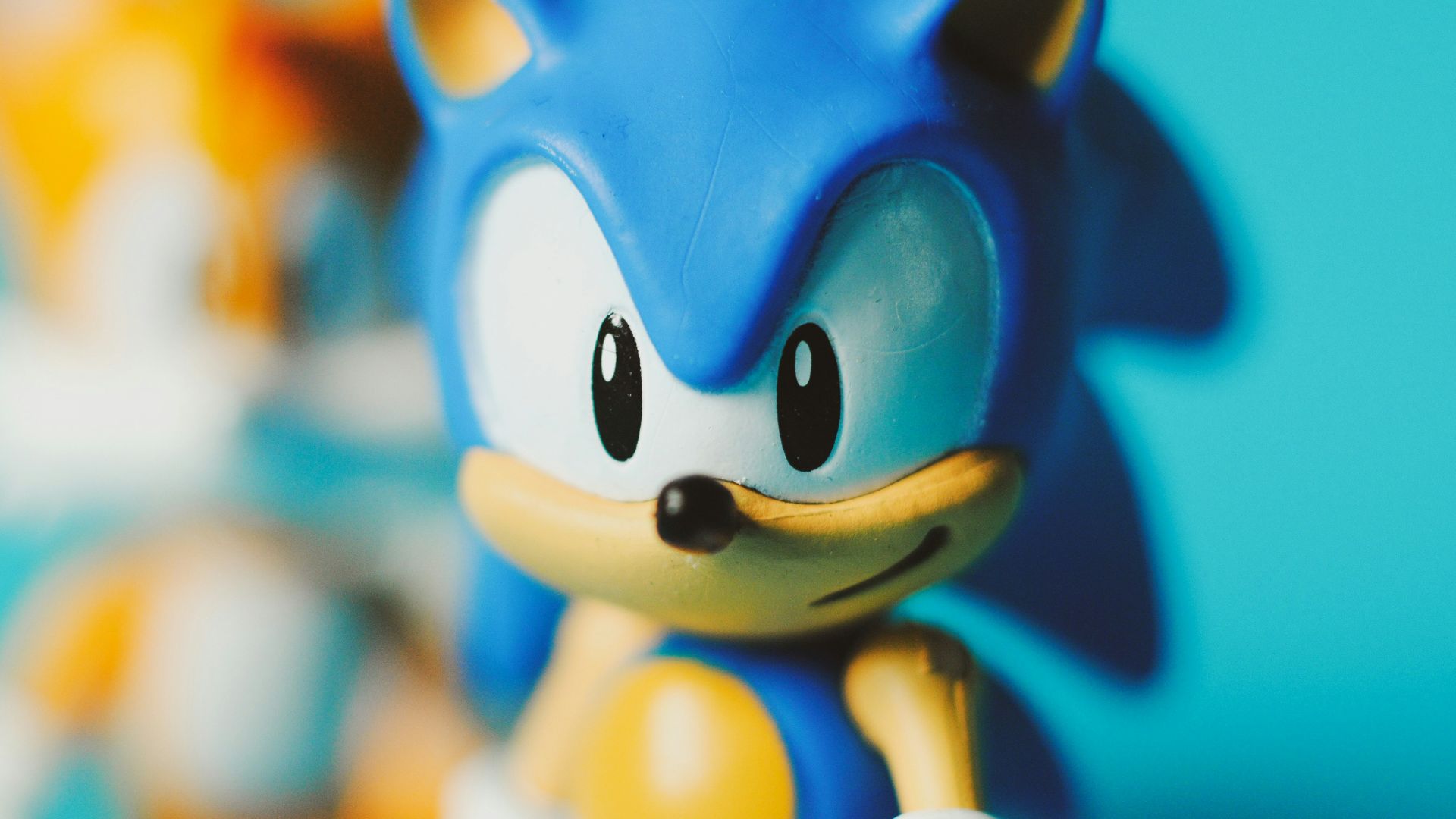
4. Sonic the Hedgehog (1991)
Sega needed a mascot with some serious attitude to compete with Mario, and this speedy blue blur was the perfect answer for the Genesis. The focus on momentum and physics-based platforming felt incredibly fresh and pushed the hardware to its absolute limits with "blast processing" speed. Watching those colorful loops fly by was definitive.
5. Mortal Kombat (1992)
Digitalized actors and a healthy dose of controversy made this fighter an instant household name that parents loved to hate. The inclusion of Fatalities added a layer of playground lore as everyone scrambled to figure out the button combinations. It pushed the boundaries of what was acceptable in games and eventually led to the creation of the ESRB rating system.

6. Doom (1993)
Thanks to Doom, first-person shooters became a genre that spread across the world like wildfire. It wasn’t just the mindless soldiering you had to worry about surviving; you also had to learn how to mod and frag your friends in networked multiplayer. No doubt you recall hearing the demonic roar of an Imp hiding behind you after you rounded a corner.

7. Myst (1993)
When other games were blowing things up, this enigma invited you to kick back, relax, and solve puzzles at your own leisure. Myst was the reason many parents finally bought a CD-ROM in the mid-90s to play for their kids. Nobody talked to you in Myst; you had to piece the story together with cryptic journals and environmental clues.

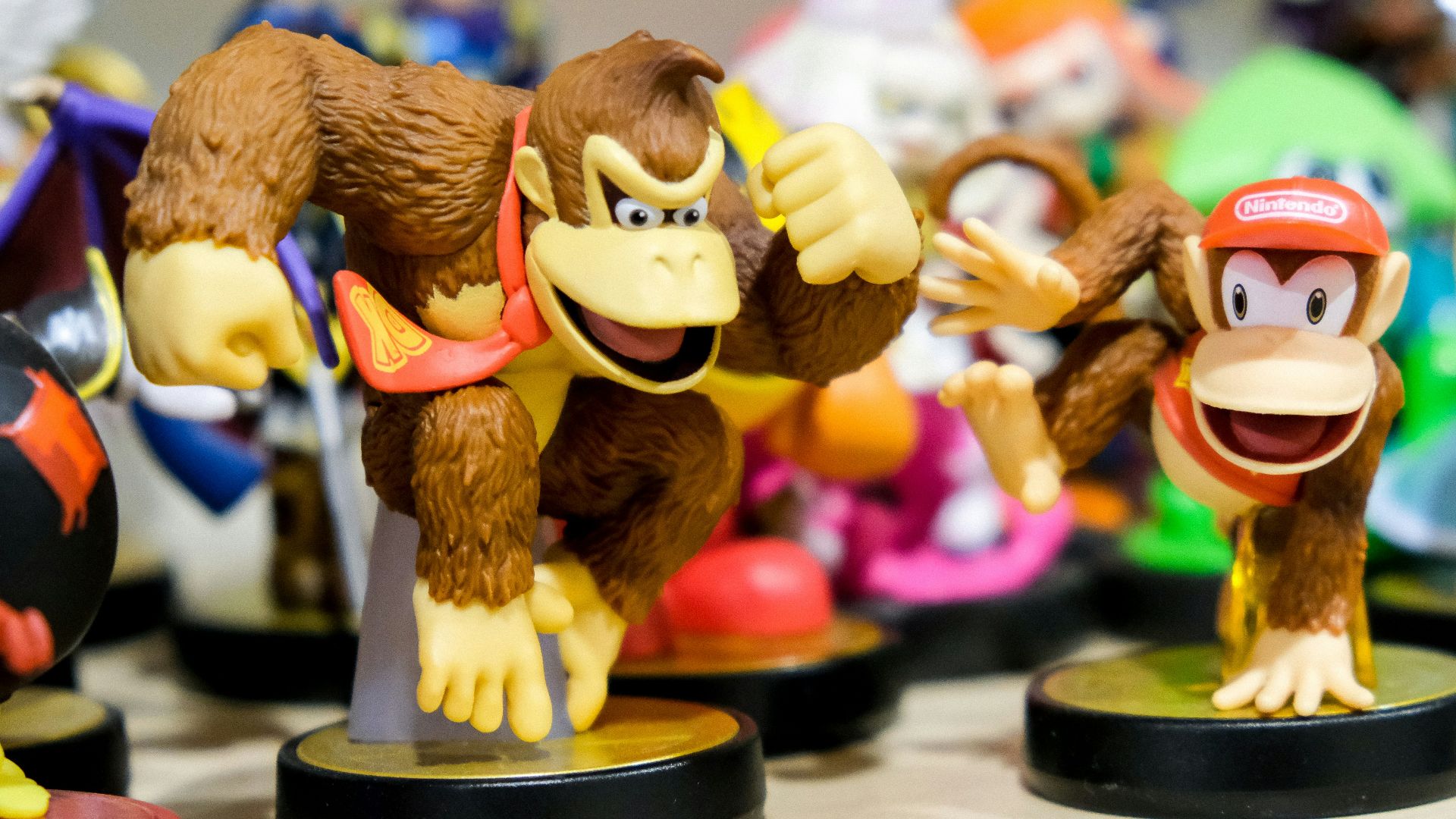
8. Donkey Kong Country (1994)
Advanced pre-rendered 3D graphics were utilized by Rare in a way that made SNES games look like they were from the future. The tropical tunes and rhythmic gameplay left you feeling like you were playing something incredibly premium. Donkey Kong Country revitalized an aging console system while the world was transitioning into 32-bits.
9. Chrono Trigger (1995)
Developed by the masters of Final Fantasy and Dragon Quest, Chrono Trigger allowed you to save the world… multiple times. Player choice affected the outcome of every decision you made and led to over a dozen different endings. Battling without random encounters was also a huge plus.

10. Super Mario 64 (1996)
Taking Mario into a 3D world was no small task, and Nintendo nailed his control scheme from the start. The iconic plumber’s every move was translated perfectly to the Nintendo 64 thanks to its analog stick. Playing Mario 64 for the first time taught you how cameras should behave in a 3D environment.
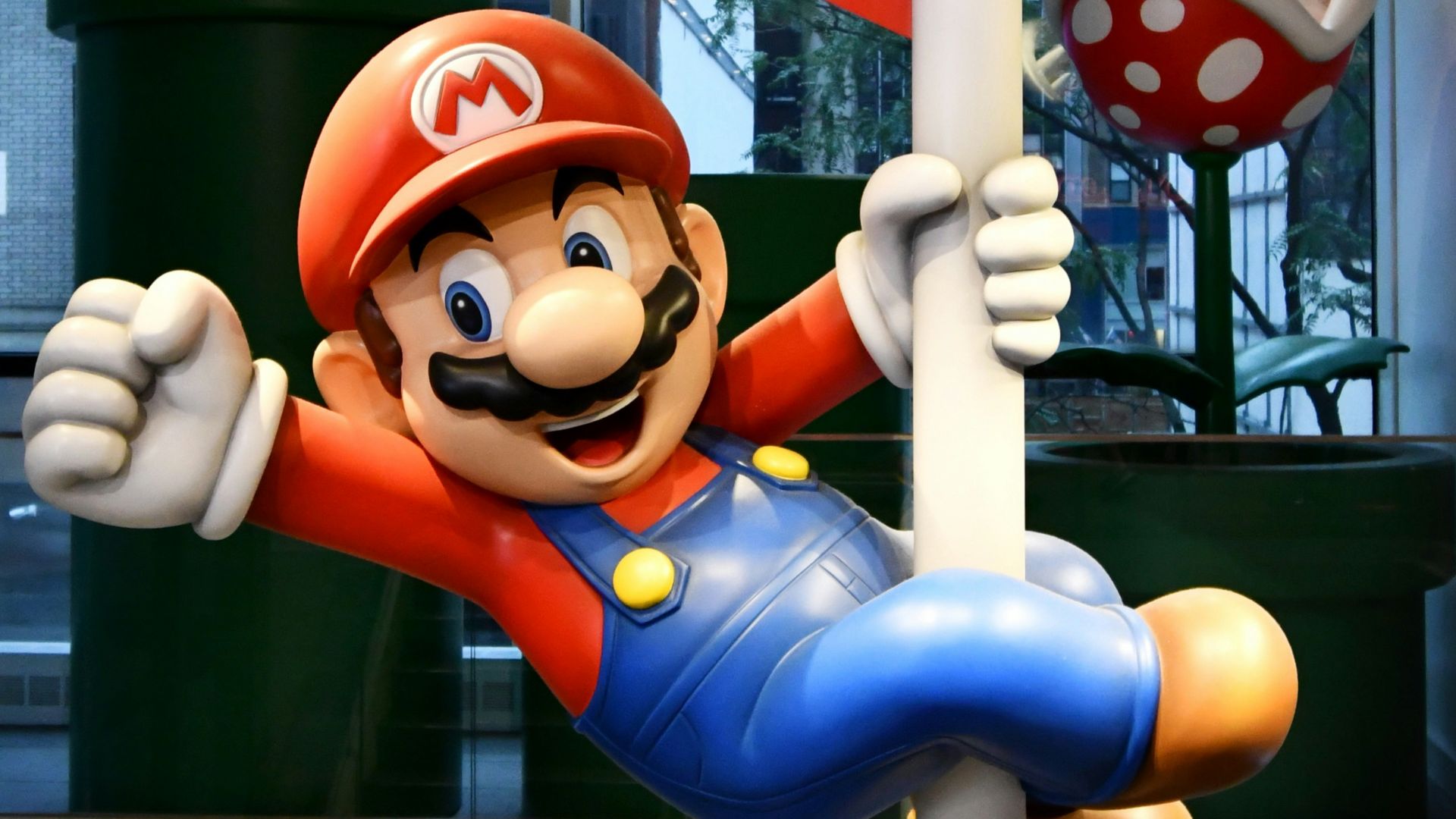
11. Pokémon Red and Blue (1996)
Everyone and their grandmother owned a Game Boy by the time Pokémon became a household name. Trading Pokémon turned sidewalks into urban trading centers as everyone tried to catch ’em all. The franchise’s mantra became a lifestyle that very well may have saved Nintendo.

12. Tomb Raider (1996)
Audiences fell in love with Lara Croft as she leaped around polygons solving puzzles and blasting enemies. Platforming took a backseat to navigation, and Tomb Raider helped you feel like an archaeologist rather than a soldier. This iconic series showed girls could save the day too.

13. Final Fantasy VII (1997)
When Cloud Strife stepped off that train in Midgar, the Japanese RPG finally broke into the Western mainstream with a massive cinematic bang. The shift to 3D backgrounds and breathtaking FMV sequences set a new bar for storytelling and production values on the original PlayStation. You probably still haven't fully recovered from the emotional gut-punch that happened at the end of the first disc.

14. GoldenEye 007 (1997)
It’s no secret that movie license games are often horrendous. GoldenEye proved you could have fun on the big screen if you played offline with three of your friends. Betting on who found the data pads first became a weekly pastime.

15. StarCraft (1998)
Resource management and base-building were taken to the next level with Blizzard’s science-fiction epic. Three unique factions forced you to adapt your play style from match to match. While SimCity and Age of Empires were a blast, competition was made real thanks to ladder rankings.

16. Metal Gear Solid (1998)
Stealth gaming was given a serious makeover by Japanese veteran Hideo Kojima. Sneaking past enemies felt less violent and more intelligent than your typical shooter. Conspiring your way around Shadow Moses made you feel like the protagonist of your own spy movie.
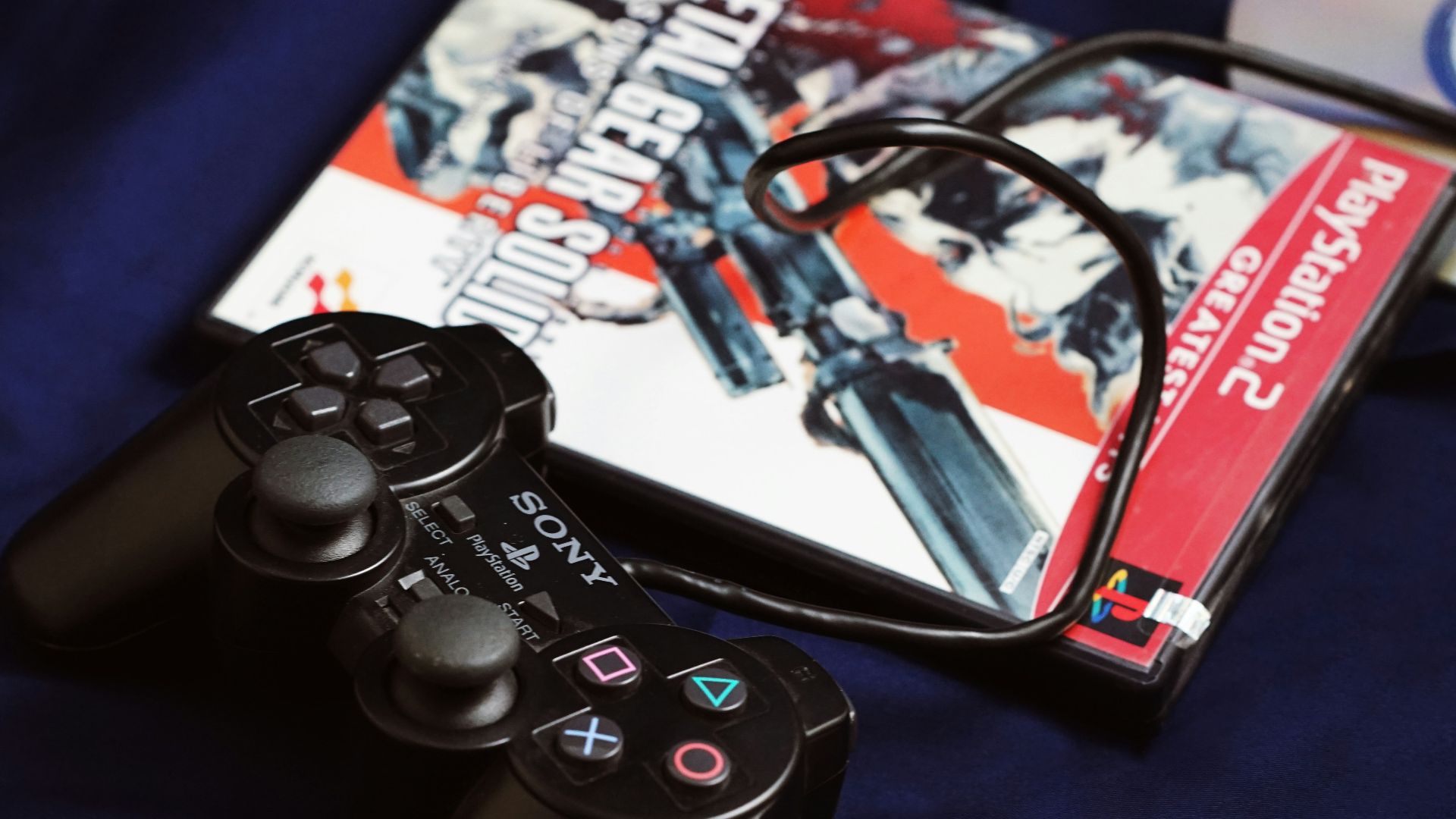
17. The Legend of Zelda: Ocarina of Time (1998)
You can argue Zelda has many “OG” games, but few will touch Ocarina of Time. Nintendo proved you could make a great game while transitioning sprites into 3D polygons. Everything from movement to combat was tweaked to perfection, including the targeting system.
18. Half-Life (1998)
Gordon Freeman’s silent journey through the Black Mesa facility showed the world that you could tell a gripping story without ever taking control away from the player. Instead of cutscenes, the narrative unfolded around you in real time, making the alien invasion feel much more personal and terrifying.

19. Silent Hill (1999)
While Resident Evil brought the jump scares, this PlayStation title focused on psychological horror and a thick, oppressive fog that messed with your mind. The grainy visuals and disturbing creature designs created an atmosphere of dread that was much deeper than simple gore. It proved that games could explore mature and dark themes.
20. Tony Hawk’s Pro Skater (1999)
You didn’t have to be a hardcore skater to understand the appeal of grinding rails and picking up magic cards. THPS mastered what it meant to capture the essence of a counterculture sport in video game form. Deciphering each stage to find the best combos kept you engaged and fighting for high scores.