Table Habits Add Up
Dungeon Masters usually expect chaos, and if anything, that’s part of the fun! But some player habits can make even the calmest DM take a long exhale behind the screen. Okay, most of these things aren’t campaign-breaking, and plenty of them can be funny, but they can also turn a carefully prepared session into a juggling act. Let’s dive into the “small” annoyances that make your dungeon master regret ever inviting you.
 Danilo Duarte Fotografia on Pexels
1. Forgetting What Your Character Can Do
D&D is confusing—there’s no denying that. But once you’re level 10, not every combat needs a pause where someone reminds you of your abilities. A DM doesn’t expect you to memorize every rule, but knowing your main spells and attacks helps the game move smoothly.

2. Asking to Do Something After Your Turn Ends
Nothing tests a DM’s patience like a player tacking on additional moves right after the next monster has already moved in. It’s especially painful when the request changes the entire round, like casting Shield, using Bardic Inspiration, or moving away from an ogre. Rewinding combat only makes the table lose its rhythm.
3. Treating Every NPC Like a Villain
The baker doesn’t want your firstborn. The stable hand isn’t out to get you. The tired town guard isn’t part of a conspiracy. Sometimes the woman selling apples really is just selling apples, and she doesn’t have a secret cult symbol under her apron.

4. Splitting the Party for No Reason
Hey, splitting up makes sense sometimes, especially during investigations! But that’s only sometimes. What quietly hurts the DM is when one player says, “I go alone into the haunted basement,” while everyone else heads to the tavern. Now the DM has to run three separate scenes, keep everyone engaged, and pretend this isn’t super annoying.
5. Ignoring the Obvious Plot Hook
A mysterious letter arrives! The missing children were last seen near the old ruins! Now that you have the knowledge, why are we all pretending that the real adventure is opening a restaurant? Creative choices are welcome, but completely dodging the hook can leave the DM building a new session in real time.

6. Making a Joke Character
A silly character can be wonderful—but only when the player respects the table. No one wants to be in a party with “Sir Beefington the Third,” especially when he leads them into unnecessary battles or just shouts nonsense.

7. Rolling Dice Before the DM Calls for It
Some players grab the die the second they describe an action, then announce a result before the DM has even decided what’s going on. Patience is a virtue, and it’s important in D&D. Otherwise, it can also create awkward moments when the player expects success from a roll that never officially happened.

8. Checking Out When It Isn’t Your Turn
Like it or not, D&D requires your full attention! Not every scene will spotlight your character, and that doesn’t warrant disappearing into your phone. Staying present helps you jump back in naturally when your character does matter again, too.

9. Turning Every Plan Into a Meeting
Planning is part of the game, and there’s nothing wrong with a little table talk, but spending an hour debating can exhaust everyone. At some point, the DM is silently begging someone to touch the doorknob. (Or, they’ll just start a timer.)

10. Hoarding Magic Items
The party finds a potion of fire resistance, a scroll of Fly, and a bead of force. Good haul, right? Yeah, if you actually use that stuff! DMs place those rewards because they want players to enjoy them, not preserve them for “just in case” scenarios that never come.
11. Challenging Everything
Rules questions are normal, and good DMs appreciate players who know the game. The problem starts when every call becomes a debate, especially during combat when six people are waiting to act. DMs and other players hate the guy who questions the logistics of every little thing.

12. A Backstory That Needs a Separate Campaign
A tragic past is always welcome, but a twelve-page backstory is a lot to absorb. The DM wants to include your character’s history, and good ones will always find a way to work it in, yet they also have four other players and an actual campaign to run. A focused backstory gives them material without forcing a private spin-off.

13. Refusing to Bite on Consequences
If your rogue insults the queen in public, the palace guards aren’t going to just laugh it. Actions have consequences in D&D, and having to deal with them doesn’t mean the DM is punishing you. When players expect total freedom without any fallout, the DM has to choose between realism and peace.
14. Shopping Too Much
Buying gear becomes a nightmare when the group spends an hour haggling over rope. In reality, try to approach D&D shopping the way an average man would in real life: get in and get out! While you’re dilly-dallying, the DM may have prepared a cursed crypt, and now they’re stuck improvising a shopkeeper named Denna.

15. Talking Over Descriptions
A DM spends a ton of time setting the mood, so don’t interrupt with a snack request or a side joke. Nobody needs total silence at all times, but important descriptions contain clues and useful details. When players miss that stuff, the DM gets the strange pleasure of hearing, “How were we supposed to know that?”
16. Assuming Every Monster Wants to Fight
We hate to break it to you, but you do know that enemies can surrender, right? They can also flee, bargain, or panic. So, if players immediately execute every bandit, they’ll likely miss information, allies, or a more interesting scene.
 Moroboshi assumed (based on copyright claims). on Wikimedia
17. Bringing Real-World Logic to the Table
It’s always funny when players accept healing magic and a talking skull, then suddenly argue about medieval plumbing. It’s not wrong to ask practical questions, but selective realism is a real speed bump when it only blocks the DM.
18. Not Reading the Room
If another player is having an emotional scene, especially if it pertains to their personal story, that isn’t the moment to intervene. D&D is about reading the room and respecting others! The DM is trying to balance tone for the whole table, and constant undercutting makes that harder.

19. Expecting the DM to Remember Your Inventory
The DM already tracks too much stuff: NPCs, monsters, maps, clues, conditions, voices, initiative, and whatever strange choice you made last week. So, it’s unfair to expect them to know what’s in your pack, too. Keeping your own sheet updated is one of the simplest ways to make your DM’s life easier.
20. Saying “I Don’t Know” After Ignoring Clues
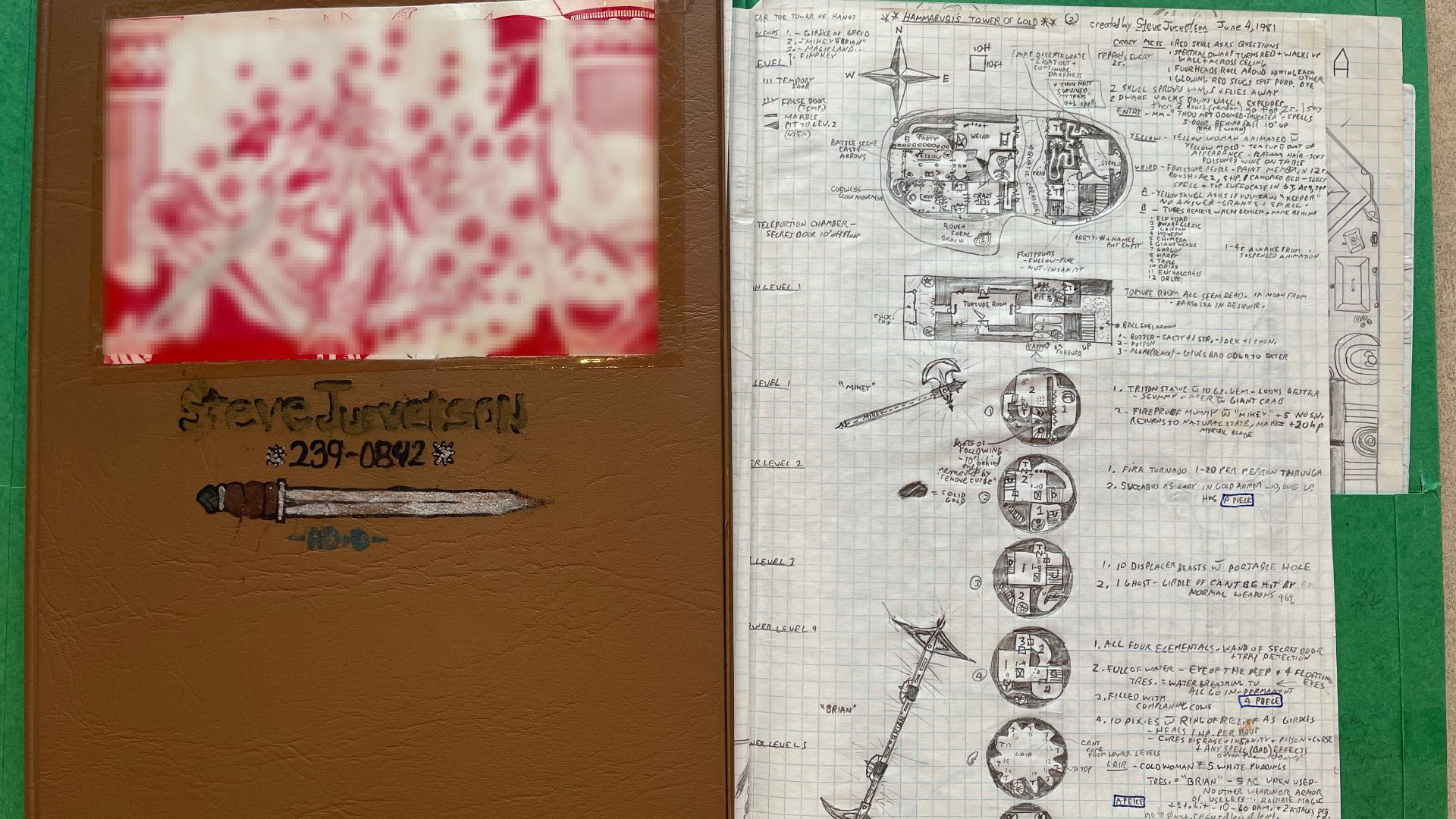
DMs put a ton, and we mean a ton, of time into working out maps and plotlines. So, if you’re disinterested or tune out, you’re really only ignoring their hard work. You don’t have to solve everything instantly, but writing down obvious clues can save everyone a lot of confusion (and it’s way more fun when you circle back on things later).