Some Games Never Really Leave the Group Chat
Some games become massive, obvious classics that everyone knows, while others settle into a stranger kind of immortality. They may not dominate store shelves anymore, but real nerds still bring them up with suspiciously bright eyes, usually right before explaining a mechanic, mod scene, lore twist, or design choice in extreme detail. These are the games that survived through forum posts, speedruns, old LAN memories, cult fandoms, and people who refuse to let a masterpiece stay quietly buried. Here are 20 games that only real nerds still talk about.
 Chris Williamson (chriswsn) on Wikimedia
1. Deus Ex
Deus Ex is still discussed because it made player choice feel unusually deep for its time. You could sneak, hack, talk, fight, or improvise your way through problems in ways that still impress game design nerds. Its conspiracy-heavy story also aged into a weirdly perfect artifact of internet paranoia.

2. Planescape: Torment
Planescape: Torment is the kind of RPG people mention when they want to sound both cultured and emotionally damaged. It focused more on writing, identity, philosophy, and consequences than on traditional heroic fantasy. The famous question “What can change the nature of a man?” still gets quoted by fans who enjoy their games with a side of existential crisis.
3. System Shock 2
System Shock 2 helped shape the immersive sim and survival horror conversation long before many players knew those labels. Its mix of creepy atmosphere, RPG systems, hacking, resource management, and hostile AI made it feel ahead of its time. Nerds still talk about it because modern games keep borrowing its homework.

4. EarthBound
EarthBound looks cute, strange, and colorful, then quietly becomes one of the most emotionally odd RPGs ever made. Its suburban setting, surreal humor, and heartfelt moments made it stand apart from more traditional fantasy adventures. Fans love that it can be silly one minute and deeply unsettling the next.

5. Chrono Trigger
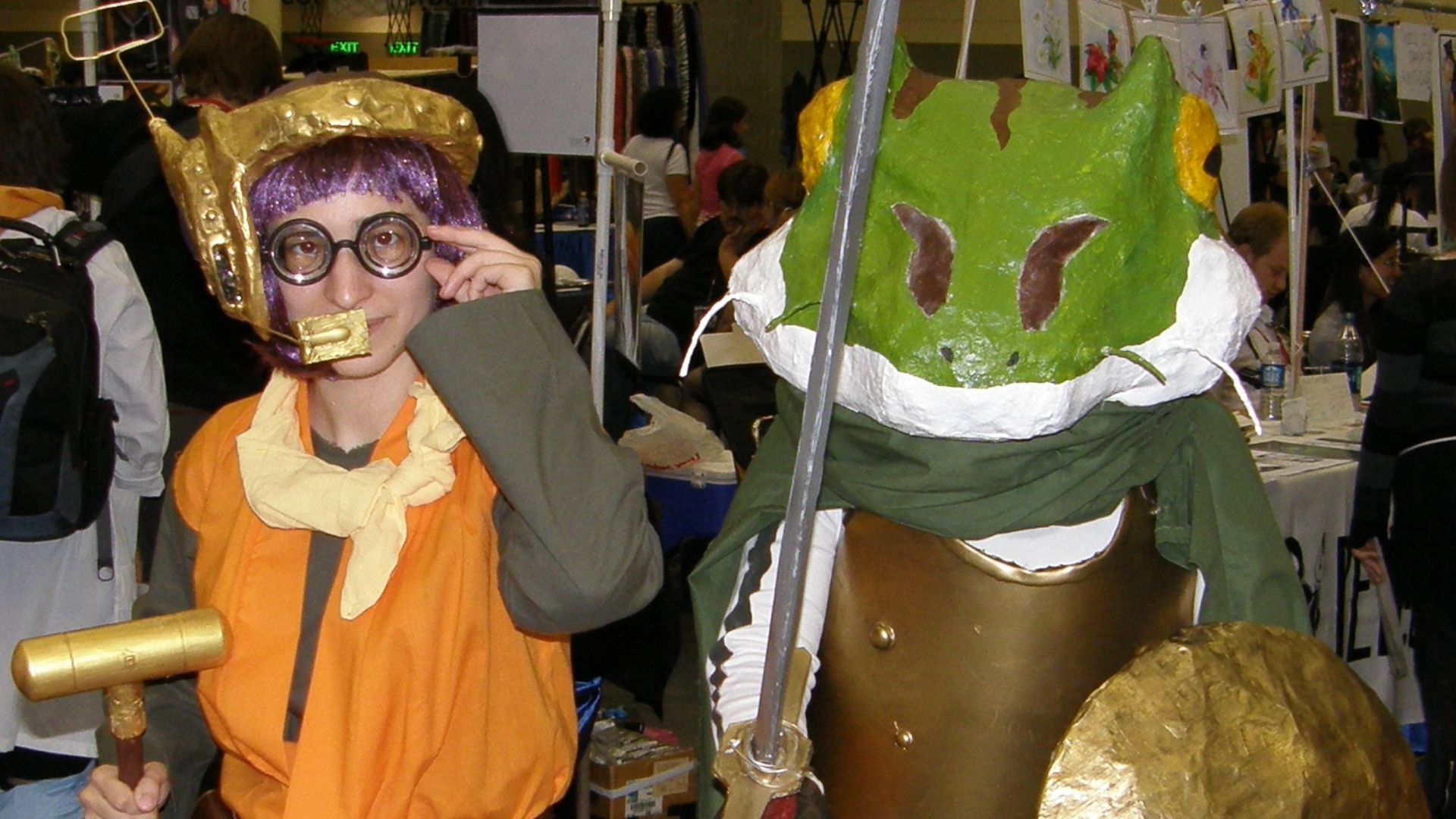
Chrono Trigger is one of those games that RPG fans discuss with near-religious calm. Its time-travel story, multiple endings, memorable characters, and tight combat made it feel polished in a way that still holds up. Even people who love newer RPGs often point back to it as a model of pacing and charm.

6. Vampire: The Masquerade – Bloodlines
Bloodlines is famous for being broken, brilliant, and impossible for its fans to abandon. Its writing, atmosphere, clans, dialogue, and Los Angeles nightlife weirdness gave it a cult status that patches and mods helped preserve. Players still debate which clan is best, which quests are genius, and how a game this messy can feel this alive.
7. Morrowind
Morrowind remains a sacred text for players who like their fantasy worlds strange, dense, and slightly hostile to convenience. It didn’t hold your hand the way many modern open-world games do, which is exactly why fans still praise it. The alien landscapes, weird politics, and deep lore made Vvardenfell feel like a place rather than a checklist.
 Daggerfall Workshop on Wikimedia
8. Thief: The Dark Project
Thief: The Dark Project is still loved because it understood stealth as more than crouching behind a box. Sound, shadows, level design, and tension all mattered in a way that made every mission feel alive. Garrett became a cult-favorite protagonist because he was dry, cynical, and deeply uninterested in becoming a noble hero.

9. Alpha Centauri
Sid Meier’s Alpha Centauri is the strategy game nerds bring up when they want politics, philosophy, ecology, and science fiction with their empire-building. It took the civilization-building formula and gave it a darker, more thoughtful personality. The factions weren't just color-coded teams; they had ideologies, tensions, and unsettling ideas about humanity’s future.
 ESO/L. Calçada/N. Risinger on Wikimedia
10. Myst
Myst was once everywhere, but now it lives mostly in the hearts of puzzle nerds. It used atmosphere, exploration, and environmental puzzles instead of action, which made it feel unlike almost anything else at the time. The slow pace is either meditative or maddening, depending on your tolerance for clicking mysterious machinery.

11. Grim Fandango
Grim Fandango has the kind of style that makes people forgive a lot of puzzle-game nonsense. Its film noir underworld, skeletal characters, sharp writing, and Mexican folklore influences gave it a flavor all its own. Manny Calavera remains one of adventure gaming’s great protagonists, mostly because he’s both charming and professionally trapped. Nerds still talk about it because few games have ever looked or sounded quite like it.

12. Star Control II
Star Control II is a cult classic built from exploration, diplomacy, space combat, and wonderfully strange alien writing. It gave players a galaxy full of species that felt funny, threatening, mysterious, and weirdly memorable. The game’s influence lingers because it made discovery feel exciting without needing modern cinematic tricks.

13. The Secret of Monkey Island
The Secret of Monkey Island is still quoted because its humor became part of gaming history. Guybrush Threepwood’s awkward heroism, insult sword fighting, and absurd pirate world made it one of the defining adventure games. It proved that games could be genuinely funny without losing their sense of adventure.
 Electroguv~commonswiki on Wikimedia
14. Ultima VII
Ultima VII is remembered for making its world feel shockingly interactive for its era. You could move objects, follow NPC schedules, bake bread, investigate mysteries, and get lost in systems that felt unusually alive. Its moral and social themes also gave the adventure more weight than simple monster-slaying. Fans still talk about it because open-world games have been chasing that kind of lived-in feeling for decades.
 Artur Shamsutdinov on Unsplash
15. X-COM: UFO Defense
X-COM: UFO Defense gave players strategy, terror, base management, research, and the joy of naming soldiers right before everything went horribly wrong. Its mix of global planning and tactical missions made each victory feel earned, and each loss feel personal. One bad turn could wipe out a squad you had grown strangely attached to.

16. Ico
Ico is the kind of quiet game people bring up when discussing atmosphere, minimalism, and emotional design. It didn’t need huge speeches or complex systems to make players care about protecting Yorda. The castle, the light, the silence, and the simple act of holding someone’s hand did a lot of storytelling.

17. Jet Set Radio
Jet Set Radio is remembered for its cel-shaded style, wild music, and rebellious energy. It looked and sounded like nothing else, which helped it survive long after its original release. Skating through Tokyo-to while tagging walls and dodging authorities felt stylish in a way games rarely managed.

18. Psychonauts
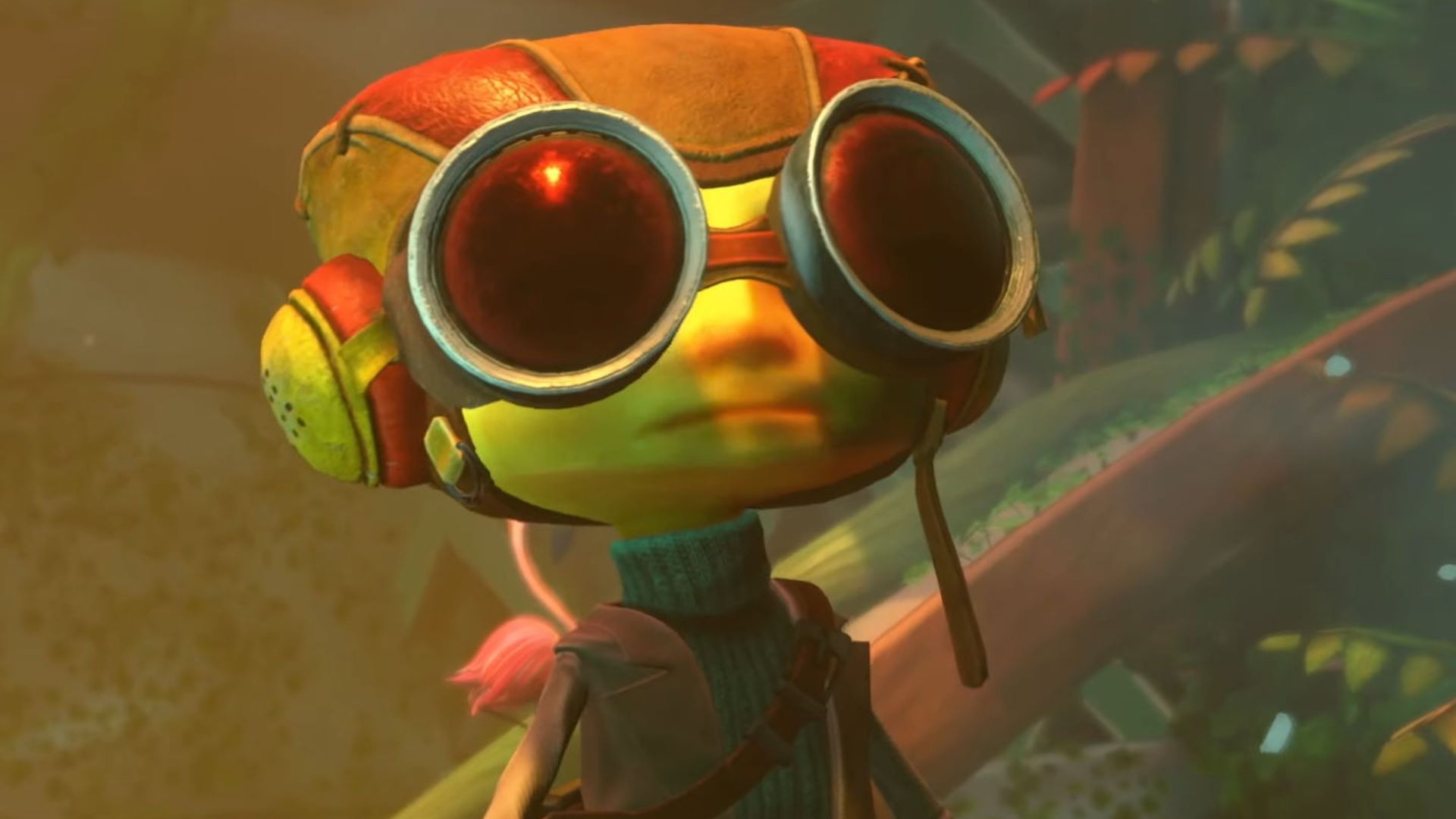
Psychonauts became a cult favorite because it was funny, weird, clever, and full of personality. Its levels took place inside characters’ minds, which gave the game endless room for visual and emotional creativity. It didn’t sell like a giant blockbuster at first, but its fans refused to let it disappear.
19. Dwarf Fortress
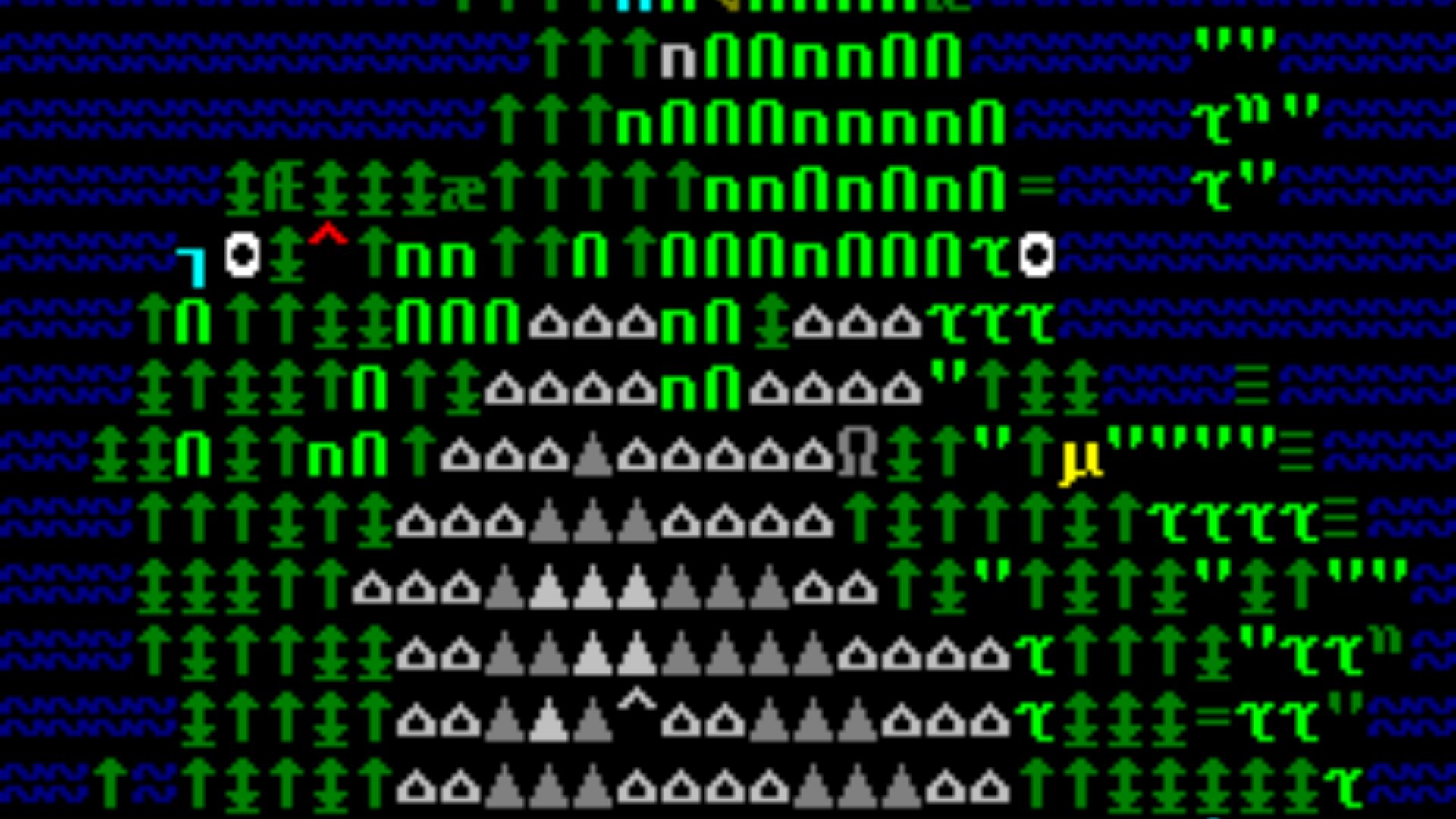
Dwarf Fortress is less a game and more a life choice with ASCII roots. It simulates absurd amounts of detail, from geology and moods to fortress disasters caused by questionable planning. Fans love telling stories about cats, lava, tantrums, forgotten beasts, and civilizations collapsing because someone made one bad decision.
 DF worldmap generator on Wikimedia
20. Katamari Damacy
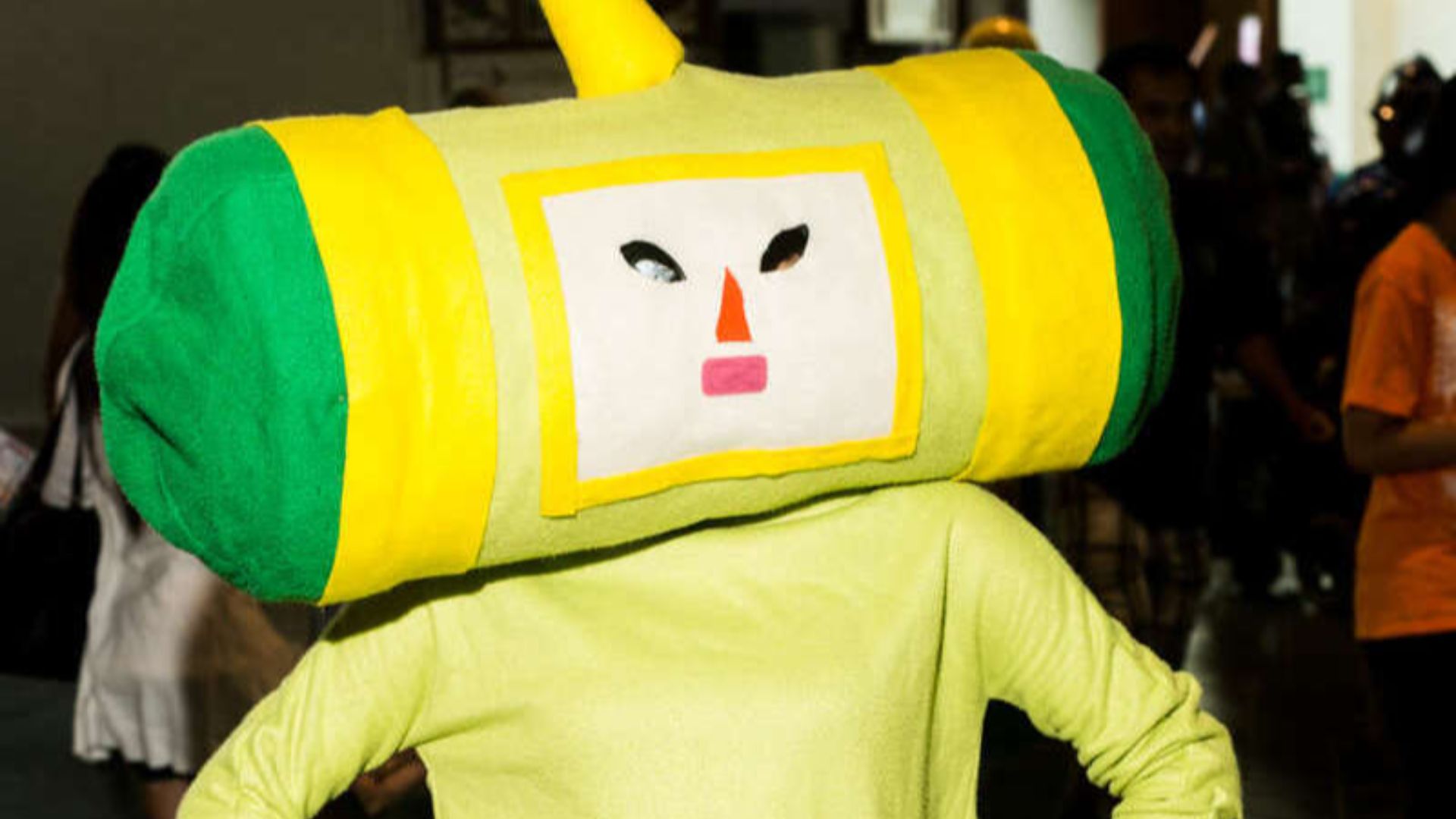
Katamari Damacy sounds like a joke until you realize it’s one of the most original games ever made. You roll a sticky ball around, collect objects, grow larger, and eventually gather entire landscapes while cheerful music plays. Serious fans still talk about it because true weirdness is harder to design than it looks.