Arcade Games That Wow
Walk into any arcade, and the first thing that grabs your eye isn’t always the screen—it’s the machine itself. Bright lights, bold artwork, and unique designs turned cabinets into more than just funny-looking cabinets. These arcade games invited you into their worlds with brilliant imagery and unique designs. Ahead, we’ll look at 20 machines that proved style and function could work together, making the experience unforgettable.

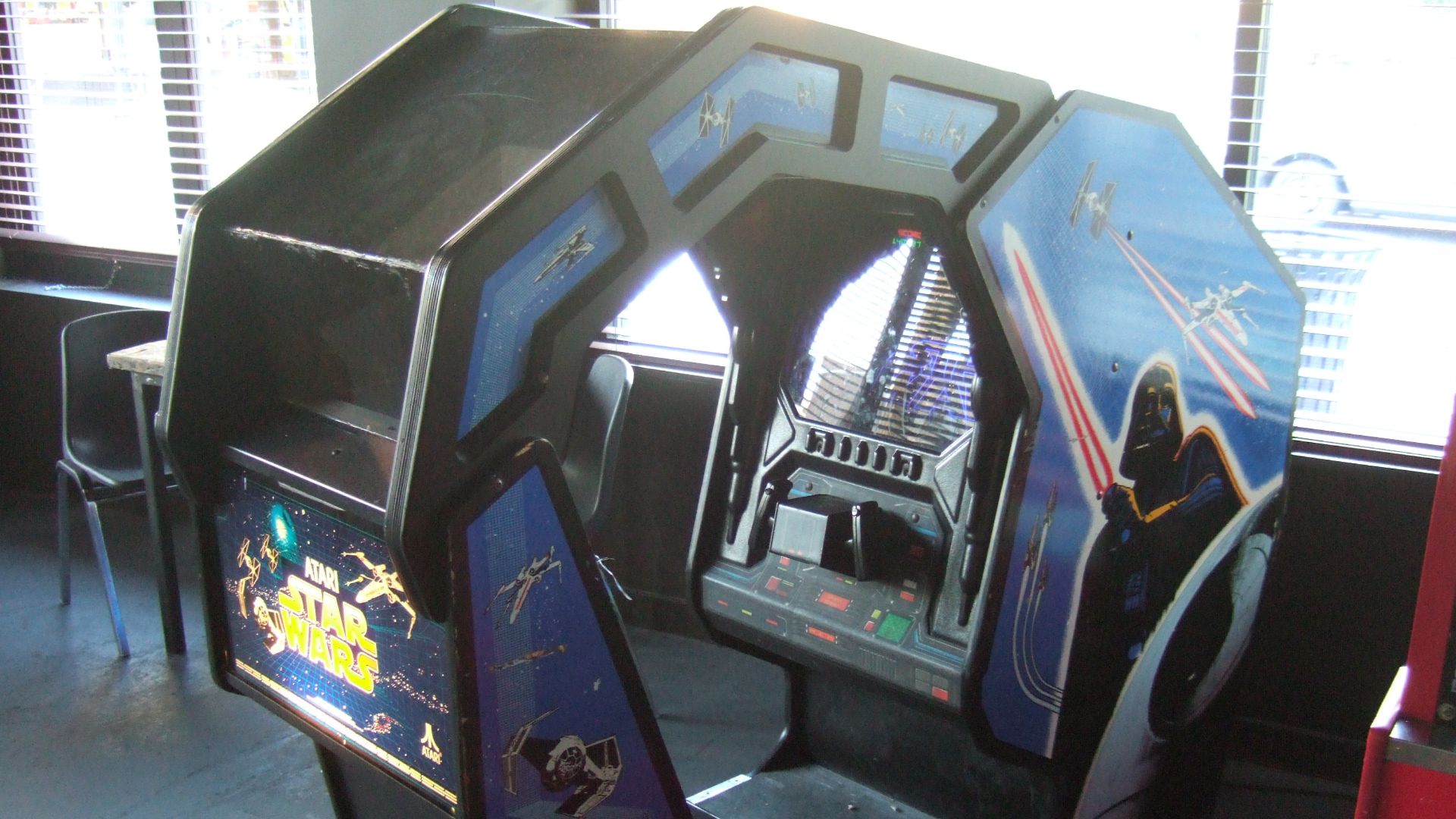
1. Star Wars (Atari, 1983)
Remember that epic Death Star trench run from Star Wars? Atari's 1983 arcade masterpiece brought that pulse-pounding moment to life through an innovative cockpit cabinet designed as an X-wing's interior, complete with authentic yoke controls and movie-accurate sounds.
 Rob DiCaterino from Clifton, NJ, USA on Wikimedia
2. After Burner (Sega, 1987)
After Burner cabinet's sophisticated hydraulic motion system enabled precise seat articulation across multiple axes, combining side-to-side tilt with forward and backward pitch capabilities. This engineering feat was integrated with a dedicated flight stick control scheme that revolutionized the arcade gaming experience.
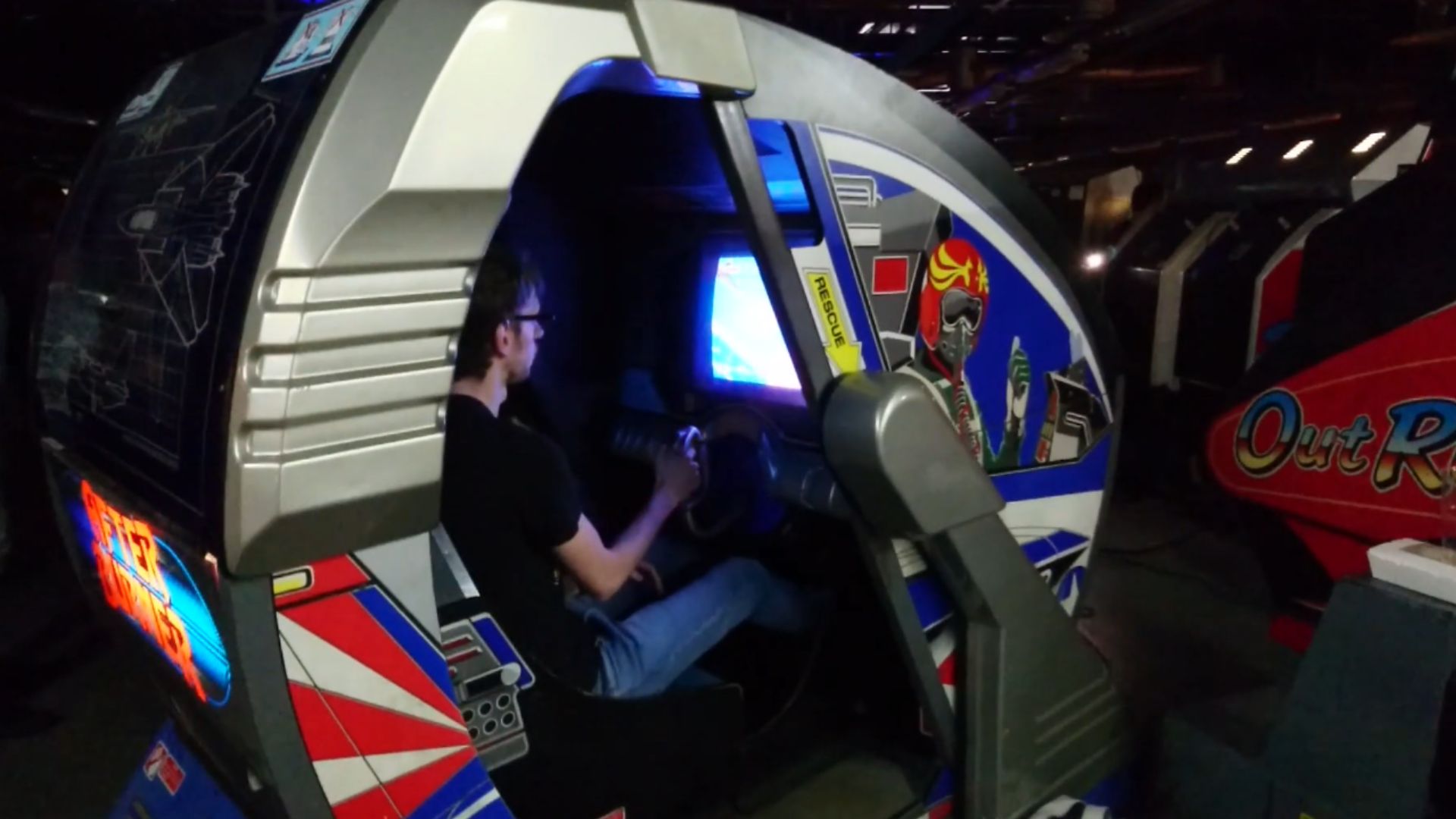 After Burner II Quick Look (Deluxe & Upright) - Fossil Arcade by Fossil Arcade
3. Discs Of Tron (Bally/Midway, 1983)
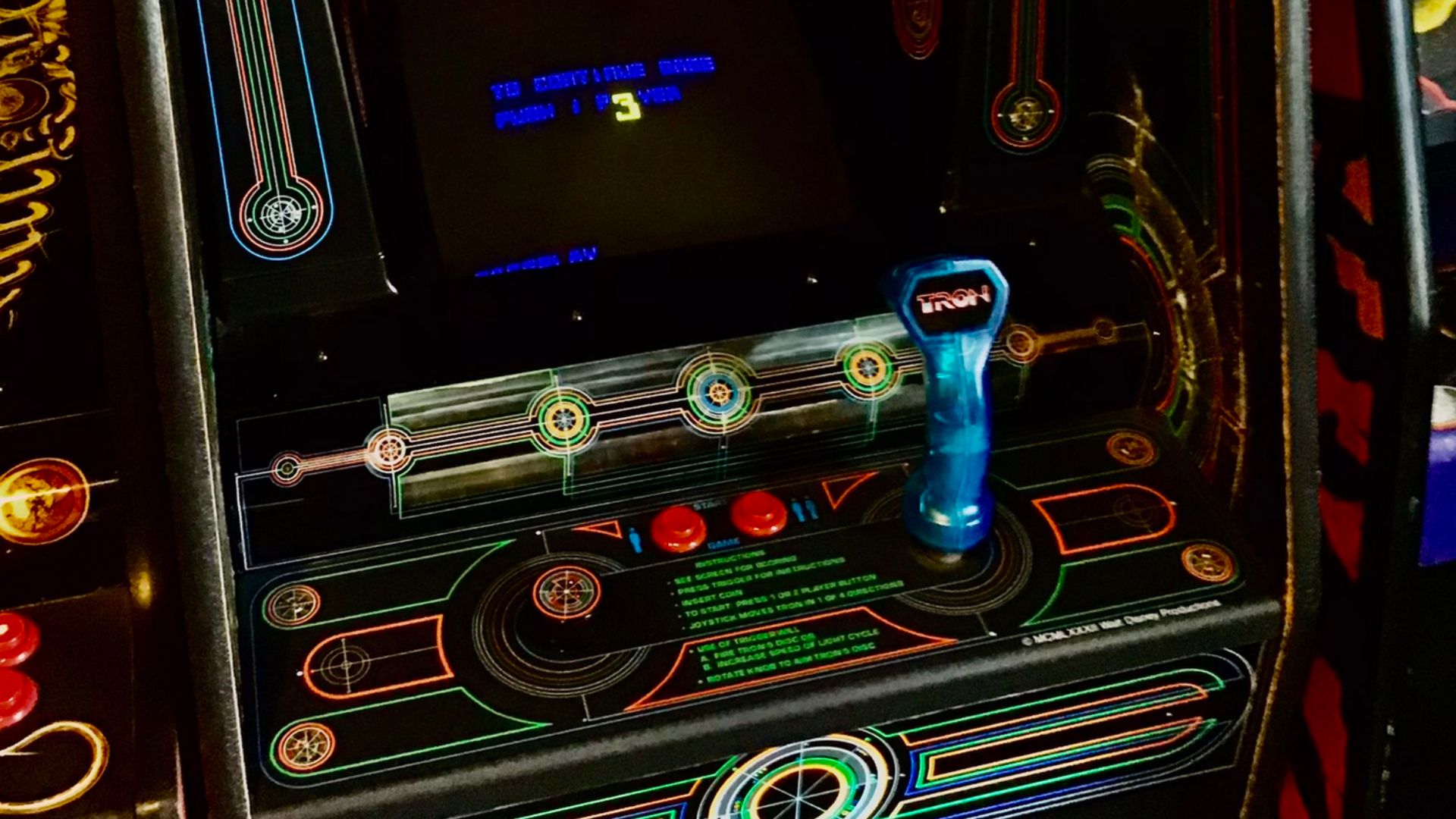
While most arcade cabinets of 1983 were content to be boring, Discs of Tron broke the mold spectacularly. Discs Of Tron packed a sophisticated control scheme combining joystick, trigger, and rotary spinner, then wrapped it in an enclosed environmental cabinet featuring trippy blacklight effects.
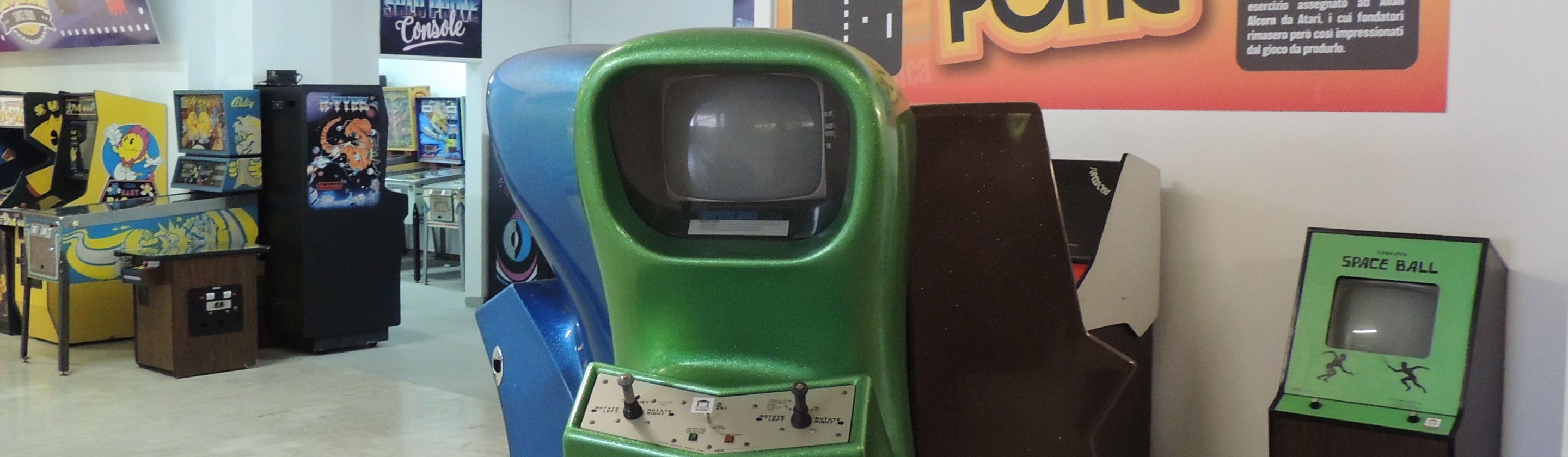
4. Computer Space (Nutting Associates, 1971)
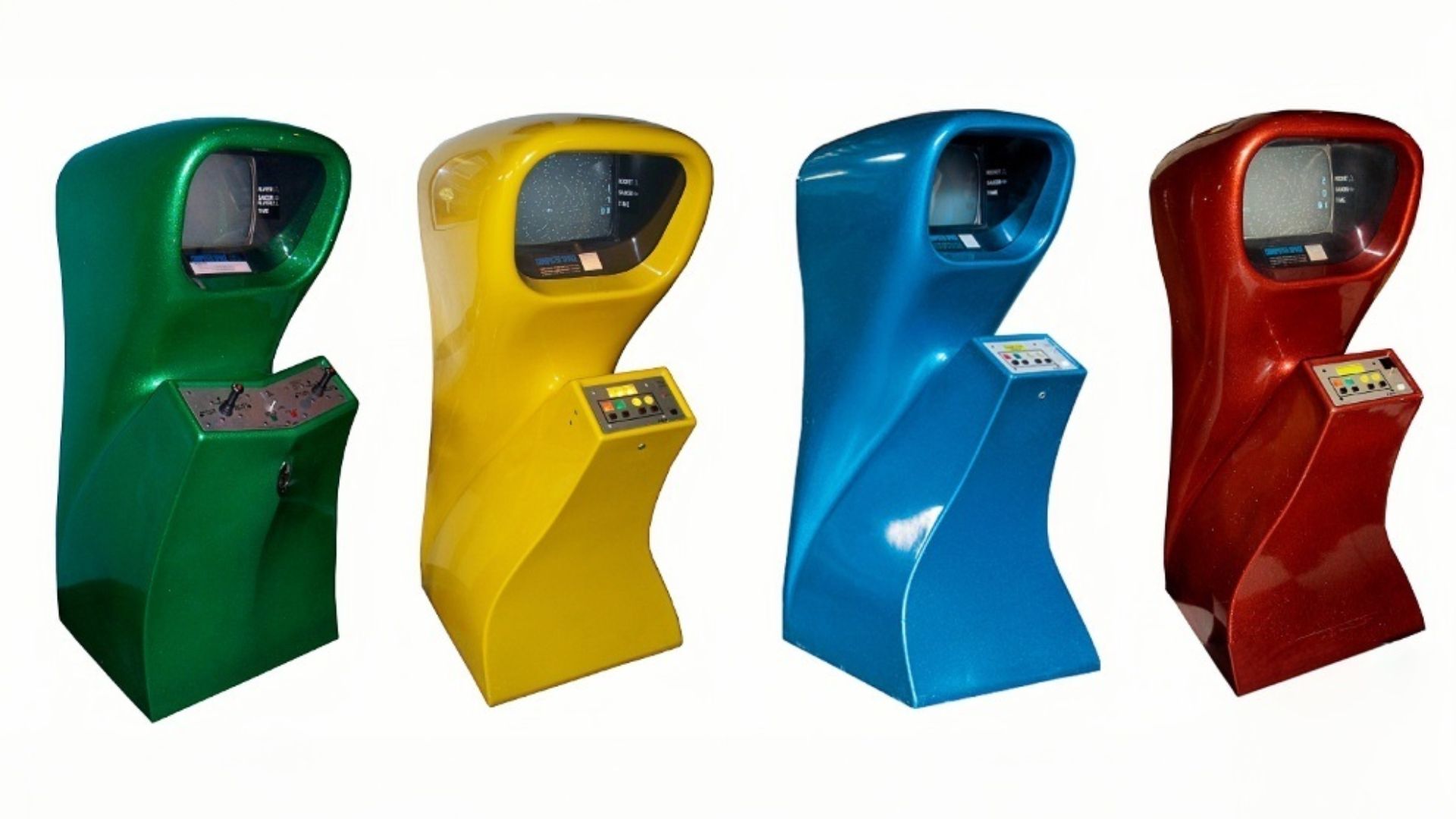
Now a treasured artifact in the Museum of Modern Art's collection, Computer Space's groundbreaking 1971 debut marked two historic firsts: it was the world's first commercial arcade video game. Its sleek fiberglass shell also stirred up cabinet design.
5. Battlezone (Atari, 1980)
Atari's Battlezone introduced three revolutionary components that transformed arcade immersion. The first is a specialized periscope viewer. Second, precise dual joysticks replicated authentic tank operation, and lastly, stark vector graphics rendered the combat environment.
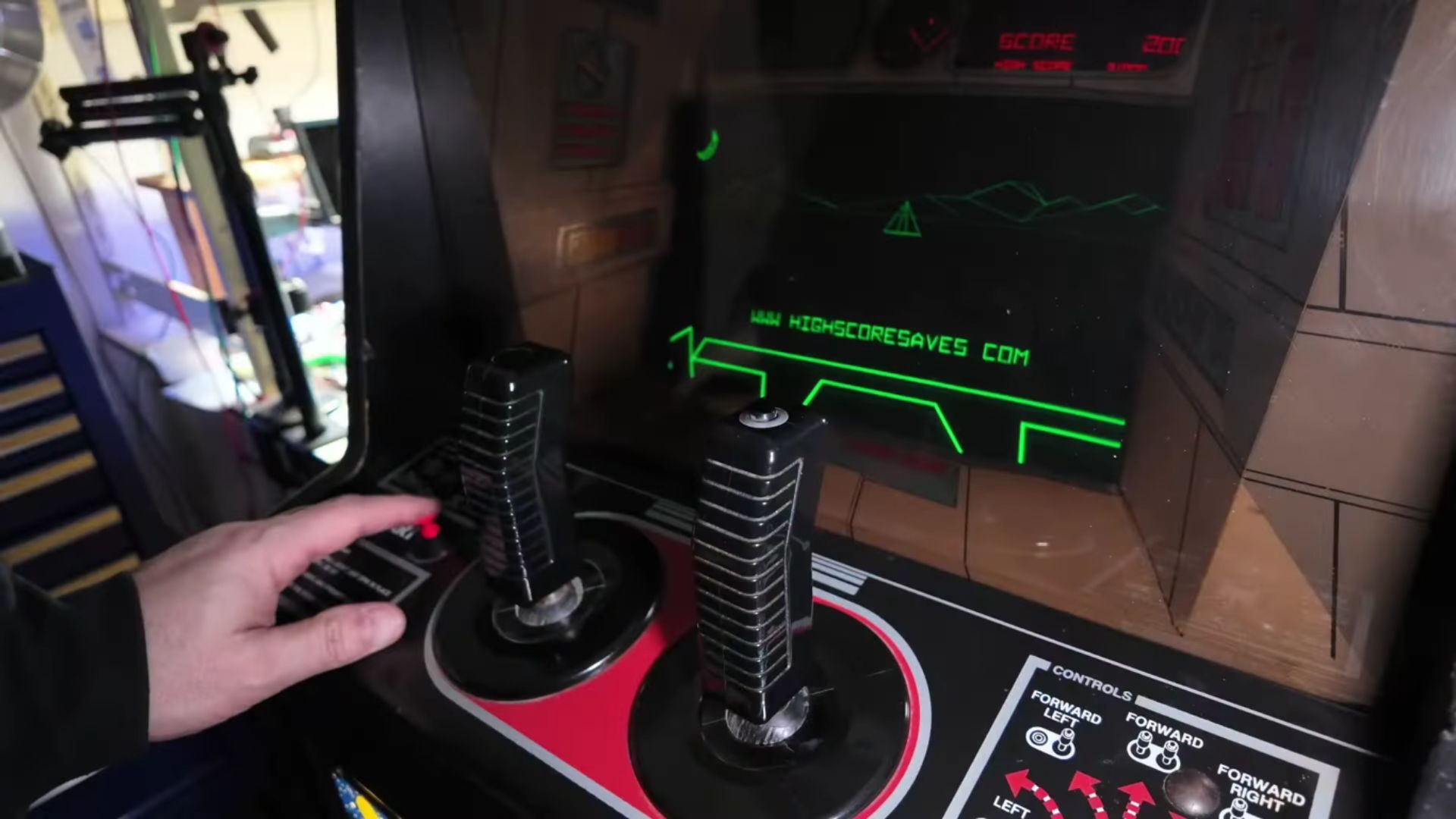 Repairing a 1980 Atari Battlezone Arcade Game Joystick Bezel. by ArcadeLabs
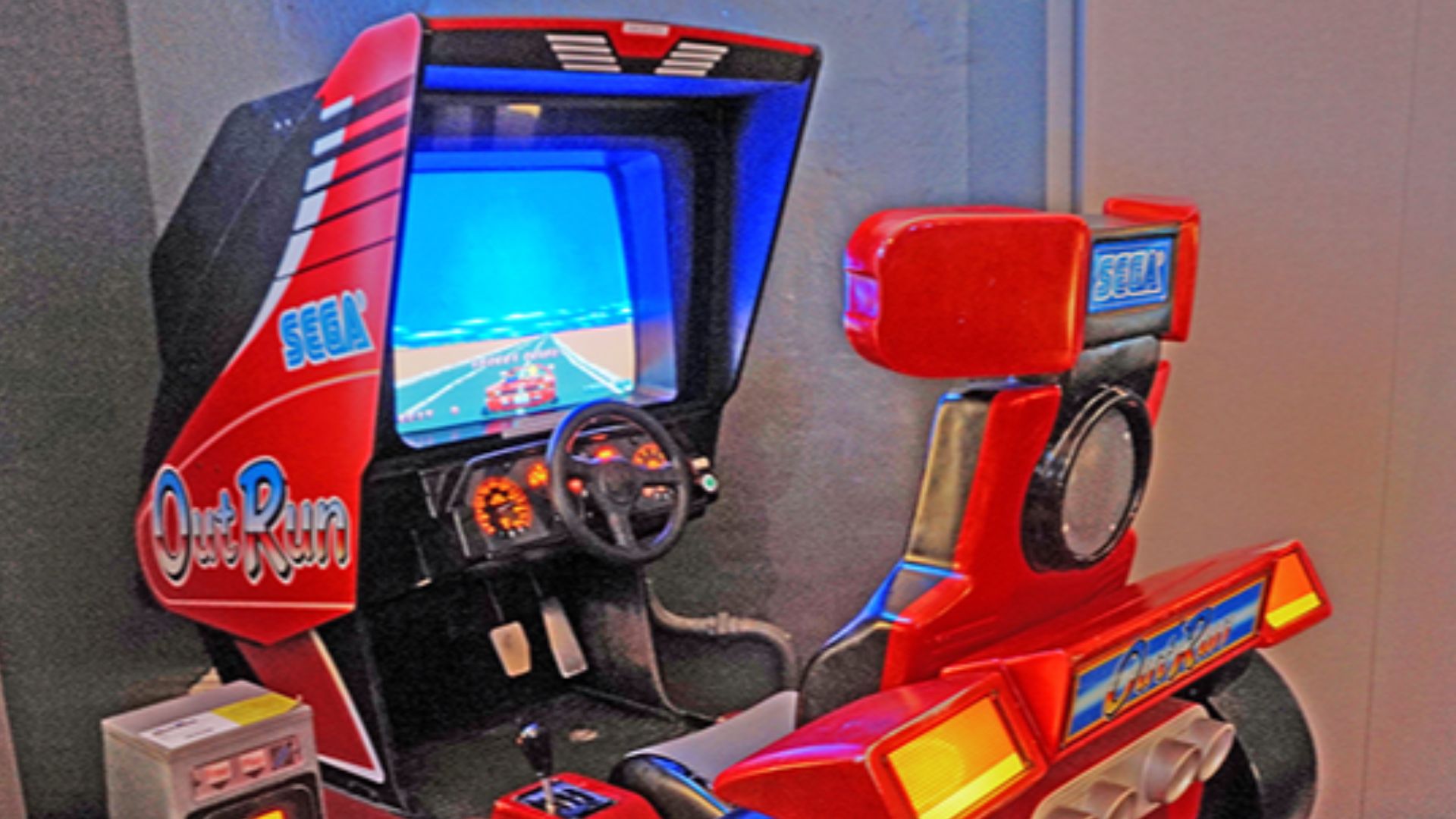
6. Outrun (Sega, 1986)
OutRun's deluxe cabinet orchestrated a symphony of sensations that defined arcade innovation. The red sports car styling caught the eye, while the authentic steering wheel, pedals, and gear shifter provided precise tactile control. Hydraulically equipped seating also moved in perfect sync with gameplay.
7. Space Harrier (Sega, 1985)
With its futuristic enclosure, Space Harrier's deluxe cabinet was already turning heads before players even sat down. But the real magic kicked in when Sega's pioneering “taikan” technology took over. Its hydraulic seat made every on-screen dodge into a physical thrill ride.
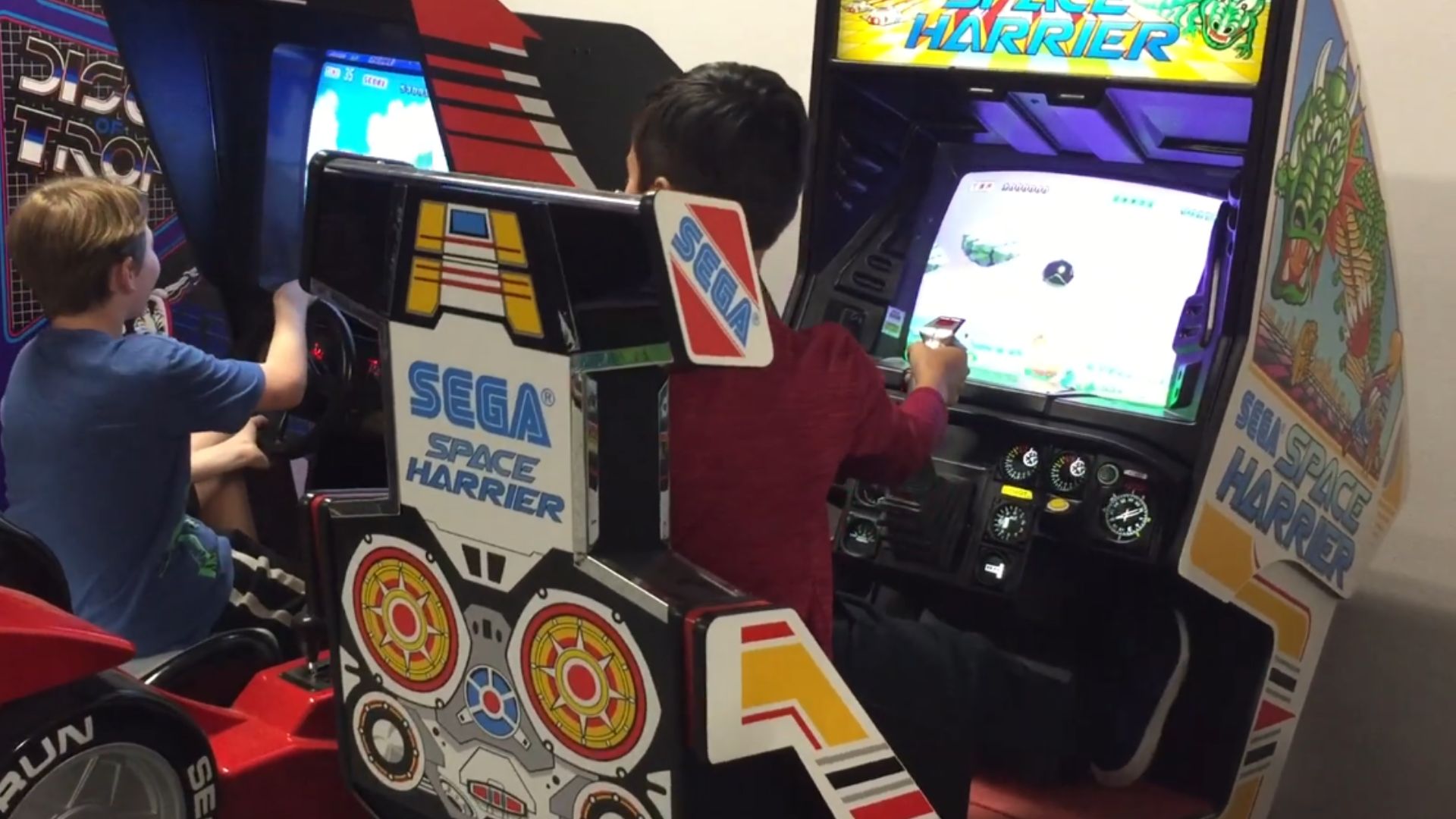 Sega Space Harrier and Outrun deluxe moving arcade games in action! by The Lost Arcade
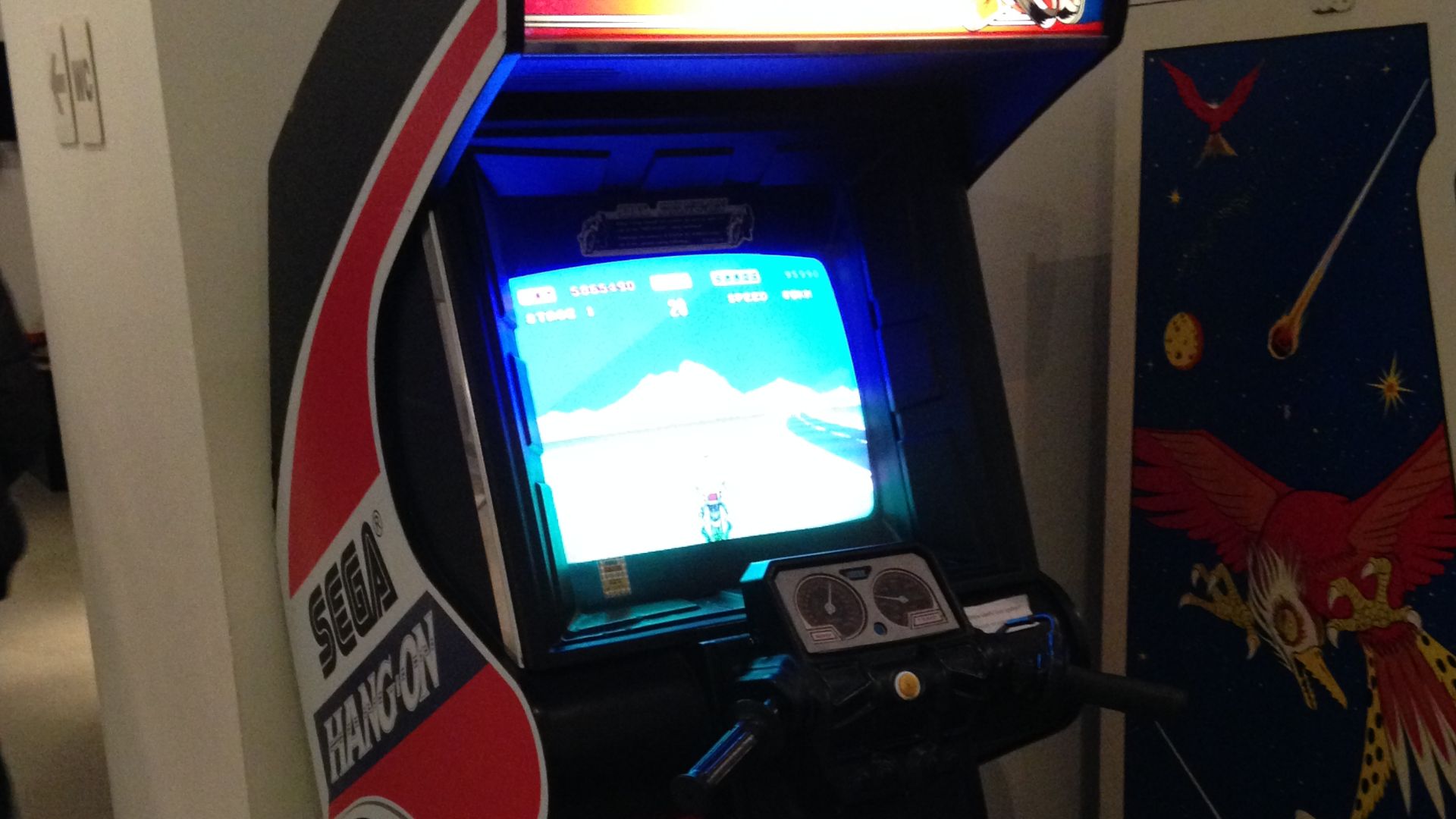
8. Hang-On (Sega, 1985)
When Yu Suzuki envisioned bringing authentic motorcycle racing to arcades, he bridged virtual and physical realms through Hang-On's revolutionary cabinet design. By integrating a full-size motorcycle that players physically mounted and leaned to steer, Sega's 1985 release made arcade racing real.
9. Darius (Taito, 1987)
Taito’s 1987 release Darius used an ambitious triple-screen cabinet that dominated arcades. The panoramic display, paired with aquatic-themed artwork, created a striking presence, while a custom stereo sound system ensured that the visuals were matched with an equally powerful audio experience.
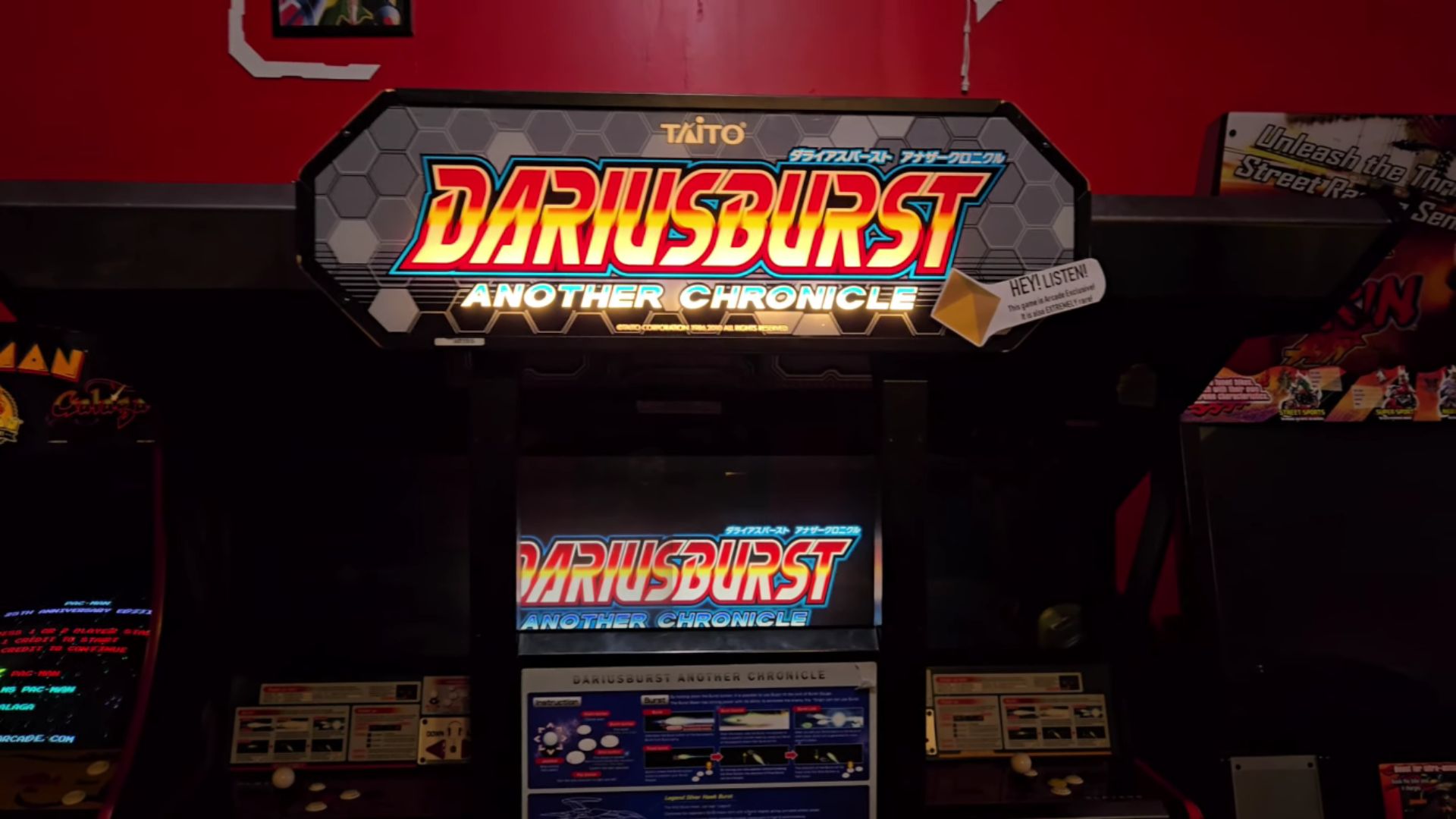 Rare Game Showcase: Dariusburst Another Chronicle [Taito] by Arcade Galactic
10. Daytona USA (Sega, 1994)
Daytona USA lets players race head-to-head through linked cabinets. With this one, solo racing into a multiplayer showdown. The deluxe setup's car seat, wheel, and pedals made shared racing authentic, and that infectious "Daytona, let's go away!" soundtrack turned every race into a spectacle.
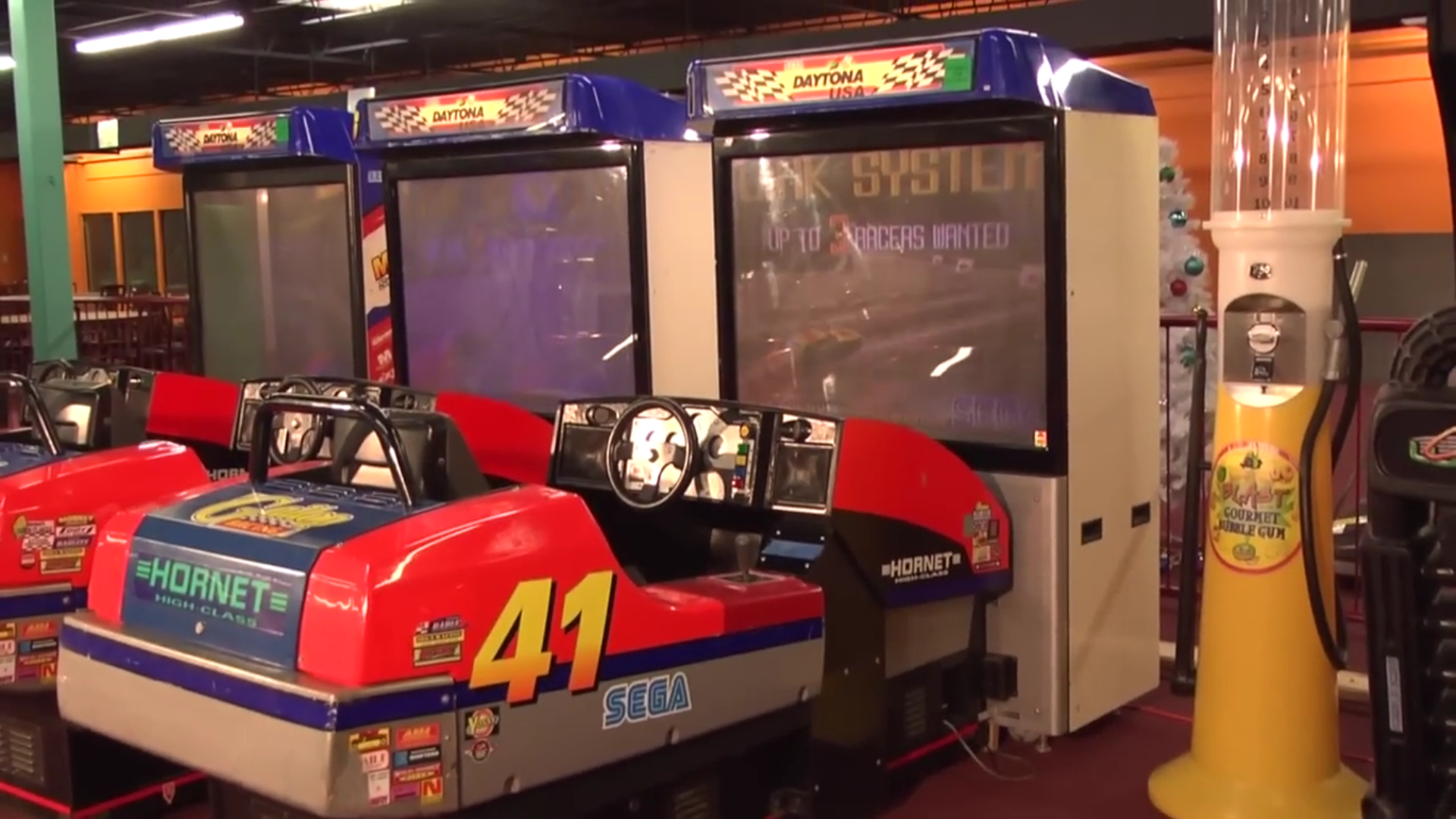 Daytona USA Deluxe - Video Arcade Simulator - PrimeTime Amusements by PrimeTime Amusements
11. Sega R-360 (Sega, 1990)
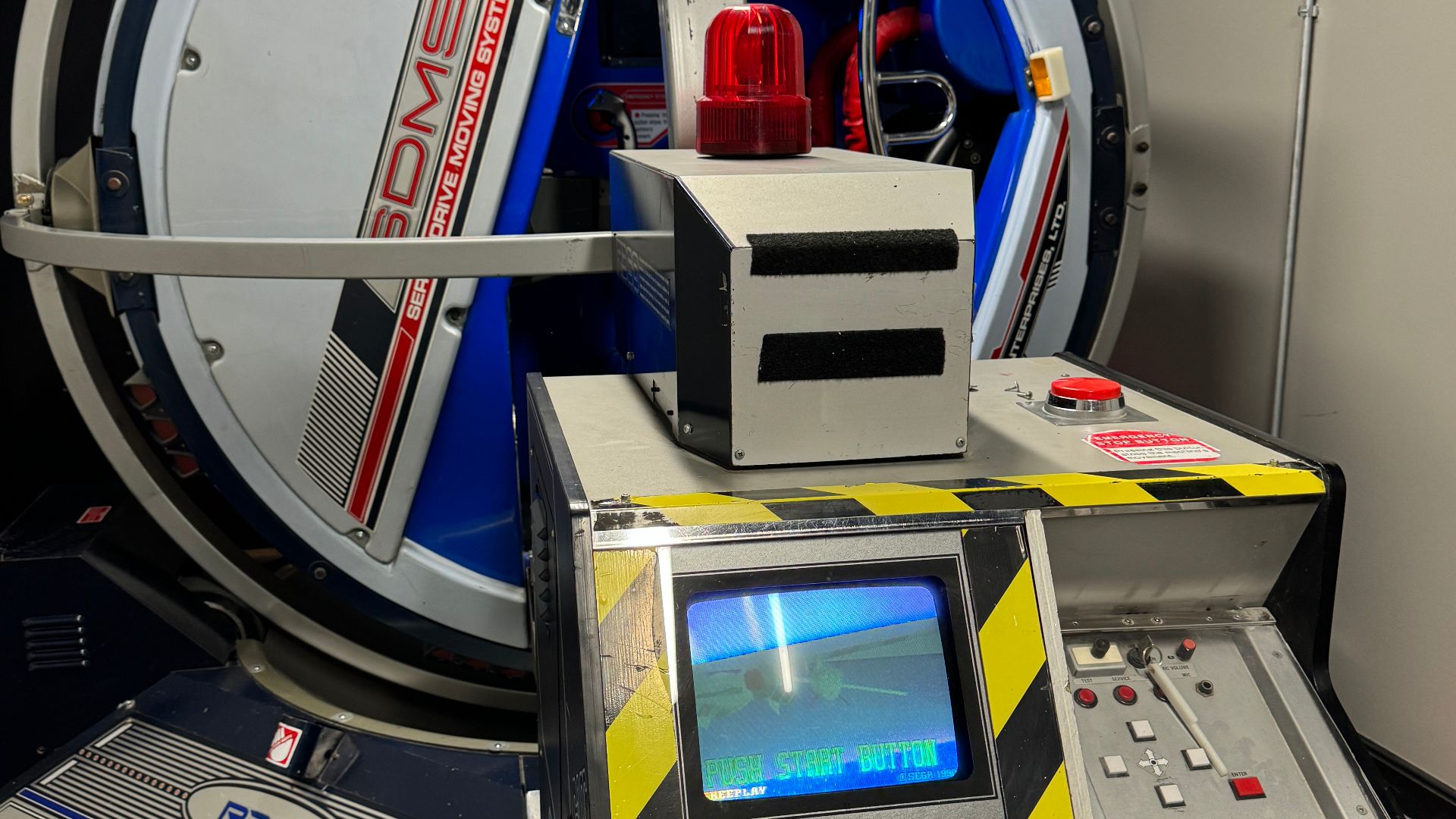
Want the ultimate arcade thrill ride? The Sega R-360 delivered white-knuckle excitement by spinning players a full 360 degrees in any direction. To keep you safe, this rare 1990 marvel came equipped with safety harnesses and emergency stop buttons.
12. Manx TT Superbike (Sega, 1995)
Players gripped full-size motorcycle replicas that leaned into turns, bringing Sega’s racer to life. Based on the Isle of Man TT, twin cabinets mirrored body movements, while linkable units allowed head-to-head races that turned arcades into competitive showdowns.
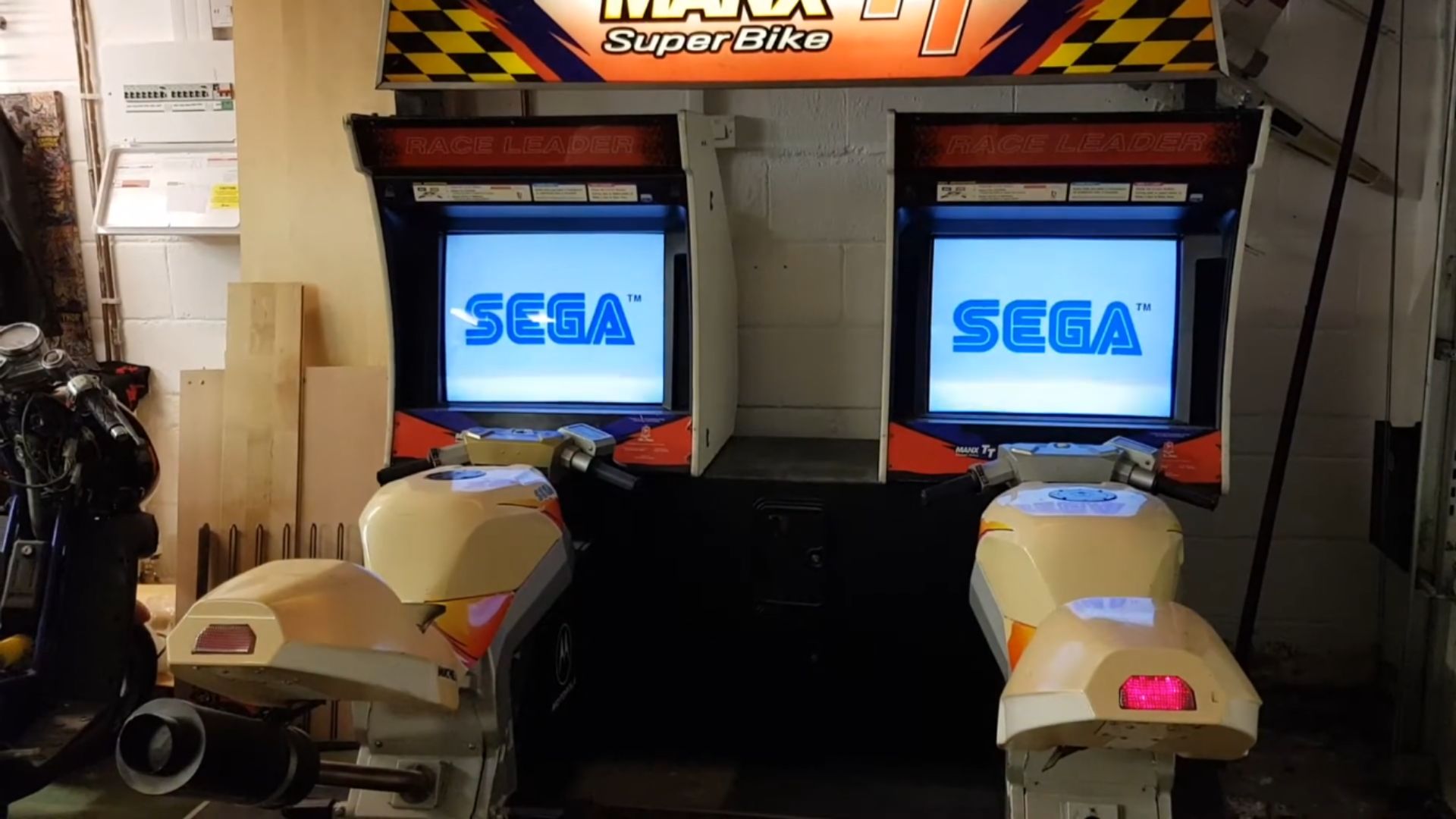 Ebay 284169368503 Manx TT Arcade by Andrew Brodie
13. Galaxian³: Project Dragoon (Namco, 1990)
Namco’s Galaxian³ challenged arcade layouts with its theater-scale cabinet originally built for theme parks. Housing six players, it used a multi-projector panoramic display that engulfed audiences. With this one, arcade experiences thrived beyond traditional floors.
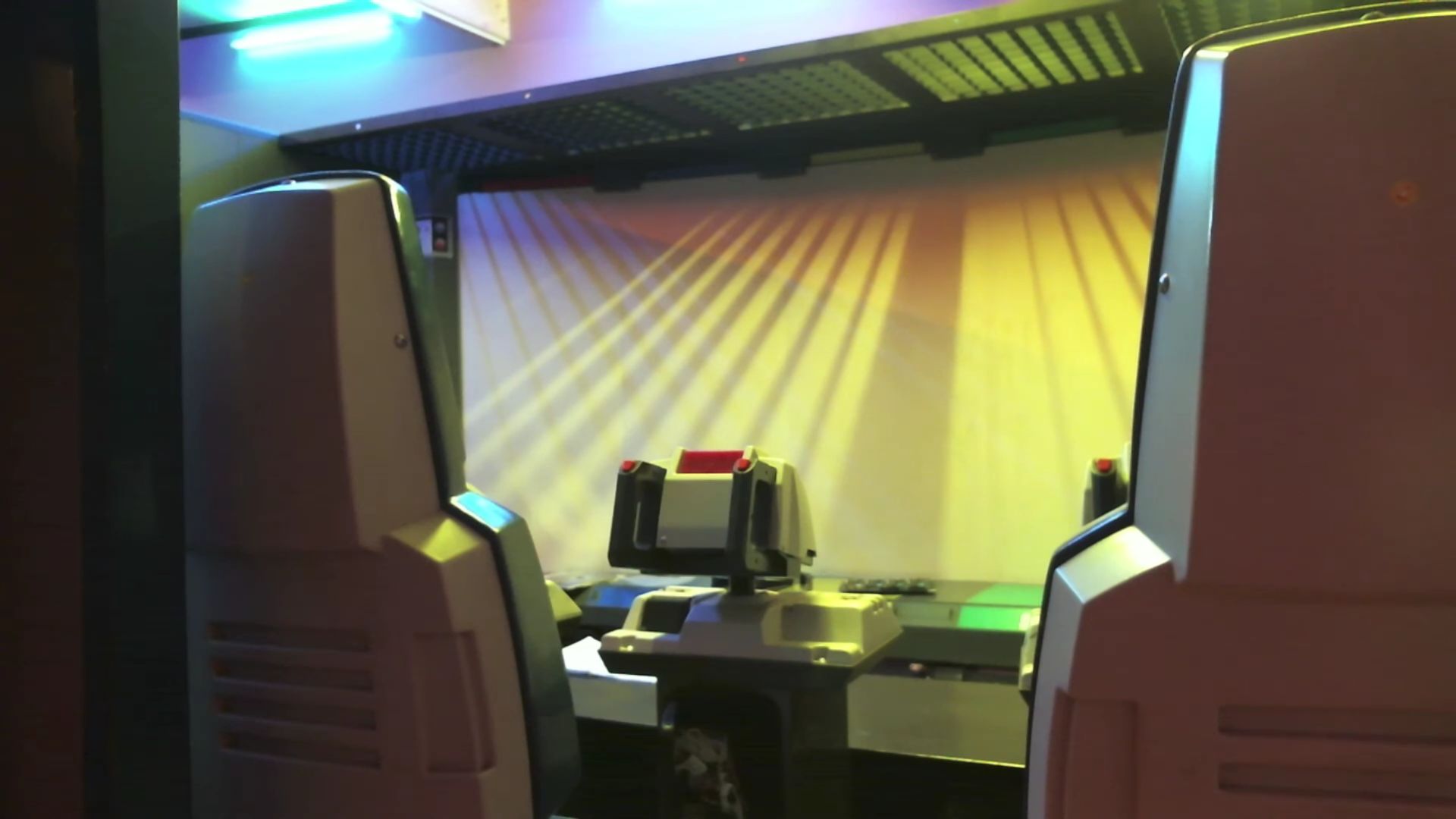 Galaxian3 Theater6 : S07 E02 - "A Real Live One!" (full HD) by DarthNuno
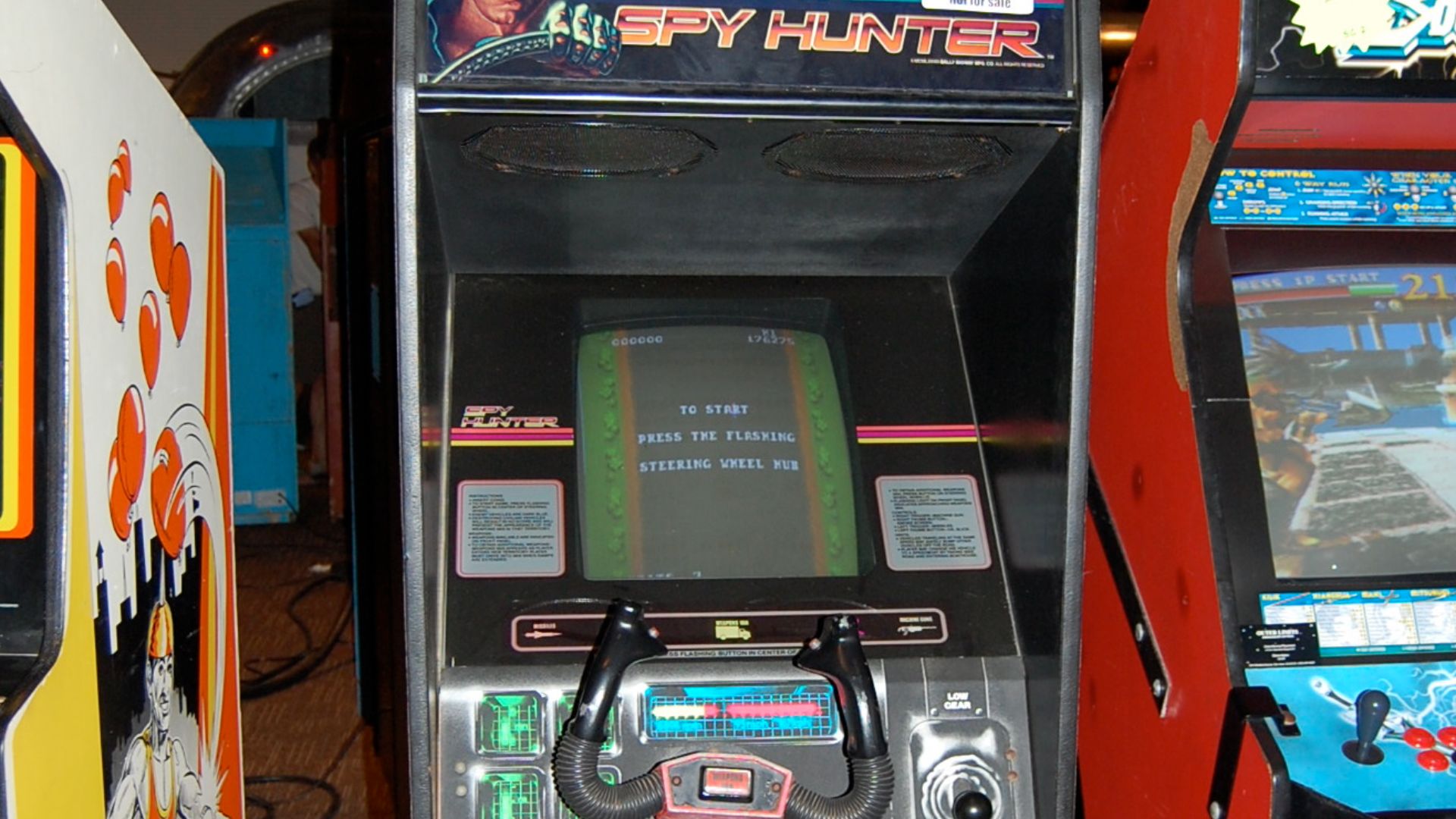
14. Spy Hunter (Bally/Midway, 1983)
The Peter Gunn theme set the mood, but the cabinet sealed the experience. Players slid into a cockpit or commanded an upright version, using a custom steering yoke, weapon handle, and gear shift that transformed them into gadget-wielding highway warriors behind the wheel.
15. Time Traveler (Sega, 1991)
Arcade-goers stopped at Sega’s Time Traveler, advertised as “the world’s first holographic video game.” Though not true holography, its curved mirror and stage created a dazzling 3D illusion, projecting live-action video that gave players one of the most unforgettable arcade visual tricks ever.
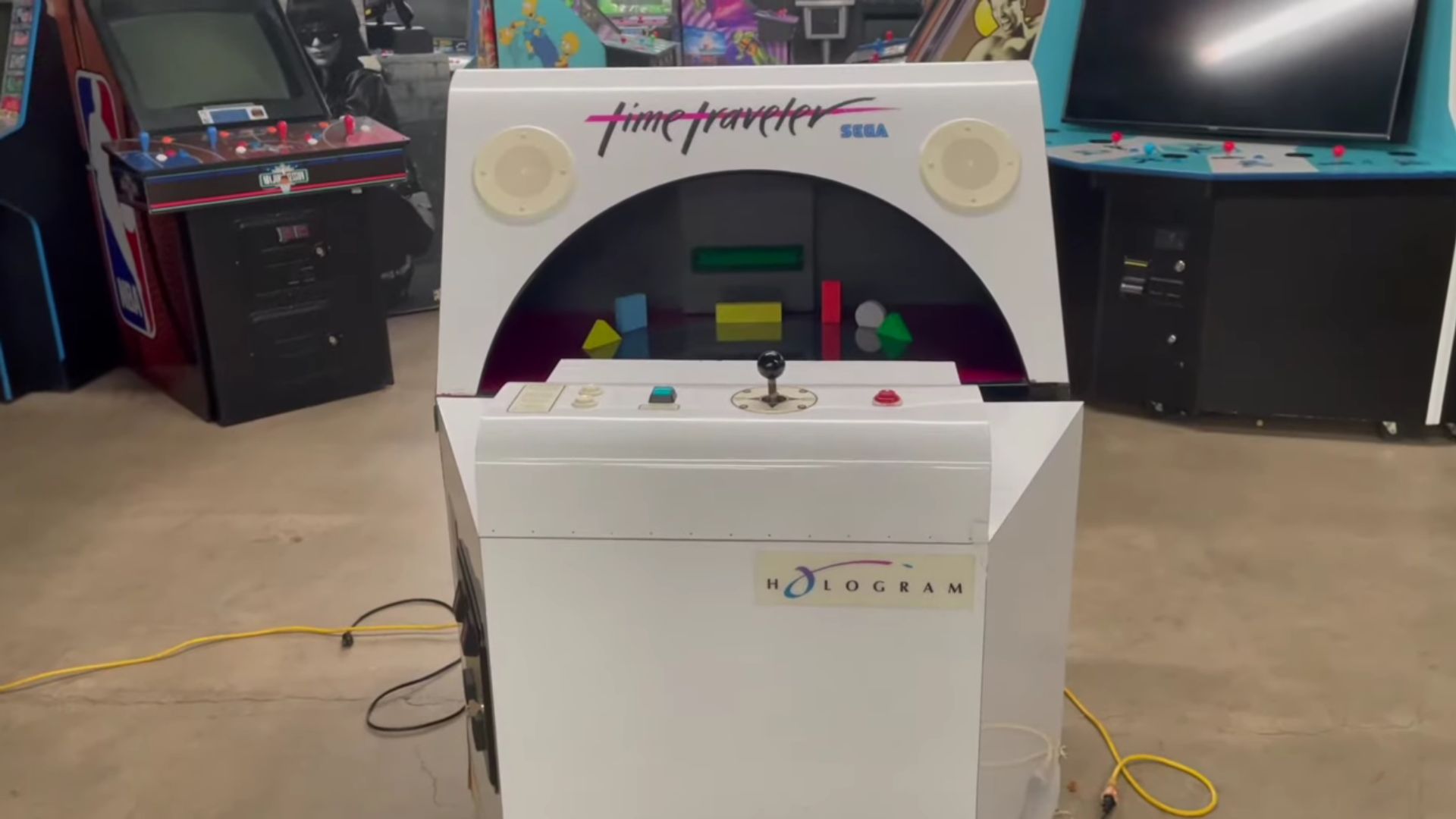 Rare Sega Time Traveler - 90s Hologram Fun in the Starship by Electric Starship Arcade
16. Punch-Out!! (Nintendo, 1984)
Punch-Out!! drew crowds with bold cartoon boxer art and its rare dual-monitor cabinet. One screen displayed gameplay, and another showed stats and animations. The glove-shaped joysticks, which mirrored left and right punches, delivered an arcade boxing experience unlike anything seen in 1984.
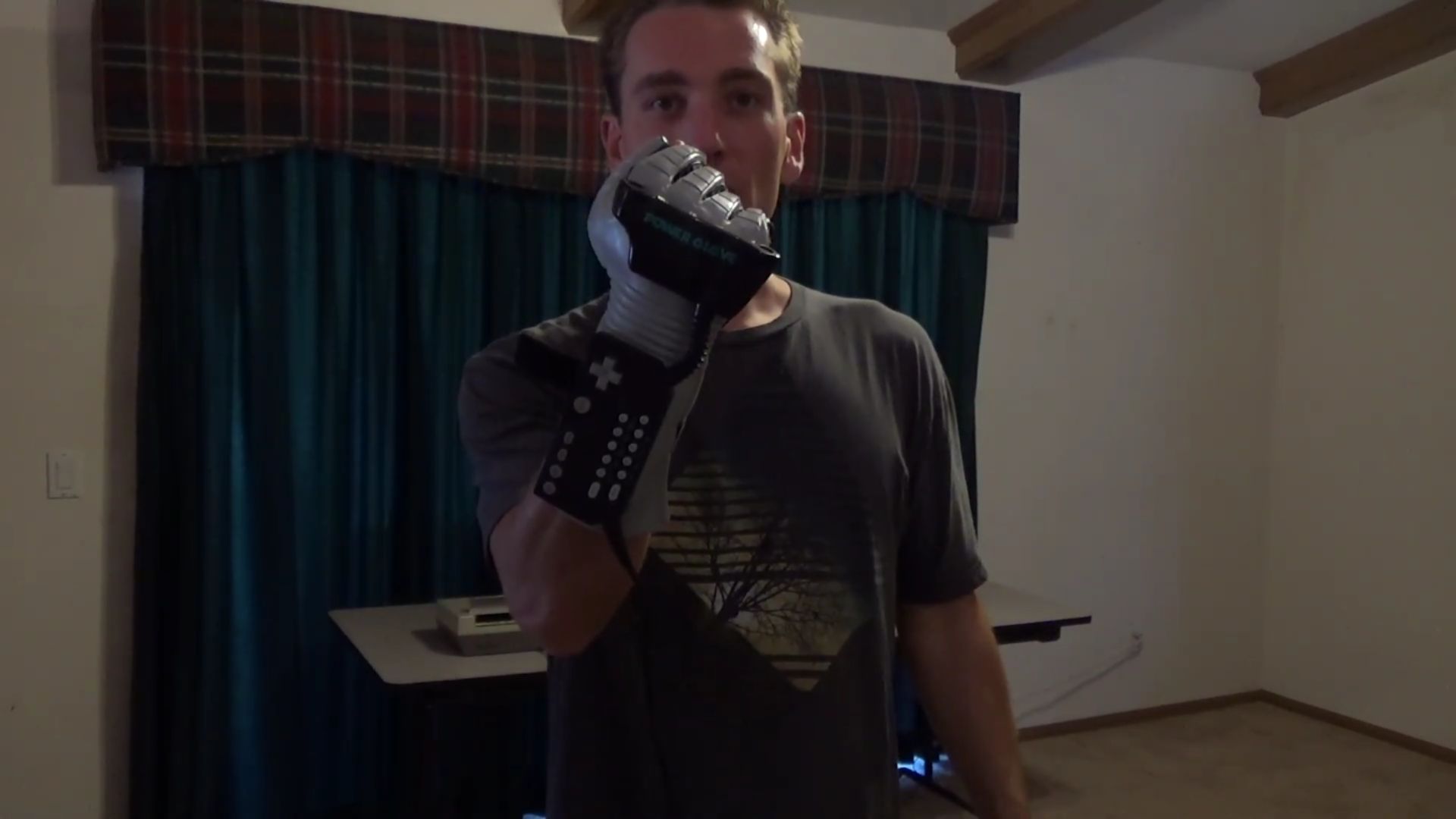 Playing Mike Tyson's Punch-Out!! With The Power Glove by WatchmeplayNintendo
17. Prop Cycle (Namco, 1996)
Namco replaced buttons with pedals in Prop Cycle, a fantasy-themed cabinet featuring whimsical skies and flying contraptions. Players pedaled a stationary bike and steered with handlebars, turning the experience into both a workout and playful aerial journey that broke arcade design conventions.
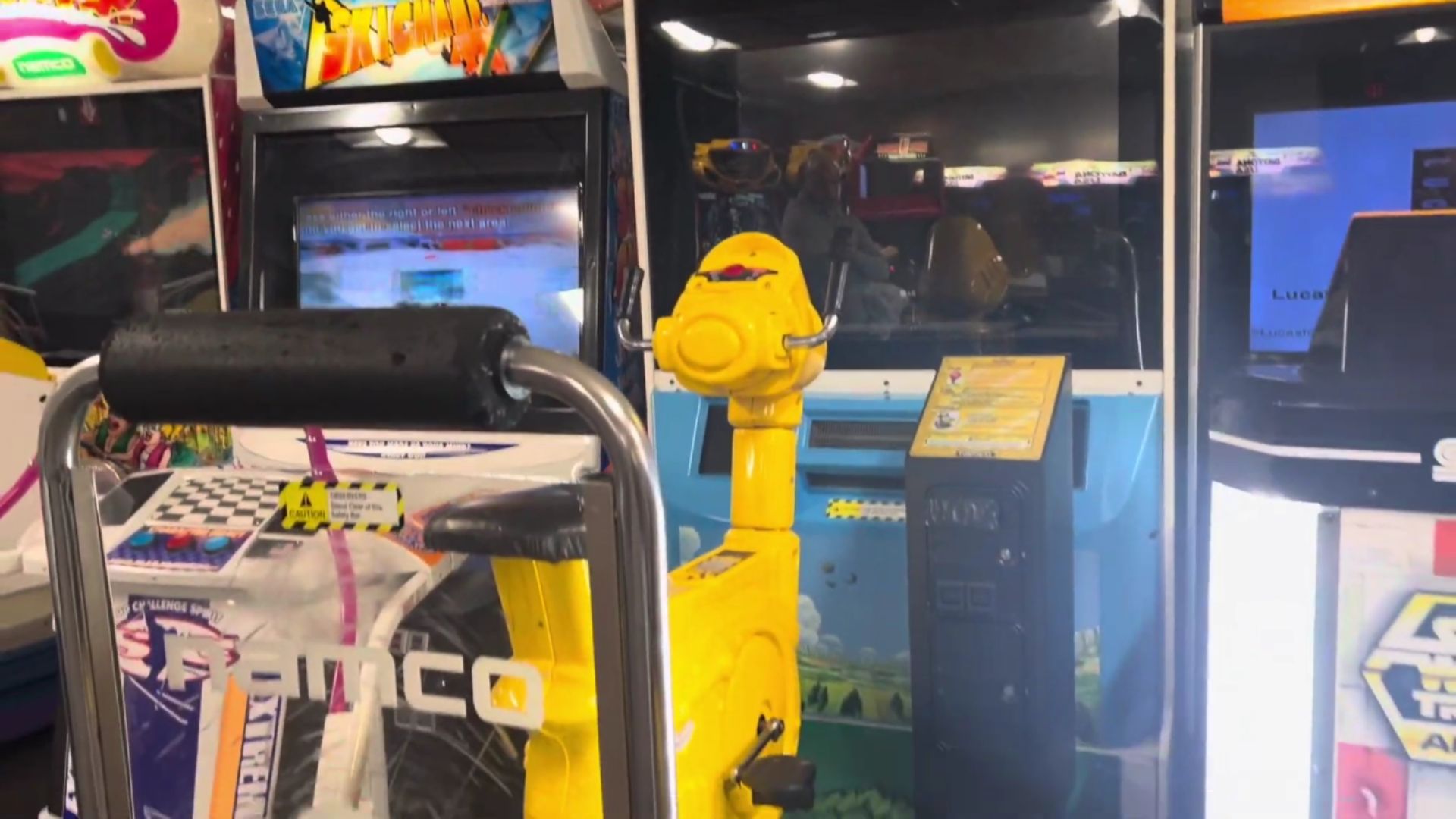 Namco 1996 prop Cycle arcade at fun world (fail) by Franco's Channel.
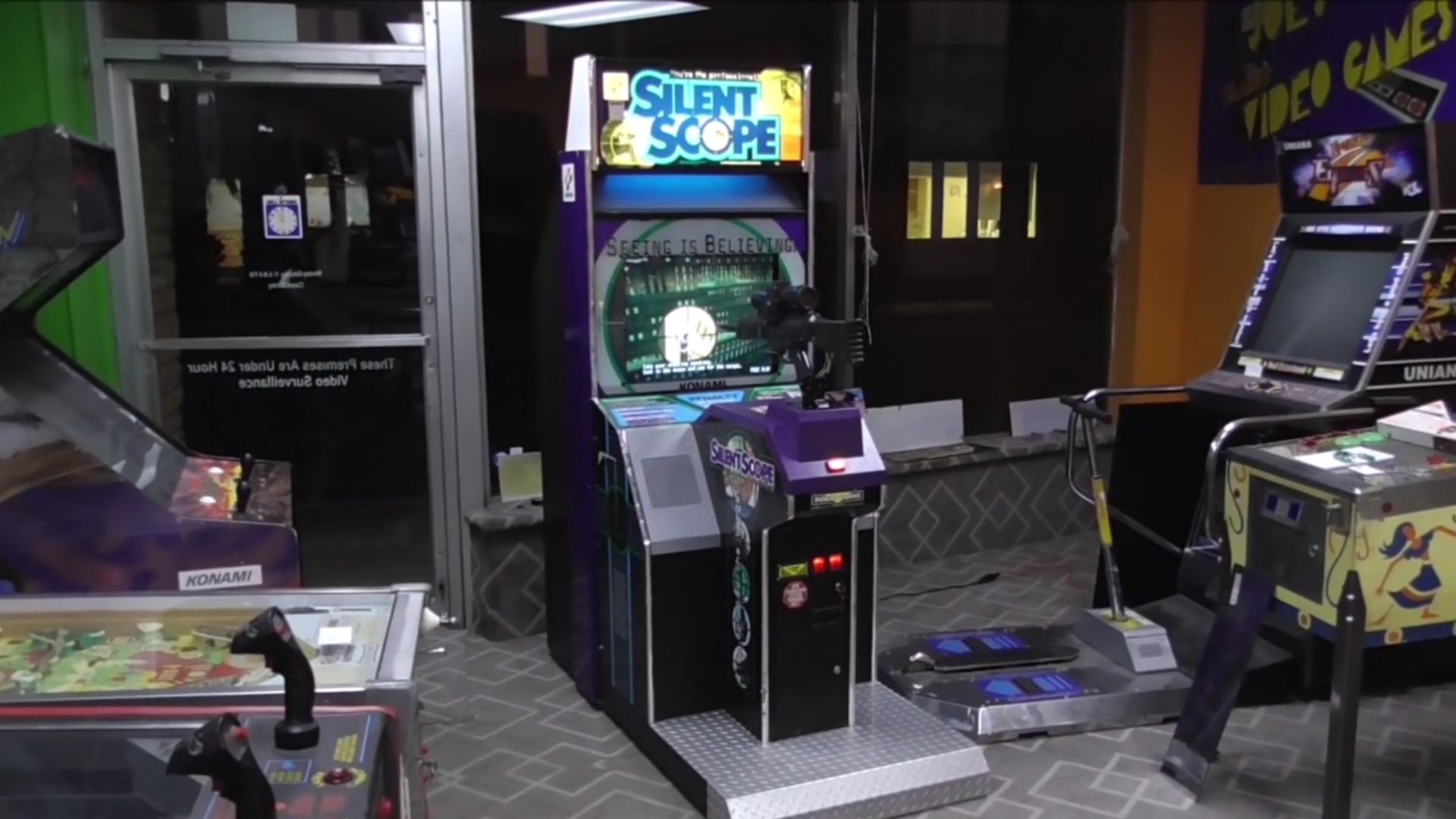
18. Silent Scope (Konami, 1999)
Silent Scope stood apart through its mounted sniper rifle controller. Players peered into a working scope for precision aiming. This authentic combination of hardware and gameplay pushed arcade design forward, and this distinguished it from traditional light gun cabinets of its time.
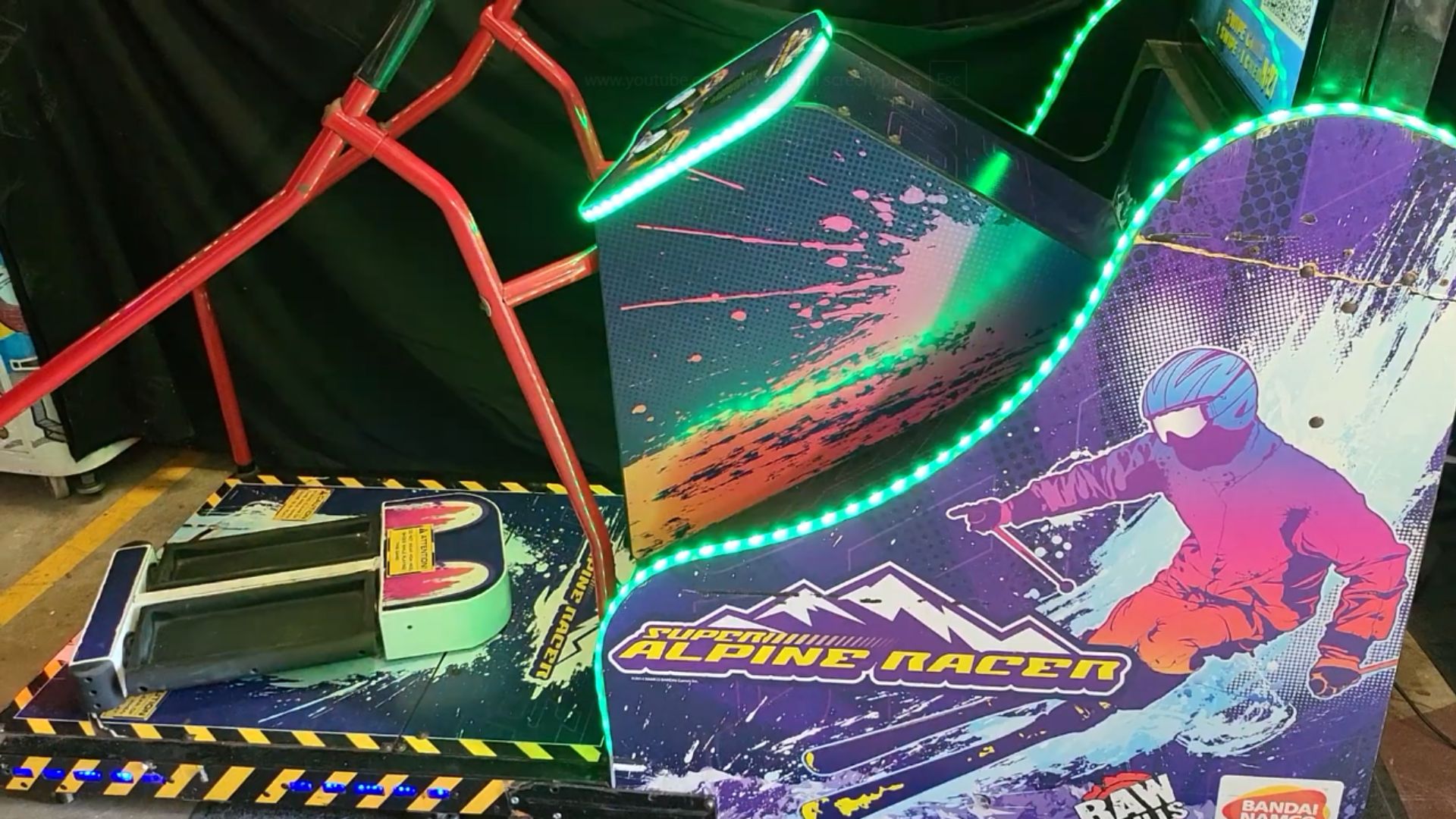
19. Alpine Racer (Namco, 1995)
Alpine Racer lets players simulate downhill skiing with authentic mechanics. A ski-shaped platform and pole handles translated body movements into on-screen turns. Its towering vertical display completed the illusion, which made every lean feel like carving down snowy slopes inside the arcade.
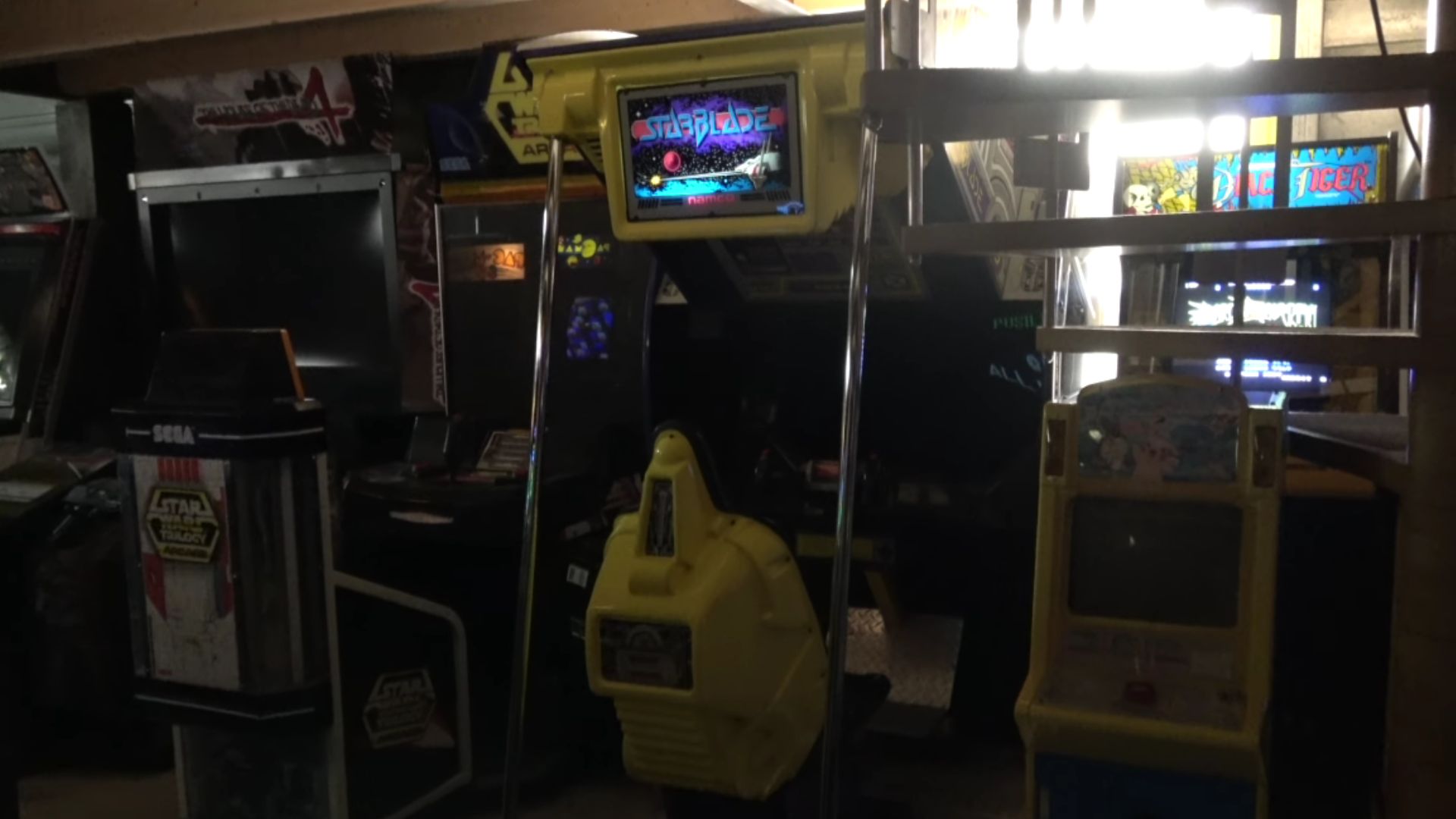
20. Starblade (Namco, 1991)
This game combined a concave mirror display with a semi-enclosed cockpit and illuminated controls for immersion. The deluxe version elevated the design with a domed enclosure, surround sound, and a flight stick, which offer players one of the most authentic space-battle cabinets ever built.