Games Trapped In Legal Limbo
Some games were so good they still live in players’ minds, yet they’ll never get another chance to shine. Complicated ownership rights have locked them away and left fans wishing for a comeback that’ll never happen. These titles defined eras and disappeared behind legal walls. Let’s dig into the unforgettable games trapped by contracts and see which legends remain stuck in obscurity for good.
1. GoldenEye 007 (1997, Nintendo 64)
Few games defined an era like GoldenEye 007. Developed by Rare and published by Nintendo, it’s trapped in a licensing maze involving MGM, Eon, and Microsoft. A polished Xbox 360 remaster even sits unreleased, frozen by overlapping rights that keep Bond’s best shooter locked away from modern audiences, despite the classic port that was released Xbox and Switch owners.
2. No One Lives Forever (2000, PC)
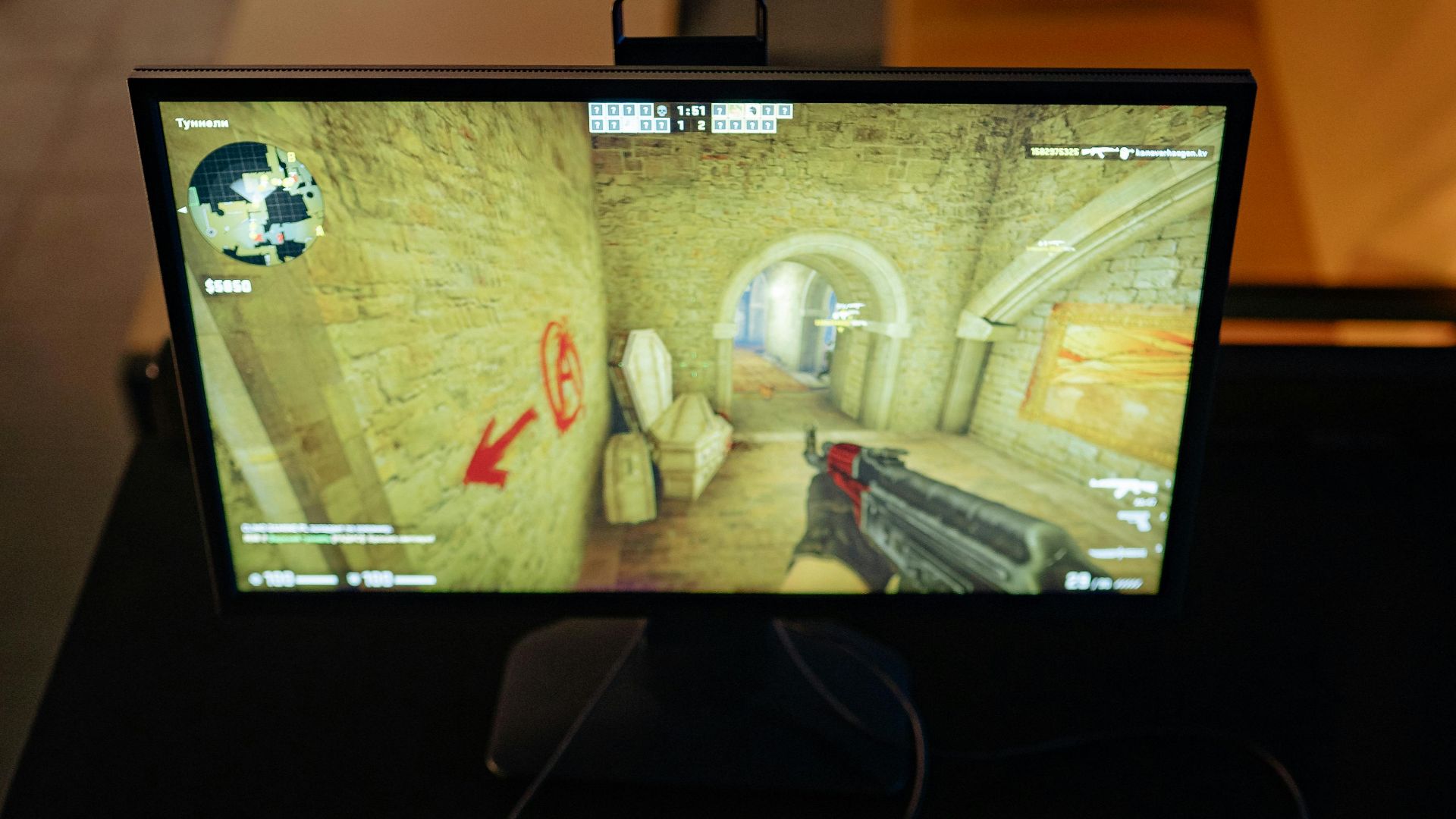
Spy satire at its sharpest, No One Lives Forever mixed humor and a fearless heroine named Cate Archer. Sadly, its ownership is tangled among Activision and Monolith parties. Each attempt to revive it hits the same wall—no one truly knows who owns it anymore.
3. Panzer Dragoon Saga (1998, Sega Saturn)
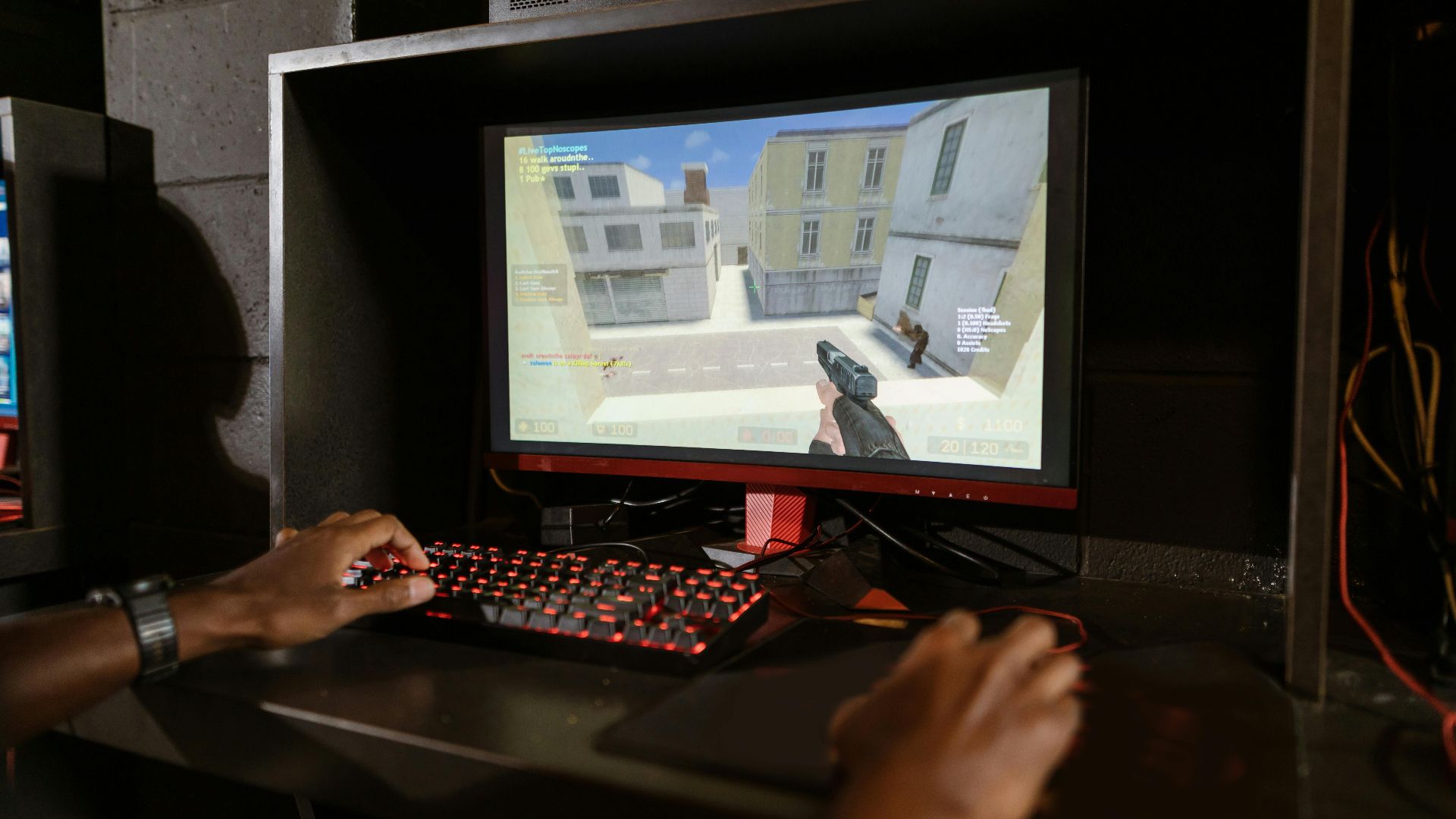
Part RPG, part aerial shooter, Panzer Dragoon Saga is a lost gem of Sega’s past. When Team Andromeda dissolved, its rights scattered with it. Sega never reissued the game, and surviving copies fetch hundreds today.
4. The Beatles: Rock Band (2009, Multi-Platform)
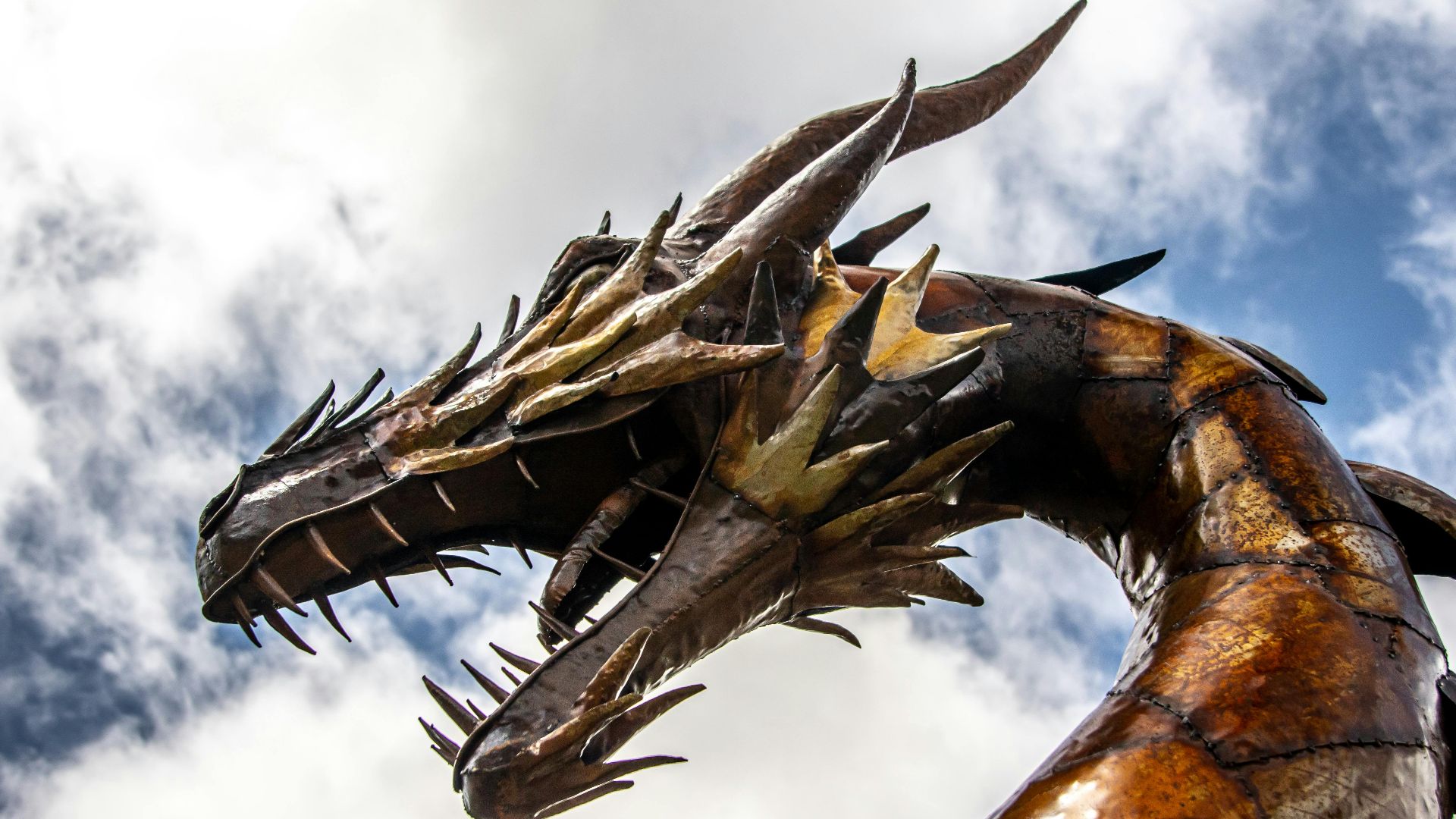
A dream collaboration turned licensing nightmare, The Beatles: Rock Band brought the Fab Four to living rooms everywhere. Each song and likeness required separate approvals. Once those music rights expired, re-releases became impossible, which made this rhythm masterpiece a one-time-only moment in gaming history.
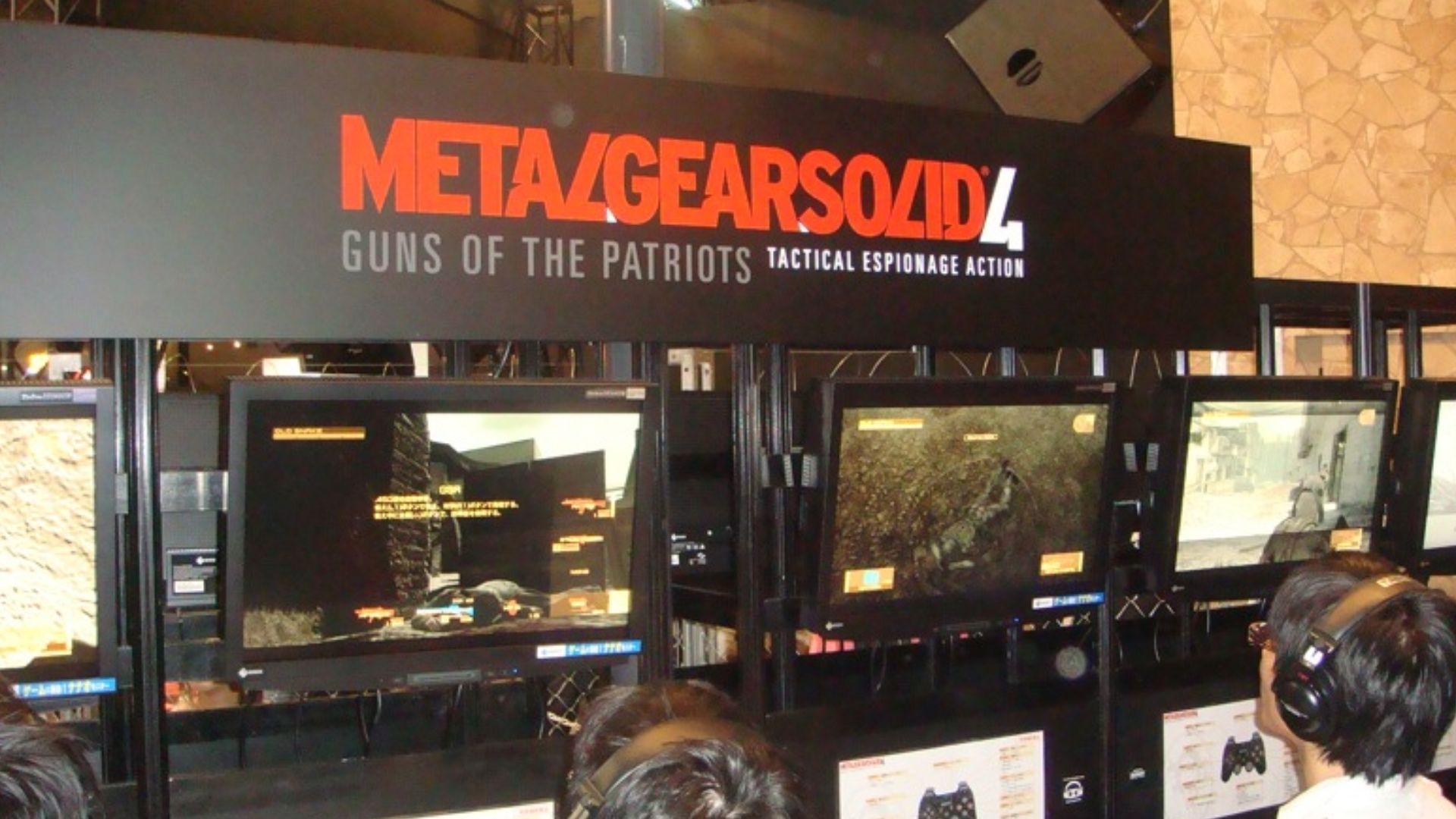
5. Metal Gear Solid 4: Guns Of The Patriots (2008, PlayStation 3)
Hideo Kojima's ambitious vision met the technical limits of the PlayStation 3 in Metal Gear Solid 4. Its 70-minute cutscenes and massive install size remain iconic. The game's fate is trapped between Konami's control and the console's outdated hardware. Any path to revival stays blocked.
6. Gran Turismo 2 (1999, PlayStation)
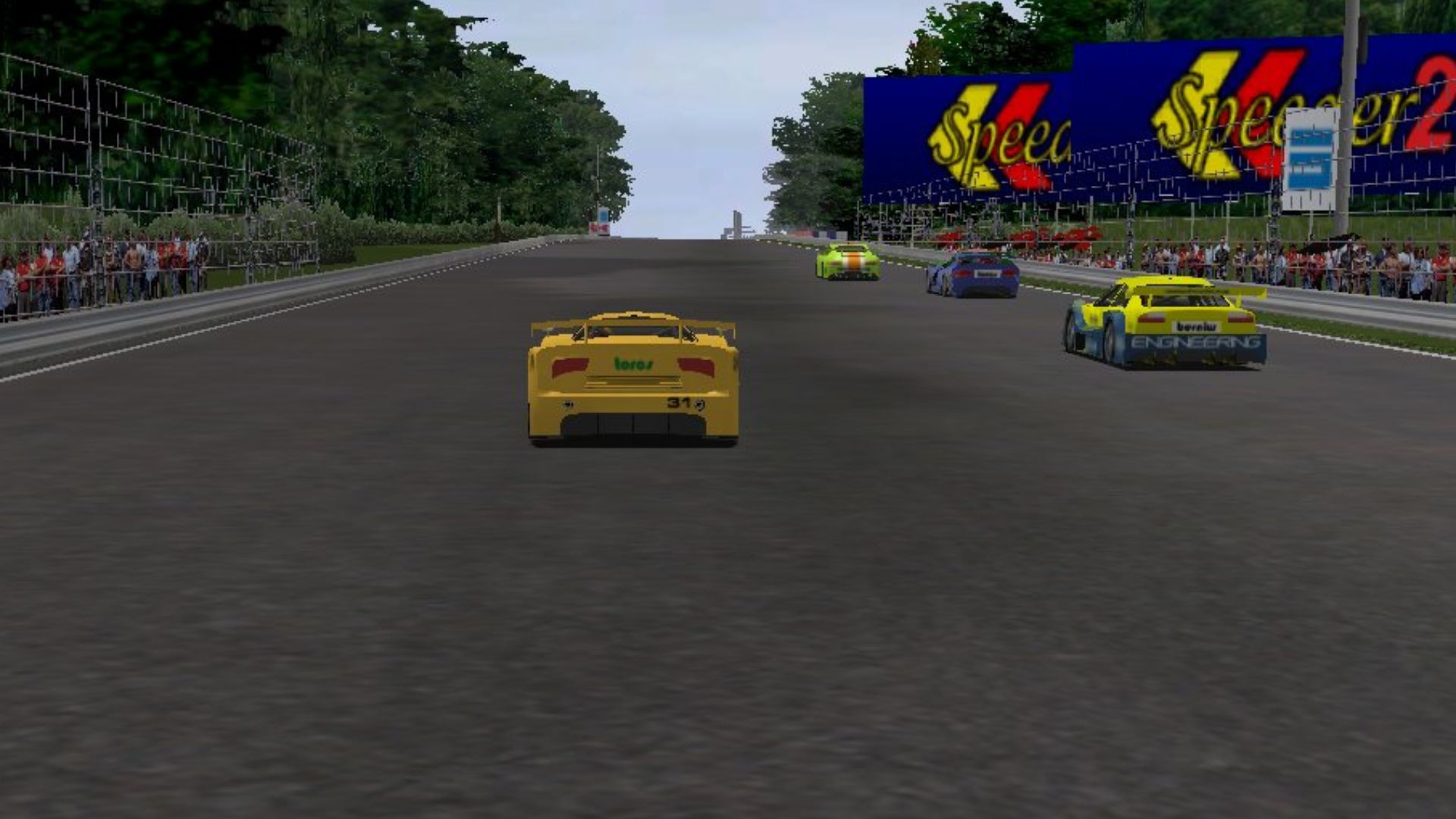
Gran Turismo 2 pushed racing realism into a new era by offering hundreds of cars and licensed tracks. Time hasn’t been kind to those deals. Expired music rights and complex car contracts make a modern reissue highly unlikely.
7. NBA Jam (1993, Arcade/Multi-Platform)
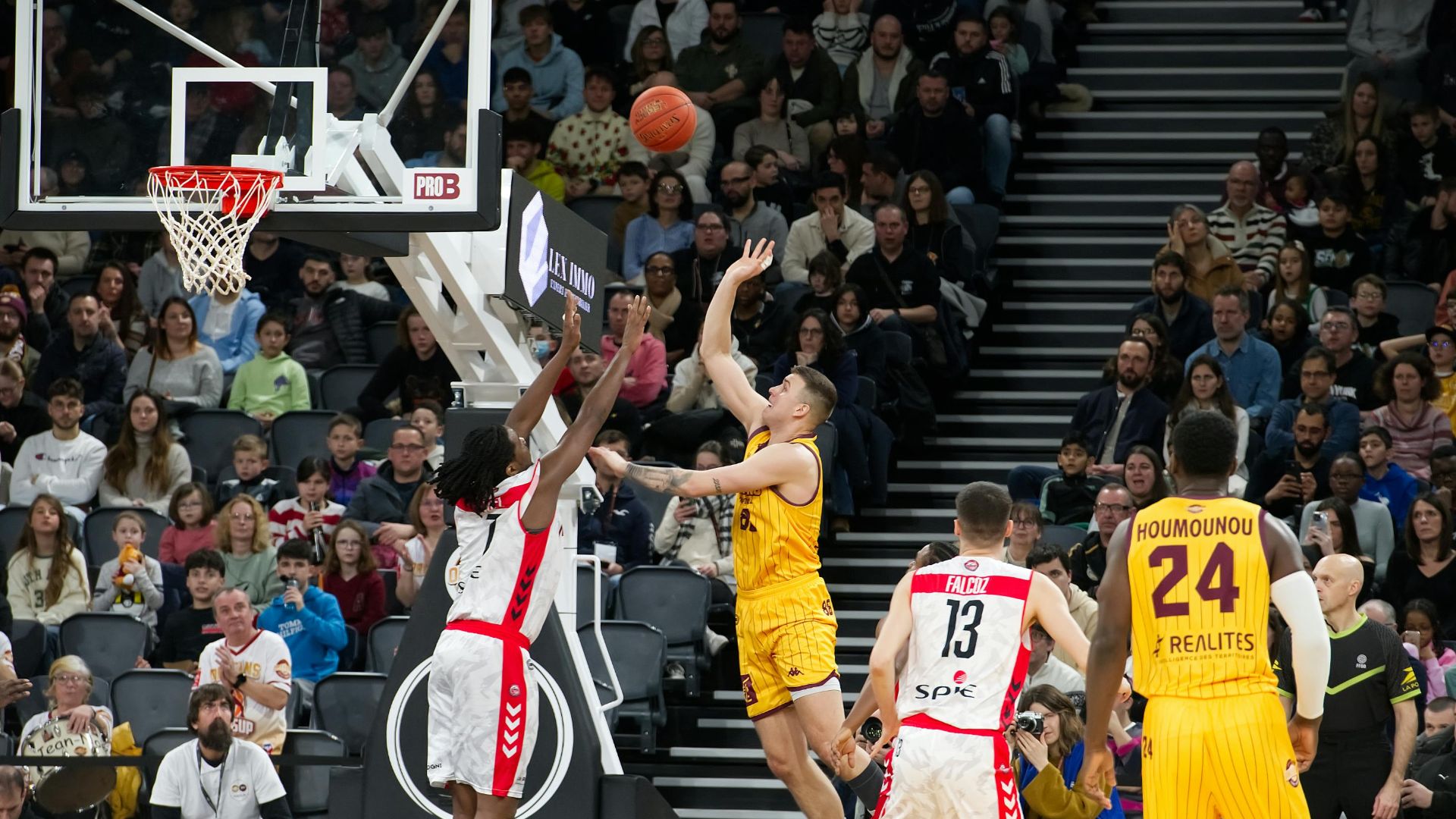
“He’s on fire!” became a pop-culture chant thanks to NBA Jam. The problem? Every player’s likeness was individually licensed. When Midway collapsed, rights scattered like loose basketballs. With ownership in flux, its wild dunks and secret characters remain unremade, stuck in licensing overtime.
8. Def Jam: Fight For NY (2004, Multi-Platform)
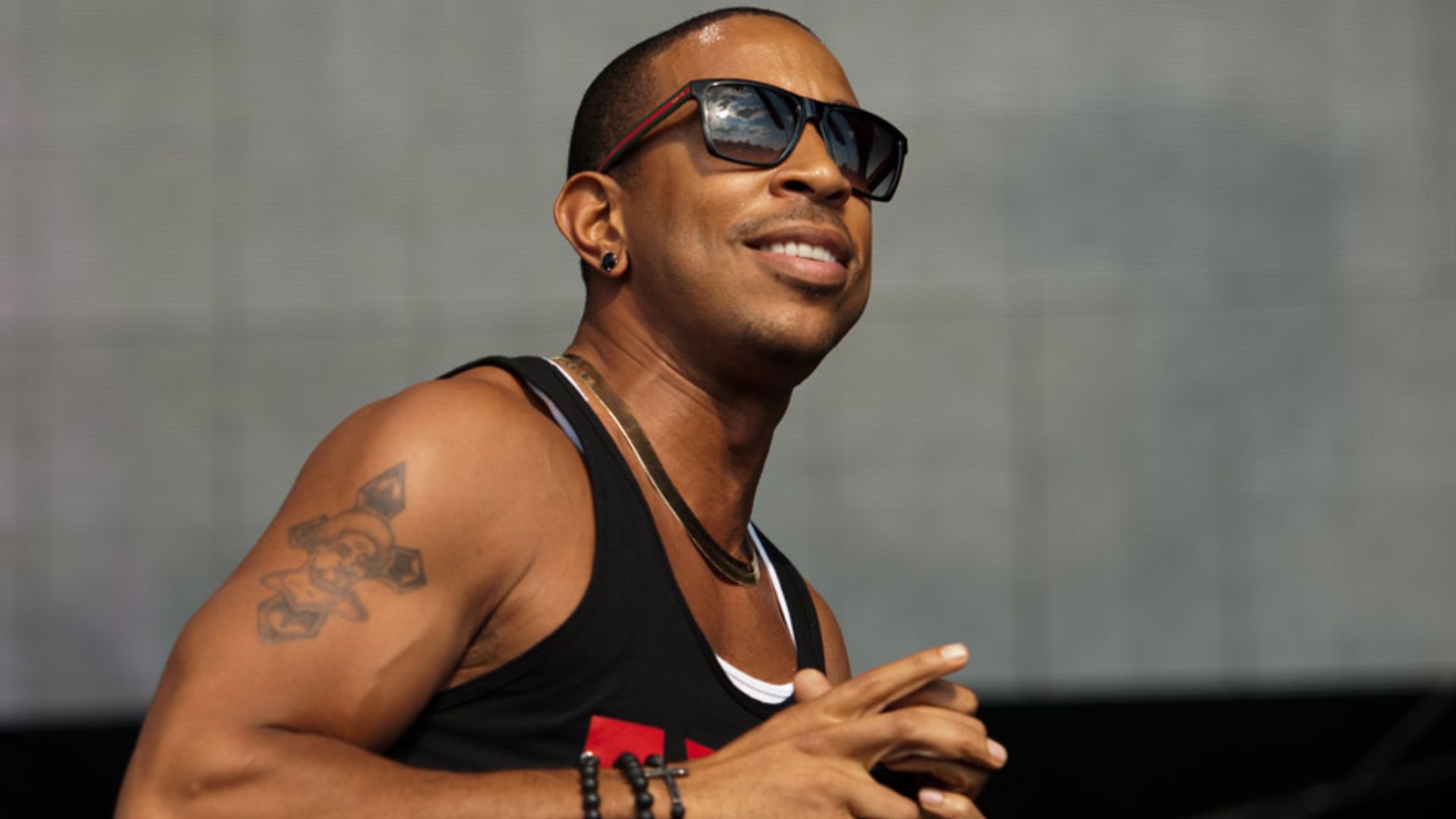
Hip-hop met haymaker in Def Jam: Fight for NY. Its star-studded cast, from Method Man to Ludacris made it unforgettable. Unfortunately, those celebrity likenesses and music rights form a legal minefield today. EA’s expired Def Jam deal sealed the game’s fate as an untouchable urban legend.
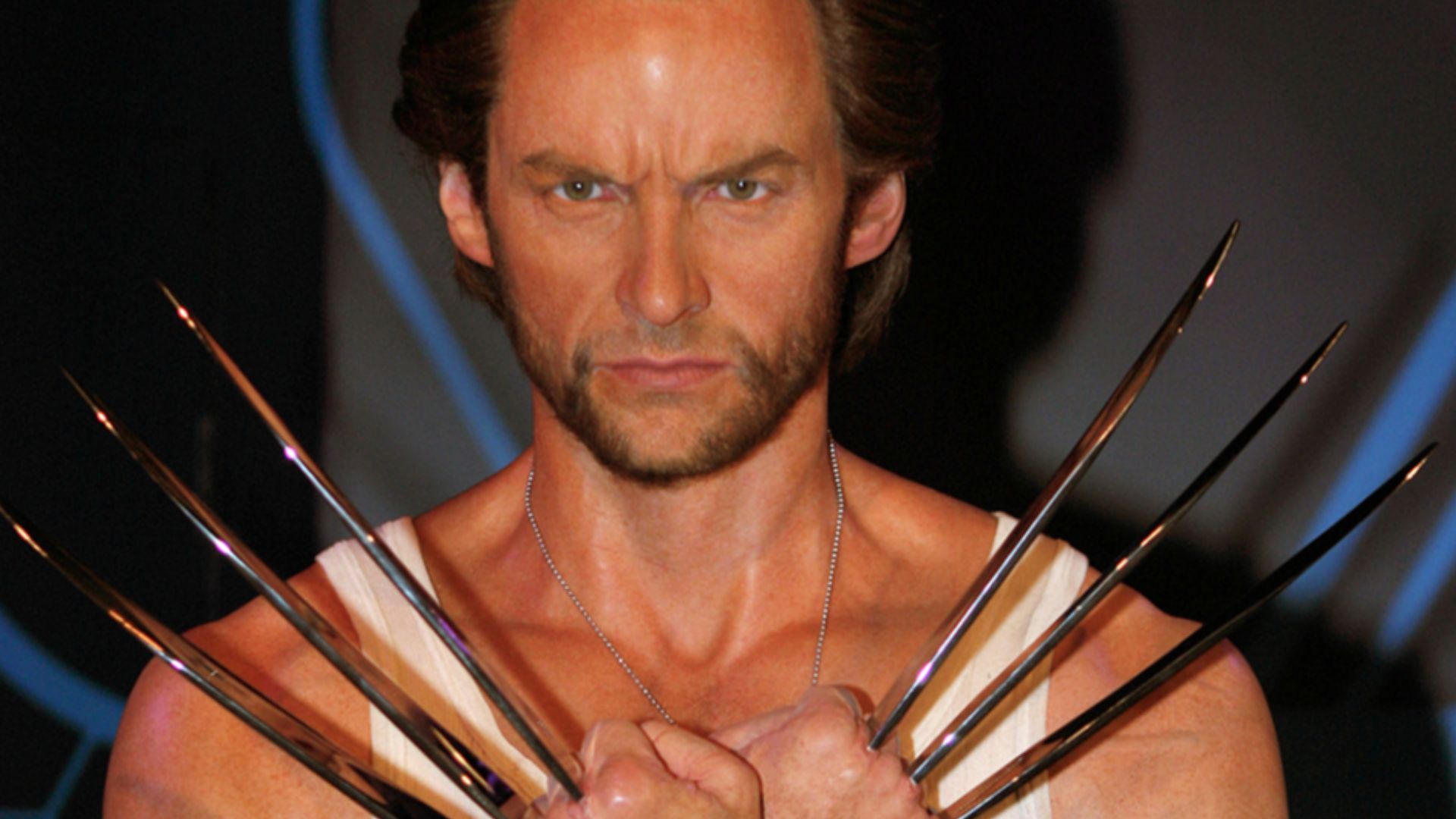
9. X-Men Origins: Wolverine (2009, Multi-Platform)
Surprisingly brutal and satisfying, X-Men Origins: Wolverine outperformed its film counterpart. Yet Marvel’s expired Activision deal buried it. Without new licenses or studio coordination, this feral, cinematic brawler remains lost—a casualty of overlapping film and game rights that no one dares to untangle.
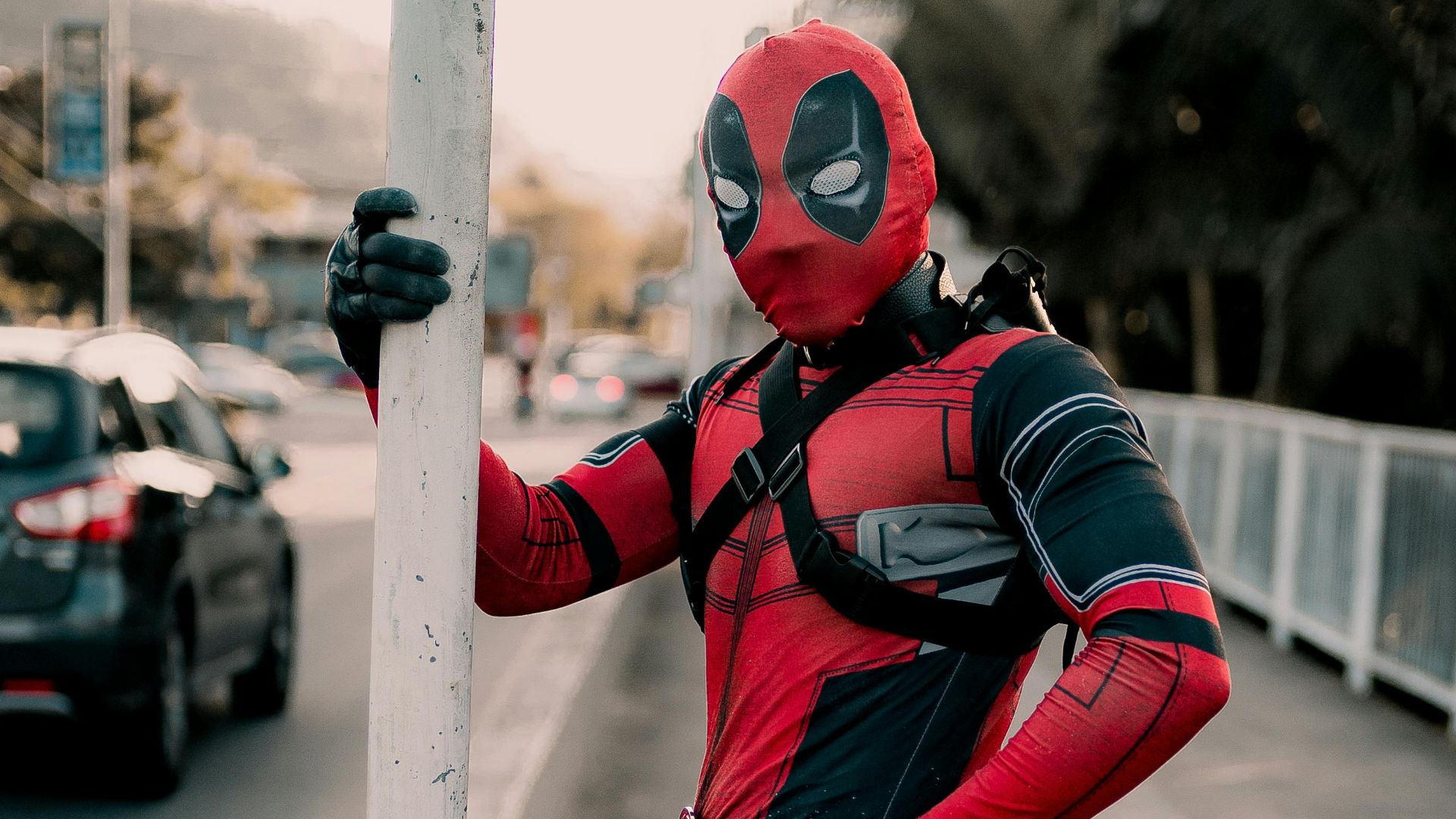
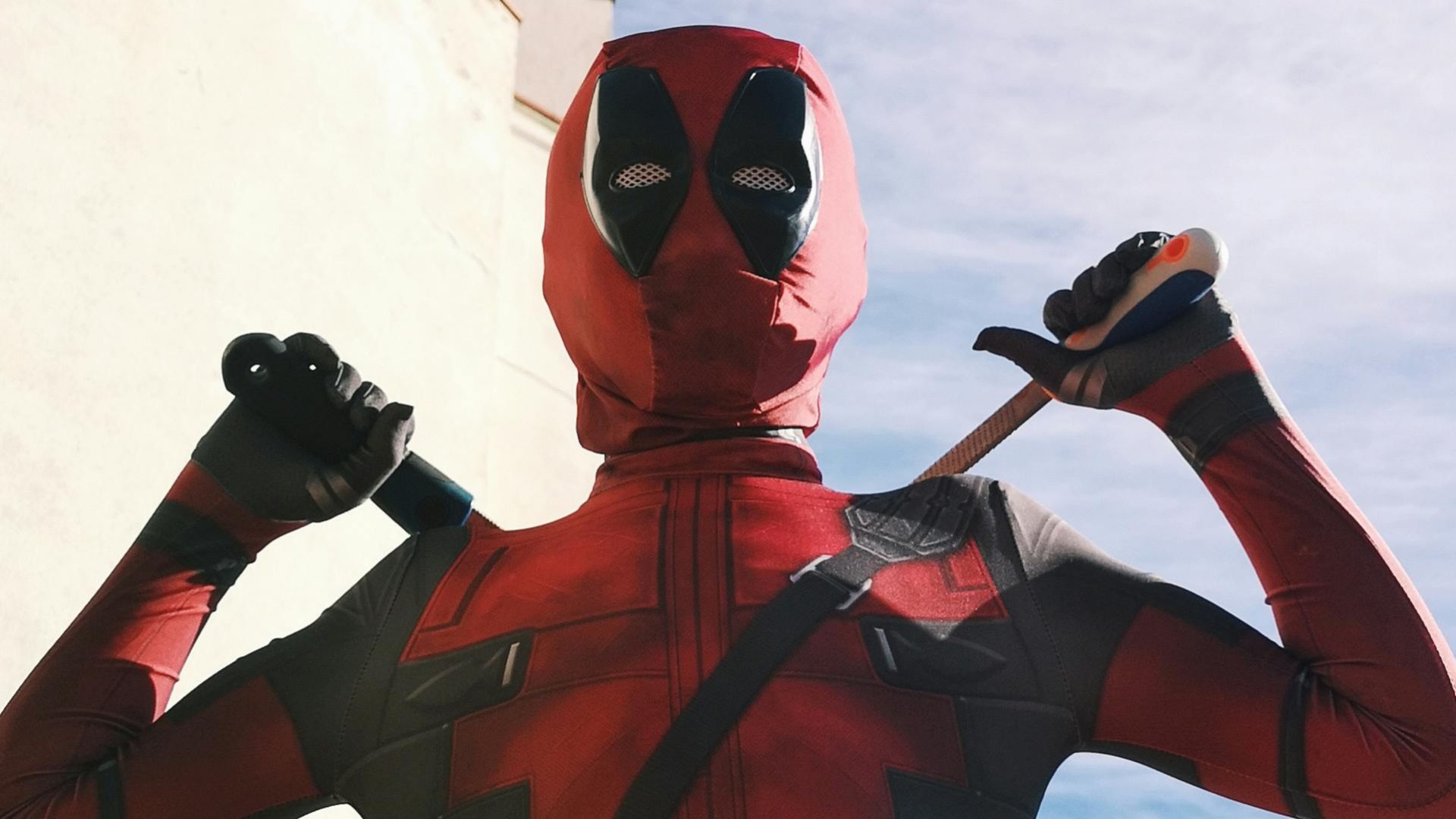
10. Deadpool (2013, Multi-Platform)
Sarcastic and self-aware, Deadpool nailed the character’s tone long before the movie boom. Activision’s short-lived Marvel license cut its life short, though. When that deal ended, digital copies vanished overnight. Players keep begging for a comeback that contract law refuses to allow.
11. Spec Ops: The Line (2012, Multi-Platform)
Spec Ops: The Line dared to confront the human cost of war by turning the shooter genre on its head. With 2K owning the IP and Yager outside the picture, revival prospects remain slim. Its heavy themes and niche appeal make any remake an unlikely business risk.

12. Driver: San Francisco (2011, Multi-Platform)
Reality-bending driving has never felt smoother than in Driver: San Francisco. Players could leap between cars mid-chase—a brilliant mechanic lost to expired car and soundtrack licenses. Ubisoft’s silence and relicensing hurdles keep this one parked firmly in the past.
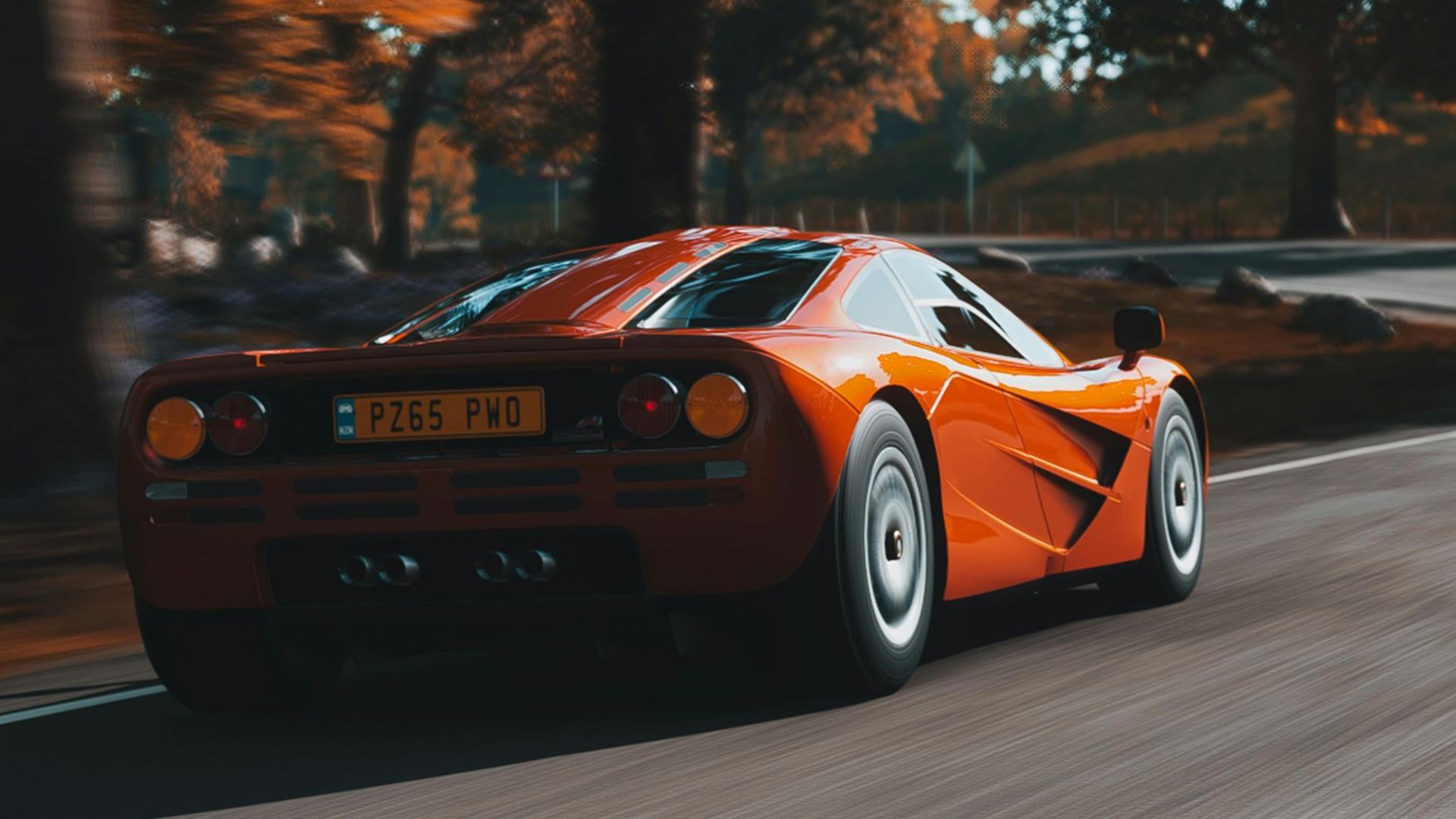
13. OutRun 2006: Coast 2 Coast (2006, Multi-Platform)
Ferrari’s red prancing horse once roared across OutRun 2006, a sun-soaked driving dream. When Sega’s Ferrari license lapsed, the series lost its signature cars. Without those rights, remastering the game remains out of reach. Fans clutch old discs for another trip along the coastal highways.
 Ric de France (Ric man on Wikimedia
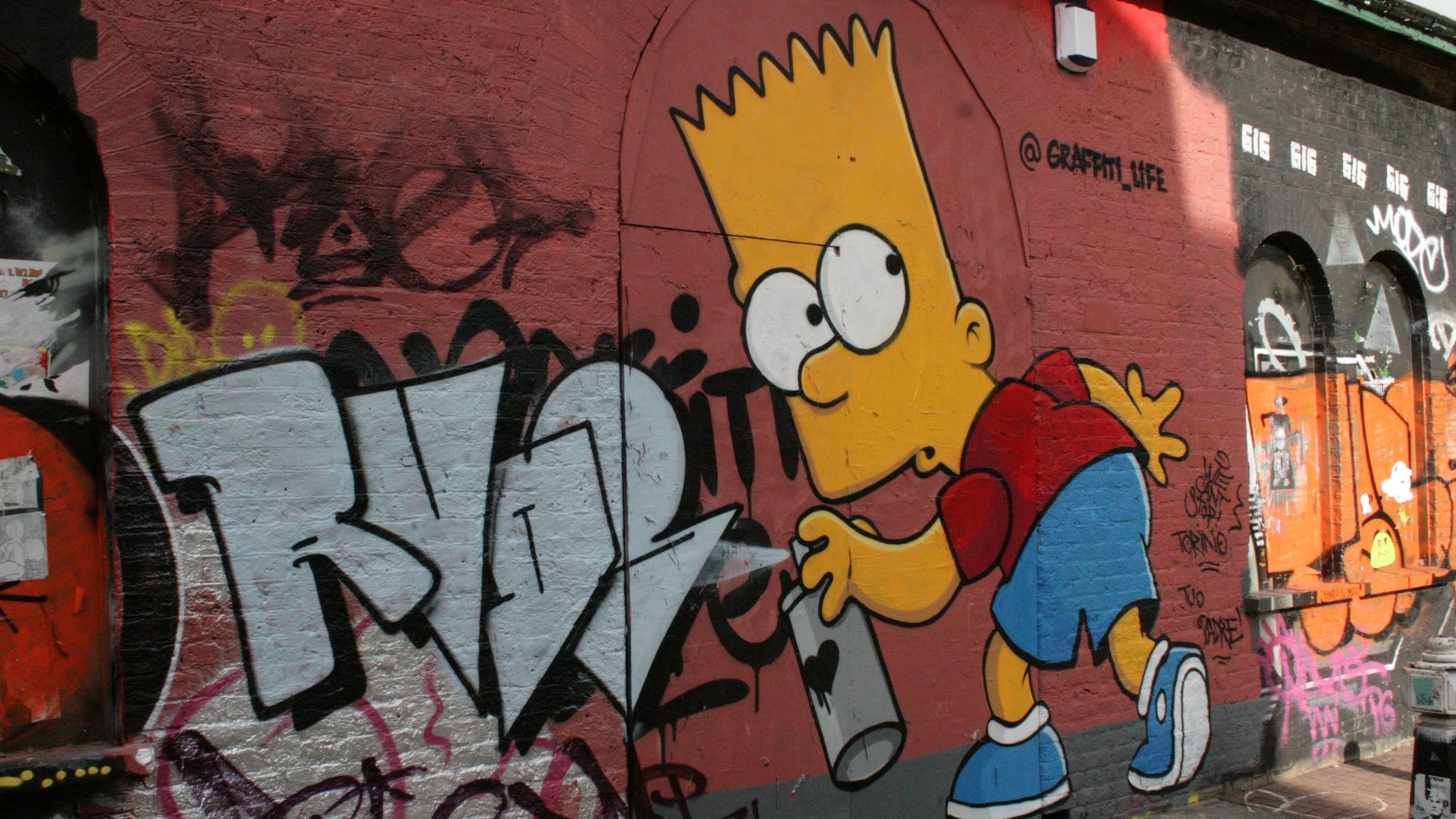
14. The Simpsons: Hit & Run (2003, Multi-Platform)
The Simpsons: Hit & Run remains a cult favorite for fans craving Springfield-sized chaos. With Fox, Vivendi, and the original cast all tied to expired contracts, its legal knots are endless. Despite endless fan remakes, an official revival still feels like a faraway cartoon fantasy.
15. Eternal Darkness: Sanity’s Requiem (2002, GameCube)
Psychological horror reached rare brilliance in Eternal Darkness. Its mind-bending sanity effects and haunting story built a legacy still unmatched. Yet Silicon Knights’ collapse and Nintendo’s publishing control have kept it from returning to modern platforms.

16. Uniracers (1994, SNES)
Before Rockstar Games was making open-world crime sagas, it built a wild racing game about unicycles pulling stunts at high speed. Pixar's lawsuit over the design led to its quiet disappearance. Now, Uniracers remains one of Nintendo’s strangest and most restricted releases.

17. Michael Jackson’s Moonwalker (1990, Multi-Platform)
Players once stepped into Michael Jackson’s sparkly shoes, spinning through enemies while “Smooth Criminal” played in the background. Licensing from his estate made it a one-time marvel. When Sega lost the rights, the game faded away, preserved mostly through arcade nostalgia and fan recordings.
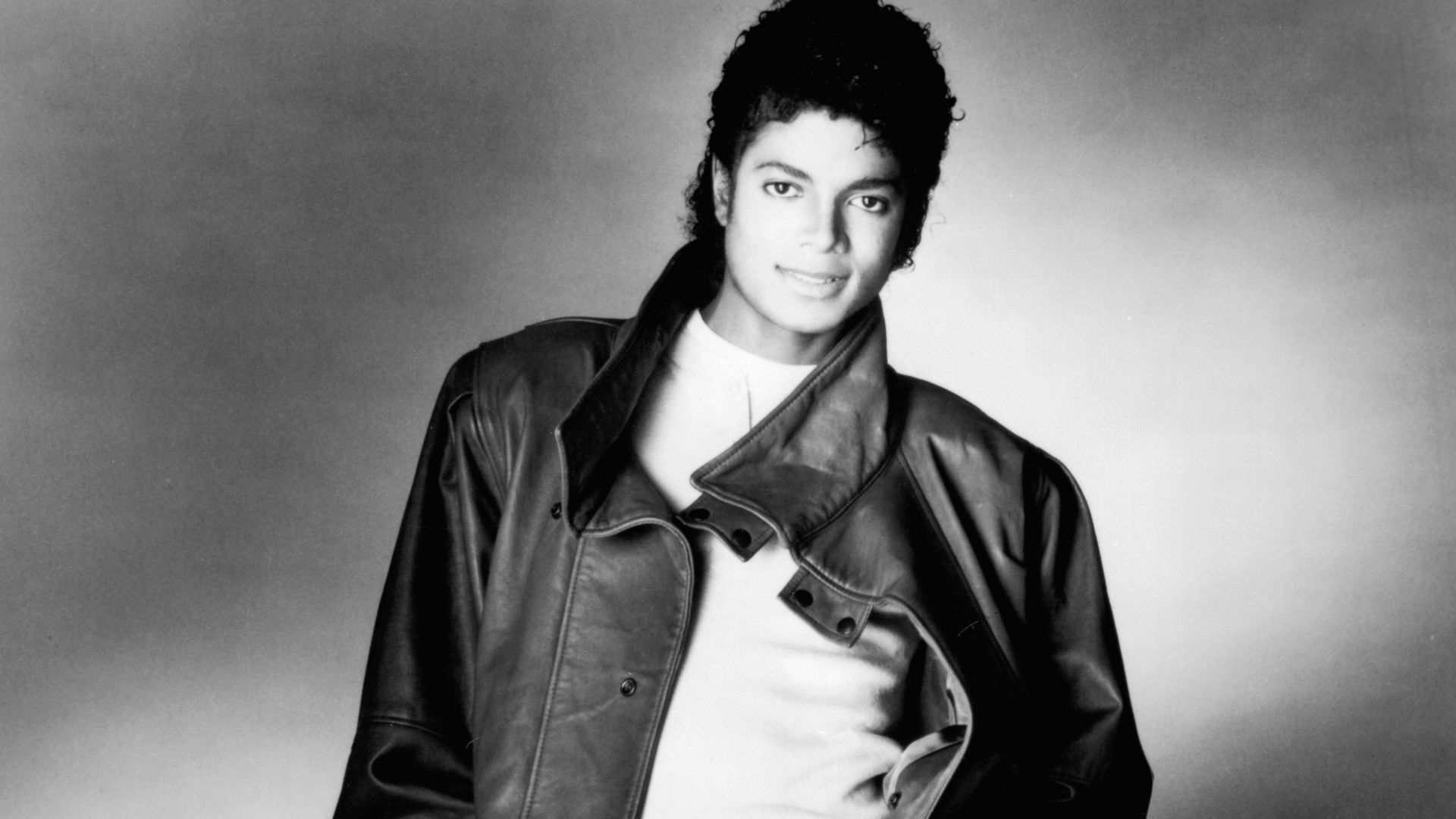 Matthew Rolston; Distributed by Epic Records on Wikimedia
18. Aliens Vs. Predator 2 (2001, PC)
Monolith’s sci-fi shooter lets players stalk and survive from three terrifying perspectives. Marines, Aliens, and Predators all had their own campaigns that connected brilliantly. However, licensing disputes across multiple studios buried it in limbo.
19. Legacy Of Kain: Blood Omen (1996, PlayStation)
A gothic story drenched in betrayal and immortality, Blood Omen laid the groundwork for a cult series. Its powerful voice acting and moral choices set it apart, yet divided ownership between studios left the vampire saga trapped in a rights maze.
20. The Lord Of The Rings: The Battle For Middle-earth II (2006, PC)
Few real-time strategy titles captured cinematic fantasy like this one. It lets players command massive armies and even create their own heroes. When EA’s licensing rights with the Tolkien estate expired, the gates of Middle-earth quietly closed to any modern re-release.