Modernized While Maintaining Charm
Retro handheld games were made for the exact kind of gaming that phones provide now: short sessions, simple controls, and tiny hits of progress while you’re waiting for coffee or half-watching TV. The best ones didn’t need huge screens or long tutorials. They gave you one clear job, then made you care way more than expected when you missed a jump, dropped a block, or forgot to feed a little pixel creature. A smart app revival wouldn’t need to remake these games into something shinier and busier; it just has to respect what made the originals work.
 Ralph Alswang, Clinton Administration official photographer on Wikimedia
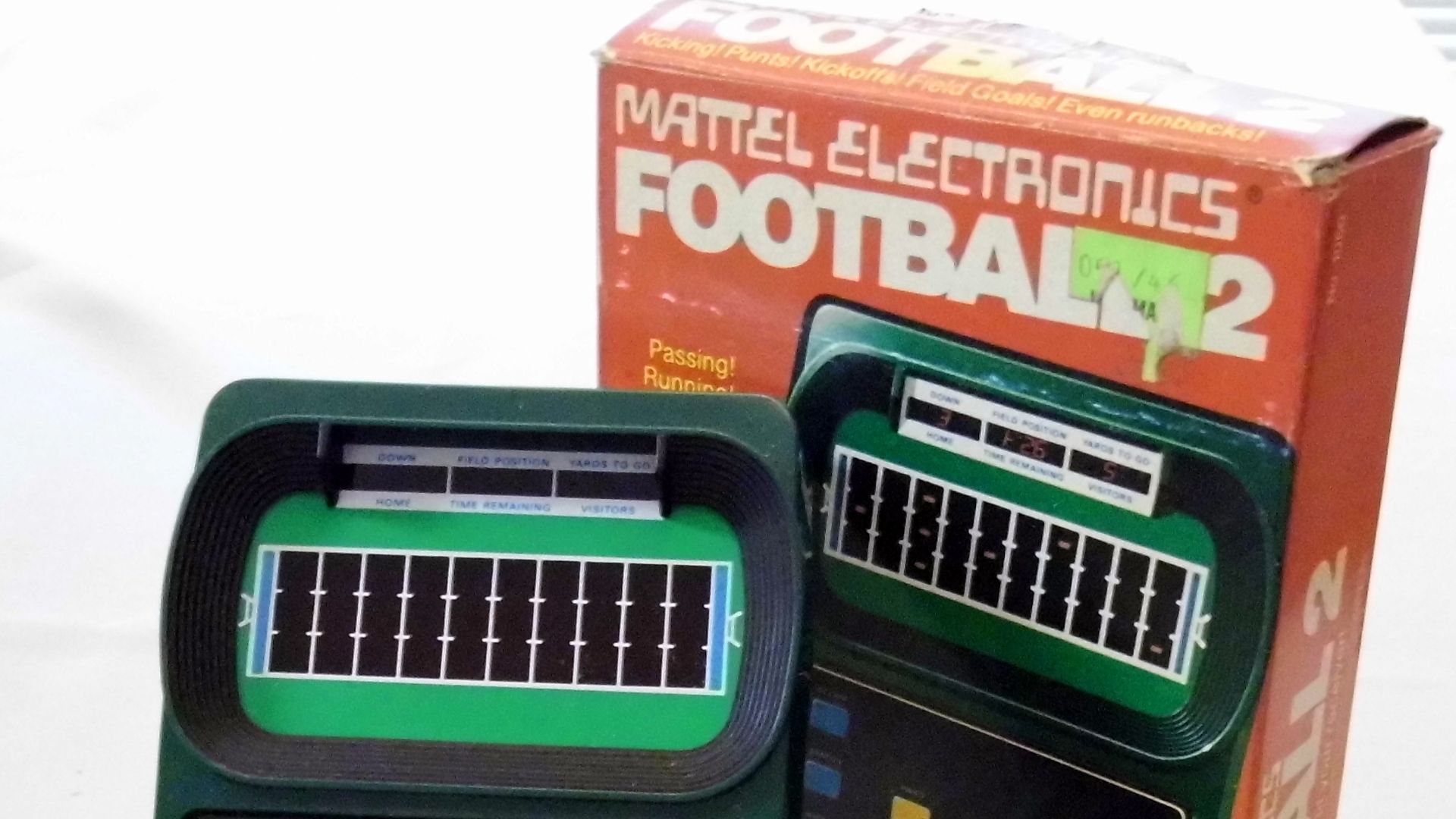
1. Mattel Electronic Football
Mattel Electronic Football came out in 1977 as a dedicated handheld from Mattel Electronics, squeezing a whole football game into a tiny field of red LED lights. On a phone, it’d work beautifully as a one-thumb arcade sports game with swipe movement, haptic tackles, and short drives that last less than a minute.
 Joe Haupt from USA on Wikimedia
2. Block Buster
Block Buster was the pack-in game for the Milton Bradley Microvision, released in 1979. The Microvision was an early cartridge-based handheld, and Block Buster used its small screen for a simple brick-breaking setup with a paddle and bouncing ball. A phone version would feel natural with swipe controls, clean portrait play, and a black-and-white display option that keeps the early handheld look.
 Joe Haupt from USA on Wikimedia
3. Merlin
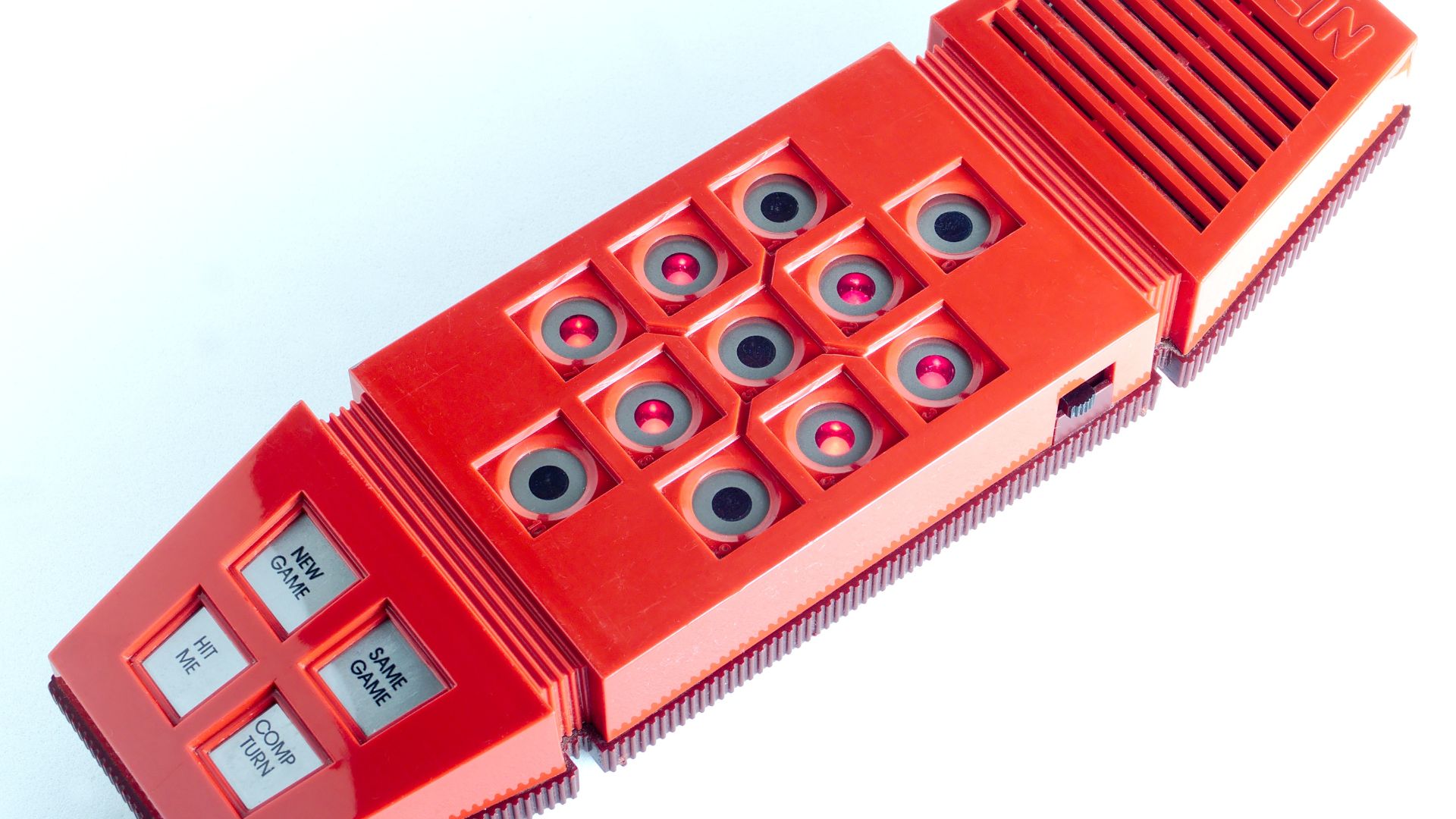
Merlin arrived in 1978 from Parker Brothers as a dedicated electronic handheld. A modern app could make Merlin a daily mini-game hub, with quick puzzles, sound toys, score chasing, and the same strange toy-computer feel that made the original so easy to mess around with.
4. Simon
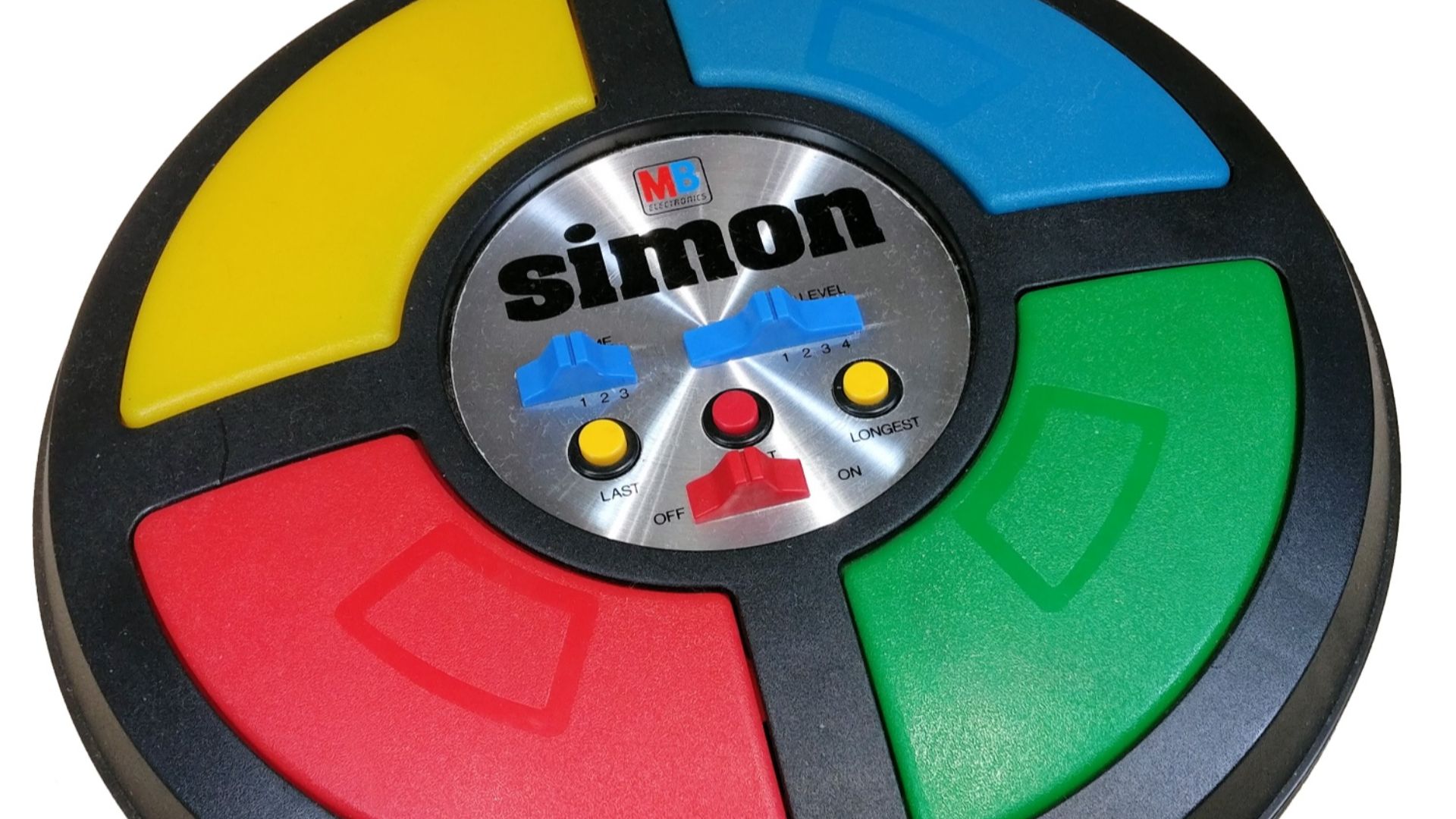
Simon was released in 1978 as a dedicated electronic memory game. You watch the colored lights, listen to the tones, and repeat the sequence until your brain fumbles at the worst possible second. A phone app could add haptics, colorblind-friendly settings, sound packs, and multiplayer challenges while keeping the game’s simplicity.
5. Donkey Kong
Nintendo’s Donkey Kong came to the Game & Watch Multi Screen line in 1982. A phone revival could stack the screens vertically, keep the fixed LCD-style animations, and make the tall phone display feel useful instead of forcing the game into a modern platformer shape.
6. Tetris
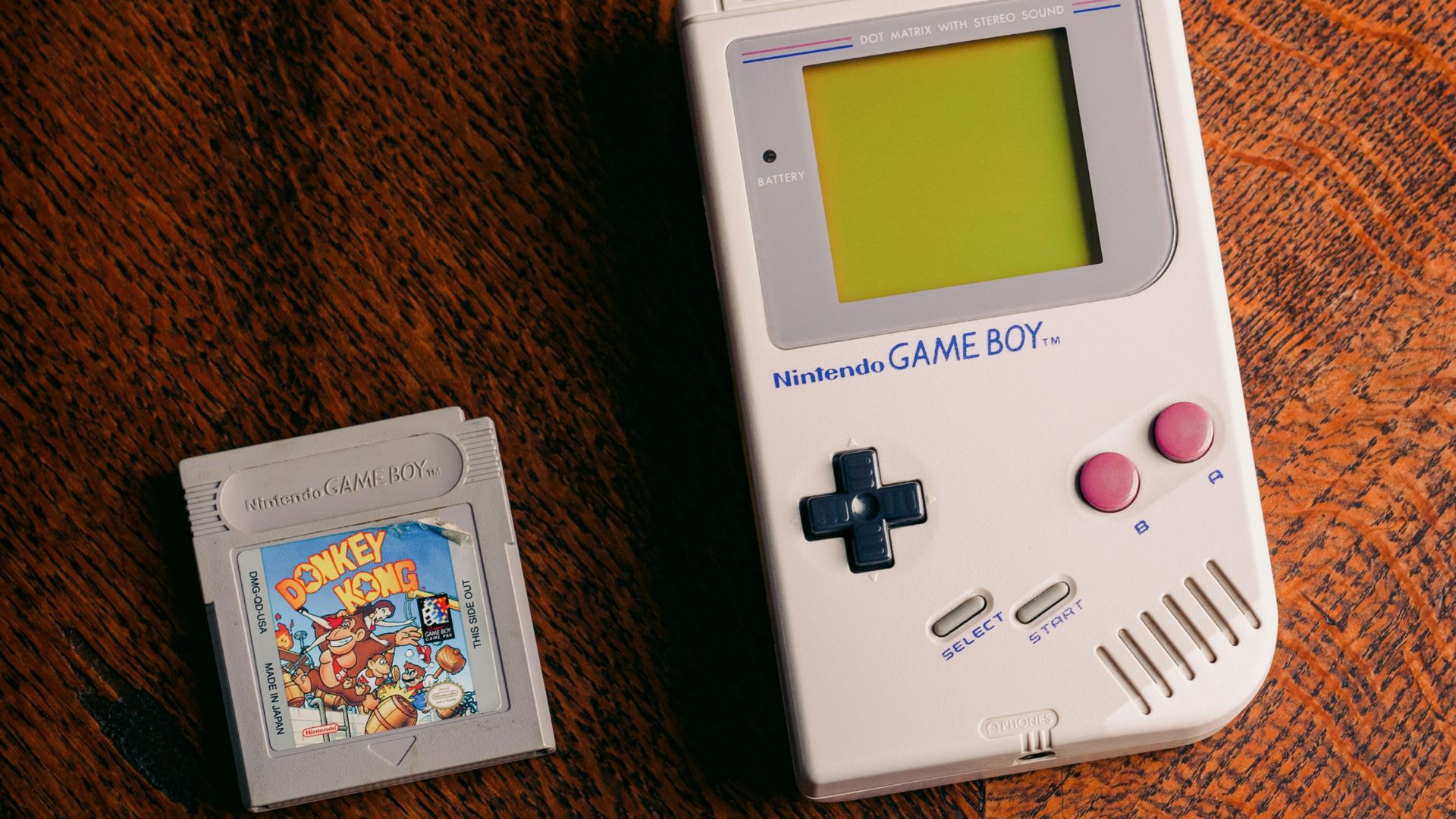
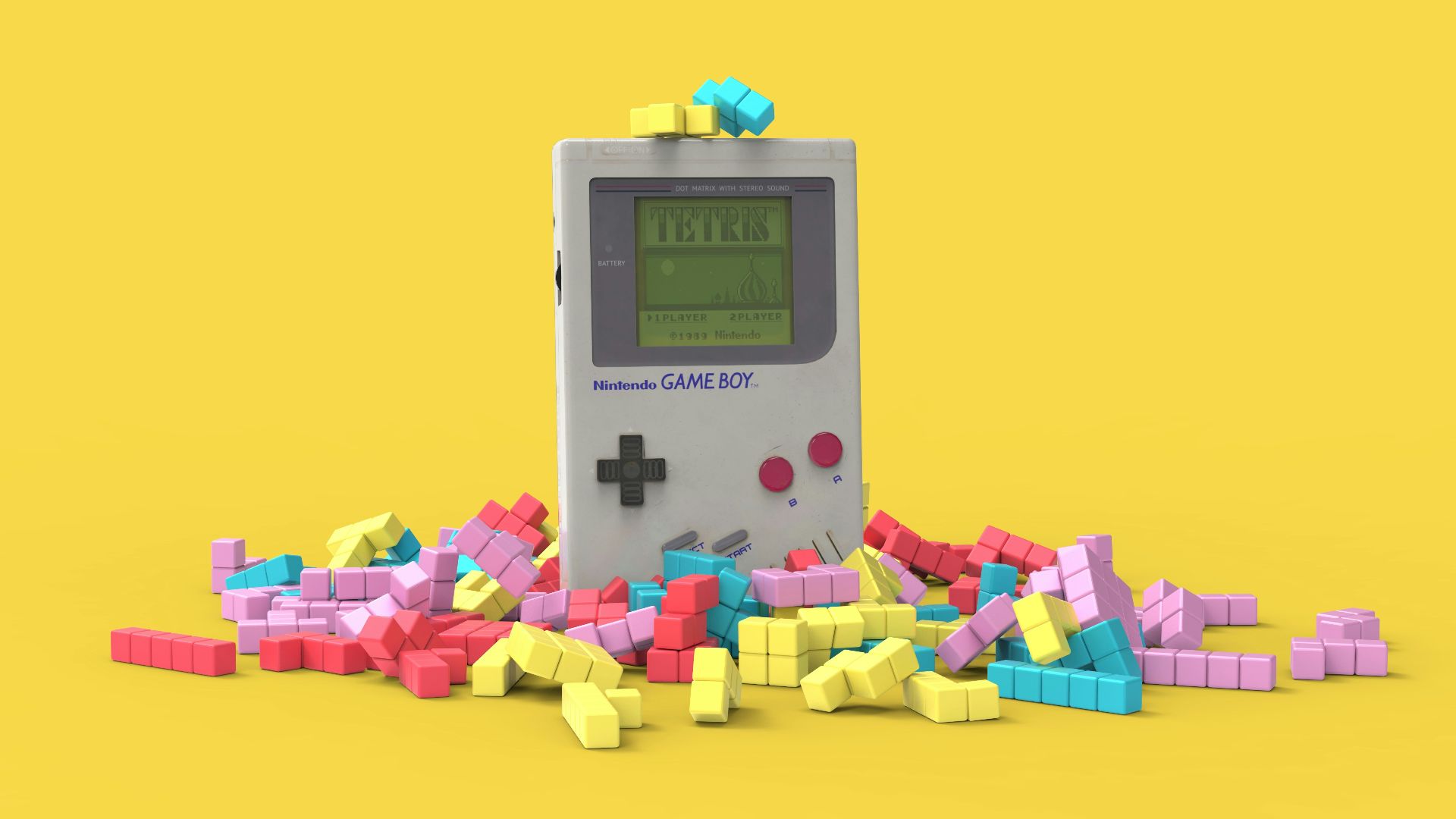
Tetris became a defining Game Boy title when it launched with Nintendo’s handheld in 1989. The falling-block puzzle format was perfect for portable play because one round could last a few minutes. Phones already host plenty of puzzle games, but a classic Game Boy-style Tetris app with offline play, clean swipe controls, and no cluttered reward screens would definitely be welcomed.
7. Mario’s Picross
Mario’s Picross was released for the Game Boy in 1995, and it took nonogram puzzles into Nintendo’s handheld world. Instead of running and jumping, players used number clues to chip away at a grid and reveal hidden pictures. It’s almost too perfect for phones: tap to fill squares, mark uncertain spaces, zoom larger grids, and solve one compact puzzle quickly and cleanly.
8. Sonic The Hedgehog: Triple Trouble
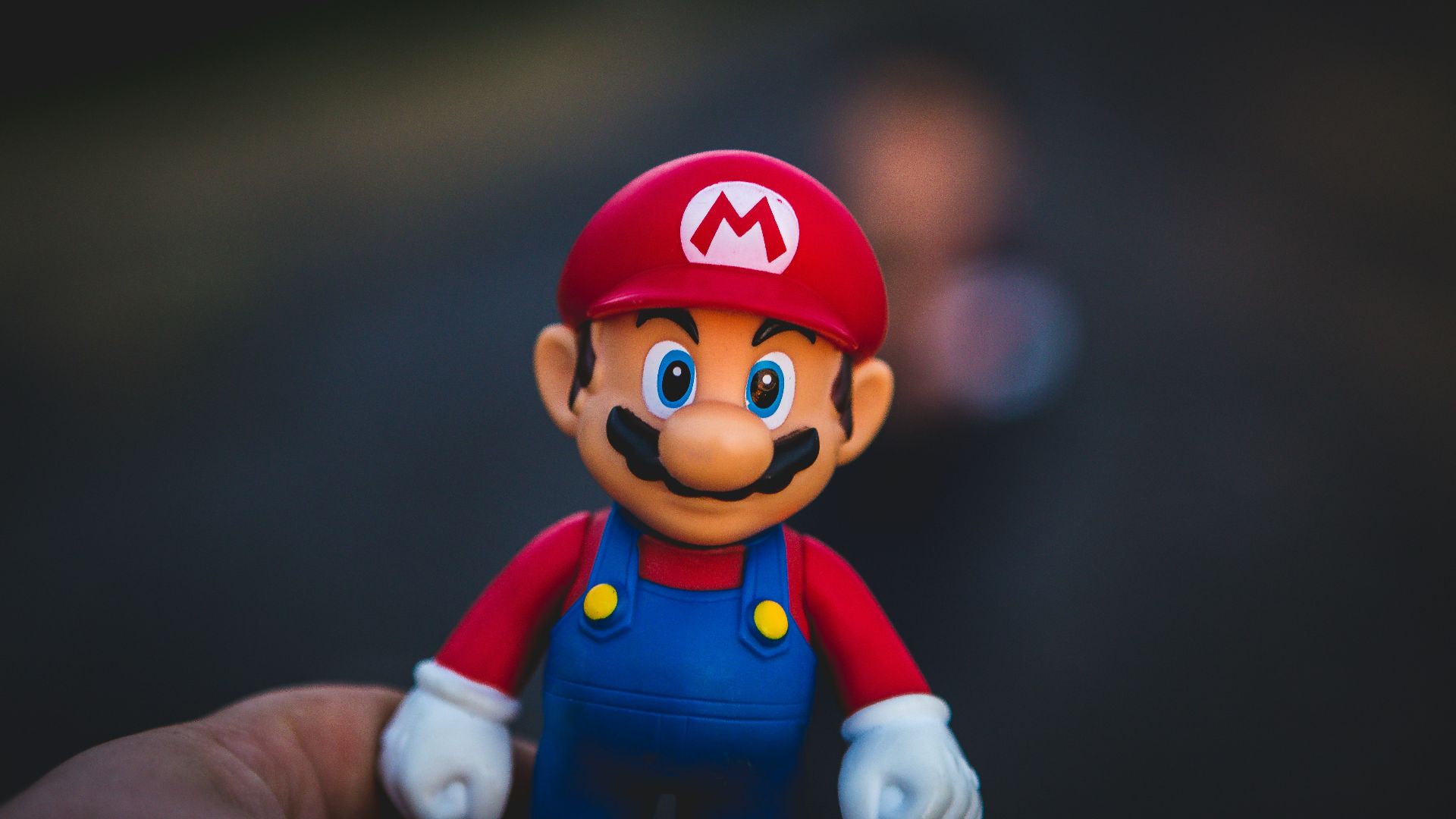
Sonic the Hedgehog: Triple Trouble was a 1994 side-scrolling adventure game for the Sega Game Gear. A phone version could work if it keeps the Game Gear pacing, adds clear virtual buttons, includes save-anywhere support, and avoids turning Sonic into another endless runner.
9. Pokémon Pinball
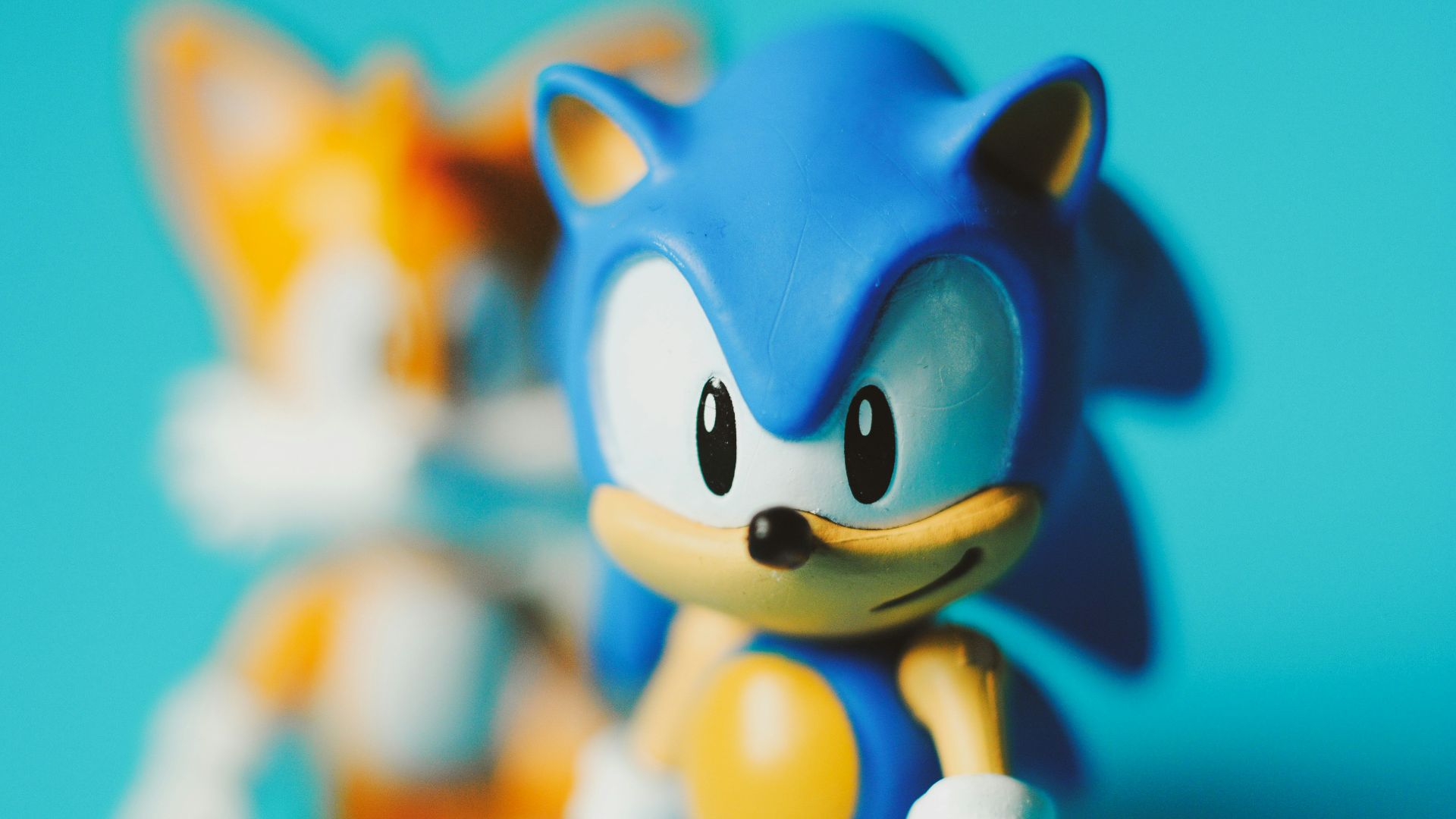
Pokémon Pinball launched for the Game Boy Color in 1999. The game mixed pinball tables with catching and evolving Pokémon, so every shot had a purpose beyond keeping the ball alive. Phones would be a strong fit because tap controls already suit pinball-style gaming.
 Mboverload~commonswiki on Wikimedia
10. WarioWare, Inc.: Mega Microgame$!
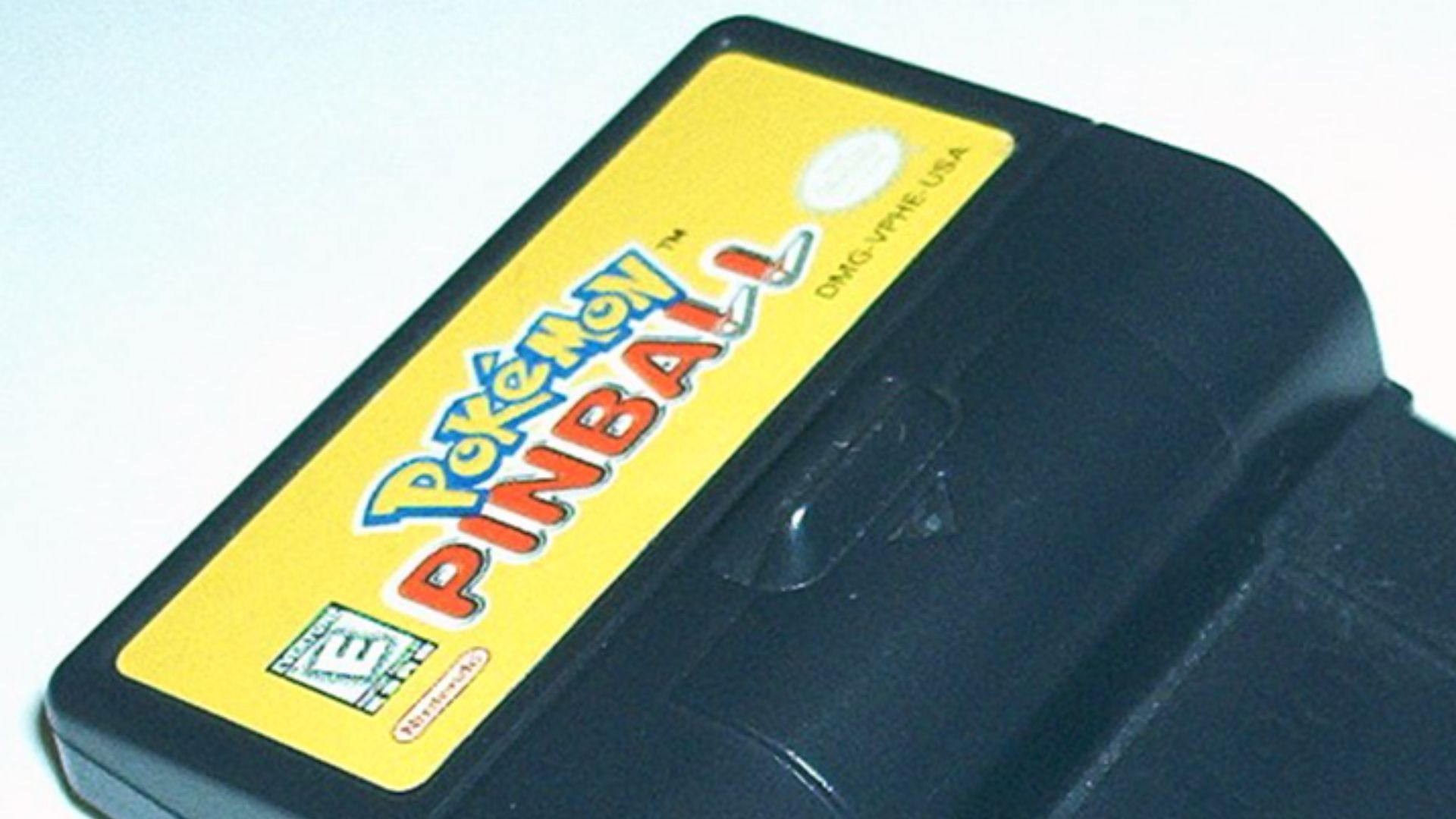
WarioWare, Inc.: Mega Microgame$! came out for the Game Boy Advance in 2003 and built its identity around seconds-long challenges. It might be the most phone-ready game here, since microgames already match the way people play on phones.
11. Ball
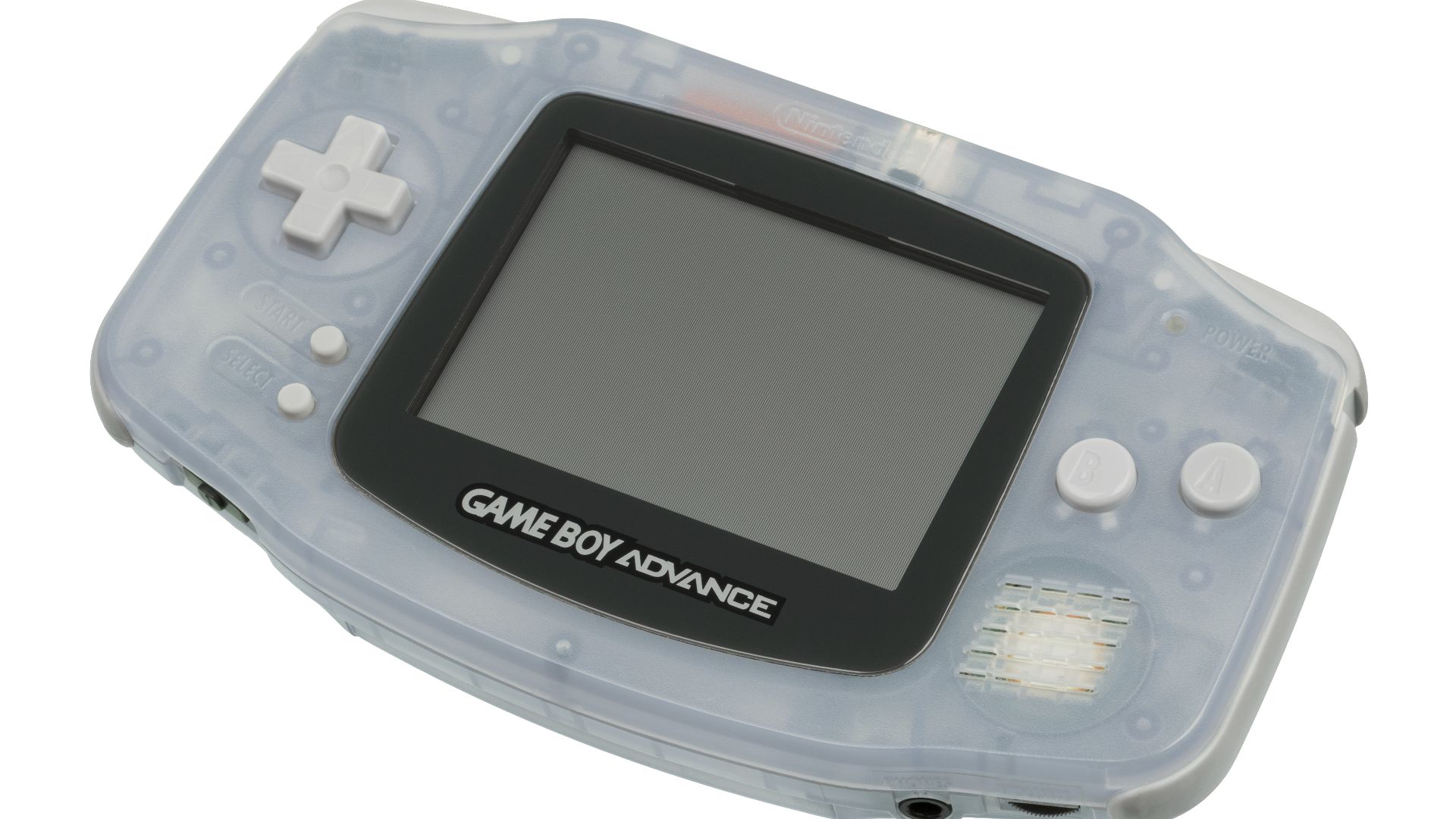
Ball launched in 1980 as the first title in Nintendo’s Game & Watch line. The player moved the character’s arms back and forth to keep two or three balls from dropping. On a phone, it’d work as a clean tap-control score chaser, with haptics for every catch and a charming retro display mode.
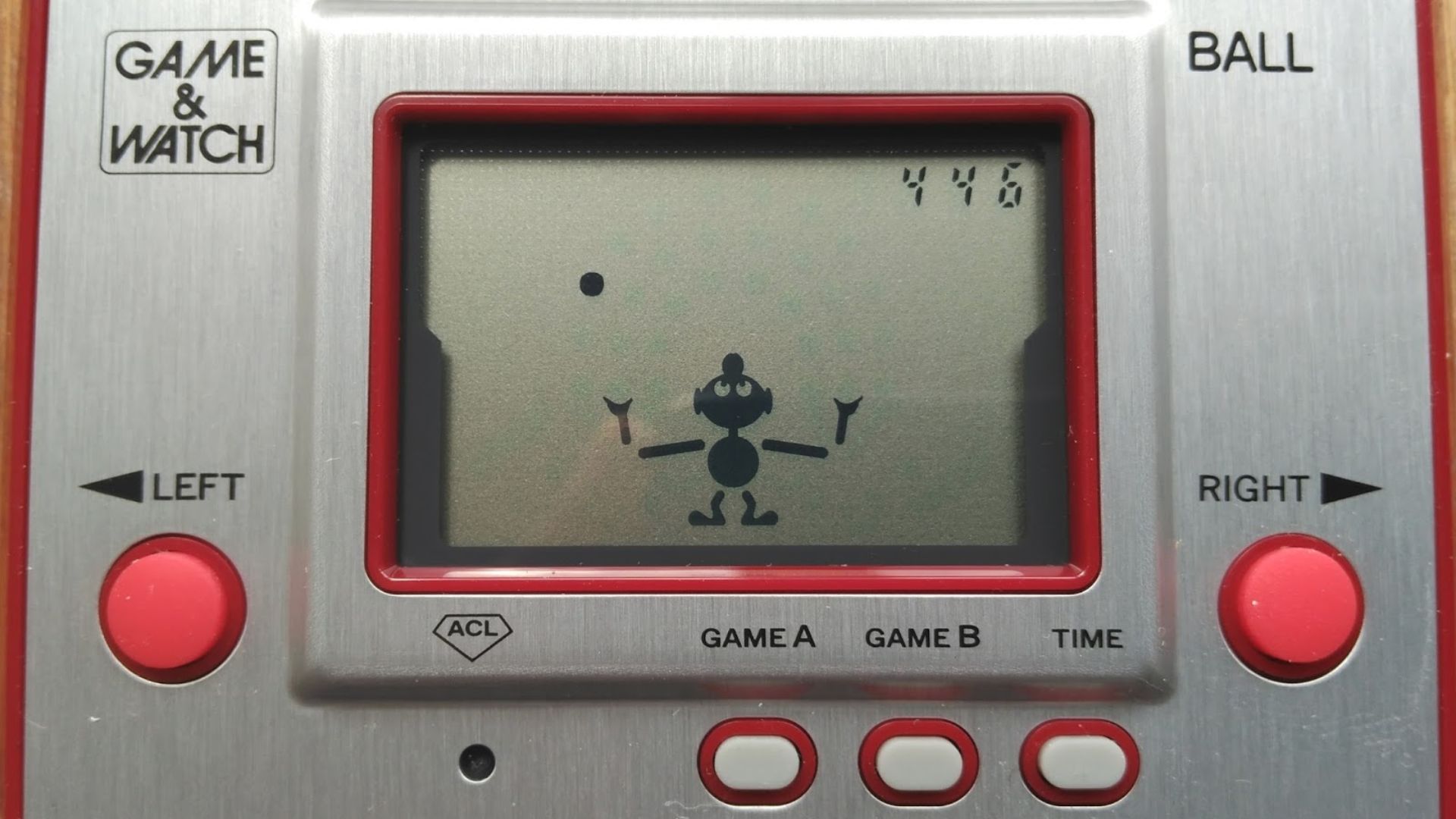 José Antonio Ortigueira Amor on Wikimedia
12. Gargoyle’s Quest
Gargoyle’s Quest was released for the Game Boy in 1990, giving Firebrand from Ghosts ’n Goblins his own handheld adventure. It mixed side-scrolling action with light RPG elements, so players weren’t just jumping and fighting; they were exploring towns, building up abilities, and pushing deeper into the Ghoul Realm. A phone version could work well with short stages, save-anywhere support, and touch controls built around Firebrand’s flying, wall-clinging, and projectile attacks.
13. Kirby’s Pinball Land
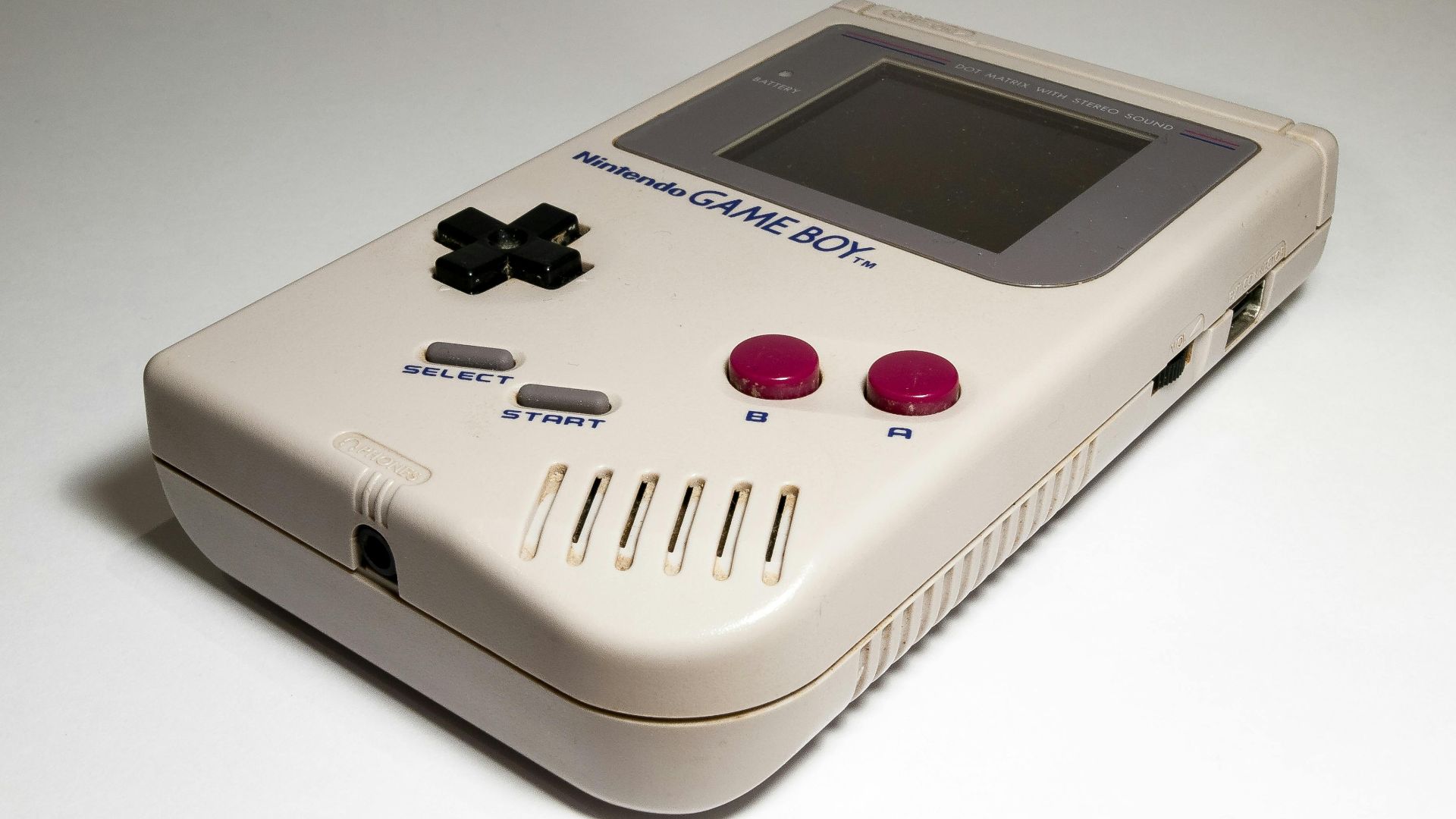
Kirby’s Pinball Land was released for the Game Boy in 1993, turning Kirby himself into the ball across three pinball tables inspired by his early adventures. A modern version could keep the Game Boy look while adding sharper haptics, table goals, and daily challenges.
14. Mole Mania
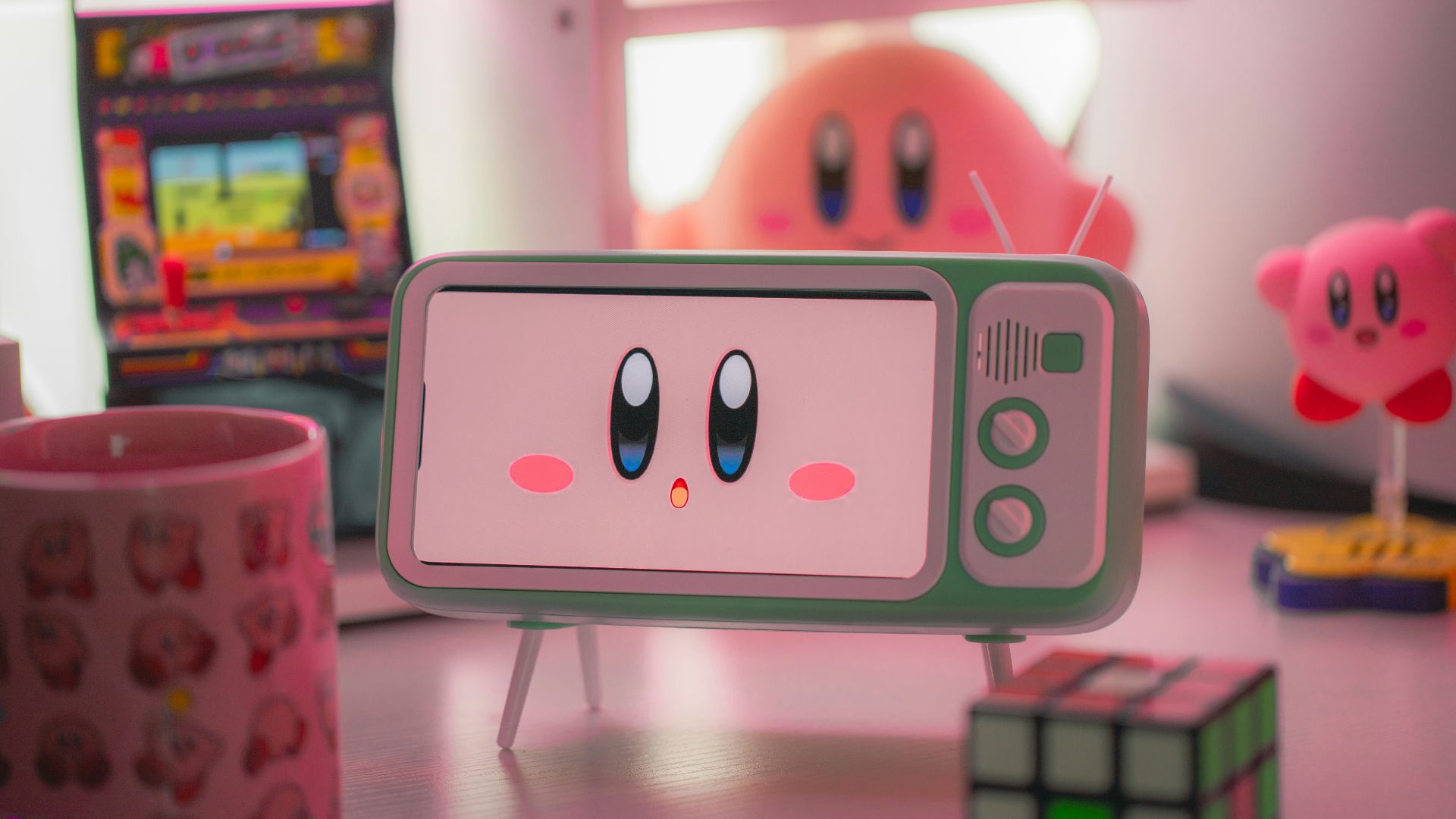
Mole Mania came to the Game Boy in the late 90s. This puzzle box game features Muddy Mole, who’s trying to save his family from the farmer Jinbe. Phones would suit it nicely because grid-based puzzles, undo buttons, and short stages all feel right at home on a touchscreen.
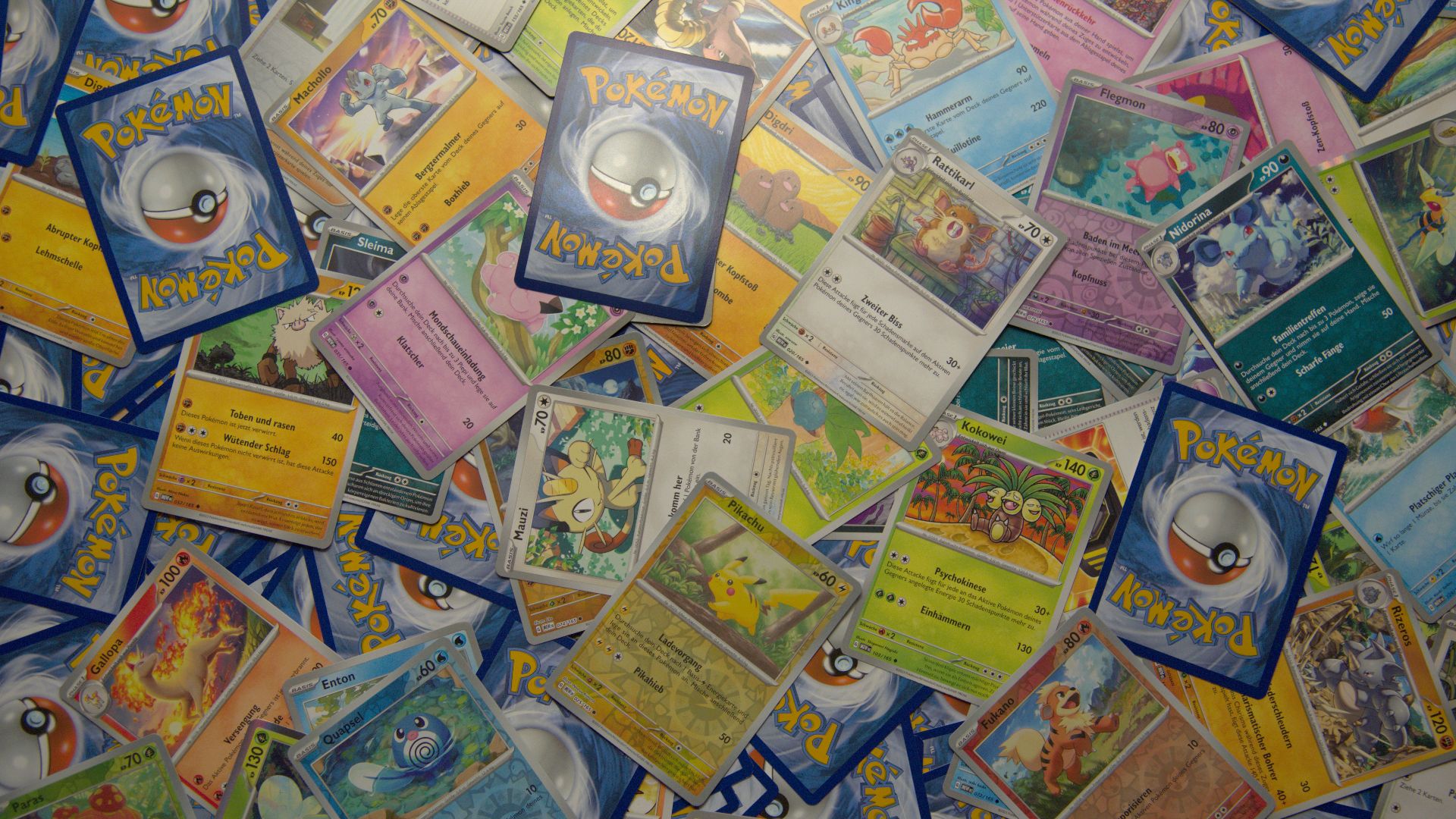
15. Pokémon Trading Card Game
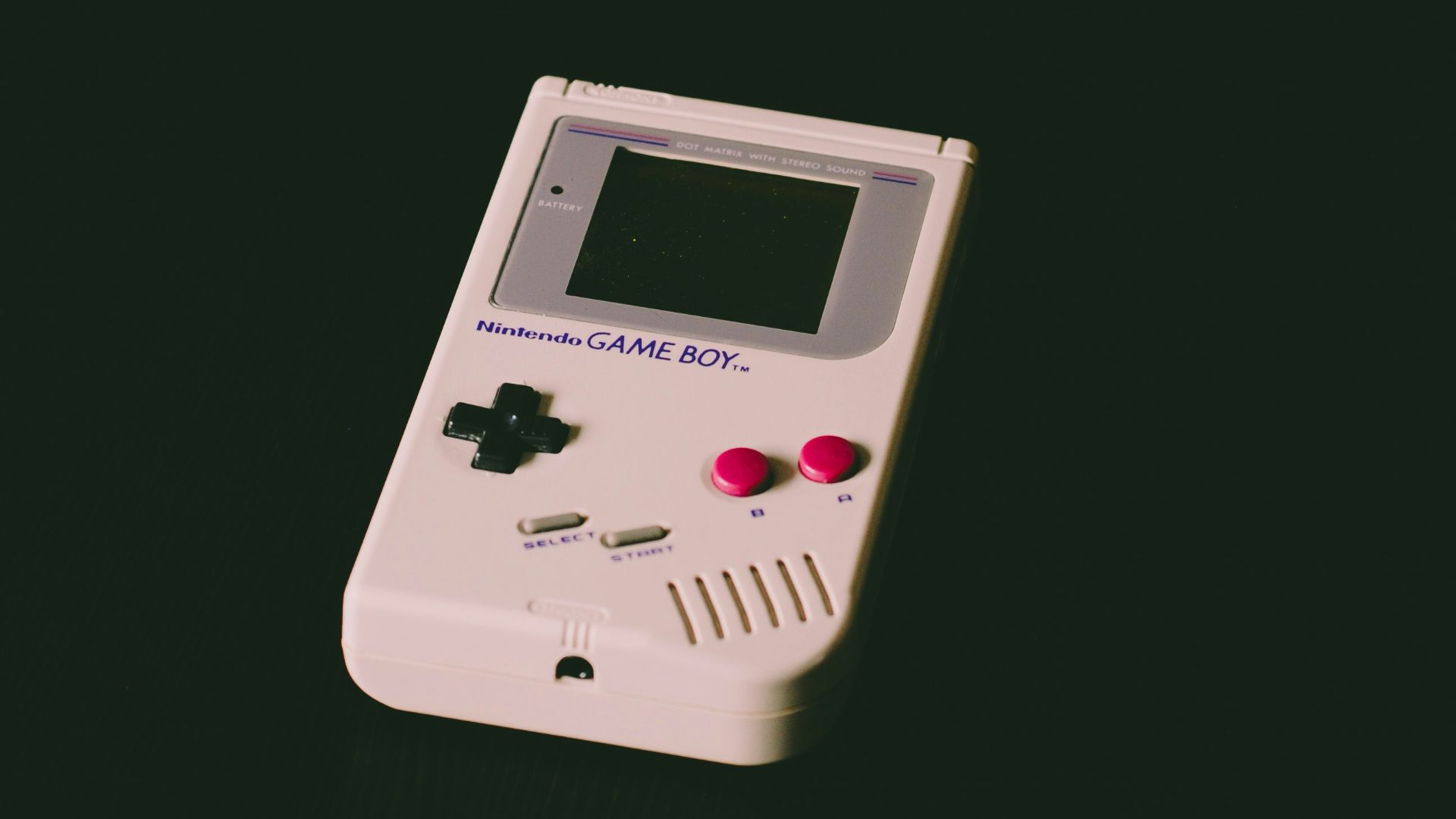
Pokémon Trading Card Game was released for the Game Boy Color around 2000, turning the physical card game into something more portable. A phone version feels almost obvious now, since collecting cards, editing decks, reading rules, and playing quick matches all fit mobile screens quite well.
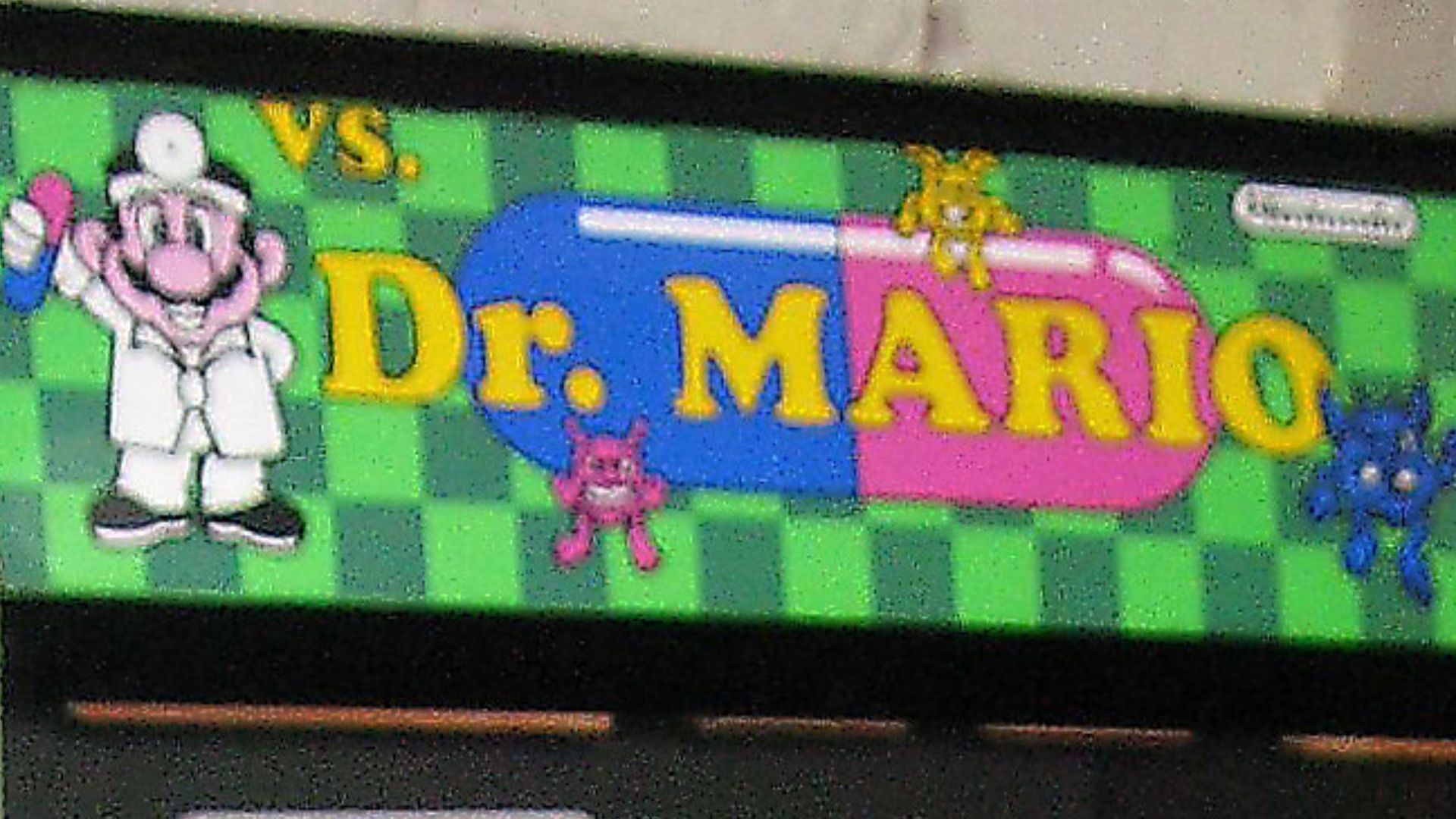
16. Dr. Mario
Dr. Mario launched on the Game Boy in 1990, alongside the NES version, and gave Nintendo’s handheld library another strong falling-block puzzle game. A phone remake could work beautifully in portrait mode, with swipe-and-tap capsule controls, short rounds, and a clean classic mode that doesn’t overload the screen with bonuses.
 17daysolderthannes on Wikimedia
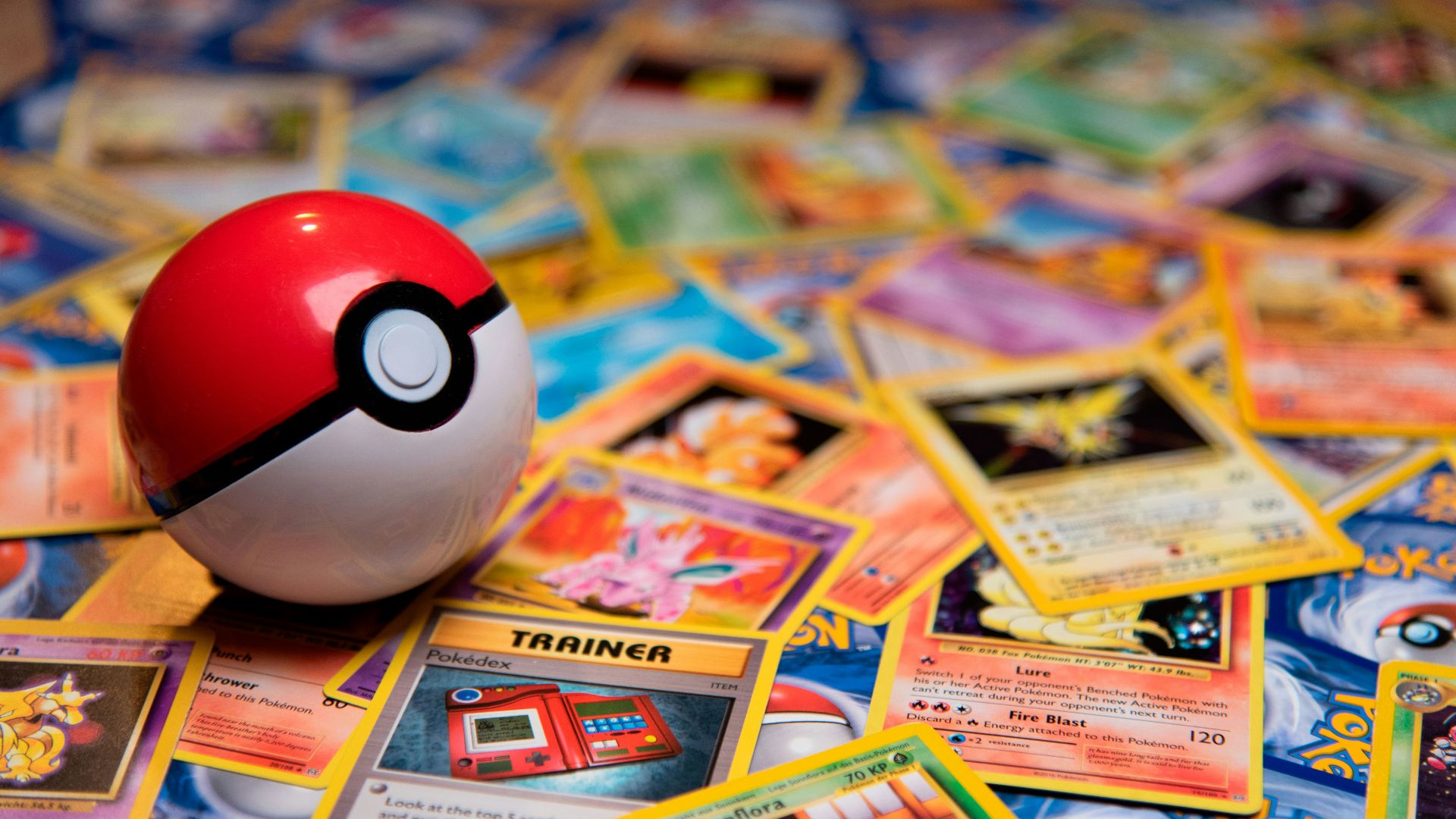
17. Pokémon Puzzle Challenge
Pokémon Puzzle Challenge came out for the Game Boy Color in 2000, bringing the tile-swapping puzzle style of the Puzzle League series into the Pokémon Gold and Silver era. On phones, it’d make sense as a quick competitive puzzle app with touch swapping, daily challenges, and online battles.
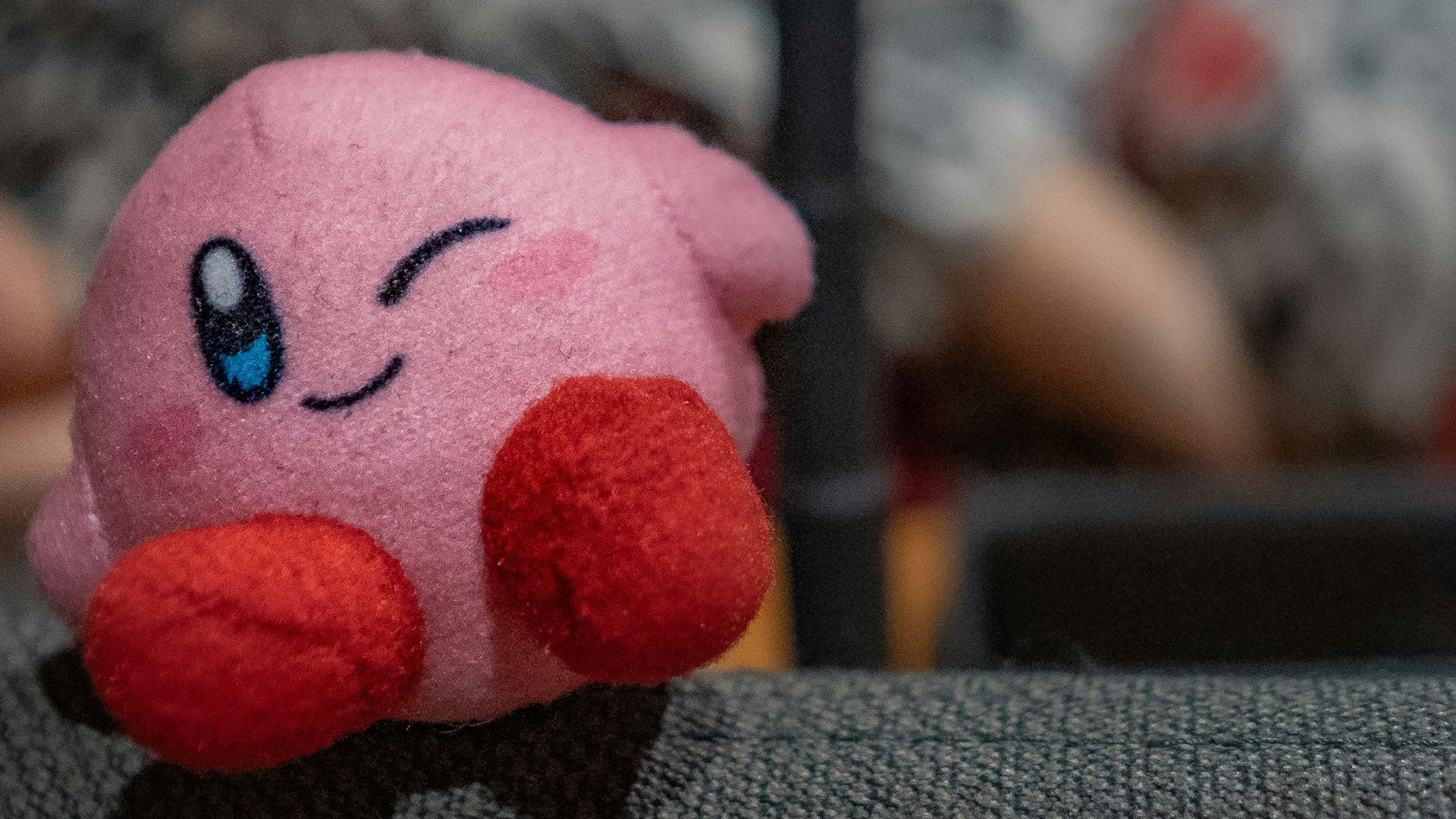
18. Kirby Tilt ’n’ Tumble
Kirby Tilt ’n’ Tumble was released for the Game Boy Color in the early 2000s. Players tilted the handheld itself to roll Kirby through maze-like stages. A modern phone version could use gyroscope controls perfectly.
19. Mr. Driller
Mr. Driller came to the Game Boy Color in 2000 after beginning as an arcade game. Players drilled downward through colorful blocks while managing oxygen and trying not to get crushed by falling pieces. A phone version would work well because the vertical digging format fits portrait screens and touch-based directional movement.
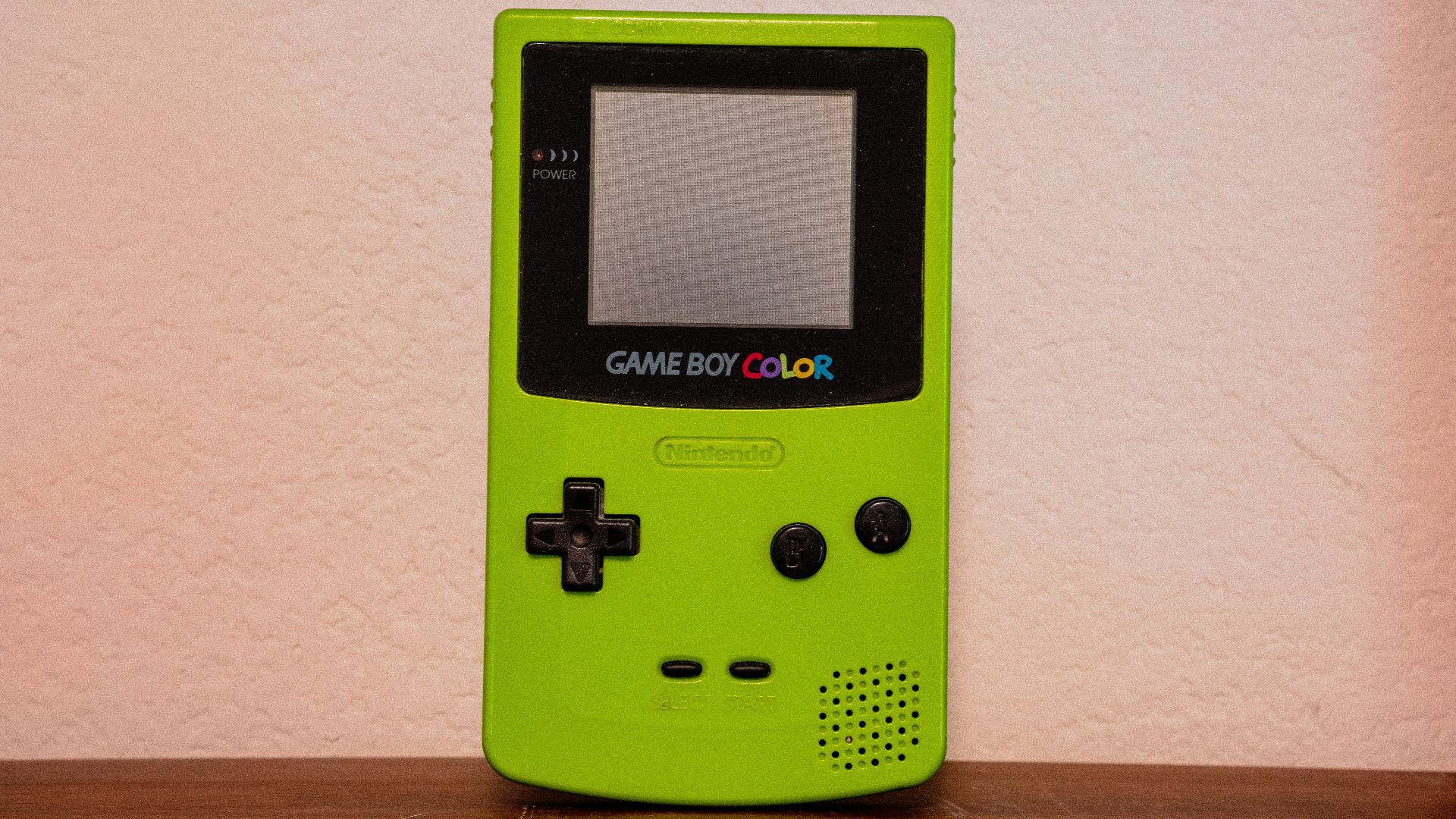
20. Wario Land: Super Mario Land 3
Wario Land: Super Mario Land 3 was released for the Game Boy in 1994 and gave Wario the lead role after his debut as Mario’s rival. A phone version of this platformer would need thoughtful virtual controls, but its short levels, secret rooms, and collectible-driven structure would make it a strong fit for mobile play if it were handled with care.