Evil With A Point
A weak villain just blocks the hero’s path. A great villain makes the reader hesitate for half a second before rooting against them. In comics and graphic novels, the best antagonists often come with wounds, logic, style, or a worldview that feels uncomfortably close to making sense. They may do terrible things, but the writing gives them enough humanity that fans start arguing in comment sections like defense attorneys. Here are 20 villains people defend because the character was so well-written.
 commons.wikimedia.org on Google
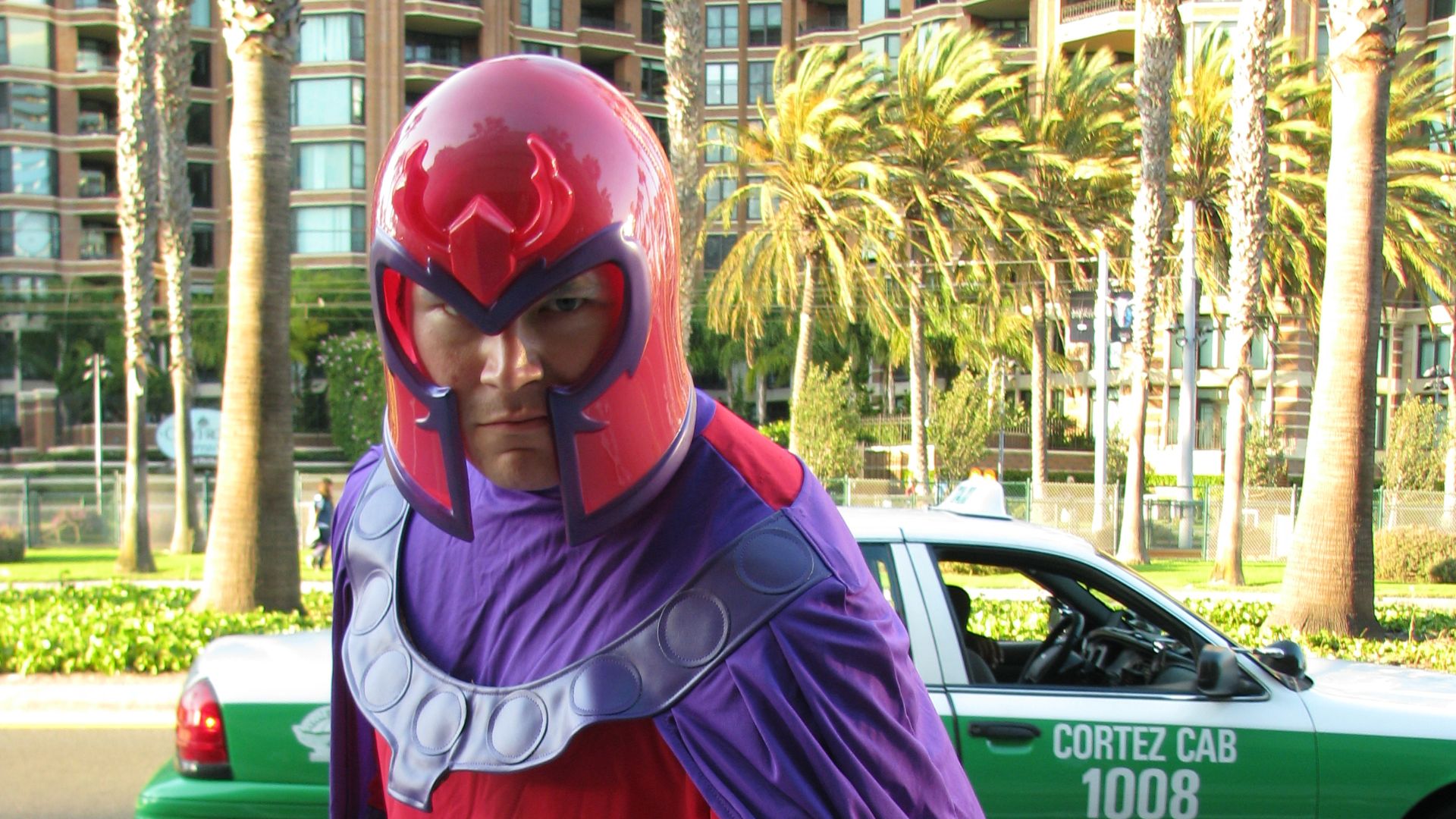
1. Magneto
Magneto is one of the easiest villains to understand, even when his methods become impossible to excuse. His history as a Holocaust survivor gives his fear of mutant persecution real weight, and that makes his anger feel earned rather than decorative. People defend him because his fear is rooted in memory, not chaos. He has seen what happens when hatred is allowed to organize itself.
 William Tung from USA on Wikimedia
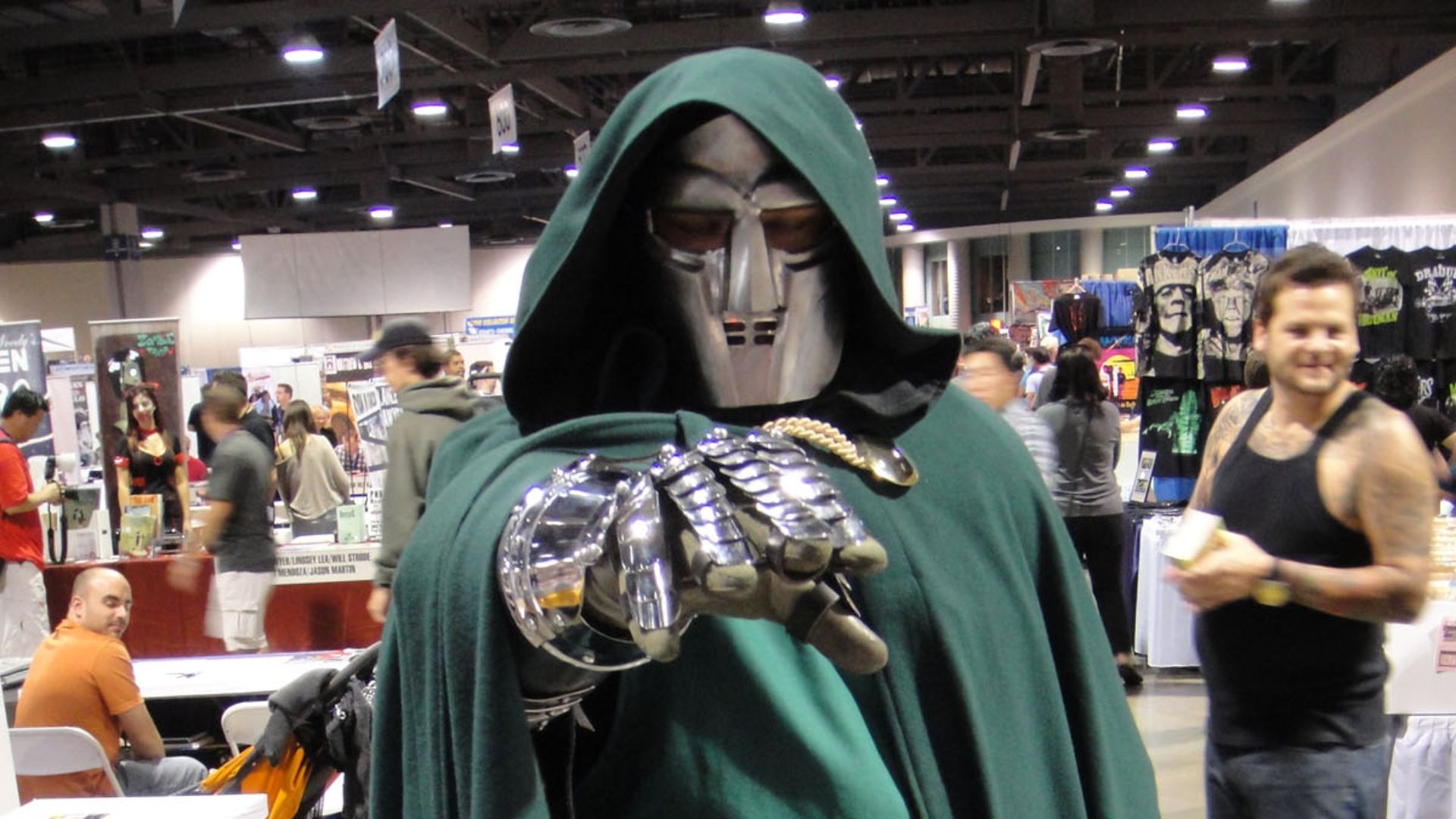
2. Doctor Doom
Doctor Doom works because he is ridiculous and tragic at the same time. He is a masked monarch, a genius, and a sorcerer who treats ruling the world like a burden only he is qualified to carry. Fans defend him because Doom genuinely believes humanity would be safer under his control, and the worst part is that the comics sometimes let you wonder if he might be right.
 The Conmunity - Pop Culture Geek from Los Angeles, CA, USA on Wikimedia
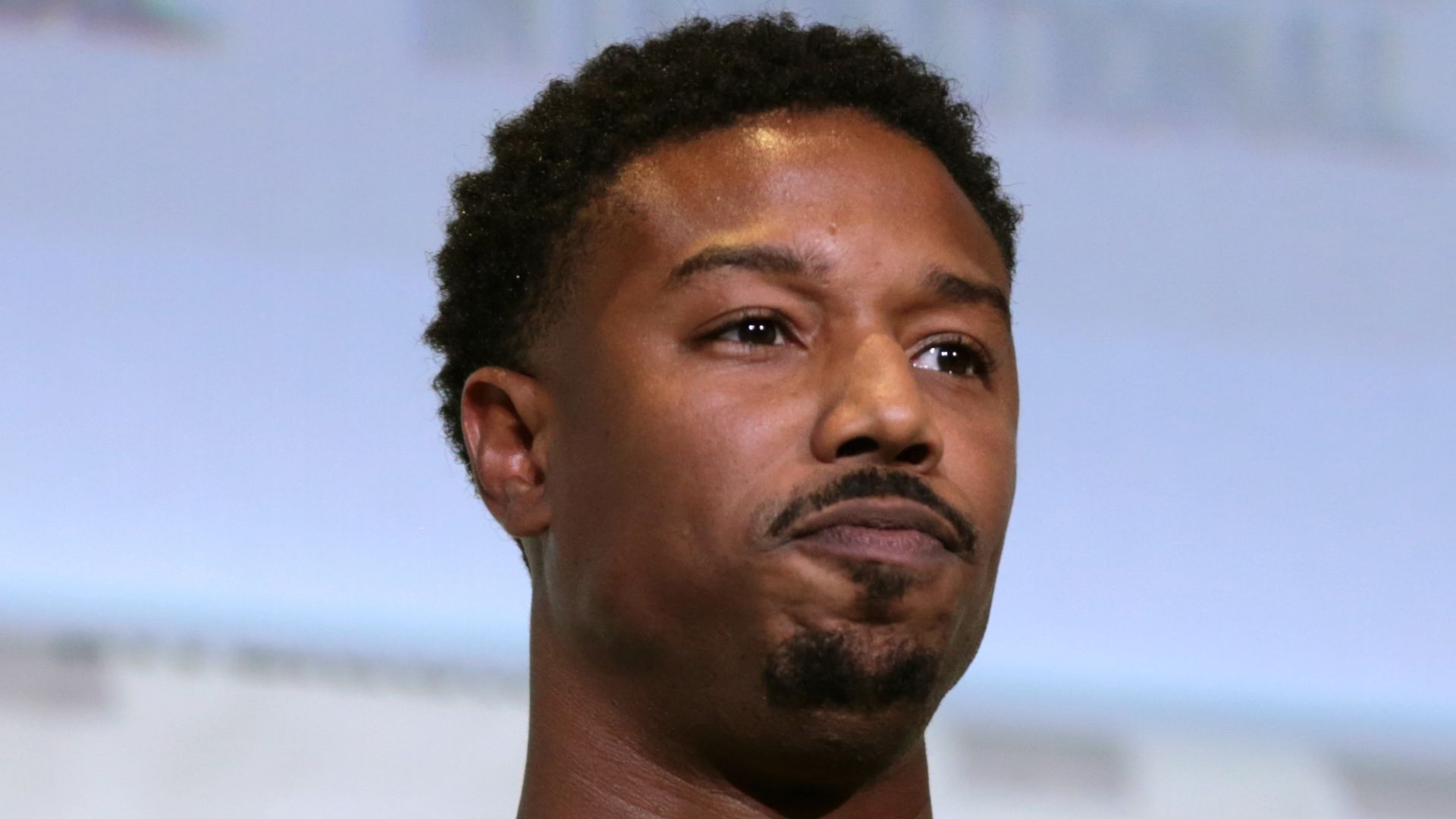
3. Killmonger
Killmonger is compelling because his anger comes from grief, exile, and a clear view of what power does when nobody challenges it. He sees Wakanda’s isolationist policies as a refusal to help people it had the power to protect. His cruelty keeps him from being the hero, but the wound behind his argument is too real to dismiss.
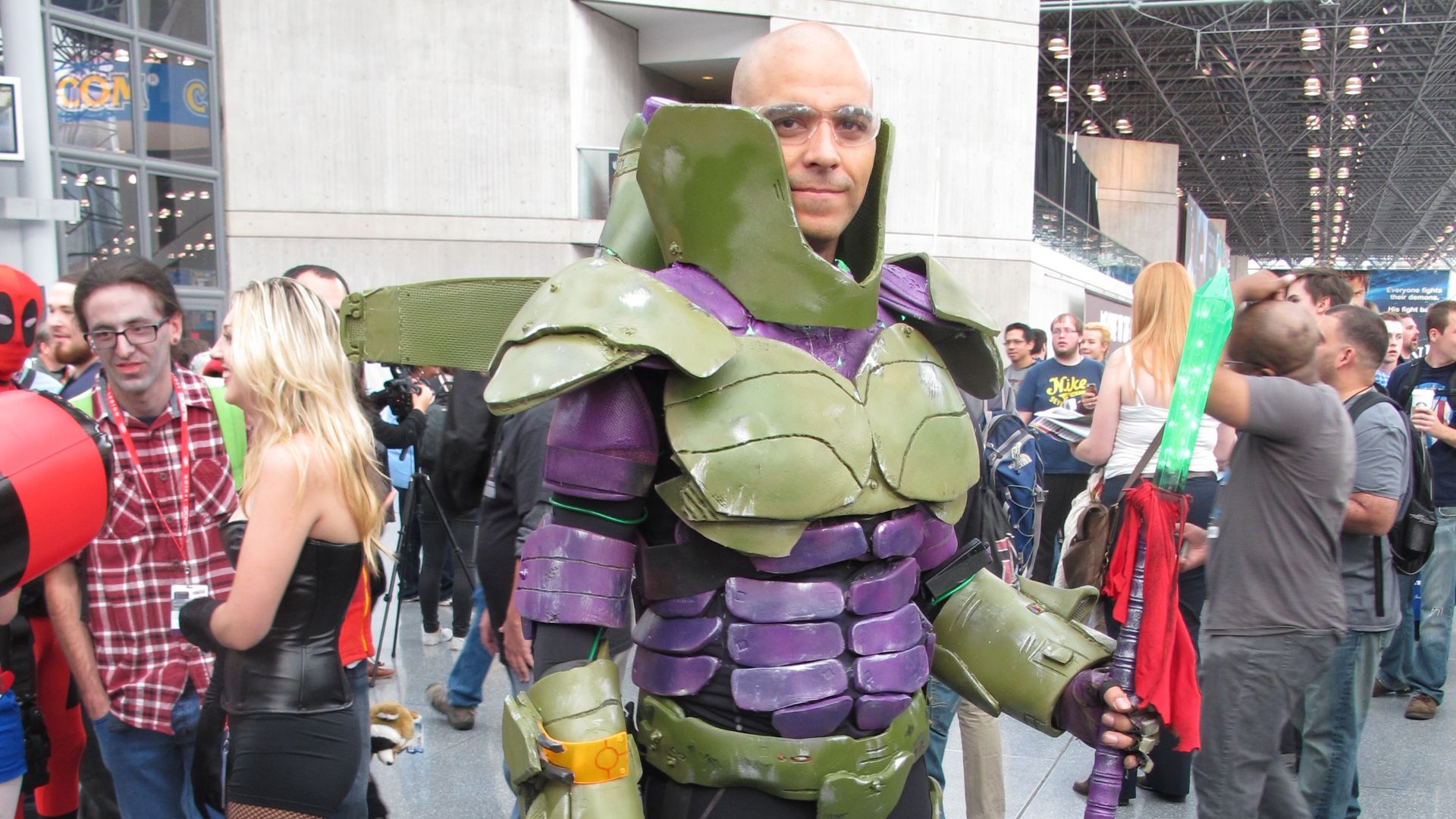
4. Lex Luthor
Lex Luthor is at his best when he is not just jealous of Superman but offended by him. He sees Superman as proof that humanity has stopped trying to save itself. That is a twisted position, but a well-written Luthor makes it sound almost noble until his ego ruins the speech.
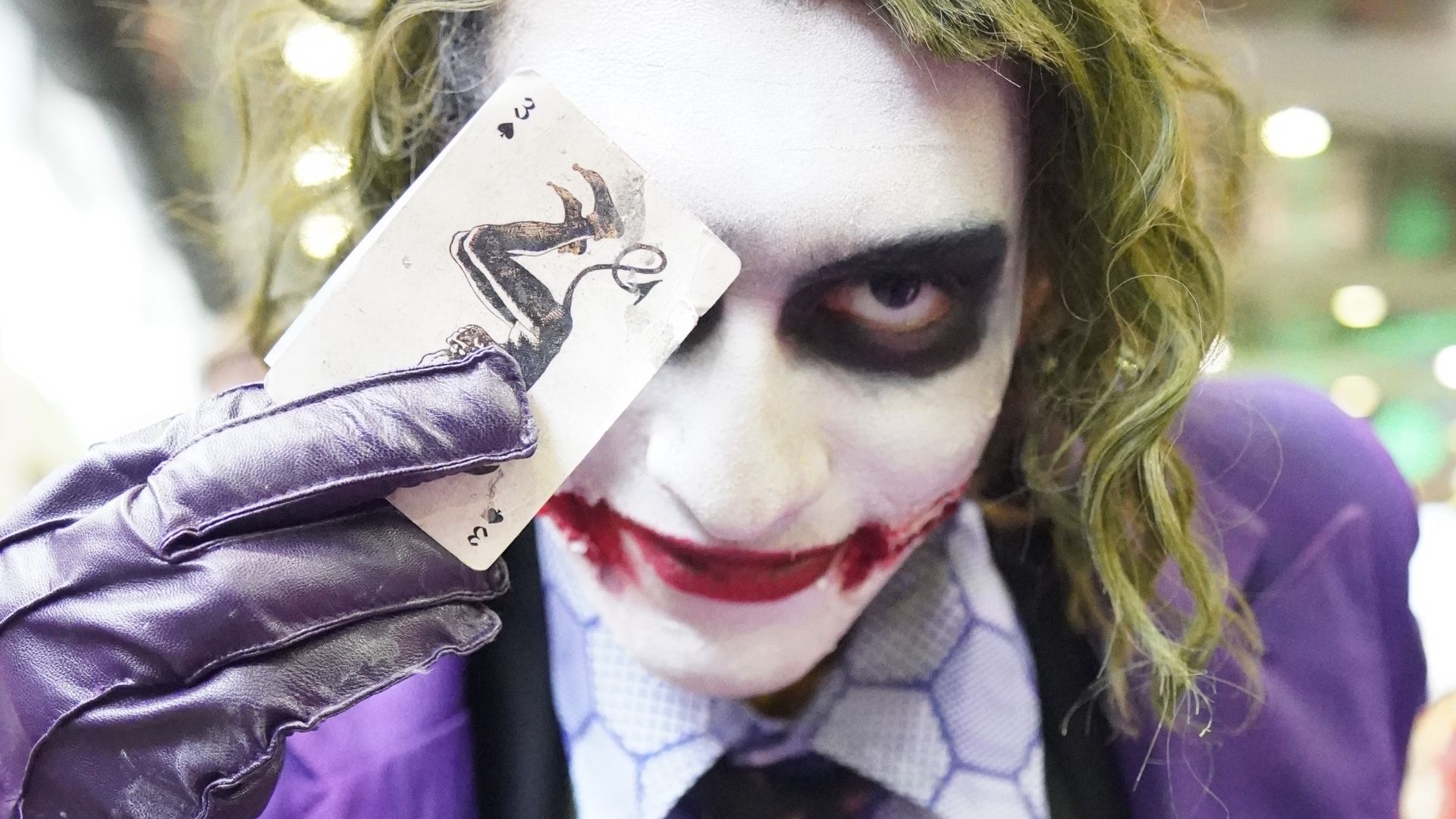
5. The Joker
The Joker should not be defendable, and yet readers keep circling back because great writers use him as a mirror for fear, absurdity, and moral collapse. He is not sympathetic in the usual sense. He is compelling because he turns every scene into a test of what the hero can endure without becoming him.
 Miguel Discart & Kiri Karma on Wikimedia
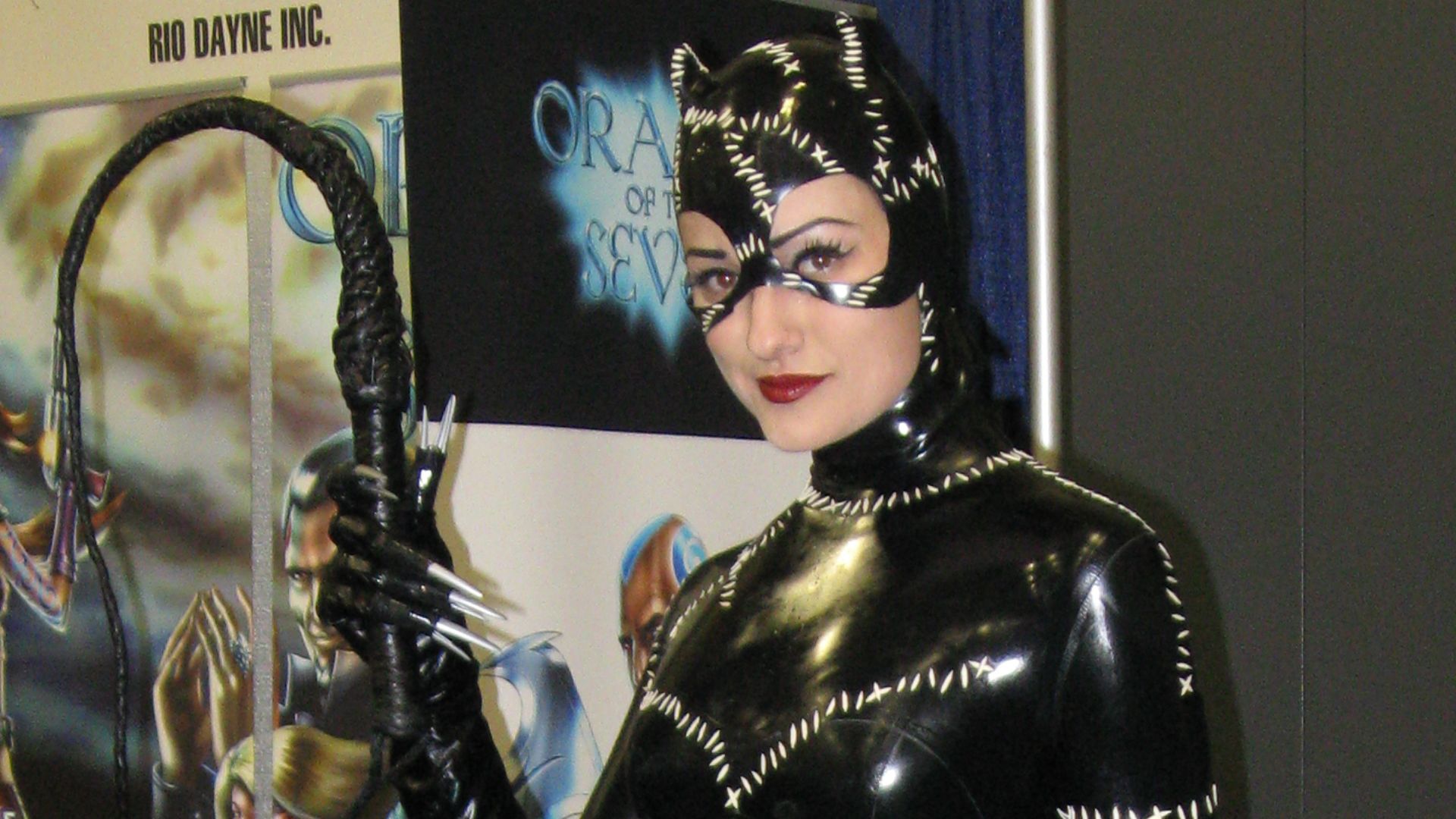
6. Catwoman
Catwoman has spent so much time between villain, antihero, and romantic foil that defending her barely feels controversial anymore. She steals, lies, and disappears when things get serious, but she also exposes the hypocrisy of a city built on wealth and corruption. Her best stories make crime feel less like evil and more like survival.
 Garrett Albright from Tokyo, Japan on Wikimedia
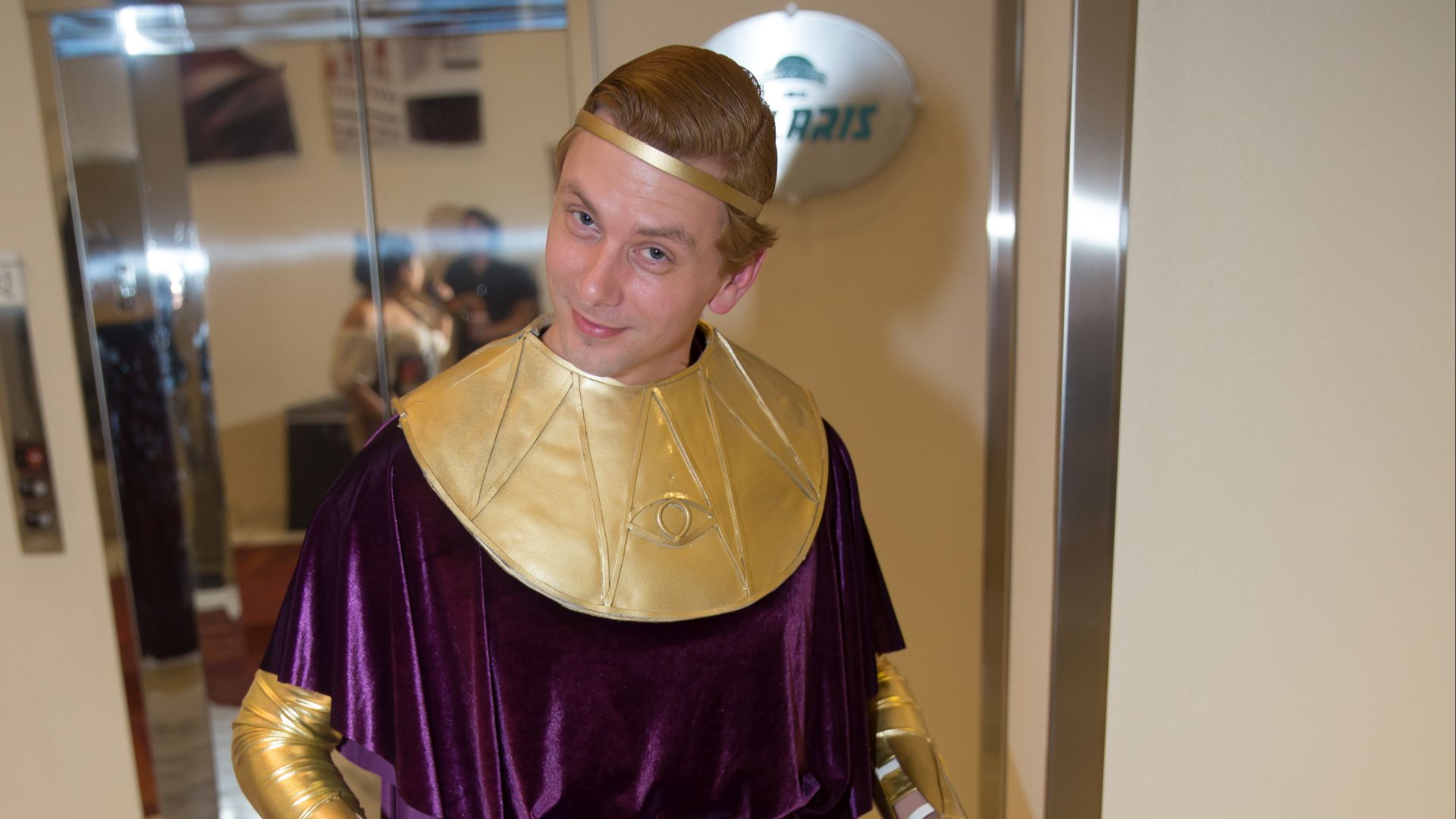
7. Ozymandias
Ozymandias is terrifying because he does not see himself as cruel. He sees himself as the only adult in the room. His plan in Watchmen is monstrous, but the writing forces readers to sit with the awful possibility that he made a choice others were too human to make.
8. Two-Face
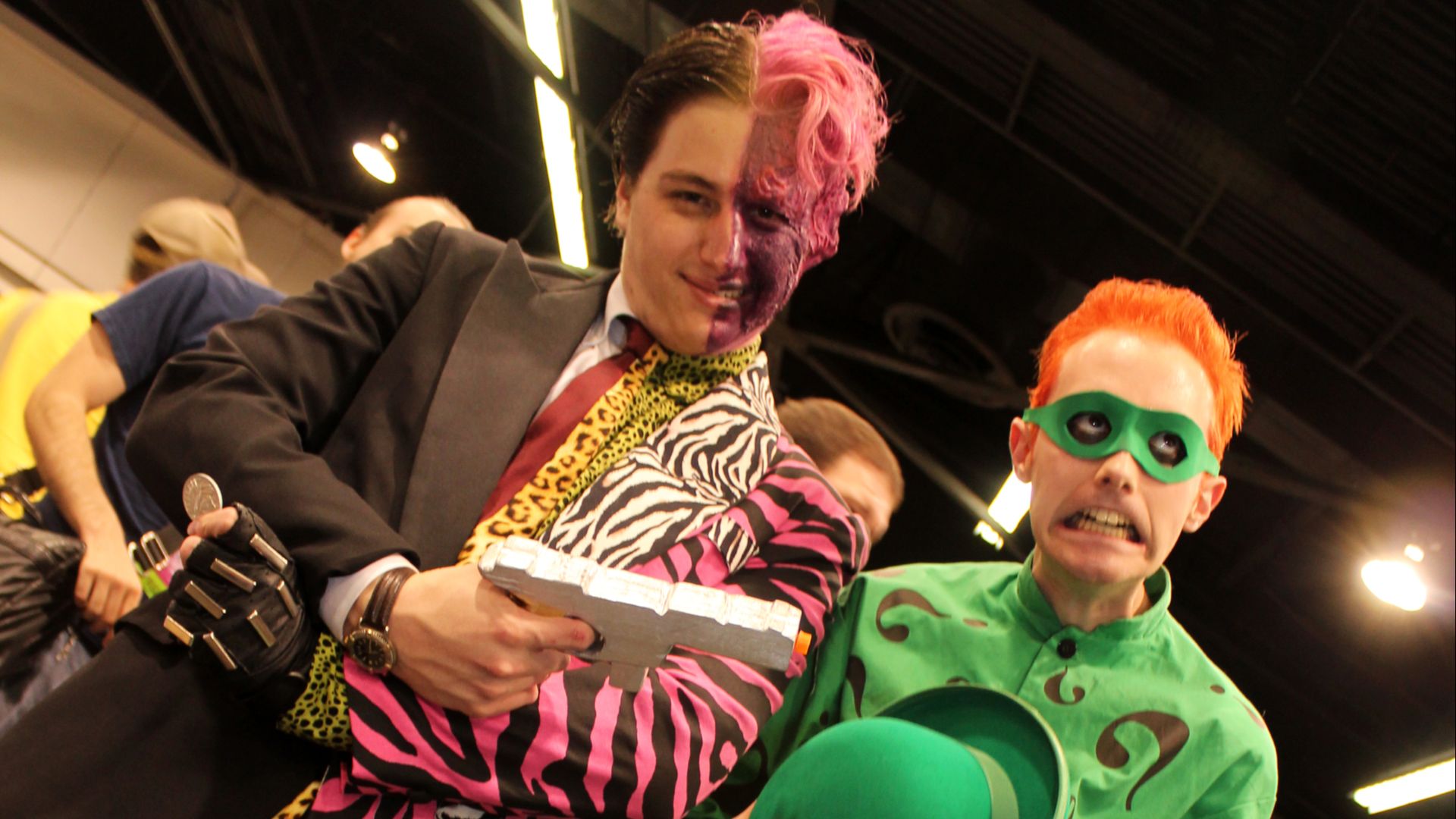
Two-Face is a tragedy wearing a coin flip as a philosophy. Harvey Dent once believed in justice, which makes his fall feel less like a gimmick and more like a wound that never closed. People defend him because some part of Harvey is still visible under the damage.
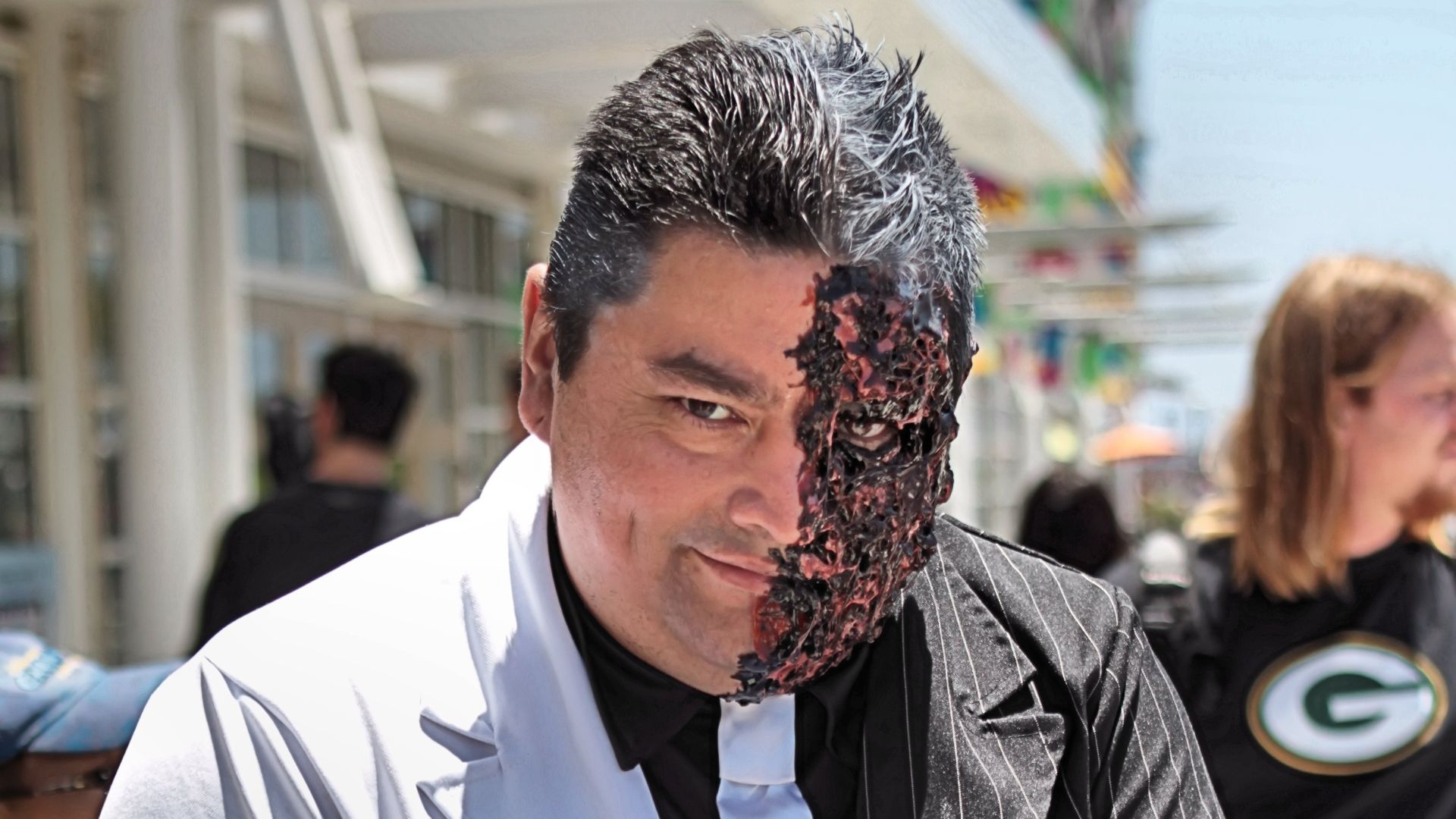 Tehsigo Eternamente (J Mondragon) from USA on Wikimedia
9. Poison Ivy
Poison Ivy becomes easier to defend with every story that treats her as more than a plant-themed criminal. She is extreme, dangerous, and often willing to sacrifice people for the planet. Still, her anger at human destruction feels less like madness when the world around her keeps proving her point.
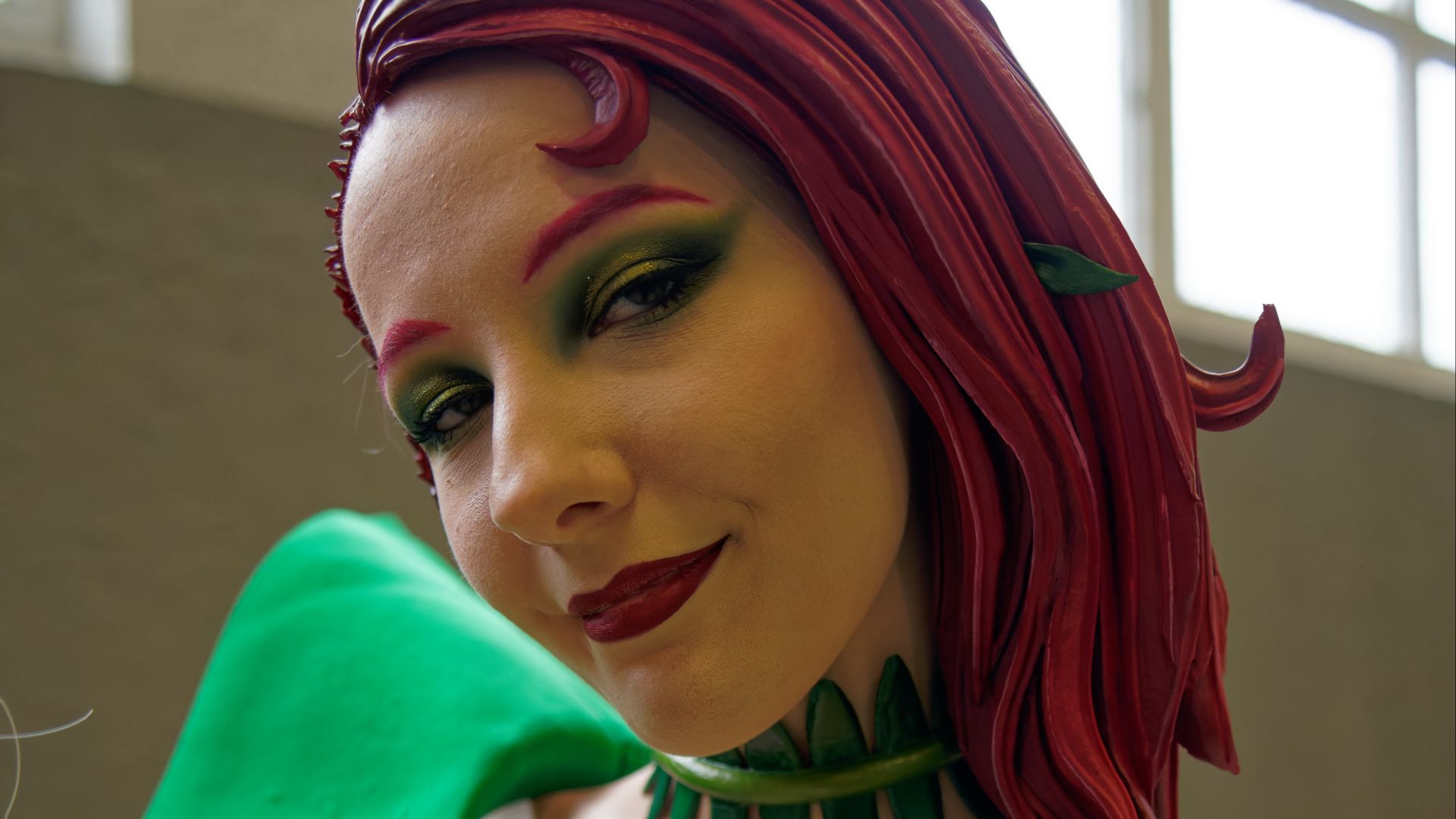 Miguel Discart & Kiri Karma on Wikimedia
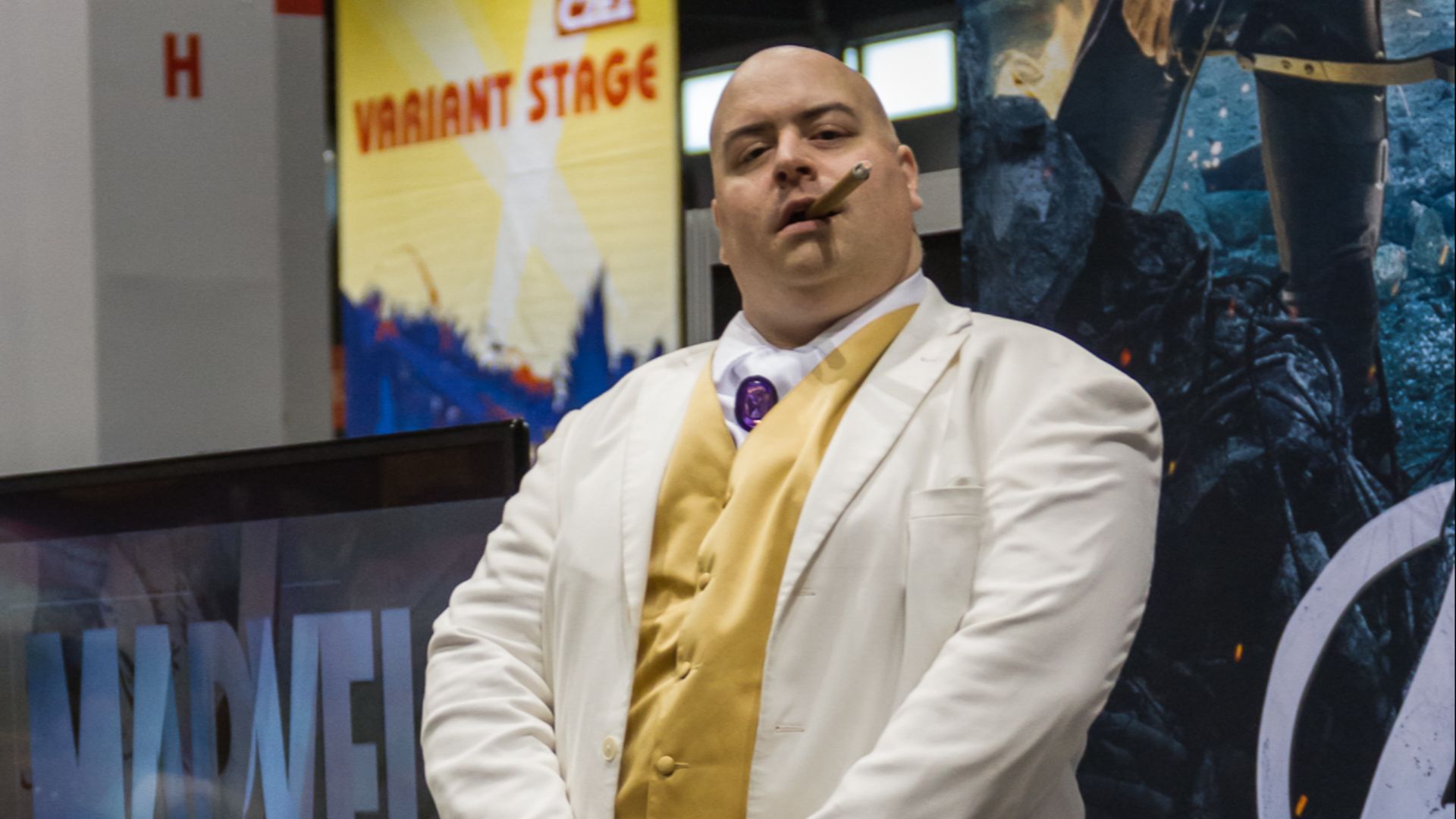
10. Wilson Fisk
Wilson Fisk is frightening because he can be brutal without ever seeming out of control. The Kingpin does not need powers. He has money, patience, and the kind of confidence that makes violence feel like paperwork. People defend him because the best stories make him feel bigger than one criminal.
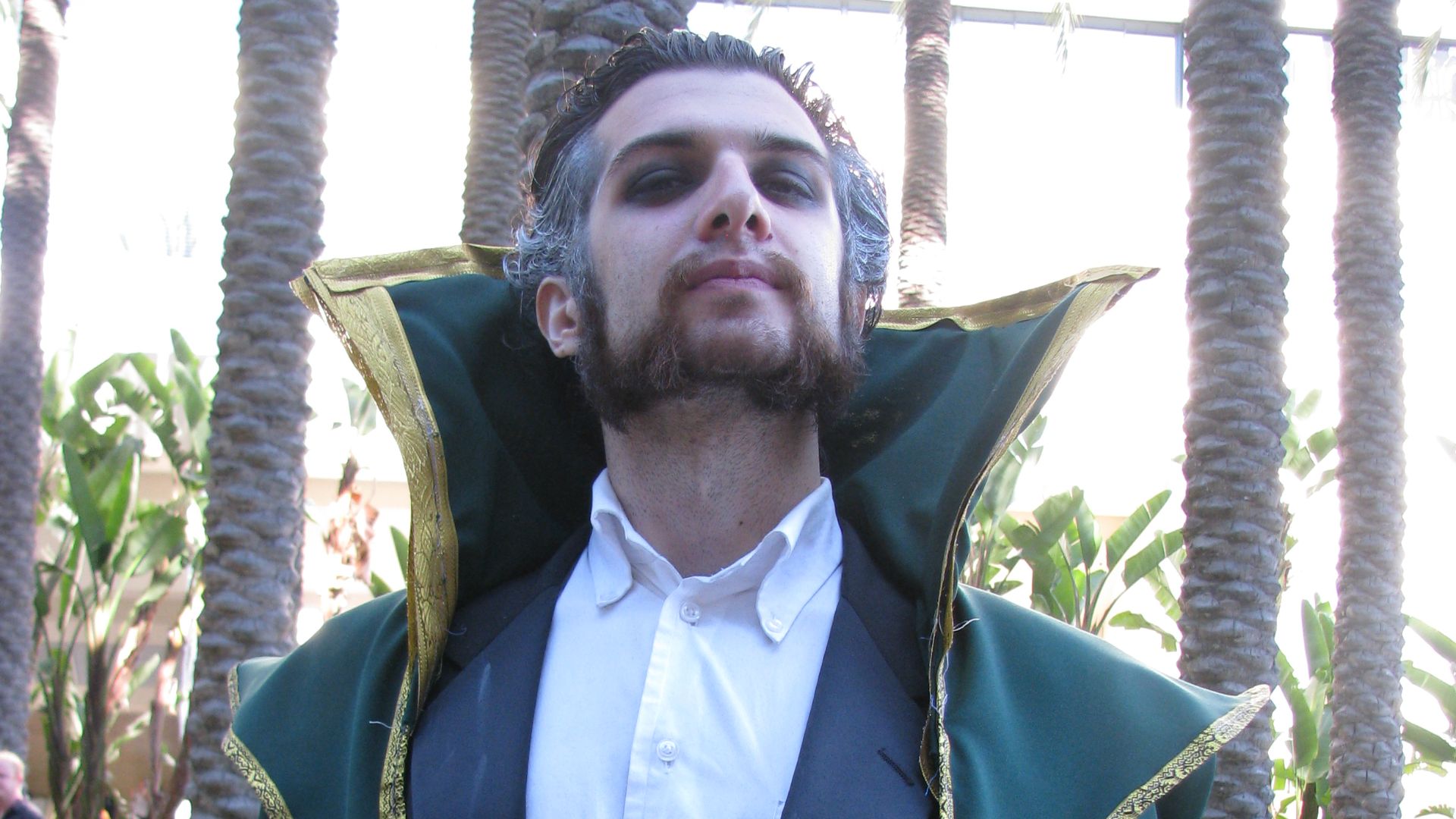
11. Ra’s Al Ghul
Ra’s al Ghul is the kind of villain who makes his evil sound like long-term planning. He looks at humanity and sees decay, waste, and a planet running out of patience. His solutions are horrifying, but his grief over what the world is becoming gives him a strange, icy dignity.
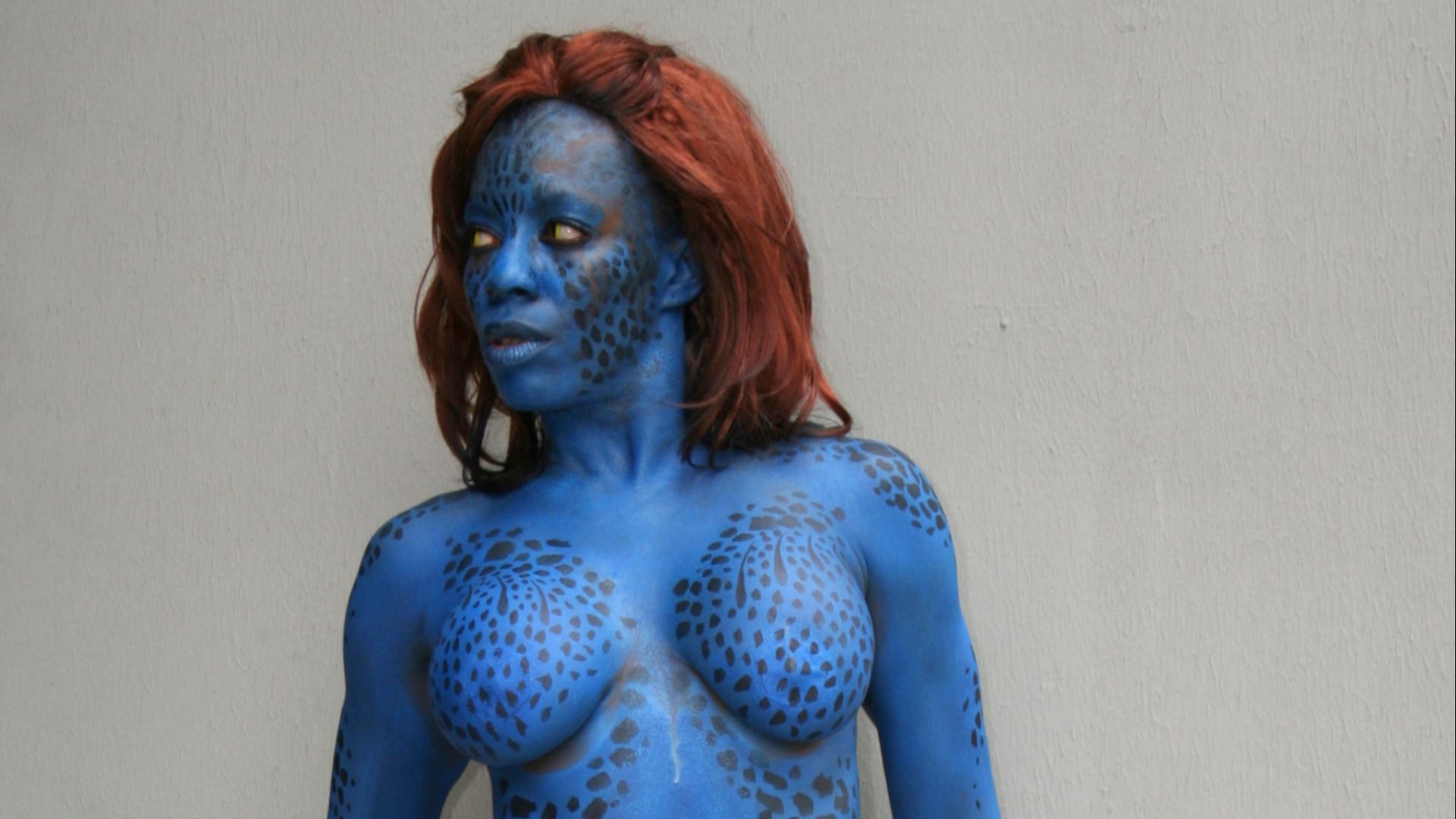
12. Mystique
Mystique is hard to pin down, which is exactly why she works. She can be selfish, protective, cruel, and loyal depending on the story and the person standing in front of her. Fans defend her because she often behaves like someone who learned early that survival requires becoming whatever the room demands.
13. The Governor
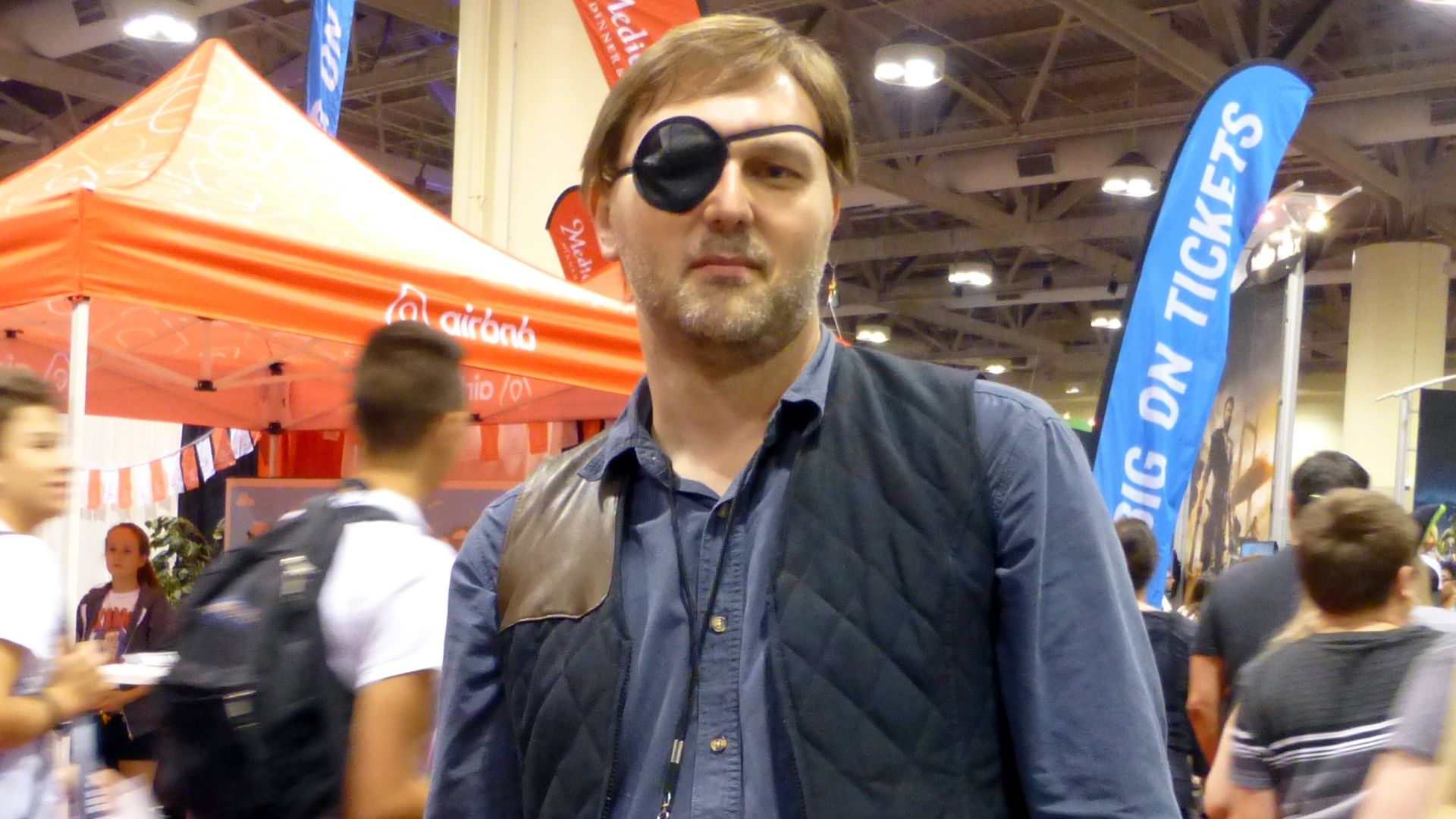
In The Walking Dead comics, the Governor is brutal in a way that can be hard to stomach. What makes him memorable is not charm or moral complexity so much as the way he reveals what power can become after society falls apart. Readers do not defend his actions, but they defend the writing because he makes the apocalypse feel human instead of abstract.
14. Sinestro
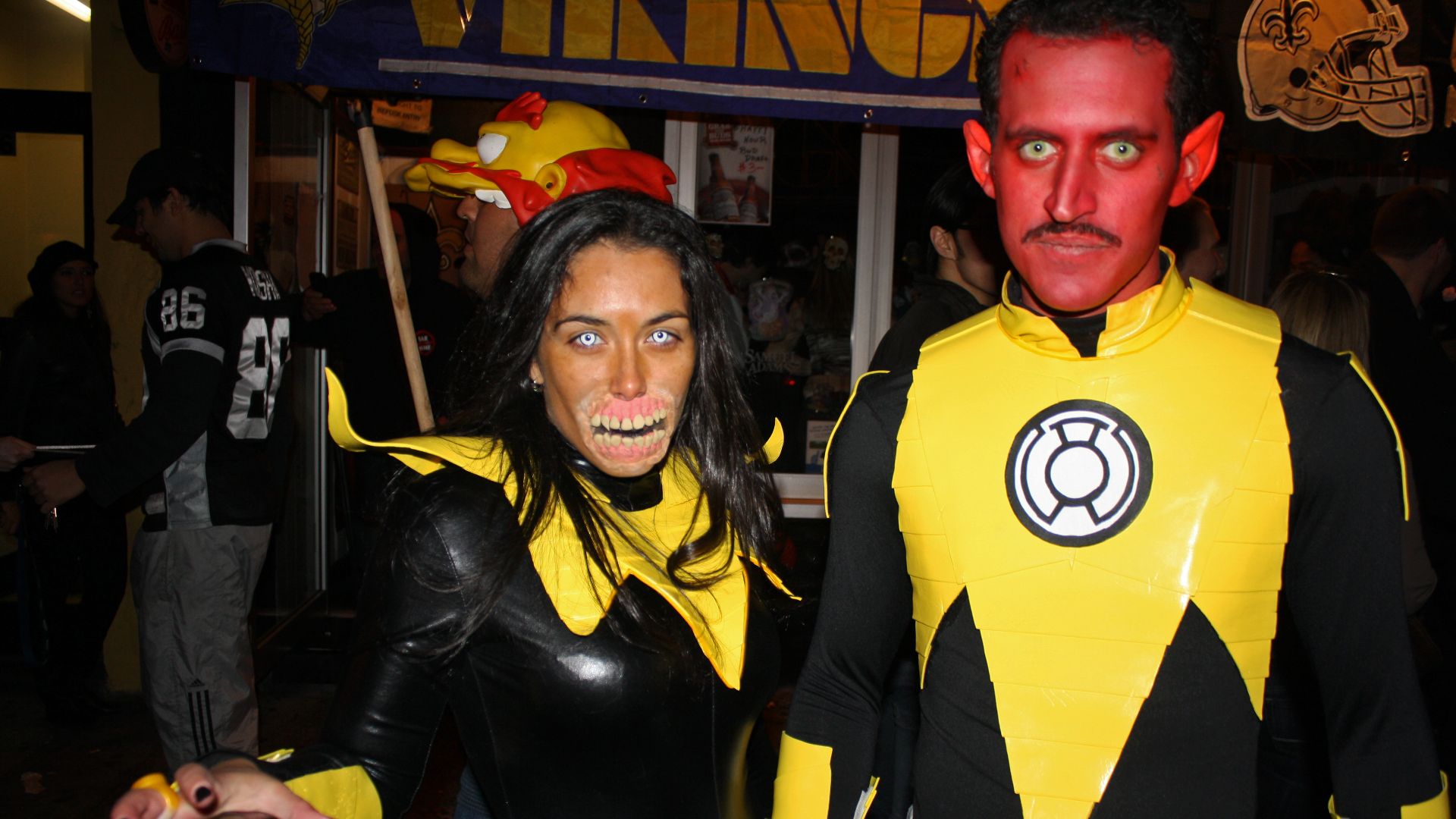
Sinestro is compelling because he starts from a recognizable frustration. He believes fear works because order matters more than comfort. That belief turns him into a tyrant, but his fall is stronger because it begins with discipline, not simple cruelty.
 istolethetv from Hong Kong, China on Wikimedia
15. Amanda Waller
Amanda Waller is often treated as a villain because she makes choices heroes refuse to make. She lies, manipulates, and turns people into weapons, but she does it with a clear view of the threats around her. Fans defend her because she represents the ugly machinery that keeps running after the capes fly away.
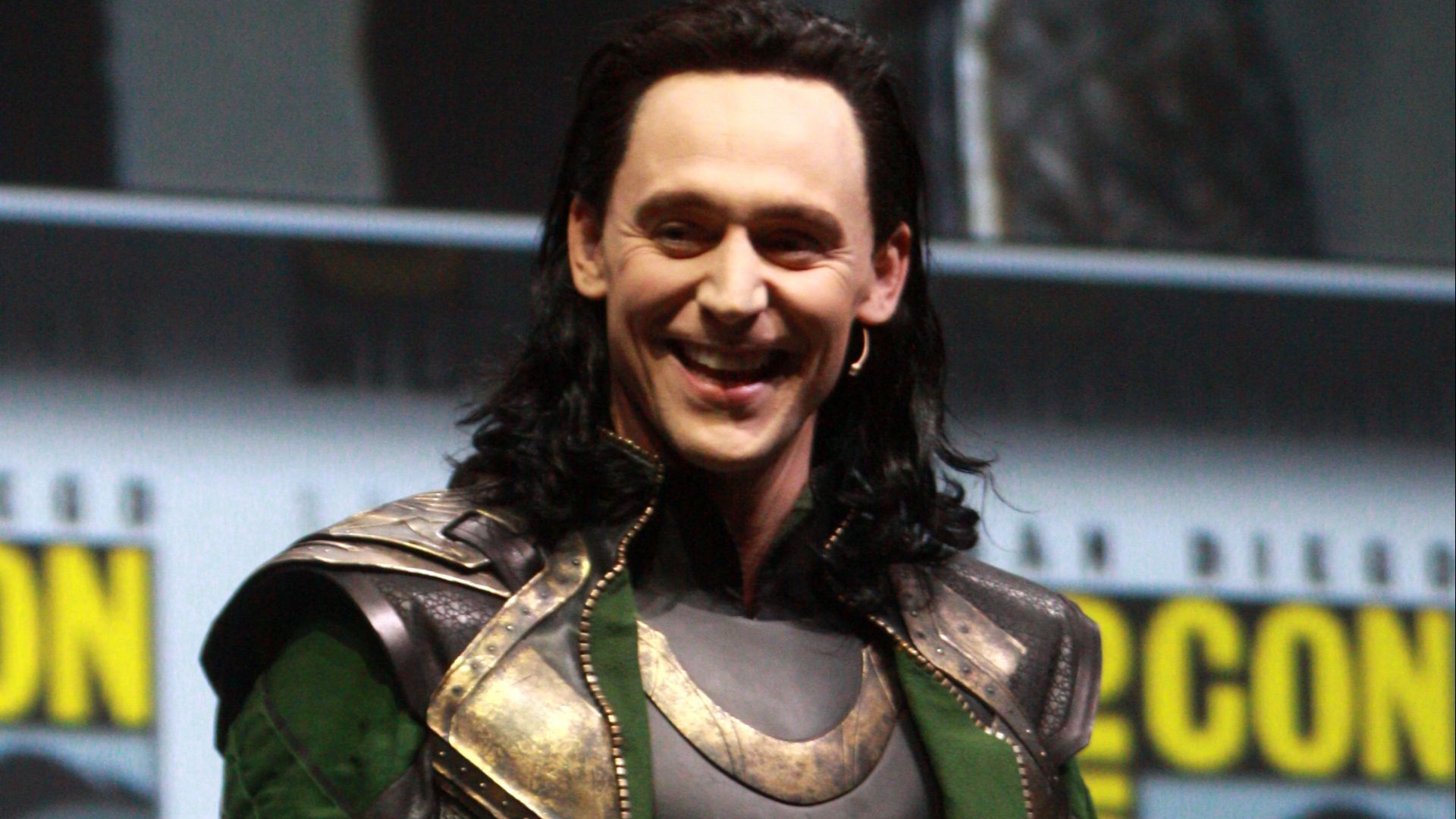
16. Loki
Loki’s best comic stories understand that mischief is only the surface. Underneath it sits envy, loneliness, and the exhaustion of being cast as the wrong kind of son. People defend Loki because he keeps trying to rewrite himself, even when the old role keeps pulling him back.
17. Dark Phoenix
Dark Phoenix is not a simple villain so much as a disaster born from power, desire, and loss of control. Jean Grey’s transformation gives the story its heartbreak because the person at the center is not gone all at once. Readers defend the character because the tragedy matters more than the destruction.

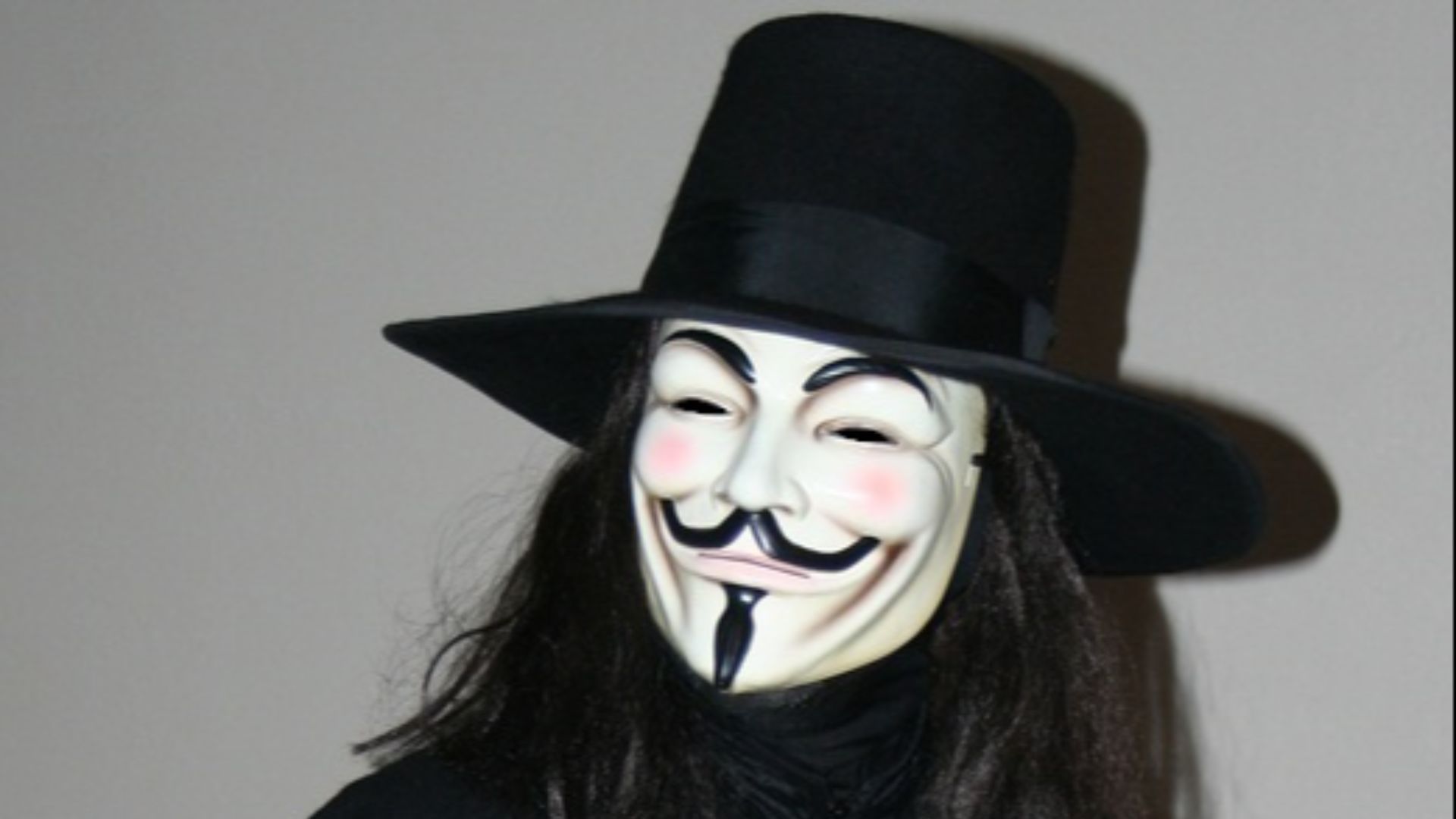
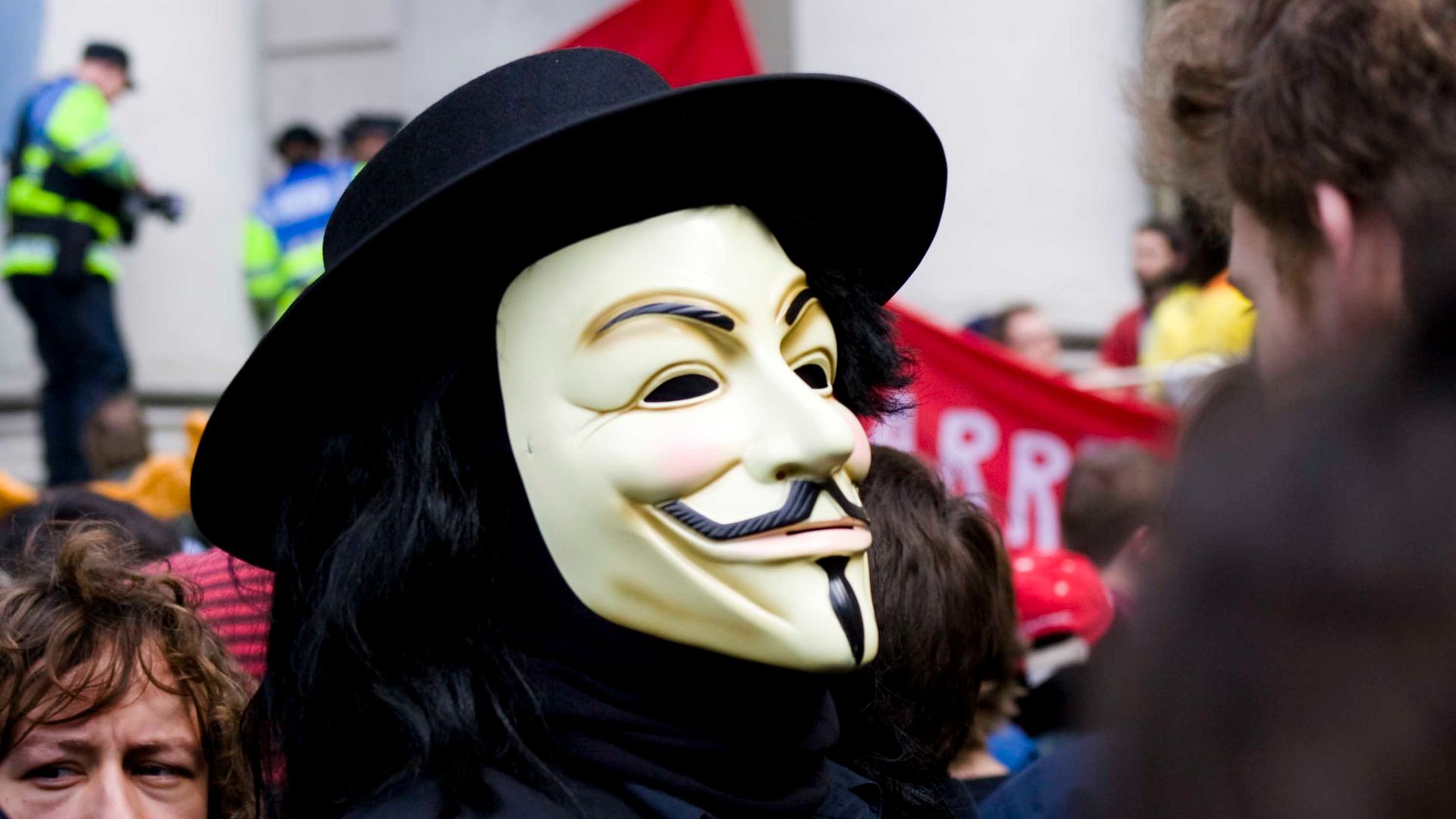
18. V
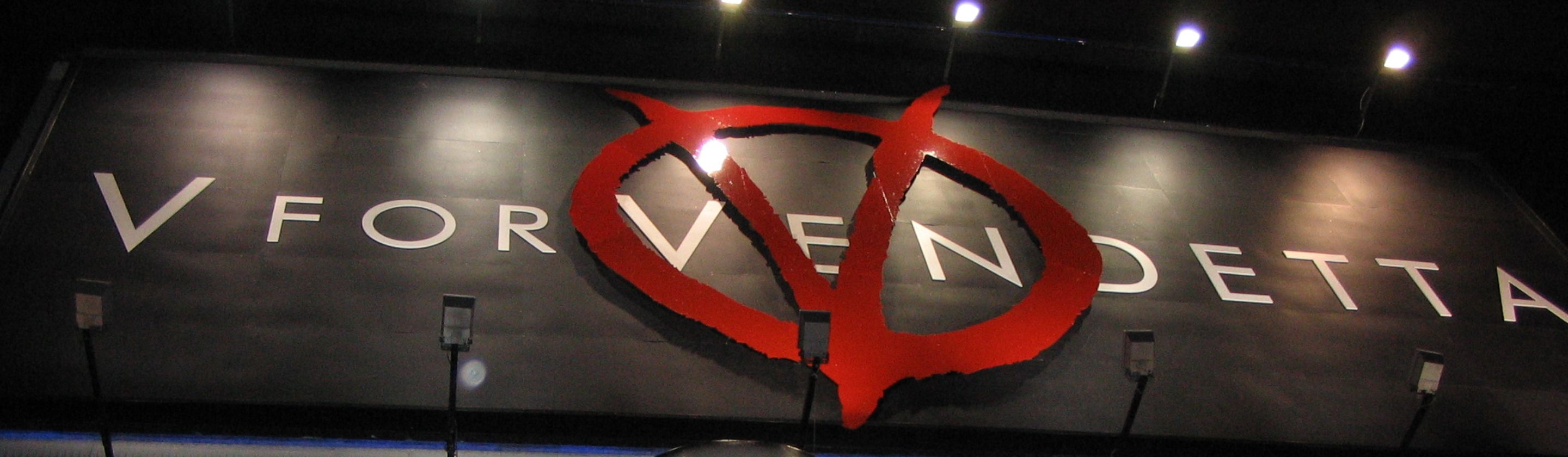
V from V for Vendetta is uncomfortable to place because he is both liberator and terrorist. He fights a fascist state with poetry, spectacle, and violence, which makes the reader question where resistance ends and revenge begins. People defend him because the story refuses to make freedom look clean.
 Kashfi Halford from London, United Kingdom on Wikimedia
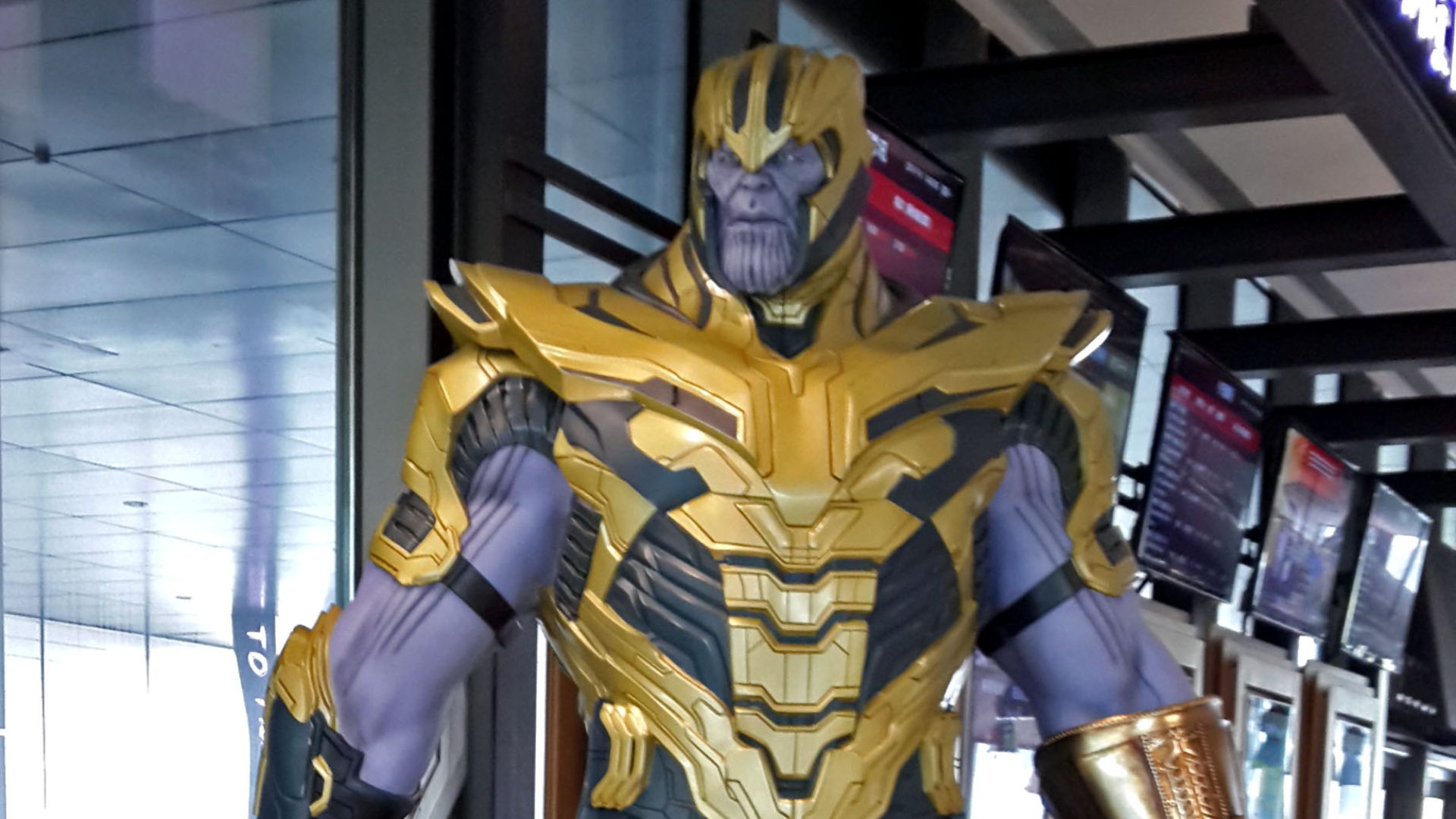
19. Thanos
Thanos is often flattened into a big purple symbol of destruction, but his comic-book version can be stranger and more interesting than that. He is obsessed with death, meaning, and proving his own importance on a cosmic scale. Fans defend him because his best stories turn power into something lonely and pathetic, not just impressive.
 Original statue by Marvel Studios; photograph by Chris on Wikimedia
20. The Riddler
The Riddler works when writers treat him as more than a man leaving puzzles at crime scenes. At his best, he is a portrait of insecurity dressed up as genius. People defend him because his need to be recognized feels painfully human, even when he turns that need into danger for everyone else.