The Perks of Reading Comics
People might assume that reading comics isn't that useful a hobby (and a quite expensive one at that), but there's a lot more to it than just the colored panels and graphics alone. After all, flipping through an issue takes focus: you have to follow dialogue, interpret images, track pacing, notice and memorize details, as well as connect ideas across panels, often all at once. It's no surprise that the mix of reading and visual thinking can sharpen several mental skills, especially when you read a wide range of stories, styles, and genres. But of course, like any habit, comic reading has its upsides and its drawbacks depending on how, why, and how often you do it. Let's take a deeper look at the pros and cons.
1. Comics Strengthen Visual Literacy
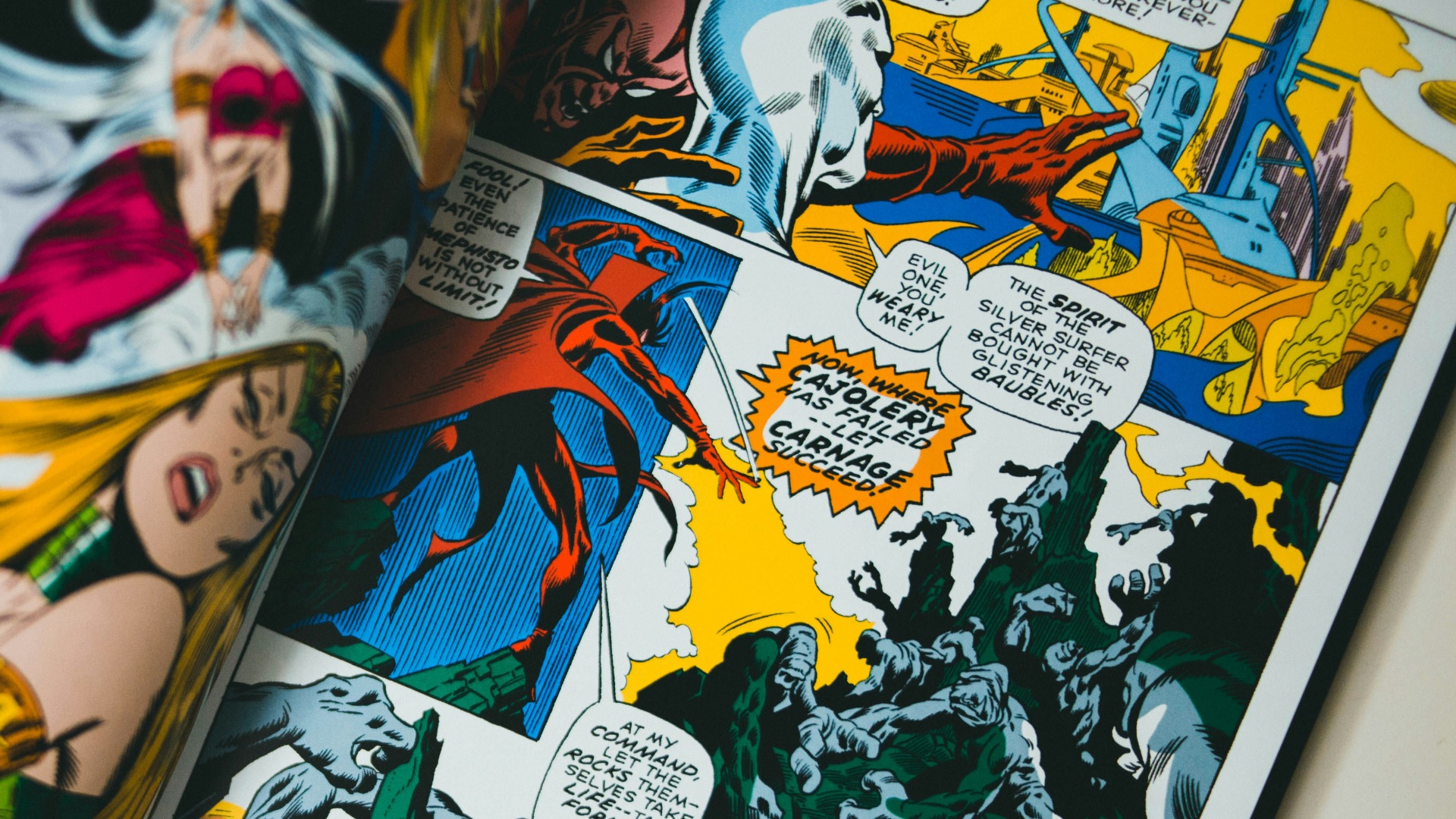
Reading comics trains you to understand meaning through images, layout, facial expressions, and body language. You’re not just reading words on a page; you’re also decoding what’s happening between the panels. Over time, that can make you better at noticing visual cues in other media, from films to advertisements to presentations.
2. They Improve Reading Comprehension
Comics can make you pay close attention because the story often depends on both the text and the artwork. If you miss a small visual detail, you might miss a joke, a clue, or a shift in a character’s mood. That kind of active reading helps build stronger comprehension because you’re constantly piecing information together.
3. They Build Vocabulary in Context
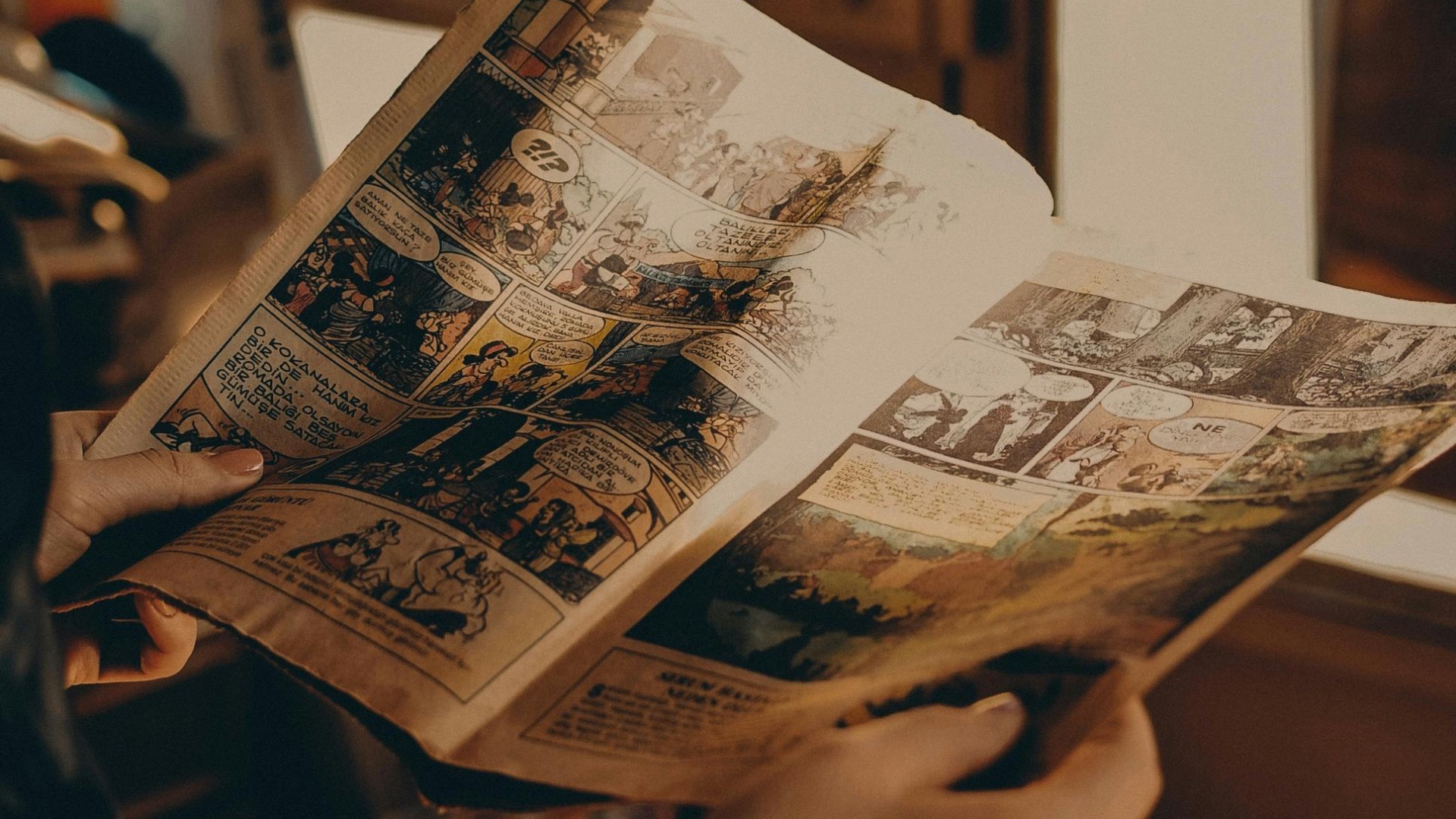
Comics expose readers to new words while giving immediate visual clues about what those words mean. That can make unfamiliar vocabulary feel less intimidating, especially for younger readers or anyone building reading confidence. Because the words are tied to action, emotion, and character choices, they’re often easier to remember.

4. They Encourage Sequential Thinking
Every comic asks you to follow a sequence of events from one panel to the next. You have to understand cause and effect, timing, and how one moment leads into another. This can strengthen the kind of logical thinking that helps with storytelling, problem-solving, and understanding complex processes.
5. Comics Support Emotional Intelligence
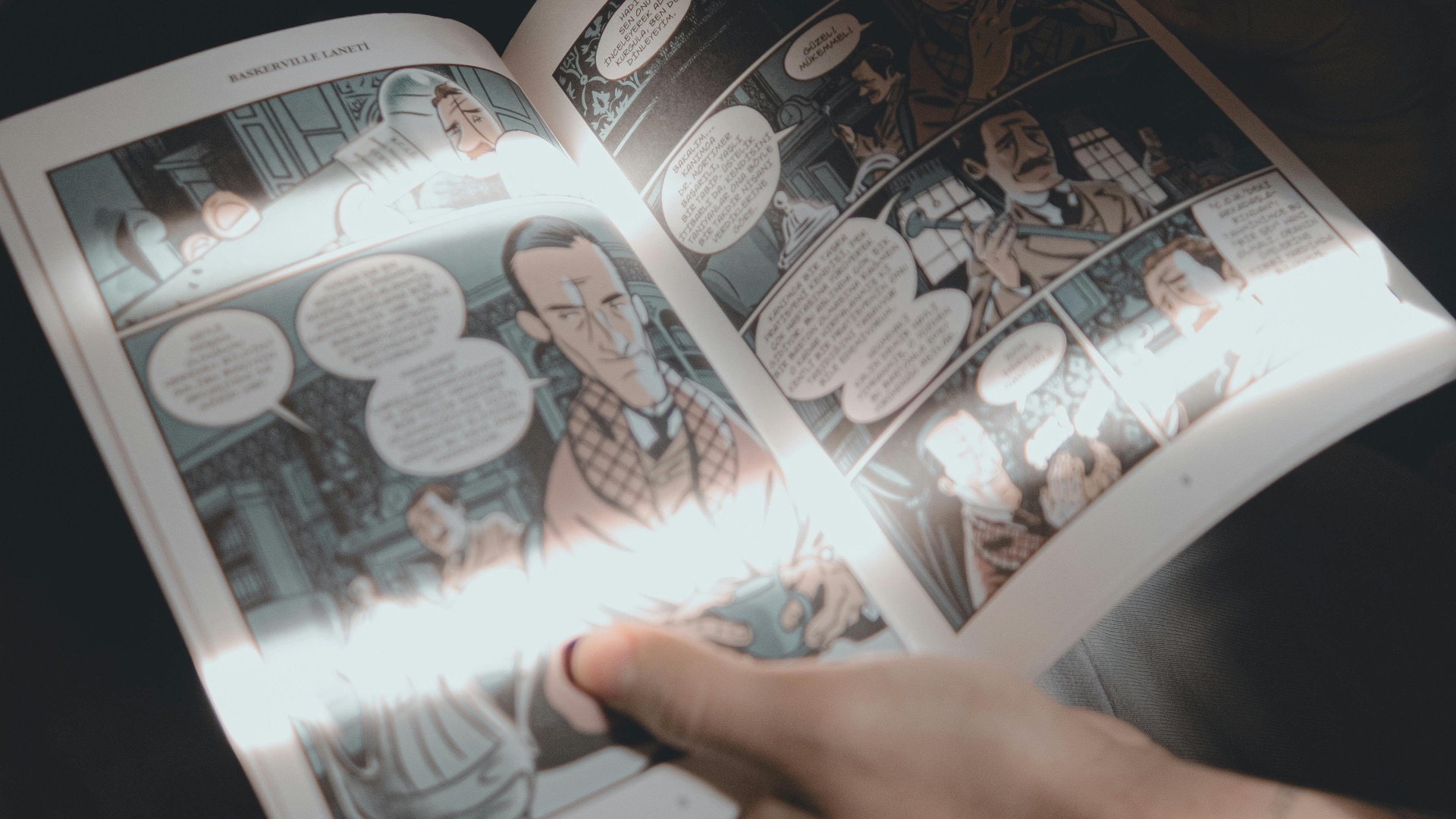
Good comics often rely on subtle expressions, pauses, gestures, and reactions. When you read them closely, you practice recognizing how people might feel even when they don’t say everything out loud. That can help you become more aware of emotional signals in real conversations.
6. They Make Complex Ideas More Accessible
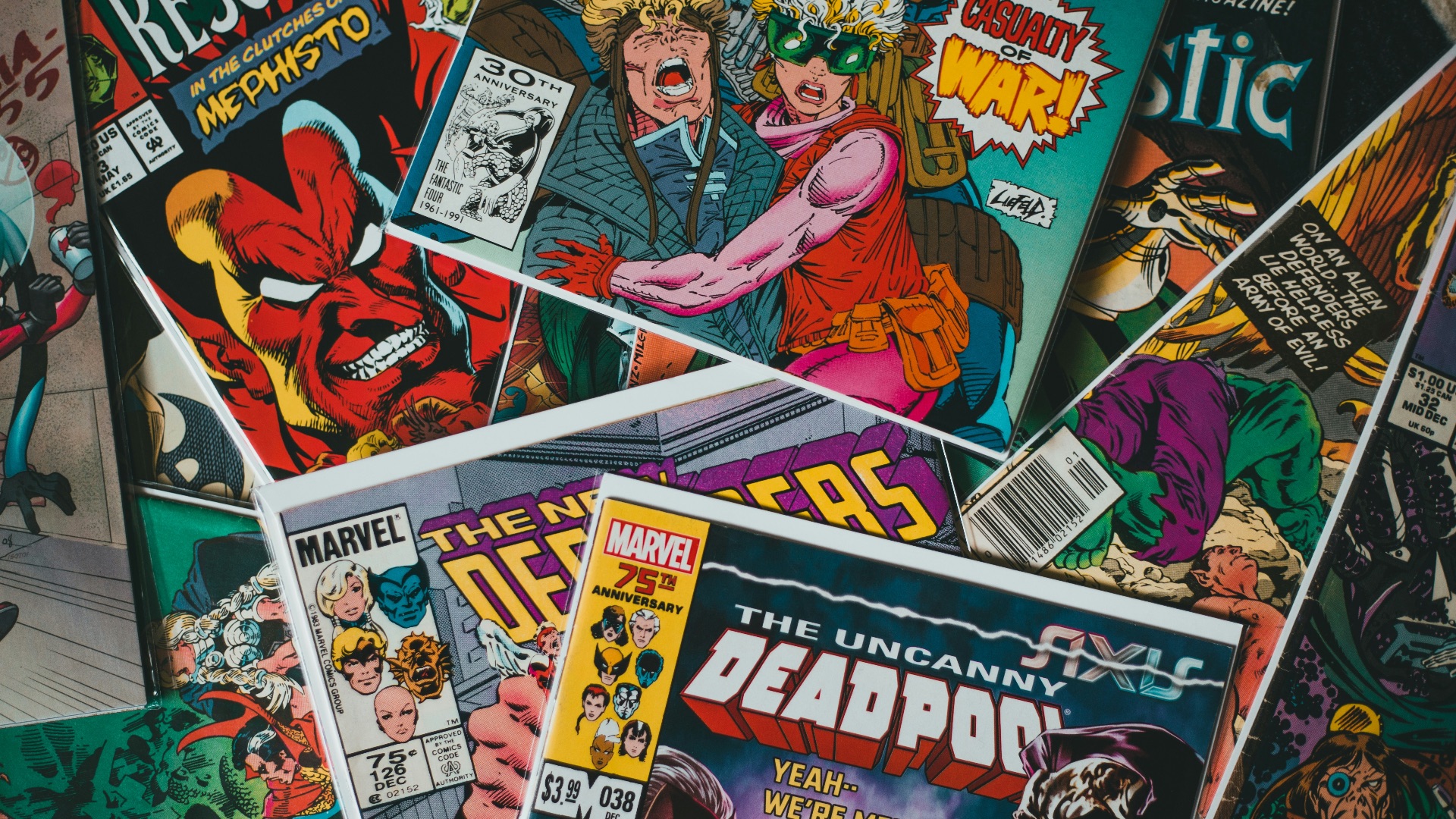
Comics can explain difficult subjects by combining words with images, which gives readers more than one way to understand the material. This is why graphic nonfiction, science comics, and historical comics can be so effective. When a concept is shown as well as explained, it can feel clearer and easier to absorb.
7. They Strengthen Memory Through Visual Cues
Images can help information stick because they give your brain something concrete to attach to an idea. A striking panel, character design, or visual sequence can make a scene easier to recall later. This can be especially helpful when comics are used to teach history, science, literature, or social issues.
8. They Expand Cultural Awareness
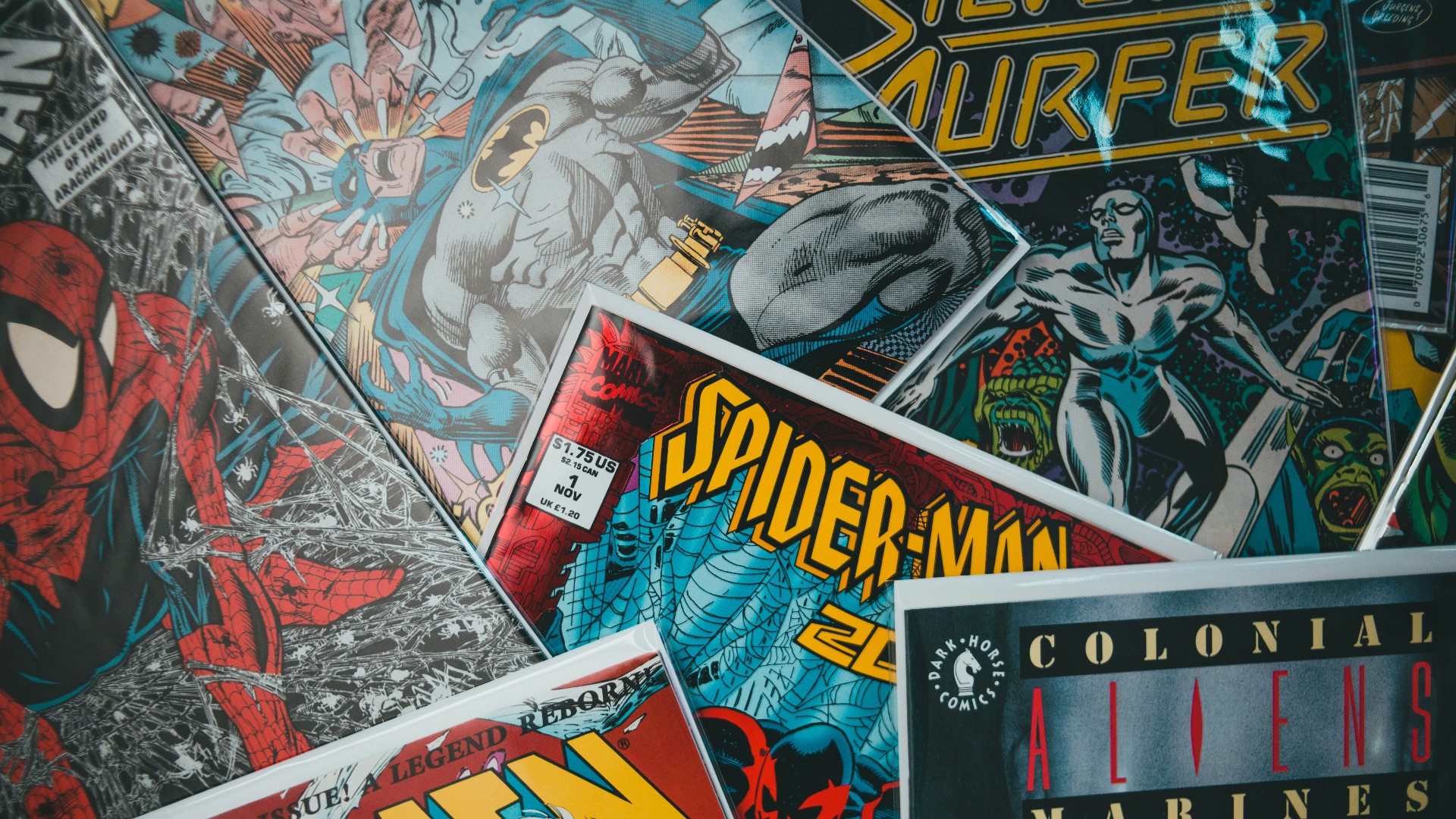
Comics come from various communities and artistic traditions, so reading them can introduce you to perspectives beyond your own. From indie graphic novels to superhero stories, different genres reflect different values and storytelling habits. When you explore that variety, you build a broader sense of how people tell stories and understand the world.
9. They Improve Attention to Detail
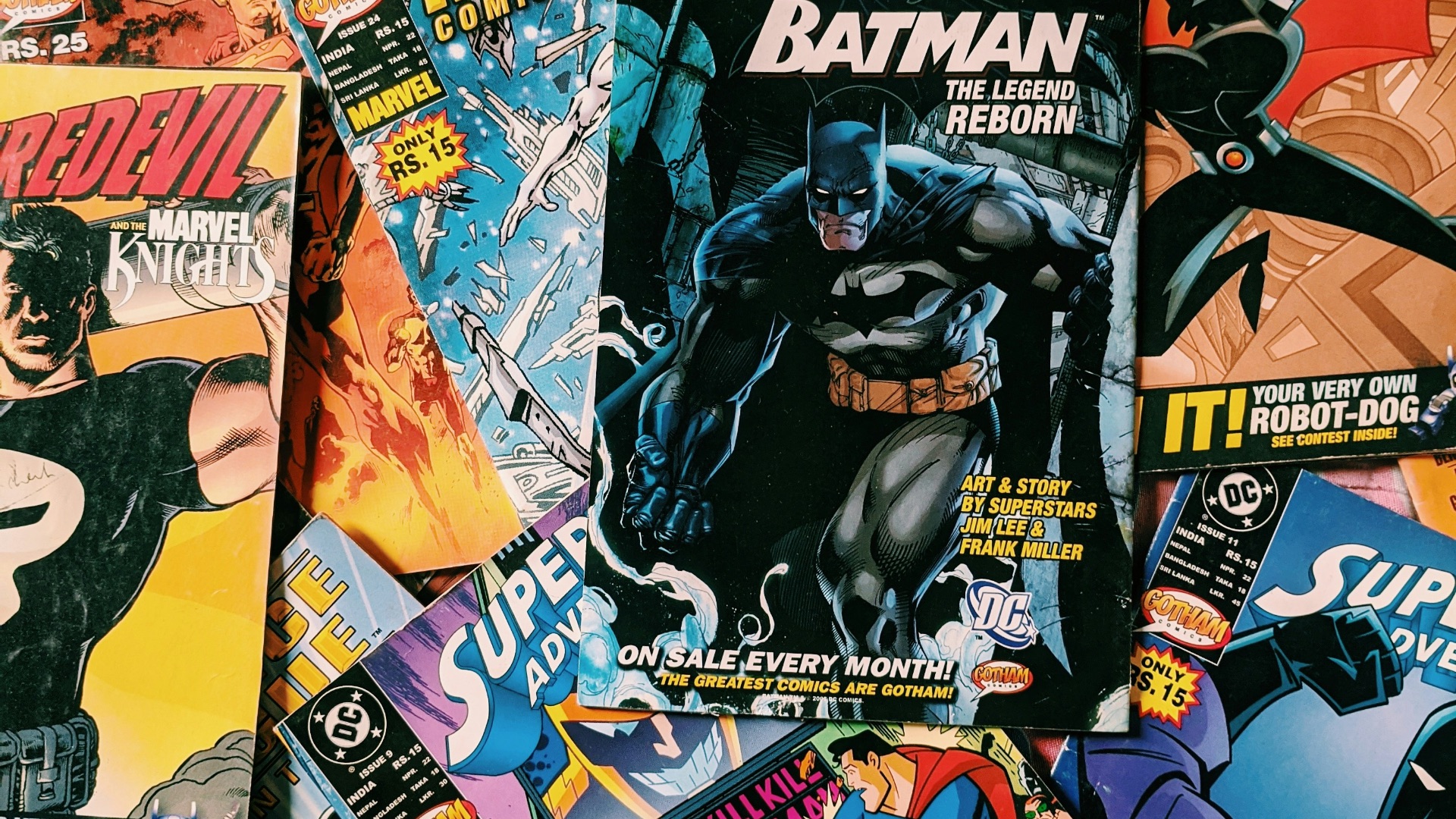
Comics reward careful observation because small details can carry major meaning. A background object, a repeated symbol, or a slight change in color may reveal something important. The more you read, the more you learn to slow down and notice what’s placed on the page for a reason.
10. They Can Boost Creativity
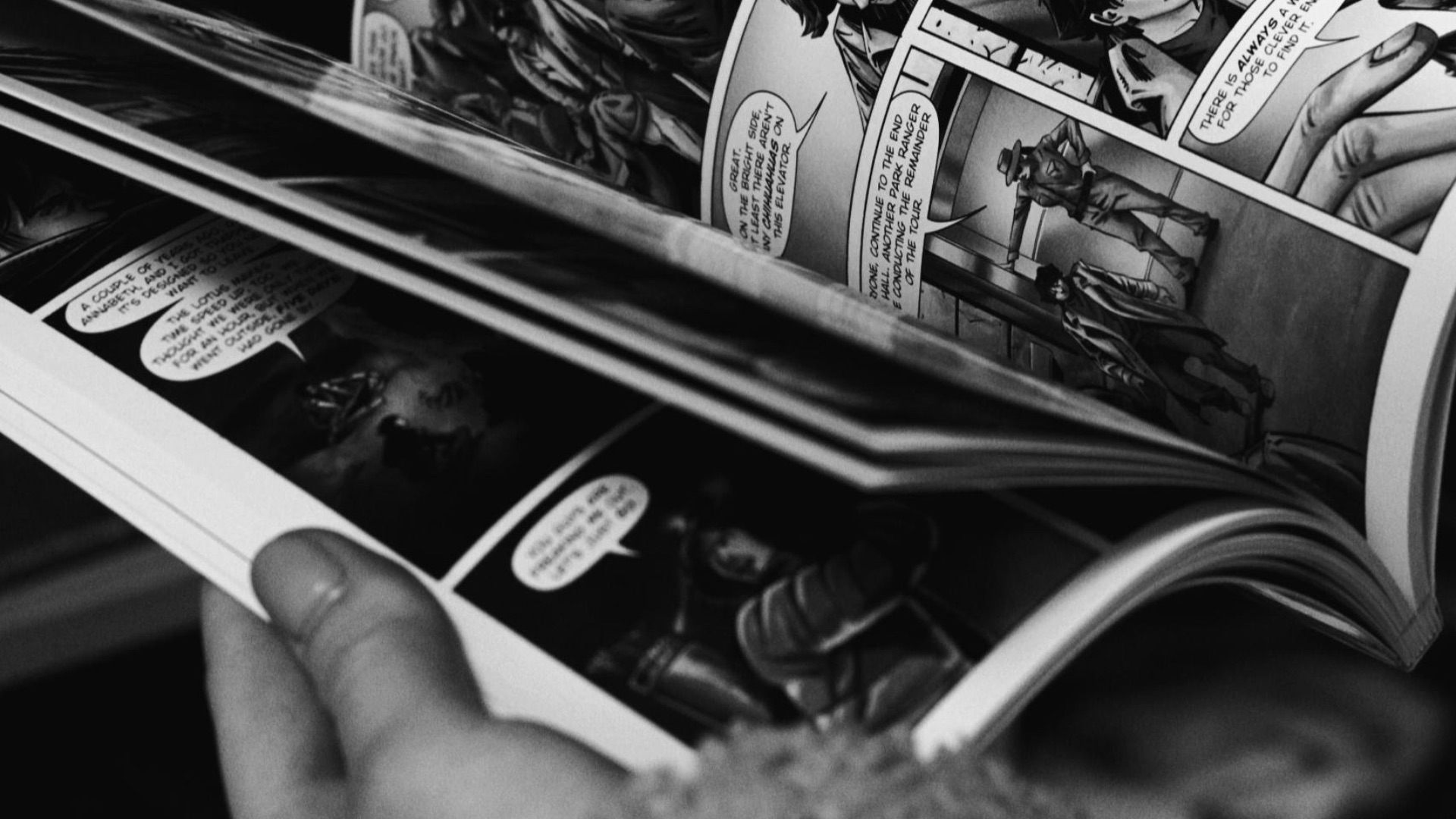
Comics show how words, images, pacing, and design can work together to tell a story. That can inspire you to think more flexibly about communication and creative expression. Even if you don’t draw or write comics yourself, reading them can help you imagine stories, characters, and ideas in more inventive ways.
Of course, comics aren’t automatically good for every reader in every situation. The same features that make them engaging can also lead to a few less helpful habits, especially when reading becomes unbalanced or too passive. Let's take a look at the bad side of the coin.
1. Comics Can Become a Distraction
Because comics are so easy to get absorbed in, they can pull your attention away from tasks you meant to finish. One issue can turn into a full reading session before you realize how much time has passed. That isn’t a problem by itself, but it can become frustrating when it starts interfering with schoolwork, sleep, or responsibilities.

2. They May Shorten Patience for Dense Text
If someone reads only comics and avoids longer prose entirely, traditional books can start to feel slower or more demanding. Comics often move quickly because the artwork carries part of the story. That can make text-heavy reading feel harder to stick with, especially when there are no visuals to help maintain interest.
3. Some Stories Reinforce Shallow Stereotypes
Not every comic handles characters, cultures, or relationships with care. Older comics in particular may contain stereotypes that feel outdated, unfair, or harmful. Even newer stories can fall into lazy patterns, so it helps to read with a critical eye instead of accepting every portrayal at face value.
4. Collecting Can Get Expensive
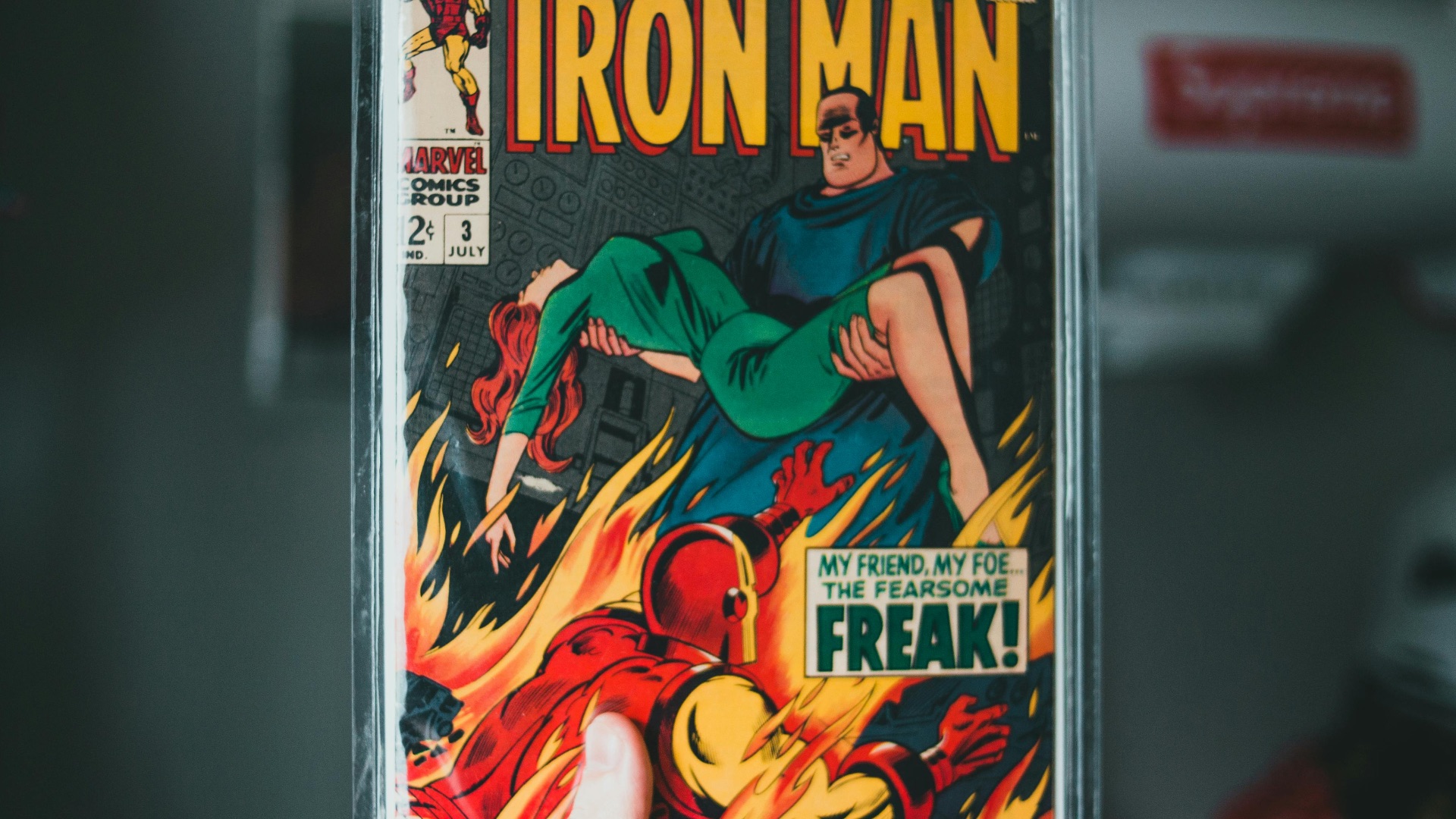
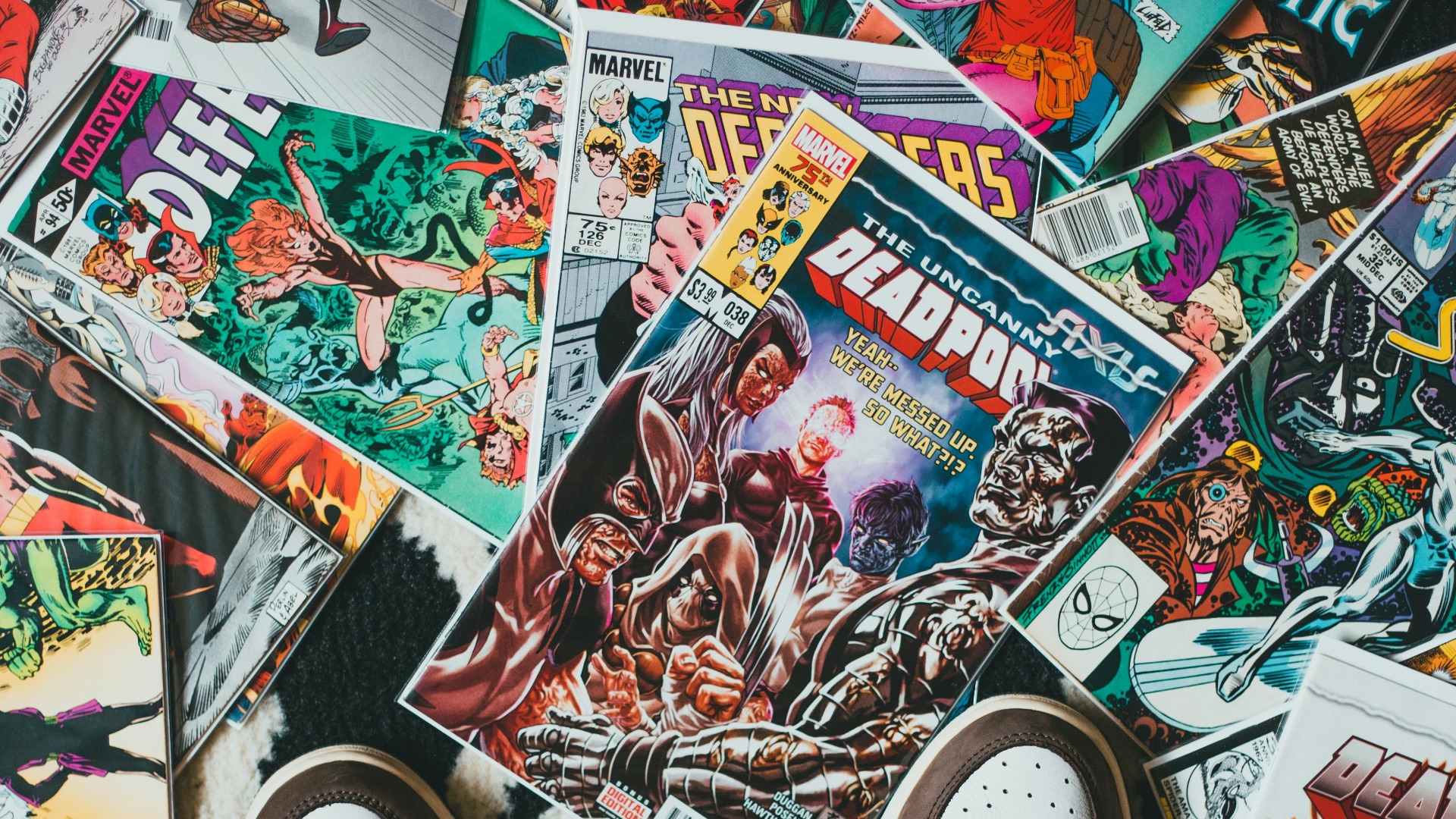
Comic reading can become a costly hobby if you’re buying single issues, special editions, variants, or out-of-print volumes. The pressure to keep up with every release can add up quickly. Enjoying comics doesn’t have to be expensive, but it’s easy to overspend when a series or character becomes a favorite.
5. Screen Reading Can Strain Your Eyes
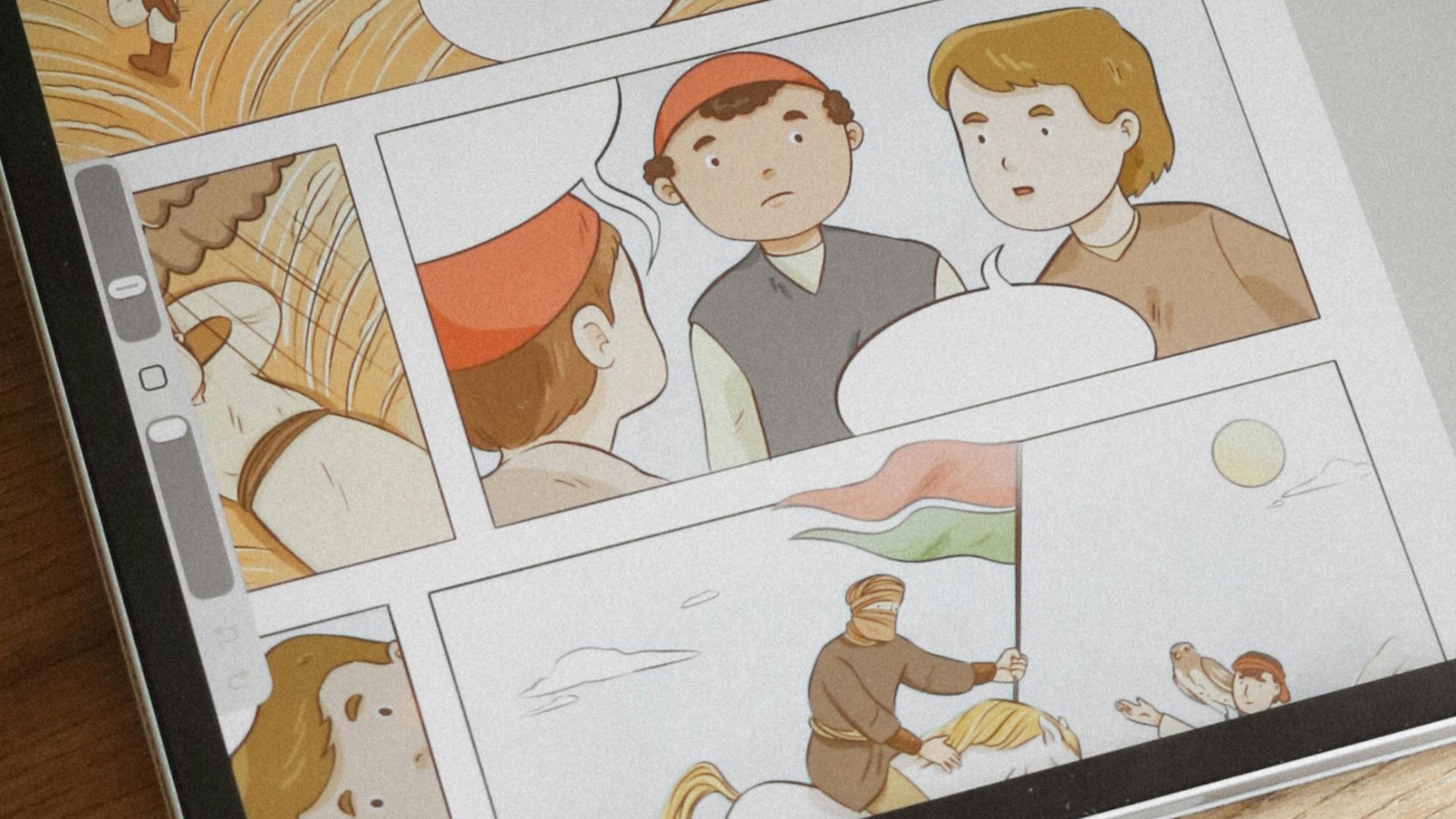
Digital comics are convenient, but long reading sessions on a phone, tablet, or computer can lead to tired eyes. Small text, bright screens, and frequent zooming can make the experience less comfortable over time. Taking breaks and adjusting display settings can help, but it’s still something to watch for.
6. Ongoing Series Can Feel Overwhelming
Some comic universes have decades of history, crossovers, reboots, and alternate timelines. That can be exciting, but it can also make new readers feel like they’re always missing something. When the continuity becomes too complicated, reading may start to feel like homework instead of fun.
7. Cliffhangers Can Encourage Binge Reading
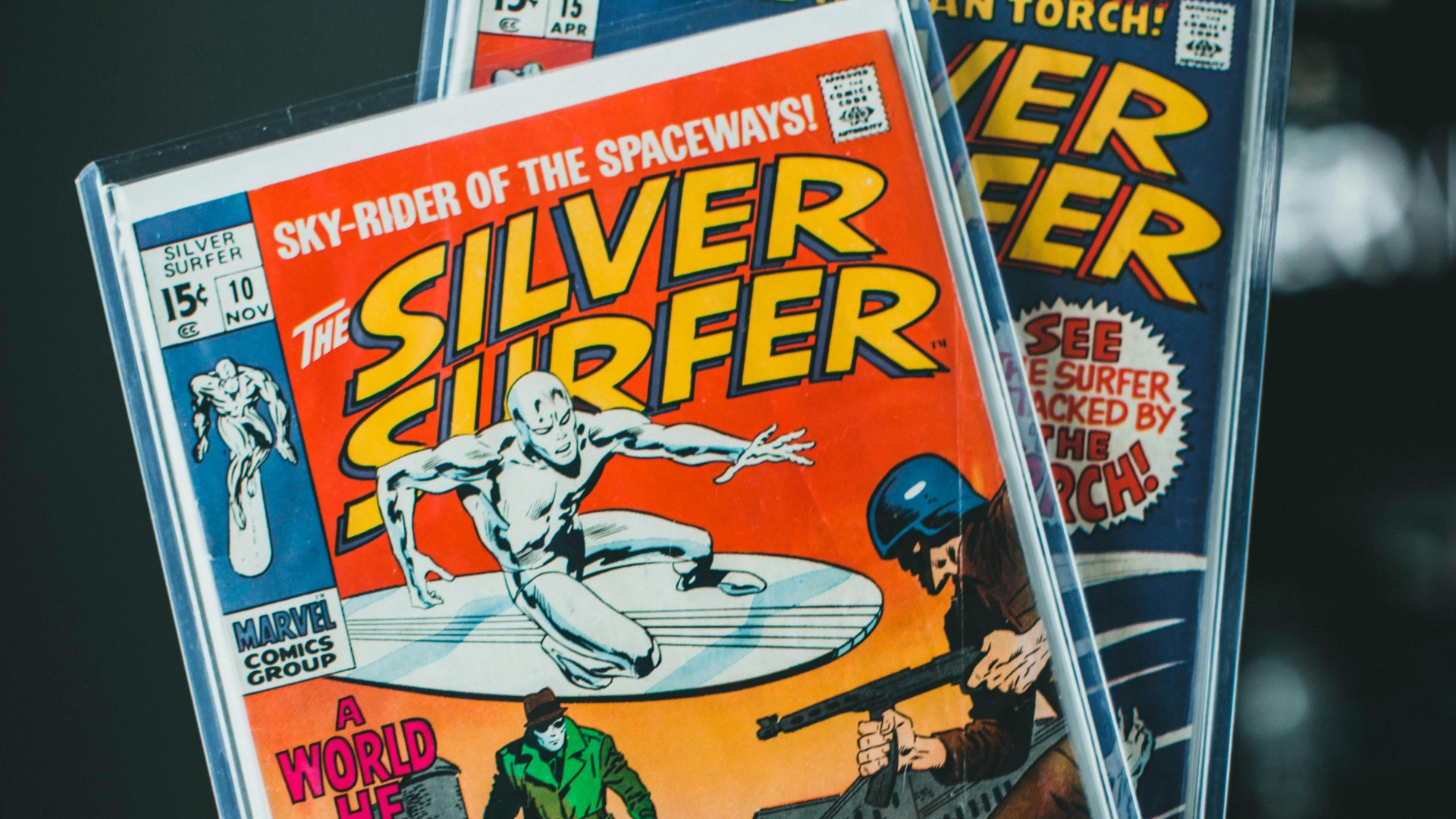
Many comics are designed to keep you turning the page or buying the next issue. A strong cliffhanger can be fun, but it can also make it harder to stop at a reasonable point. If you often tell yourself “just one more,” you may end up reading longer than you planned.
8. Some Comics Prioritize Style Over Substance
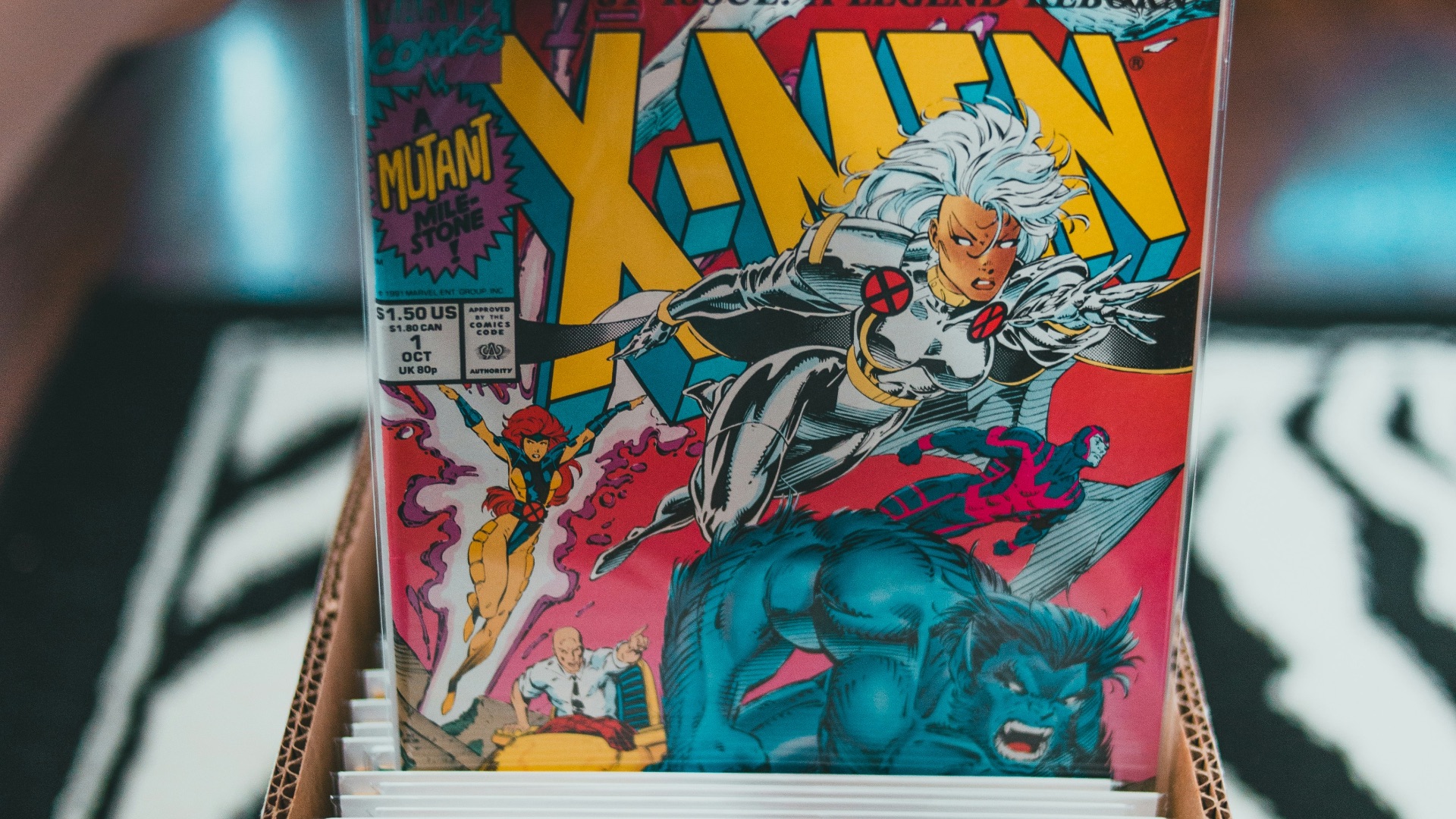
A comic can look impressive while offering thin characters, weak dialogue, or a predictable plot. Beautiful art is worth appreciating, but visuals alone don’t always make a story satisfying. Readers may feel disappointed when the presentation promises more depth than the writing actually delivers.
9. They Can Create Unrealistic Expectations
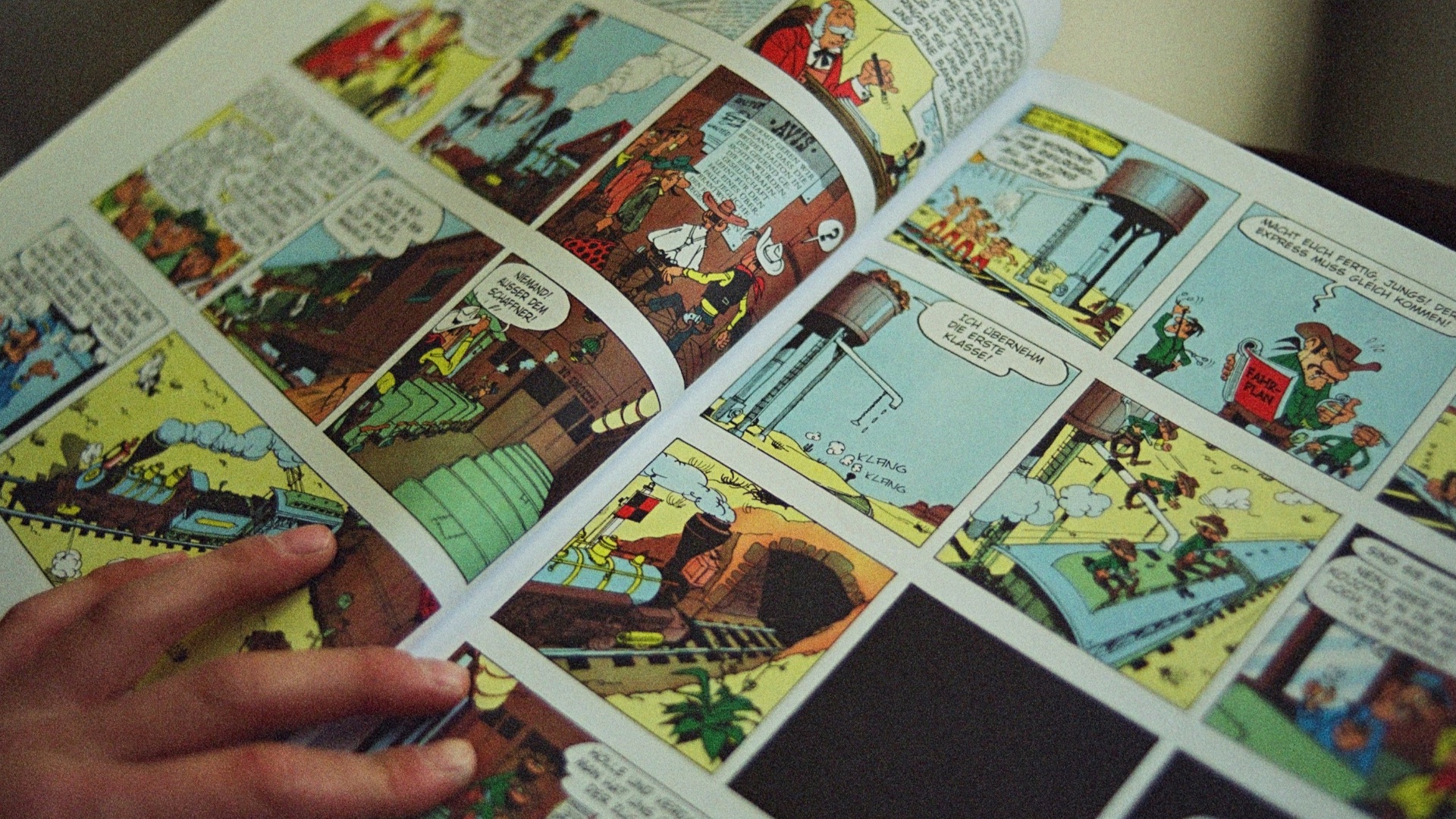
Some comics exaggerate conflict, romance, bodies, success, or heroism in ways that don’t reflect real life. That’s part of the appeal for many readers, but it can shape expectations if you don’t keep the difference in mind. It’s helpful to enjoy the drama while still recognizing when a story is heightened for entertainment.
10. Too Much Escapism Can Delay Real-World Action
Comics can be a great way to relax, but they shouldn’t become the only way you deal with stress, boredom, or frustration. If reading becomes a way to avoid every difficult conversation or responsibility, the habit can start working against you. The healthiest approach is to enjoy comics as part of a balanced life, not as a replacement for everything else.