

Gaming's Lost Innovations
Old video games were basically experiments where developers threw mechanics at the wall to see what stuck and what made players cry. But hidden amongst the chaos were legitimately cool ideas that disappeared when gaming got all polished and mainstream. Check out quirky mechanics begging for comebacks and ones that need to stay buried six feet under forever. First up, the features we actually want back desperately.
 William Tung from USA on Wikimedia
1. Talking Weapons With Personalities
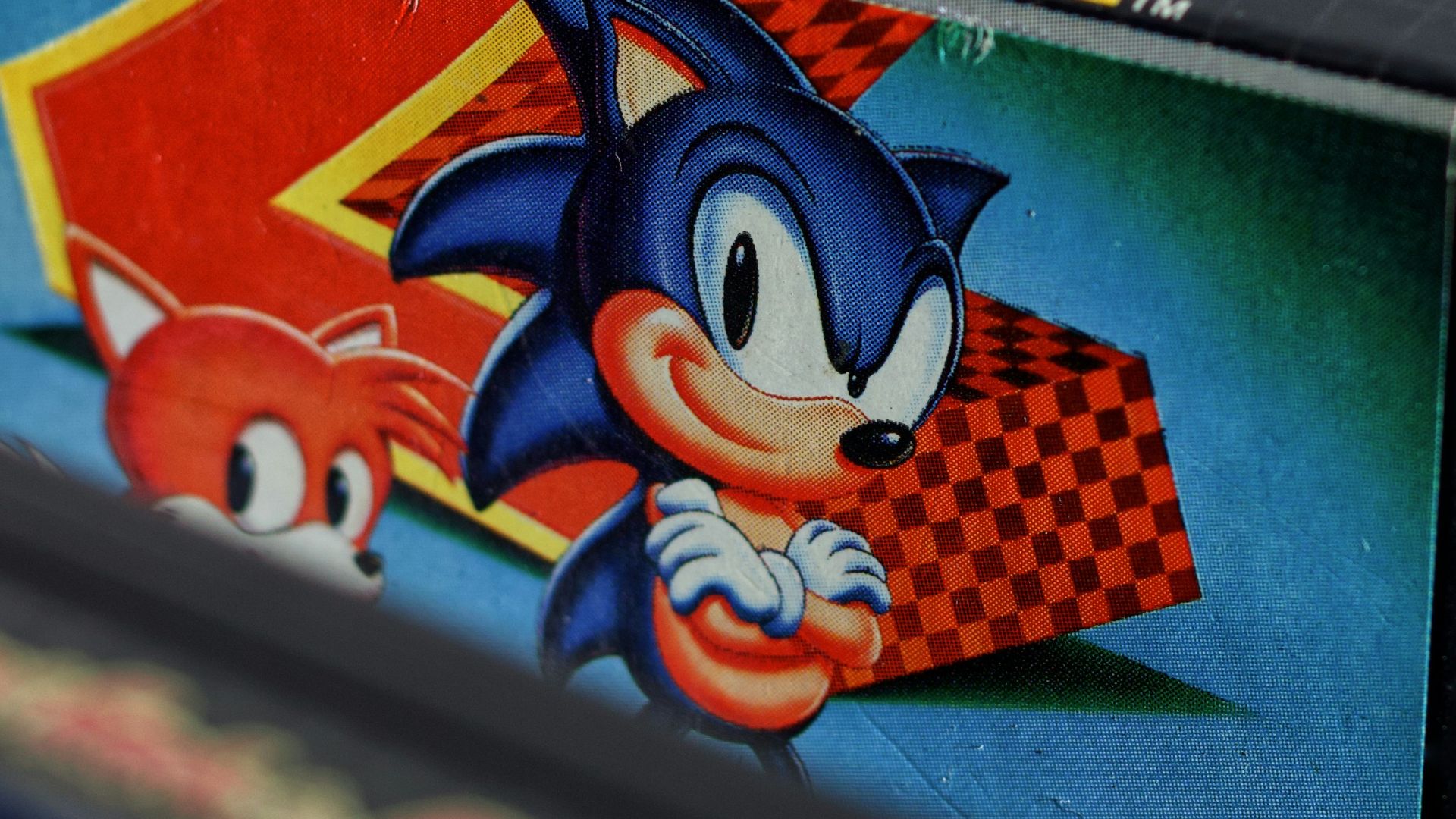
Some games gave their weapons more charm than their heroes. In Shadows of the Damned, Johnson cracks jokes while turning into guns or even a bike. Meanwhile, Sonic and the Black Knight features Caliburn, a sword with manners. These chatty weapons added unexpected companionship to every fight.
2. Manual Blinking To Avoid Hallucinations
Few mechanics felt stranger than Eye: Divine Cybermancy’s blinking feature. Players had to manually blink to clear their vision before hallucinations took over. Forgetting to do so turned the screen into chaos. It was oddly immersive as many players caught themselves blinking in real life.

3. Swapping Character Sprites Mid-Game
Retro games loved to break their own rules, and sprite swapping was pure mischief. Titles like Kirby’s Adventure or modded Mega Man hacks let players change appearances mid-level, sometimes gaining secret powers or discovering weird glitches that made old pixels feel alive again.

4. Weapon Degradation That Affected Behavior
When a sword or rifle didn’t just lose stats but changed personality, tension grew. Degrading weapons in games could misfire or break, which altered how you fought. Some even talked about their condition. Watching your favorite blade slowly wear out gave victories real weight.

5. Physics-Based Body Stacking Puzzles
A handful of games once let players solve puzzles by piling up the fallen. Half-Life 2’s physics engine inspired this chaos, as did some Hitman levels where corpses became ladders. It was messy and surprisingly effective, especially for players who loved bending rules.
 Tim Bartel from Cologne, Germany on Wikimedia
6. Time Travel That Alters Level Design
Titanfall 2 and The Legend of Zelda: Ocarina of Time proved how thrilling time travel could reshape gameplay. Leaping between eras changed rooms and entire paths, which forced players to think across centuries. Every shift in time felt like solving a living puzzle.

7. Inventory Tetris With Real Spatial Constraints
Before auto-sorting made things too neat, managing gear felt like a mini-game. Resident Evil 4 and Diablo II turned storage into a strategy to make players rotate and sacrifice items just to fit a rocket launcher beside some herbs. It rewarded organization under pressure.

8. Dynamic Music That Reacts To Player Morality
Soundtracks mirrored your choices better than dialogue ever could. Games that adjusted music to reflect moral alignment made decisions resonate emotionally. Acting heroically brought hopeful melodies, and darker choices bent the tune. It transformed background sound into storytelling that never stopped evolving.
 Toby Fox and/or Temmie Chang on Wikimedia
9. In-Game Email Systems With Spam And Chain Letters
Digital inboxes once felt as alive as the worlds around them. In Deus Ex and Persona 3, players could receive spam, chain letters, and fake promotions that led to side quests. It gave every message a sense of mystery to make even junk mail feel like adventure bait.

10. NPCs That Remember Your Lies
In games like Disco Elysium and The Witcher 3, lies had lasting echoes. Tell one fib, and the wrong character might remind you hours later. Some NPCs even gossip about it, weaving deception into worldbuilding and giving dialogue choices real emotional bite.

We’ve praised the features that made gaming magical; now let’s drag the ones that made us question our patience.
1. Tank Controls In 3D Movement
Early 3D games loved tank controls, where “up” moved you forward and “left” spun your whole character. It felt like driving a tank through quicksand. Every tight hallway became a wrestling match, and players learned to fear sudden camera shifts more than enemies themselves.
2. Obscure Puzzle Logic With No In-Game Hints
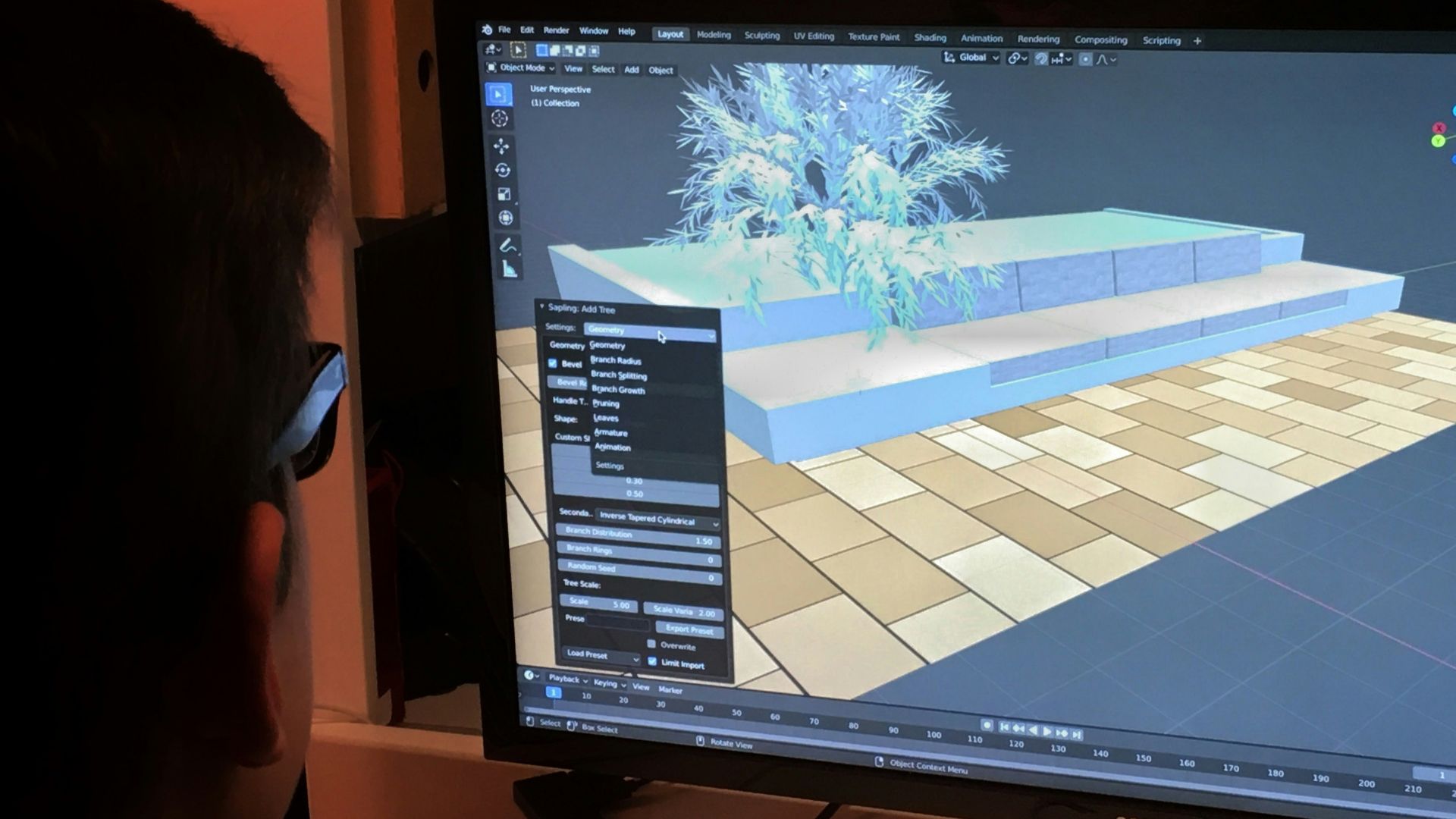
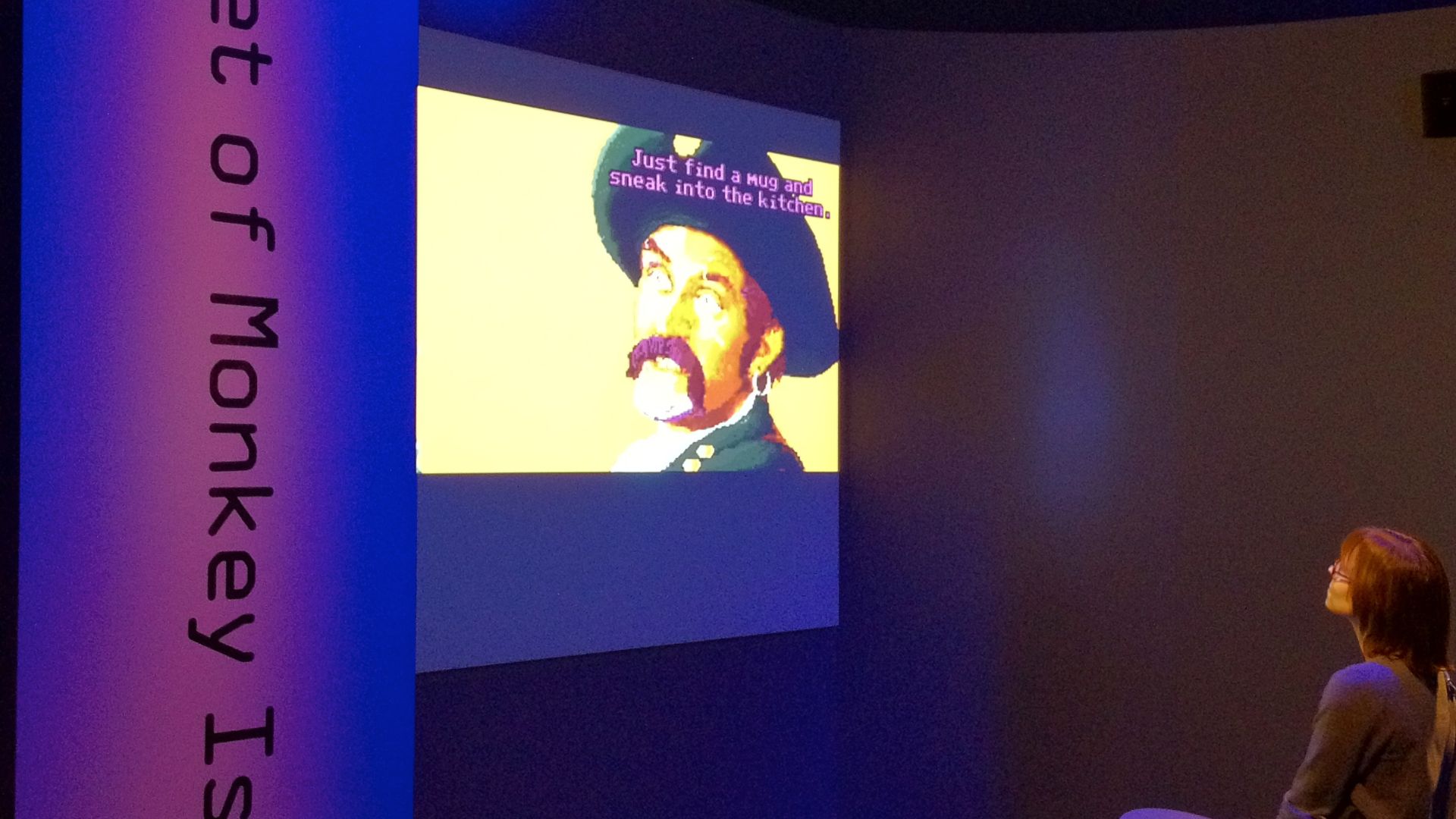
Adventure games from the ’90s thrived on bizarre puzzle logic. You’d combine a rubber chicken with a pulley and somehow open a door. Without hints, players resorted to trial and error—or friends on the playground—to decode what developers were even thinking.
 Blake Patterson from Alexandria, VA, USA on Wikimedia
3. Password Save Systems Instead Of Actual Saves
Before memory cards, progress depended on writing down long alphanumeric codes. One wrong letter, and your level or inventory was gone. It felt like homework disguised as gaming, and anyone who lost their notebook basically lost the game.

4. Unskippable Cutscenes Before Boss Fights
Imagine losing to a boss and having to rewatch the same emotional speech ten times in a row. These unskippable scenes tested patience more than skill. Players could quote entire monologues word for word, not from fandom—just from sheer repetition.

5. Limited Continues With No Checkpoints
Failing three times and getting tossed back to the title screen felt cruel. Many games rationed continue like gold, daring you to survive long stretches without saving. Each death wasn’t just a setback—it was a full restart.
6. Time-Limited Underwater Levels With Instant Death
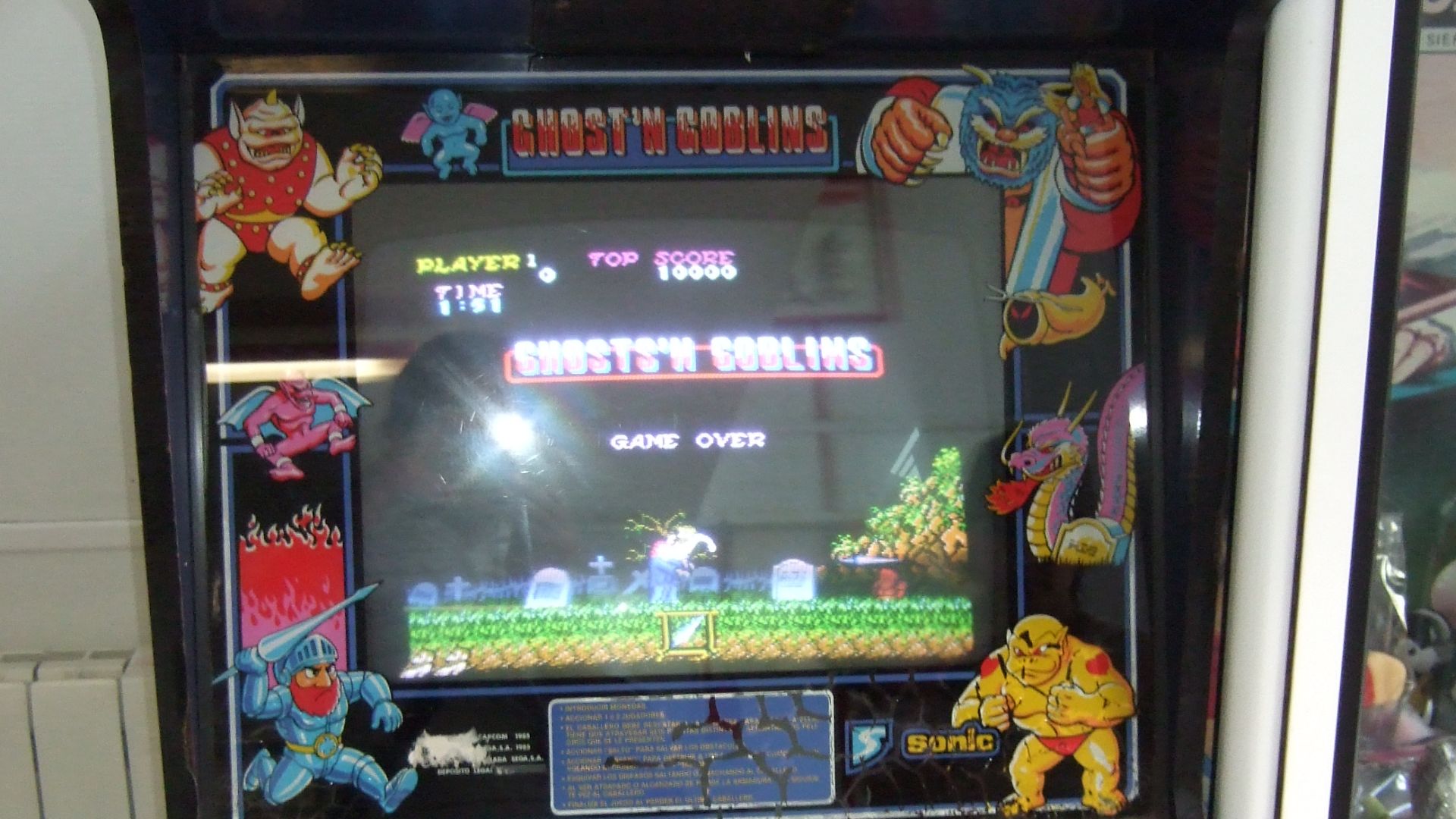
Those underwater timers were anxiety incarnate. The ticking clock, the haunting music, the desperate search for air—all created instant panic. Missing an oxygen bubble meant instant doom, which turned peaceful swimming into one of gaming’s most nerve-wracking nightmares.
 Sega / Sonic Team on Wikimedia
7. Fixed Camera Angles In Action Games
Fixed camera angles tried to make games feel cinematic, but often left players battling blind corners. A monster could be right off-screen while the camera stubbornly showed a wall. Every room transition became a gamble—would you see the threat or walk straight into it?

8. Random Encounter Battles Every Few Steps
Exploring in old RPGs sometimes felt like walking through landmines. After a few steps, the screen would flash, and you’d be yanked into another fight. The unpredictability made long dungeons exhausting and forced players to dread movement instead of enjoying exploration.
 Nickelodeon Movies on Wikimedia
9. Invisible Walls Blocking Exploration
Open worlds used to tease freedom, then slam players into invisible barriers the moment curiosity kicked in. These unseen walls broke immersion instantly, reminding you that the “vast world” was actually a box. Nothing killed discovery faster than running headfirst into digital glass.

10. Mandatory Grinding To Progress
RPG veterans remember endless hours spent battling weak monsters just to survive the next area. Leveling up became less about strategy and more about sheer repetition. It stretched game length, sure, but drained energy fast, especially when each fight felt exactly the same.
 en:Tri-Ace, en:Square Enix on Wikimedia