10 Old Games That Had An Unexpected Comeback & 10 That Are Lost To Time
When Old Games Refuse to Stay Buried
Video games have a funny way of aging. Some disappear so completely that they're forever forgotten, while others randomly reappear years later and suddenly have a whole new audience. That strange split is part of what makes gaming history so entertaining, because you never really know which title will get rediscovered and which one will drift into collector-only territory. Here are 10 games that had an unexpected comeback and 10 that completely vanished.
1. Among Us
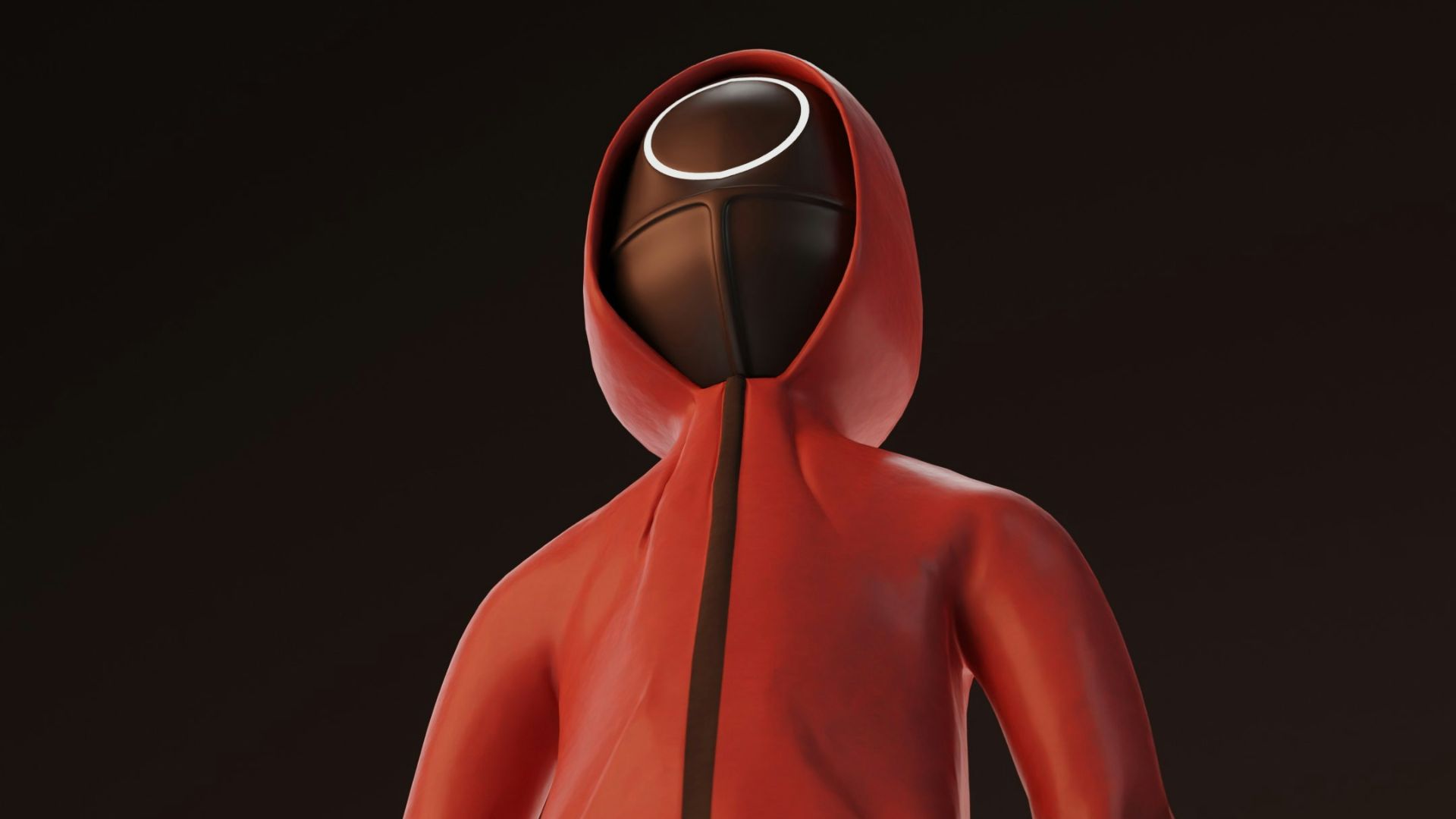
Among Us originally launched in 2018 without much noise, and for a while, it looked like it might just vanish. Then streamers, lockdown-era gaming, and social chaos teamed up to give it a second life that nobody really saw coming. Suddenly, a small, initially overlooked indie game became one of the biggest multiplayer hits in the world.
2. Stardew Valley
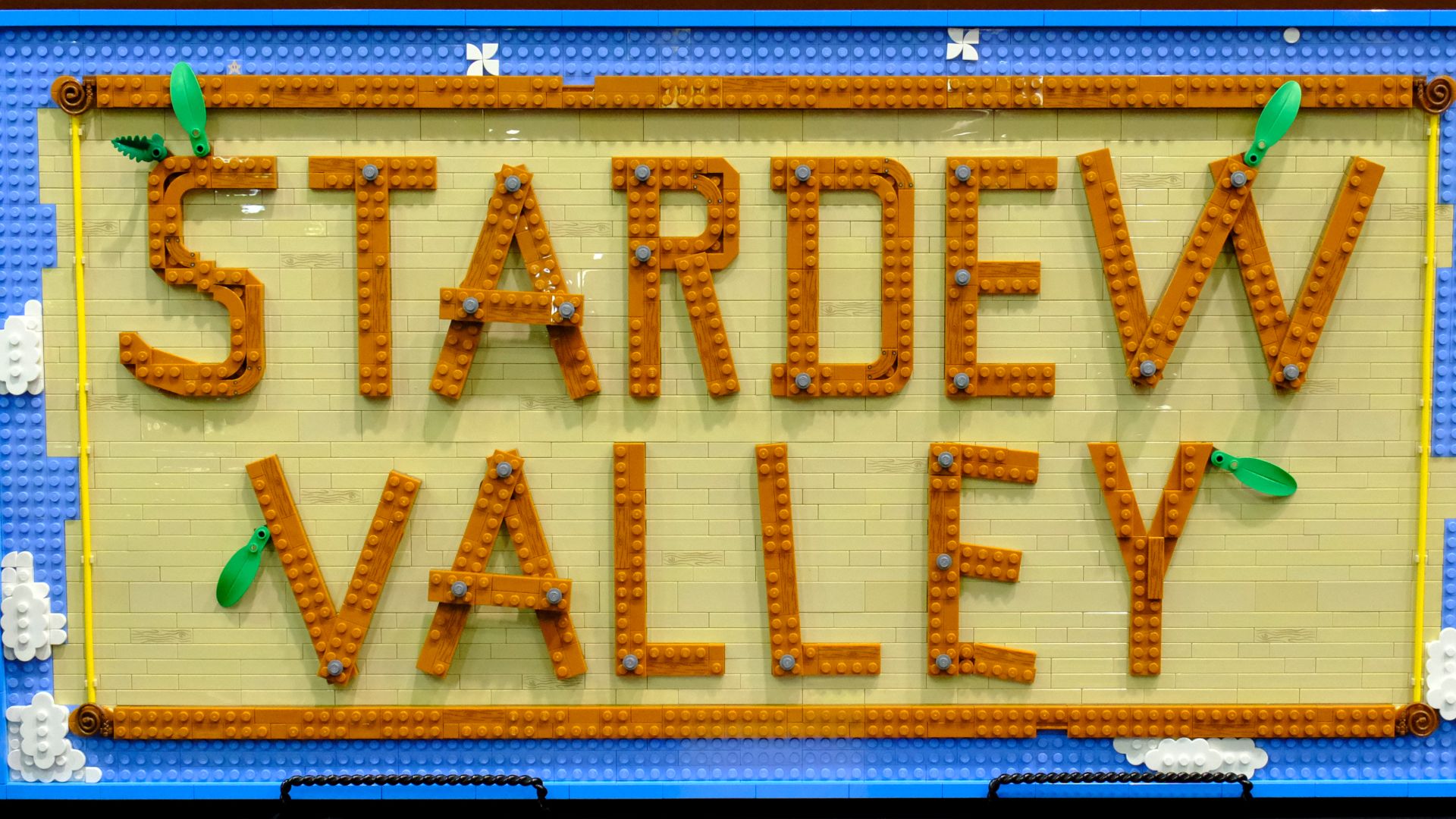
This one wasn't forgotten exactly, but its comeback energy came from how it revived interest in an older style of cozy life sim that many people thought had peaked years earlier. Players who missed the charm of classic farming games ended up treating it like a return to form with better polish and more heart. Over time, it became more than a tribute and turned into a modern staple.
3. Doom
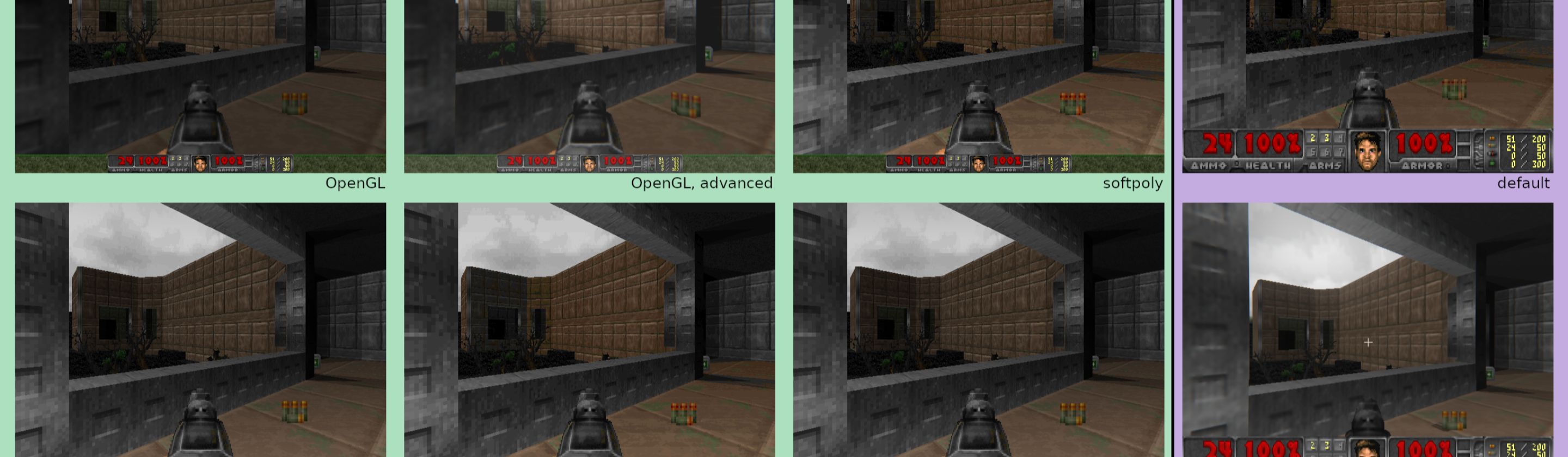
Few games have managed to stay culturally alive the way Doom has. What started as a defining shooter from the early 1990s became a game people kept porting, modding, replaying, and somehow squeezing onto absurd hardware for fun. Then the modern reboots reminded everyone that the old name still had serious power.
 Bethesda, Copyright Microsoft on Wikimedia
4. Age of Empires II
There was a stretch where Age of Empires II seemed like a beloved classic that people would remember fondly and then leave in the past. Instead, remasters, competitive play, and a fiercely loyal fan base dragged it right back into relevance. Even years later, people are still arguing strategies and building empires like no time passed at all, which is pretty impressive for a game first released in 1999.
5. Final Fantasy VII
For a long time, Final Fantasy VII felt like one of those untouchable legends that people kept replaying but didn't expect to truly return in a major way. Then the remake project arrived and turned an old favorite into a huge modern event. It gave longtime fans a fresh reason to obsess while pulling in players who missed the original era entirely.
6. Tetris
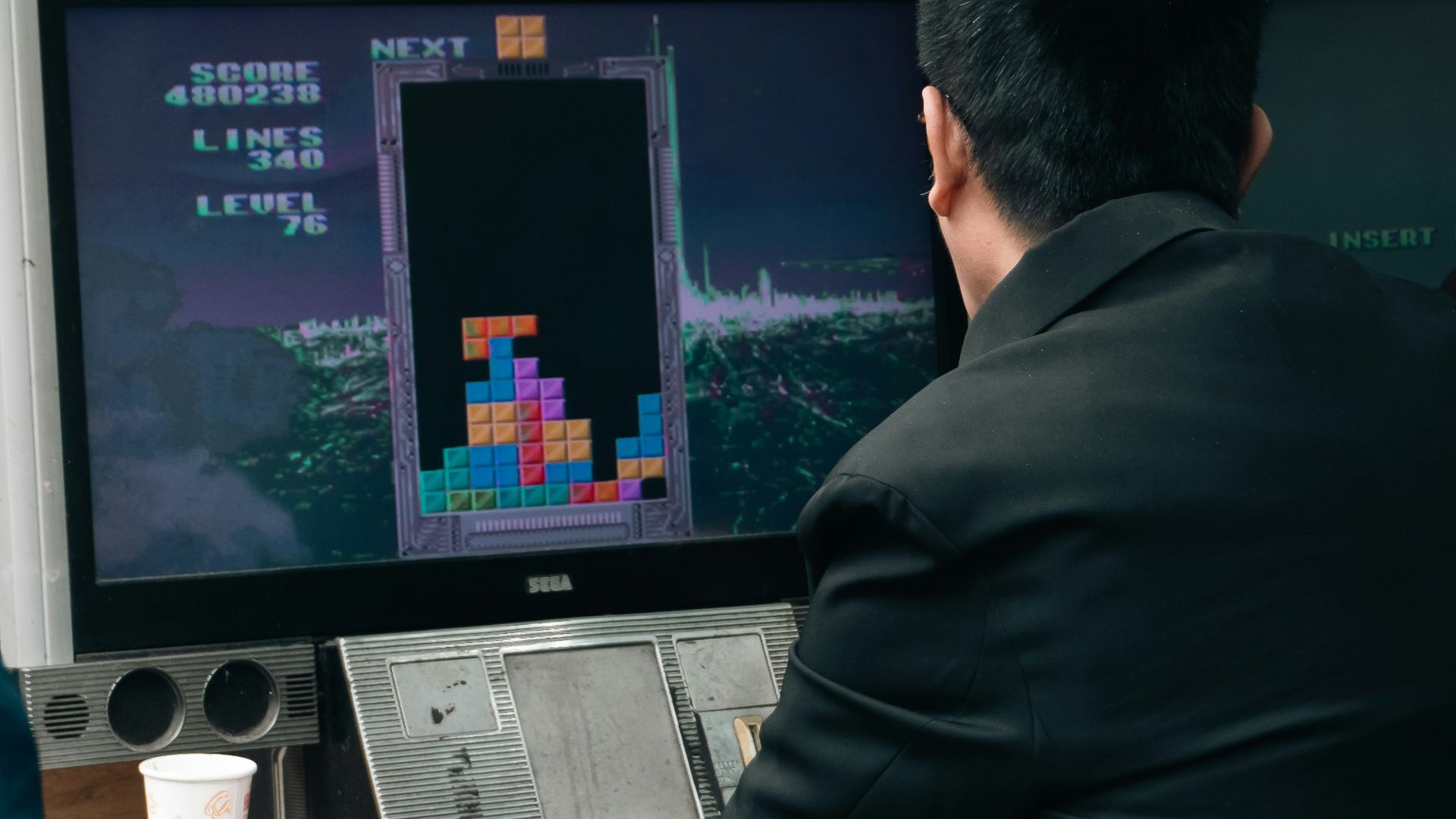
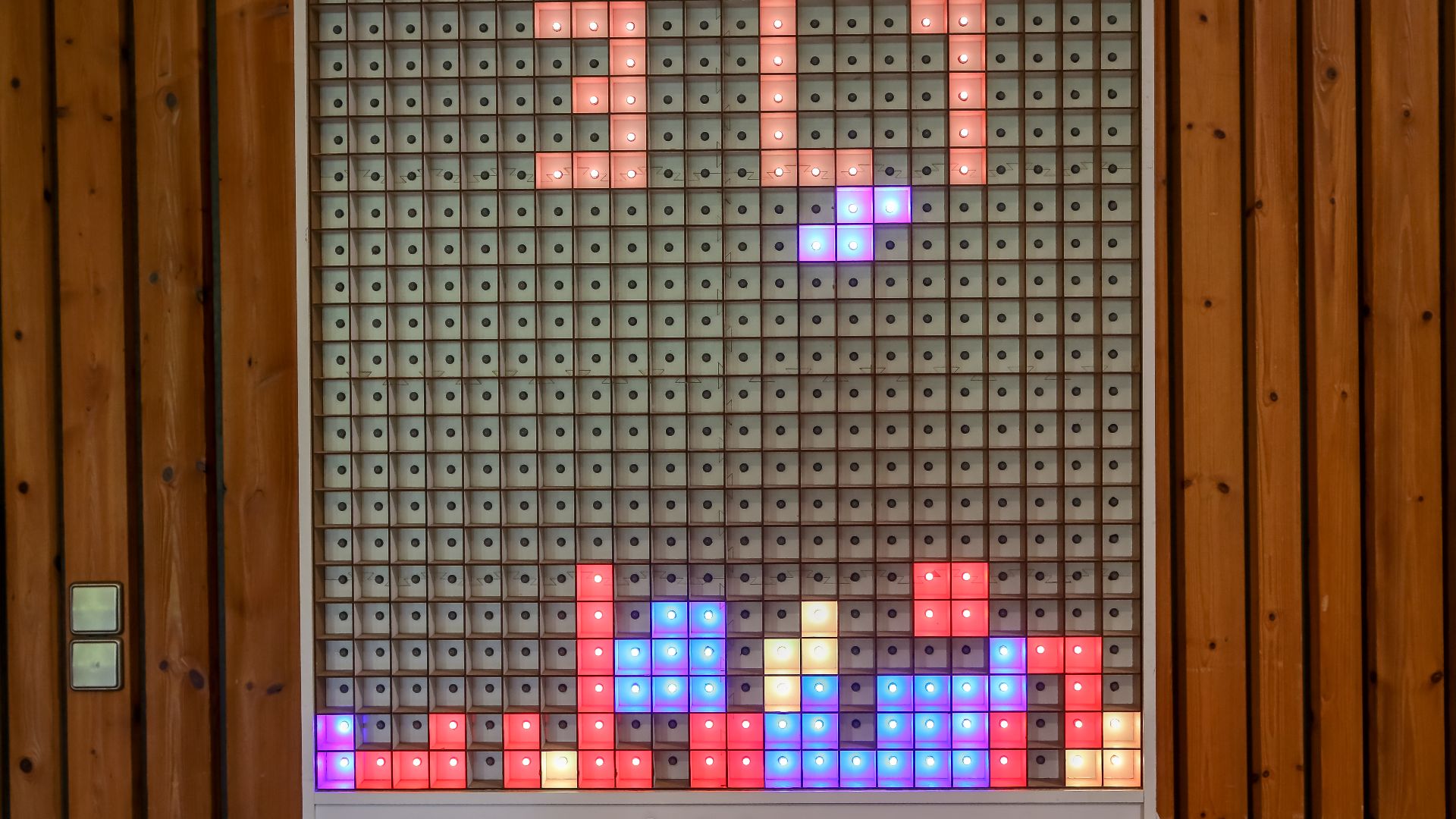
You'd think a game this simple would've burned out decades ago, but Tetris just refuses to fade into oblivion. Every few years, it finds another wave of popularity through new platforms, competitive scenes, or some fresh spin on the formula. It never really left, yet it keeps making people notice it all over again.
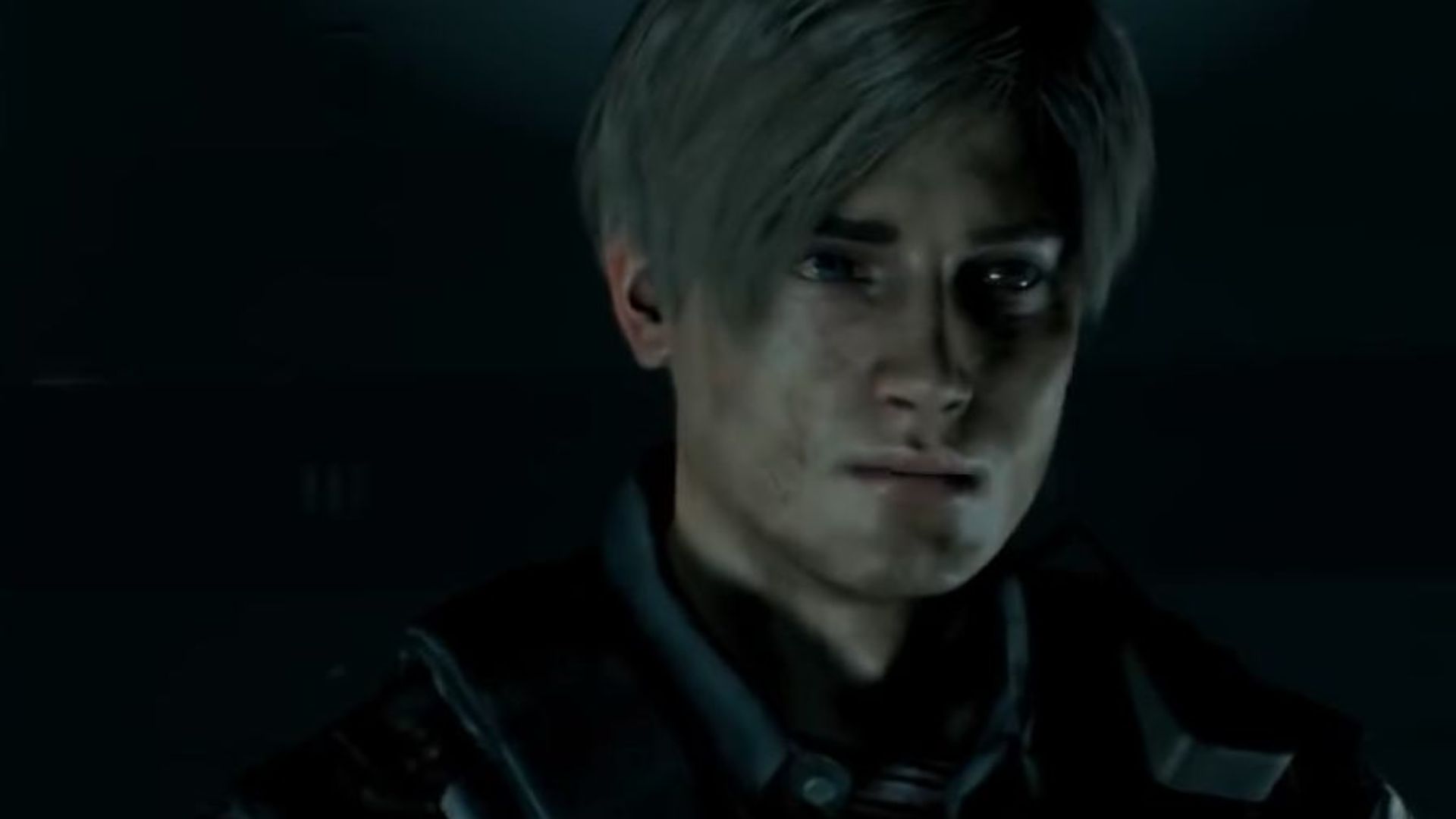
7. Resident Evil 2
The original Resident Evil 2 was already a major hit, but its later return through remake treatment gave it an entirely new spotlight. Instead of just banking on nostalgia, the updated version made old horror feel tense and modern without losing what made it memorable. That balance is harder to pull off than people think.
8. Battletoads
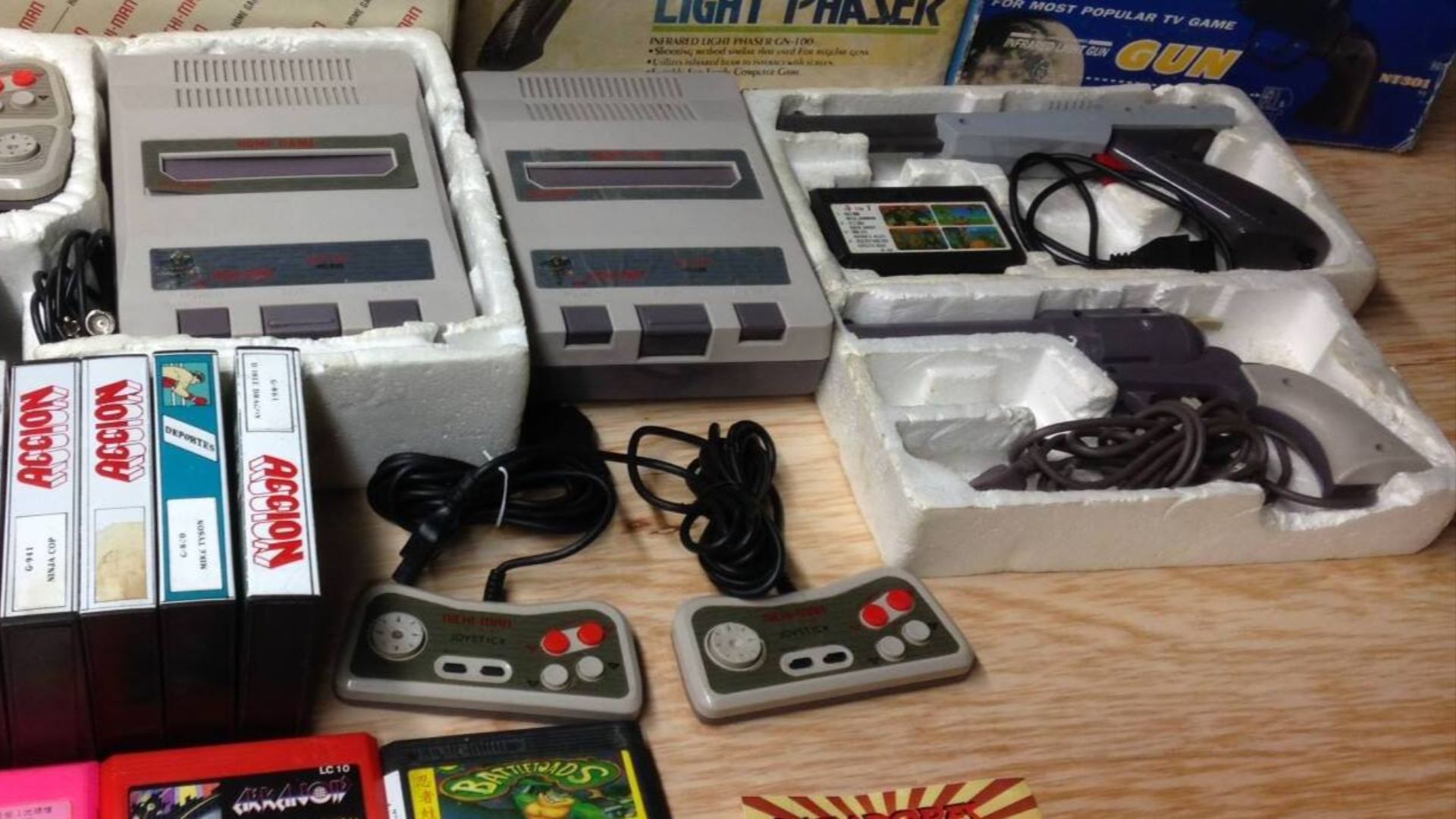
For years, Battletoads mostly survived as a punchline about brutal difficulty and very patient childhood suffering. Then it came back with a newer release that leaned into the weirdness people remembered. It didn't become the biggest game in the world, but it re-entered the conversation in a notable way.
 Julio alberto casallas on Wikimedia
9. Baldur's Gate
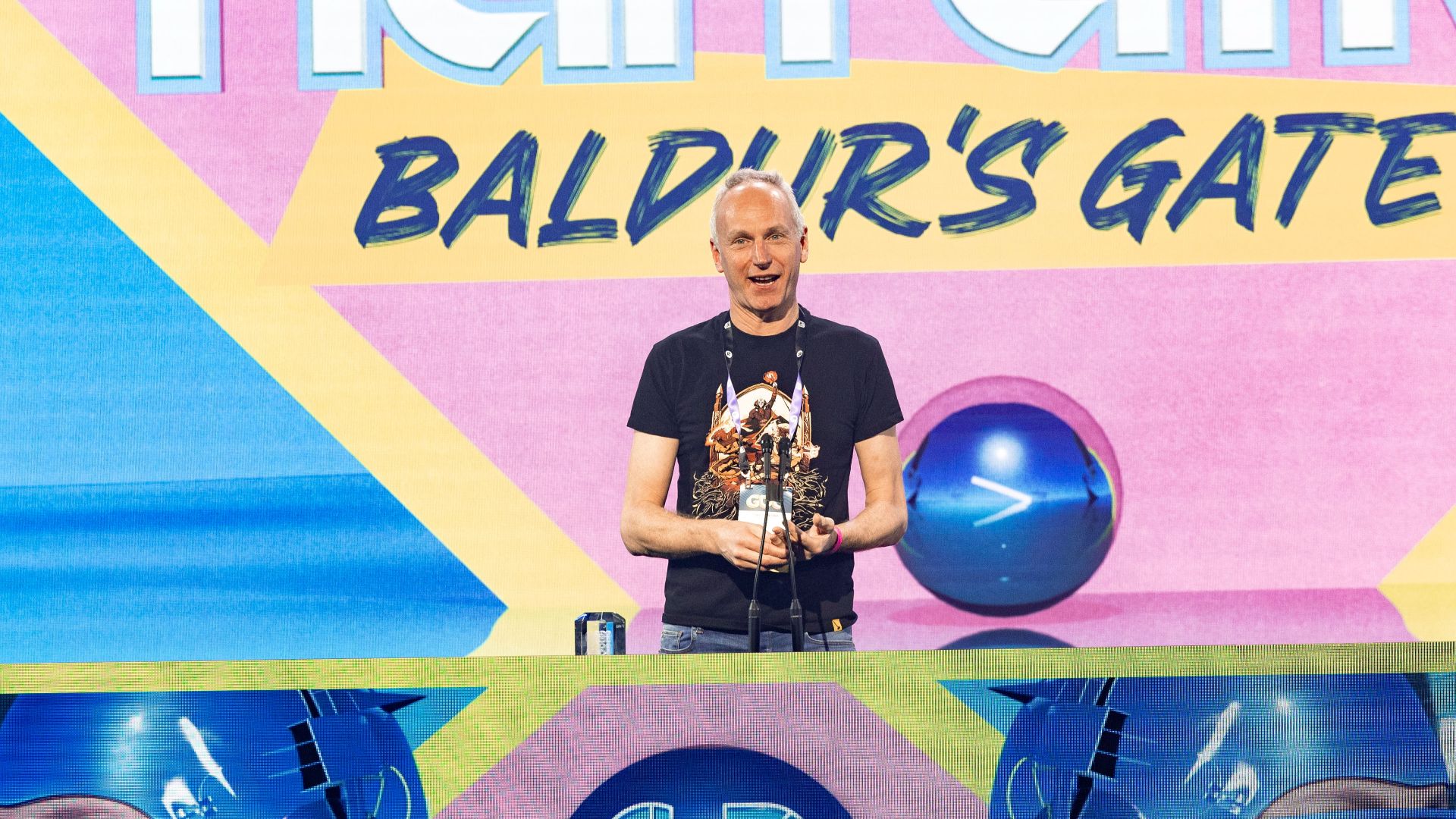
Classic computer RPGs had a period where they felt increasingly niche compared to flashier genres. Yet the Baldur's Gate name clawed its way back into mainstream attention with a force that surprised a lot of people. Suddenly, a series with deep roots became a huge modern success again, and not just for old-school fans. That's the kind of revival publishers dream about and rarely get.
10. System Shock
System Shock spent a long time being the game people brought up to prove they had taste. It was influential, admired, and historically important, but not exactly sitting in the everyday spotlight for most players. Remake efforts helped pull it back into view and reminded people why it mattered in the first place.

Now that we've talked about the games that had a second wind, let's cover the ones that you probably haven't thought about for a while.
1. Panzer Dragoon Saga
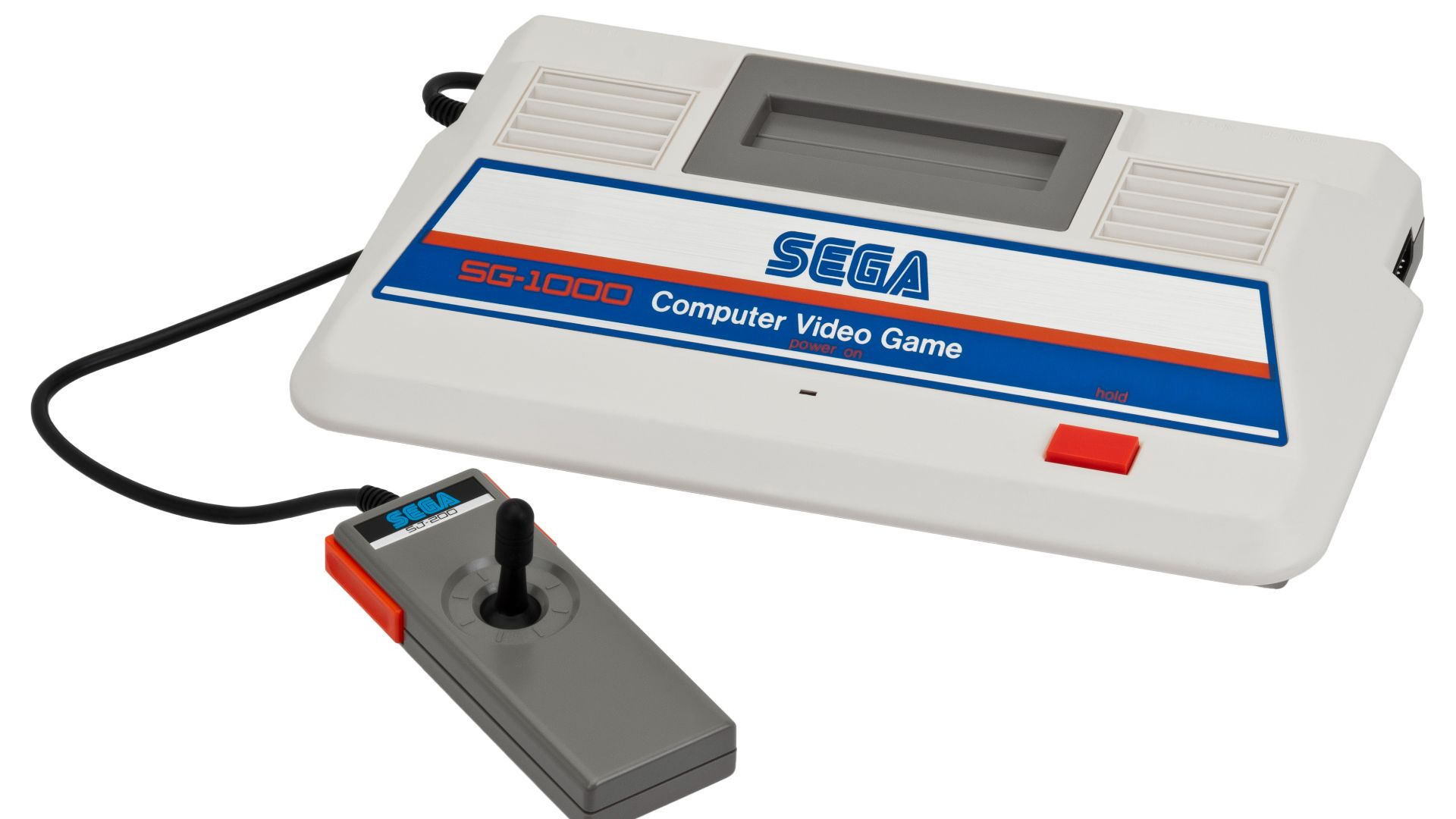
This is one of those games that sounds mythical partly because so few people have actually played it on original hardware. It was critically admired, released in small numbers, and trapped on the Sega Saturn, which did it absolutely no favors for long-term visibility. Since it never got the kind of broad re-release people hoped for, it became more legend than living presence.
2. Rule of Rose
Rule of Rose is remembered as much for controversy and scarcity as for the game itself. It became one of those titles collectors talk about in hushed, slightly smug tones because getting a copy turned into a whole event. With limited availability and no major push back into circulation, it drifted further from ordinary players over time. Unless you were already looking for it, it was easy to miss completely.
3. E.T. the Extra-Terrestrial
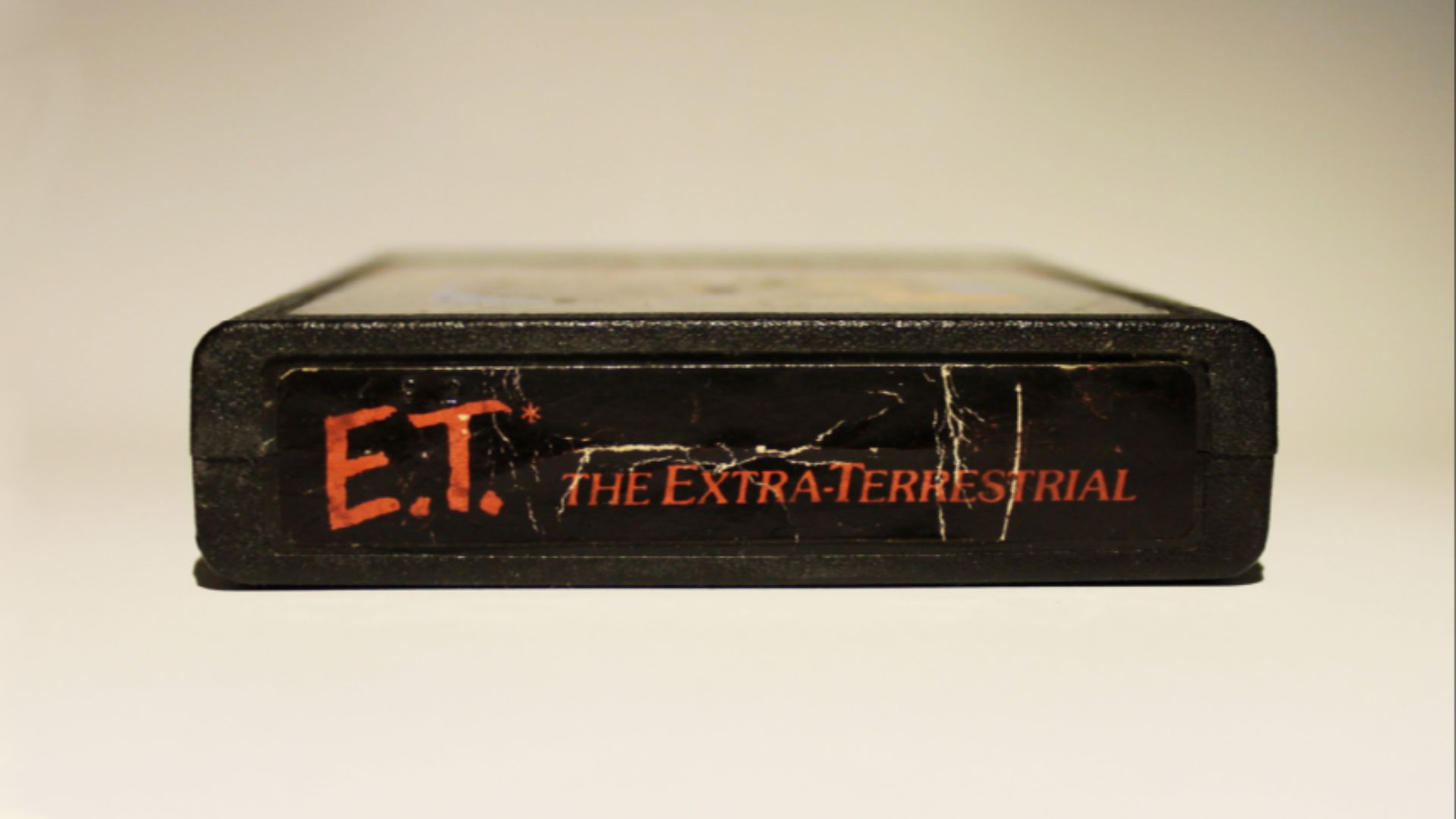
This game is famous, but not in the way most developers would choose. Its place in gaming history is secure, yet the actual experience of playing it lives mostly in documentaries, retro discussions, and the occasional brave curiosity session. The game was notoriously unpopular, with millions of copies being returned due to its confusing gameplay and rushed development, so it survives more as a cautionary story than as something people actively return to for fun.
4. Little Samson
Little Samson had the misfortune of being good, late to the NES, and not especially visible when it mattered. Over the years, it became one of those expensive collector pieces that gets praised far more often than it's actually played. That creates a weird kind of fame where everybody knows it matters, but only a tiny group interacts with it firsthand.
 Nintendo, Peter Häll, Tekniska museet on Wikimedia
5. Snatcher
Hideo Kojima fans love bringing up Snatcher, and with good reason, but it still feels like a game trapped behind time and hardware. Its style, writing, and atmosphere gave it a devoted following, yet it never became easy to revisit for most people. Without broad modern availability, it remains more discussed than experienced.

6. Terranigma
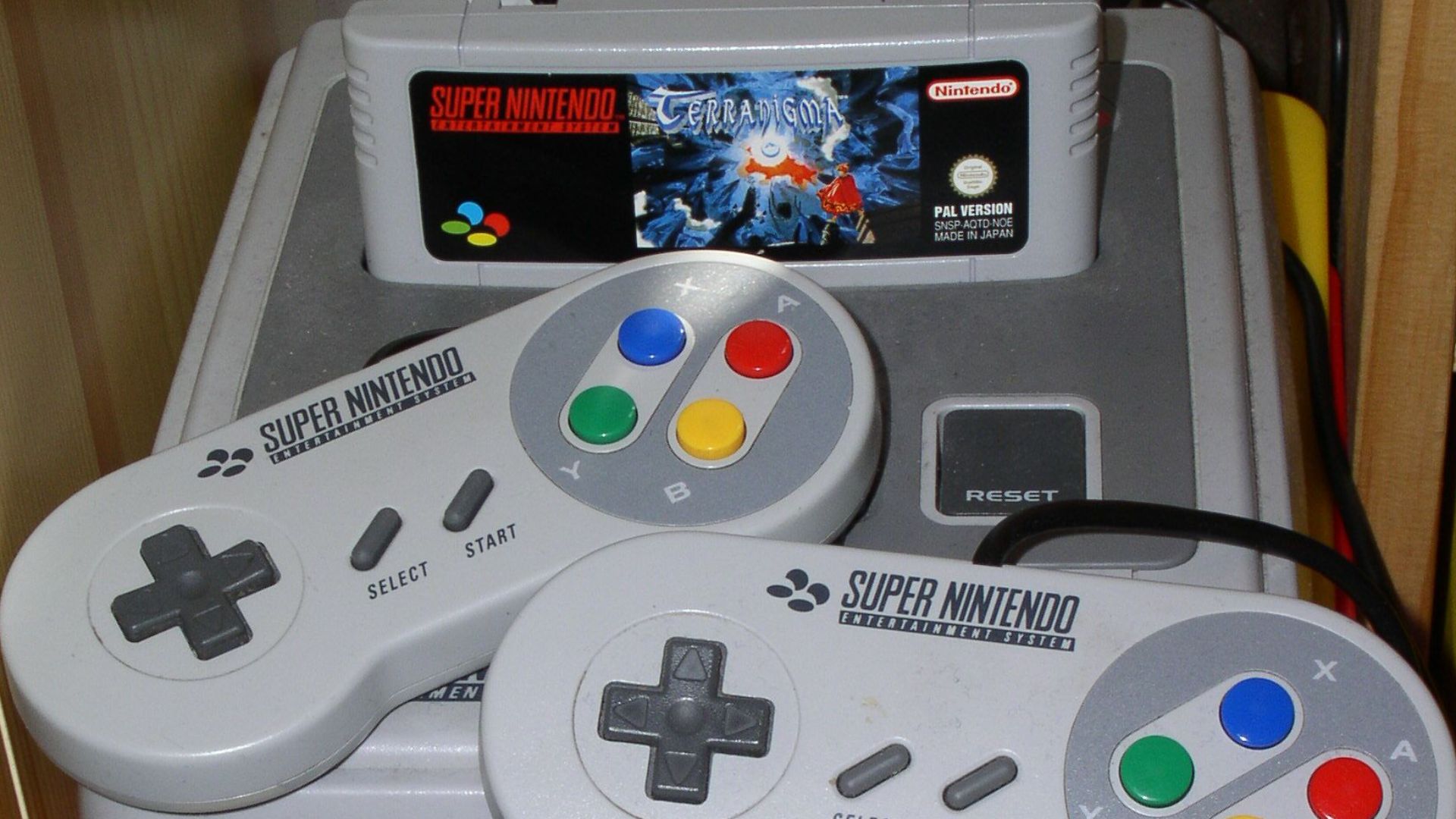
Terranigma earned a lot of affection from players who discovered it, but it also ended up with a frustratingly limited footprint. Regional availability issues and the lack of a big modern reintroduction kept it from building the wider audience it probably deserved. As a result, it lives on as a beloved hidden gem that still feels oddly out of reach.
 Benutzer:Necrophorus on Wikimedia
7. No One Lives Forever
This series has style, charm, and a loyal fan base, yet rights issues helped turn it into one of those frustrating gaming ghosts. People keep asking for a re-release, a remaster, or basically any clean way to buy and play it again. Instead, it stays stuck in an awkward legal fog that prevents a proper return.
8. Eternal Darkness
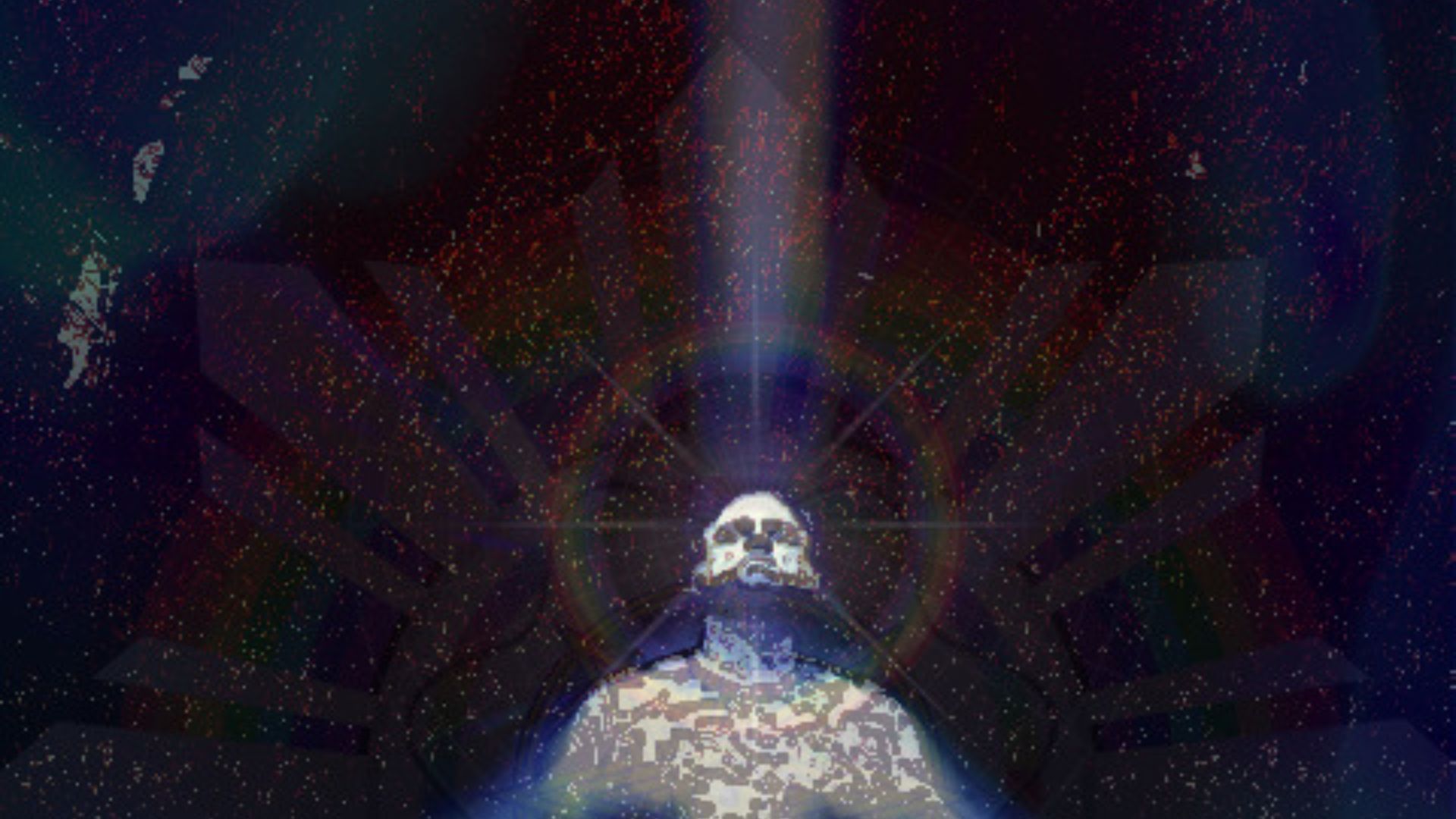
Eternal Darkness is still praised for doing creative things with horror, especially its infamous sanity effects. The problem is that it remained tied to a specific era and platform, which made it harder to keep in circulation as gaming moved on. It didn't vanish from memory, but it also didn't get the kind of preservation push that keeps a game active for new audiences.
9. Vib-Ribbon
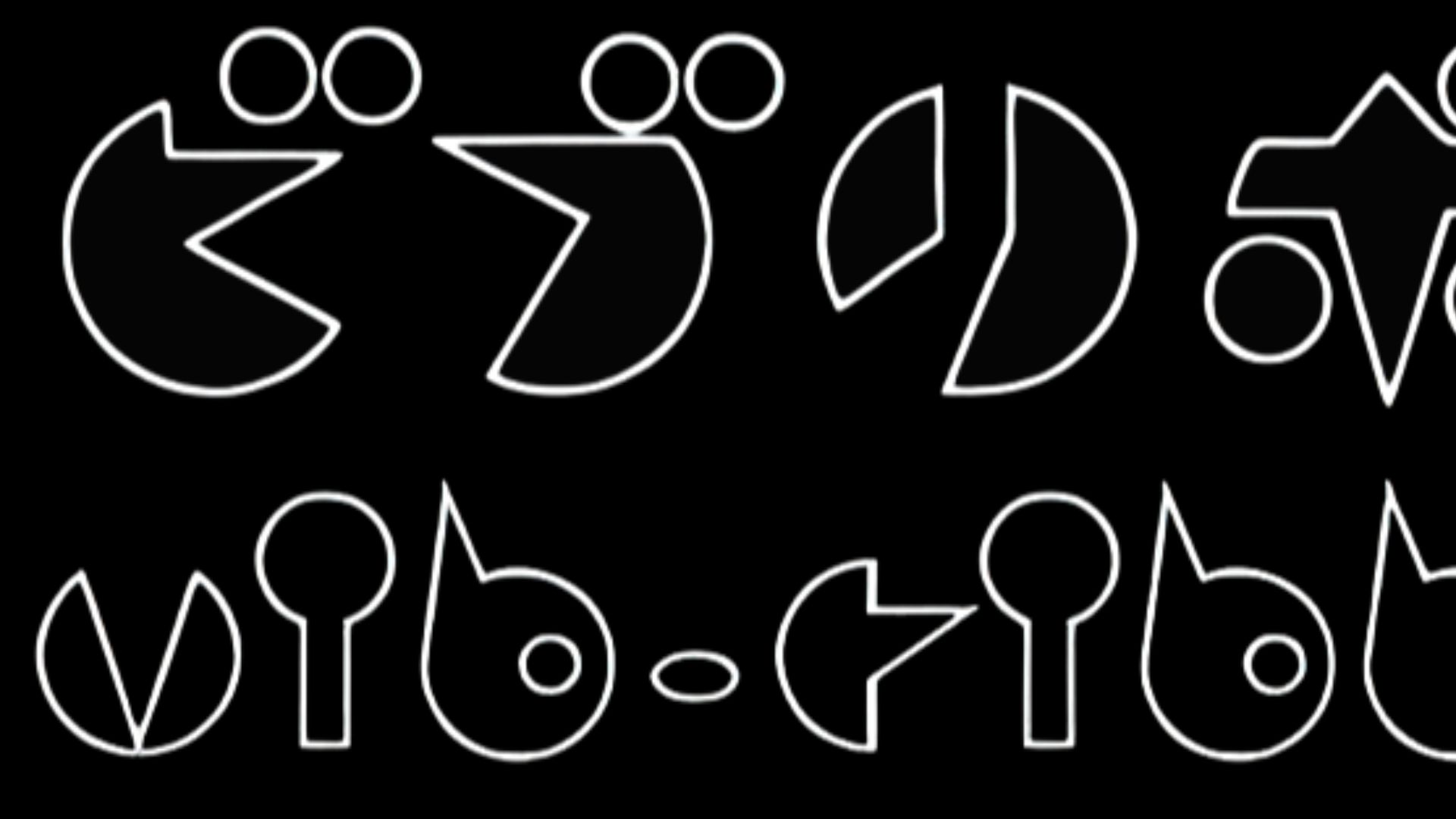
Vib-Ribbon had a look and concept that made it stand out immediately, but that didn't guarantee lasting mainstream visibility. Its quirky style helped it become memorable, though not necessarily widely available or consistently discussed outside retro circles. Over time, it slipped into that category of games people get excited to mention because it's rarely brought up.
10. M.U.L.E.
M.U.L.E. was once celebrated as a brilliant multiplayer strategy game, but the years haven't exactly kept it in easy reach for most players. Its influence matters, especially if you care about older game design, yet its name doesn't come up nearly as often as it probably should. Newer generations are much more likely to know the games it influenced than the game itself.