10 Heroes Fans Underrate Because They’re Kind & 10 Villains Fans Overrate Because They’re Cruel
10 Heroes Fans Underrate Because They’re Kind & 10 Villains Fans Overrate Because They’re Cruel
Kindness Gets Misread
Fans love sharp edges. A villain with a brutal speech or a hero with a darker streak can dominate the conversation, while the character trying to protect people gets called boring. In comics and video games especially, kindness is often mistaken for simplicity, even when it takes more discipline than rage. Cruelty gets treated like depth because it feels intense, but intensity is not the same as substance. So here’s 10 heroes fans underrate because they are kind, followed by 10 villains fans overrate because they are cruel.
1. Superman
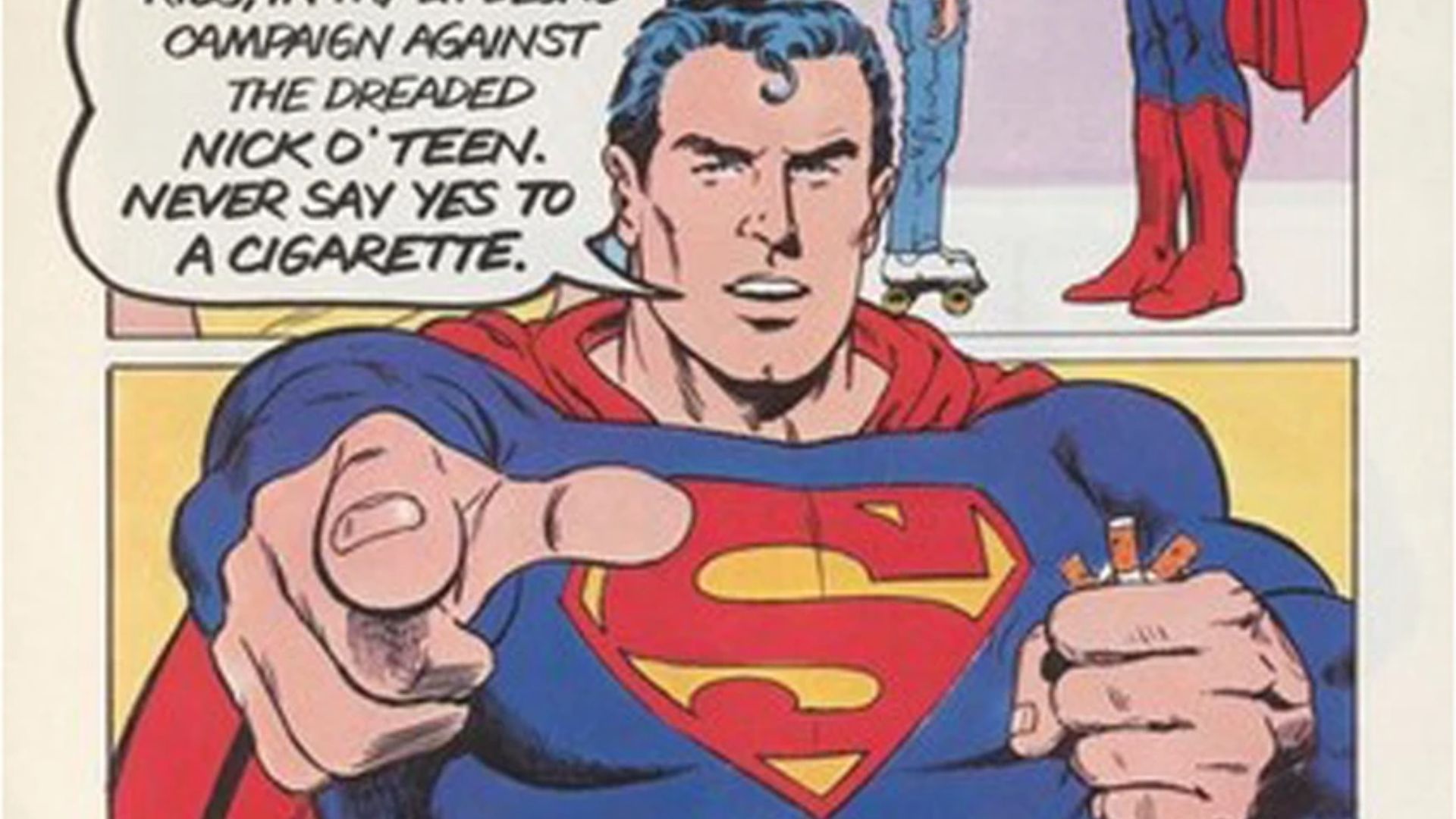
Superman gets dismissed as too good, too clean, or too powerful to be interesting. But Clark Kent’s kindness is not a lack of conflict; it is the whole conflict. He could solve most problems with force, and the interesting part is that he keeps choosing restraint, patience, and faith in people anyway.
 Unknown authorUnknown author, working for Saatchi and Saatchi. on Wikimedia
2. Nightcrawler
Nightcrawler is one of the clearest examples of gentleness being mistaken for softness. In the X-Men stories, Kurt Wagner has every reason to become bitter, but he keeps offering warmth, humor, and forgiveness instead. That does not make him naive; it makes him one of the emotionally strongest people in the room.
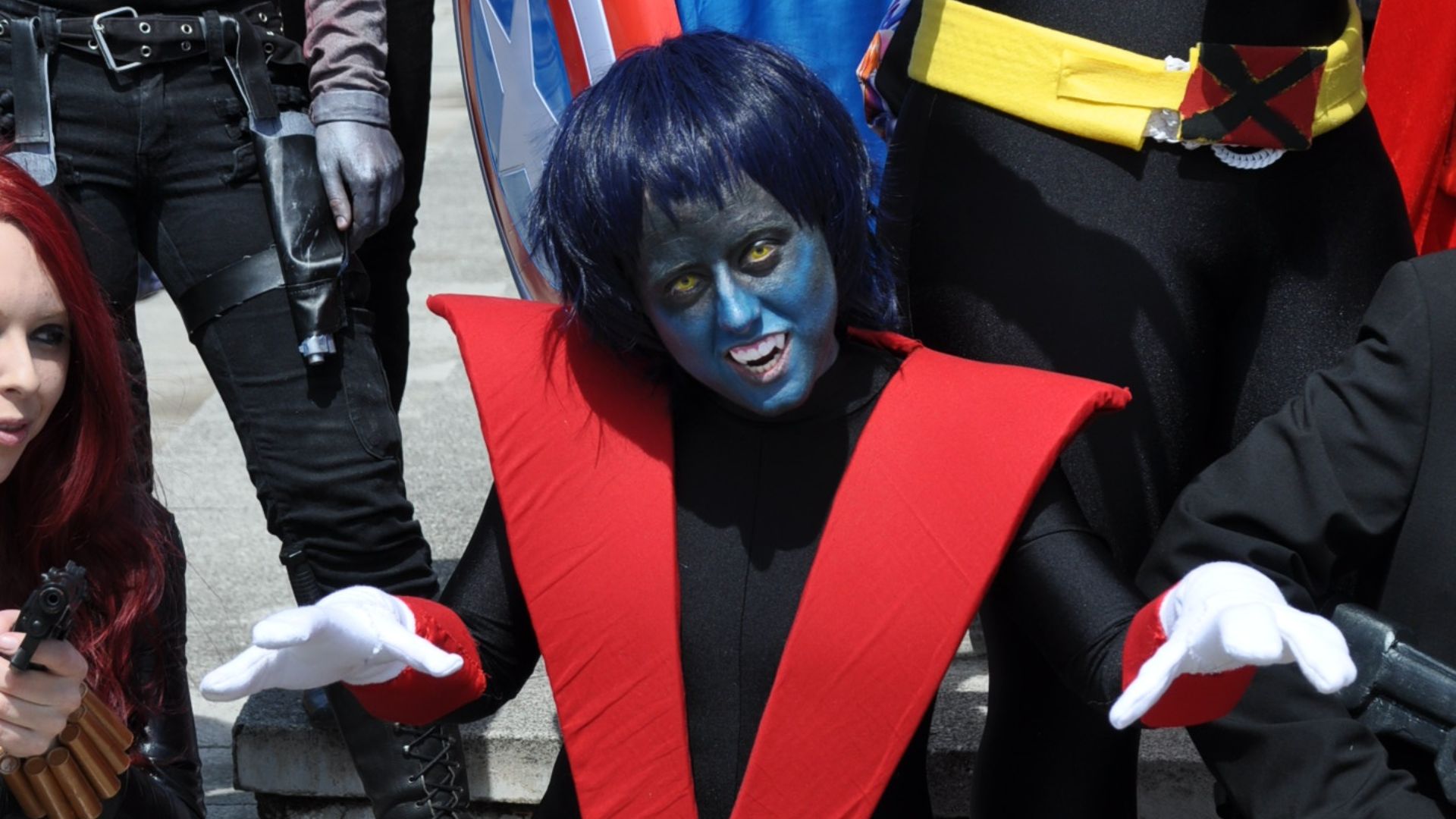 Roger Murmann from Eppertshausen, Deutschland on Wikimedia
3. Spider-Man
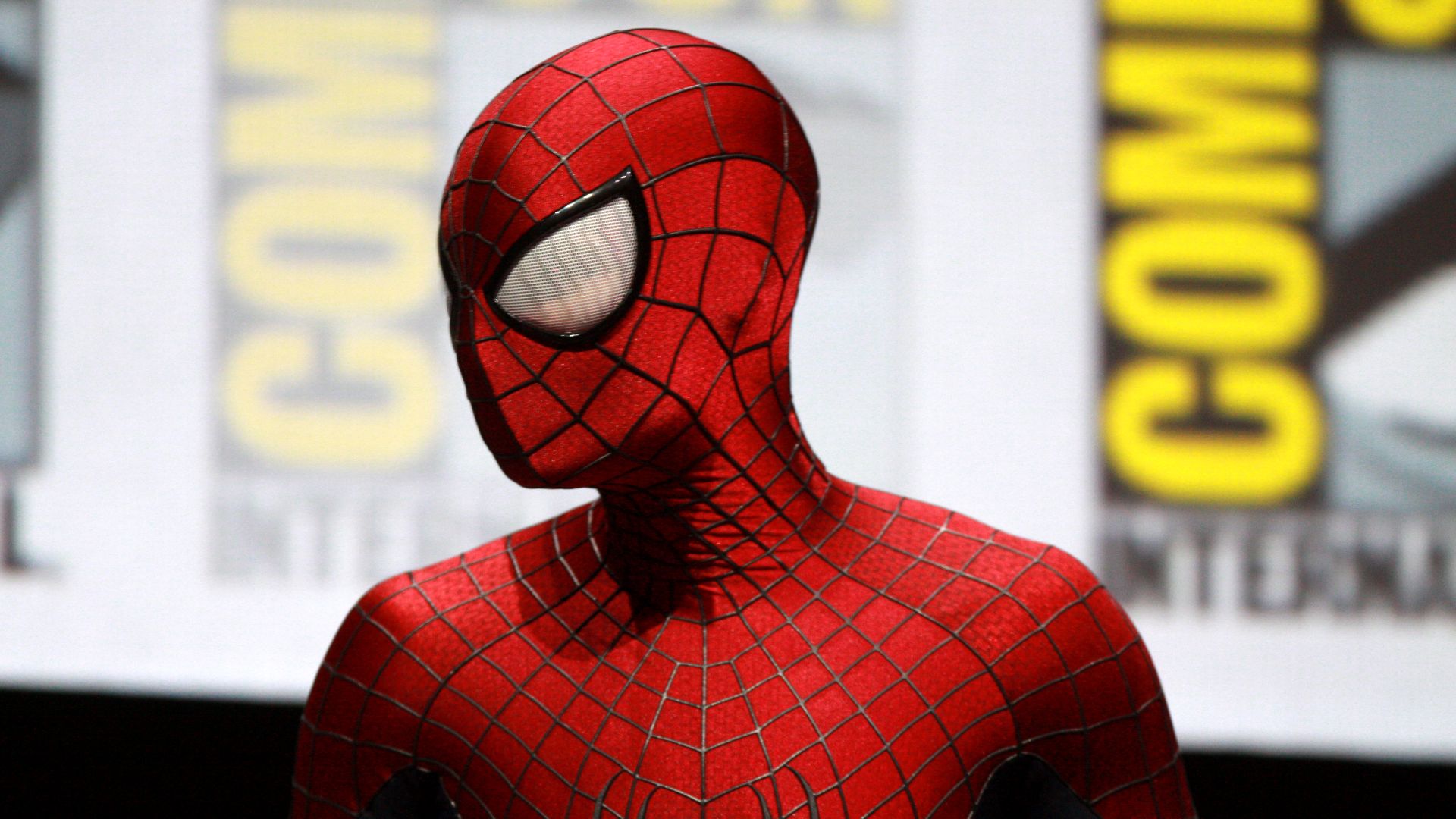
Spider-Man’s kindness often gets buried under the jokes, the bad luck, and the endless personal disasters. Peter Parker keeps saving people who insult him, blame him, or never know his name, and he does it while barely holding his own life together. That kind of decency is harder than looking cool on a rooftop.
4. Kamala Khan
Kamala Khan’s optimism can make people underestimate her, especially next to darker, older heroes. But Ms. Marvel works because she still believes heroism should feel human, local, and personal. She cares about the person in front of her, not just the huge cosmic problem on the horizon.
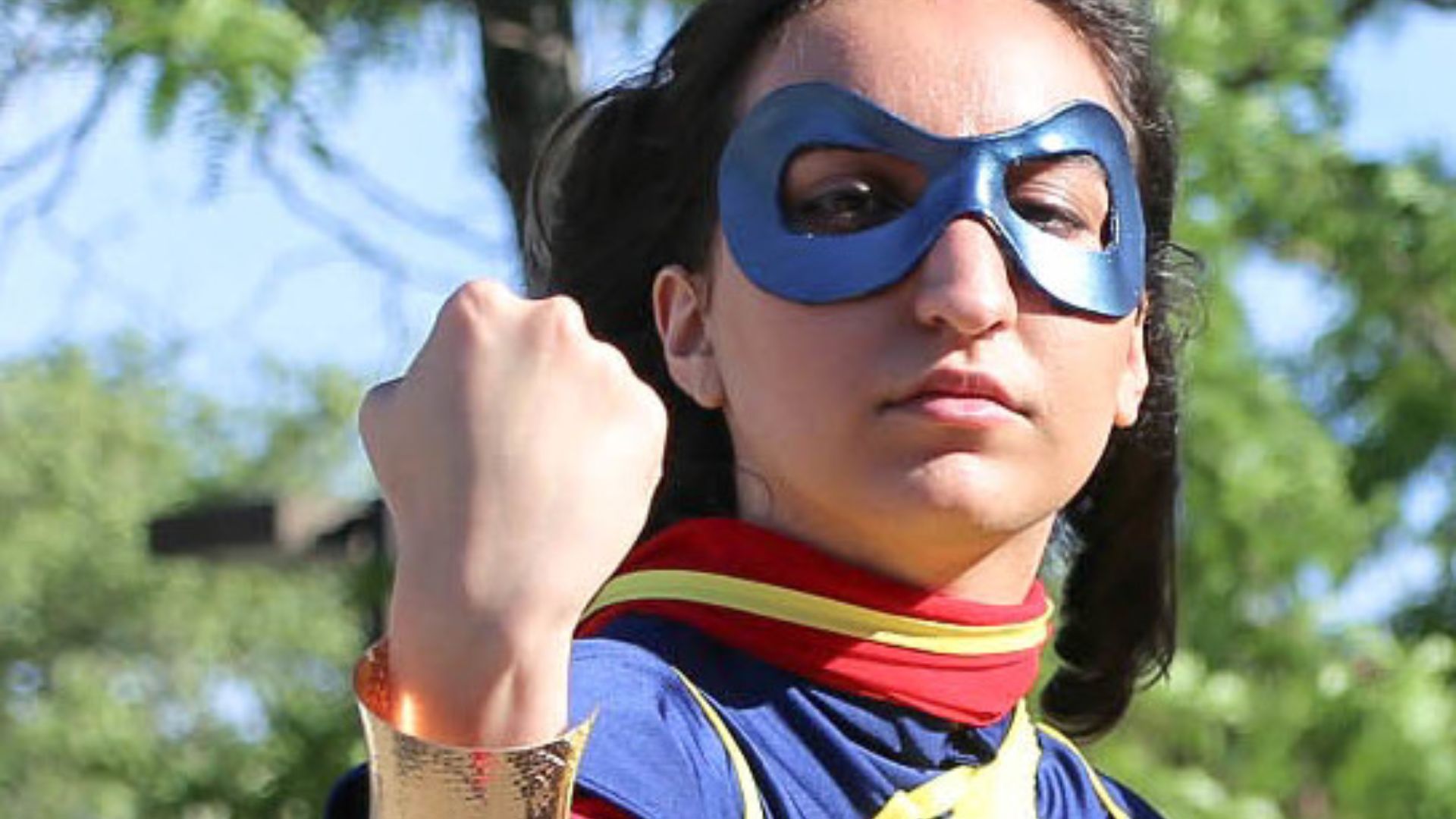 Richie S from Brooklyn, NY, United States on Wikimedia
5. Captain America
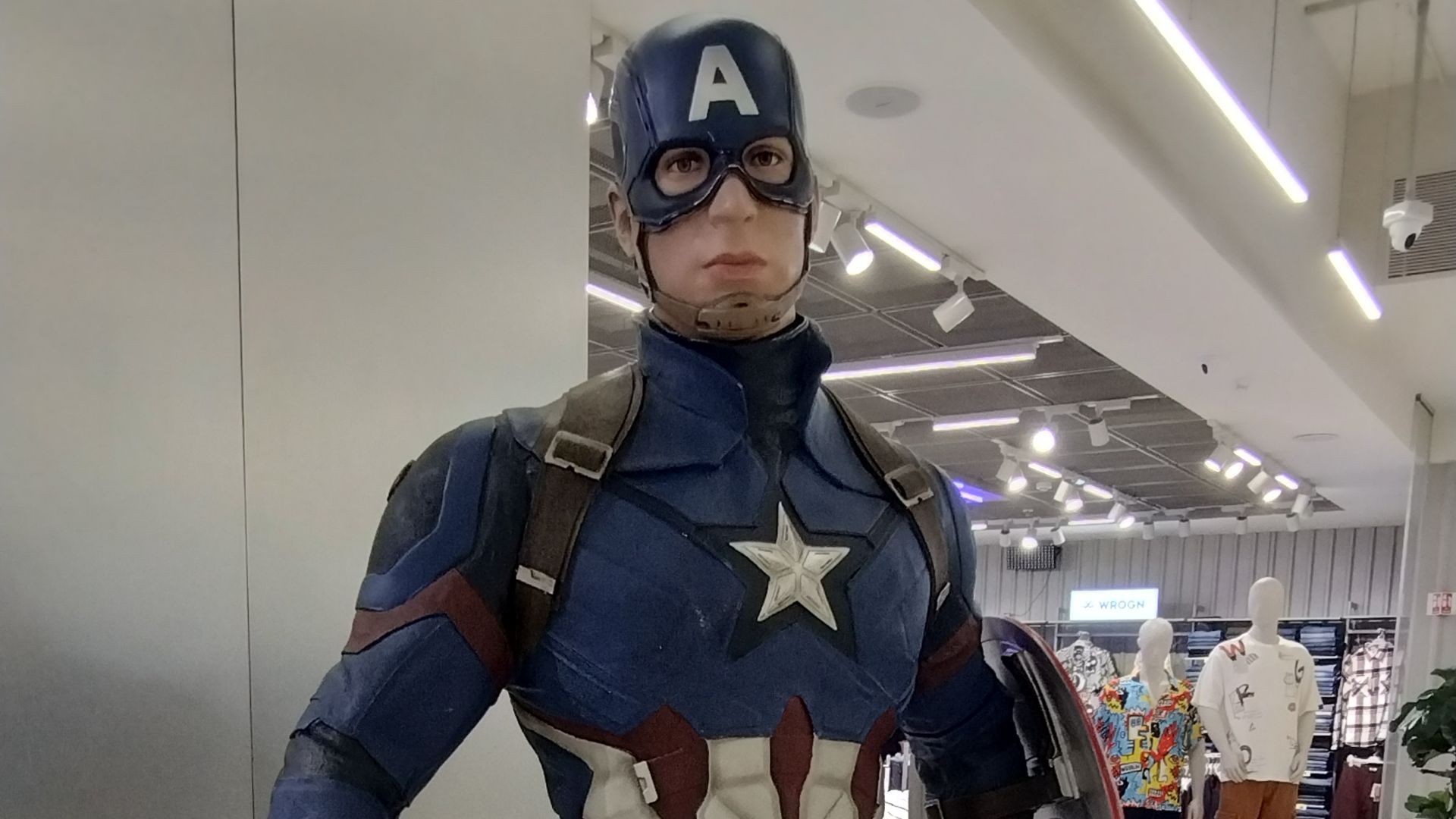
Captain America gets mocked as a boy scout, but that misses what makes Steve Rogers compelling. His kindness is not politeness; it is moral stubbornness. He keeps believing people deserve dignity even when the world tries to make that belief look outdated.
6. Link
Link is easy to underrate because he rarely explains himself. Across The Legend of Zelda games, his heroism comes through in what he does: helping strangers, protecting villages, rescuing people, and taking on impossible burdens without turning cruel. His quiet kindness is part of why those worlds feel worth saving.
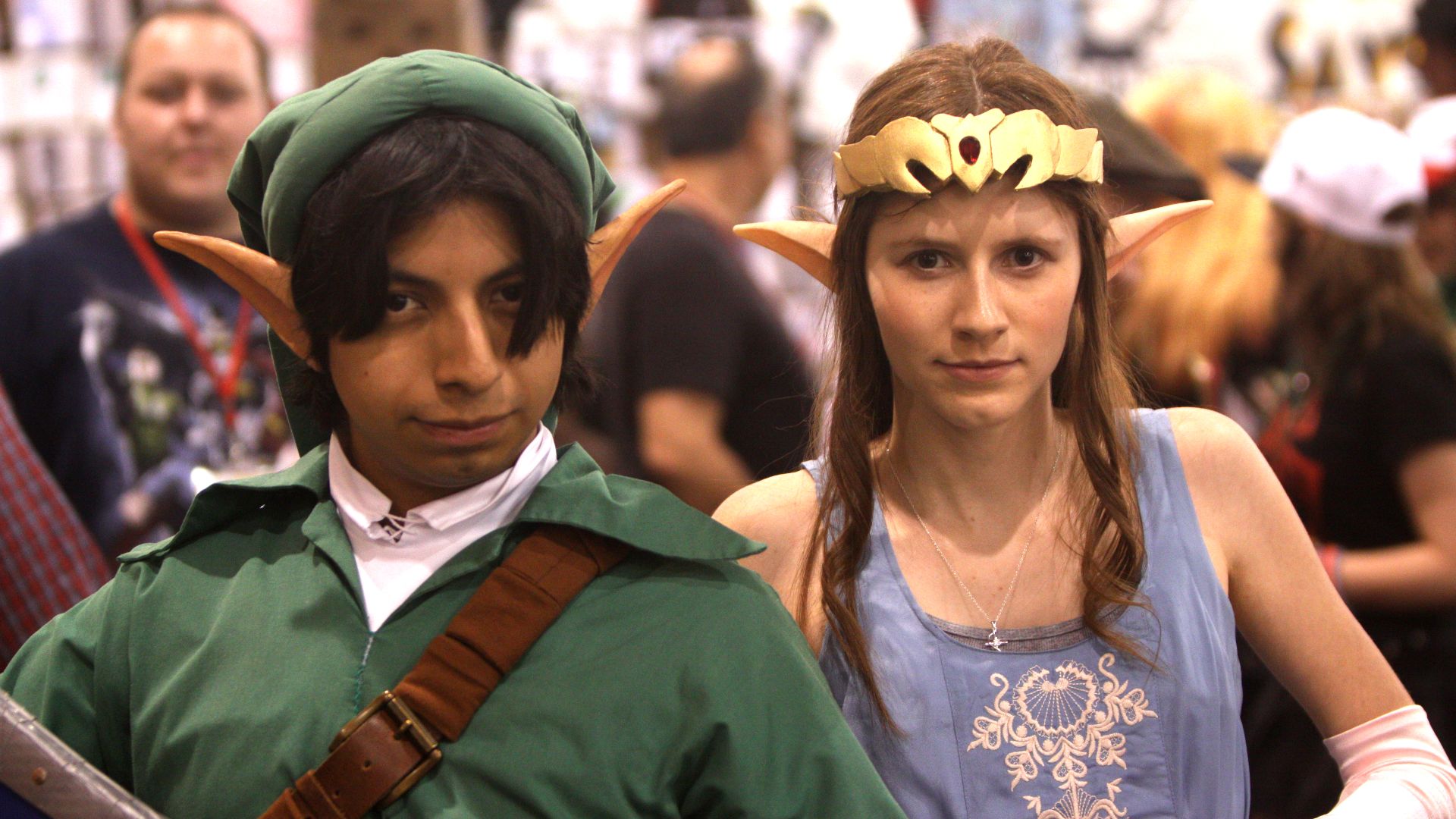 Gage Skidmore from Peoria, AZ, United States of America on Wikimedia
7. Aerith Gainsborough
Aerith from Final Fantasy VII is often remembered for her sweetness, but that sweetness has steel in it. She jokes, comforts, teases, and cares deeply while carrying knowledge and danger most people around her do not fully understand. Her kindness is not innocence; it is courage under pressure.
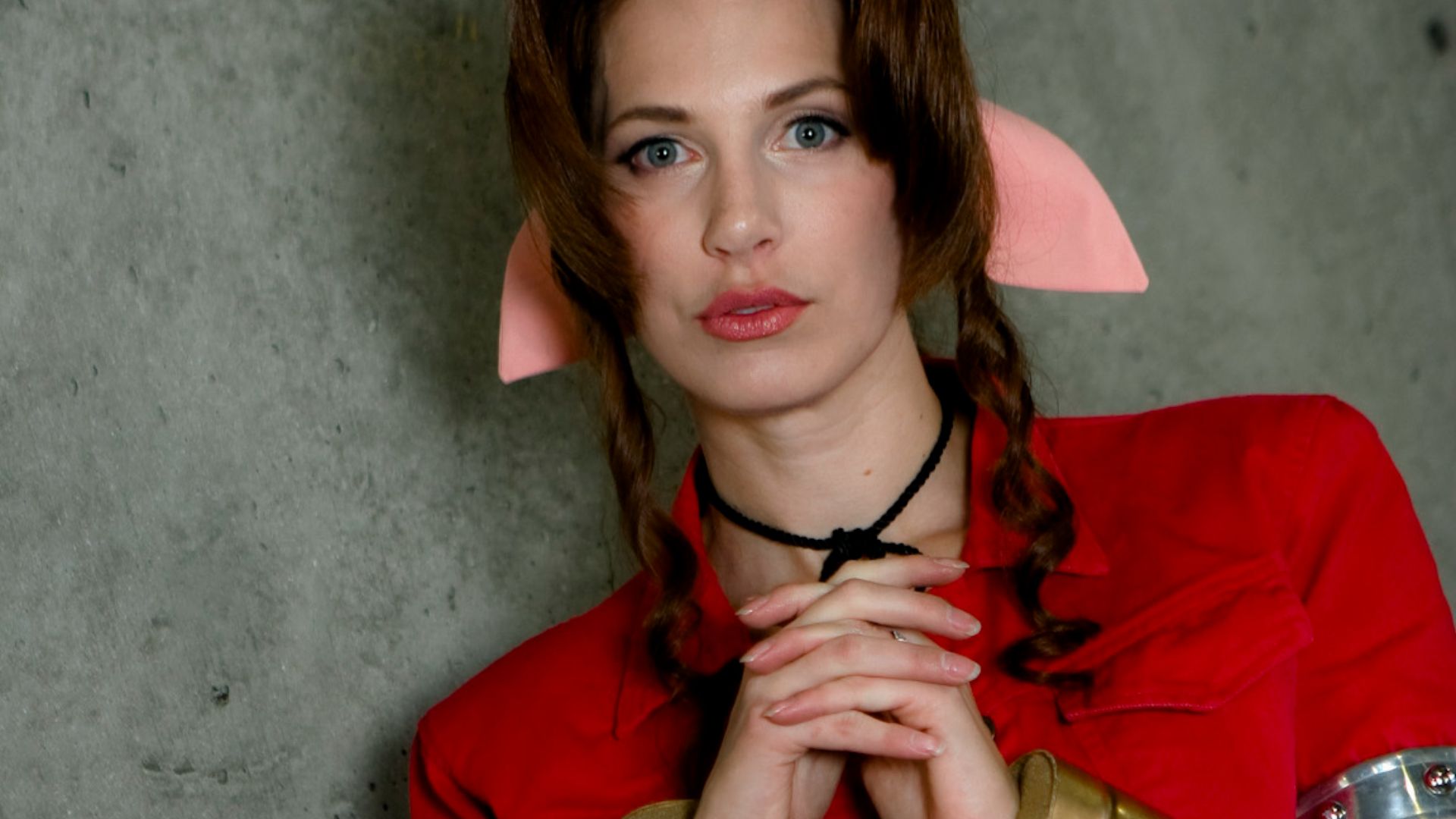 gamefan23 (Jason E.) from Ontario, C.A. , San Bernadino on Wikimedia
8. Princess Peach
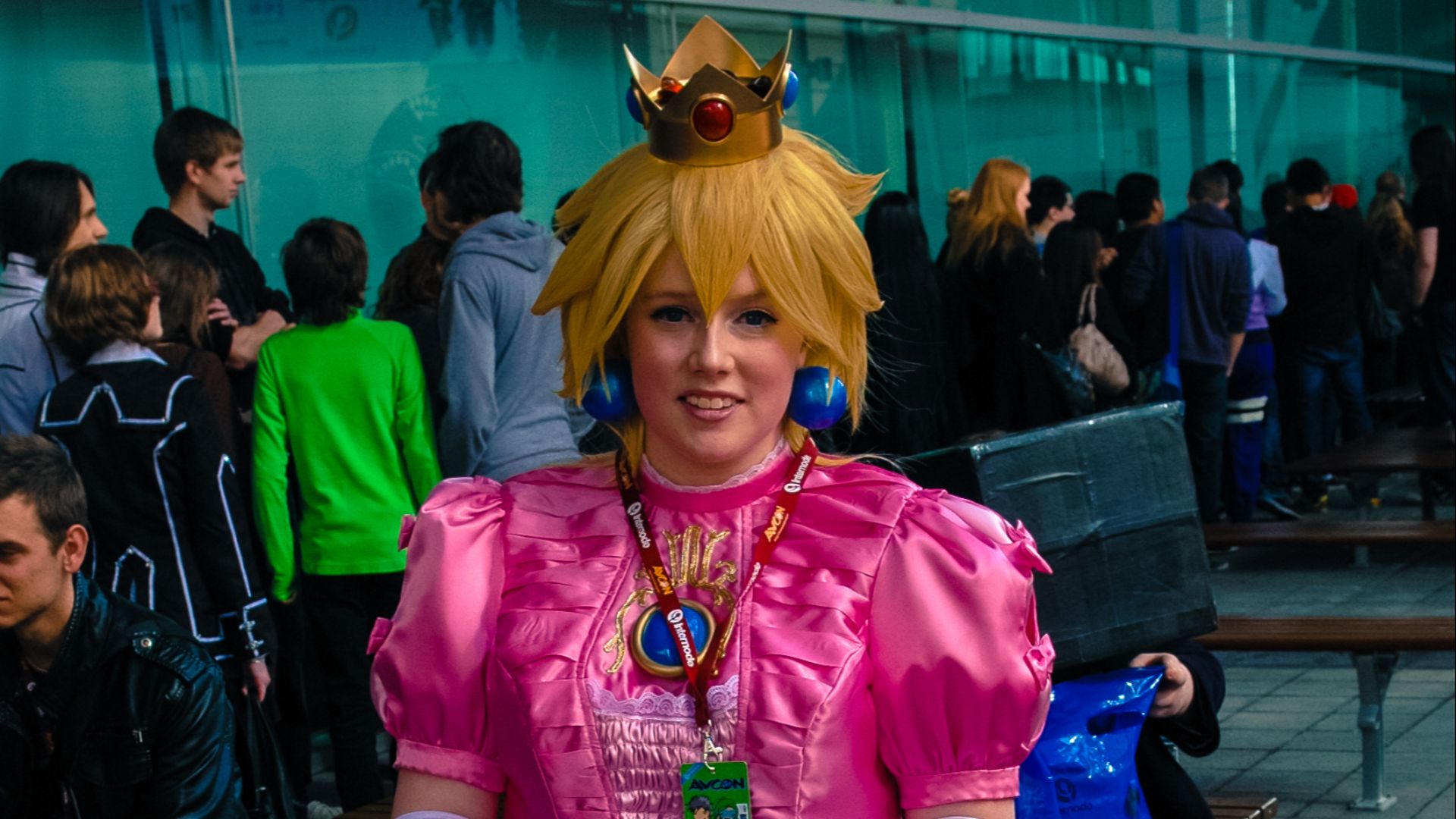
Princess Peach gets underestimated because she is associated with rescue, pink dresses, and a softer kind of power. But across Mario games, she is generous, composed, and often far more capable than people give her credit for. Her kindness is not a personality gap; it is part of her leadership.
9. Deku
Izuku Midoriya from My Hero Academia can frustrate fans who prefer colder, flashier heroes. But Deku’s instinct to understand and save people, even when he is scared or outmatched, is exactly what makes him heroic. He does not want power just to win; he wants it so fewer people have to suffer.
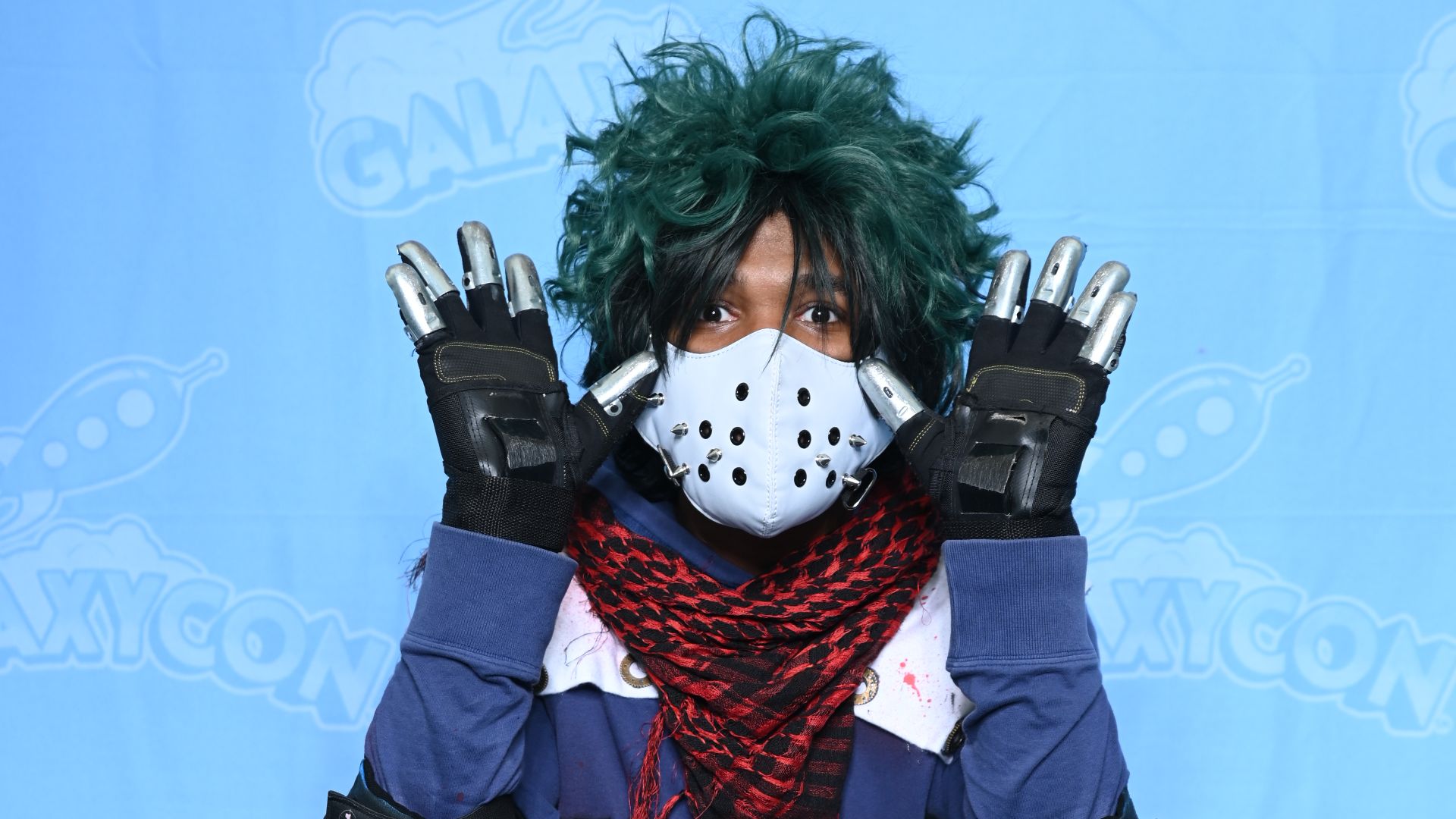 Super Festivals from Ft. Lauderdale, USA on Wikimedia
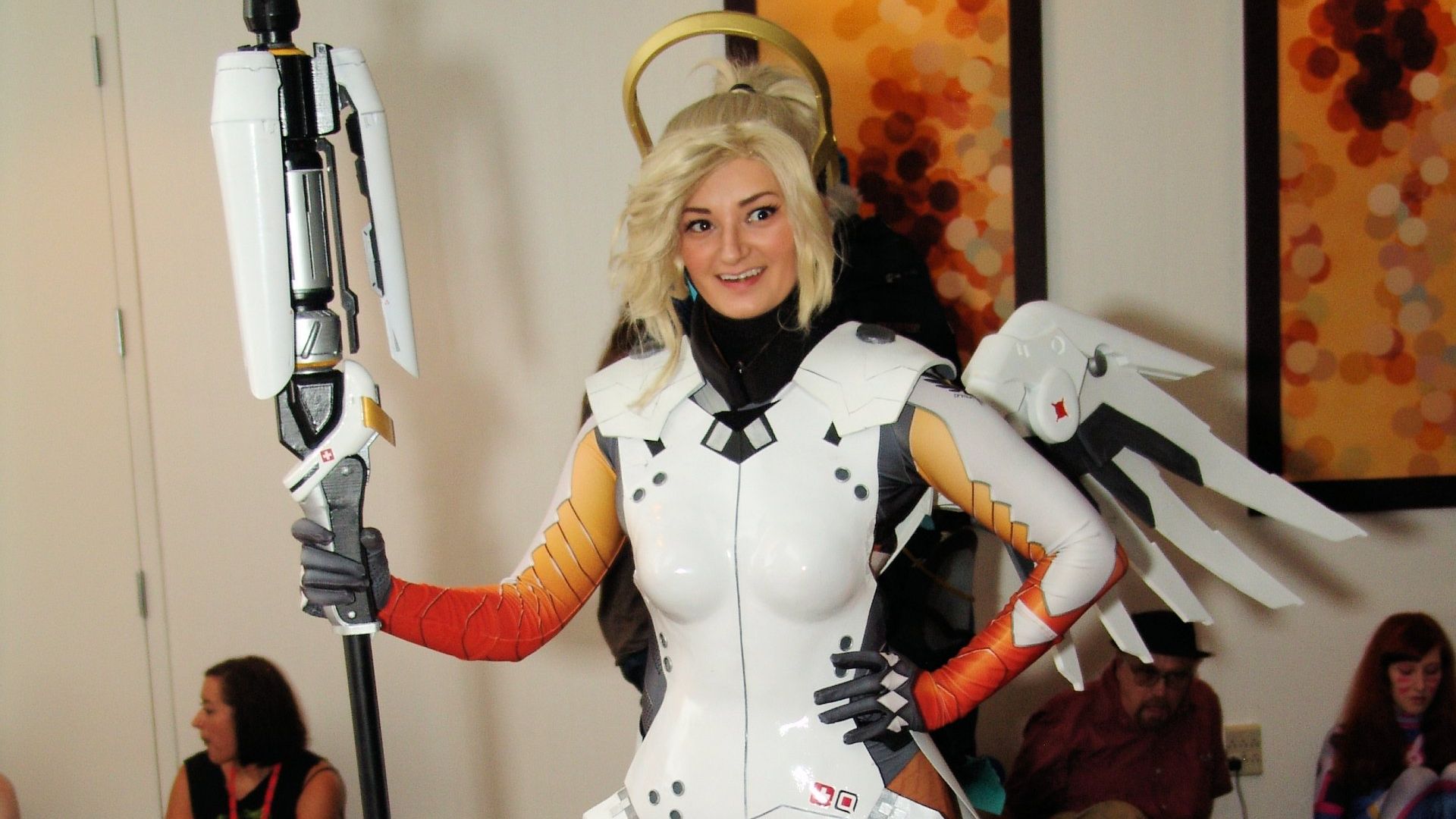
10. Mercy
Mercy from Overwatch is sometimes reduced to the healer role, as if keeping people alive is less impressive than dealing damage. But Angela Ziegler’s whole character is built around care, ethics, and responsibility in a world addicted to conflict. That kind of heroism does not always get the loudest applause, but every team falls apart without it.
Some heroes get dismissed because their goodness is quiet, but some villains get praised because their cruelty is loud. Here’s 10 villains fans often overrate because they mistake brutality for depth.
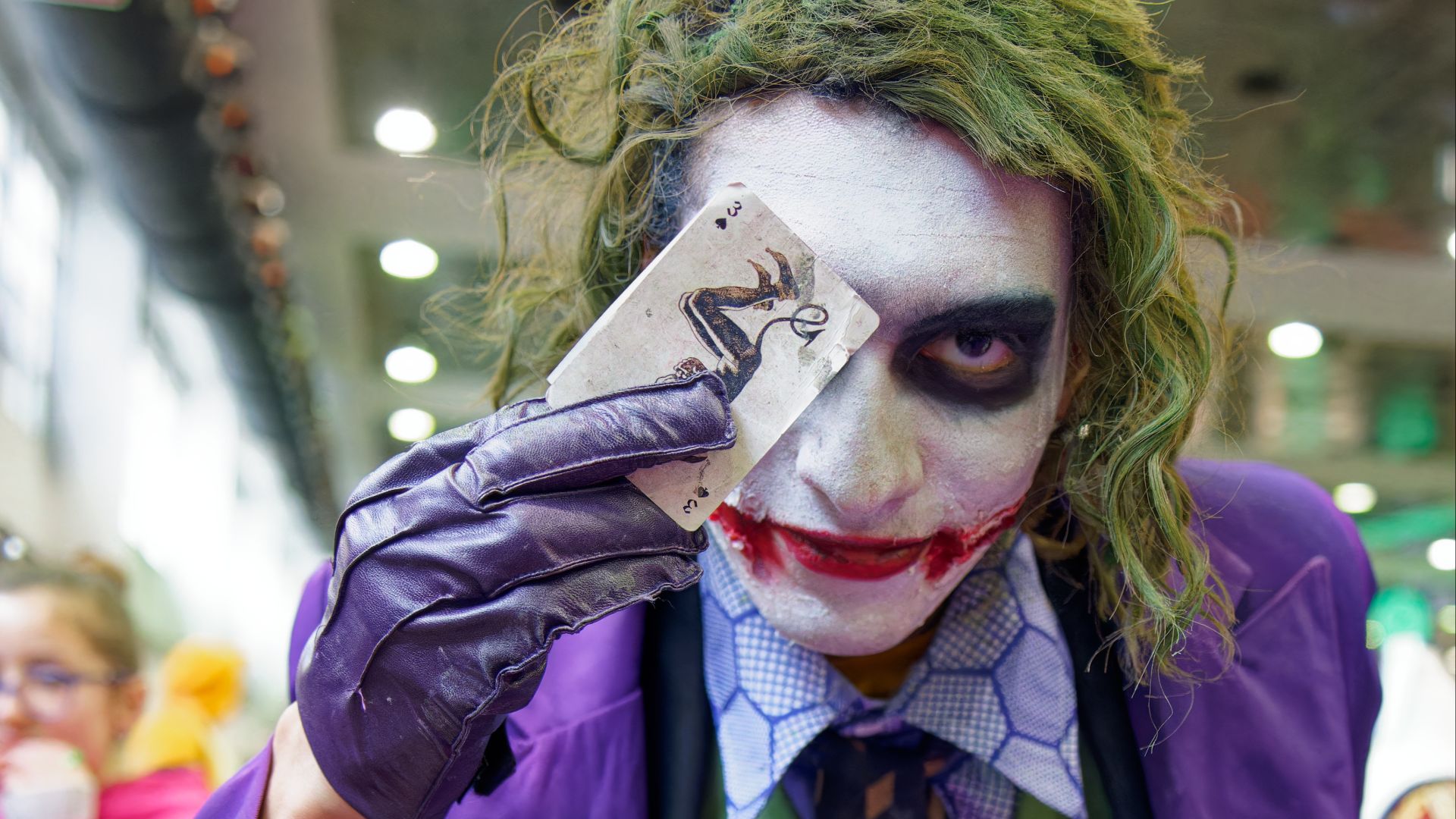
1. The Joker
The Joker is iconic, but fans sometimes treat his cruelty like philosophy. In many Batman stories, he is not revealing some grand truth about humanity; he is just hurting people and dressing it up as a joke. Chaos can be compelling on the page without being as profound as fans make it sound.
 Miguel Discart & Kiri Karma on Wikimedia
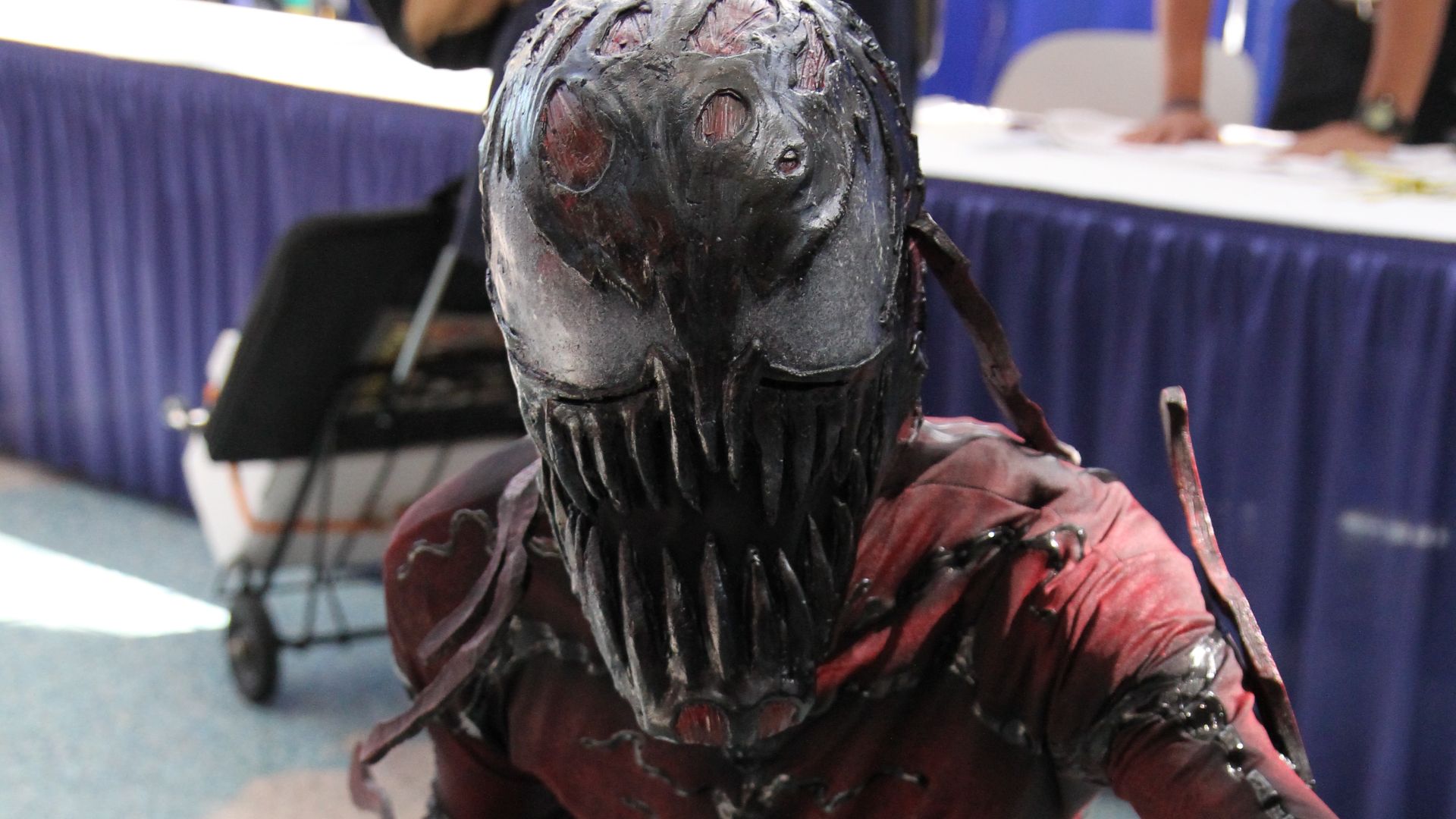
2. Carnage
Carnage looks terrifying, and that is the point. Cletus Kasady is violent, unpredictable, and visually unforgettable, but cruelty is doing most of the work. He can be effective as a monster without being especially deep as a character.
 William Tung from USA on Wikimedia
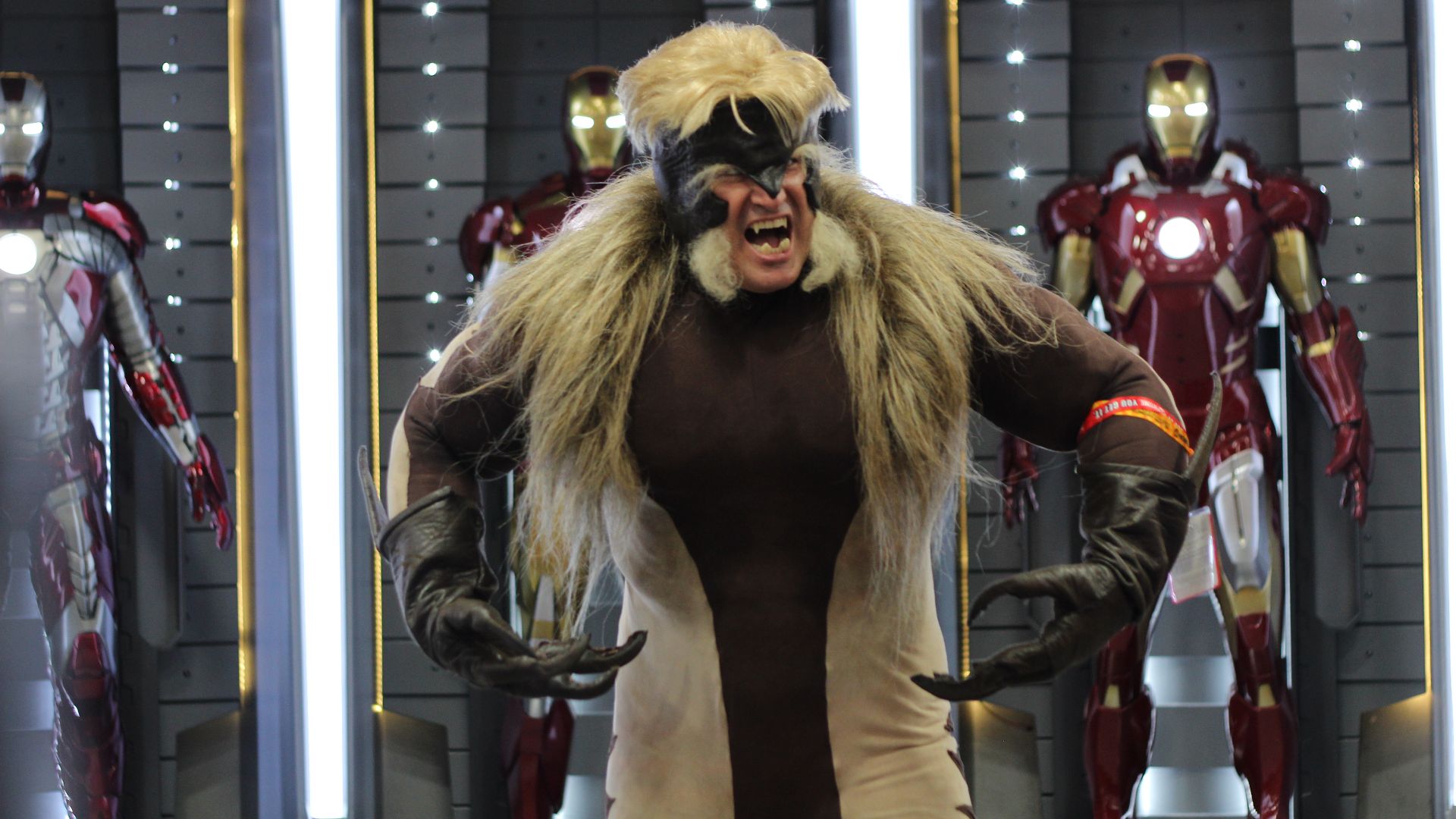
3. Sabretooth
Sabretooth is often framed as Wolverine without limits, which makes him brutal to watch. But being meaner than Logan does not automatically make him more interesting. Sometimes he is less a complex rival and more a reminder of what violence looks like without conscience.
4. Reverse-Flash
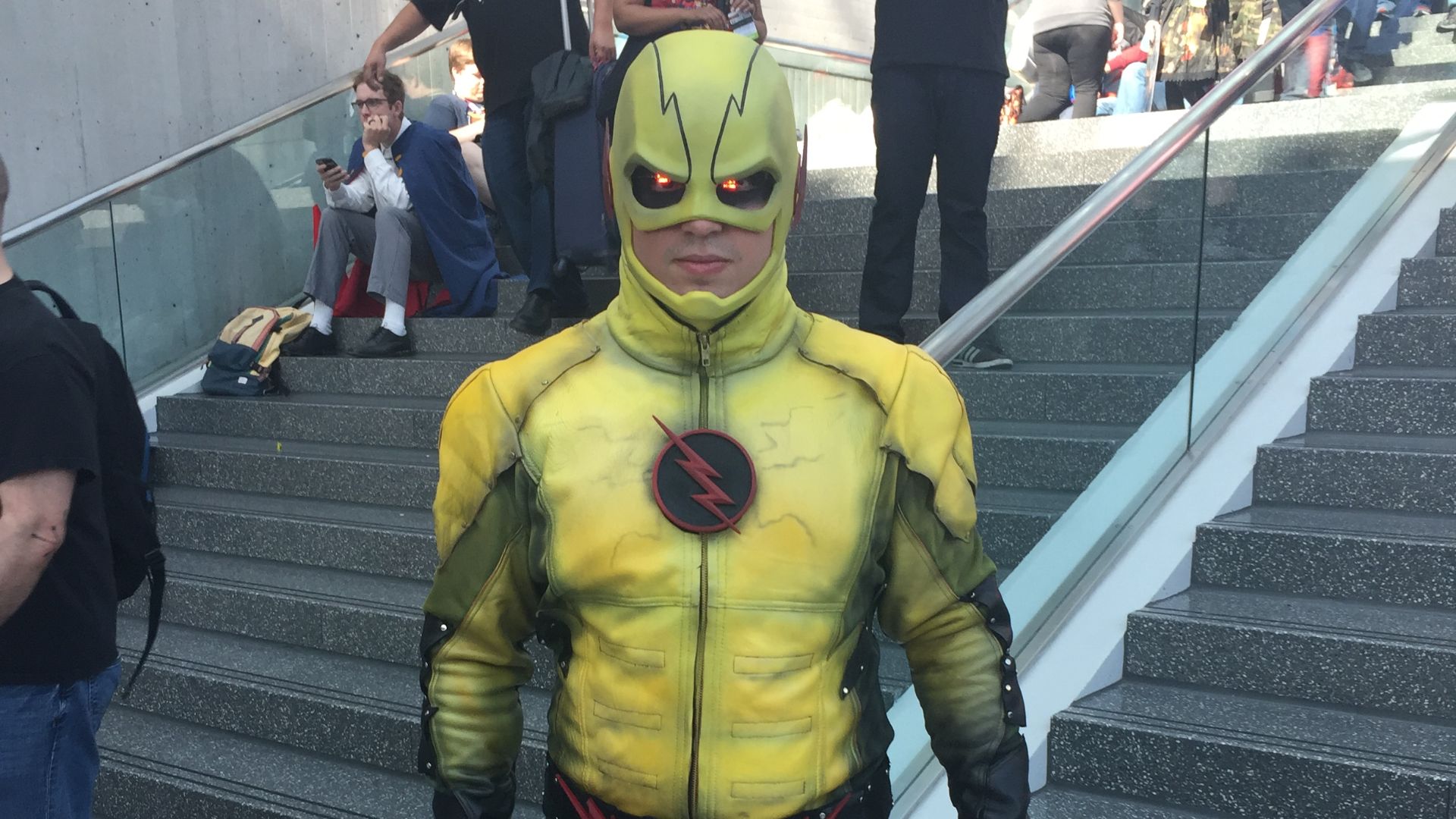
Reverse-Flash is entertaining because his hatred is so wildly personal. Still, fans can overrate him by treating obsession as complexity. Eobard Thawne’s cruelty is memorable, but a lot of it comes down to a man making his entire identity out of ruining someone else’s life.
5. Homelander
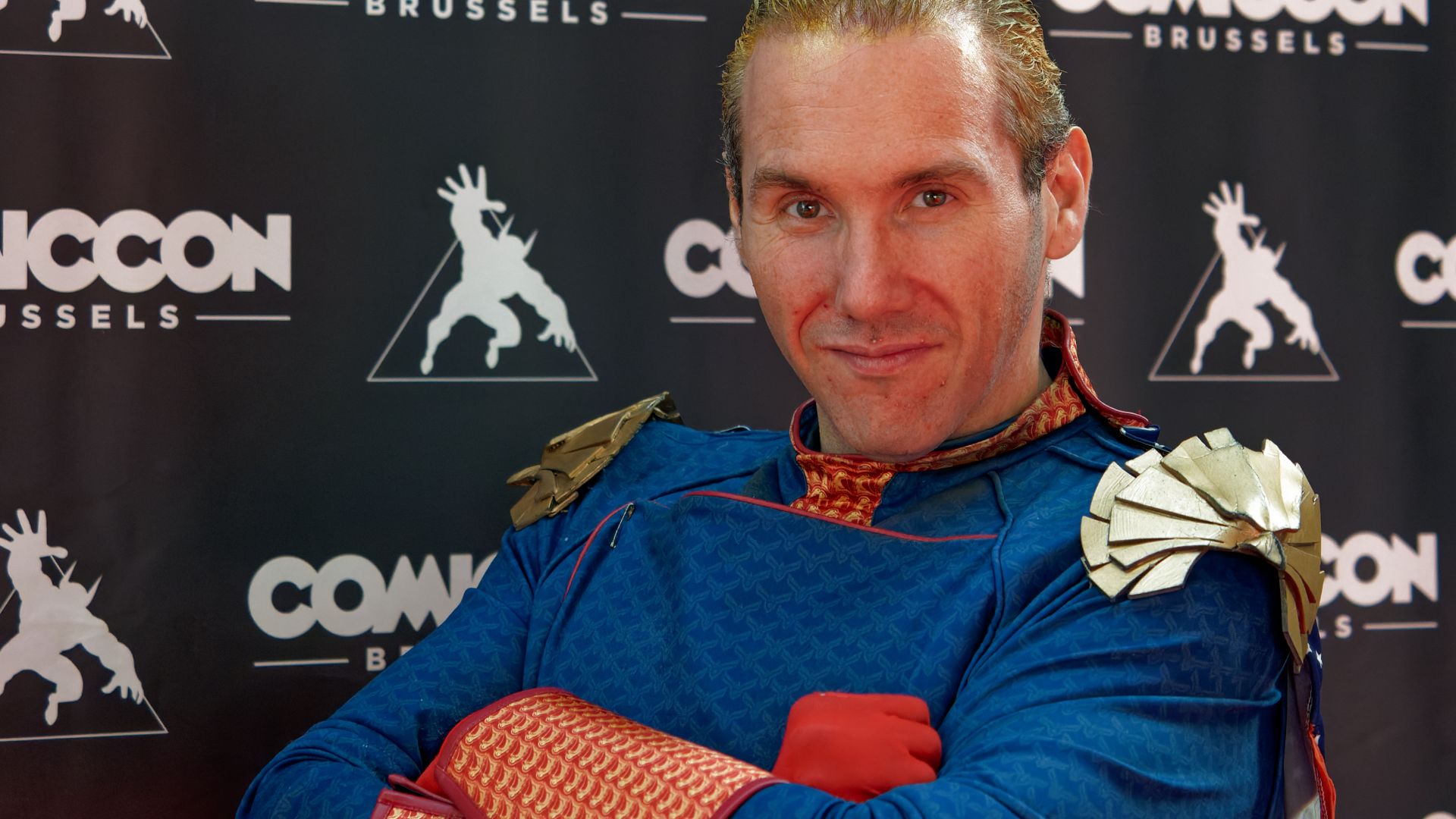
Homelander from The Boys is chilling because he has power without emotional maturity. But his cruelty is often mistaken for strength when it is really insecurity with laser vision. He is frightening, not admirable, and that difference matters.
 Miguel Discart & Kiri Karma on Wikimedia
6. Sephiroth
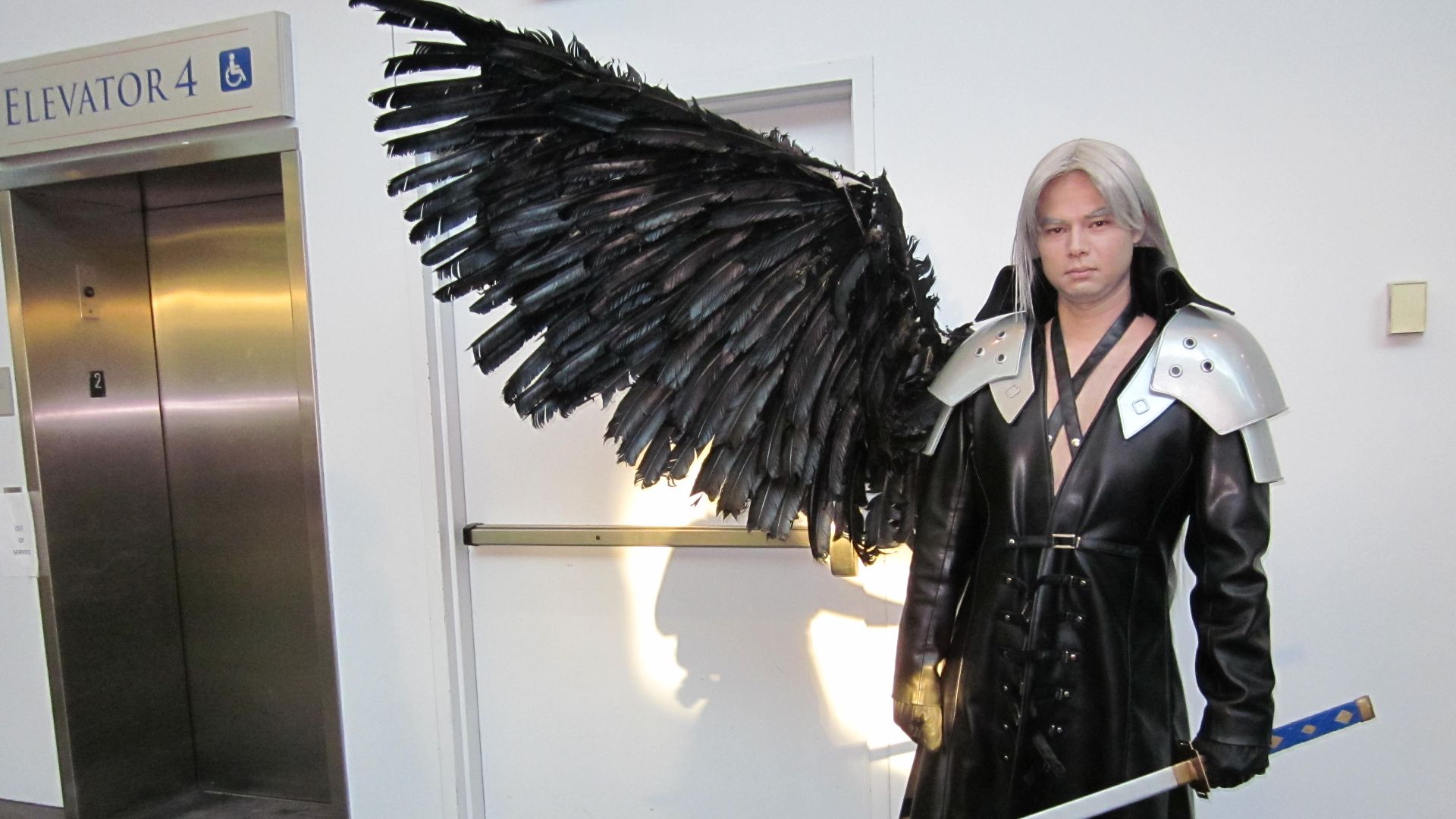
Sephiroth from Final Fantasy VII has one of the coolest villain presentations in gaming. The music, the sword, the calm voice, and the impossible hair all do a lot of heavy lifting. He is fascinating, but fans sometimes confuse style and menace with a deeper argument than the character is actually making.
7. Ganon
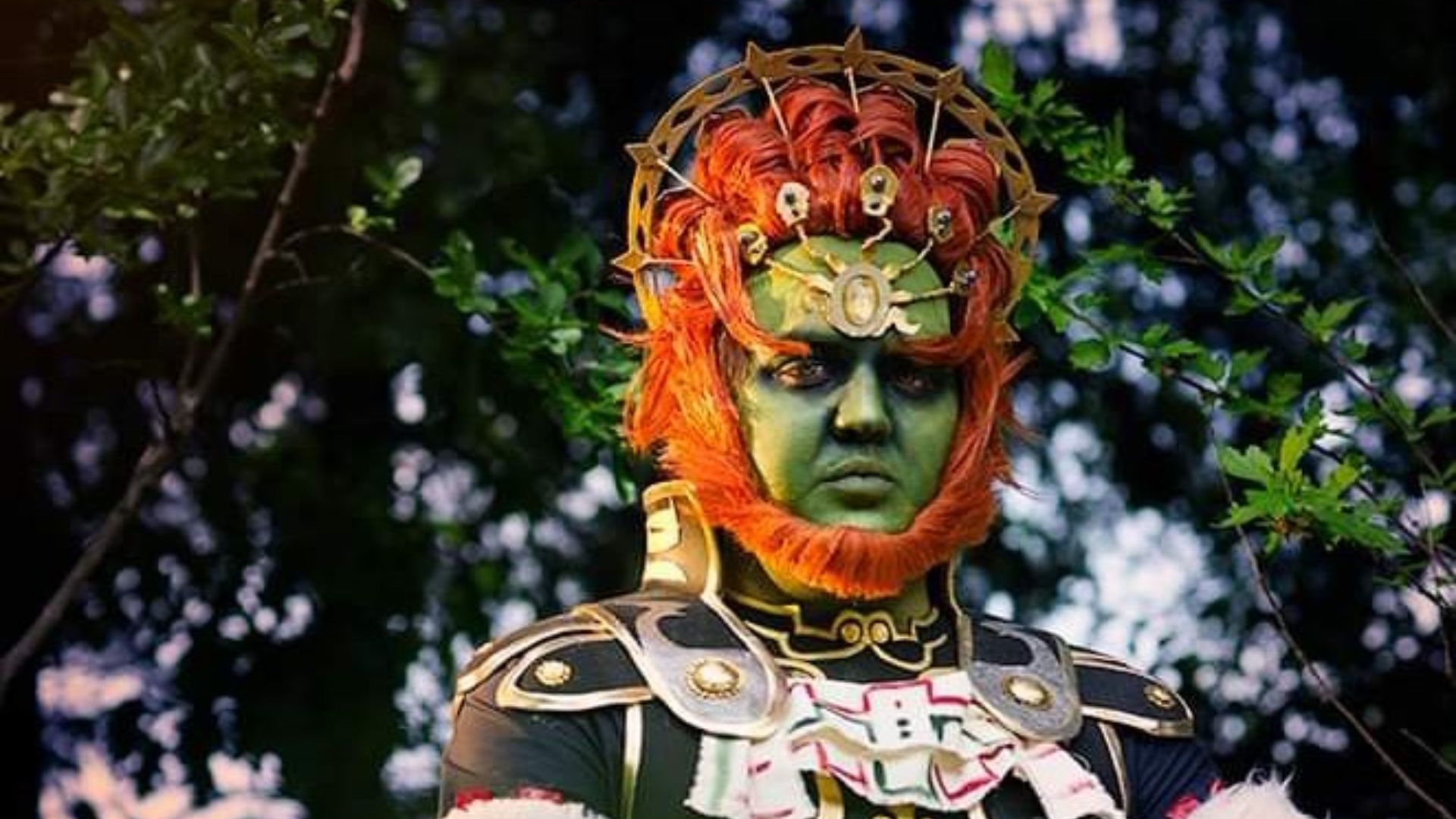
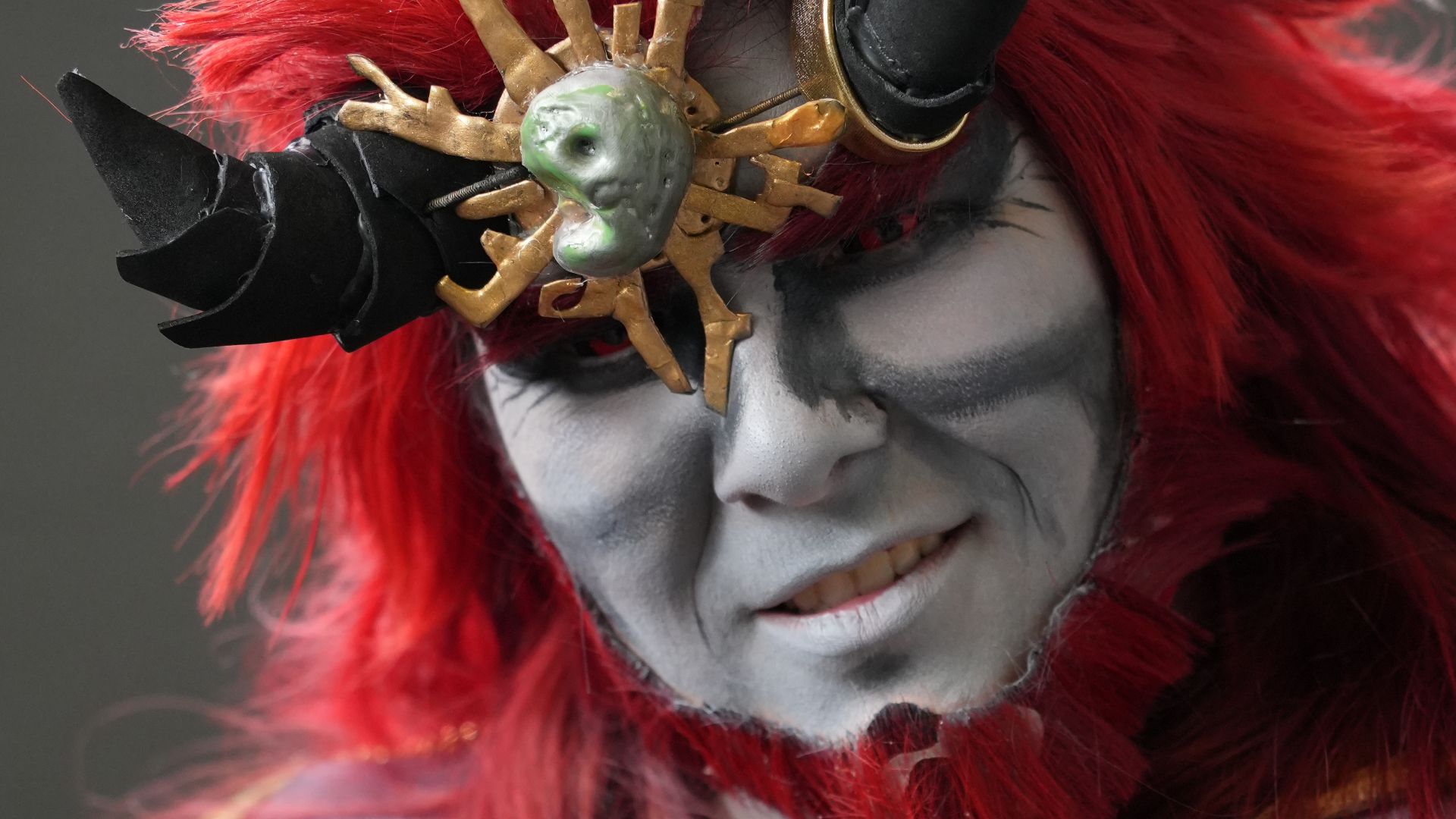
Ganon is legendary because he represents ancient, recurring evil in The Legend of Zelda. But depending on the game, he is not always emotionally complex. Sometimes his power, design, and threat level make fans fill in depth that the story only lightly sketches.
 Miguel Discart & Kiri Karma on Wikimedia
8. Albert Wesker
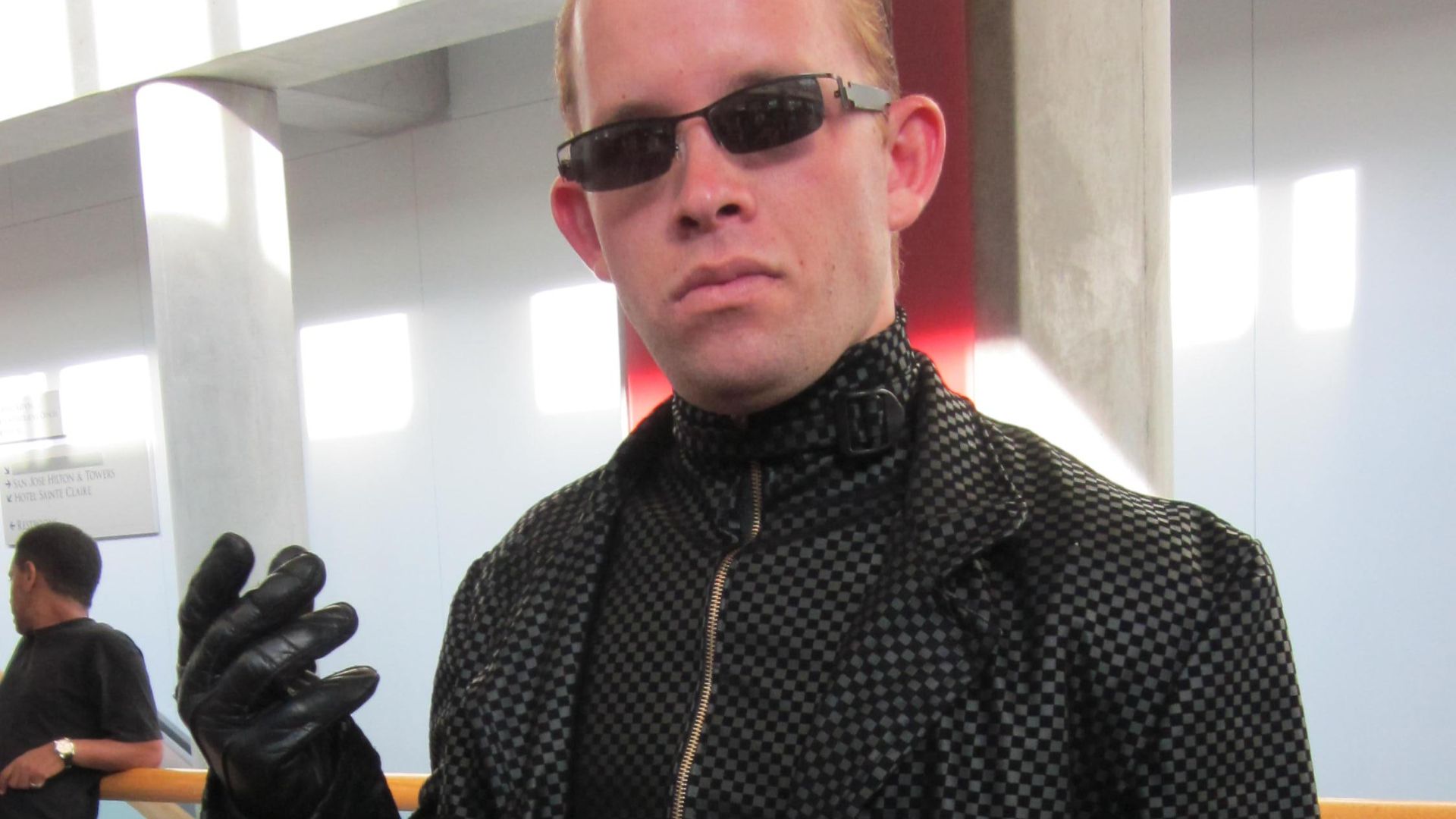
Albert Wesker from Resident Evil is cool in the way sunglasses indoors can be cool in a video game. He is controlled, cruel, and absurdly confident, but that confidence can make him seem smarter than he is. A lot of his appeal comes from presentation, not from a worldview worth taking seriously.
9. Handsome Jack
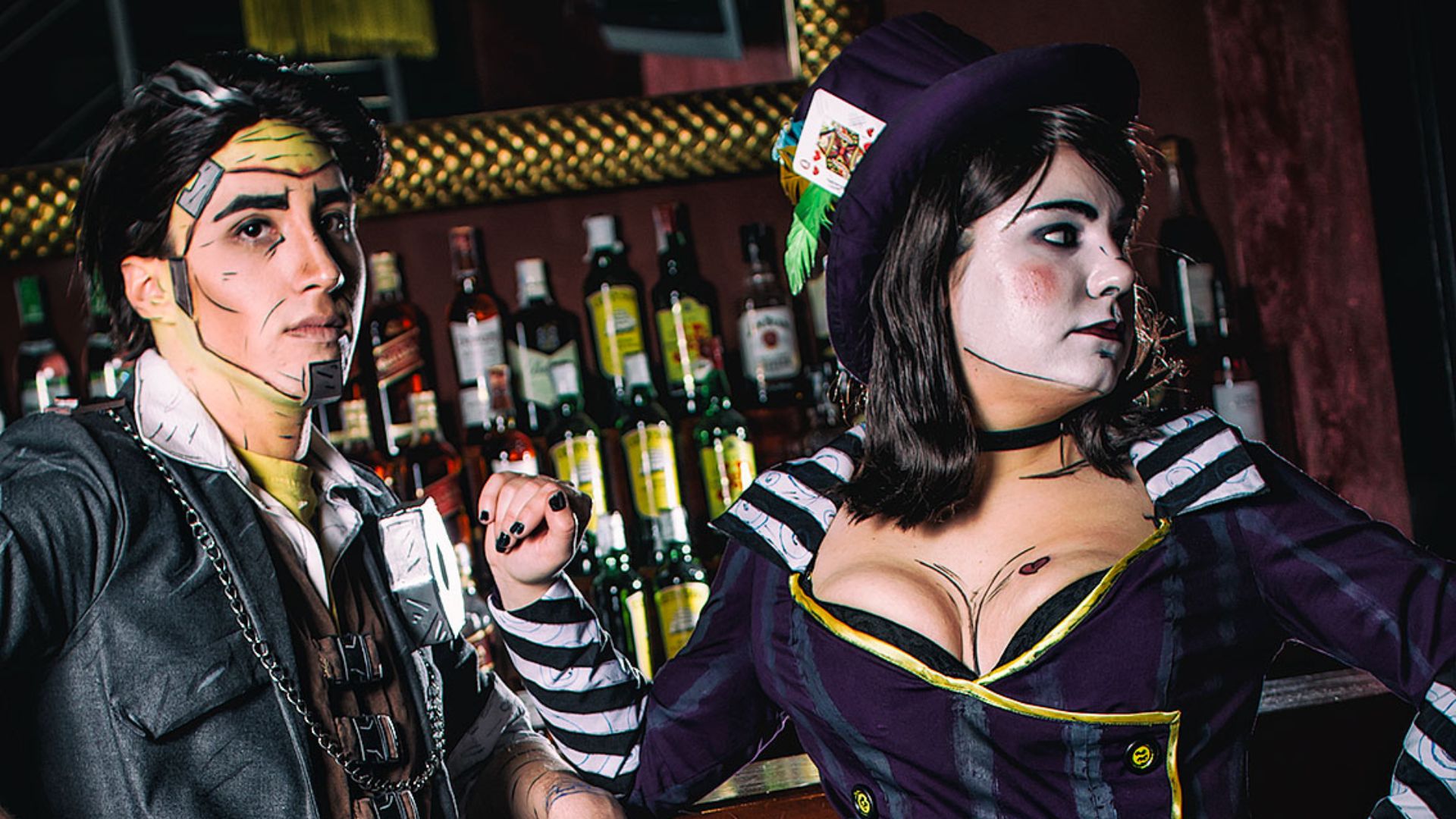
Handsome Jack from Borderlands is funny, vicious, and extremely quotable. That combination makes it easy to forget how empty he is under the performance. His cruelty is not proof that he sees the world clearly; it is proof that he can turn murder into a punchline.
 Gaudencio Garcinuño on Wikimedia
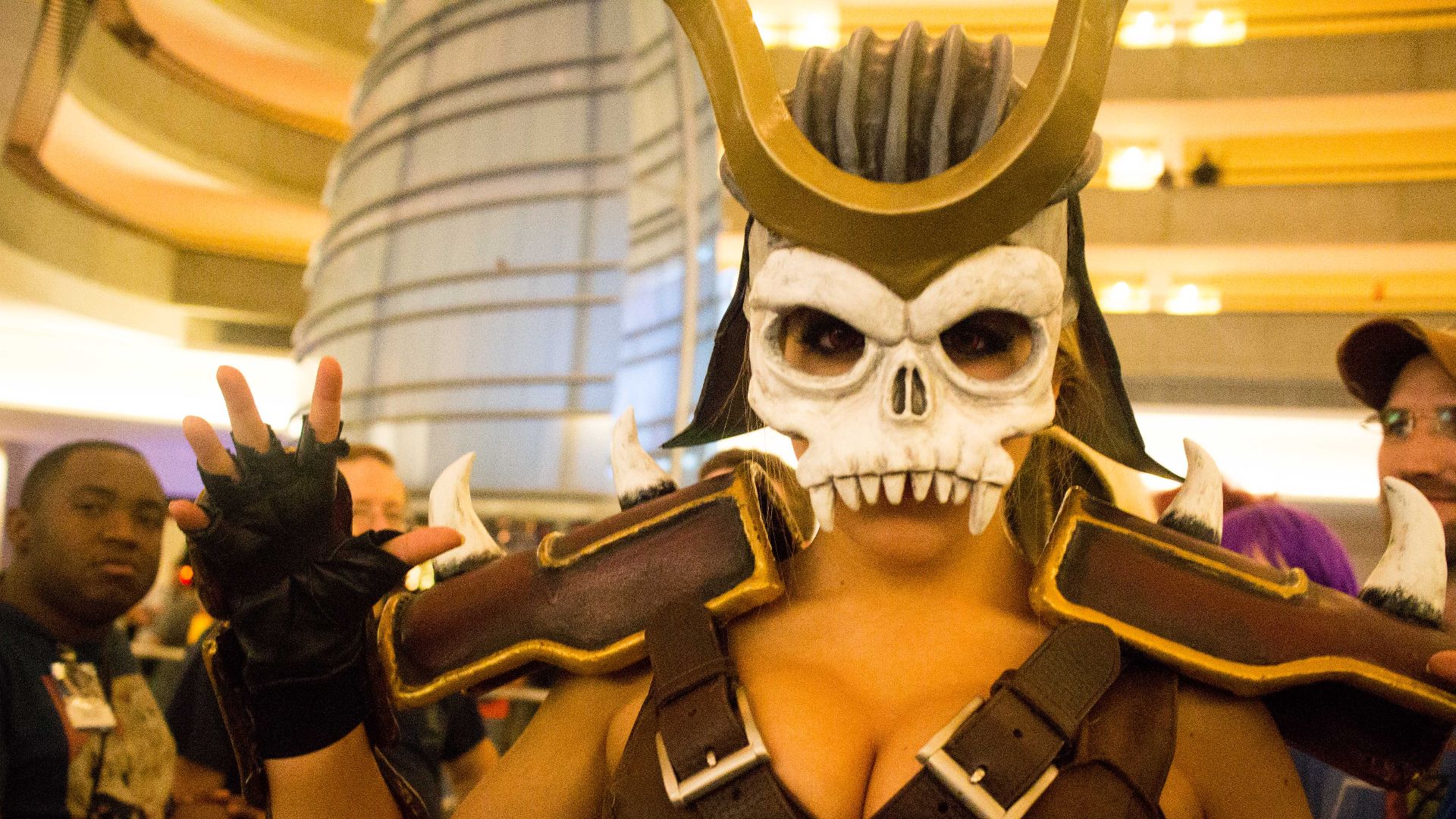
10. Shao Kahn
Shao Kahn from Mortal Kombat is built to dominate the room. He taunts, conquers, crushes, and makes cruelty look like pageantry. But intimidation is not the same as depth, and being the loudest tyrant in the arena does not make him more compelling than the heroes who keep standing back up.