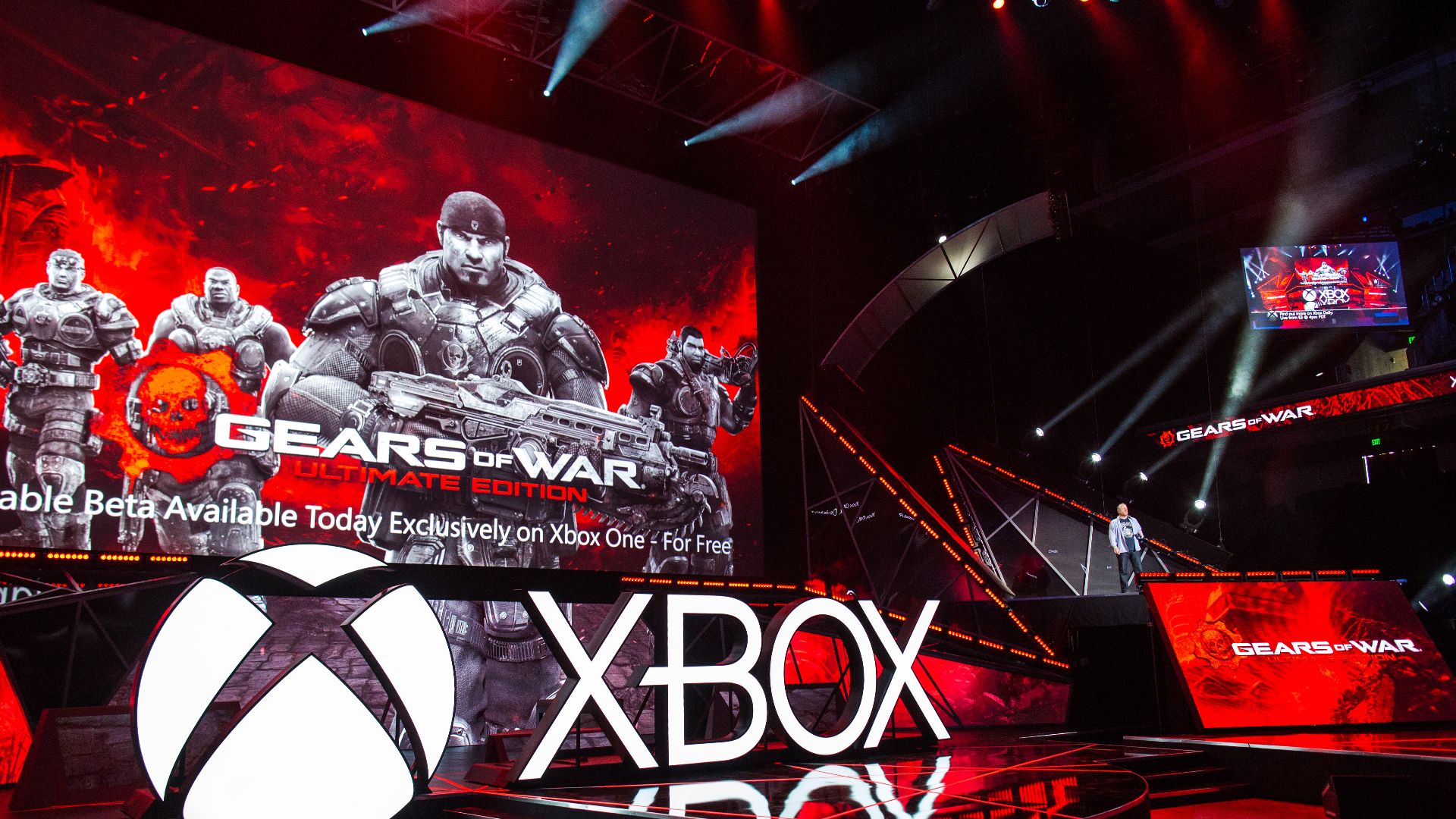
When Characters Define the Experience
Video games are often remembered for their mechanics or visuals, but it’s usually the characters who leave a lasting impression long after the credits roll. Whether it’s a villain who feels unsettlingly believable or a hero who carries the entire narrative, these roles shape how players connect with the story. Over time, players have come to appreciate how much depth and personality can elevate an experience. Some antagonists are so compelling they overshadow everything else, while certain protagonists stand out in ways that feel impossible to ignore. Here are 10 games with the best villains and 10 with heroes who stole the show.

1. Vaas Montenegro — Far Cry 3
This character stands out because of how unpredictable and intense he feels throughout his appearances. His dialogue and behavior create a sense of constant tension that keeps players on edge. You never quite know what he’s going to do next, which makes every encounter memorable. That level of instability turns him into one of the most talked-about antagonists in gaming.

2. GLaDOS — Portal Series
What makes this antagonist unique is her calm, almost polite delivery paired with increasingly unsettling actions. She controls the environment completely, which gives her an eerie sense of omnipresence. The contrast between humor and menace creates a distinct tone. Over time, her personality becomes just as important as the puzzles themselves.

3. Handsome Jack — Borderlands 2
This villain blends humor with cruelty in a way that feels deliberate and consistent. He maintains a charismatic presence while committing genuinely harmful acts, which makes him more complex than a typical antagonist. His constant communication keeps him involved in the story even when he’s not physically present. That ongoing presence reinforces his impact.
 Tim Bartel from Cologne, Germany on Wikimedia
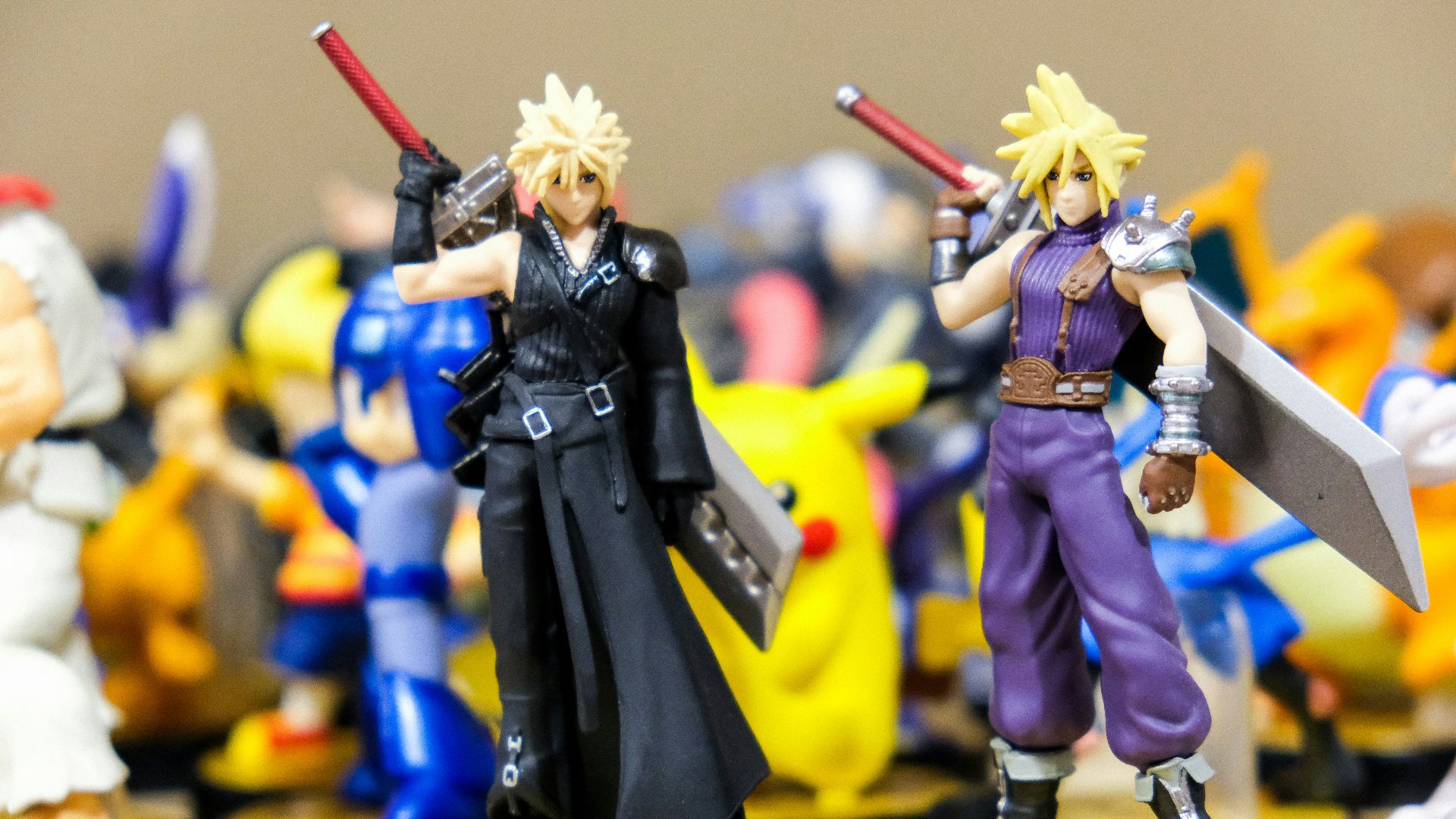
4. Sephiroth — Final Fantasy VII
A calm and controlled demeanor makes this character feel distant yet deeply threatening. His motivations are revealed gradually, adding layers to his role in the story.
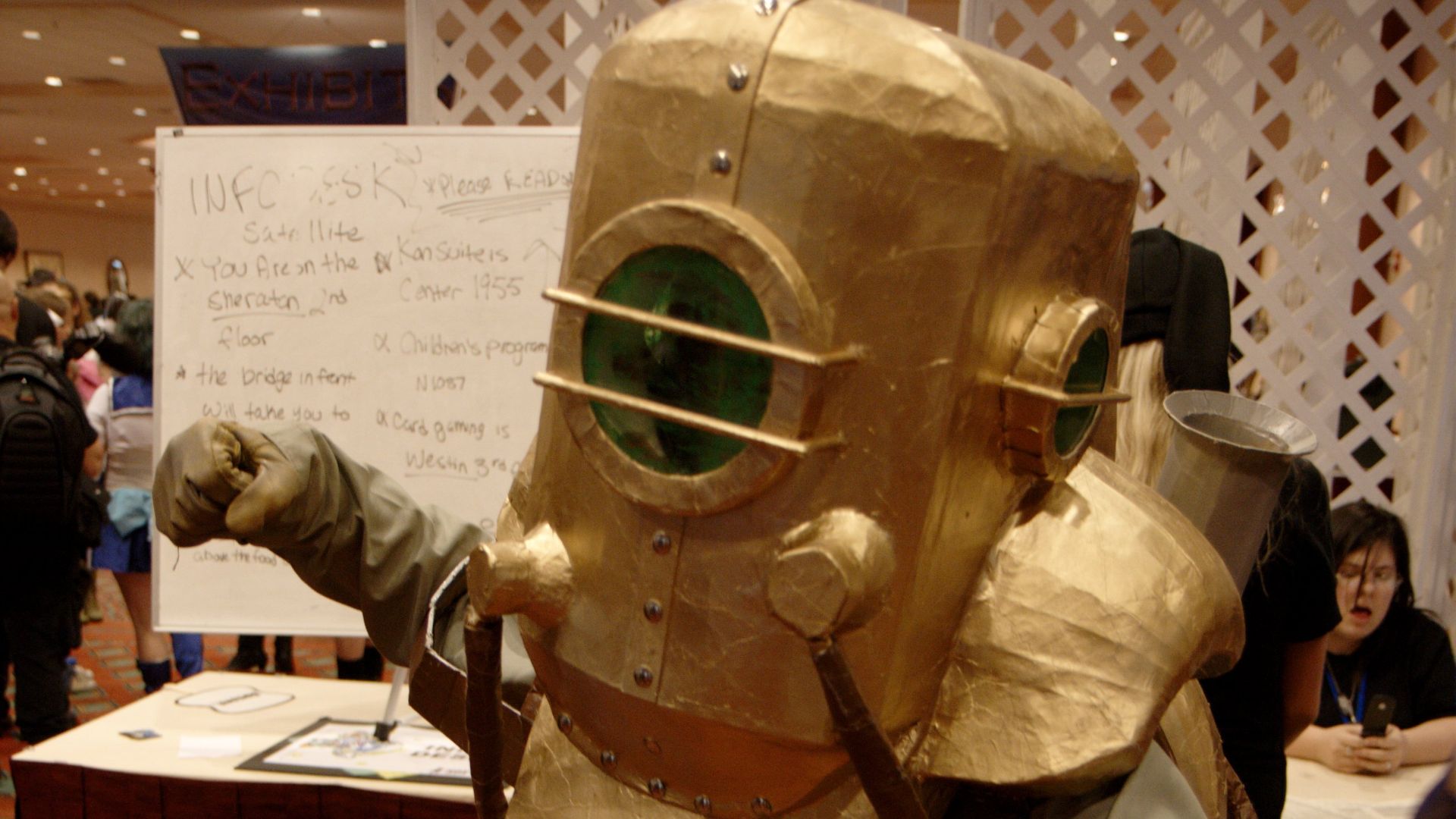
5. Andrew Ryan — BioShock
This antagonist represents an ideology as much as a person, which adds depth to his role. His beliefs shape the entire setting, making him central to the narrative even when he isn’t directly involved.
6. Pagan Min — Far Cry 4
A composed and almost welcoming personality sets this character apart from more aggressive villains. His calm tone contrasts with the chaos around him, which creates an unusual dynamic. You’re often left questioning his intentions and methods. This ambiguity keeps his role interesting throughout the story.

7. The Illusive Man — Mass Effect Series
This character operates through influence and strategy rather than confrontation. His actions are guided by a clear but controversial vision for the future. As the narrative progresses, his decisions become increasingly difficult to justify. That gradual shift highlights the dangers of unchecked ambition.
 Alex from Calgary, Canada on Wikimedia
8. Albert Wesker — Resident Evil Series
Confidence and control define this antagonist’s presence across multiple entries. He consistently appears ahead of others, both physically and intellectually.
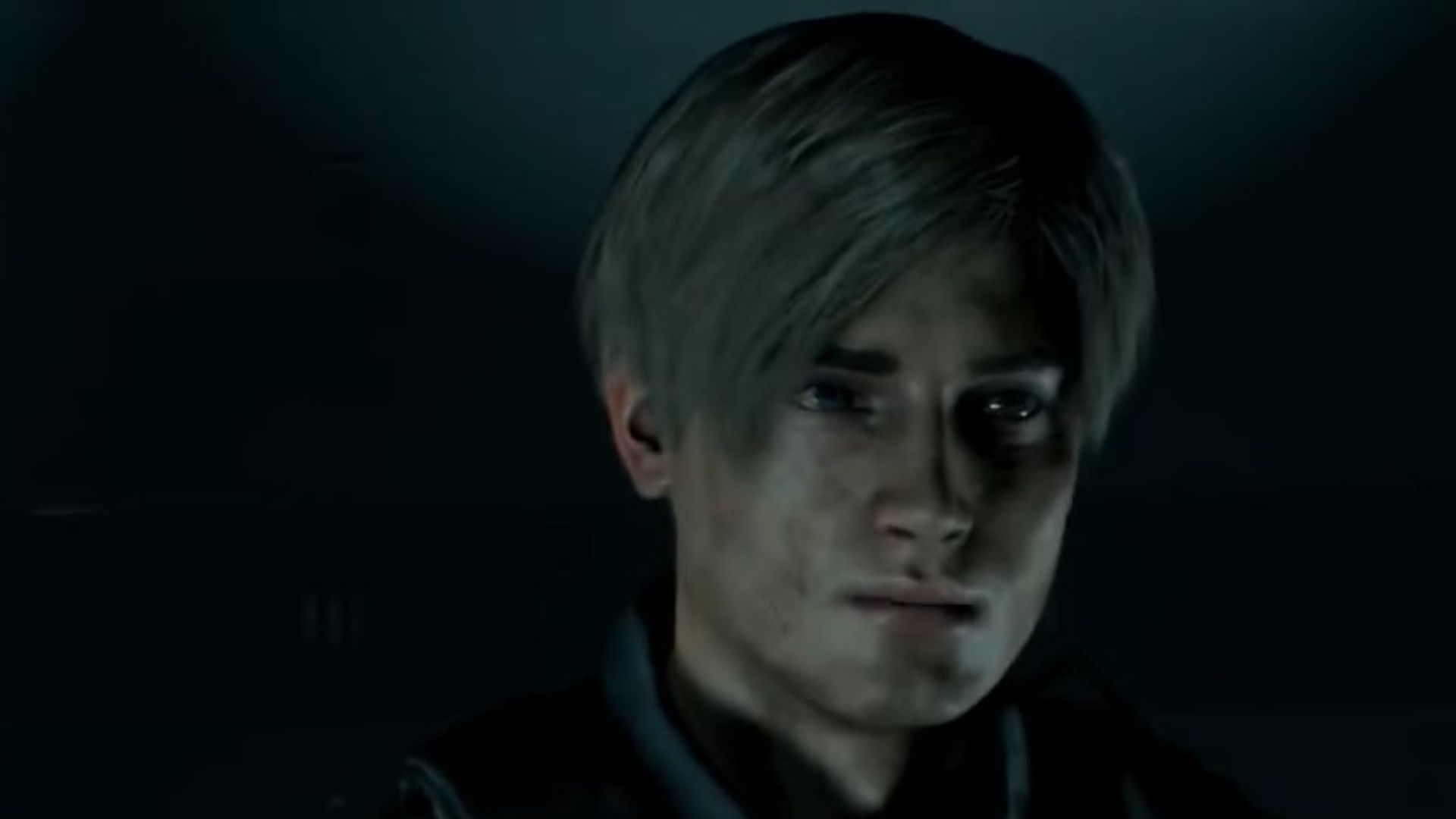
9. Micah Bell — Red Dead Redemption 2
Unlike more distant villains, this character feels grounded and personal. His actions directly affect the people around him, which makes the consequences more immediate. You can sense tension building with each interaction. That steady escalation leads to a powerful payoff.
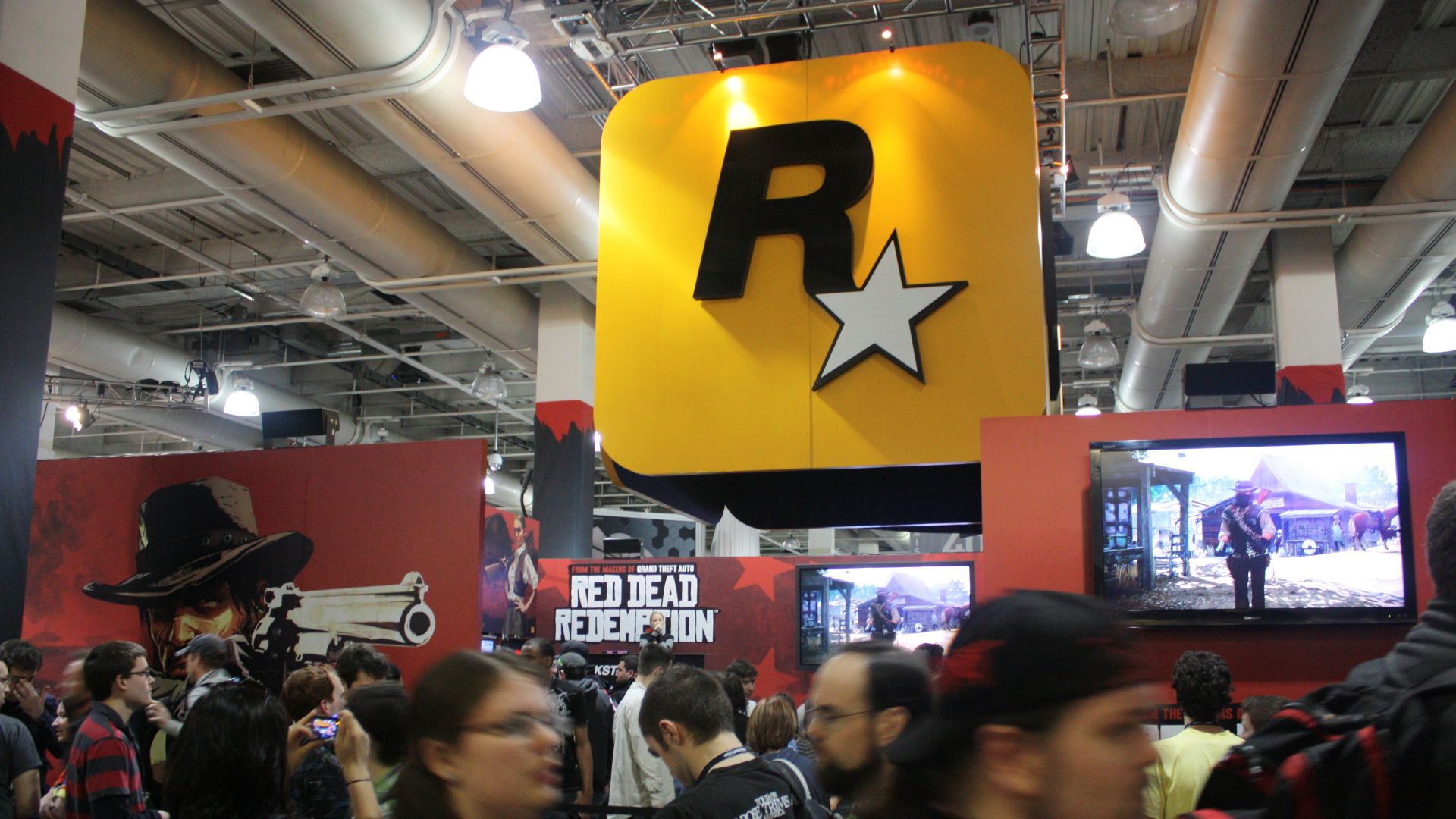
10. The Joker — Batman: Arkham Series
Unpredictability is what makes this antagonist so effective. His actions often feel chaotic, yet they follow a clear internal logic. He maintains a constant presence that keeps the story moving forward. His combination of humor and danger creates a lasting impression.
 Annette Wamser from Elk Grove, USA on Wikimedia
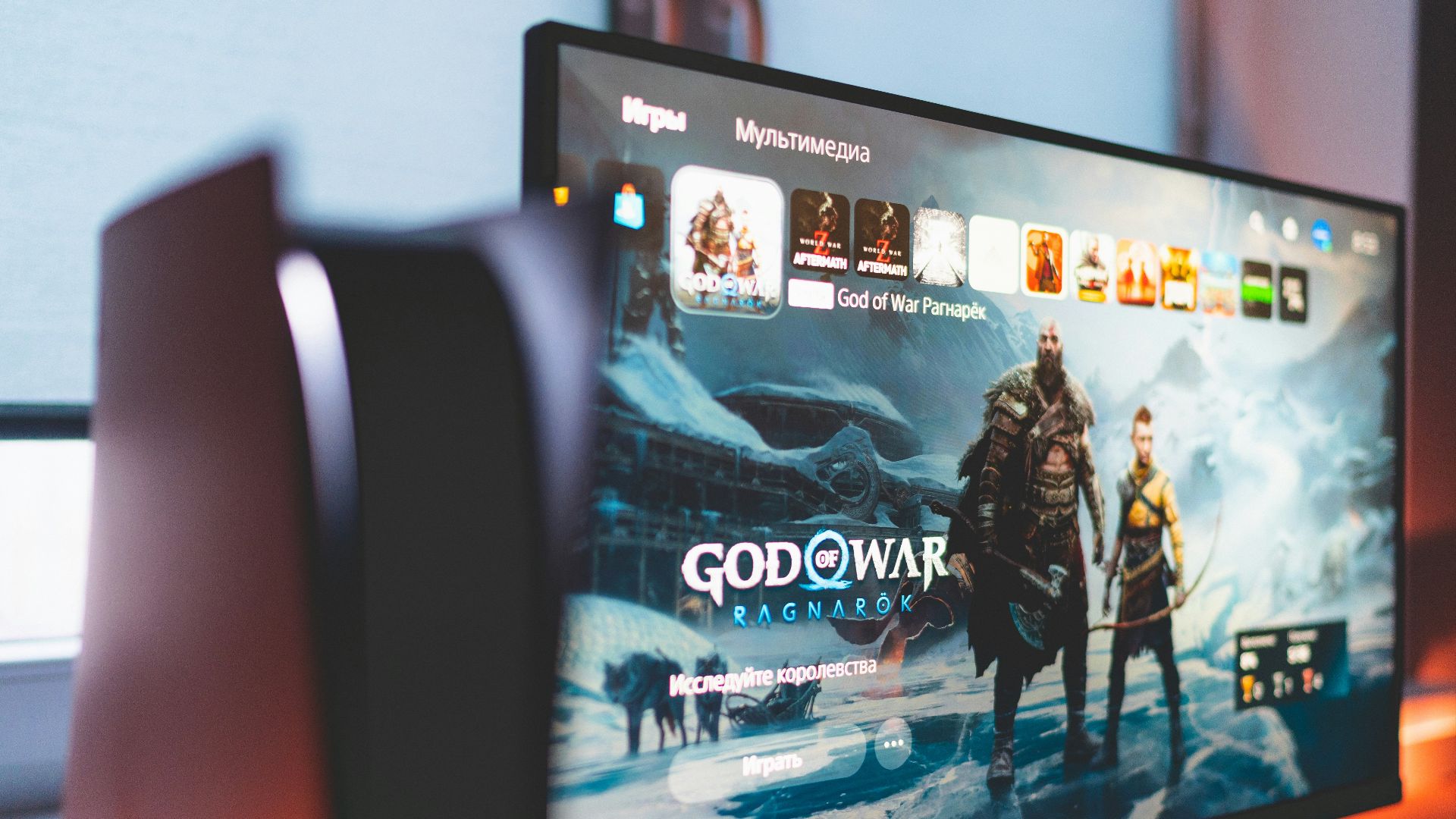
1. Kratos — God of War Series
This character evolves significantly over time, which keeps him engaging across different entries. His emotional depth becomes more apparent as his story progresses.
 Evgeniy Kondratiev on Unsplash
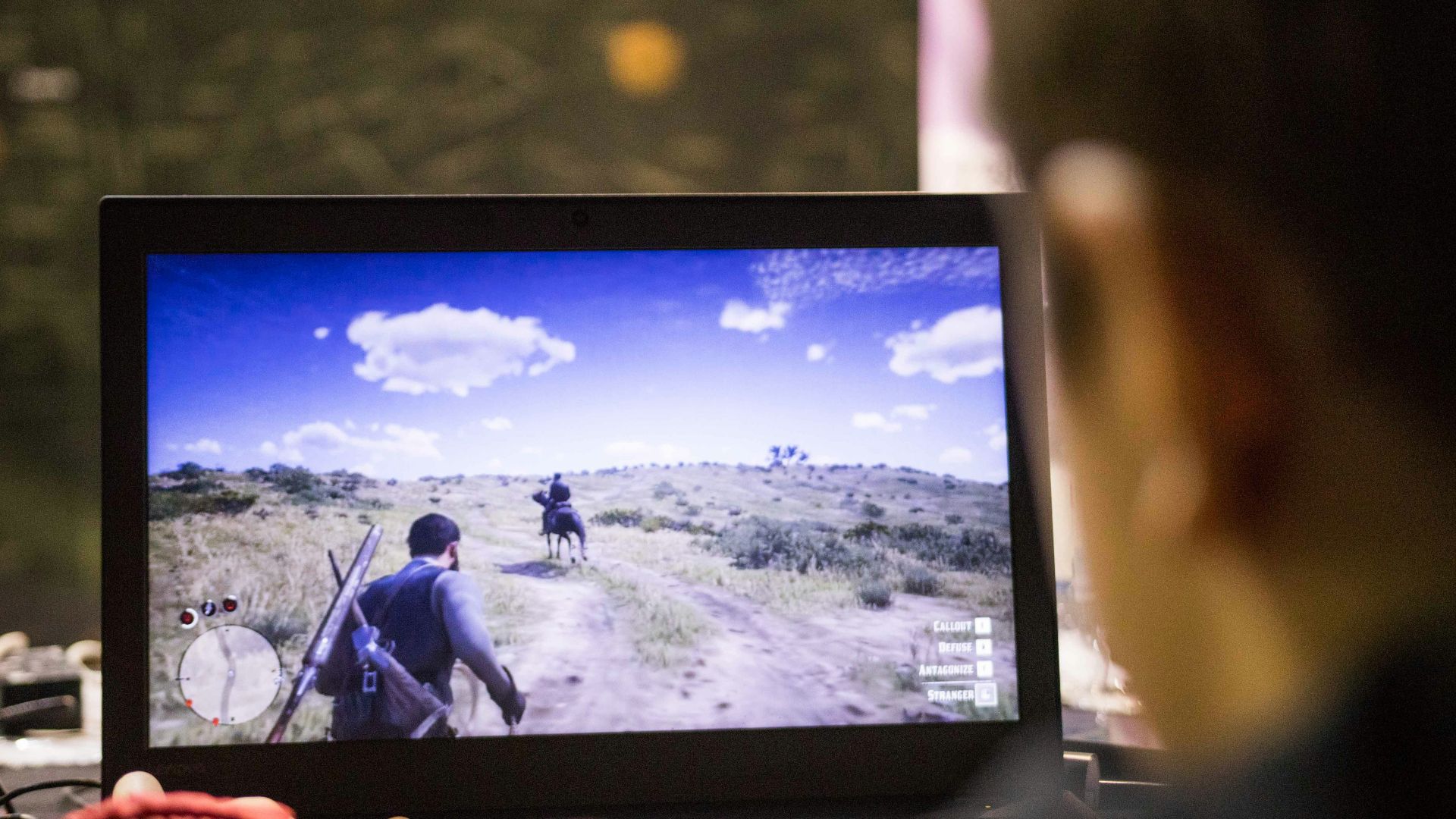
2. Arthur Morgan — Red Dead Redemption 2
A strong sense of internal conflict makes this character particularly compelling. His choices and relationships shape how players view the narrative. Over time, you begin to understand his motivations on a deeper level. That complexity makes him stand out.
 Clastr Cloud Gaming on Unsplash
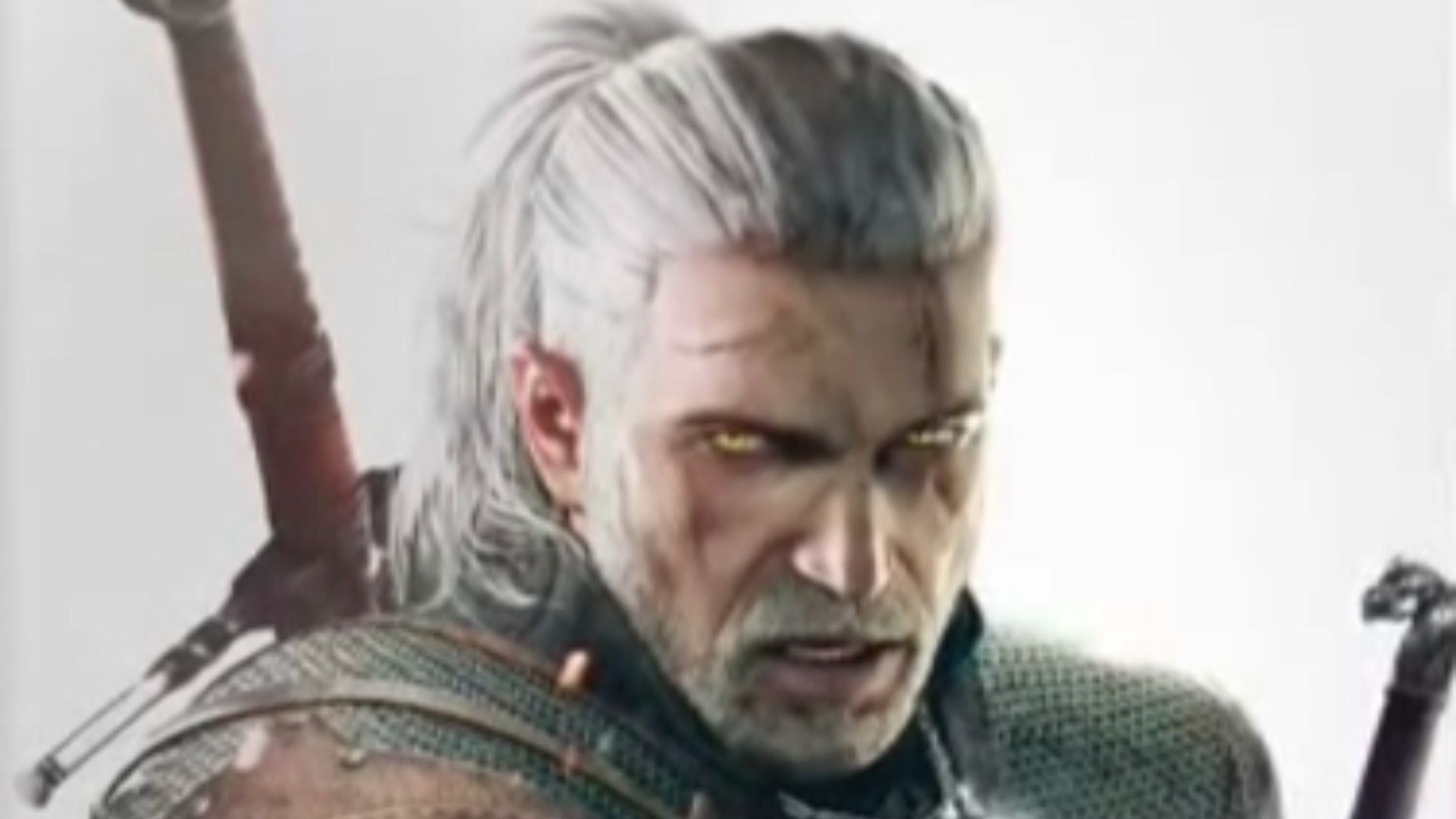
3. Geralt of Rivia — The Witcher 3
This protagonist combines professionalism with a dry sense of humor that feels natural. His role as a problem-solver places him in a variety of situations that highlight his personality.
 BANDAI NAMCO Entertainment Europe on Wikimedia
4. Ellie — The Last of Us Part II
Emotional intensity defines this character’s journey from beginning to end. Her actions are driven by personal experiences that shape her perspective. You witness how those experiences influence her decisions over time.
 Ngô Thị Quỳnh Lâm on Wikimedia
5. Master Chief — Halo Series
A steady and composed presence makes this character reliable in high-pressure situations. He represents consistency, even when everything else is uncertain. While not overly expressive, his actions speak clearly. This approach creates a strong sense of identity.

6. Nathan Drake — Uncharted Series
Charm and humor play a major role in this character’s appeal. He balances lighthearted moments with serious challenges, which keeps the tone engaging.
 Ryan Quick from Greenbelt, MD, USA on Wikimedia
7. Aloy — Horizon Zero Dawn
Curiosity and determination define this protagonist’s journey. She approaches challenges with a practical mindset while remaining emotionally grounded. You see her grow as she uncovers more about her world. That progression keeps her at the center of the experience.

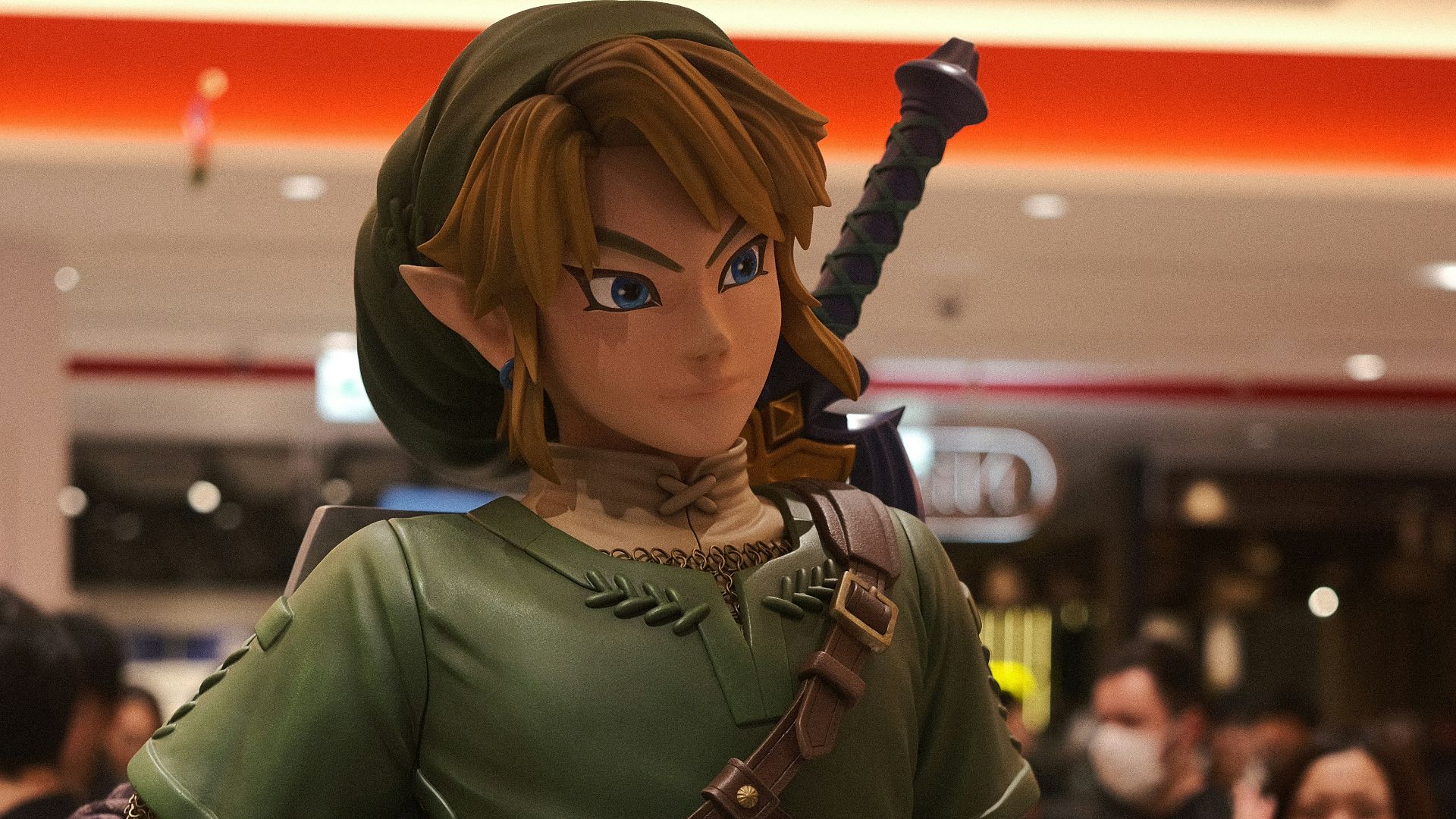
8. Link — The Legend of Zelda Series
Even with minimal dialogue, this character maintains a strong presence. His actions drive the story forward without relying on extensive explanation.
9. Lara Croft — Tomb Raider Series
Adaptability and resilience are key aspects of this character’s identity. She faces increasingly difficult situations while continuing to push forward. Over time, her growth becomes more evident.
 https://www.flickr.com/photos/hagerman/ on Wikimedia
10. Marcus Fenix — Gears of War Series
A direct and determined approach defines this character’s personality. He focuses on completing objectives while maintaining strong connections with others.