

Games usually sell worldbuilding by going big. We hear about huge maps, branching quests, busy cities, strange planets, and long histories packed with wars, lost kingdoms, and old grudges. Those bigger pieces matter, especially in sci-fi, fantasy, RPGs, and open-world games, where the setting needs enough room for players to explore. Still, the worlds that stick with us often come down to much smaller choices, like a warning sign, a cluttered room, a shopkeeper’s routine, or a menu that feels like it belongs in that place.
That’s where environmental storytelling comes in. It uses space, objects, lighting, layout, and game systems to show what happened in a location instead of stopping everything for a long explanation. The Level Design Book describes environmental storytelling as a more room-level practice than broad worldbuilding, built around showing or implying past events in specific spaces. When those little pieces work together, players don’t just learn about a world; they start reading it as they move through it.
The Room Tells The Story
A game world feels richer when a room looks like it had a purpose long before the player walked in. A knocked-over chair, an untouched meal, muddy footprints, or a cracked family photo can suggest panic, routine, grief, or neglect without a character needing to explain it. GDC’s session page for “What Happened Here? Environmental Storytelling” points to props, scripted events, texturing, lighting, and scene composition as tools designers use for this kind of work. The player gets to connect the pieces, which often feels more satisfying than being handed every answer.
Everyday objects are especially useful because they answer simple, human questions. They can show what people eat, where they sleep, how they travel, and what they care enough about to lock away. The Level Design Book’s broader worldbuilding page says fictional-world documents can include ordinary details, including daily routines or what a character’s mother likes for dinner. That sort of small information can make a setting feel a little less staged.
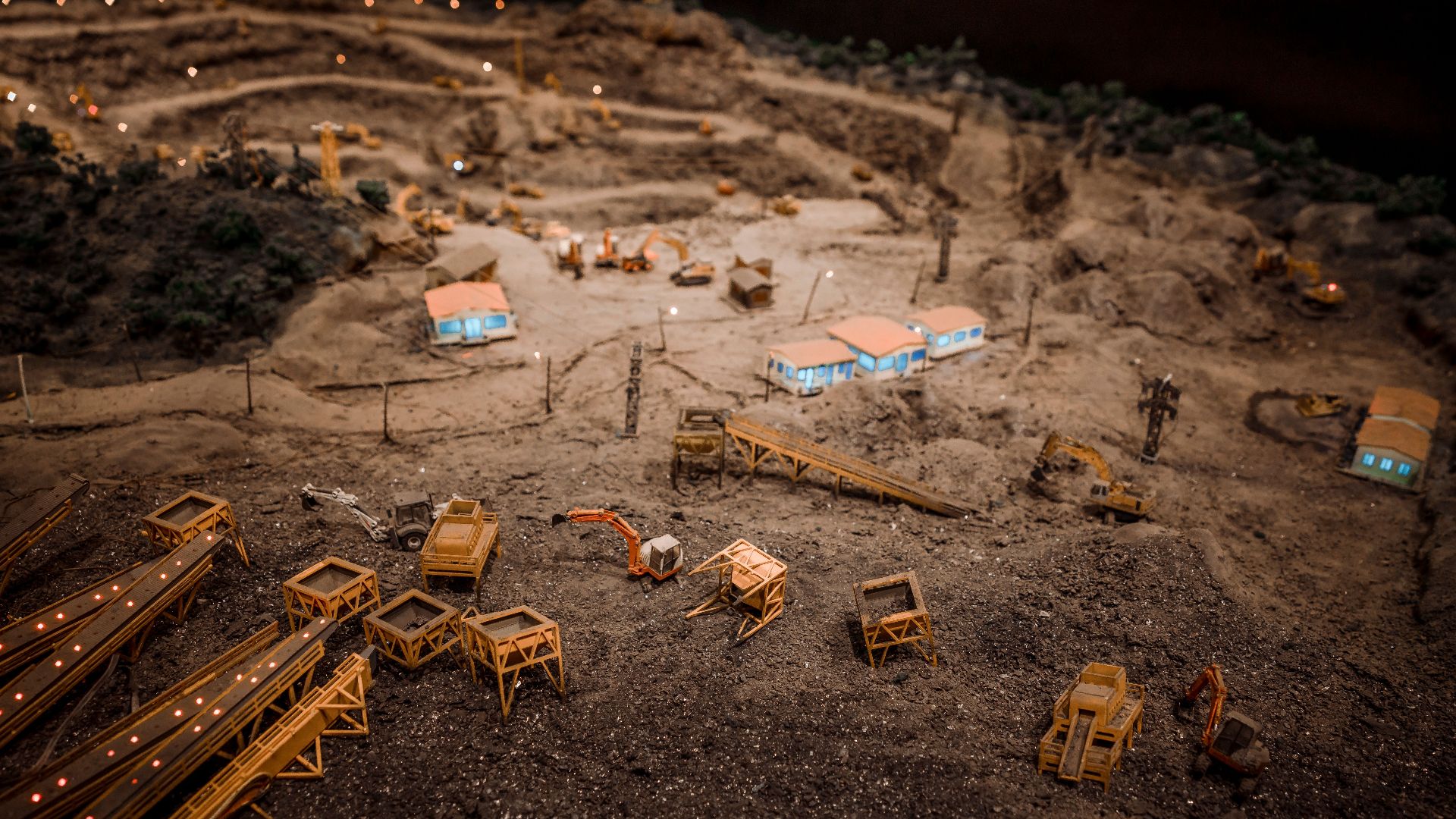
Those details also help digital spaces avoid looking too clean. A mining town should probably show tools, dust, patched clothing, storage areas, transport routes, and places where workers would rest. A luxury orbital resort should have staff corridors, service panels, imported goods, and some sign of who keeps everything polished once the guests stop admiring the view. None of it has to be over-explained.
Interfaces, Language, And Sound
Interfaces can seem separate from worldbuilding, though players spend a lot of time with maps, menus, warning labels, quest logs, inventory screens, and status effects. Nielsen Norman Group’s article on usability heuristics in video games says ideas like feedback, consistency, recognition, and visibility of system status still matter in games. A futuristic door panel or fantasy spell menu can look cool, but it still has to tell players what’s going on. Style helps the world feel real, while clarity keeps the game playable.
The strongest interfaces feel as if they were made by the people who live inside the fictional world. A clean corporate lab might use error messages, icons, and signage. A damaged space station might have handwritten fixes layered over old systems because the official setup stopped working years before the game took place. A fantasy city could use lantern colors, bells, carved symbols, or banners instead of modern road signs, as long as players can still understand the rules.
Language does a lot of the same work. Microsoft’s game localization guidance explains that games often include dialogue, prose, humor, cultural references, tone, and story elements that need to stay engaging across languages. That matters because worldbuilding lives in slang, jokes, shop signs, insults, and local phrases, not just in lore books and place names. Sound belongs here too, since a door’s hiss, a warning beep, a market’s background chatter, or the quiet hum of a machine can make a space feel active and used.
Readable Worlds Feel More Alive

Accessibility can look like a small design layer from the outside, but it changes how players experience the whole world. The IGDA Game Accessibility SIG describes accessibility as avoiding unnecessary barriers, and the wider IGDA page says the group works to make games playable for everyone while considering gamers with disabilities. In practice, that can include readable subtitles, remappable controls, color-conscious cues, clear contrast, and alternatives to audio-only information. Those choices help more players stay inside the experience instead of fighting the interface.
This belongs inside the world, not tucked away as an afterthought. If poison gas is shown only through a faint green haze, some players may miss the danger, and even players without color-vision issues might overlook it during a busy fight. Sound cues, icons, animation, text, controller feedback, and stronger visual contrast can support the same warning. The world can still feel atmospheric while giving players more than one way to understand what’s happening.
Procedural generation brings a related challenge. Springer describes procedural content generation in games as the automatic or computer-assisted creation of content such as levels, landscapes, items, rules, and quests. A 2024 survey on arXiv also defines procedural content generation as the automatic creation of game content using algorithms. That kind of technology can help create variety and scale, though a generated world still needs logic players can read. Scale can impress players at first, but the smaller choices are what make a place feel inhabited, clear, and worth remembering.