Why Your Sketchbook is Only Part of the Story
Getting hired in comics isn’t just about drawing cool characters and calling it a day. Editors, art directors, and creators are looking for people who can tell a story clearly, hit deadlines without drama, and collaborate without turning every note into a meltdown. If you want to stand out, build a skill stack that makes you easy to hire, easier to work with, and impossible to replace! Here are a few skills that can help you secure that dream position.
1. Visual Storytelling
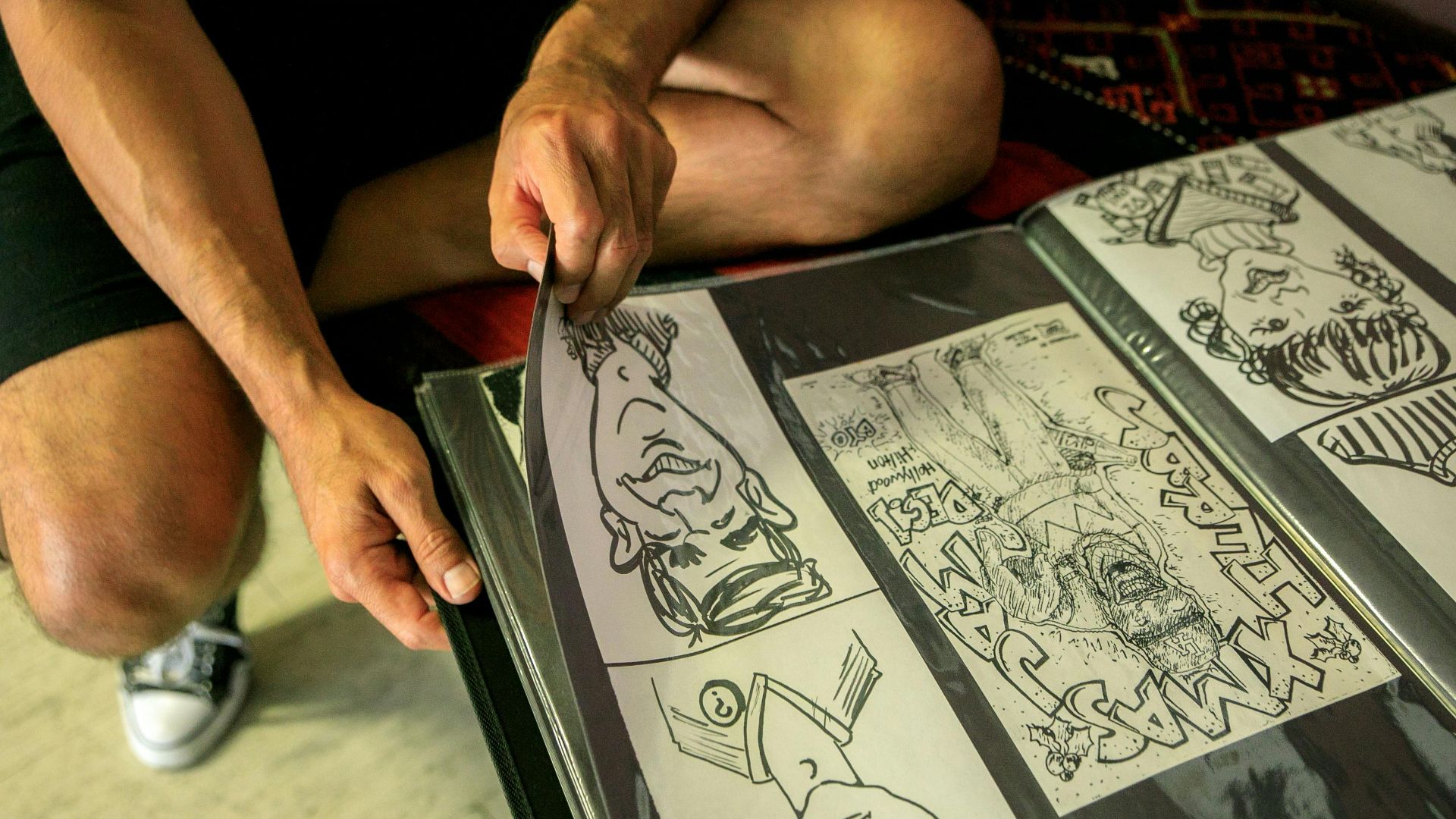
Comics are basically filmmaking on paper, so you not only need to communicate motion, but also emotion and timing without actual movement. Learn how to guide the reader’s eye using composition, contrast, and panel flow. When your pages read smoothly, you instantly look more professional.

2. Sequential Pacing
A good comic knows when to sprint and when to slow things down. You’ll want to control rhythm with panel size and the number of moments you show; if your pacing feels intentional, the reader trusts you and keeps turning pages.
3. Panel Composition
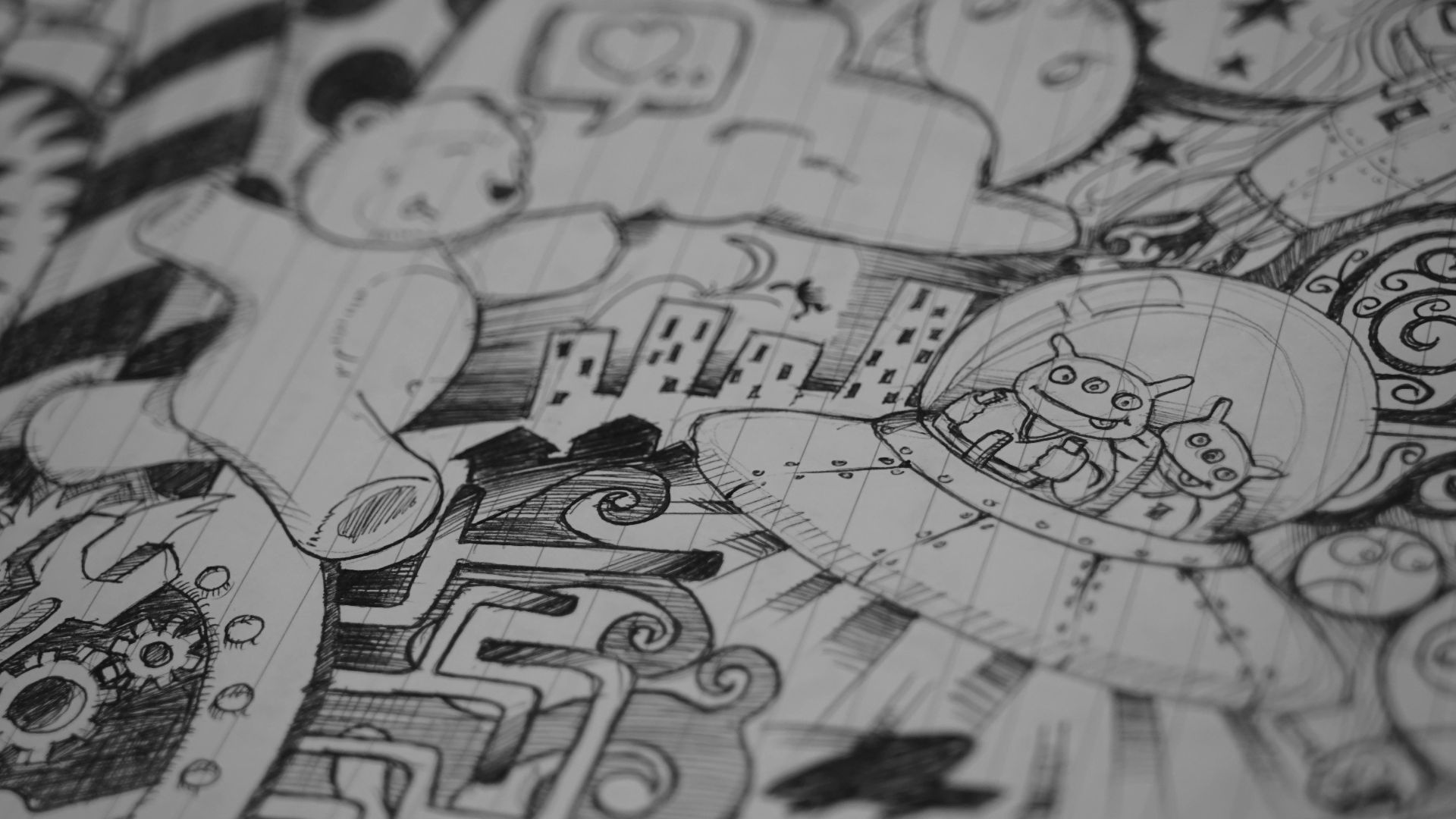
Every panel is a tiny stage, and you're deciding where the spotlight shines. Strong composition helps you show what matters while still keeping the scene readable. It’s not as easy as it sounds, but once you master it, even simple drawings can feel cinematic.

4. Anatomy and Gesture Drawing
Your work doesn’t need to look like a textbook, but you do need bodies that feel alive. Gesture drawing teaches you energy, weight, and movement so characters don’t look like mannequins. Better anatomy also makes action scenes way easier to pull off.

5. Perspective and Environment Drawing
Backgrounds aren’t just “the stuff behind the characters,” even if you’ve tried to pretend they are. Perspective helps you place figures in believable spaces and makes your world feel real. When you can draw a room consistently, you’re suddenly a lot more hireable.
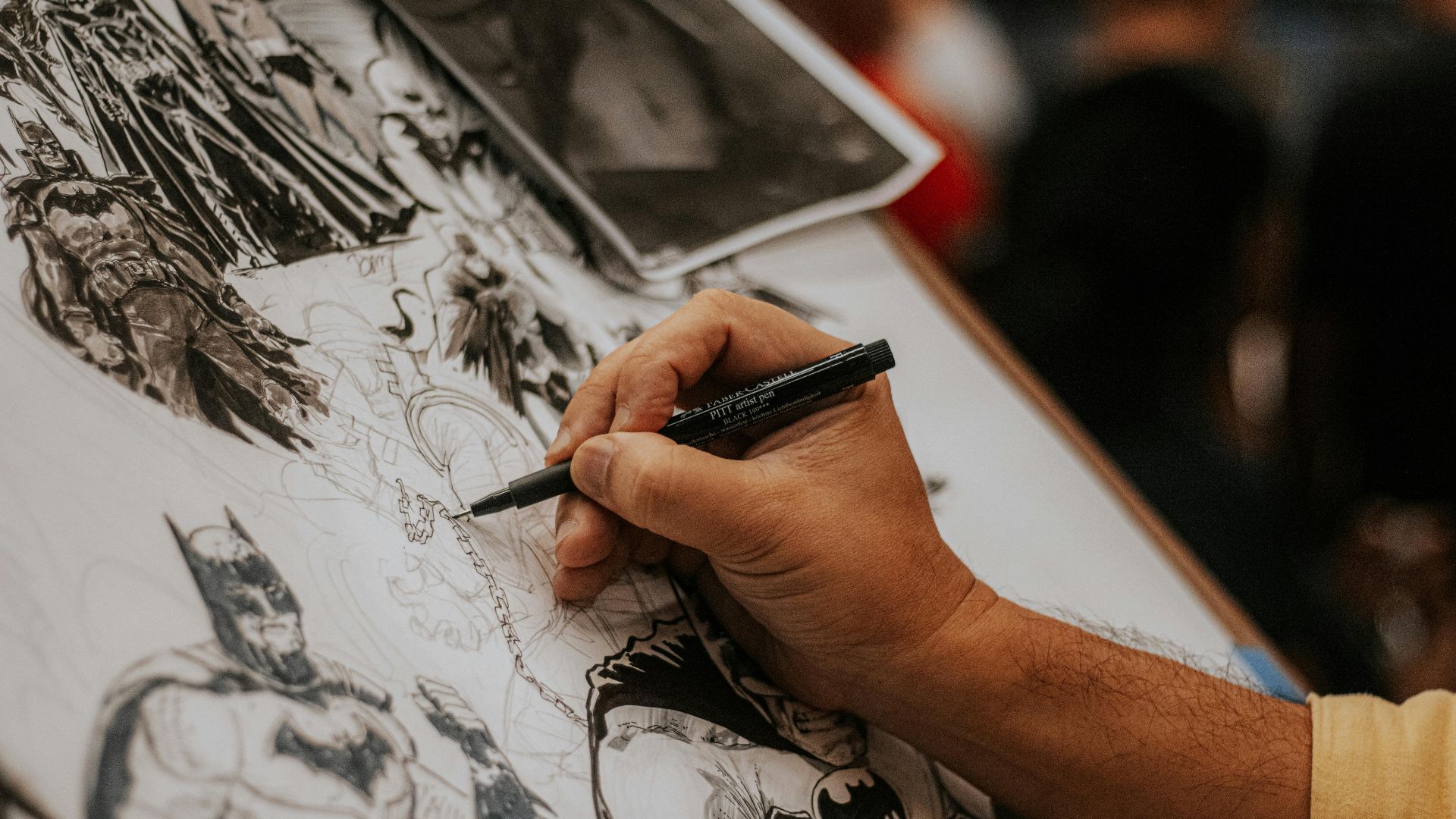
6. Inking and Line Control
Inking is where your art gets its final attitude, whether that’s sleek, gritty, or wildly expressive. Clean line control improves readability and makes printing kinder to your work. Plus, a confident ink line can make even rough pencils look intentional.
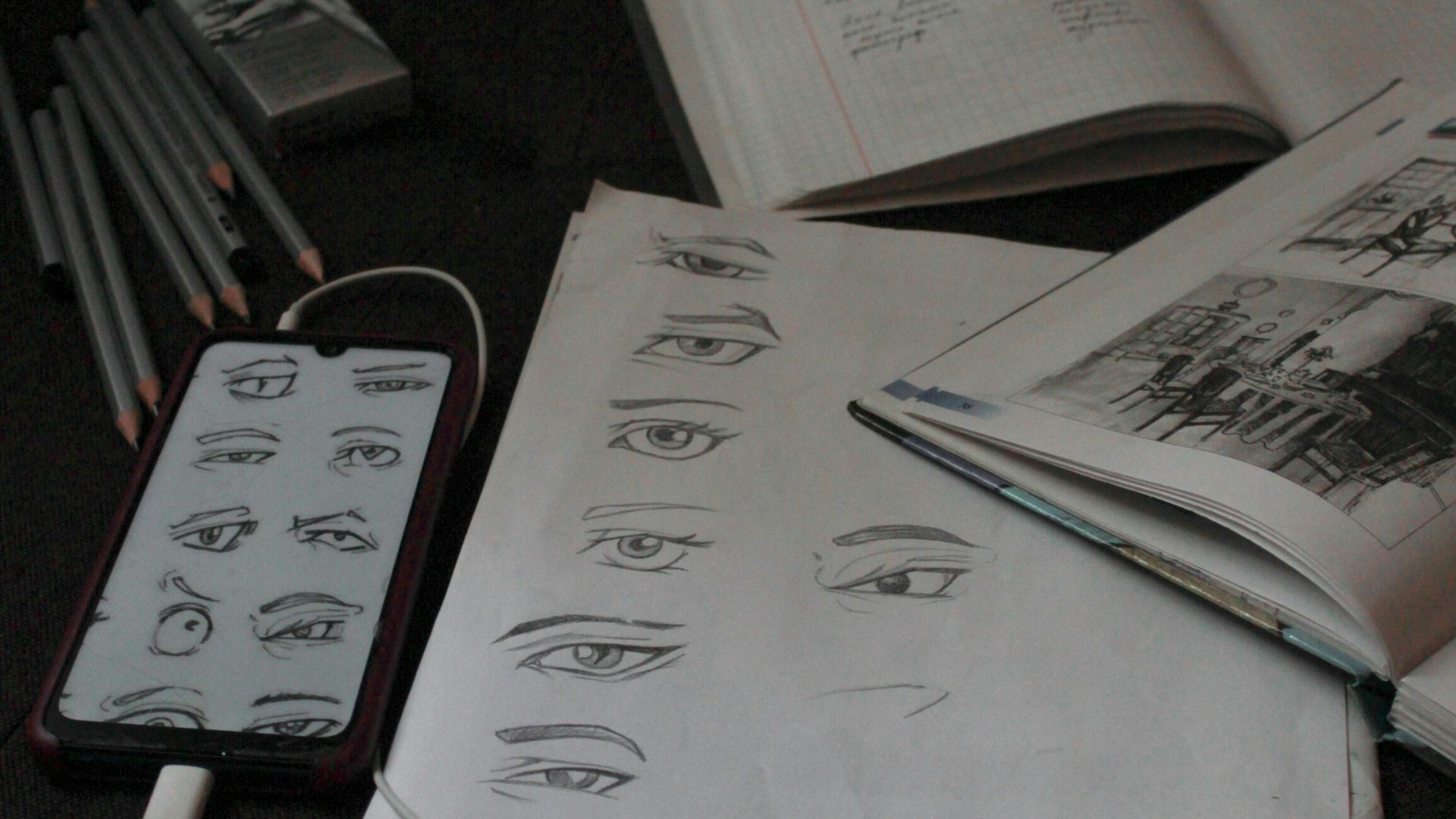
7. Digital Art Workflow
Studios and freelancers often expect you to work digitally, even if you love traditional tools. Knowing layers, file formats, resolution, and nondestructive edits saves everyone time and prevents painful mistakes. A solid workflow also means you can iterate fast when feedback hits.
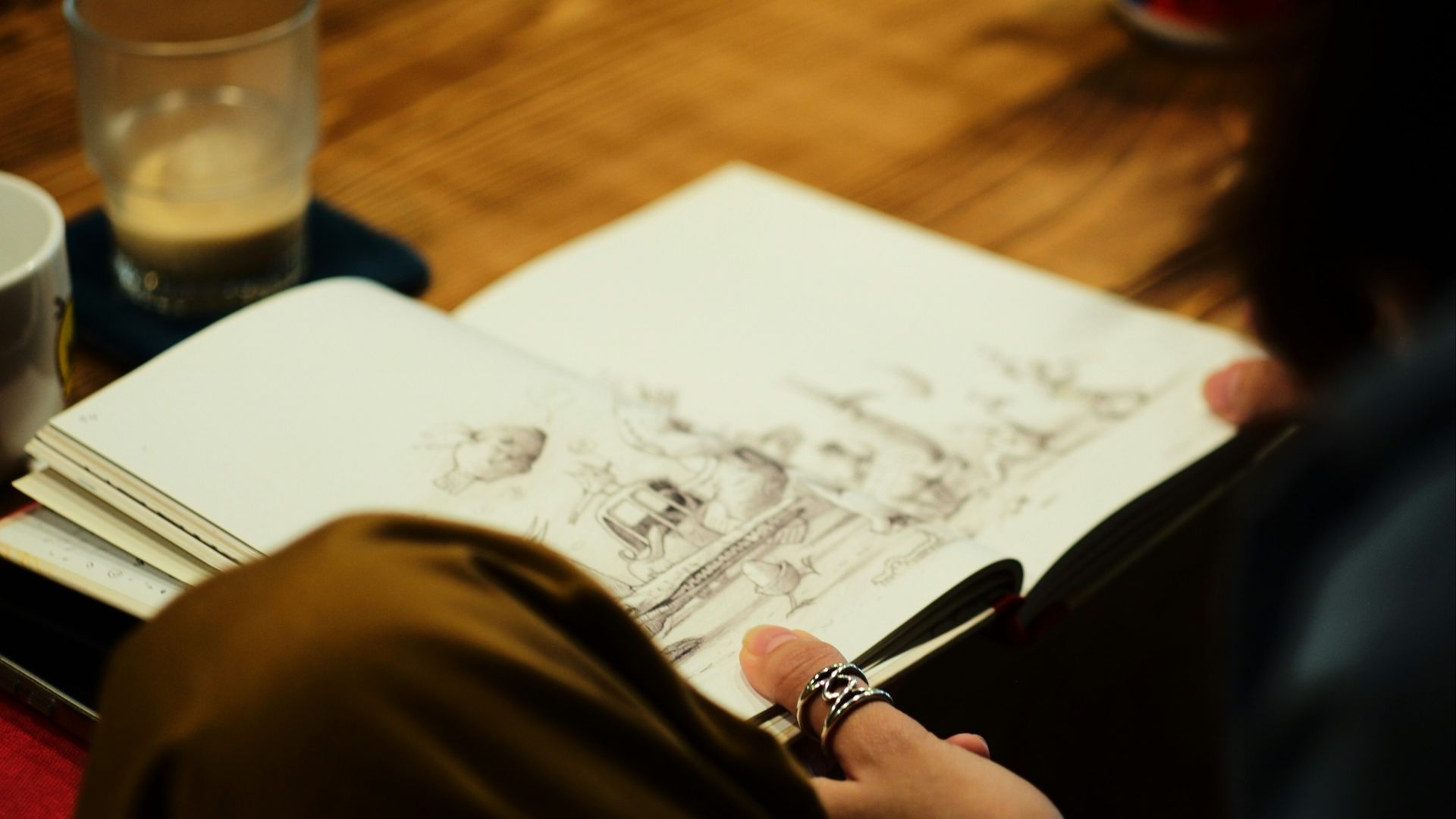
8. Color Theory
Color isn’t just decoration; it’s mood and storytelling all at once. You can use palettes to signal emotion, time of day, or danger without spelling it out. Any good comic artist knows that colors support the story instead of fighting it.
9. Lettering and Typography
Bad lettering can ruin great art, and yes, that’s as tragic as it sounds! Learning spacing, balloon placement, and readable fonts makes your pages easier to follow. If you can letter well, you become the kind of teammate everyone quietly loves.
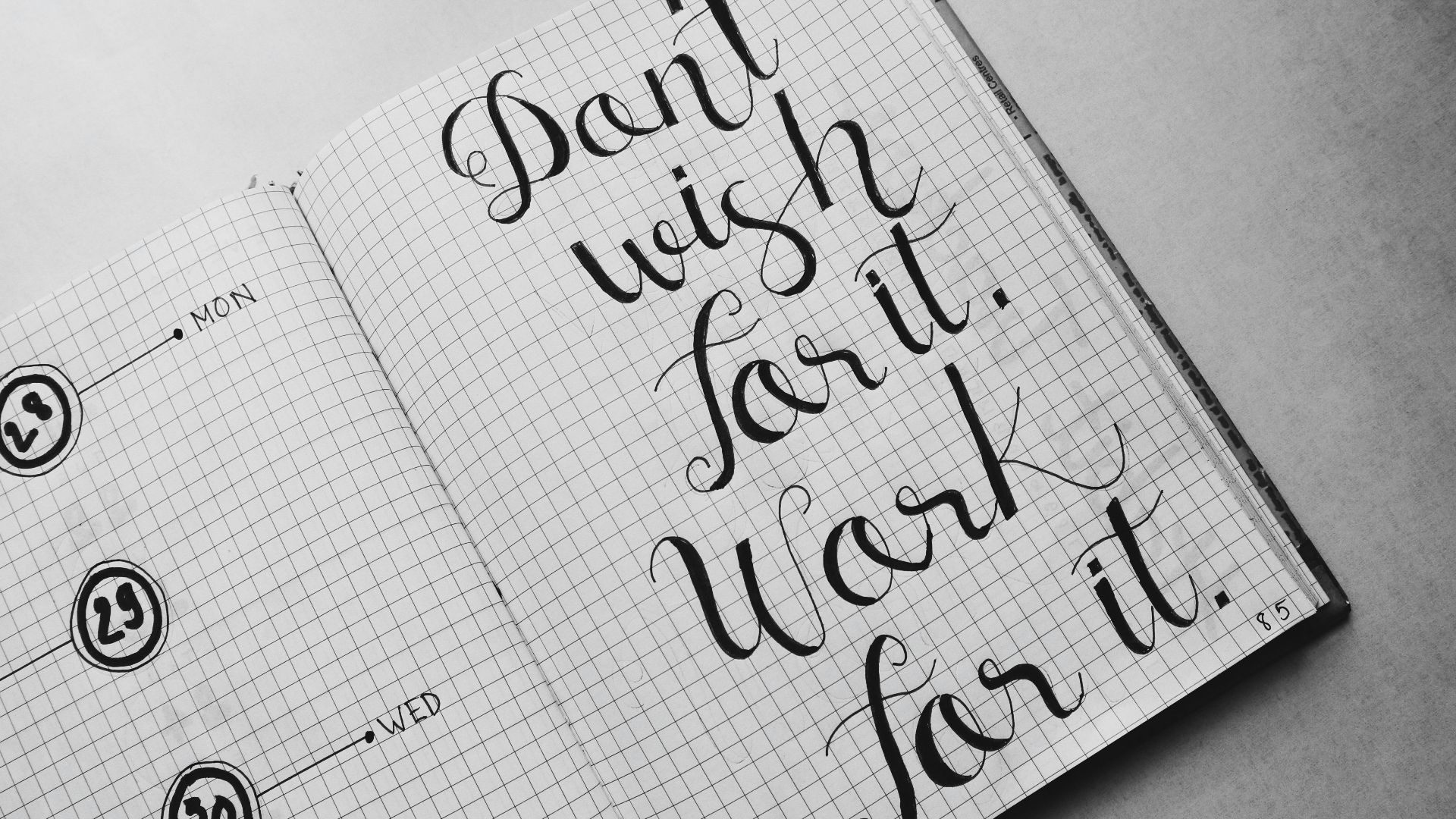
10. Writing and Scripting
Even if you’re aiming to be “the artist,” understanding scripts helps you interpret scenes and plan pages smarter. You’ll catch pacing problems early and spot opportunities for visual storytelling, and being able to write clearly also helps when pitching your own work.
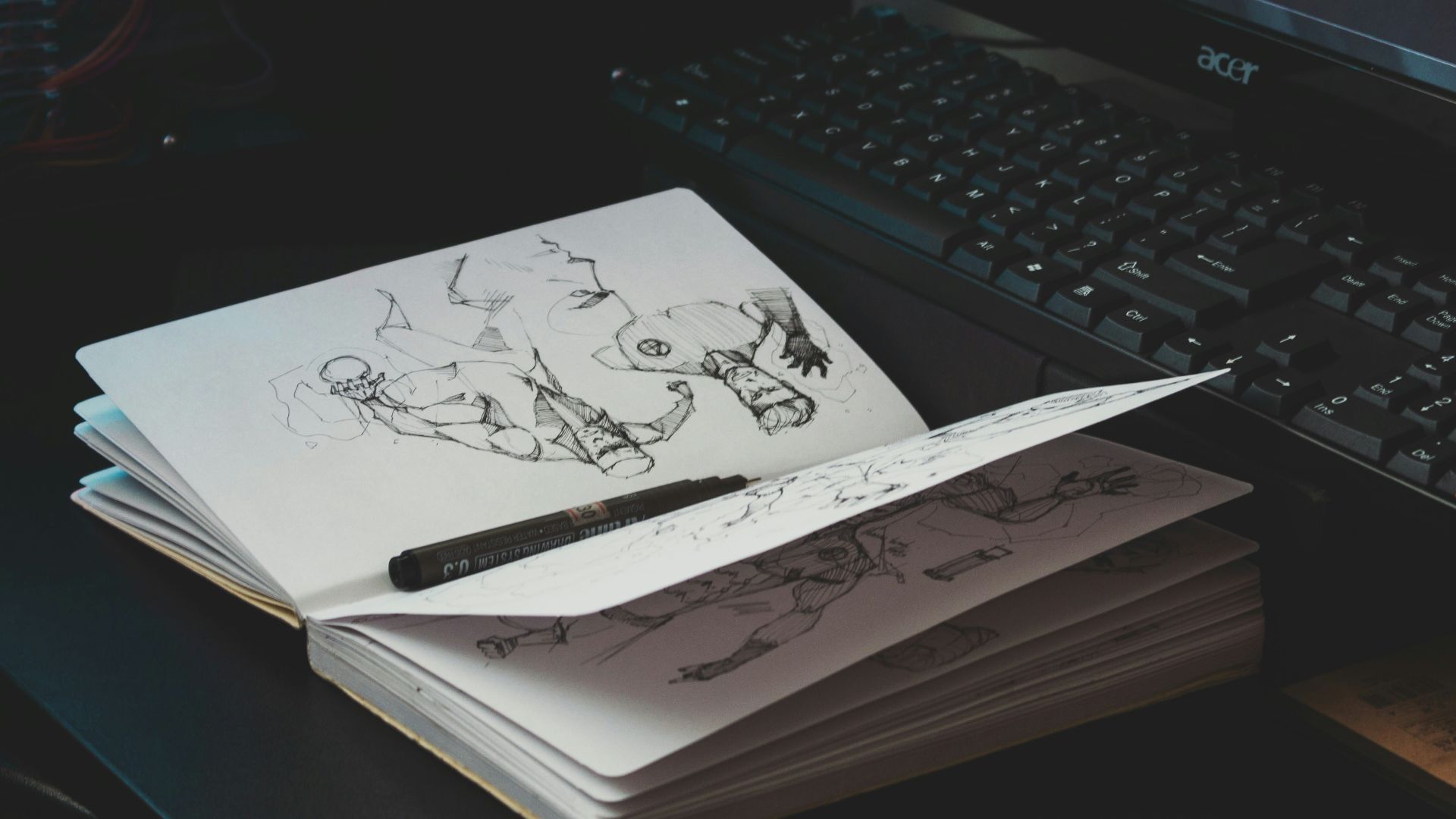
11. Character Design
A strong character design reads instantly, even in silhouette, and that’s not magic—it’s craft. You’ll combine shape language, costuming, and personality cues to make a character memorable. Remember: consistent designs make you look like a pro.
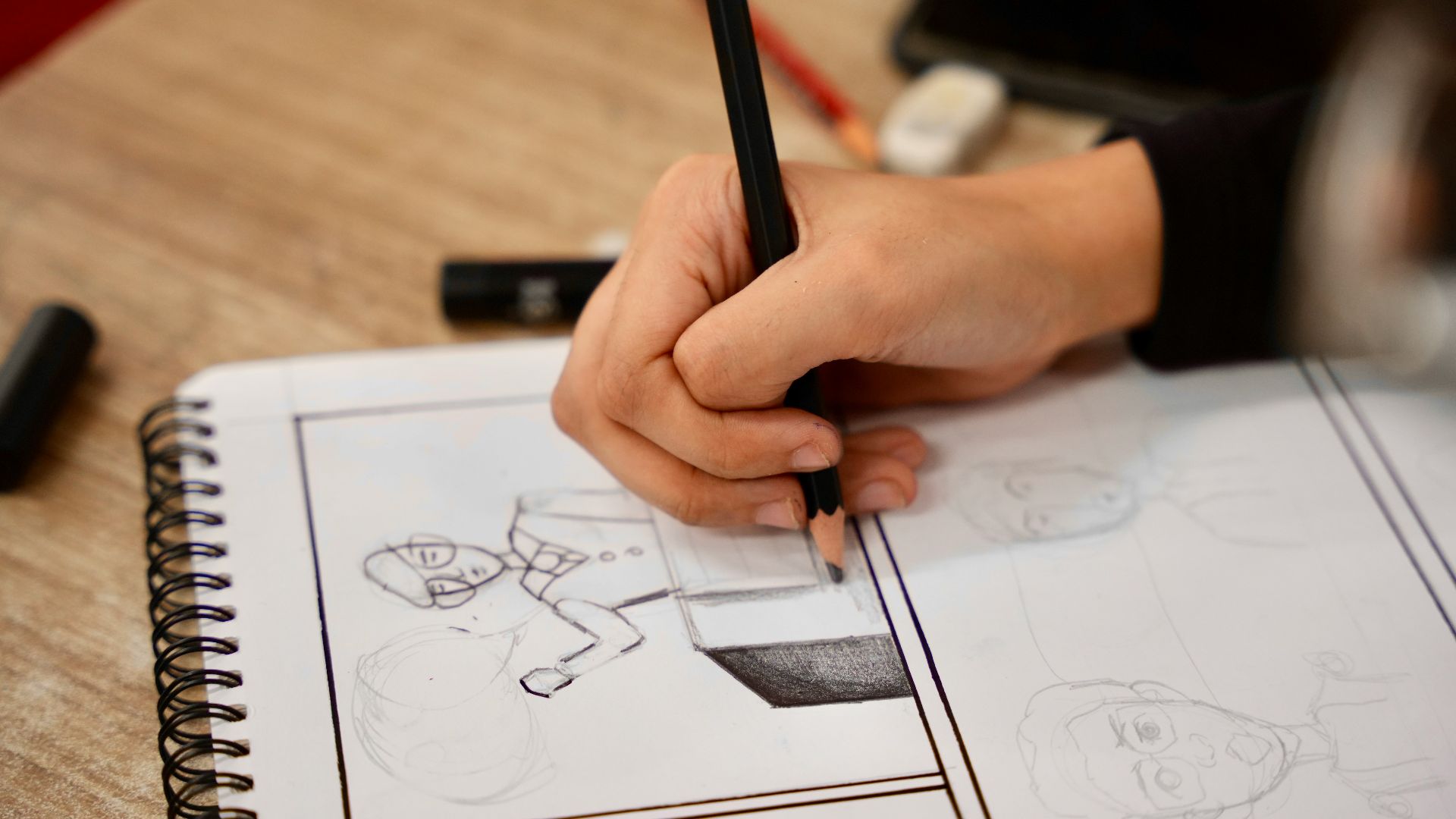
12. Worldbuilding
Comics thrive on worlds that feel bigger than a single scene. You’ll want cultural details and visual motifs that make the setting stick. The more your world feels lived-in, the more readers get hooked, and the more editors pay attention!
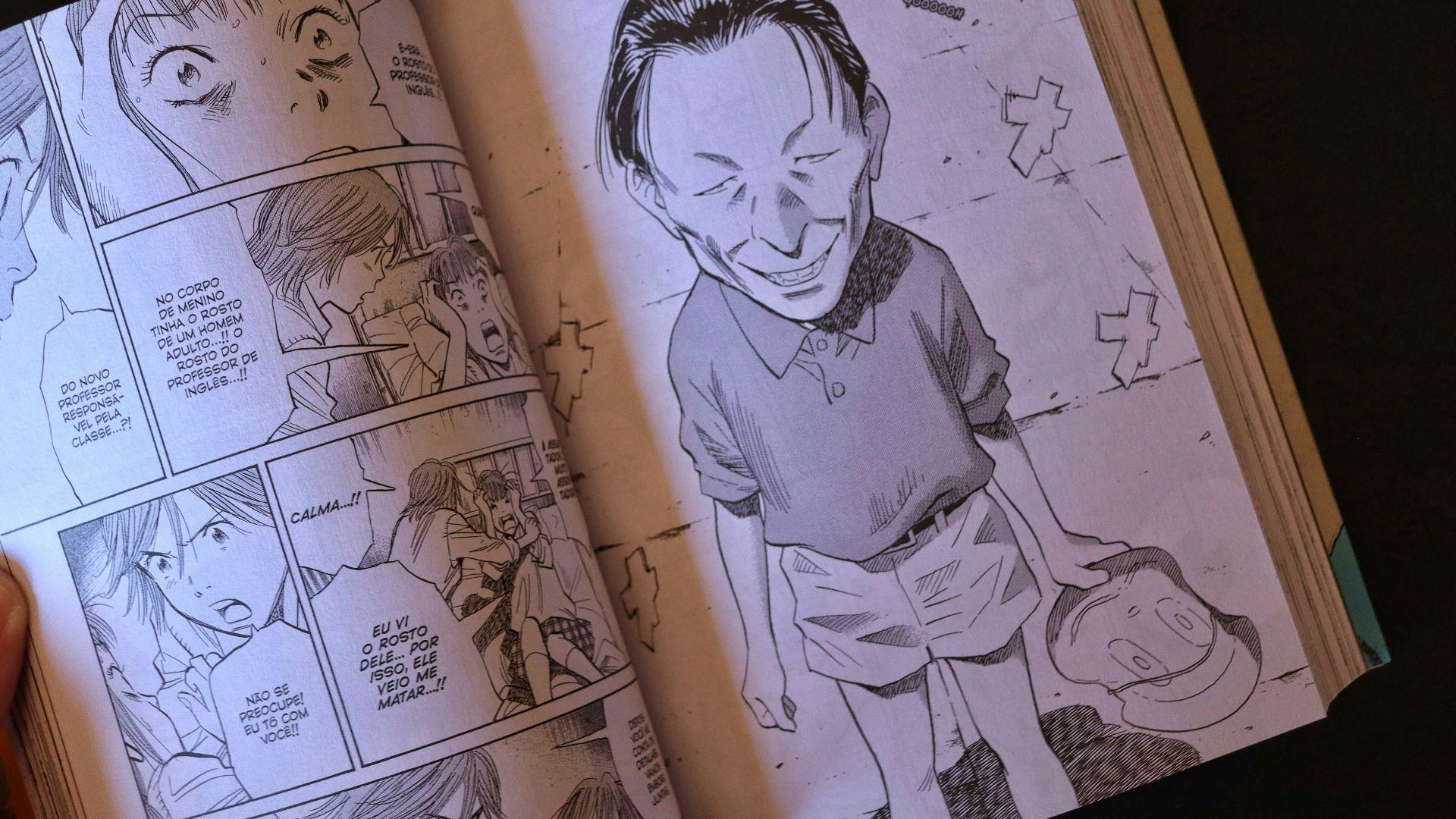
13. Storyboarding and Thumbnails
Tiny sketches can save you from massive headaches later, so thumbnails are basically insurance. They help you test layouts, action clarity, and page turns before you commit to detailed art. If you can thumbnail quickly and well, you’ll work faster and smarter.
14. Reference Gathering and Research
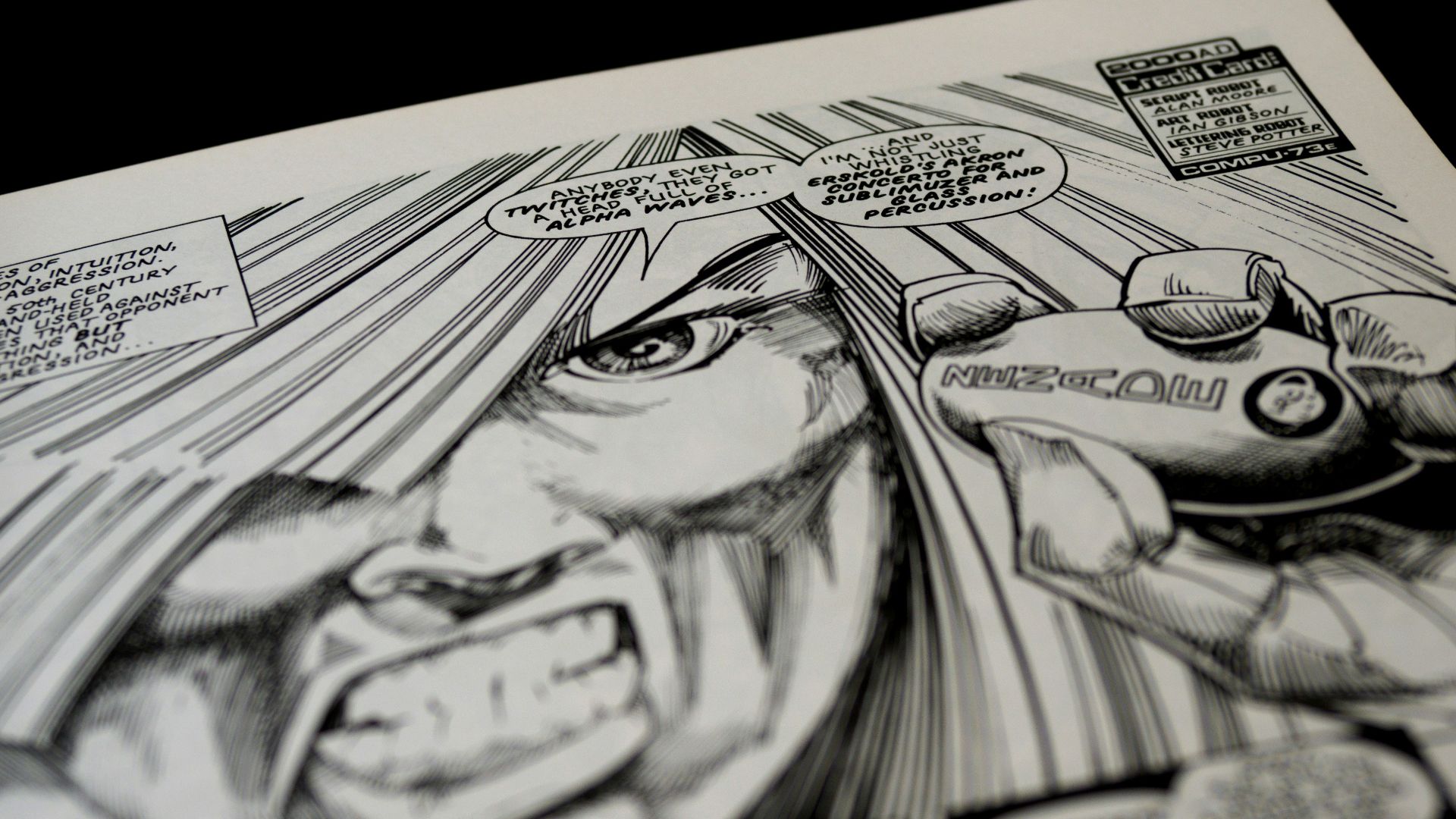
Pros use references constantly, and anyone who says otherwise is either lying or suffering. Research helps you draw believable clothing, architecture, vehicles, and gestures—the more accurate your visuals feel, the more immersive your comic becomes.
15. Editing and Self-Critique
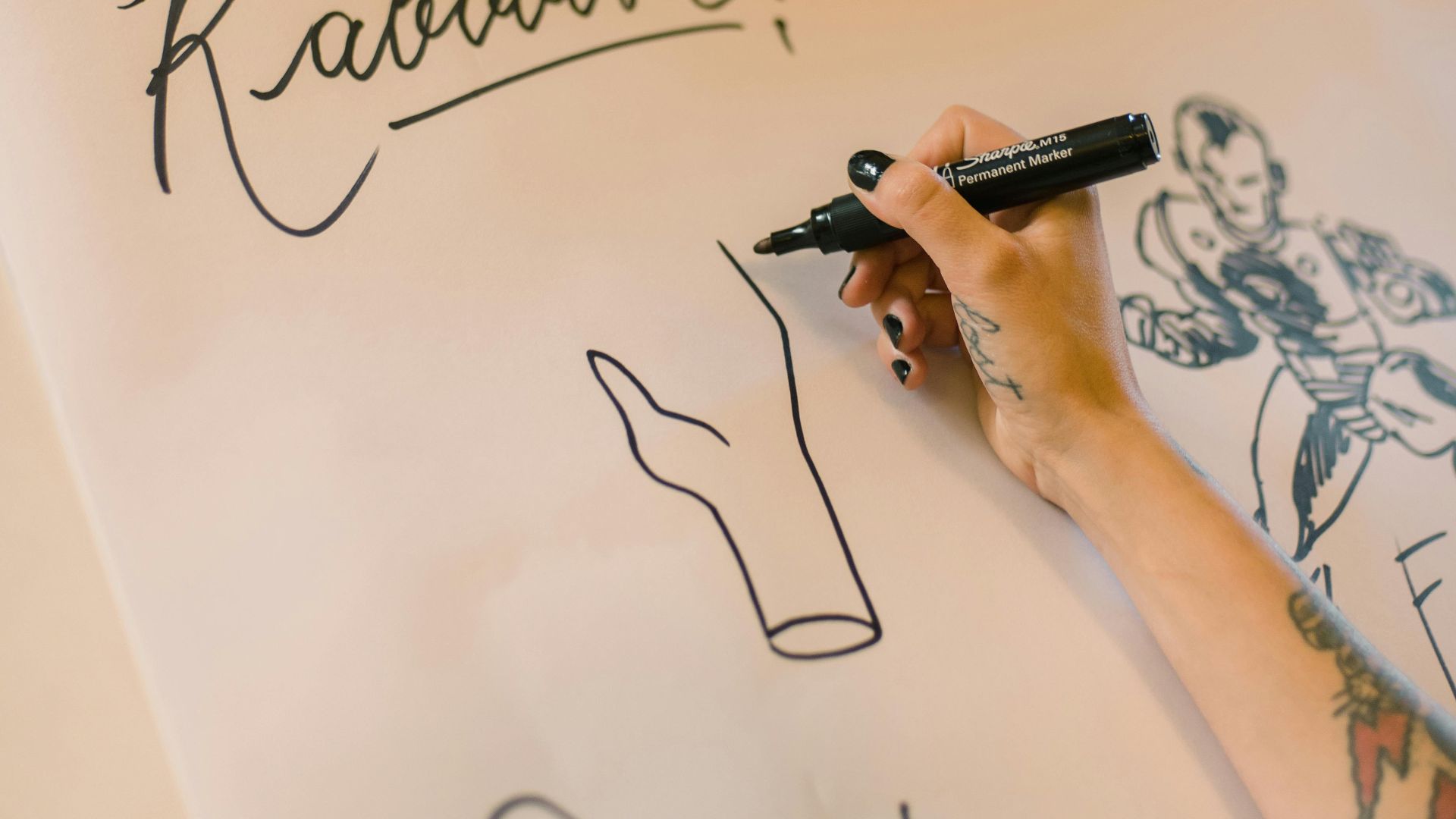
You need the ability to look at your own work and go, “Okay, that isn’t working,” without spiraling. Self-editing lets you fix confusing storytelling before anyone else has to mention it, and this skill alone can level up your portfolio.
16. Collaboration and Communication
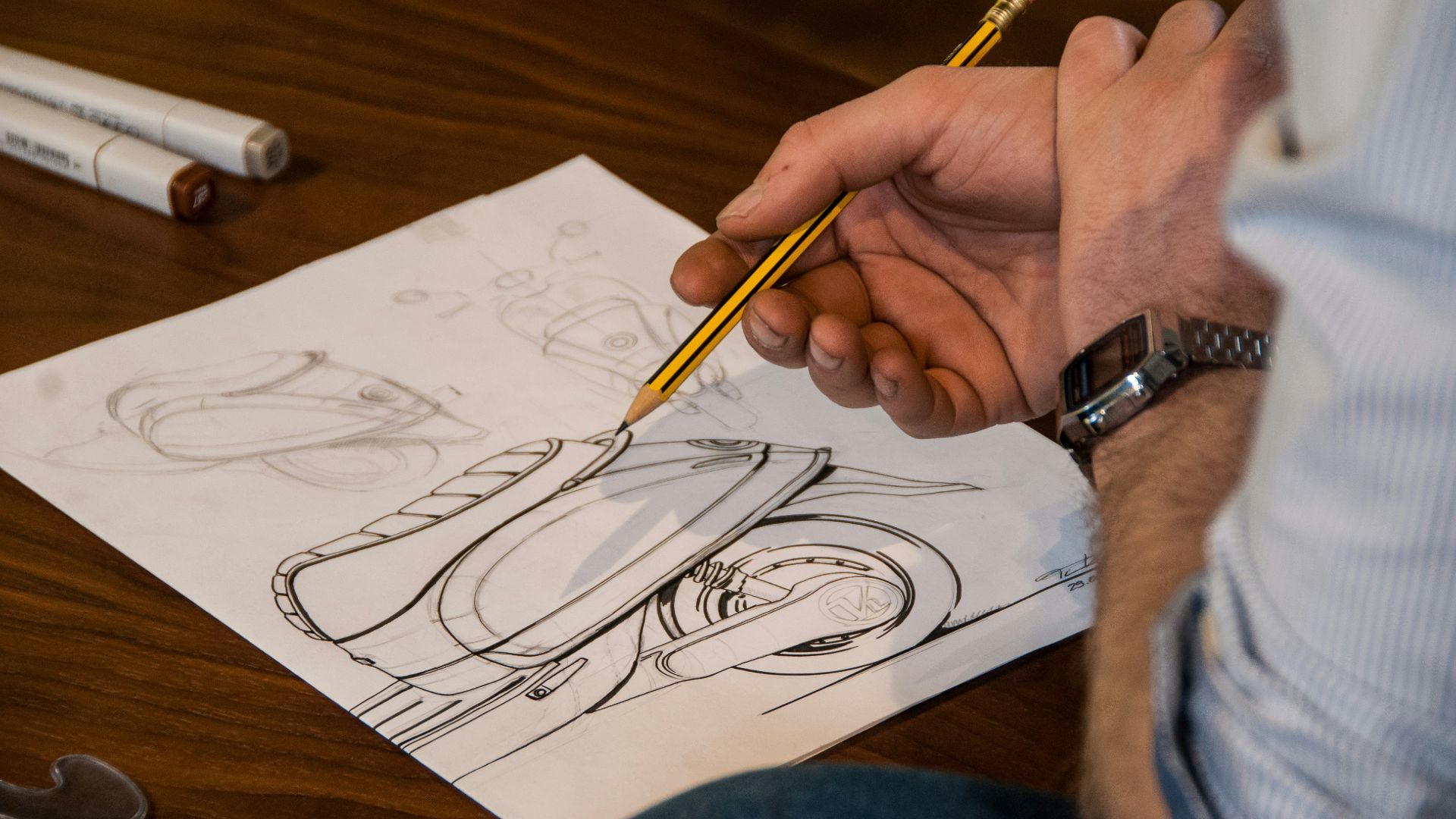
Comics can be a team sport, even when everyone works from different time zones. Clear communication keeps deadlines sane and feedback productive, instead of turning into a weird, silent standoff. If you’re easy to work with, you’ll get called back.

17. Time Management
Talent is great, but finishing pages consistently is what actually gets you hired. You’ll need realistic scheduling, daily targets, and the ability to avoid perfectionist traps. Deliver on time and people trust you with bigger opportunities.

18. Adaptability to Feedback
Notes can sting, especially when you loved the original version, but they’re part of the job. Learn to separate your ego from the work. The creators who last are the ones who can adjust without losing their spark.
19. Portfolio Curation
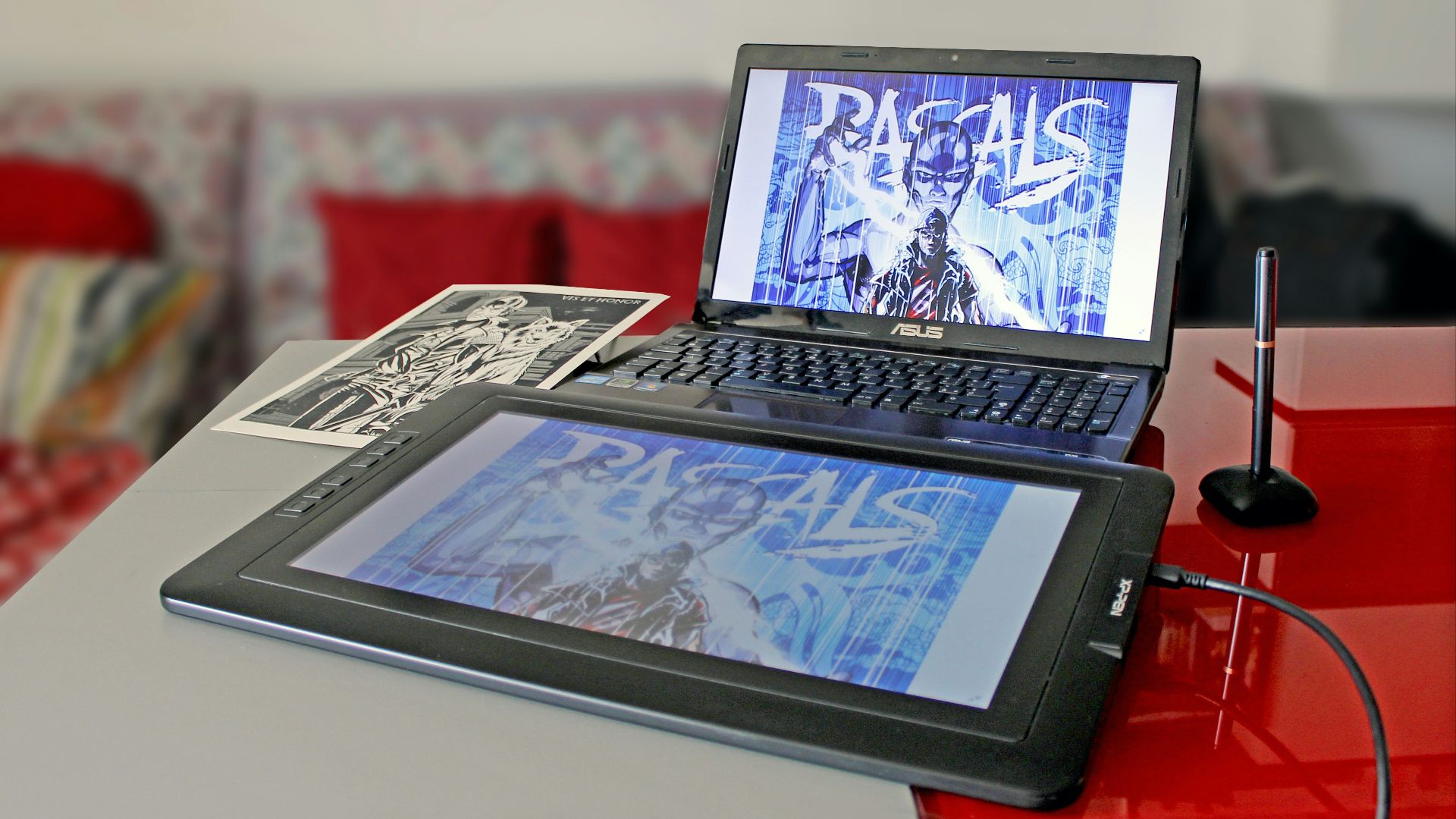
A portfolio isn’t a scrapbook; it’s a highlight reel with a job on the line. You’ll want to show your best sequential pages, demonstrate consistency, and remove anything that weakens your overall impression. A tight portfolio makes hiring decisions easier, which is exactly what you want.
20. Networking
You don’t have to be the loudest person in the room, but you do need to stand out. Building relationships online, showing up at conventions, and being reliable in small interactions add up over time. When opportunities pop up, people tend to hire the artist they remember—and trust.