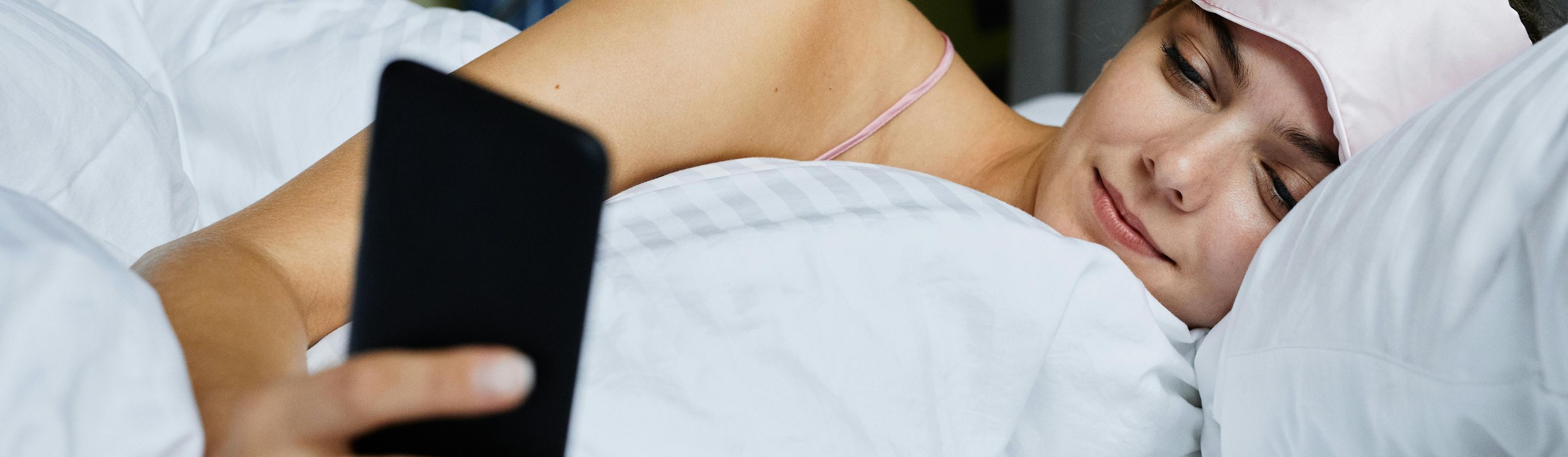
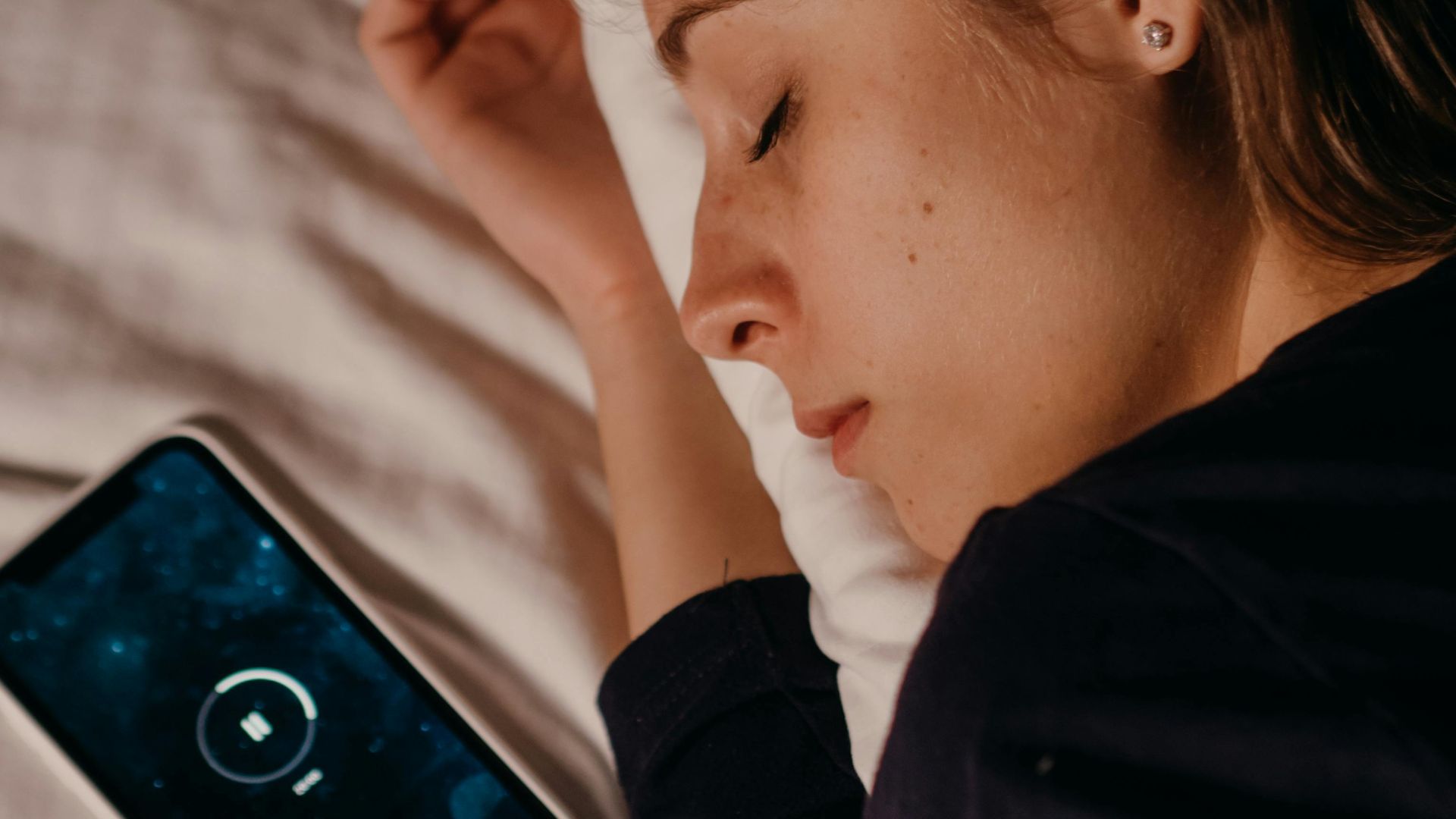
Most of us don’t exactly go to bed alone anymore. There’s usually a glowing little rectangle on the nightstand, under the pillow, or resting inches from our face. We tell ourselves it’s there for the alarm, emergencies, white noise, weather, or one final harmless scroll. Then 45 minutes disappear, and somehow we’re learning about a celebrity divorce at 12:38 a.m.
Sleeping next to your phone isn’t usually dangerous in the dramatic way internet rumors like to suggest. The FDA says the weight of scientific evidence hasn’t linked cell phone radiofrequency exposure within current safety limits to health problems, so this isn’t about imagining your phone as a tiny villain radiating under the blanket. The better reasons are simpler and more practical: phones disrupt sleep, steal attention, keep your brain alert, and can create charging risks when used carelessly.
Your Phone Keeps Your Brain Too Awake
Your brain needs a landing strip before sleep, and your phone is very good at turning that landing strip into a busy airport. Messages, videos, news alerts, shopping carts, games, and social media all ask your mind to stay engaged when it should be powering down. Even if the content is harmless, the interaction itself can keep you mentally alert.
Light is another issue, especially bright screen light at night. Blue light from phones, tablets, computers, and TVs can interfere with circadian rhythms and melatonin, the hormone involved in sleep timing. Dimming your screen or using night mode can help, but the strongest move is still putting the device away before bed.
Notifications make things worse because they interrupt the quiet that your bedroom is supposed to protect. Even a buzz you don’t answer can pull your attention back toward work, drama, errands, or curiosity. That's why it's recommended to remove electronic devices such as smartphones from the bedroom as part of good sleep habits.
It Turns Your Bed Into a Scrolling Zone
Your bed works best when your brain connects it with sleep and rest. When you use it for scrolling, emailing, arguing, shopping, and checking tomorrow’s responsibilities, that association gets muddier. Instead of feeling sleepy when you get under the covers, your mind may start expecting stimulation. That’s how the bed becomes less of a sleep cue and more of a soft office with worse posture.
Late-night phone use also makes it easier to ignore your own tiredness. You may be exhausted, but there’s always one more video, one more headline, one more message, or one more deeply unnecessary search about a thing you suddenly must know. Social media and email are especially sneaky because they mix novelty with emotional reactions.
Keeping your phone next to you can also invite morning scrolling before your feet even touch the floor. That means your day begins with alerts, opinions, comparisons, requests, and possibly a terrible news headline before you’ve had water. Reaching for your phone first thing in the morning forces your brain to skip its natural, relaxed wake-up states and jumps straight into a stressed, reactive state. Moving your phone across the room, or better yet, outside the bedroom, gives your brain a little buffer. You deserve at least five minutes of being a person before becoming an inbox.
There Are Safety & Stress Reasons Too
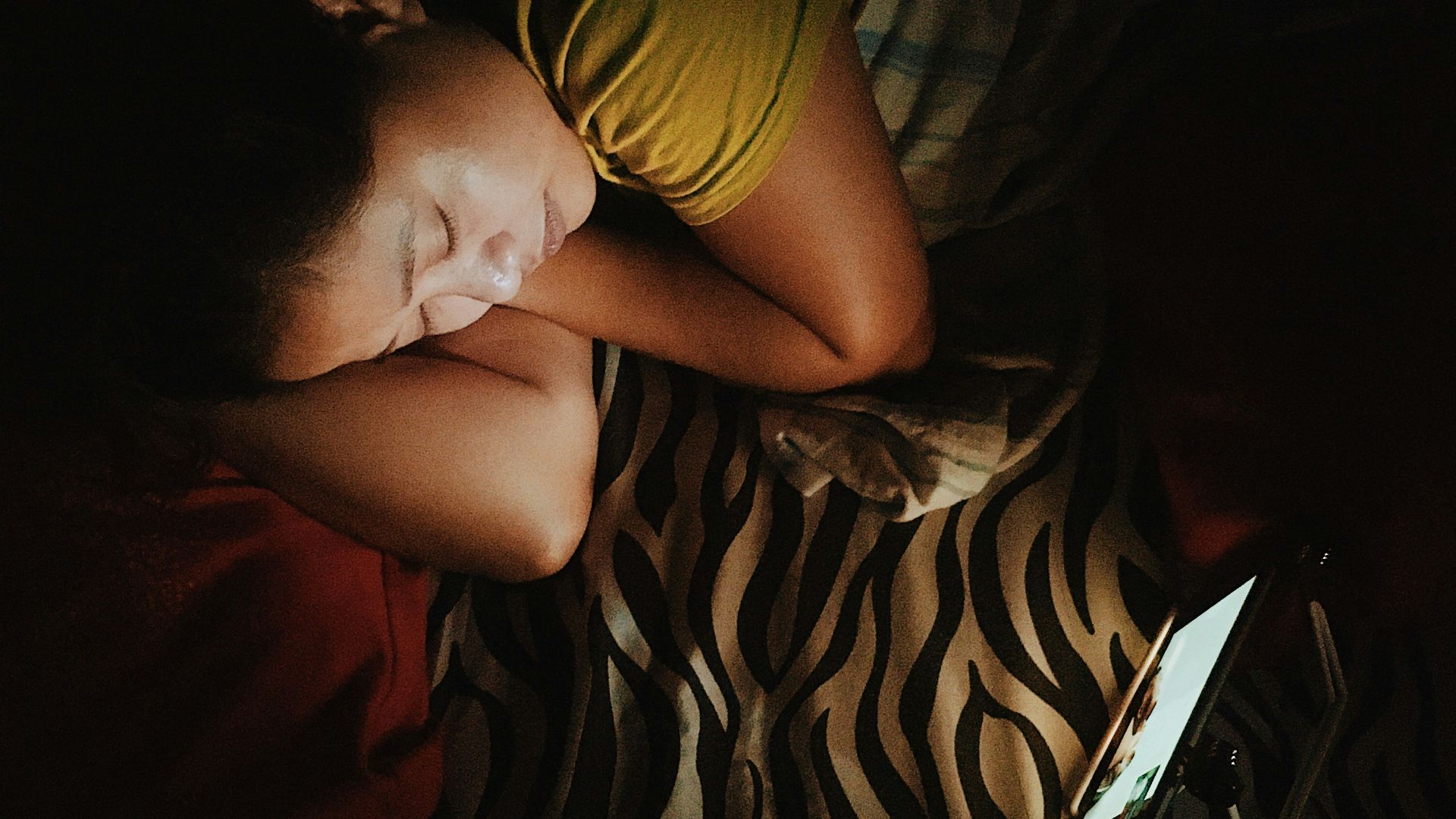
Charging your phone in bed is not a great habit, especially if it’s under a pillow, buried in blankets, or attached to a damaged charger. Lithium-ion batteries are common in phones and other devices, and incidents involving these batteries have occurred during use, storage, and charging. These batteries pack a massive amount of energy into a compact space and, if compromised, can create intensely hot, explosive fires that release toxic gas.
The safer approach is boring, which is often how safety prefers to dress. Charge your phone on a hard, flat surface with good airflow, use reputable chargers, and avoid frayed cords or overheated devices. If your phone gets unusually hot, smells strange, swells, or acts oddly while charging, stop using it and follow the manufacturer's or safety guidance. A calm nightstand beats a dramatic blanket situation every time.
There’s also the emotional safety of not being reachable every second. Many people sleep next to their phone because they feel responsible for responding instantly, even when no real emergency exists. That habit can keep your body in a low-level state of readiness, as if a message might demand your attention at any moment. Unless you truly need overnight access for caregiving, medical, or work reasons, your phone can probably wait in another room.
How to Break the Habit Without Being Miserable
Start by replacing the excuse that keeps your phone beside you. If it’s your alarm, buy a basic alarm clock or place your phone across the room on airplane mode. If it’s your white noise machine, use a separate device or start the audio before putting the phone out of reach. The goal isn't to become a monastic sleep expert overnight; it’s to remove the easiest path to accidental scrolling.
Create a simple phone curfew that you can actually follow. Sleep experts often recommend turning off screens before bed, and the Sleep Foundation suggests setting a routine reminder to shut electronics down two to three hours before bedtime when possible. That may not fit every life, so even 30 to 60 minutes is a useful start. The important thing is making the boundary predictable enough that your brain stops expecting stimulation when it's time for sleep.
Make the replacement pleasant, not punishing. Read a paper book, stretch, write tomorrow’s top three tasks, take a warm shower, or listen to something calming. If you wake up during the night, avoid checking the time on your phone, because the screen and the information can wake you further.
Sleeping next to your phone probably doesn't cause radiation exposure, but it does disrupt your sleep. Stopping the bedside phone habit is about giving your brain fewer reasons to stay on duty. You don't have to be above it all—you can still use your phone, enjoy your apps, answer your messages, and be a modern human. Just let the phone sleep somewhere else.