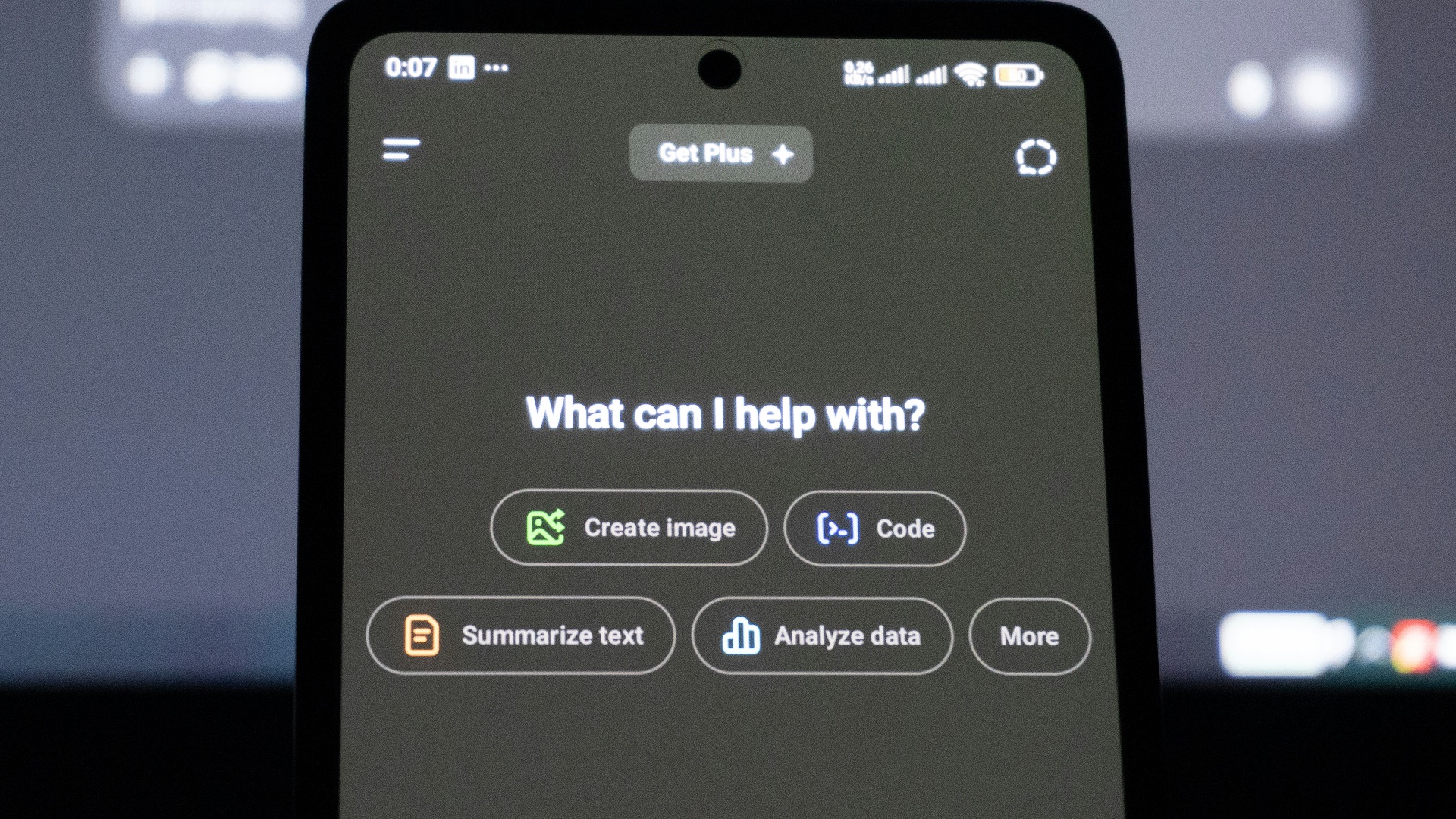
An old friend just reached out to you via email. You haven't seen them in a while, and they seem truly excited to be reaching back out—you even see that they've added one exclamation point too many, and in their haste, even sent the message in all lowercase, with some typos. So, how do you respond? Sure, you could always reply back in your own words, but you have a better idea: AI will know exactly how to convey what you want to say, without you needing to come up with it. So, you head to ChatGPT.
But there's a reason why you should stop relying on large language models to write for you. For emails in particular, using an AI-generated reply will only hurt you in the long run, not make things easier. Leaning on AI, as you'll see, comes with real costs, so here's why you should think twice before letting a chatbot draft your next message.
Takes Away Your Unique Voice
Every person who writes regularly, and even those who don't, has a distinct style. You might not even realize you do. But just as you might favor longer sentences with lots of brackets (like this) or exclamation marks (!!!) or a smattering of emojis, someone else might prefer keeping their words succinct. It's this style that makes your communication recognizably yours, and while it's a tone AI tools could emulate, it won't do so reliably.
Don't trust us? Try it out yourself. Pull up an AI chatbot of your choice, and ask it to draft you an email to your boss, saying that you've gotten the flu and will need the week off. What did the AI output? Probably some generic-sounding message that lacks the sincerity and warmth your real voice does. If you were to send that message, the recipient (in this case, your boss) will likely even wonder why the message feels a little hollow.
There's also another issue to worry about: once you start relying on AI to write for you, you'll find it harder to use your own words when you need them most. Writing is a skill that reflects how you think, so when a chatbot does the thinking-through for you, your natural style will never show up on the page. Once you lose that unique voice, you might as well be just another bot.
Prevents You from Building Rapport
Email, for all its limitations, is still one of the main ways people build relationships when they can't meet in person. From work emails to birthday wishes, thoughtfully worded replies can do a lot to strengthen a professional or personal bond. That is, only if you're putting in the effort to write them yourself.
You might wonder why this is the case. After all, if your emails written by ChatGPT sound much more professional than the ones you write yourself, would it be better to build rapport that way? But what you don't know is that most people, especially those in the younger generation, can tell right away if something is AI-generated. The moment they realize it, they'll immediately see you in a different light. It's a reminder that, even if you're a real person behind the screen, if your words feel manufactured, human connection still suffers.
It's especially risky to use AI in situations where trust is already fragile, too, such as when you're apologizing for a mistake or reaching out to a client after a rocky project. An AI-drafted message might technically say the right things, but it won't carry the small, imperfect details that signal you truly feel what you say you're feeling. Rapport is built through those details, not despite them, and no chatbot can replicate the specific history you share with a colleague or client.
Your Skills Will Deteriorate
Writing, like any skill, needs regular practice to stay sharp. If you don't use it, you'll lose it. And since writing emails is much easier than, say, creative writing, there's really no excuse or reason to be defaulting to AI when you can punch out messages yourself. By handing that task over to AI, you'll end up skipping the mental work that keeps your writing abilities in shape.
There's a term for this, too: cognitive offloading, where you rely on a tool to do all the thinking and thereby reduce how much thinking you actually do yourself. The less you draft, revise, and second-guess your own phrasing, the rustier those muscles get, and you may later end up not knowing how to write a simple email at all. AI is already taking away so many things from us, why let it take away this, too?
Wrapping It Up
Unfortunately, AI tools aren't going anywhere, and there might be a time in the near future where you won't be able to run—you'll just have to accept that this is our new reality. But until then, use the skills you've always used before AI came into the picture. Write emails yourself, even if it seems tedious. Letting a chatbot take over will only do more harm in the long run. The next time you're tempted to let AI draft your message, it might be worth asking whether it's really worth it for the time and effort you'll save.