Screens were supposed to make life easier, and in many ways, they did. You can work, shop, bank, learn, socialize, watch movies, order dinner, track your health, and argue with strangers without leaving the couch. That convenience is impressive, but it also means the same glowing rectangle now handles almost every part of modern life. No wonder your eyes, neck, brain, and patience sometimes feel like they’ve filed a complaint.
The strange part is that most people know they’re tired of screens. They complain about doomscrolling, blurry eyes, stiff shoulders, endless notifications, and the weird guilt of checking one app while another app is still open. Yet they keep reaching for the phone, opening the laptop, or turning on the TV. Screens are exhausting, but they’re also useful, entertaining, social, and deeply built into the way daily life now works.
Screens Took Over Work, Rest, & Everything Between
One reason people can’t stop looking at screens is that screens are no longer optional for many basic tasks. Work emails, meetings, calendars, forms, banking, school portals, medical appointments, travel tickets, and customer service all live online. Even when you’re trying to handle something practical, you’re usually pushed toward a device. The screen becomes less of a choice and more of a doorway you have to pass through.
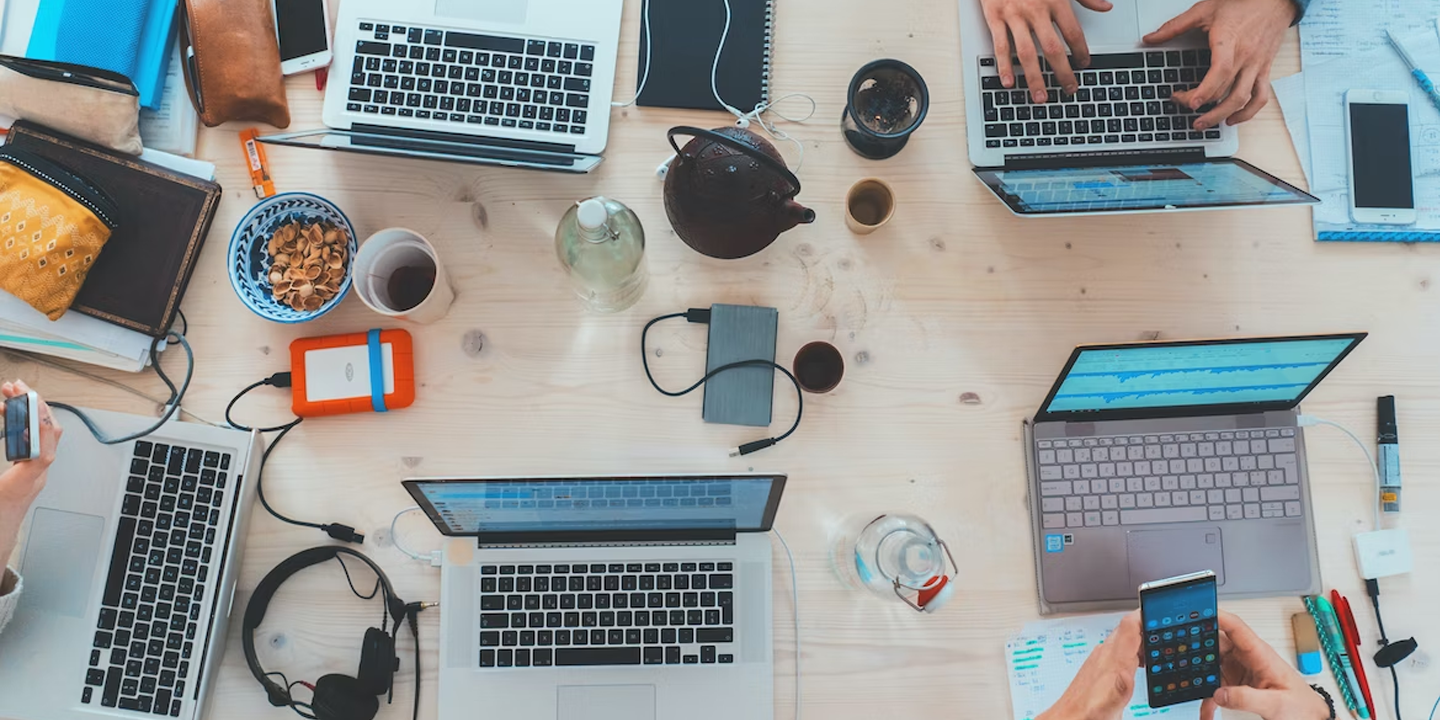
Remote and hybrid work made that relationship even more intense. For many people, the computer isn't just where work happens; it’s where meetings happen, relationships with coworkers get developed, and entire days disappear in tabs. A person can spend eight hours on a laptop, then relax by watching a show, texting friends, or scrolling through videos.
The blur between productivity and rest makes it harder to take a real break. You may close a spreadsheet and immediately open social media, which feels different but still keeps your eyes and brain locked onto a screen. Even hobbies have become digital, from recipes and workouts to reading, gaming, shopping, and photo editing. When every activity uses the same device, stepping away can feel like stepping away from your whole life.
Apps Are Designed to Keep You There
Screens are tiring, but apps are very good at making you forget that for a few more minutes. Notifications, infinite scrolling, autoplay, likes, comments, and personalized recommendations all encourage you to stay engaged. You may open your phone to check one message and somehow leave twenty minutes later with strong opinions about a stranger’s vacation. That design isn't accidental, and it's hard for anyone to claim they're immune.
Social media adds another layer because it mixes entertainment with connection. You’re not only watching videos or reading updates; you’re also checking on friends, trends, news, group chats, and the public mood of the day. That makes the habit feel useful even when it’s draining. If you stop looking, part of you worries you’ll miss something important, funny, urgent, or socially relevant.
There’s also the small reward of novelty. Every refresh might bring a new message, a better video, a funny comment, or a tiny hit of validation. Your brain likes unpredictable rewards, even when the rewards aren't especially meaningful. That’s why you can feel bored by your phone and still pick it up again. It may not always satisfy you, but it keeps promising that the next thing might.
Screen Fatigue Is Physical and Mental
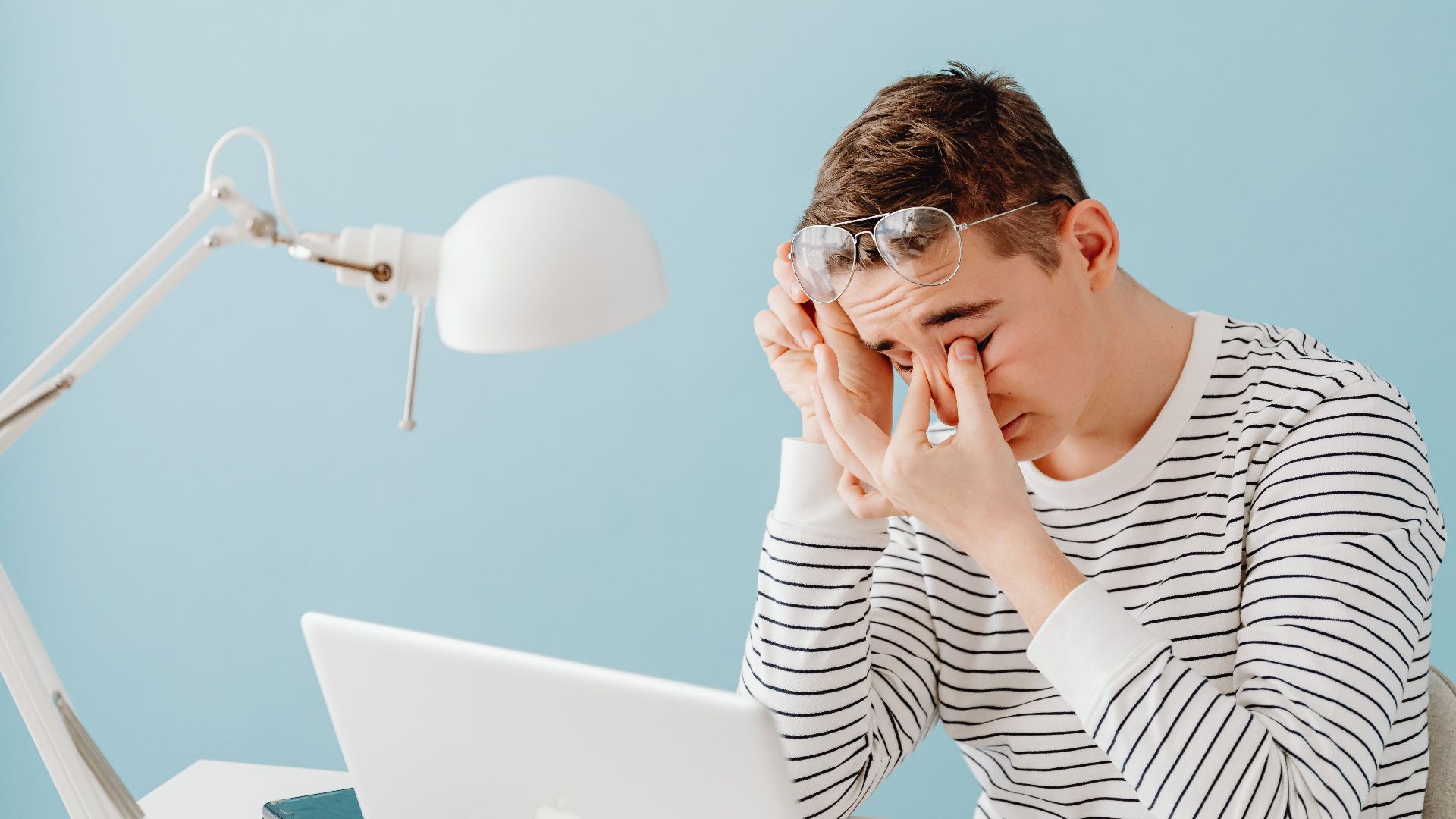
Screen tiredness isn't just about being dramatic. Long periods of screen use can leave people with dry eyes, headaches, blurred vision, neck tension, and stiff shoulders. The body wasn't exactly designed to stare downward at a phone for hours.
The mental fatigue can be just as real. Screens deliver constant information, and not all of it is useful, pleasant, or easy to process. News alerts, work messages, social updates, ads, opinions, and personal obligations can all arrive in the same space. Your brain has to keep sorting what matters, what can wait, and what you should probably ignore but won’t.
Decision fatigue sneaks in, too. Every app asks you to choose, respond, save, delete, like, watch, read, buy, skip, or compare. That may seem small, but hundreds of tiny choices can make you feel strangely worn out by the end of the day. Sometimes you’re not tired from doing one big thing. You’re tired from being interrupted by a thousand little ones.
Stopping Completely Isn’t Realistic, but Boundaries Help
The answer probably isn’t to quit screens entirely, unless you’re planning to live in a cabin and communicate through handwritten notes carried by unusually reliable birds. Most people need screens for work, safety, information, and relationships. The more realistic goal isn't total escape, but better control.
Small boundaries—like keeping the phone away from the bed, turning off nonessential notifications, taking eye breaks, setting app limits, or having screen-free meals—can make a surprising difference. None of these habits needs to be perfect to help. Even just reducing the time you spend mindlessly scrolling by half an hour can make your evening feel less crowded.
It also helps to replace screen time with something specific instead of simply promising to “use your phone less.” A walk, a book, a phone call, cooking, stretching, journaling, or sitting outside gives your brain another option. Without a replacement, boredom will escort you right back to the nearest screen. People are tired of looking at screens, but they can’t stop because screens meet real needs, fake needs, and every awkward pause in between.