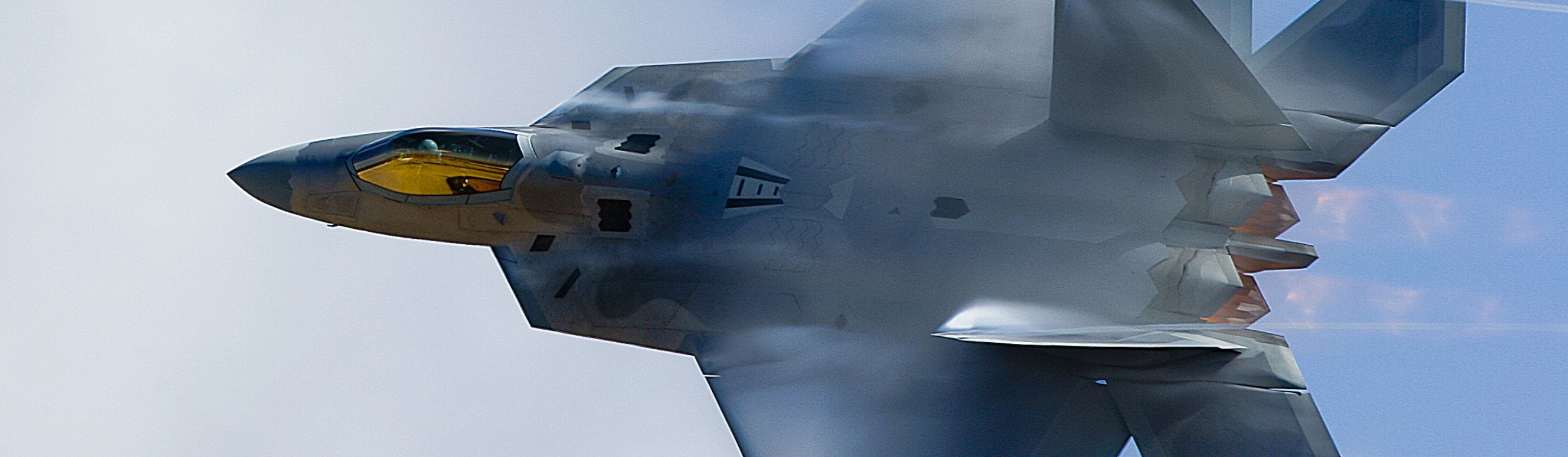
Real Life Invisibility Cloak Technology to be Used in Military Applications
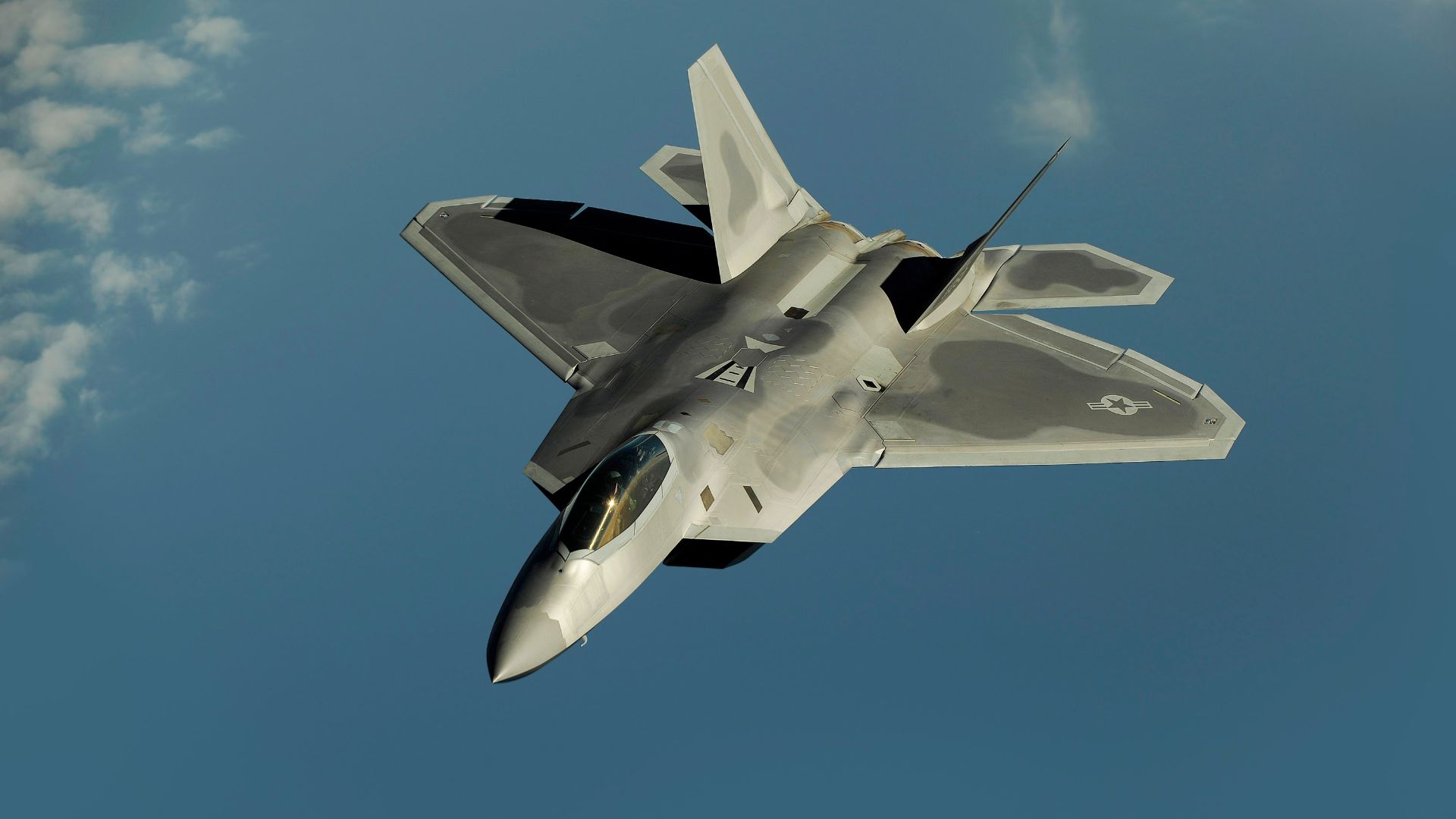 Sgt. Andy Dunaway on Wikimedia
You might think invisibility cloaks exist only in the Wizarding World, but think again. A research team at the Korea Advanced Institute of Science and Technology (KAIST) has developed a technology based on liquid metal composite ink, which can absorb and shield electromagnetic waves, effectively masking objects from sight. The real-life "invisibility cloak" is attracting serious interest from the military.
How does it work?
According to the scientists' research paper, the invisibility cloak technology works by manipulating electromagnetic waves—such as radar and communication signals—so that they don’t reflect back to a detector. It does this by using a special "metamaterial," which is designed to absorb and redirect waves in a precise way.
The ink developed by the team forms the metamaterial as it dries. During this process, metal particles in the ink connect, forming a sort of mesh that interacts with electromagnetic waves, allowing objects to go undetected. The material that's formed by the ink is both liquid-like in terms of flexibility and metal-like in terms of its durability.
True invisibility?
Although the cloak doesn't mask objects from the human eye (yet), it makes them invisible to sensors, thermal imaging cameras, radar, and radio waves. It effectively reduces or eliminates the object's detectability. In military applications—where detection often matters more than direct visual contact—this kind of invisibility can be even more powerful.
Liquid metal ink
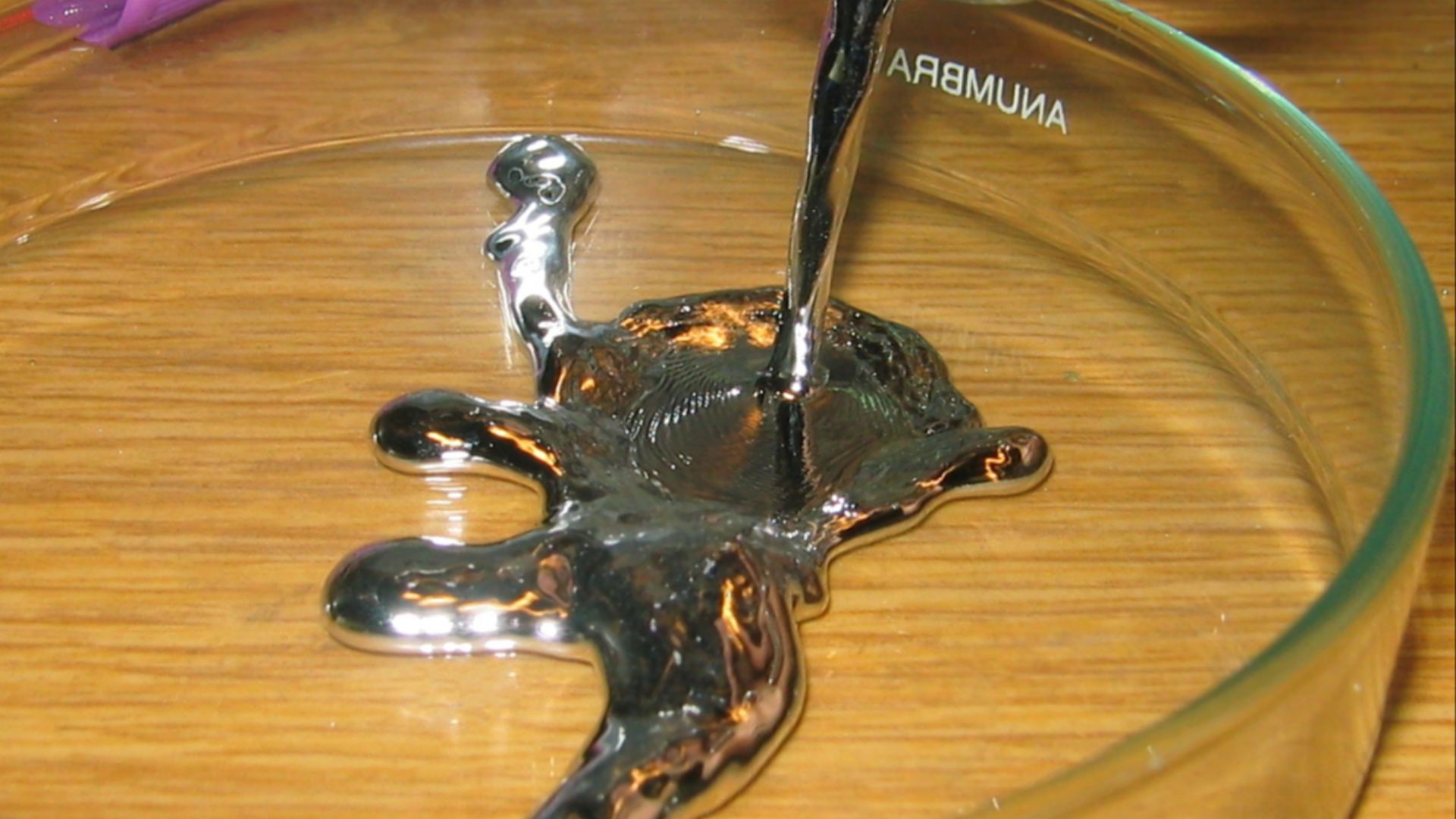
The KAIST cloak isn't the first of its kind; it grew out of previous work, in which 3D silver structures were implanted in hydrogel, but the structure of the silver was far too rigid. What sets the KAIST cloak apart is its flexibility.
"Using liquid metal instead of a solid metal structure not only makes the metal easier to fill the hydrogel microchannel but also increases its ability to stretch," said Tao Chen from Xi'an Jiaotong University in China.
The KAIST-developed ink maintains its electrical performance even when stretched to more than ten times its original length. This means it works on irregular surfaces, moving equipment, and even wearable applications.
Where will it be used?
"This technology is expected to be utilized in various future technologies such as robotic skin, body-mounted wearable devices, and radar stealth technologies in the defense sector," lead researcher Hyoungsoo Kim said in a statement.
The potential military applications are significant. Vehicles cloaked in such materials could become harder to track by enemy radar, surveillance drones could operate with a reduced risk of detection, soldiers could carry equipment or wear gear designed to minimize their electromagnetic footprint, and even entire military infrastructure systems could be shielded.
A matter of time
While the progress is undeniable, it's important to temper expectations as it's still a ways away from actually being implemented. Challenges in terms of scaling, production, and ensuring robustness in extreme environments persist. However, while a true Harry Potter-like cloak remains fantasy, the ability to hide from the digital eyes of modern warfare is rapidly becoming a reality, and the line between science fiction and science fact continues to grow thinner.