Does the Library Plane Ticket Hack Really Work for Finding Cheaper Fares?

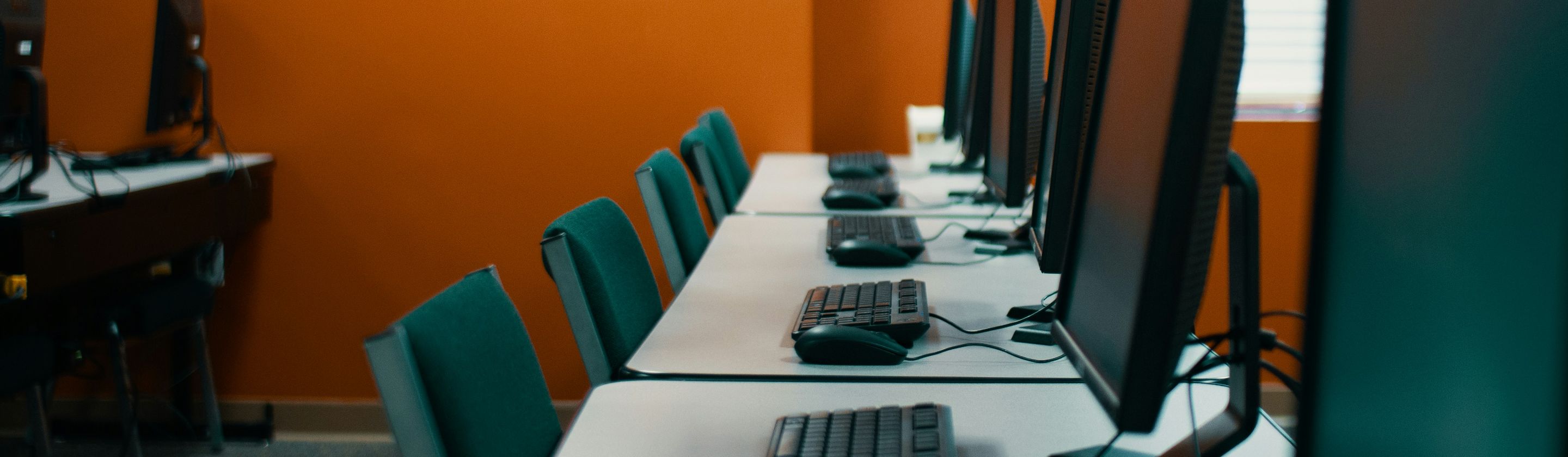
Airfare hacks have existed almost as long as online booking itself, but one of the stranger versions to take off recently involves leaving your house entirely. The so-called library plane ticket hack claims you can find cheaper fares by searching and booking flights from a public library computer instead of your personal laptop or phone.
Viral posts have claimed surprisingly large savings, with travelers suggesting their usual devices were somehow being recognized and charged more, even in incognito mode. However, when travel experts and reporters put the theory to the test, the results were much less dramatic.
Why People Think the Library Hack Works
The theory starts with a familiar suspicion about online shopping: websites know quite a bit about you. Your browser can store cookies, websites can see information such as your IP address, and companies routinely use browsing behavior for advertising. From there, it's easy to imagine an airline noticing that you've searched Toronto-to-Rome flights 15 times and deciding you're probably willing to pay more.
A library computer appears to offer a clean slate. You generally aren't logged into your usual accounts, your personal browsing history isn't sitting there, and you're accessing the internet through a different network. Supporters of the hack argue that this gives airlines and booking sites less information about you, supposedly allowing their “real” cheaper price to appear.
Some travelers have even reported seeing exactly that happen. One Canadian traveler interviewed by The Washington Post found a lower fare after heading to her library, but when reporters later searched the same itinerary from an ordinary laptop, they actually found it for less than she had paid.
That's the key problem with testing this theory. Airfares can change remarkably quickly, so comparing a home search from one time with a library search from another doesn't necessarily reveal anything about your computer. The fare itself may simply have moved while you were traveling across town.
What Happens When the Hack Is Actually Tested
In The Washington Post investigation, journalists tested the library theory by comparing identical searches across library computers, personal laptops, phones, different browsers, and logged-in and logged-out sessions. For one international itinerary, the fare remained exactly the same across the various searches.
Another flight in the experiment did become more expensive during testing. However, once the fare increased, the higher price appeared across different devices, including the library computer. In other words, the price had changed for the flight rather than specifically for one traveler.
Google Flights has also rejected the idea that your personal search habits determine the fares it displays. Its product lead told The Washington Post that browsing history, device choice, Incognito mode, and using a library computer don't affect the prices shown through Google Flights. When a fare changes, the explanation is generally that the airline or booking source has updated it.
Clearing cookies or opening an Incognito window doesn't seem to provide a reliable advantage either. Flight-deal company Going says its staff perform huge numbers of airfare searches and haven't found evidence that repeated searching causes airlines to raise prices specifically for that user. Websites may use your IP address to determine things such as location, language, and currency, but that's different from secretly punishing you for searching too often.
Why Airfares Seem to Change Anyway
The frustrating part is that travelers aren't imagining the constantly moving numbers. Airline pricing really is dynamic, with fares responding to seat availability, demand, booking patterns, competition, and how close the flight is to departure. A certain low fare may apply to only a limited number of seats, and once they're gone, the next available pricing level appears.
Timing can therefore create a very convincing illusion. Search at home, see a $700 flight, drive to your library, and discover it has fallen to $620, and the computer naturally gets the credit, but someone searching from their couch at that exact moment might be seeing the same $620 ticket.
There can also be discrepancies between airlines and third-party booking websites. A search engine or online travel agency may briefly display an older fare before refreshing its information, meaning a price can disappear when you move further into the booking process. That can make it feel like the airline has a personal vendetta against you when, of course, it doesn't.
There's no reliable evidence that public library computers consistently produce cheaper fares, and controlled comparisons haven't supported the viral theory. You're more likely to save money by using fare alerts, checking flexible travel dates, comparing nearby airports, and watching prices over time.