
Your Browser History Has Generational Clues
The internet changes so fast that even tiny habits can quietly announce which era raised you online. Maybe you still type full sentences into Google, use punctuation in texts, save important files to your desktop, or remember when screen names had to sound mysterious and slightly embarrassing. None of these habits are bad, and honestly, some of them are more practical than whatever teenagers are doing nowadays. Still, the way you search, post, message, and react online can reveal your age fast. Here are 20 little internet habits that are dead giveaways.

1. You Type Full Questions Into Google
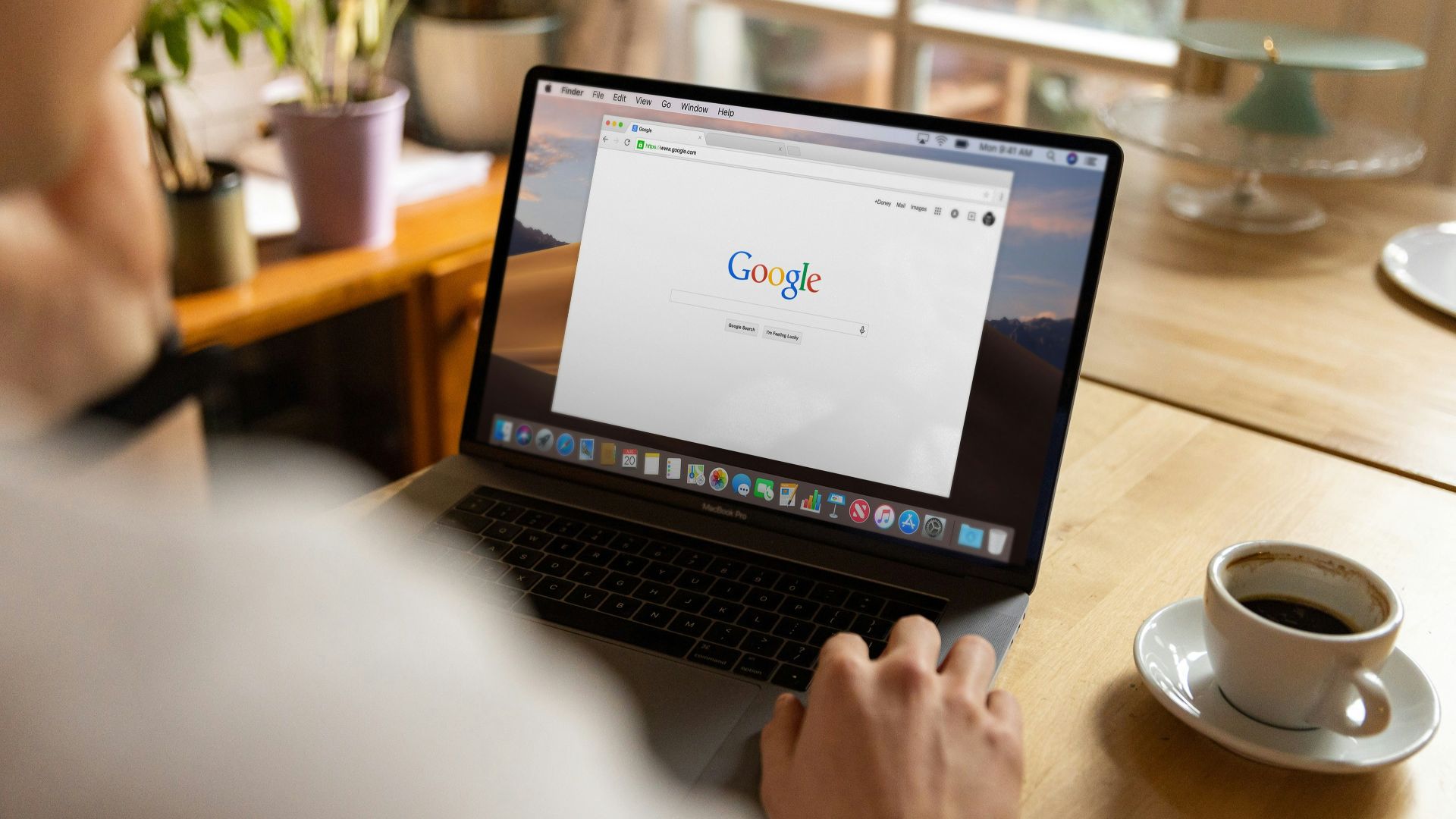
Older internet users often search like they’re politely asking a librarian for help. Instead of typing “best pizza Montreal,” they write, “What is the best pizza restaurant near me in Montreal”? There’s nothing wrong with being clear, but the full-sentence search has a very specific energy.
2. You Use Periods at the End of Texts
A period at the end of a text can make younger people wonder if you’re angry or disappointed. For older users, it simply means the sentence is finished. The generational misunderstanding is silly, but very real.

3. You Still Say “The Internet”
Saying “I found it on the internet” can make you sound like you remember when the internet was a separate place people visited. Younger users often just name the platform:
TikTok, Reddit, Instagram, Amazon, YouTube, or whatever app currently has society in a chokehold.
4. You Double-Space After Periods
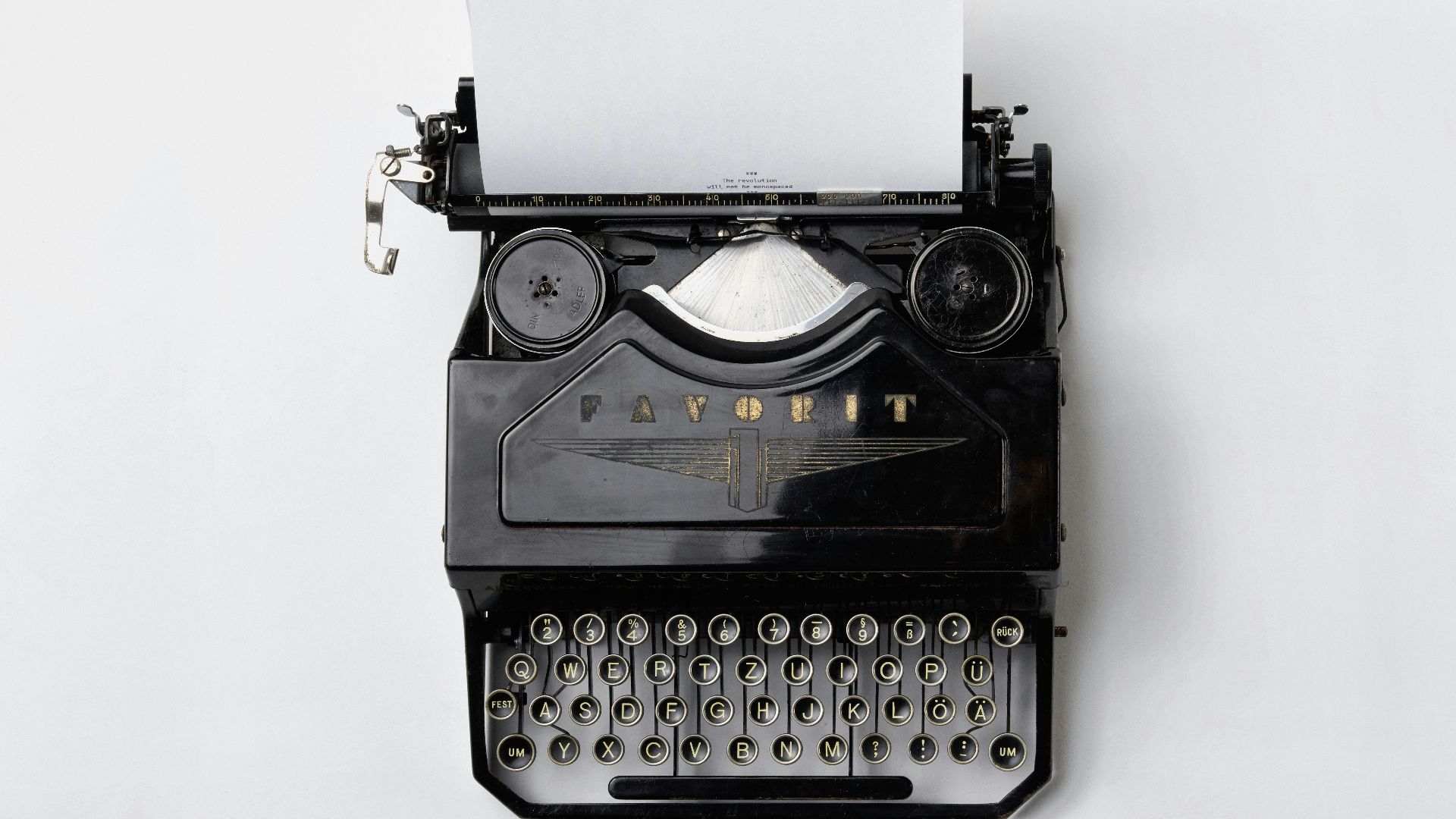
Double-spacing after periods is a classic sign that you learned typing rules from typewriters, early word processors, or teachers who were very serious about spacing. Modern style usually uses one space, but the double-space habit is hard to kill. It sneaks into emails, comments, and work documents like it still has official business.
5. You Print Things “Just in Case”
You may trust technology, but not enough to board a flight, attend an appointment, or submit paperwork without a backup printout. Younger people are more likely to wave a phone screen confidently and hope the battery cooperates. Printing important documents is honestly not a terrible habit, which makes this one both age-revealing and useful.

6. You Sign Your Texts
Some people still end texts with their name, especially when texting someone new or using a more formal tone. It’s polite, but it also suggests you remember when messages felt closer to letters than instant conversation. The phone already says who sent it, so younger recipients may find the signature charmingly unnecessary.

7. You Use Facebook Like It’s Still the Town Square
If Facebook is where you post vacation photos, comment on birthdays, follow local news, and quietly monitor relatives, that says something. Younger users may still have accounts, but many don’t really use Facebook anymore. For older generations, it remains a useful hub for groups, events, memories, and neighborhood drama.
8. You Leave Voicemails
Leaving a voicemail after a missed call is practical, considerate, and somehow ancient to many younger people. They often prefer a text explaining why they called, or just their phone telling them "one missed call from so-and-so," because listening to voicemail feels like opening a tiny audio chore. For someone who got used to using answering machines in the 1990s, when that was the only way of notifying someone that you called, it's a force of habit.

9. You Download Attachments Before Opening Them
Some people still download every attachment before viewing it, even when a preview would work fine. That habit comes from earlier internet years when files felt more physical, email systems were clunkier, and documents needed to be carefully saved. It’s not wrong, but it can make your downloads folder look like a paper avalanche.
 Download Files 4 You on Wikimedia
10. You Remember Usernames Instead of Handles
There was a time when your online identity was a username, not a handle, and it often involved numbers, underscores, or a reference to your favorite band. If you still call them usernames, you may be revealing your early internet training. Younger people usually talk about handles, profiles, or accounts depending on the platform.
11. You Capitalize & Punctuate Every Message
Writing texts like polished emails can make you seem older, even if the message is casual.
Younger users often use fragments, lowercase, emojis, reactions, and timing to create tone. Full punctuation and perfect capitalization can feel formal in a chat bubble.

12. You Still Use Email for Everything
Email remains important, but using it as your first choice for every communication can signal a certain age. Younger people may prefer messaging apps, DMs, shared docs, or project platforms depending on the situation. Email, when used when a DM would do, can feel too official and formal to a younger person.

13. You Read the Whole Article Before Commenting
This habit is rare enough now that it almost deserves a certificate. If you actually click, read, consider, and then respond, you may have learned the internet before reaction speed became a competitive sport. Younger users are not the only ones guilty of skimming, of course, but old-school internet people often remember longer forums and comment threads.

14. You Still Think of “Going Online” as an Action
If you say you’re “going online,” you may remember when the internet was not constantly attached to every waking moment. There was a time when connecting required intention, patience, and sometimes a sound that could frighten the family pet. Now people are basically online by default unless they’ve lost service or achieved spiritual enlightenment.

15. You Save Photos to Folders
You may have a folder called “Vacation 2014” and another called “Christmas Pics,” because at some point, you learned digital organization was survival. Younger users often rely on cloud libraries, search, albums, and apps to sort images automatically.

16. You Use Emojis Very Literally
Older users often choose emojis for their exact meaning: a smile means happy, a thumbs-up means okay, and an eggplant is simply not invited to the conversation. Younger people may use emojis ironically, sarcastically, or with meanings that shift. The same emoji can mean entirely different things depending on which internet era you grew up in.
17. You Prefer Phone Calls for Anything Important
Some people still believe important matters deserve a phone call, not a text chain with delayed replies and unclear tone. Younger users may see an unexpected call as an emergency, a threat, or proof that someone has ignored all available texting options. The divide is less about politeness and more about communication comfort.

18. You Know What “BRB” Actually Feels Like
Typing “BRB” once meant you were physically leaving the computer. You might have gone to dinner, answered the door, or been kicked offline because someone needed the phone. Today, people are rarely truly away from the internet, so “be right back” has lost some drama.

19. You Trust Google More Than TikTok
When you need information, you may still open Google before searching a social platform. Younger users often turn to TikTok, Reddit, or YouTube first for recommendations, explanations, and reviews. Google feels official and broad, while social search feels more personal and immediate.
20. You Still Bookmark Websites
Bookmarking websites is a very practical habit, but it definitely hints at an older internet era.
Younger users often rely on search history, saved posts, screenshots, or app algorithms to find things again later. If you still have carefully organized bookmark folders for recipes, travel plans, shopping, and articles, you’re probably someone who remembers when the internet felt more like a library.