Yesterday’s Normal Is Today’s Museum Exhibit
Millennials grew up during one of the strangest technology transitions in history. They remember landlines, dial-up, burned CDs, flip phones, and computer labs, but they also adapted to smartphones, streaming, cloud storage, and apps for every possible task. That means a lot of ordinary childhood tech now sounds like ancient folklore to younger people. Nothing makes you feel old quite like explaining that you once had to wait for the internet to stop screaming before you could use it. Here are 20 pieces of tech that make millennials feel old.
1. Dial-Up Internet
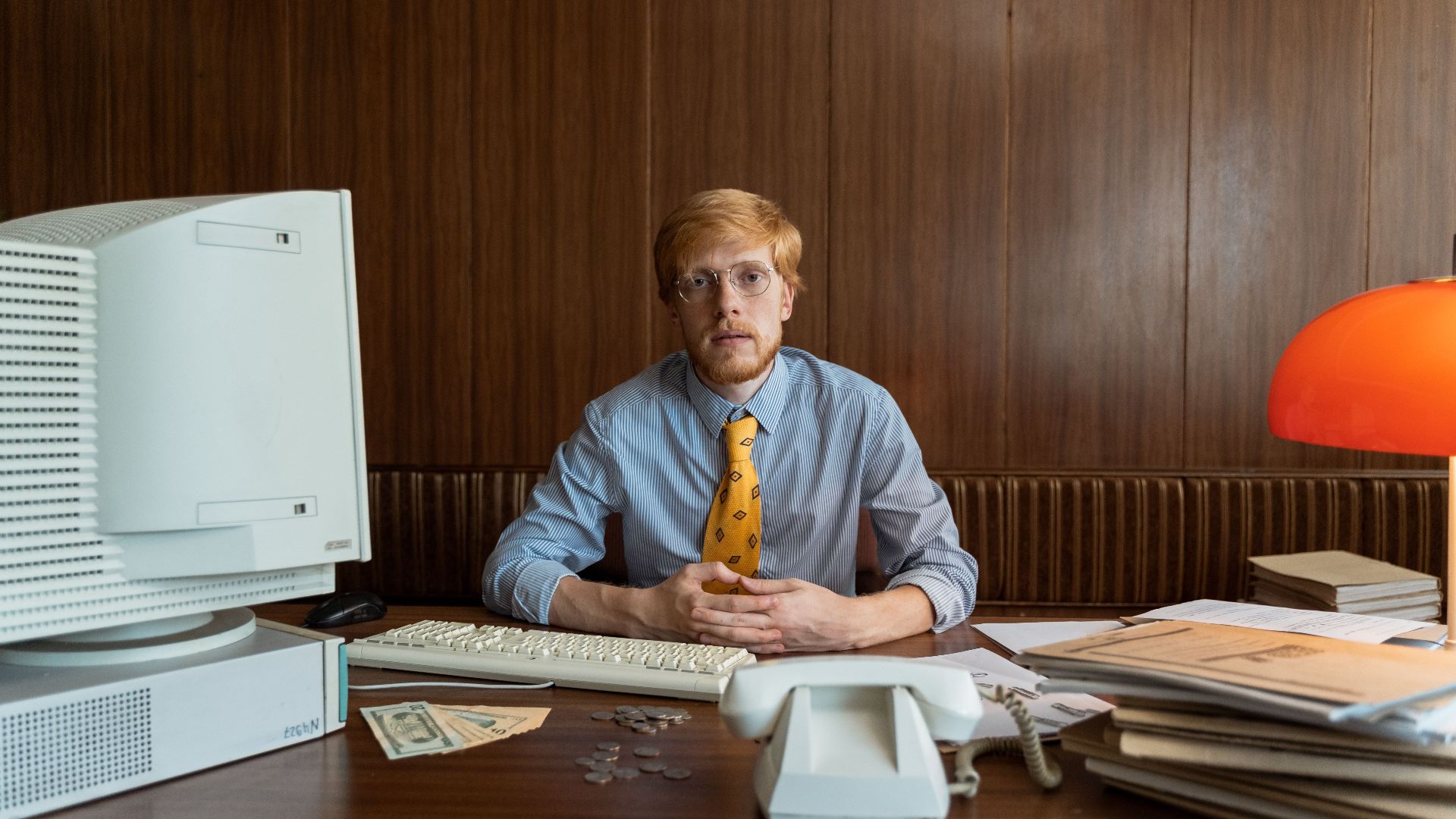
Dial-up internet made getting online feel like a household event. You had to connect through the phone line, listen to the strange screeching noises, and hope nobody picked up another handset halfway through. It was slow, dramatic, and somehow still exciting because the internet felt new.
2. Landline Phones
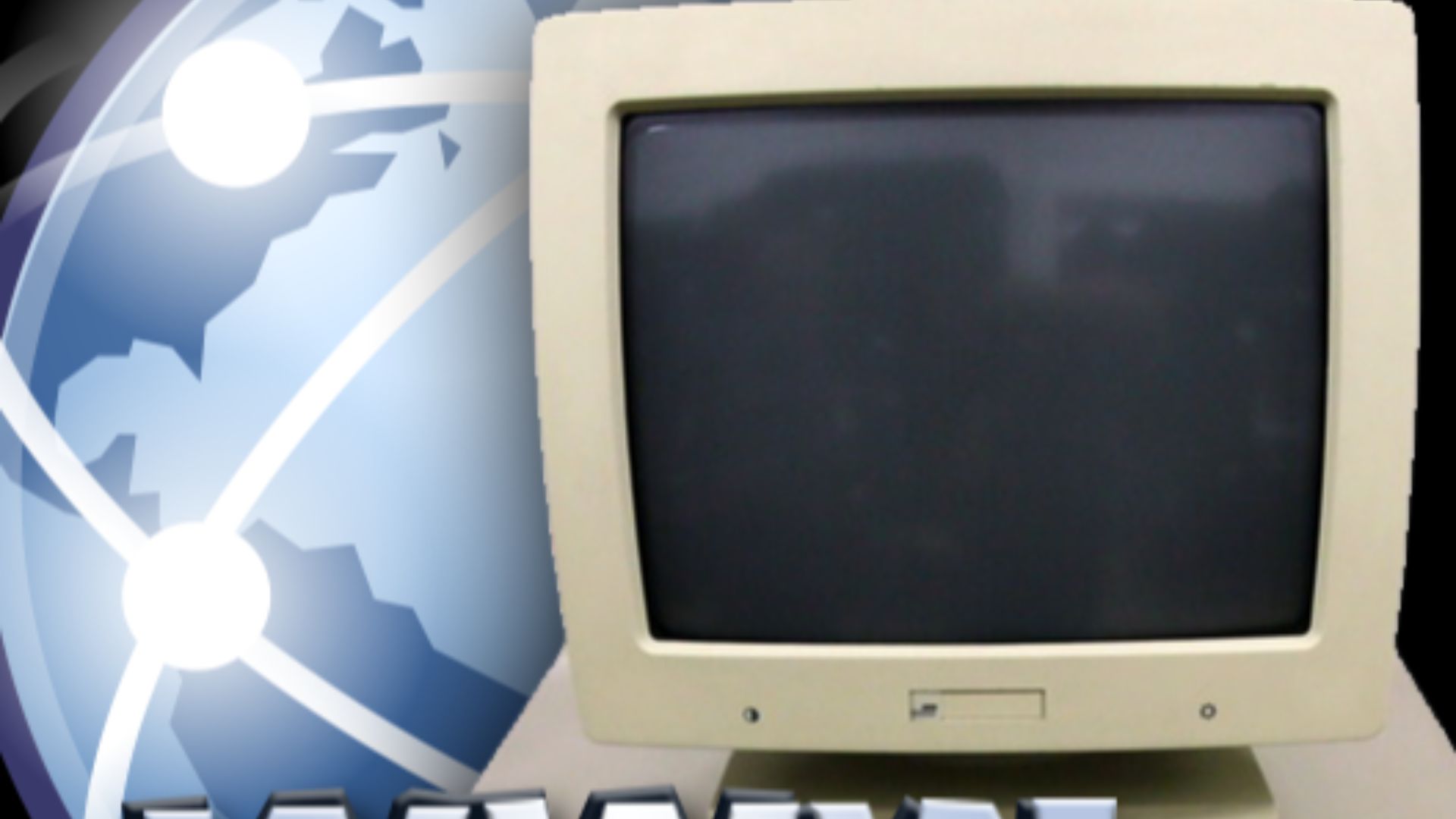
A landline phone meant one number belonged to the whole house, and everyone had to share it. You didn't text before calling, you simply called and hoped the right person answered instead of their parent. Long conversations often happened while tangled in a curly cord or pacing as far as the cable allowed.
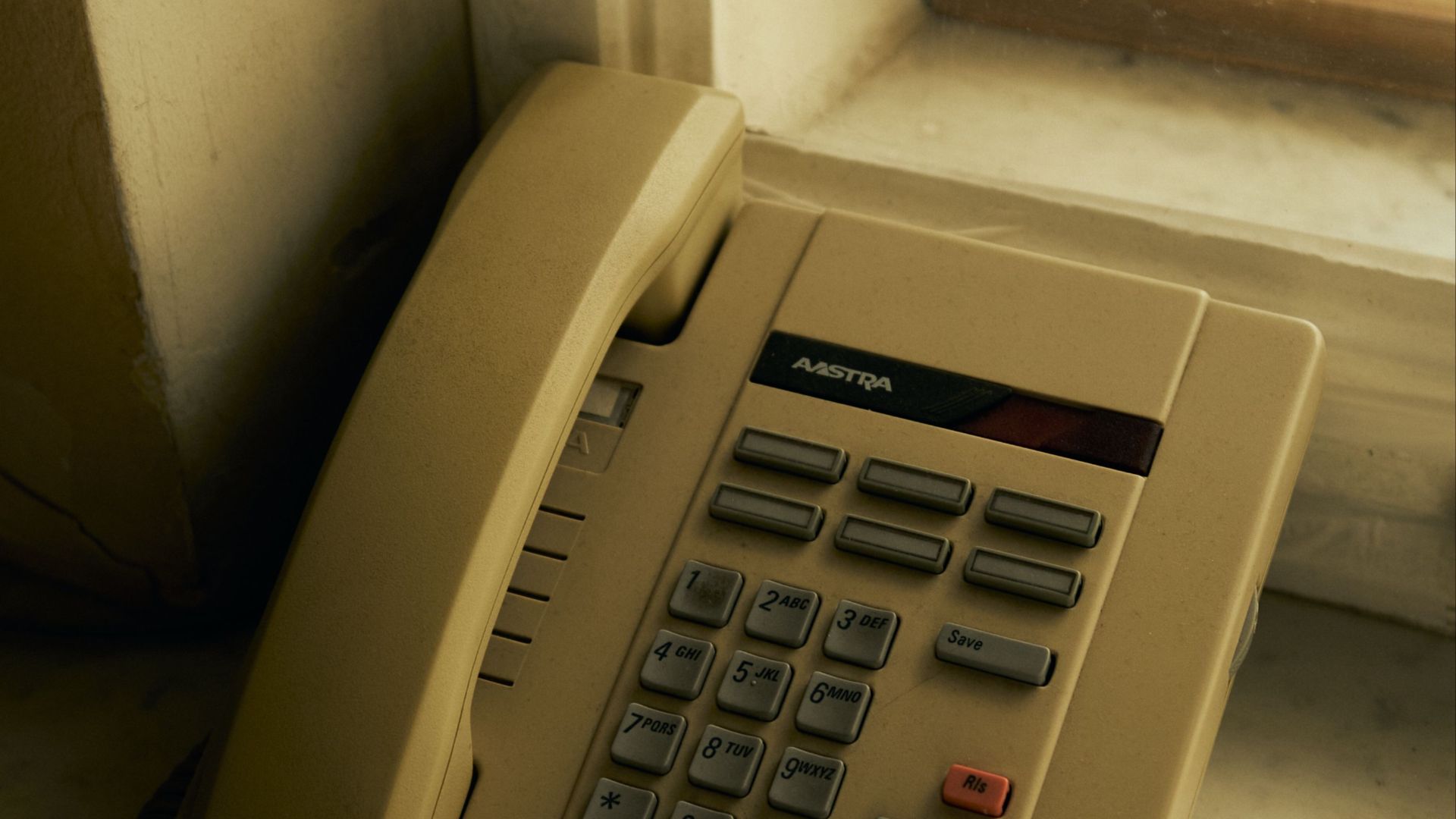 Алексей Веретенников on Pexels
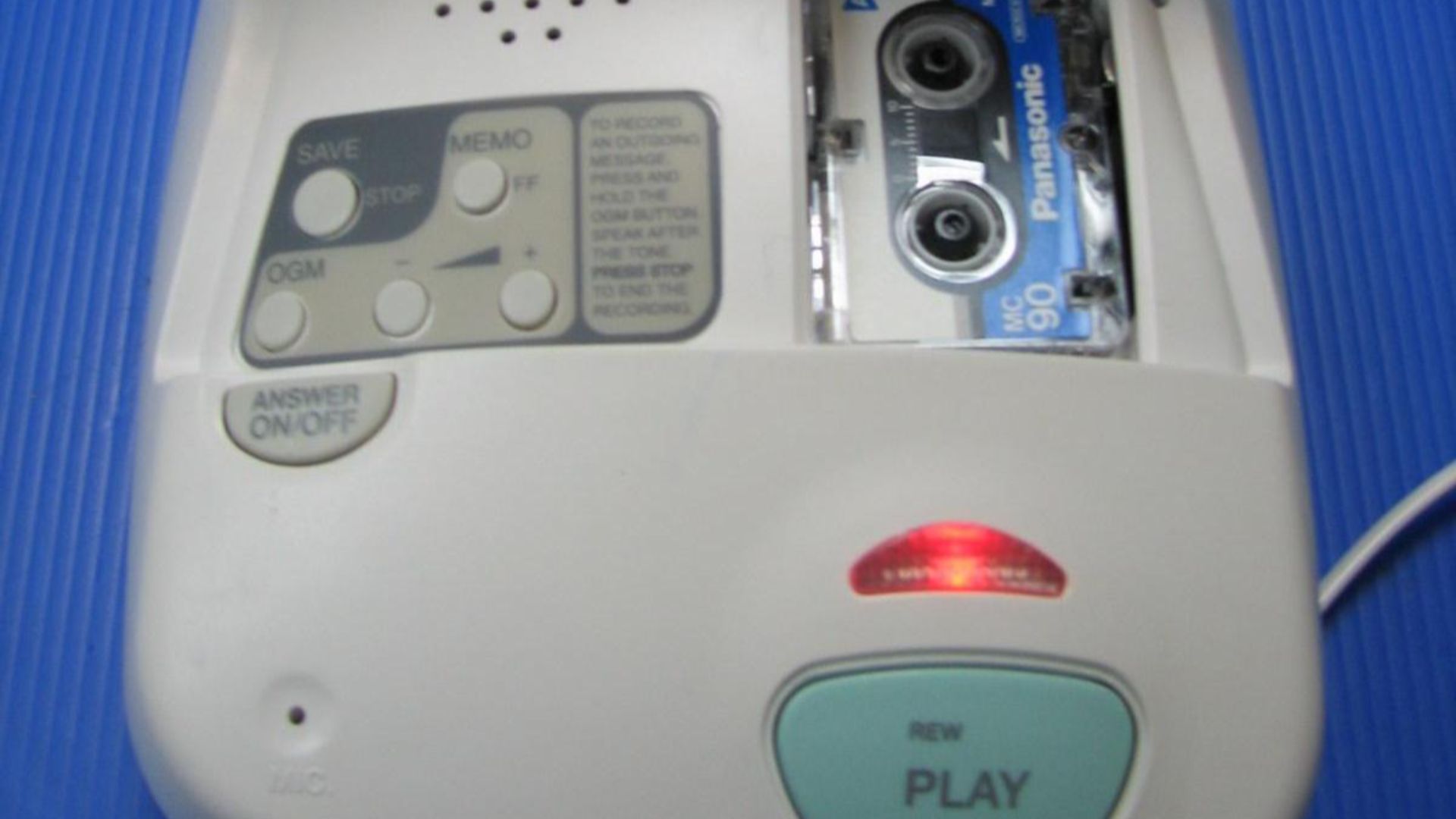
3. Answering Machines
Before voicemail lived quietly inside your phone, answering machines sat in the house and played messages out loud. Families could hear who called, what they wanted, and sometimes exactly how awkward they felt leaving the message. You might come home and press a blinking button to find out whether your social life had advanced.
4. VHS Tapes
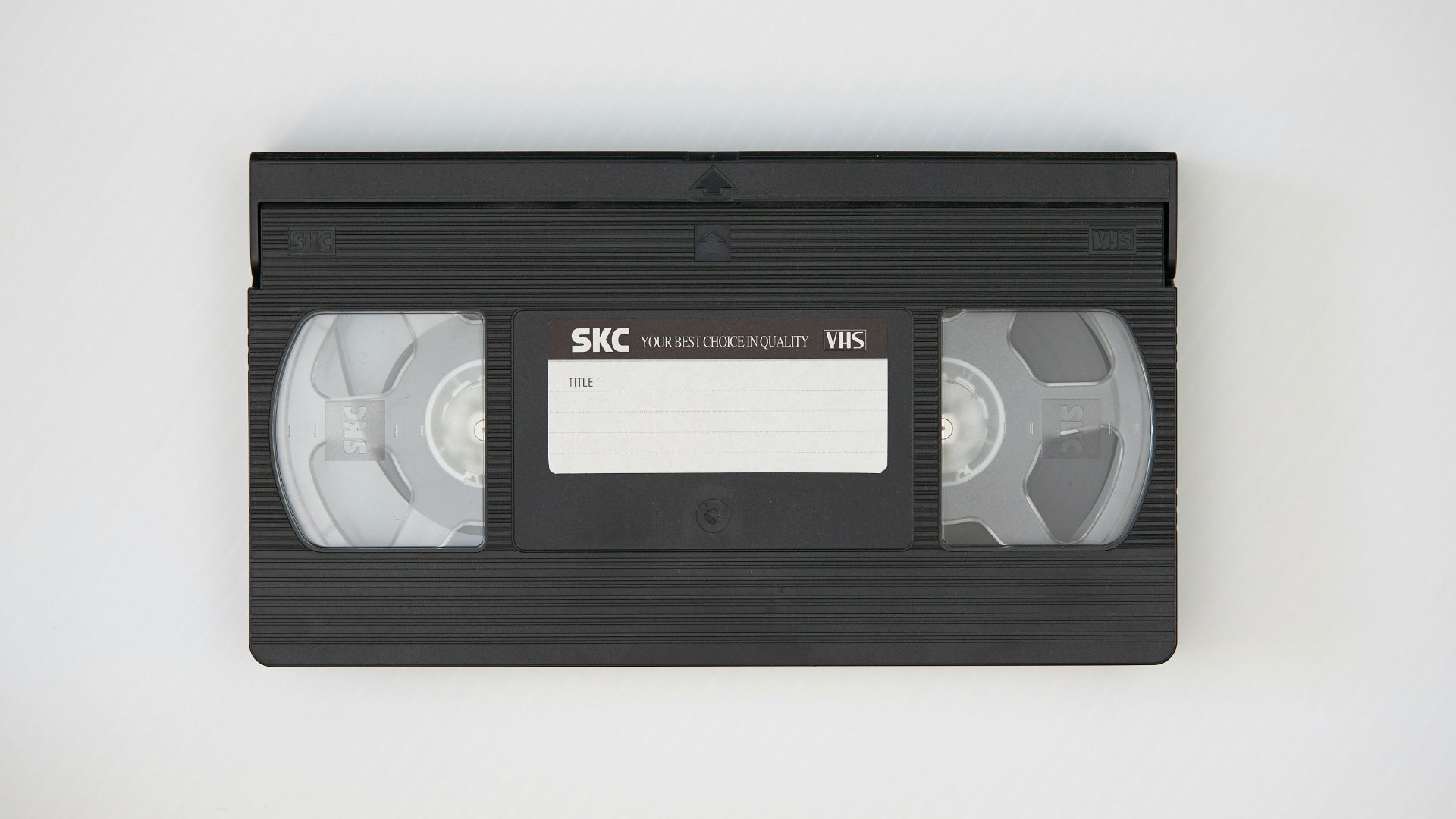
VHS tapes made watching a movie feel more physical. You had to rewind them, store them carefully, and sometimes adjust tracking when the picture looked strange. Renting one also came with the moral pressure to be kind and rewind.
5. DVD Players
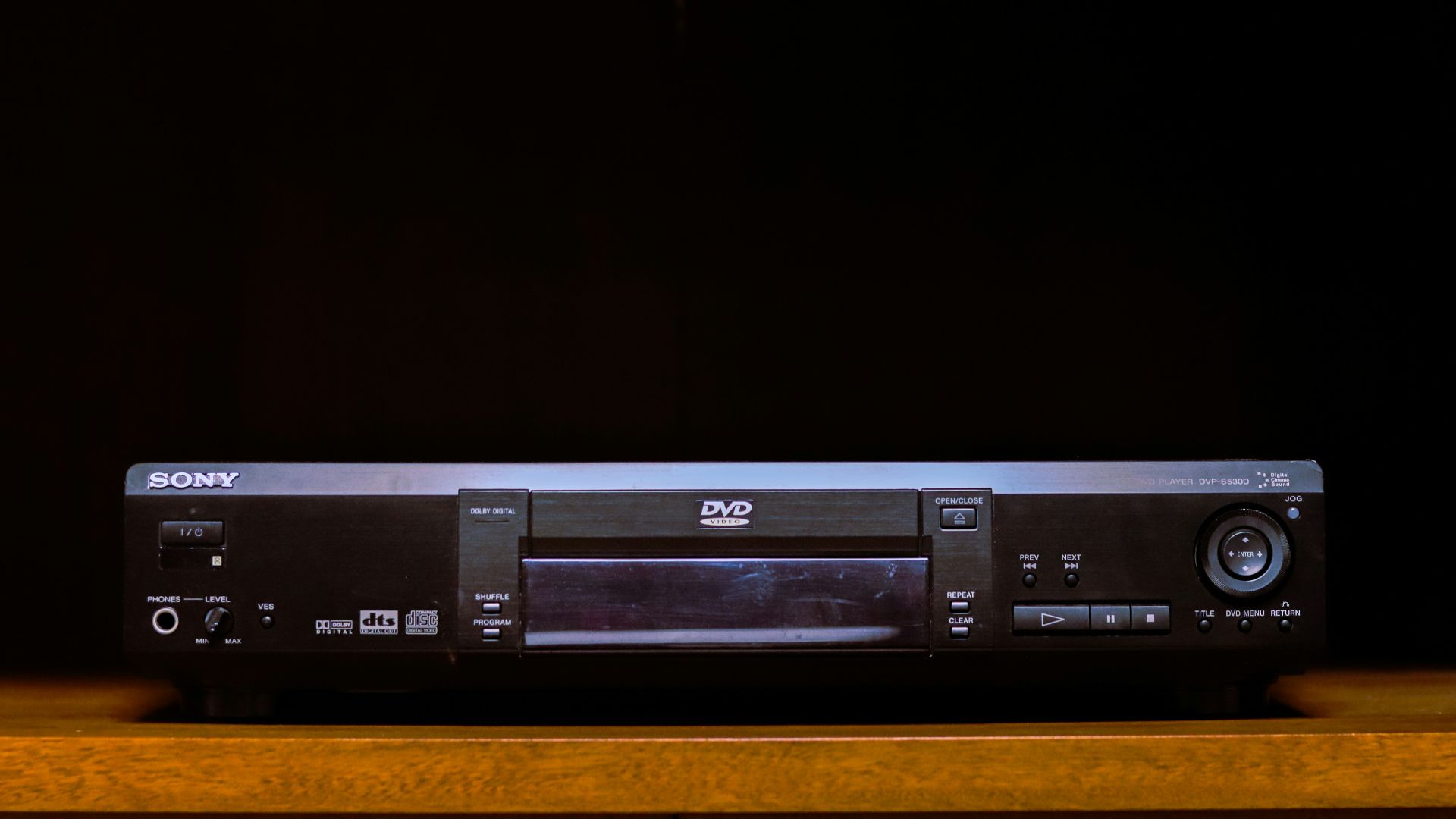
DVD players once felt like the height of home entertainment. The picture was clearer than VHS, scene selection felt fancy, and bonus features could keep you entertained for an entire afternoon. Now many laptops don't even have disc drives, which is a quiet insult to every carefully organized DVD shelf.
6. Portable CD Players
Portable CD players were wonderful until you tried to walk too energetically. One hard step could make the song skip, even if the device claimed to have anti-skip protection. You also had to carry CDs in a little zippered case like a tiny music briefcase.
7. Burned CDs
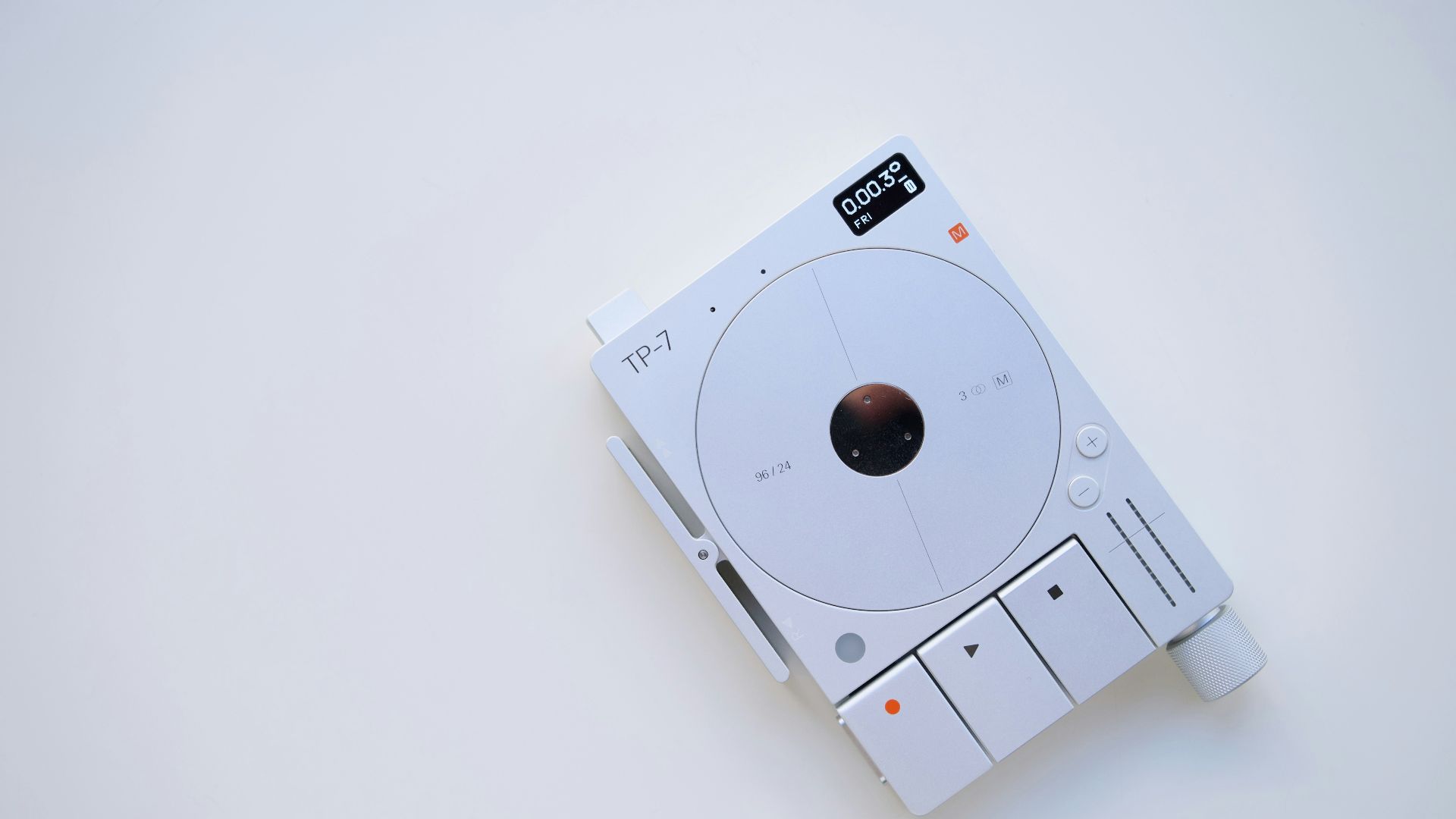
Burned CDs were a form of technology, creativity, and mild personality test. You could make custom mixes, write on the disc with a marker, and hope the track order captured the exact emotional message you intended. Sometimes the burn failed, and sometimes the song titles showed up as mysterious nonsense. Still, handing someone a mix CD felt much more personal than sending a link.
8. iPods
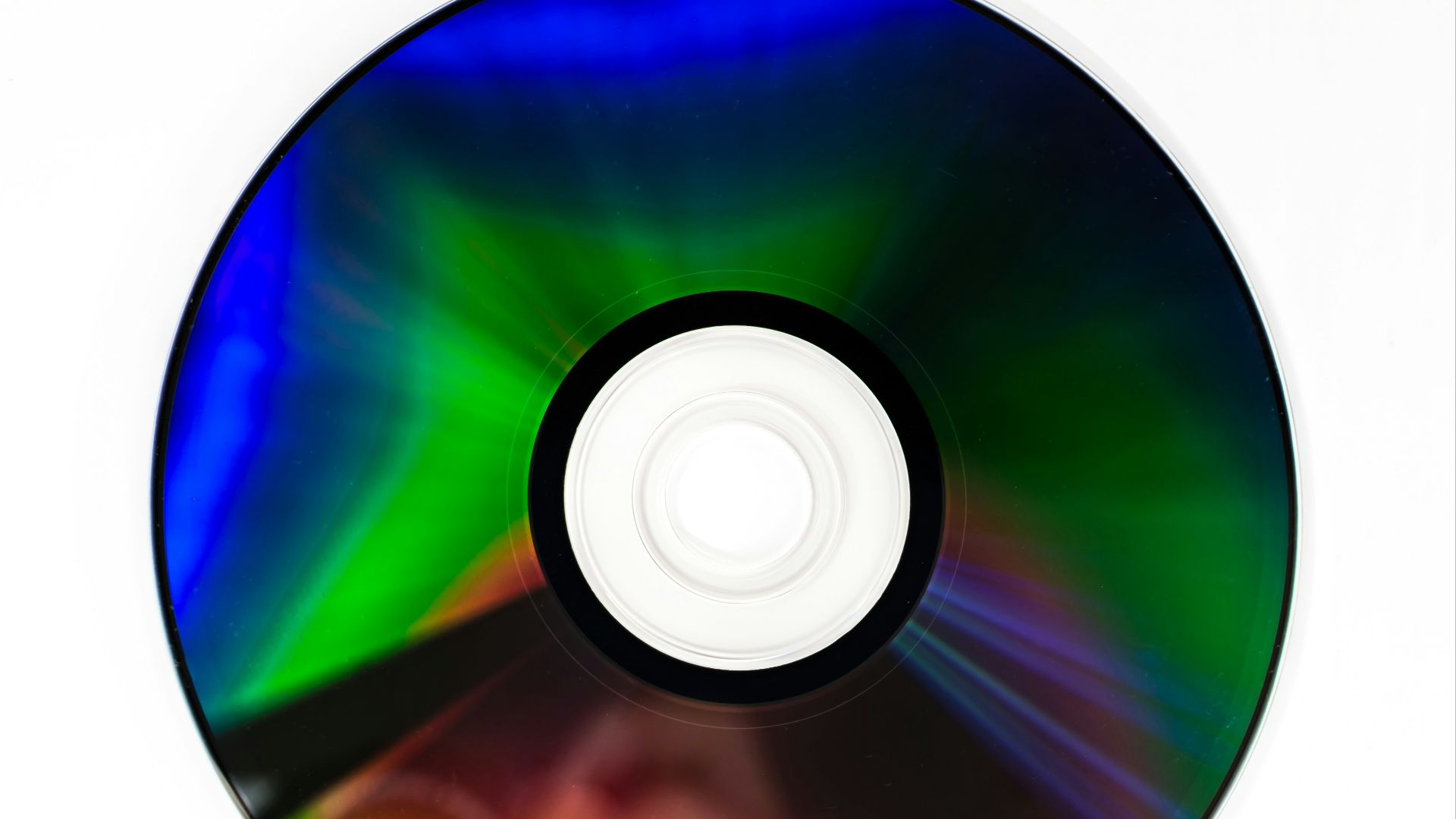
The iPod felt impossibly futuristic when it arrived. Suddenly, you could carry hundreds or thousands of songs without hauling around a stack of discs. The click wheel was oddly satisfying, and those classic white earbuds became part of the early-2000s uniform.
9. Flip Phones
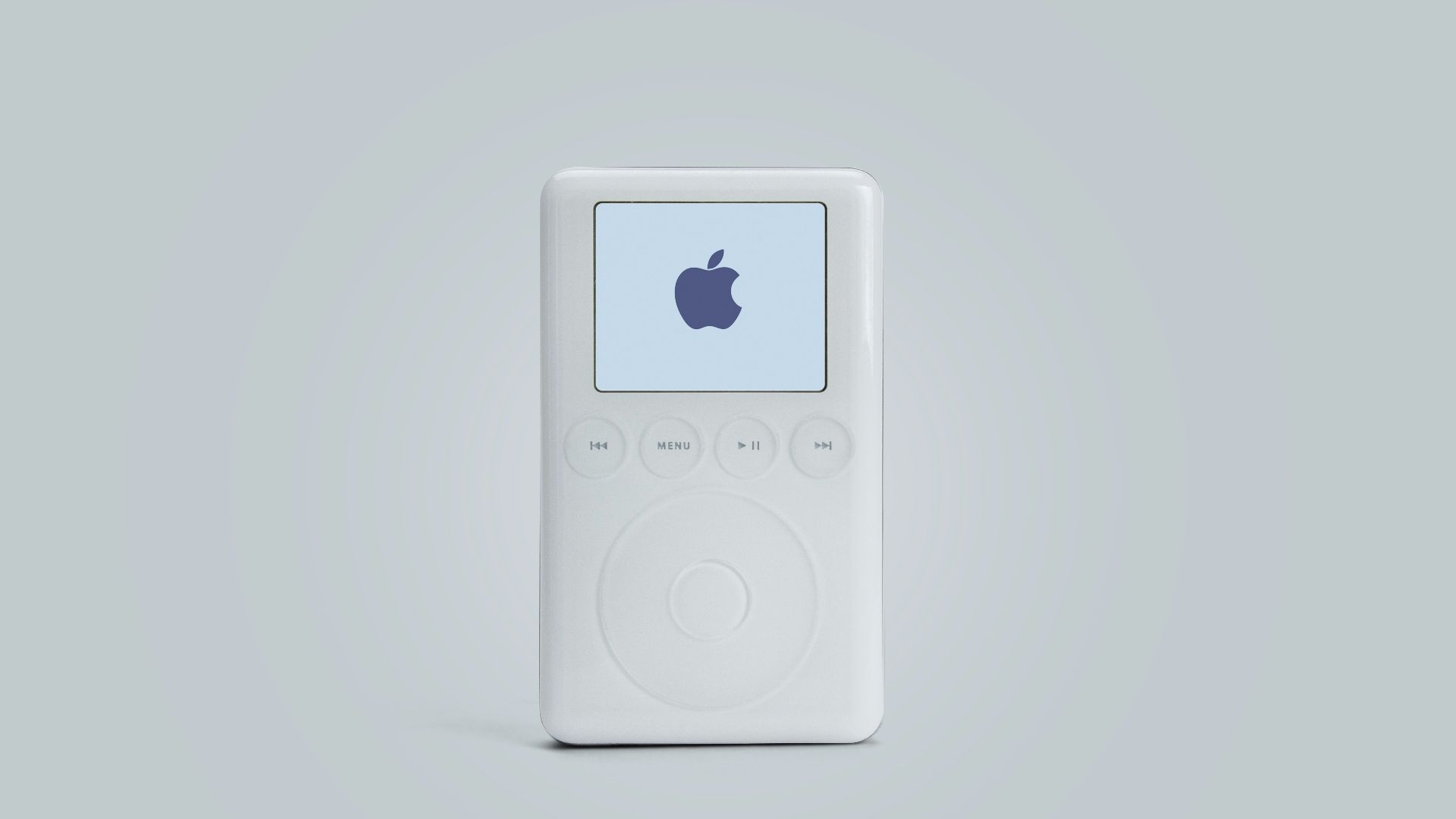
Flip phones made ending a call feel wonderfully dramatic. You could snap the phone shut after a conversation and feel like the moment had a proper ending. Texting required pressing number keys repeatedly, which made every message a commitment.
10. T9 Texting
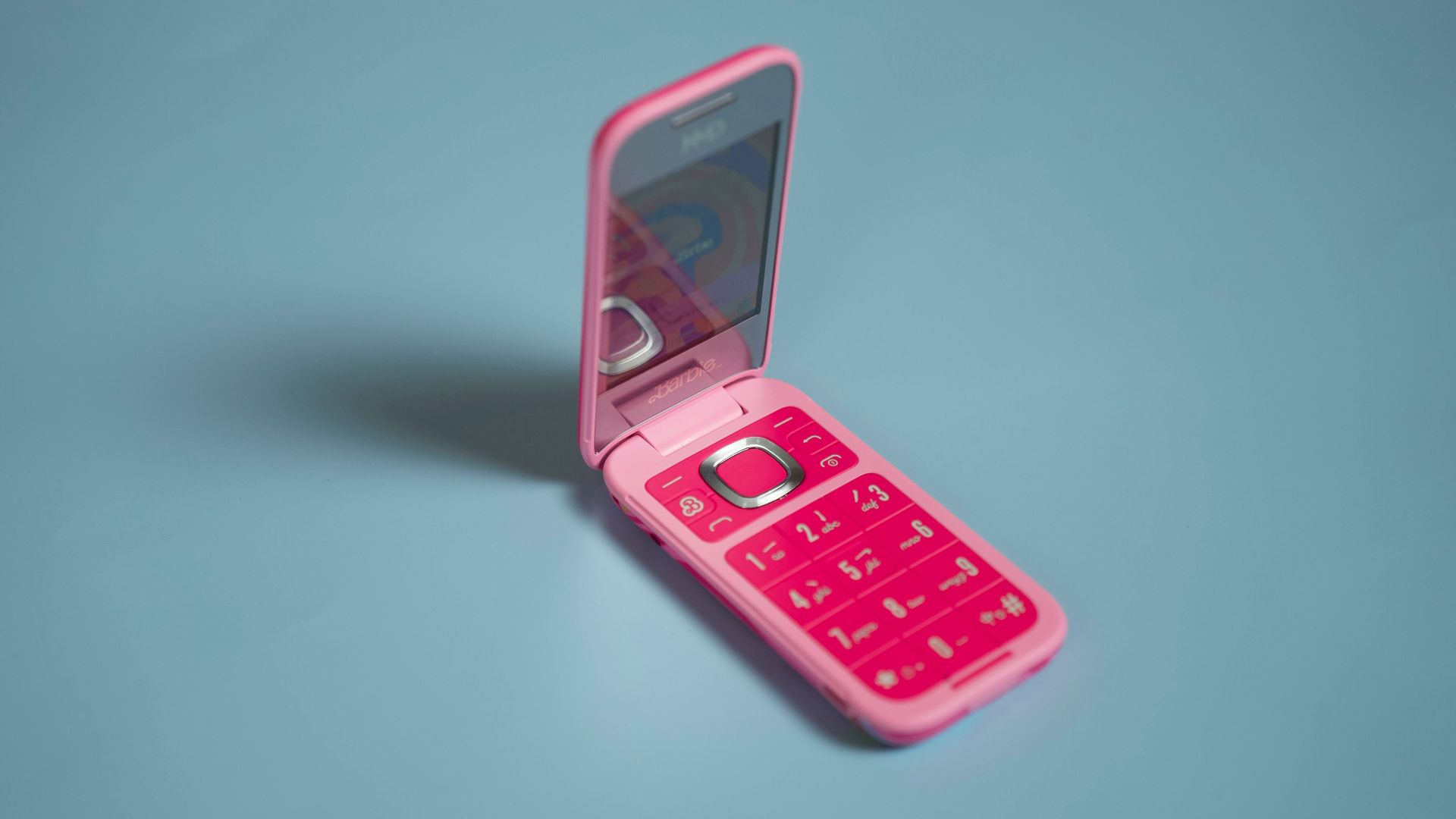
T9 texting was a skill, not just a feature. You had to trust predictive text, press keys in the right rhythm, and hope the phone understood what you were trying to say. A short message could take real concentration, especially if you were trying to be funny.
11. Digital Cameras
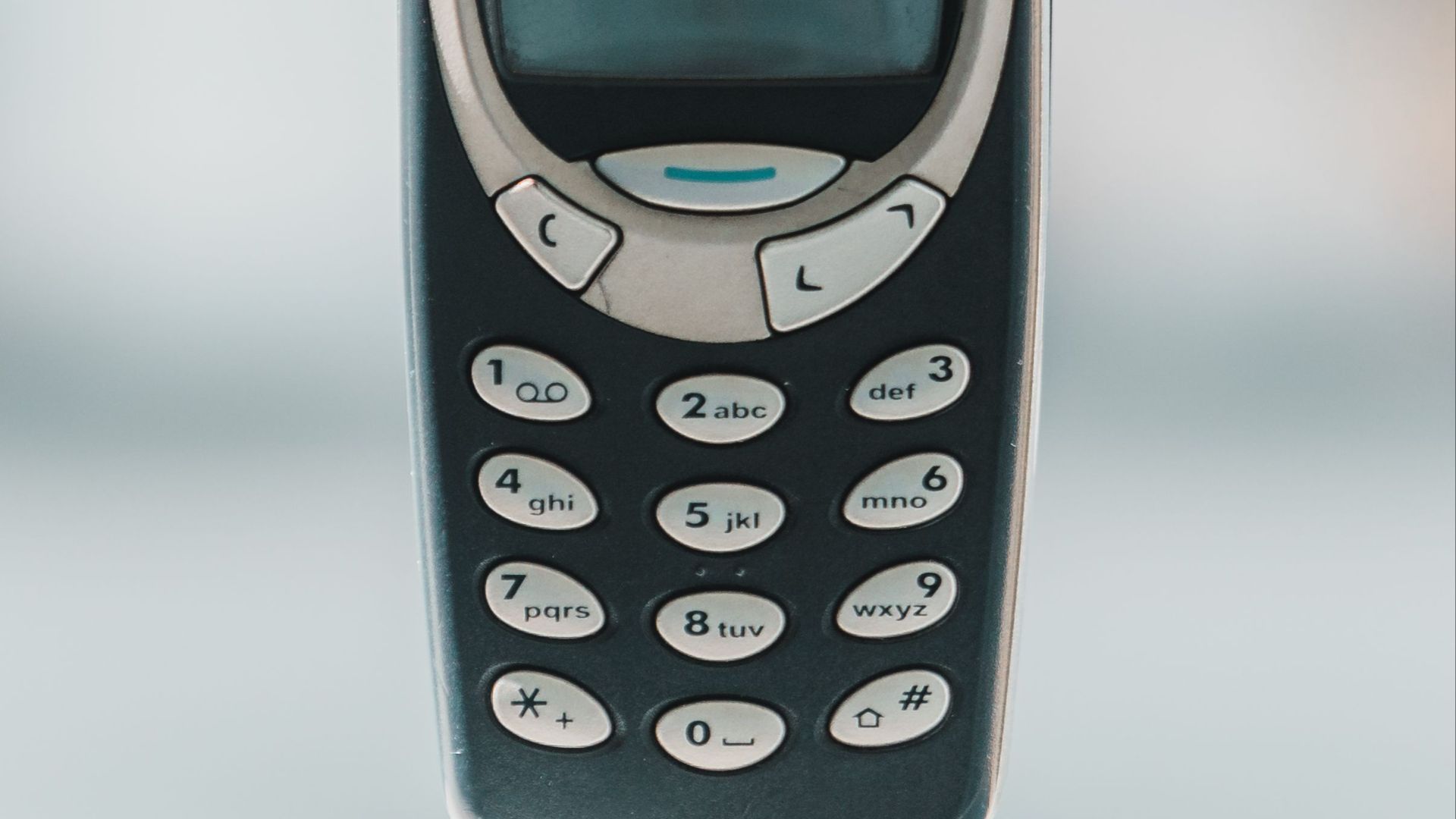
Digital cameras were once essential for vacations, birthdays, and nights out. You took photos, checked the tiny screen, and later uploaded everything to a computer with a cable that was always missing. The camera roll was separate from your phone because your phone was probably not good at pictures yet.
12. Disposable Cameras
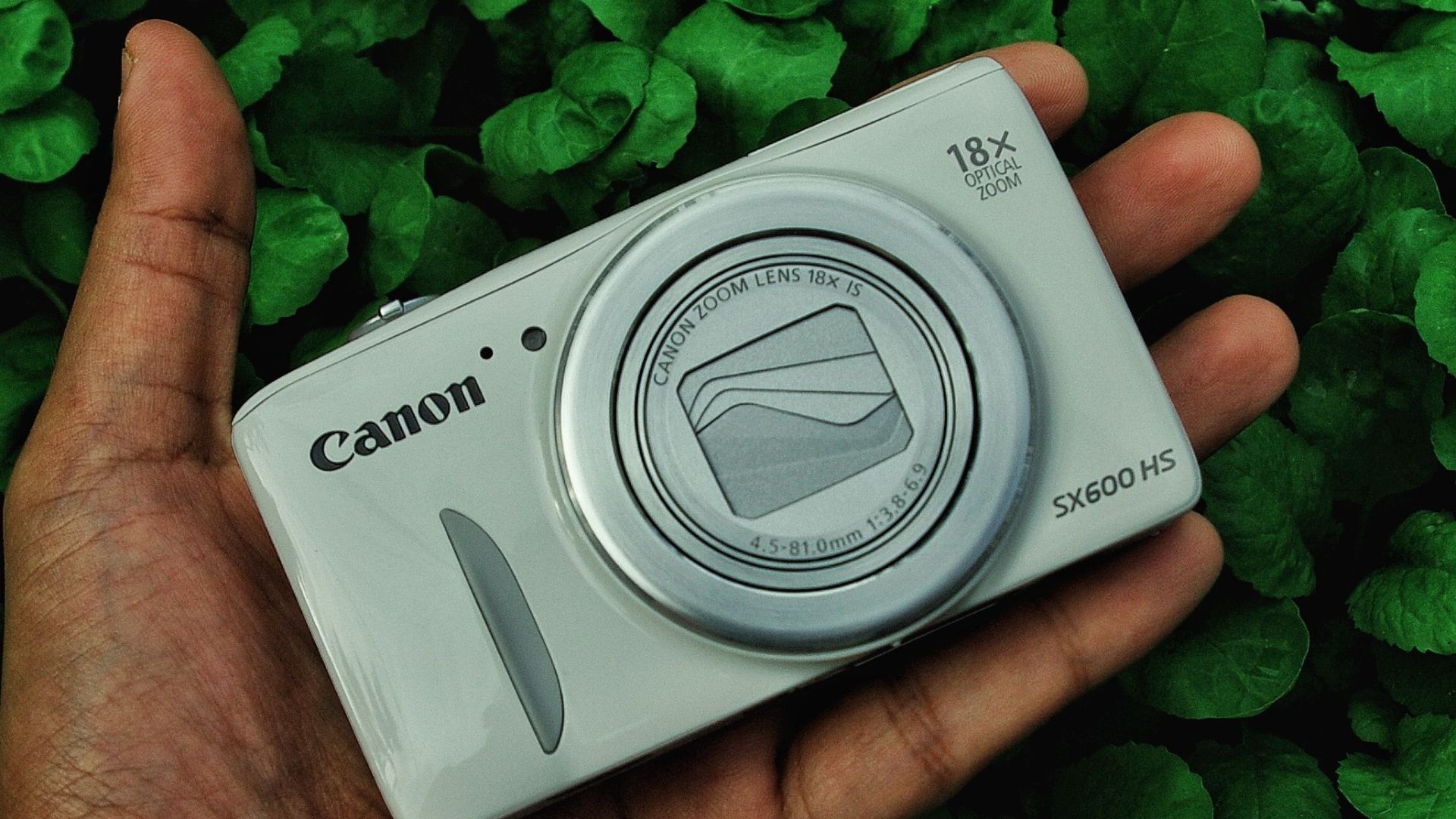
Disposable cameras gave photos a sense of mystery because you couldn't see the results immediately. You took every shot carefully, then waited for the film to be developed and hoped nobody blinked through half the roll. The blurry, badly lit pictures were part of the charm.
13. MapQuest Printouts
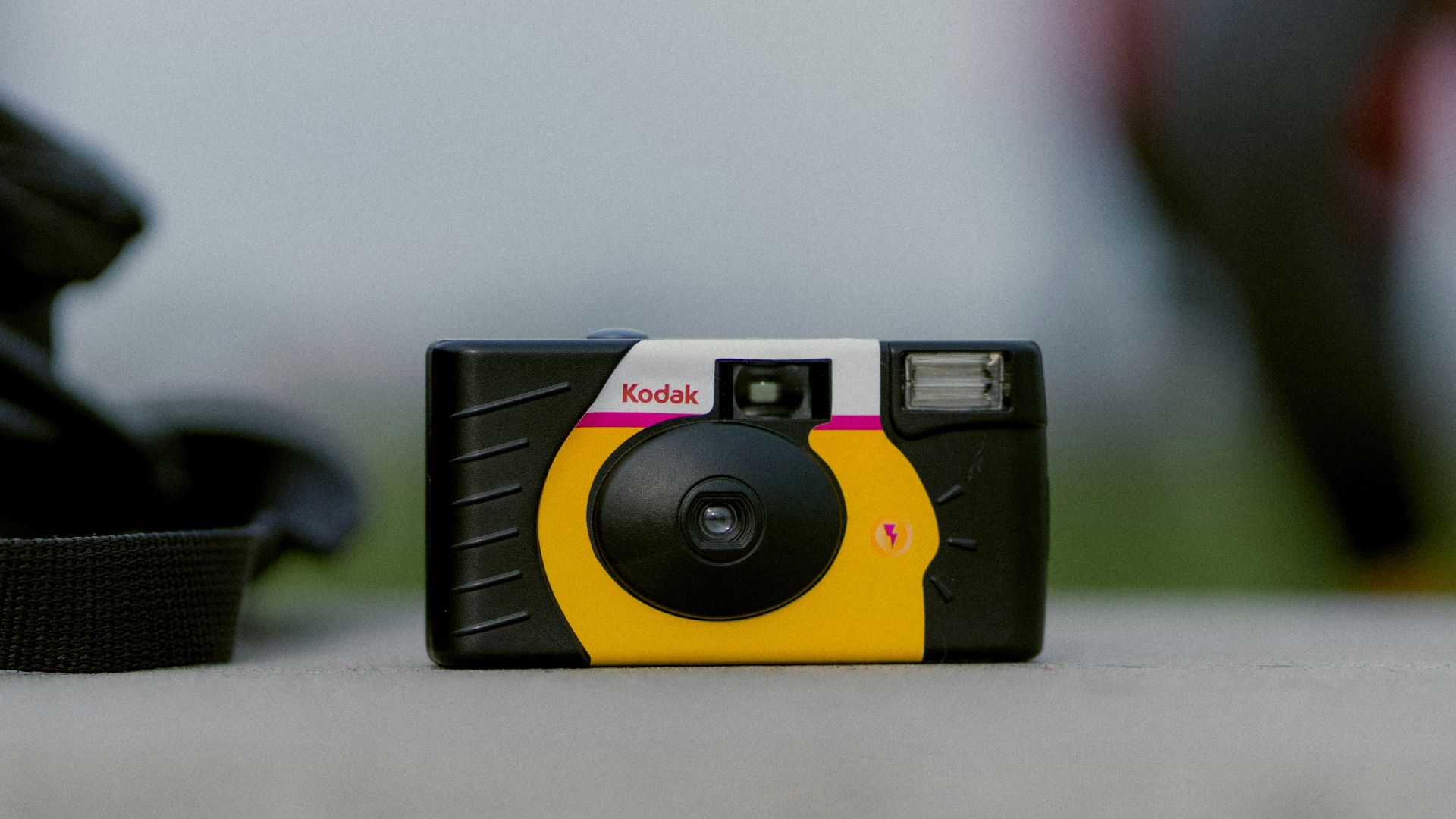
Before phone navigation became normal, people printed directions from MapQuest and trusted the paper with their lives. If you missed a turn, you had to improvise, panic politely, or pull over and study the route like a detective. There was no soothing voice calmly recalculating your mistake.
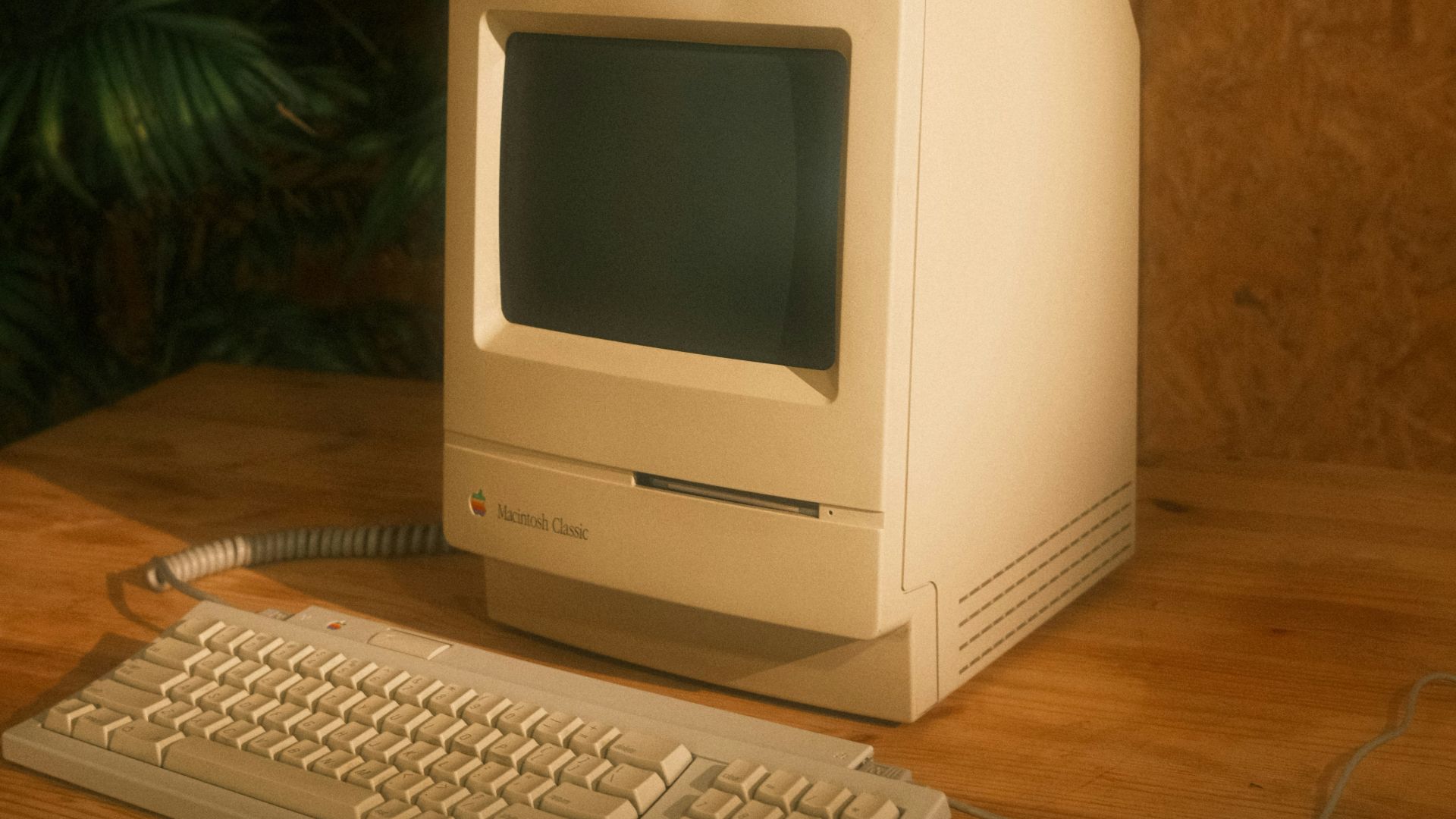
14. Desktop Computer Towers
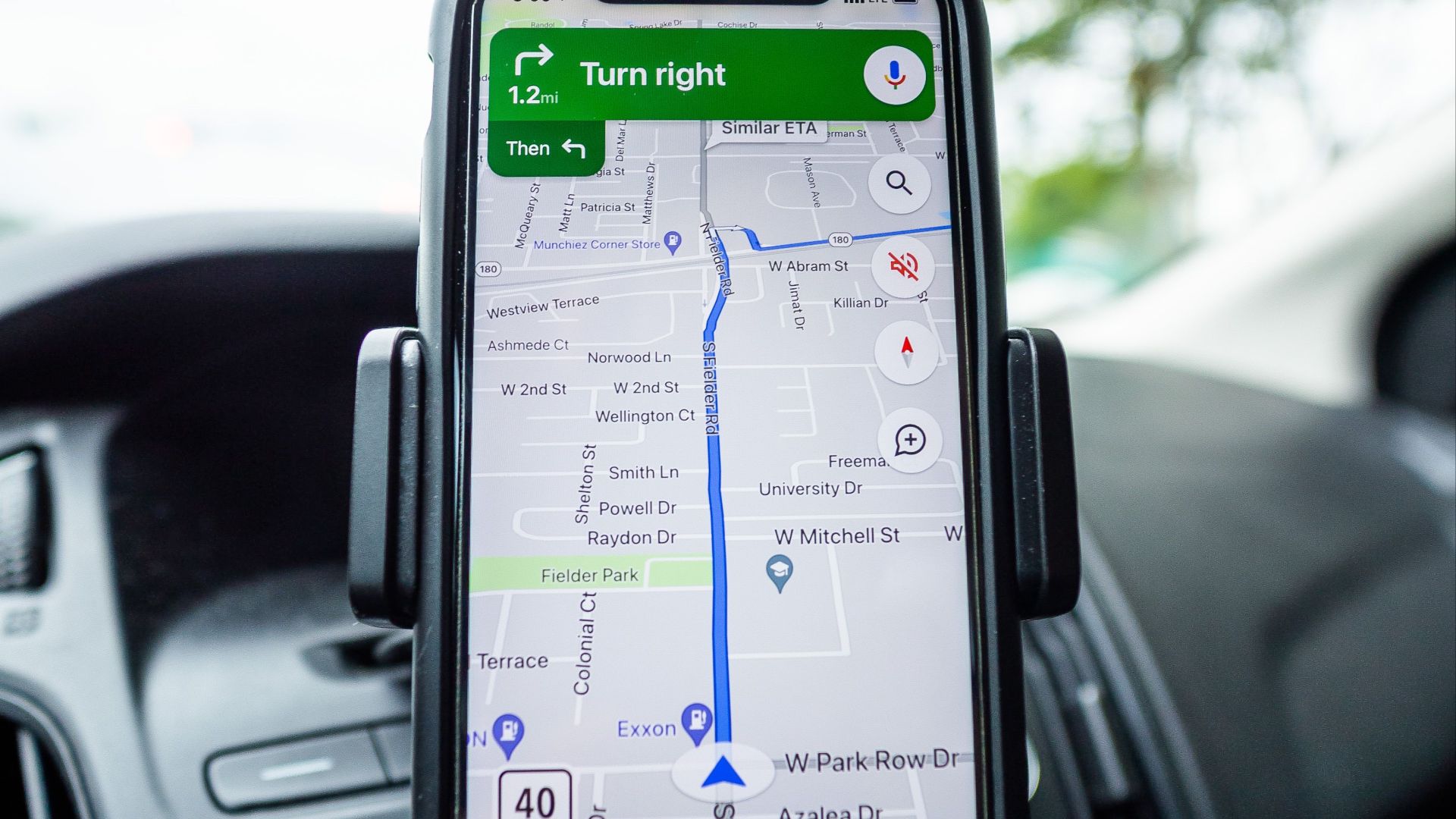
Desktop computers are still a thing, but they look entirely different from the bulky, loud towers we used to have. Families often kept them in a shared room, which meant everyone knew who was using the internet and for how long. Compared with today’s slim laptops, those machines felt like furniture with opinions.
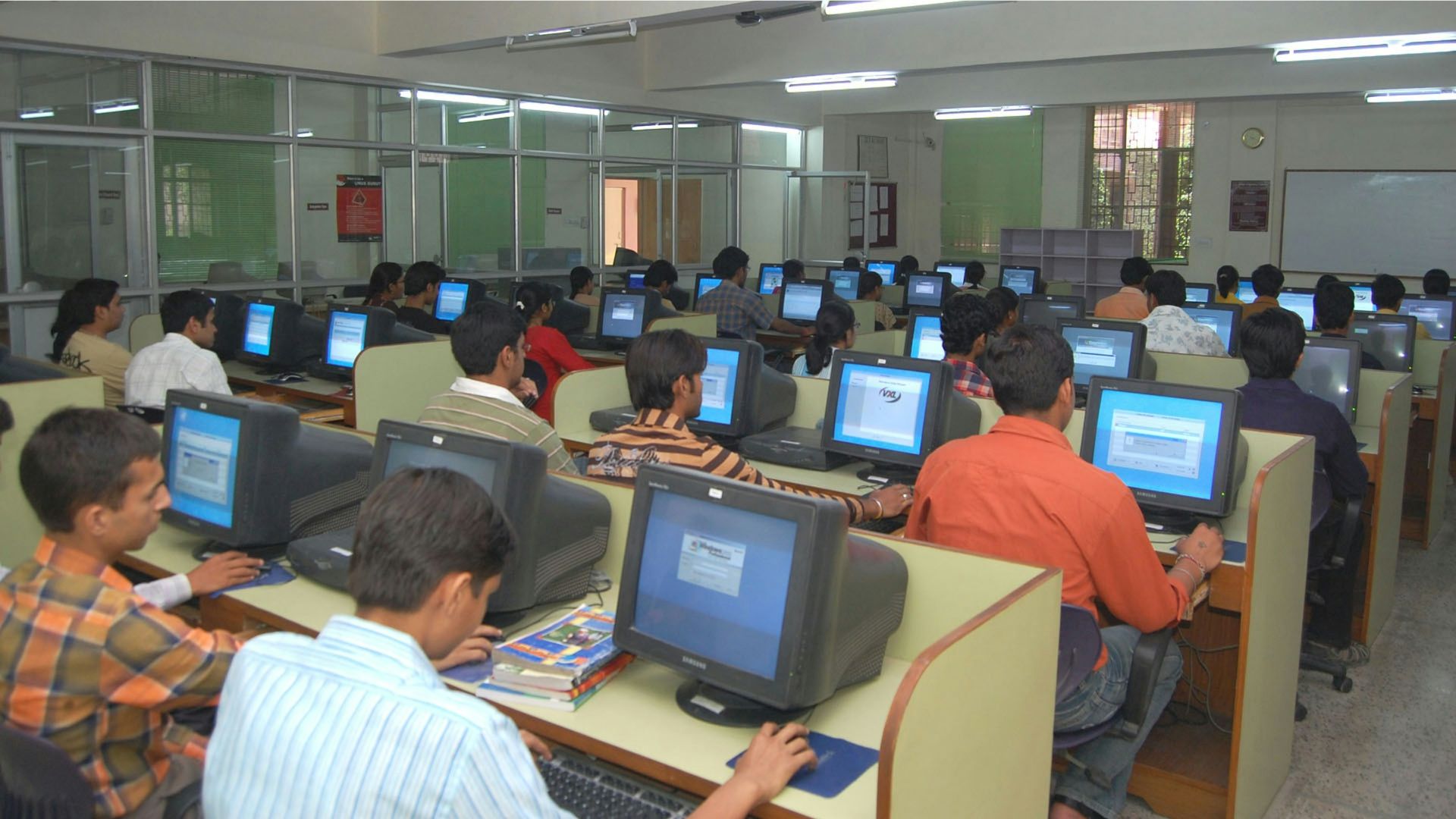
15. Computer Lab PCs
School computer labs were a major part of millennial technology life. You lined up, logged in slowly, and learned typing, research, or how to make a very dramatic PowerPoint transition. The computers were often beige, the mice had rolling balls, and someone was always forgetting their password.
 sunrise University on Unsplash
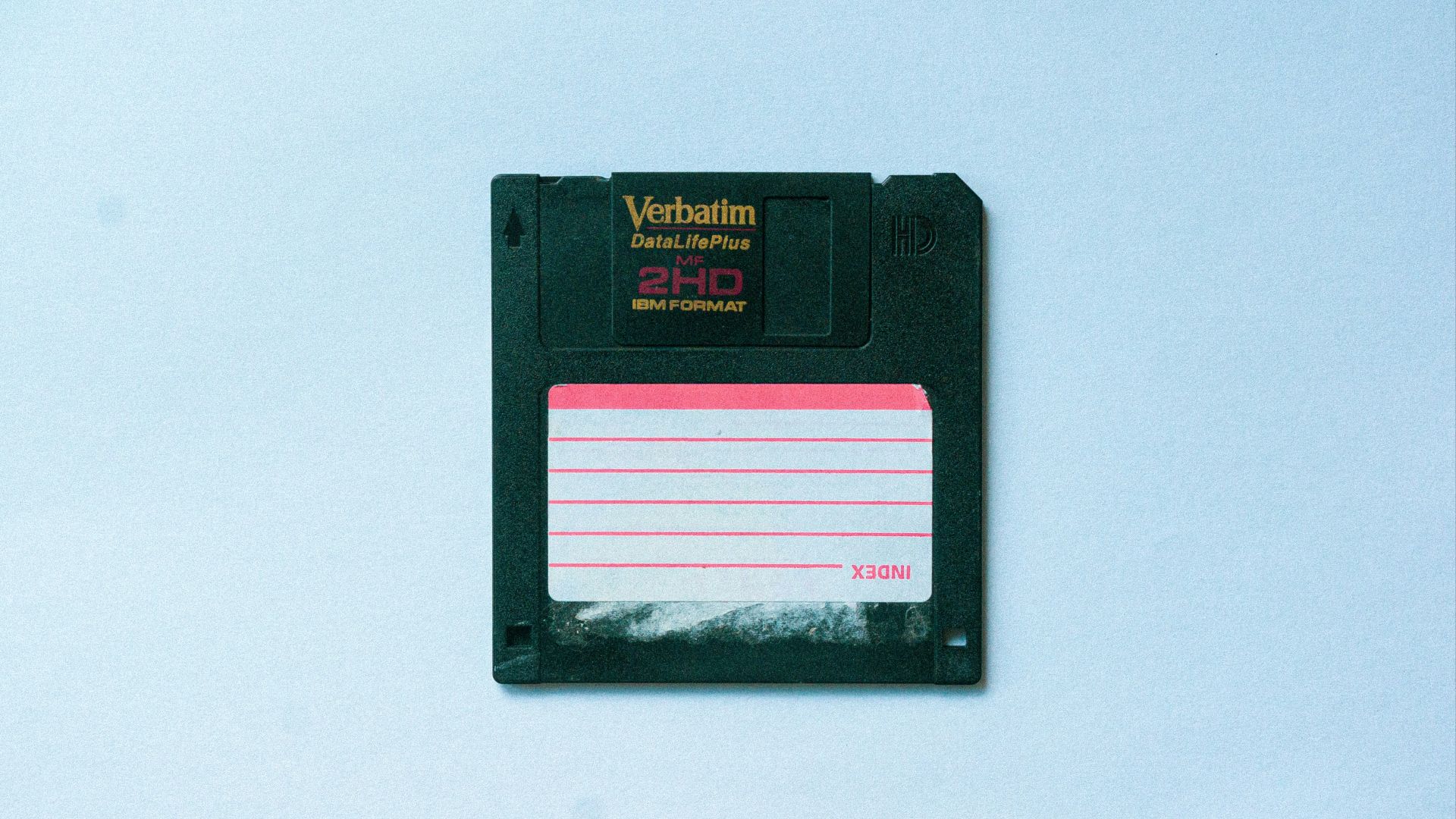
16. Floppy Disks
Floppy disks were small, square, and held an amount of data that now seems almost funny. They could get damaged easily, and losing one could ruin your entire afternoon. The save icon still looks like a floppy disk, which is how this old tech keeps haunting everyone.
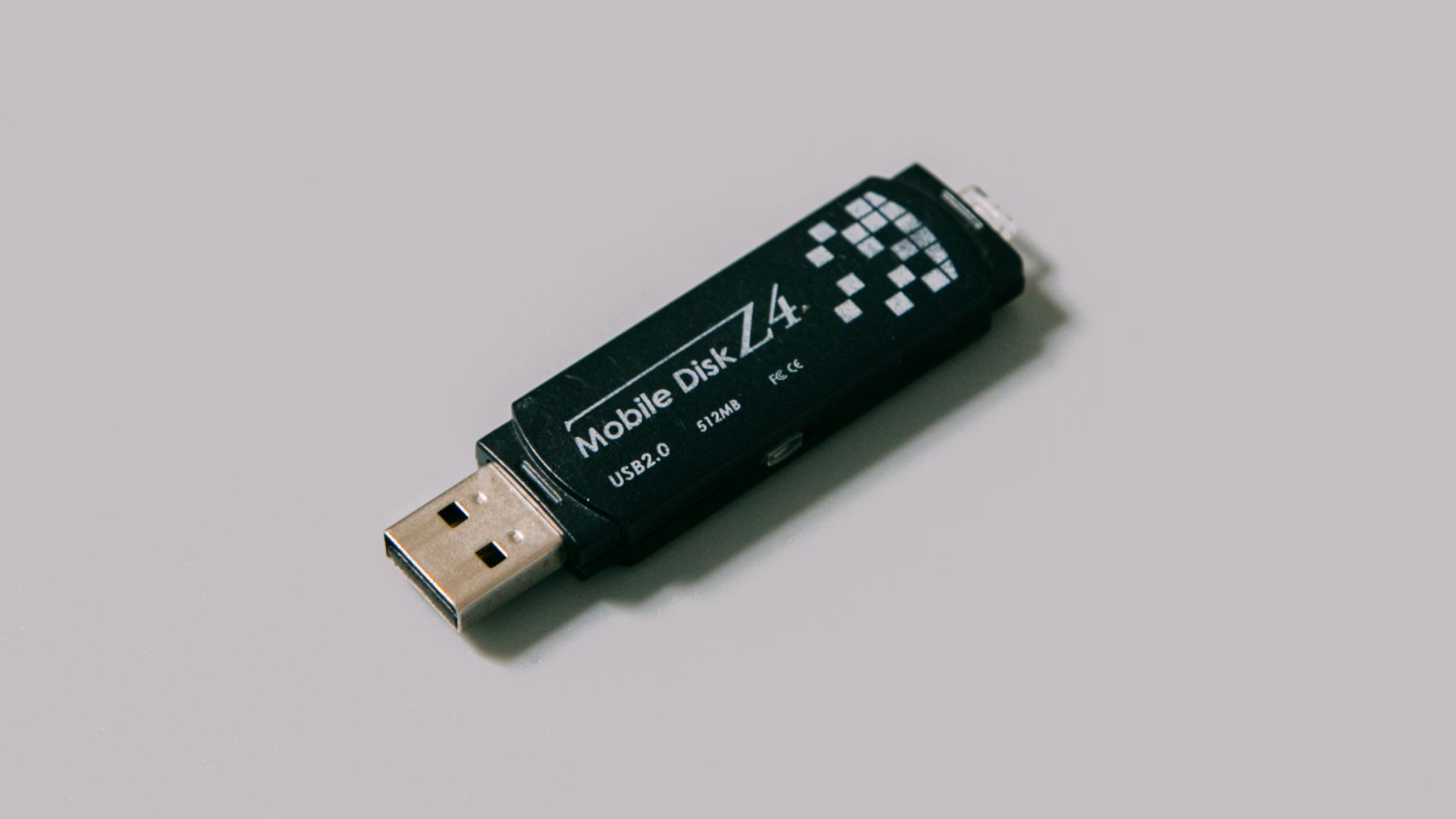
17. USB Flash Drives
USB flash drives once felt like a miracle because they held so much more than floppy disks. Students, office workers, and anyone moving files between computers carried them on keychains or tossed them into bags. They were useful, easy to lose, and occasionally full of files named “final_final_reallyfinal.doc.”
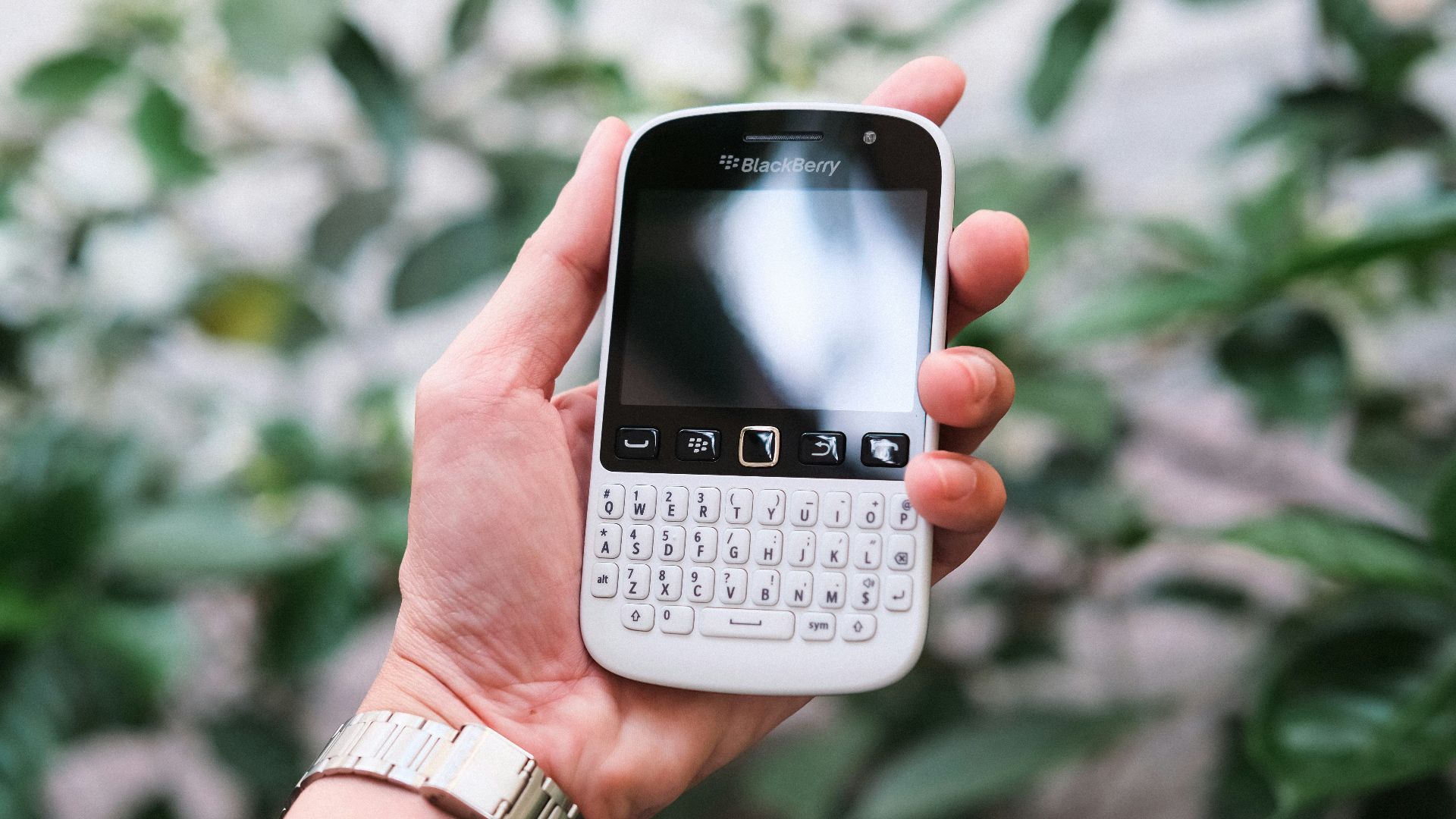
18. BlackBerry Phones
BlackBerry phones were once the serious business choice. The physical keyboard made emailing from a phone feel efficient, impressive, and important. Before smartphones became all-screen rectangles, BlackBerry made tiny keyboards look powerful.
19. Cable TV Boxes
Cable TV boxes made entertainment feel scheduled and slightly bossy. You had to check the guide, wait for shows to air, and sometimes record them if you remembered in time. Channel surfing was its own activity, and while streaming changed everything, it also removed the strange thrill of finding a favorite movie halfway through.
20. Early Social Media Profiles
Early social media pages were chaotic little self-portraits. You could customize backgrounds, rank friends, post song lyrics, and choose profile pictures that now deserve privacy protections. These pages taught millennials how to perform a personality online before anyone fully understood what that meant.