When Going Online Felt Like Entering a Different World
The old internet was messy, colorful, personal, and often held together by questionable HTML. Before a small group of enormous platforms dominated nearly everything, people bounced between search engines, fan pages, virtual worlds, blogs, quizzes, and social networks that each had their own strange personality. Many of those websites have since disappeared, but their ideas live on in the services we use today. If you spent your evenings waiting for pages to load while someone yelled that they needed the phone, these 20 names may bring back a few memories.
1. GeoCities
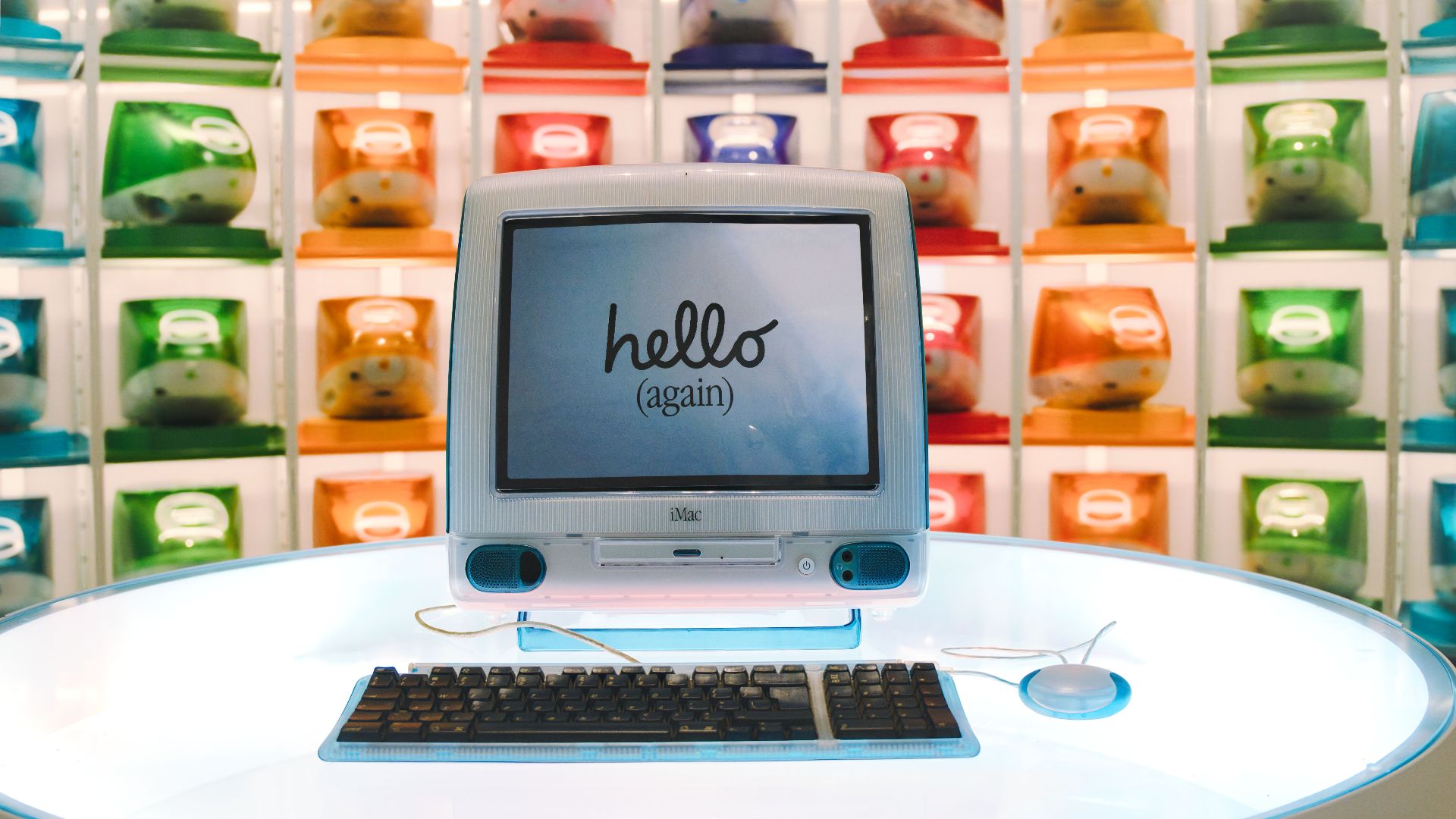
GeoCities gave ordinary people a free place to build websites about practically anything, from celebrity fan clubs to family pets. Users decorated their pages with patterned backgrounds, visitor counters, animated GIFs, and text that was sometimes painful to read. Yahoo shut down the main service in 2009, taking millions of personal pages offline, although archives preserve part of its wonderfully chaotic legacy.
2. AltaVista
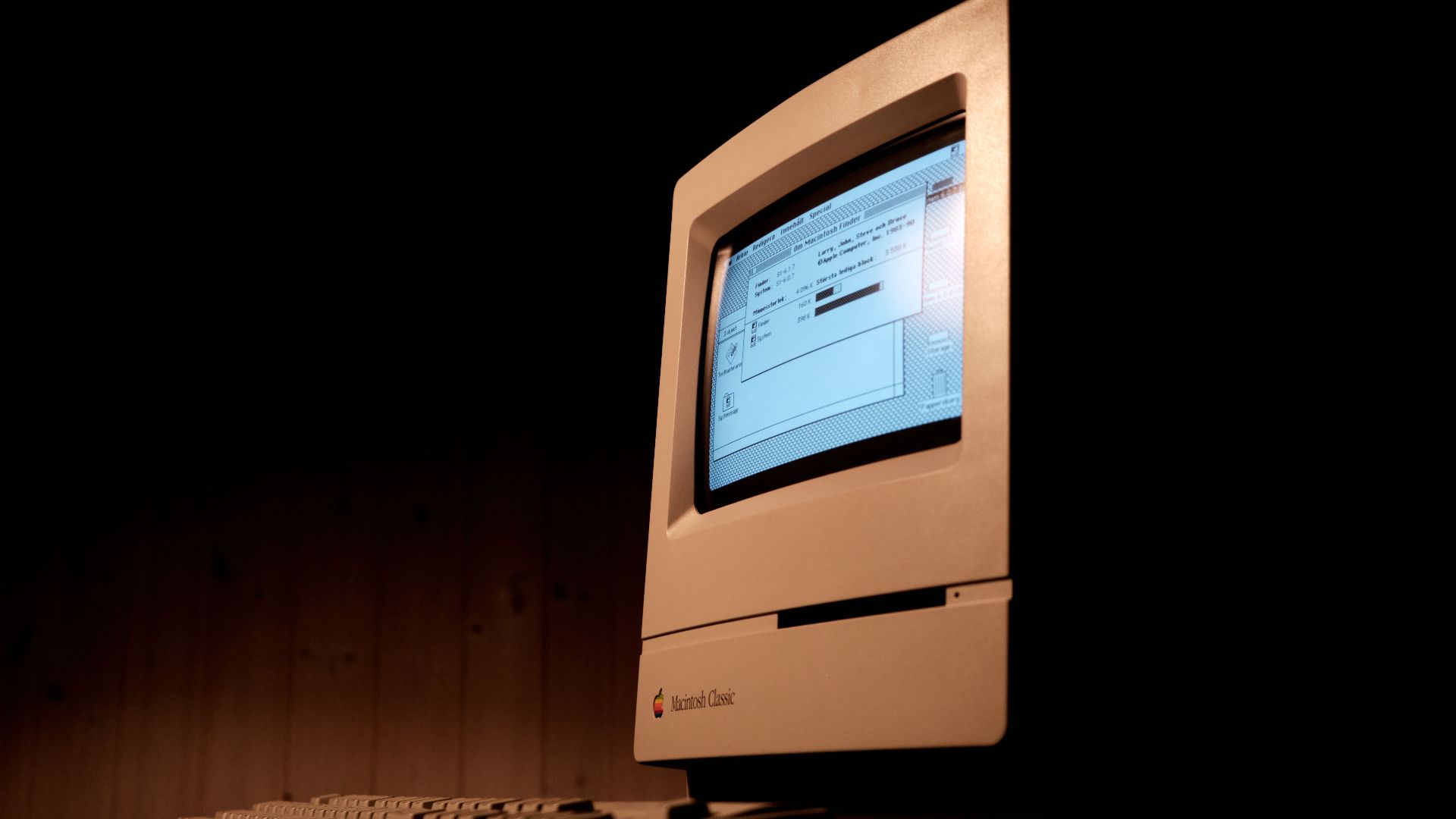
Long before “Google” became a verb, AltaVista was one of the biggest names in web search. It offered full-text searches and helped users navigate an internet that was expanding faster than anyone could neatly organize it. The engine eventually lost ground to newer competitors and officially closed in 2013.
 AltaVista Webseite on Wikimedia
3. Friendster
Friendster helped introduce millions of people to the idea of creating an online profile and connecting it to a visible network of friends. The service arrived before MySpace and Facebook, giving it an early lead that technical problems and shifting user habits eventually erased.

4. Vine
Vine proved that six seconds was plenty of time to make someone laugh, start a trend, or become unexpectedly famous. Its endlessly looping clips created a distinctive style of internet comedy that still influences short-form video. Twitter discontinued the platform, but countless Vine quotes continue to surface in conversations years later.
 Karthik Balakrishnan on Unsplash
5. Yahoo Answers
Yahoo Answers was where internet users asked questions they were apparently unwilling to ask anyone they knew personally. Some responses were genuinely helpful, while others made you wonder whether the writer had ever encountered the topic before. When the site closed in 2021, the web lost both an enormous knowledge archive and one of its most dependable sources of accidental comedy.

6. Google Reader
Google Reader gathered updates from blogs and news sites into one convenient dashboard. It became essential for people who followed dozens of independent websites before social media feeds decided what everyone should see. Google shut it down in 2013, and many loyal users still speak about the decision with surprising emotional intensity.

7. Orkut
Orkut was Google’s early attempt at building a major social network. Although it never ruled the United States, it developed huge communities in countries such as Brazil and India. Google closed the service in 2014, ending a decade of testimonials, interest groups, and carefully managed friend lists.

8. Google+
Google+ arrived with circles, hangouts, and the considerable advantage of being attached to Google. The company pushed it heavily, but many users never found a compelling reason to make it their main social network. Its consumer version closed in 2019 after years of jokes about how little anyone seemed to use it.
9. StumbleUpon
StumbleUpon let you press a button and land on a website chosen according to your interests. That simple system encouraged users to explore strange blogs, obscure games, photography pages, and corners of the web they never would’ve searched for directly. The service closed in 2018, leaving internet discovery feeling a little less spontaneous.

10. Delicious
Delicious turned bookmarking into a public, searchable activity rather than something hidden inside your browser. Users added tags to links and could see what other people were saving, making it an early form of community-driven content discovery. Ownership changes and stronger competition gradually weakened the service until it was discontinued.

11. AOL Hometown
AOL Hometown provided personal web space to users who wanted more than an email address and an instant-messaging screen name. Its pages included family albums, hobby collections, fan sites, and plenty of designs that worked best when viewed through late-1990s expectations.

12. Picnik
Picnik allowed people to edit photos in a browser without mastering complicated professional software. Its filters, text tools, stickers, and simple controls made it especially popular among bloggers and early social media users. Google acquired the service and later closed it, although parts of its technology found their way into other products.

13. Posterous
Posterous made blogging remarkably easy because users could publish posts simply by sending an email. It appealed to writers, photographers, and groups that wanted an online presence without spending hours adjusting templates. Twitter acquired the platform and shut it down in 2013, forcing users to move their posts elsewhere.

14. SixDegrees.com
SixDegrees.com was experimenting with social networking before most households understood what that term meant. Launched in 1997, it allowed users to create profiles, list friends, and connect through extended social circles. The service was too early to become a lasting giant, but its basic structure predicted what much larger platforms would later build.

15. Bolt.com
Bolt began as an online community aimed largely at teenagers, giving young users a place to create profiles and discuss entertainment and everyday life. It eventually added social networking and video features years before those categories became completely unavoidable.
 Creative Christians on Unsplash
16. Quizilla
Quizilla filled the internet with personality quizzes written by people who were often working with highly questionable scientific standards. You could discover which fictional character you resembled, what color your soul was, or whether your crush secretly liked you based on six obvious questions.
17. iVillage
iVillage was a major online destination for women during an era when websites were often organized around clearly defined communities. It covered health, parenting, relationships, food, beauty, and other everyday subjects through articles and discussion boards. As audiences moved toward social media and more specialized publishers, the once-prominent network gradually disappeared.

18. The Original Club Penguin
Club Penguin gave children a snowy virtual world filled with games, decorated igloos, collectible items, and heavily moderated conversations. Its penguin avatars made online socializing feel playful without requiring users to reveal much about themselves. Disney closed the original game in 2017, although unofficial revivals have tried to keep its spirit alive.
 Disney Canada Inc. on Wikimedia
19. Shockwave.com
Shockwave.com was one of the main places people visited when browser gaming still felt new. Its collection of puzzles, arcade titles, and interactive entertainment helped popularize games powered by Shockwave and later Flash technologies. The website finally shut down in 2019, while preservation projects continue rescuing games from that disappearing period of internet history.

20. Gawker
Gawker helped define the sharp, fast-moving style of online media that spread across the web in the 2000s. Its writers covered celebrities, media figures, technology, and New York culture with a voice that could be funny, ruthless, or both at once. Legal trouble led the original site to shut down in 2016, and a later revival also failed to last, but its influence remains easy to spot in digital publishing.